
The Eternal Flow of Time: Nature's Cycles and Water's Role as the Timekeeper
The Fluidity of Time: Nature’s Endless Cycles and Water’s Role as the Timekeeper
Time, as we know it, is a tool — useful, but artificial. The sun rises, the moon cycles, and the tides return, not because of minutes or hours, but because of cycles. Nature does not measure time by numbers. It remembers it through rhythm. Through bloom and decay. Through breath and return.
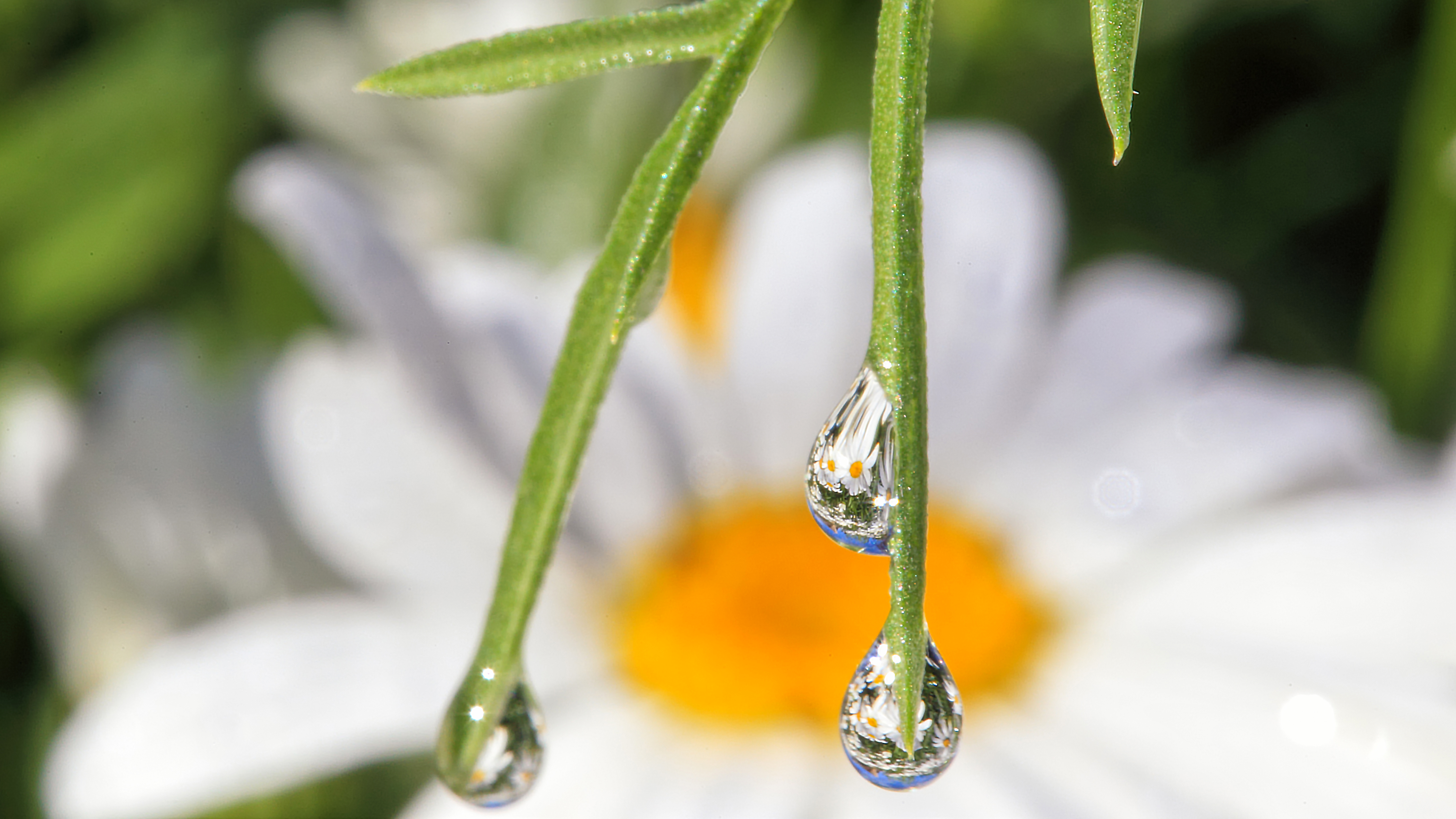
In my work as a nature photographer, I’ve come to see that the truest clock is not made of gears — it’s made of water. A lake holds the stillness of autumn. A stream carries the memory of winter melt. A droplet reflects both the present moment and the echoes of every storm and sky it has passed through. Water is nature’s archivist — flowing not forward, but in circles.
In this blog post, we’ll peel back the illusion of linear time and return to the deeper spiral — the eternal rhythm that guides all life. Through water, seasons, and the unseen geometry of nature’s cycles, we’ll explore how time is not a line, but a loop. Not a race, but a return.
“Water doesn’t keep time — it becomes time.” ~ Robbie George
The Human Invention of Time
The clock is a modern compass — but it only points forward. From sundials to quantum watches, humanity has shaped time into a tool of order, creating a structure to tame the unknown. Yet beneath this mechanical cadence lies a deeper truth: time is not measured by seconds in the natural world. It is measured by return, reflection, and resonance.
Nature doesn't count time. It remembers it. As we explored in The Living Code, the intelligence of life is embedded in spirals, not lines. Human civilizations imposed linear time to manage trade, harvests, and labor — but in doing so, we lost something sacred: our alignment with the eternal cycles of nature.
In contrast, a tree does not rush to bloom by a deadline. The moon does not care for calendars. Their rhythm follows environmental coherence, not digital schedules. And as we will see — the medium that holds these rhythms most faithfully is water. It is the field in which memory flows and cycles spiral back to begin again.
Nature’s Cycles vs. Human Time
Nature does not operate on deadlines — it pulses with continuity. While human civilization fragments time into seconds, nature moves in circles: from leaf to soil to root again. From moonlight to migration. From bloom to rest. These are not minutes — they are memory fields. Living spirals. Each cycle is a form of wisdom that predates the clock and will outlast it.
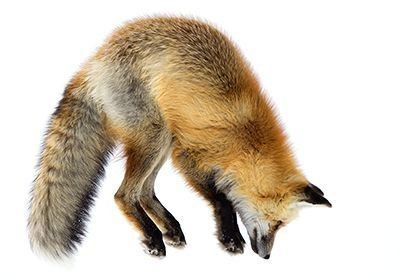
In bear hibernation, in butterfly migration, in the way trees let go of their leaves — we see nature’s clockwork unfold through subtle signals, not alarms. These cycles aren’t bound to dates. They follow sunlight, soil, moisture, and resonance. In the soil microbiome, time is tracked not by hands on a dial, but by fungal threads and nutrient waves.
Wild animals follow these rhythms with precision, migrating not by schedule but by instinctual coherence with the Earth. As a nature photographer, I’ve seen this firsthand. When you align with these cycles, time doesn’t feel like something you spend — it becomes something you return to. And through water, that return is remembered.
Water: The Timekeeper of Nature
Water doesn’t just move through the landscape — it records it. With every cycle of evaporation and return, every drop that gathers light and shadow, water becomes the memory of time. As explored in Nature Photos in a Drop of Water, water’s molecular structure allows it to store vibrational patterns, making it the original archival system of Earth’s cycles.
Through the Unified Water Theory, we see how water bridges biology, memory, and time. It loops through cloud and soil, through bloodstreams and tides — always returning, always renewing, always remembering. The hydrological cycle is not simply ecological — it is poetic. It is nature’s breath, exhaled in waves and fog and frost.
In this way, water becomes more than a life source — it becomes the timekeeper of all living things. Every lake reflects not only the sky above but the seasons behind and the energy ahead. As water flows through nature’s geometry, it carries the silent rhythm of all that has come before, and all that will return again.
Water as the Photographic Book of Mirrors
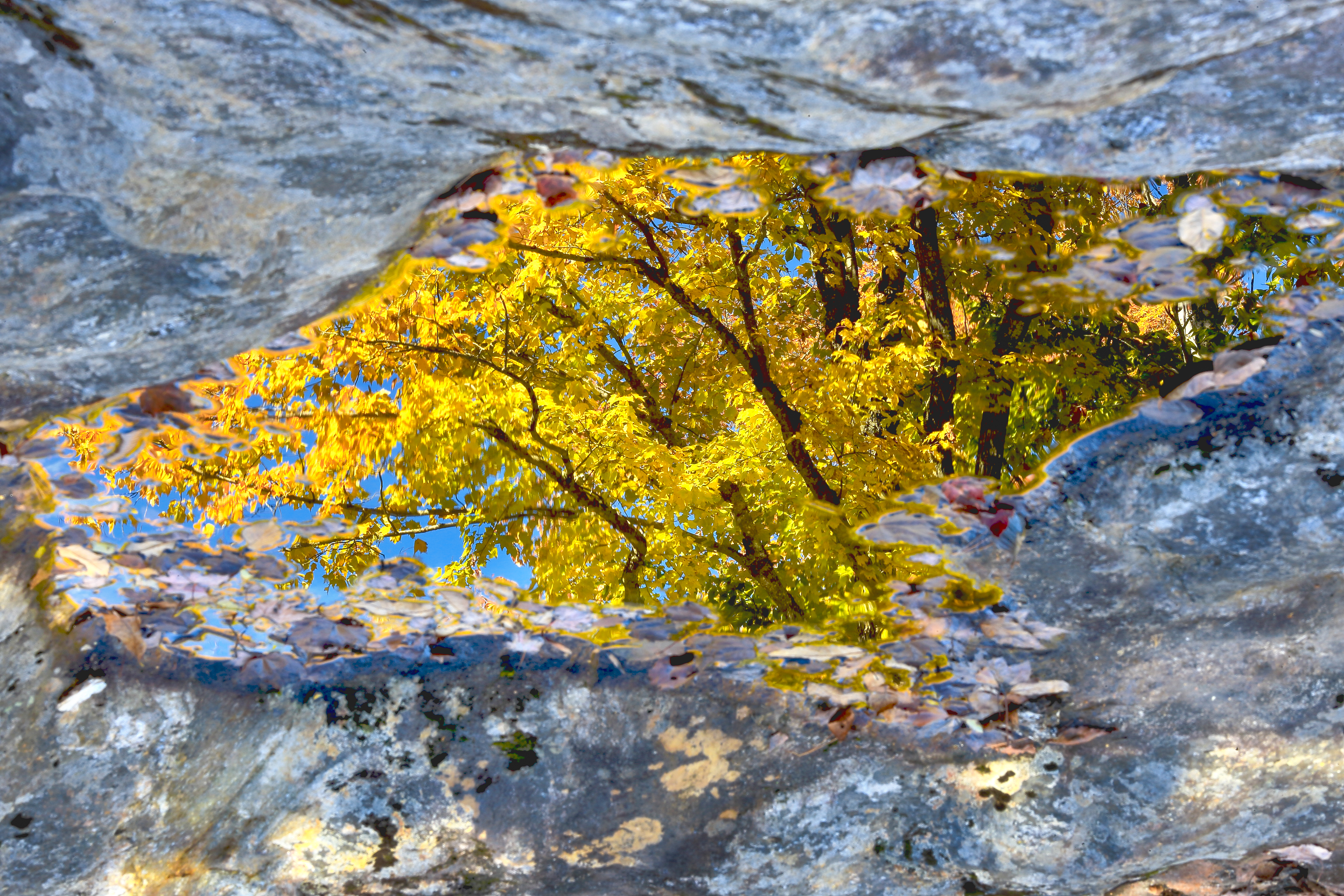
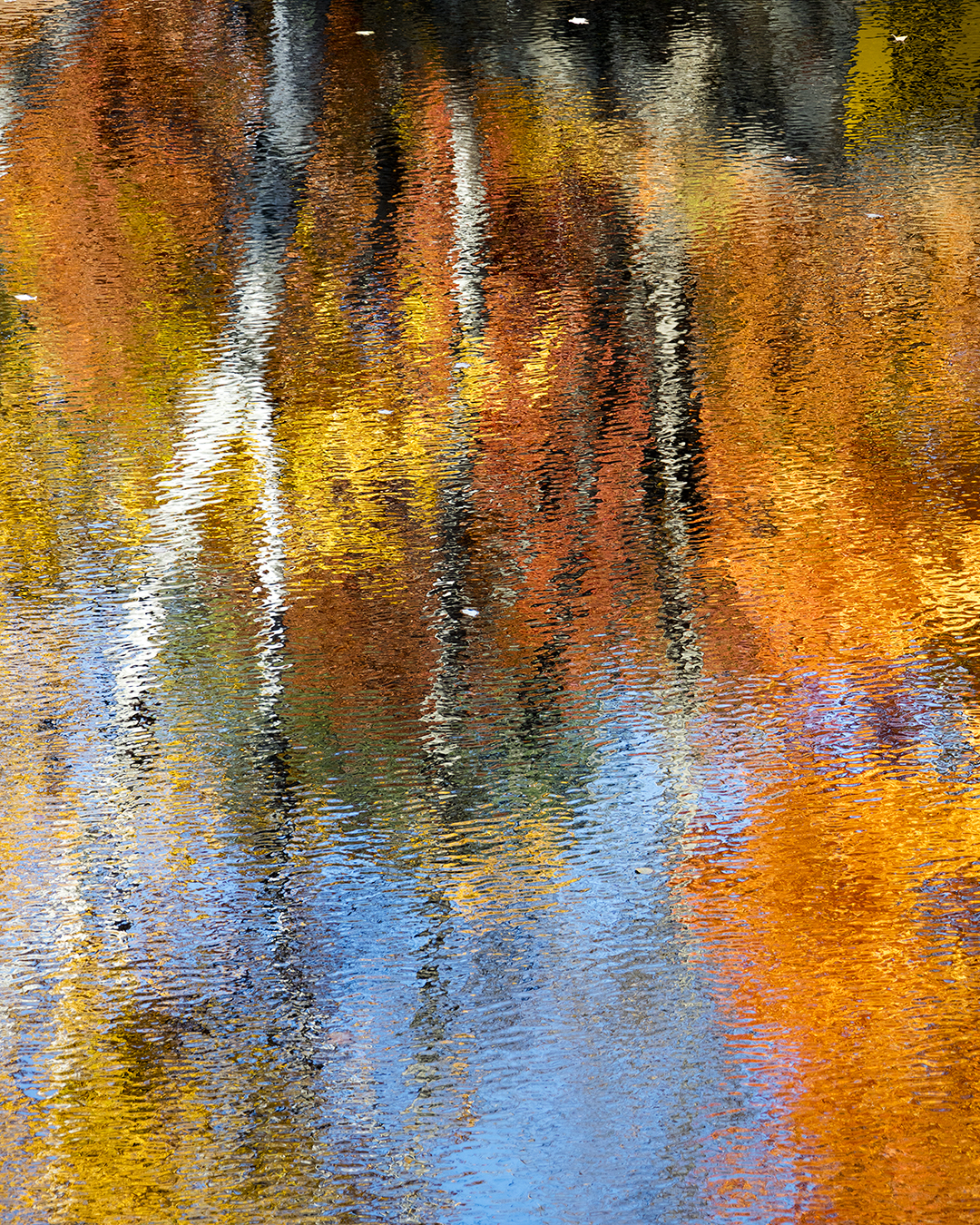
Every time I raise my lens to still water, I see more than reflection. I see memory. A living archive of seasons, colors, migration paths, and cycles in motion. In Nature Photos in a Drop of Water, I explored how water doesn’t just mirror light — it mirrors life. It holds the pulse of nature’s rhythm like a visual journal, capturing not moments, but cycles unfolding.
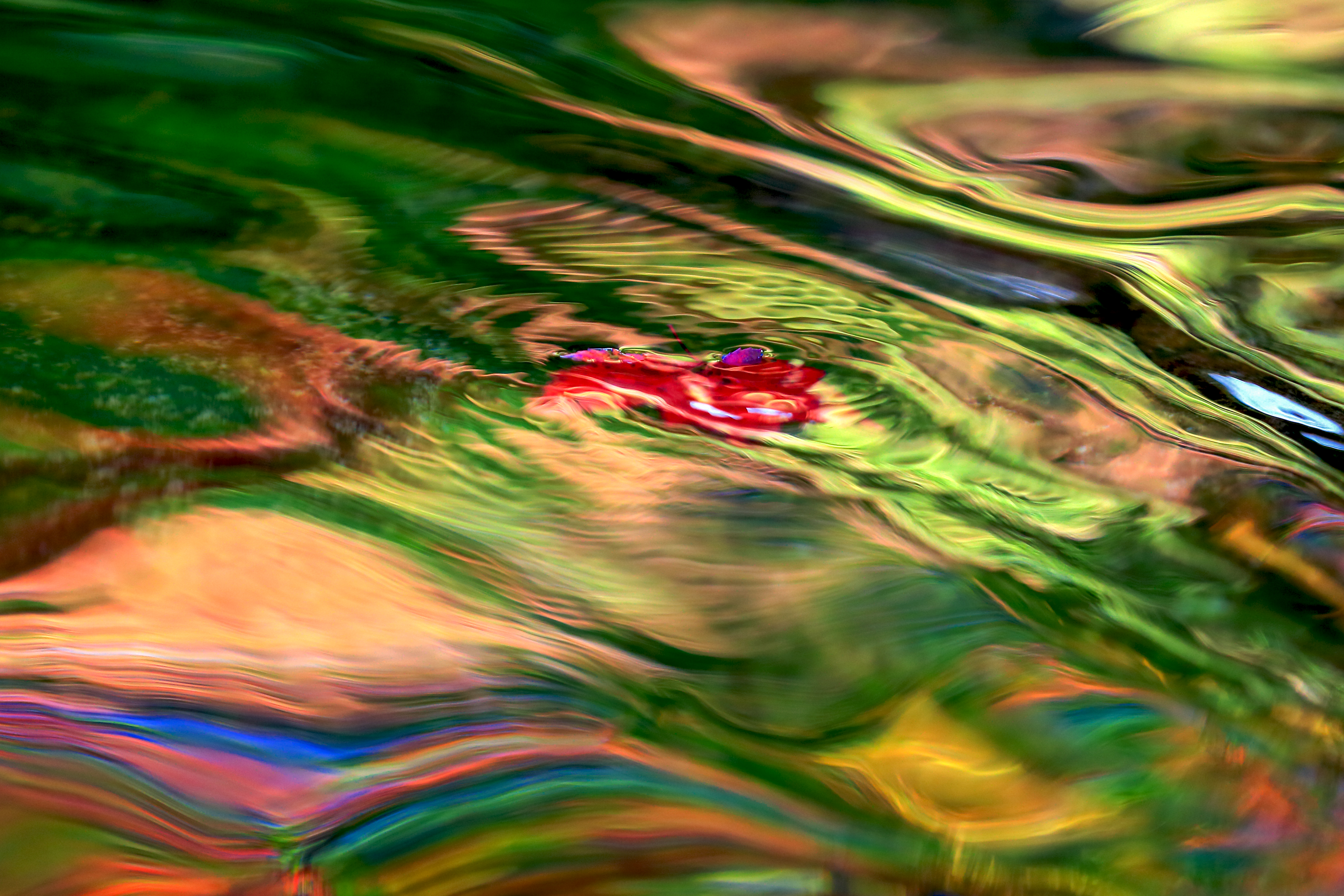
This idea echoes the insights of water as nature’s great informant. Its surface records light, but beneath, its molecular dance absorbs frequency, intention, and change. A stream reflecting autumn is not just scenery — it is a field recording of seasonal transition, etched into molecules, encoded in resonance.
Through photography, I try to reveal that water is not just a subject — it’s the storyteller. A single image of mirrored forest or falling leaf upon the lake becomes a spiral of time, a gateway to the sacred symmetry of life. It reminds us: what we see in water is not just what is — but what has always been becoming.
Ecosystems and the Disruption of Natural Cycles
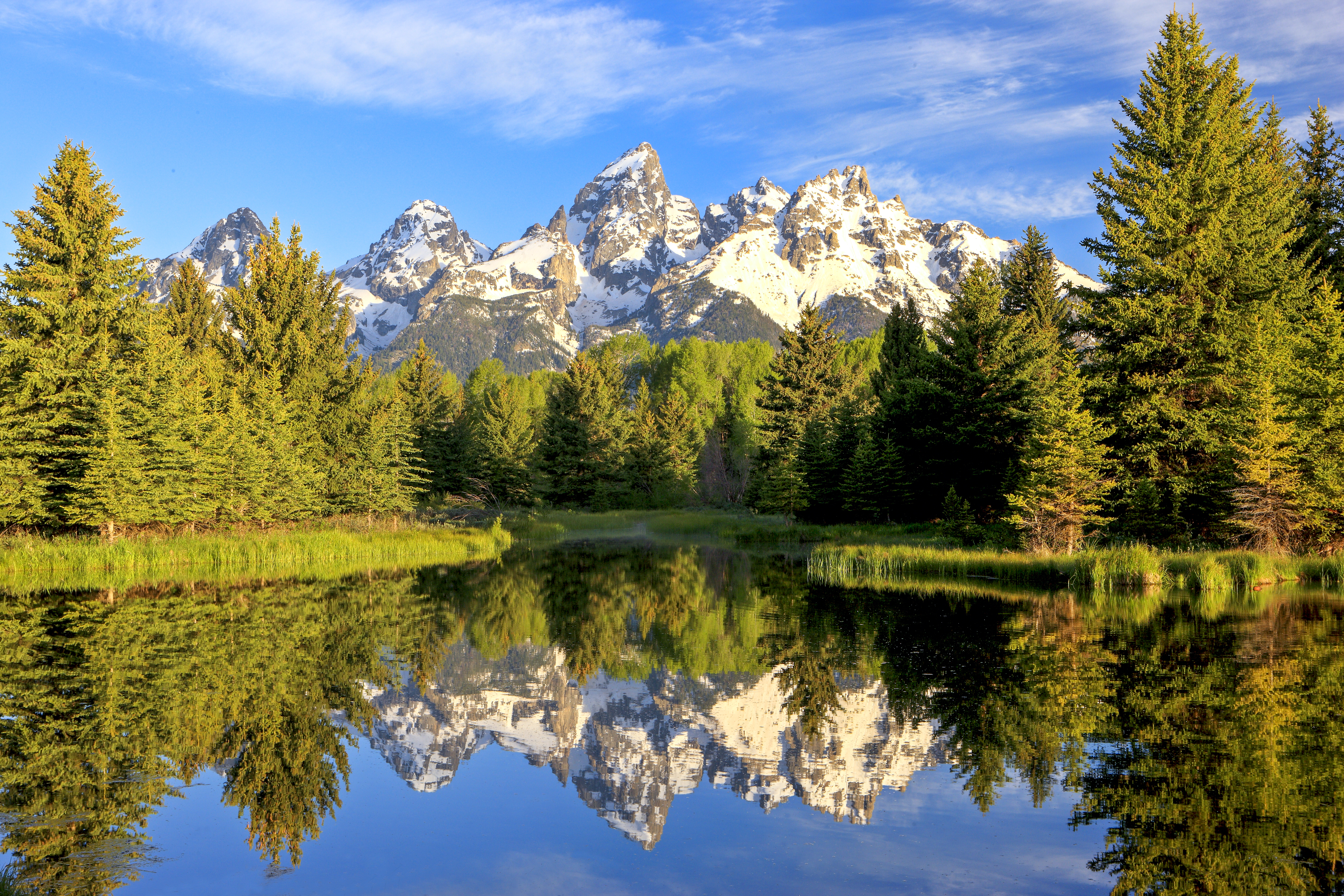
Nature’s cycles are not fragile — they are deeply resilient. But even resilience can be exhausted. When human activity disrupts the natural flow of water, light, and life, ecosystems begin to unravel. As we impose linear timelines on landscapes that pulse in spirals, the result is imbalance — and eventually, collapse.
One striking example is the Colorado River, once flowing freely to the Gulf of California. Now, due to overuse and mismanagement, its waters often disappear before reaching the sea. This disruption fractures not just geography, but memory. Wetlands vanish. Estuaries die. Communities suffer. When the river runs dry, so does the song of the cycles it once sustained.
These patterns echo around the planet — in the depletion of soil life, in the bleaching of coral, in the deforestation of rainforests that once summoned rain. When cycles are broken, time cannot recycle. And when water no longer flows with memory, the coherence of ecosystems — and the life they support — begins to fade.
Quantum Theory and the Nature of Time
Time, in the quantum world, does not flow — it flickers. It pulses. It loops. It becomes. In The Holographic Universe, we explored how gravitons and photons shape the rhythm of space itself. These fields do not operate in lines. They braid, reflect, and reappear — much like the water cycles we see on Earth.
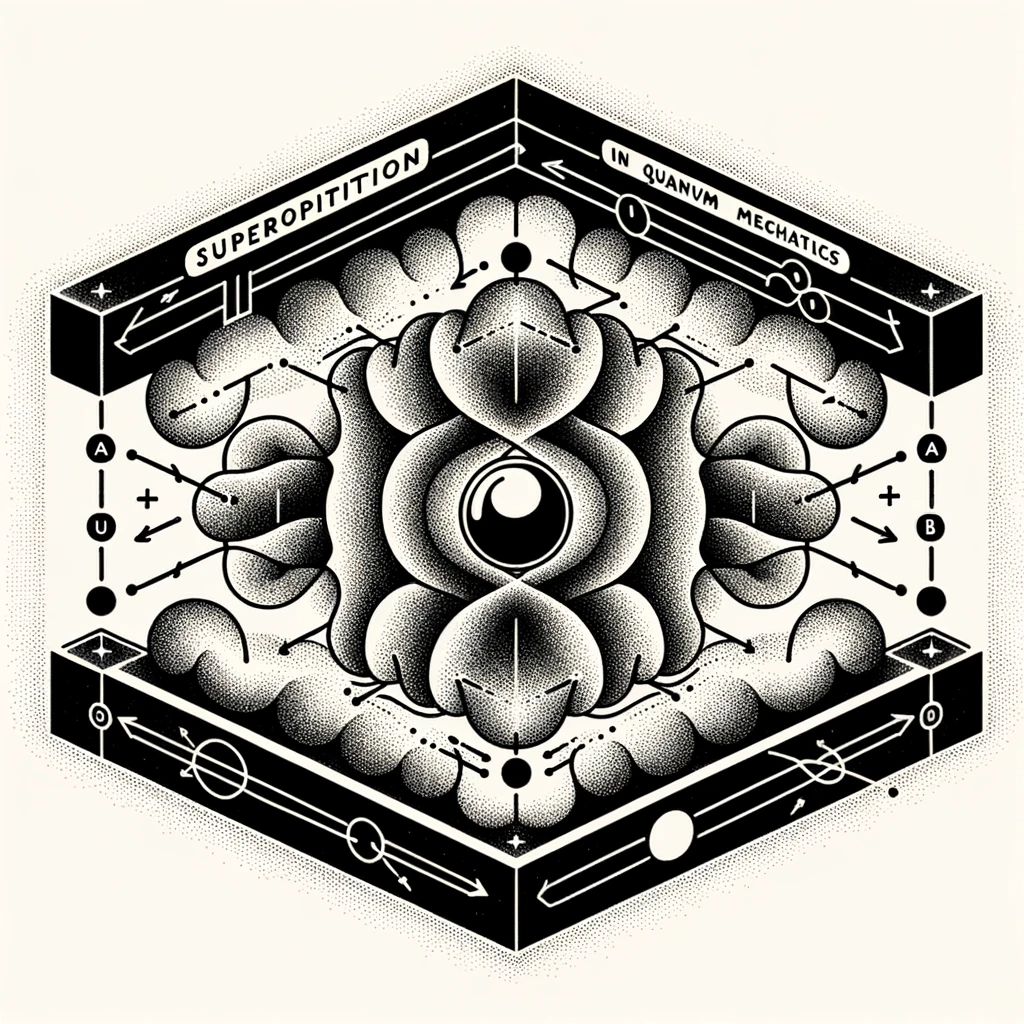
Quantum entanglement defies distance. Superposition defies definition. And through both, we begin to understand: time is not an arrow. It is a field — one that water travels effortlessly, recycling its memory through clouds, roots, and tides. As detailed in Quantum Vitality, light and water work together to sustain coherence. Together, they create a rhythmic intelligence that pulses through all living systems.
In this way, quantum theory doesn’t just describe time — it reflects it back to us as nature has always known it. A cycle. A spiral. A breath. Not mechanical, but musical. Not measured, but remembered.
The Illusion of Time and the Reality of Cycles
Time is not what we think it is. It’s not a rigid ladder we climb or a conveyor belt we ride. It’s a perception — a mental overlay — created by our brains to keep order in a world that was never meant to be linear. In truth, nature operates through cycles: rising, resting, blooming, retreating. These rhythms are real. Time is not.
In Reconnecting with Nature, we are reminded that stillness is a form of timekeeping. When we align our lives with the natural world — waking with the sun, resting with the moon, planting in spring, harvesting in fall — we return to the source of truth. Not mechanical time, but biological rhythm. The language of life itself.
To walk in sync with nature is to experience coherence. It is to leave the illusion of the ticking clock and reenter the pulse of the planet. In this state, you don’t feel late or early. You feel present. And that presence — like water — holds everything.
Conclusion: Honoring the Spiral of Time
Through water, through seasons, through the silent memory of ecosystems, nature teaches us that time was never linear. It was always circular. Always rhythmic. Always returned. The idea that life moves from beginning to end is a story we told ourselves to cope with change. But nature doesn’t end — it transforms.
When we observe a reflection in water, a sunrise in autumn, or the migration of wild geese, we are not seeing a moment — we are witnessing a loop. A field of energy completing itself and beginning again. As seen through the lens of The Living Code, these spirals are the universal rhythm. They are not symbols of endings, but signs of deeper continuance.
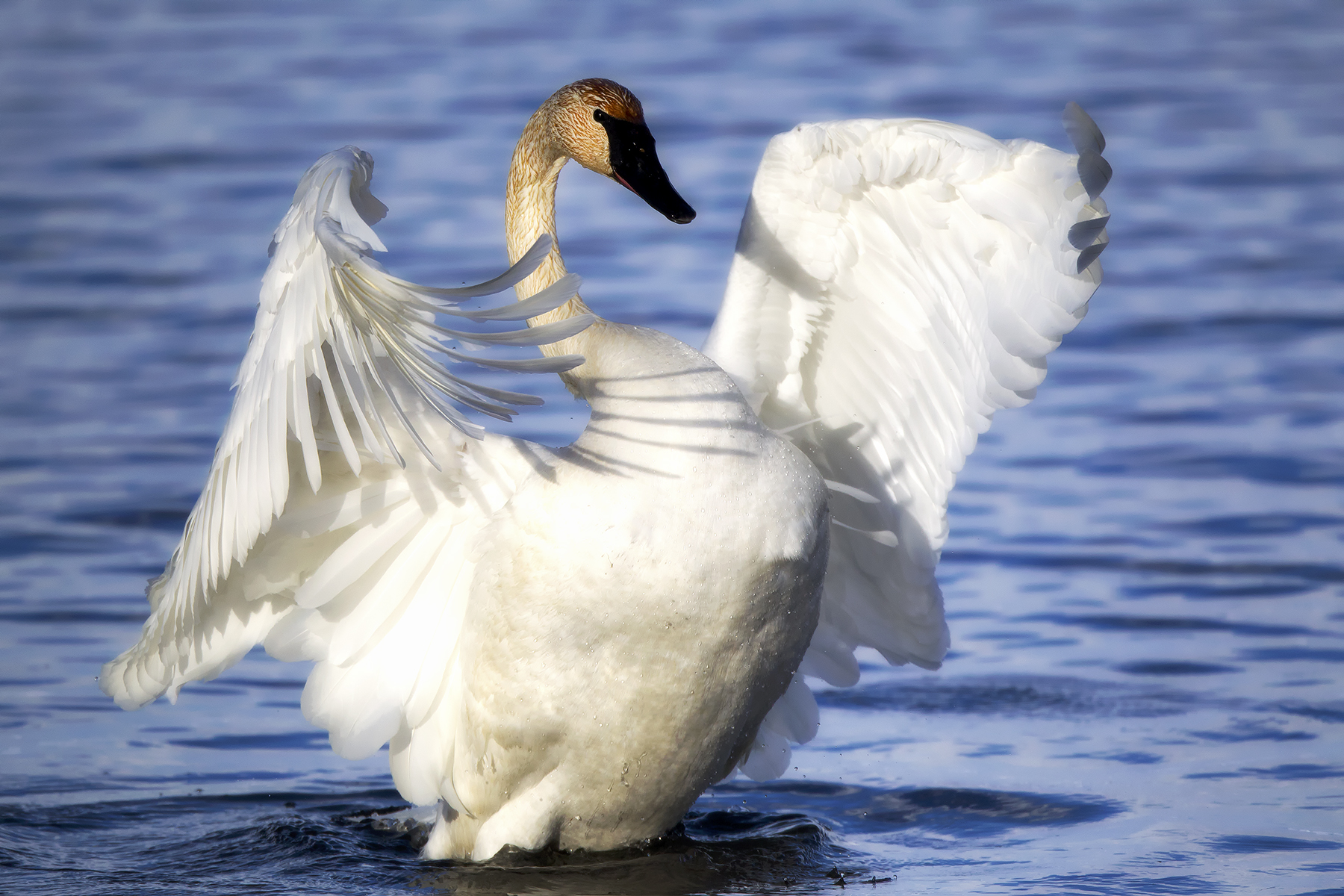
May we remember that our truest calendars are the leaves that fall. The rivers that pause. The swans that glide. May we let go of urgency and return to alignment. Time was never meant to chase us. It was always meant to hold us.
“The spiral does not rush forward — it deepens. So does time, when seen through the eyes of nature.” ~ Robbie George
Keep Following the Cycles
If this post resonated with you — if it stirred a memory deeper than minutes — then I invite you to keep exploring the spiral.
🌊 Reflect with the Unified Water Theory
🌀 Decode rhythm through The Living Code
✨ Return to the body with Quantum Vitality
🔭 Step into solar rhythm with The Solar Soul Clock
Naturepedia Connections
This article connects to the broader Naturepedia system—where time, ecosystems, water cycles, and wildlife behavior are explored as interconnected expressions of nature.
- Naturepedia — the full interconnected wildlife and ecosystem knowledge system
- Ecosystems of North America — how seasonal cycles shape landscapes and habitats
- Wildlife Behavior & Ecology — migration, hibernation, and seasonal rhythms
- Wildlife Migration & Seasonal Patterns — how animals track time through environment
- Wildlife Conservation & Habitat — protecting natural cycles and ecosystems
- Quantum Vitality — light, water, and biological coherence
- Water Wonders — field-based reflections of water and seasonal cycles
Explore Fine-Art Prints
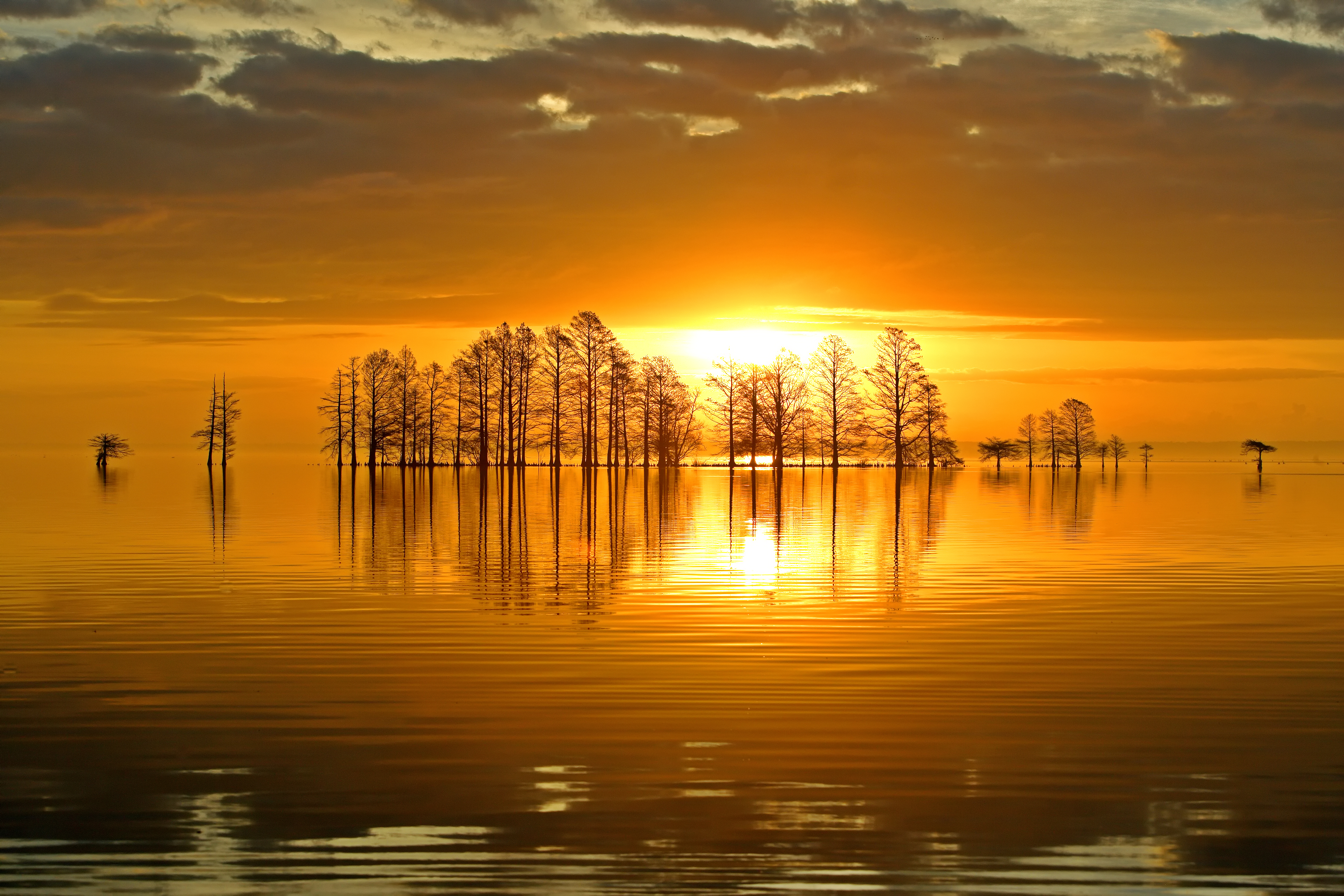
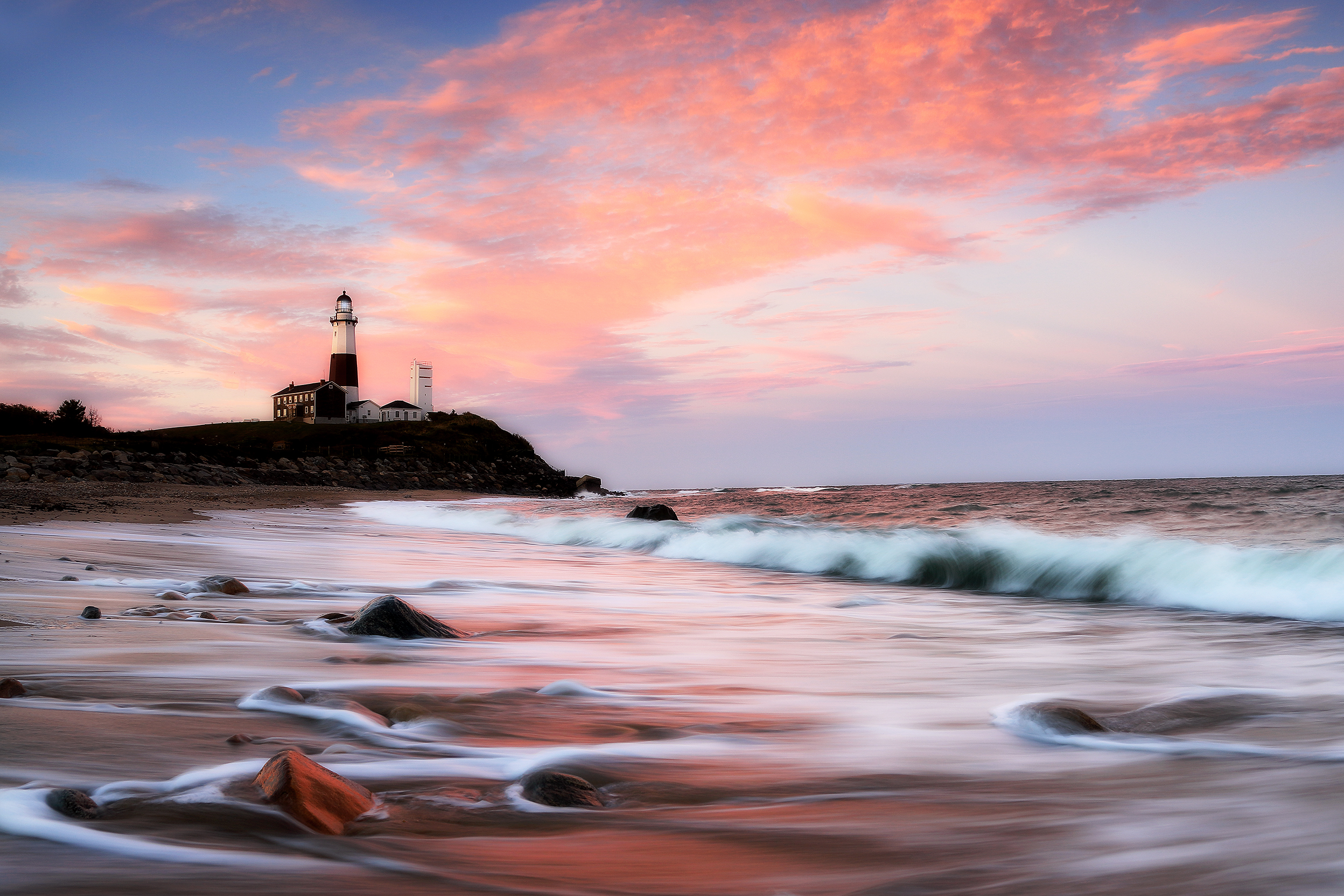
Bring the season home—browse Wildlife, Landscapes, and Seascapes by National Geographic–published photographer Robbie George. See framing, editions, and care on the Collectors page.
 Landscape
  Seascapes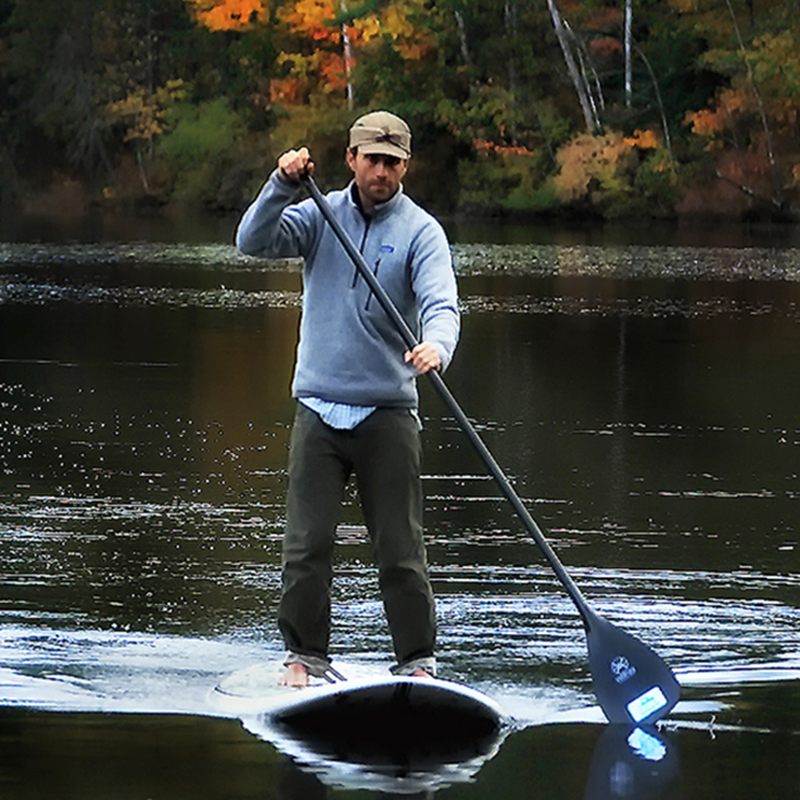
About Robbie George
Robbie George is a National Geographic–published photographer and resonant naturalist. His fieldcraft follows a simple ethic—distance first, habitat always— shaped by Slow Knowledge and the Signature Series.
Explore calm, undisturbed behavior in the Wildlife Gallery or plan your next trip with the Seasonal Wildlife Calendar, Golden Hour & Moon, and Photography Maps.
“Attention first, image second. The shutter is the period at the end of a sentence you learned by walking.”
FAQs: Nature’s Cycles and Time
How does nature measure time without clocks?
Nature measures time through cycles such as seasons, sunlight, temperature, and biological rhythms. Plants, animals, and ecosystems respond to environmental changes rather than fixed schedules.
Why is the water cycle important for ecosystems?
The water cycle moves moisture through evaporation, clouds, rainfall, soil, and rivers. This circulation supports plant growth, wildlife habitats, and overall ecosystem stability.
How do animals track seasonal changes?
Animals respond to environmental cues such as daylight, temperature, and food availability. Migration, hibernation, and breeding cycles are all tied to these natural signals.
What happens when natural cycles are disrupted?
Disruptions to water flow, climate, or habitat can cause ecosystems to fall out of balance. This can lead to species decline, habitat loss, and long-term environmental instability.
How does water influence seasonal change?
Water regulates temperature, supports plant growth, and drives weather patterns. It plays a central role in shaping seasonal transitions across landscapes.
How does understanding natural cycles improve photography?
Photographers who understand seasonal timing, wildlife behavior, and environmental conditions can better anticipate light, movement, and landscape changes in the field.
How can I reconnect with natural rhythms in daily life?
Spend time outdoors, observe seasonal changes, follow sunrise and sunset patterns, and pay attention to local wildlife and weather. These observations help reconnect you with nature’s timing.