

You Cannot Step into the Same River Twice: Exploring Change, Water, and Light Through Nature’s Lens
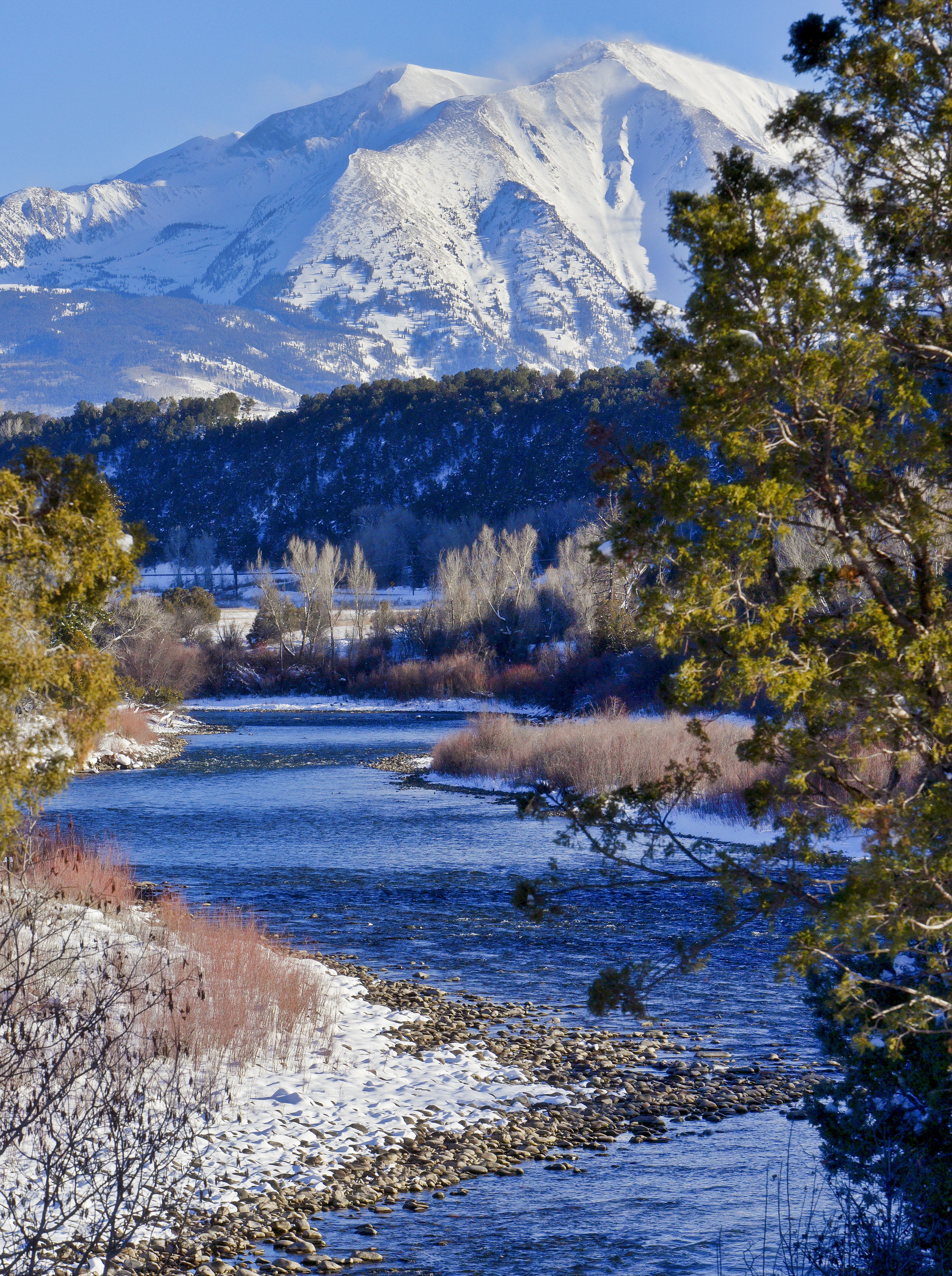
You Cannot Step into the Same River Twice
"You cannot step into the same river twice." — Heraclitus
Heraclitus, the pre-Socratic Greek philosopher, offered this timeless insight to express the ever-changing nature of the world. According to him, everything is in a state of flux—just like a river that is constantly flowing and reshaping itself. The river you step into today is not the same one you'll step into tomorrow; it has moved on, transformed by time, motion, and new energy. His philosophy teaches us that nothing in life is static. All things evolve.
As a nature photographer deeply connected to the rhythms of light, water, and the wild, I’ve come to see Heraclitus’ vision echoed in every river I photograph. Whether it’s the subtle shift of light on a stream or the ever-renewing ripples of a mountain brook, nothing is ever exactly as it was. Each image is an imprint of impermanence—one moment held in time before it drifts downstream like the water itself.
My visual philosophy is rooted in this understanding of transformation. In earlier writings on quintessence and the essence of nature, I shared how the interplay of water and light reflects a deeper cosmic pattern. Nowhere is this more evident than in rivers—the perfect metaphor for time, consciousness, and the ever-moving present.
The Flow of Water and Its Eternal Transformation
Water as a Metaphor for Change
Water is one of the most profound metaphors for impermanence. Flowing without resistance, it carves canyons, nourishes forests, and carries stories from mountaintops to the sea. Just as Heraclitus envisioned the ever-changing river, each molecule of water passes through endless phases—mist, rain, ice, and current—never fixed, never static. It reflects the truth that all things transform with time.
In my own Unified Water Theory, I see water as the physical expression of change itself. It is the medium of movement and memory—storing molecular information, reshaping landscapes, and sustaining life. Just as you cannot step into the same river twice, no photograph of water is ever the same.
The Water Wide Web: Nature's Hidden Network
Water is more than a traveler—it’s a communicator. I call this natural infrastructure the Water Wide Web—an invisible communication network flowing beneath and around us. Like the Wood Wide Web, which connects trees underground, water carries data, nutrients, and signals across ecosystems. It links mountain springs to oceans, wildlife to weather systems, and people to planet. In this way, water is not only a force but a storyteller.
Widget Suggestion: 💧 Water Wide Web Explorer
Through photography, I aim to capture these flows—not as frozen moments, but as glimpses into a moving story. Each reflection, ripple, or shimmer of light on water becomes part of a wider message: change is not just constant; it is essential. And water, in its graceful adaptation, teaches us how to move through the world with presence and fluidity.
💧 Water Wide Web Explorer
Water is nature’s original internet—constantly flowing, connecting, and exchanging energy and information across every ecosystem. This widget illustrates how a single drop of water carries minerals, memory, and life across the planet.
- Start: Melting snow in the Rocky Mountains
- Passes through: rivers, wetlands, forest roots
- Transports: nutrients, microbiome life, quantum signatures
- Ends in: the ocean, evaporating into clouds—starting again
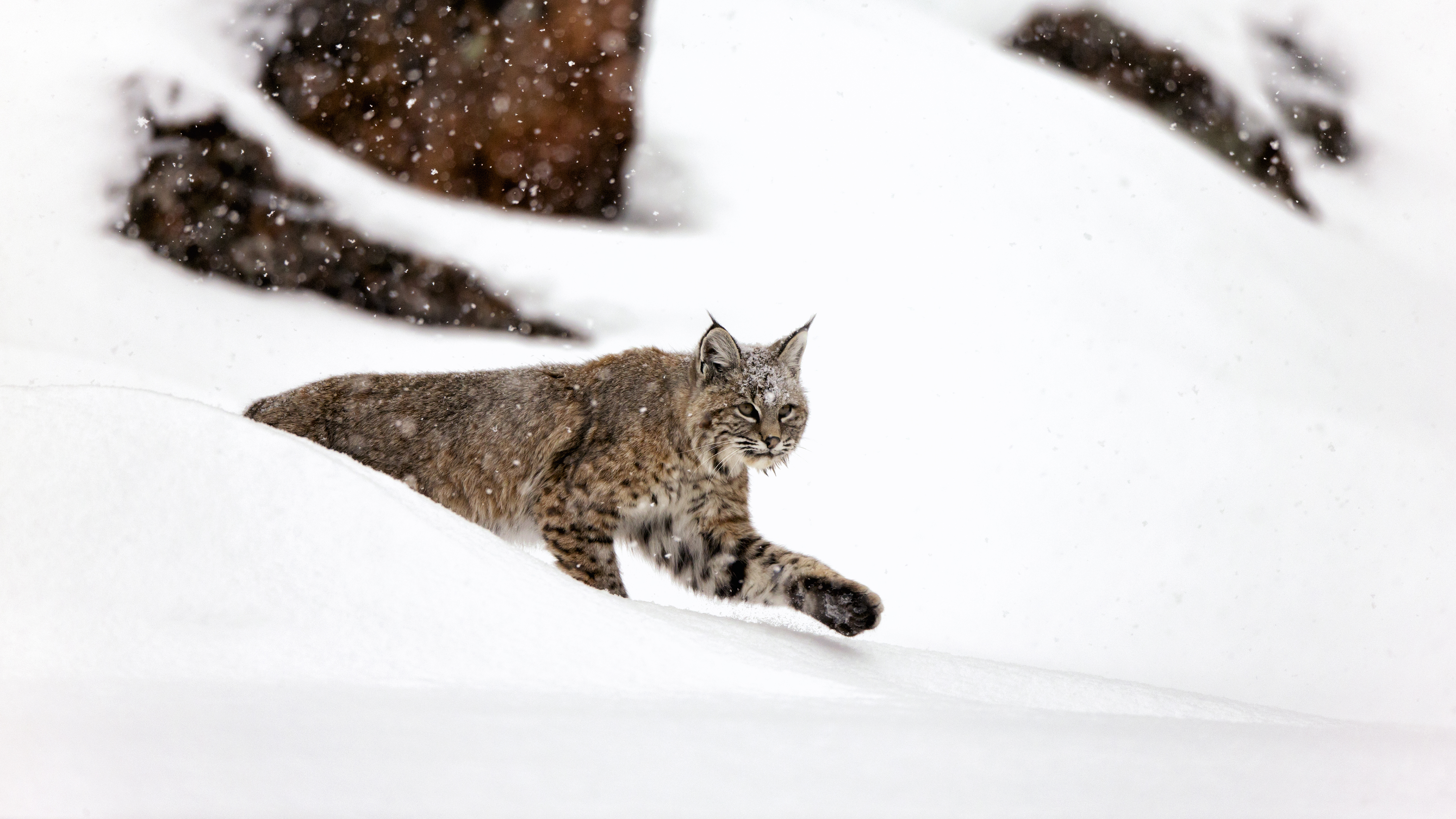
Visual: The Water Wide Web connecting biomes from source to sea
Water never stops moving. Neither does its memory. Explore more in our related post: The Water Wide Web →
Related Reading
The Sun as the Eternal Flow of Photons
Parallel with Photons: Constant Flux and Change
Heraclitus taught that we cannot step into the same river twice—and the same can be said of the sun. At any given moment, the sun is streaming billions of photons toward Earth—tiny packets of energy that never repeat. These photons are in constant motion, carrying the warmth and light that shape our world. You cannot bask in the same sunlight twice, because the light touching your skin now is already gone, replaced by a new wave. This mirrors the flux of water and speaks to the impermanence of all things.
Light and Photons: The Flow of Energy in Nature
Photons are the cosmic messengers that fuel photosynthesis, influence biological rhythms, and reveal the colors of nature. In Water – Nature’s Color Shifter, I explored how water and light collaborate to sculpt the visual world. Photons bounce, bend, reflect, and refract, changing everything they touch—just like a river changes the stone. In nature photography, we capture not just subjects, but the ephemeral dance of these photons in space and time.
Photons and Consciousness: Time, Light, and the Quantum Realm
Beyond physics, photons may hold a deeper role in the story of consciousness. In my post Captured Light, I explore how light shapes our perception of time and awareness. Each photon interacts with matter in ways that challenge linear time. Could it be that light, like water, acts as a subtle thread between the physical and the metaphysical—a bridge between biology and being?
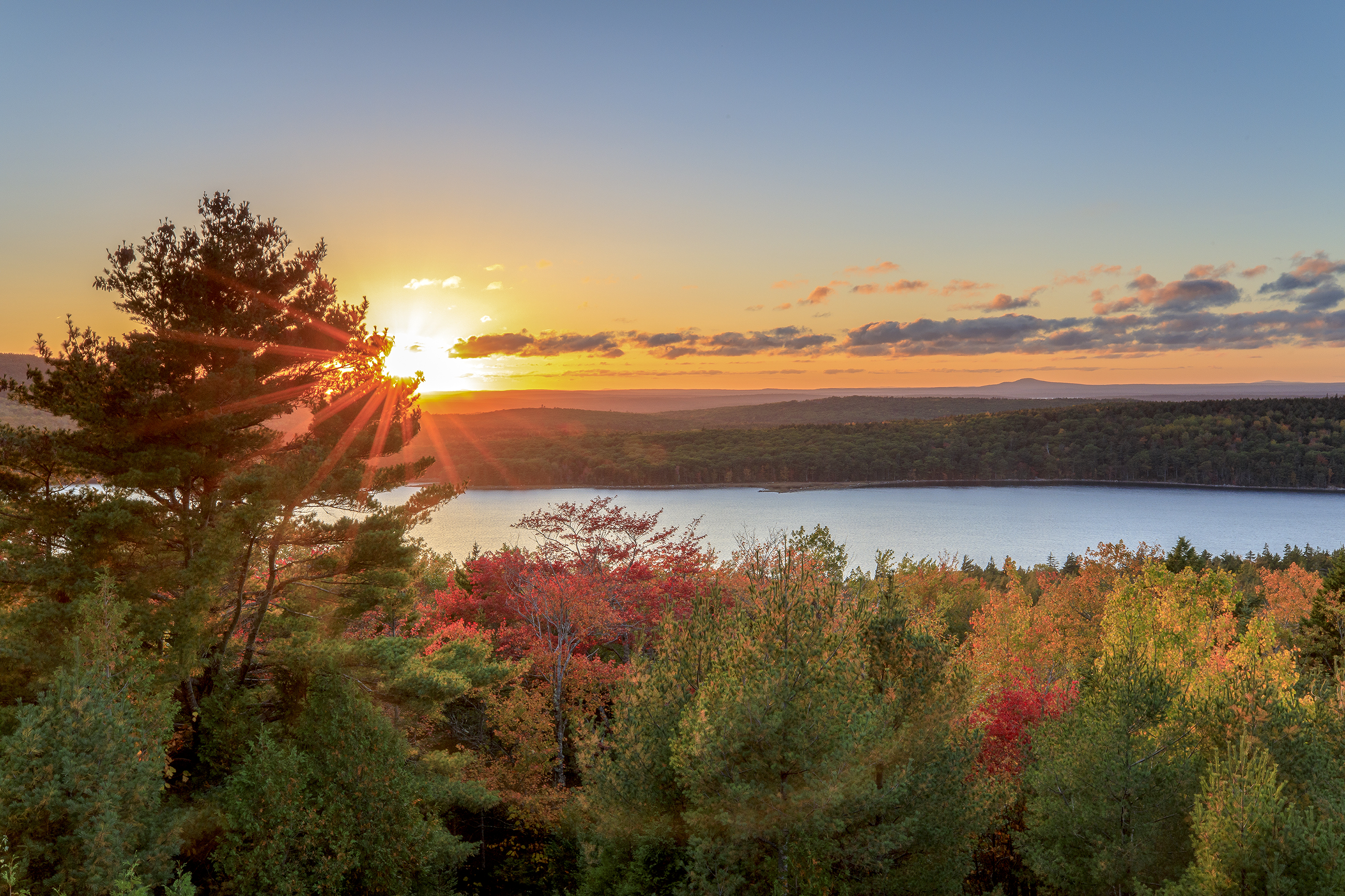
Mother Nature in Acadia National Park — Fine Art Print Available
🌞 Photon Wide Web Explorer
Just as water connects the ecosystems of Earth, photons connect the fabric of time and energy. From the sun to your retina to the cells of a leaf, photons travel vast distances to deliver light, information, and life instructions.
- Source: Emitted by the sun as pure energy
- Journey: 93 million miles in ~8 minutes to reach Earth
- Interaction: Triggers photosynthesis, vision, circadian rhythms
- Impact: Shapes seasons, awareness, and evolution
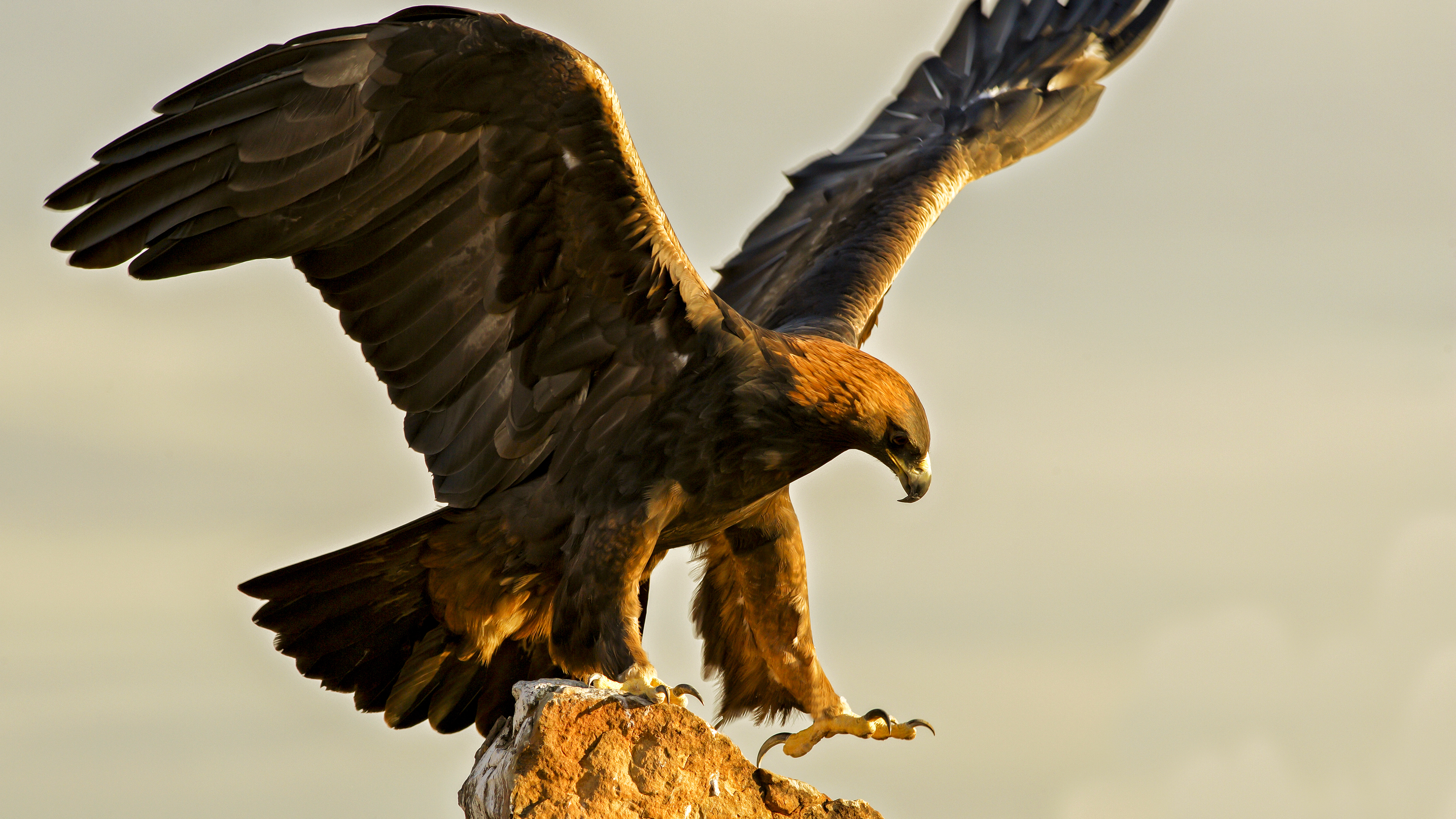
Visual: Photons illuminating landscape and influencing natural life cycles
Photons are more than light—they’re time travelers of energy. Learn more in the post: Photons: Cosmic Messengers →
Nature Photography: Capturing Fleeting Moments in Time
Nature’s Constant Change
Just as Heraclitus' river is always moving, the natural world is never still. In nature photography, no two moments are ever alike. The sun’s position shifts, animals change behavior, and water flows endlessly onward. Each photograph is a testament to transience, a unique convergence of light, movement, and energy that can never be duplicated. To photograph nature is to accept its impermanence—and to honor it.
The Role of Time in Photography
A photograph is time, frozen. In that instant, you capture a singular constellation of light, shadow, atmosphere, and subject. A moment before or after, and the scene has changed. This is why time is both a challenge and a gift to the nature photographer. You learn to sense the rhythm of nature—to anticipate change and recognize when a moment is revealing something extraordinary.
The Photographer as Observer of Change
The photographer is not just a witness, but a participant in nature’s continuous transformation. To photograph well, you must be present—mindful of the light, the movement of air and water, the subtle gestures of wildlife. Photography becomes a form of meditation, a way to connect with impermanence and the sacred now. It is through this practice that I capture the essence of nature’s fluid truth, where impermanence becomes beauty.
Light as a Photographic Element
Light, like water, is constantly shifting. It changes direction, intensity, and tone—moment to moment. The photons that shape your photograph were born in the sun and traveled across the solar system to strike your lens. When we photograph light interacting with water—whether it’s a stream, a raindrop, or fog rising off a lake—we capture the alchemy of transformation. Every shot becomes a record of flow and reflection, energy and stillness.
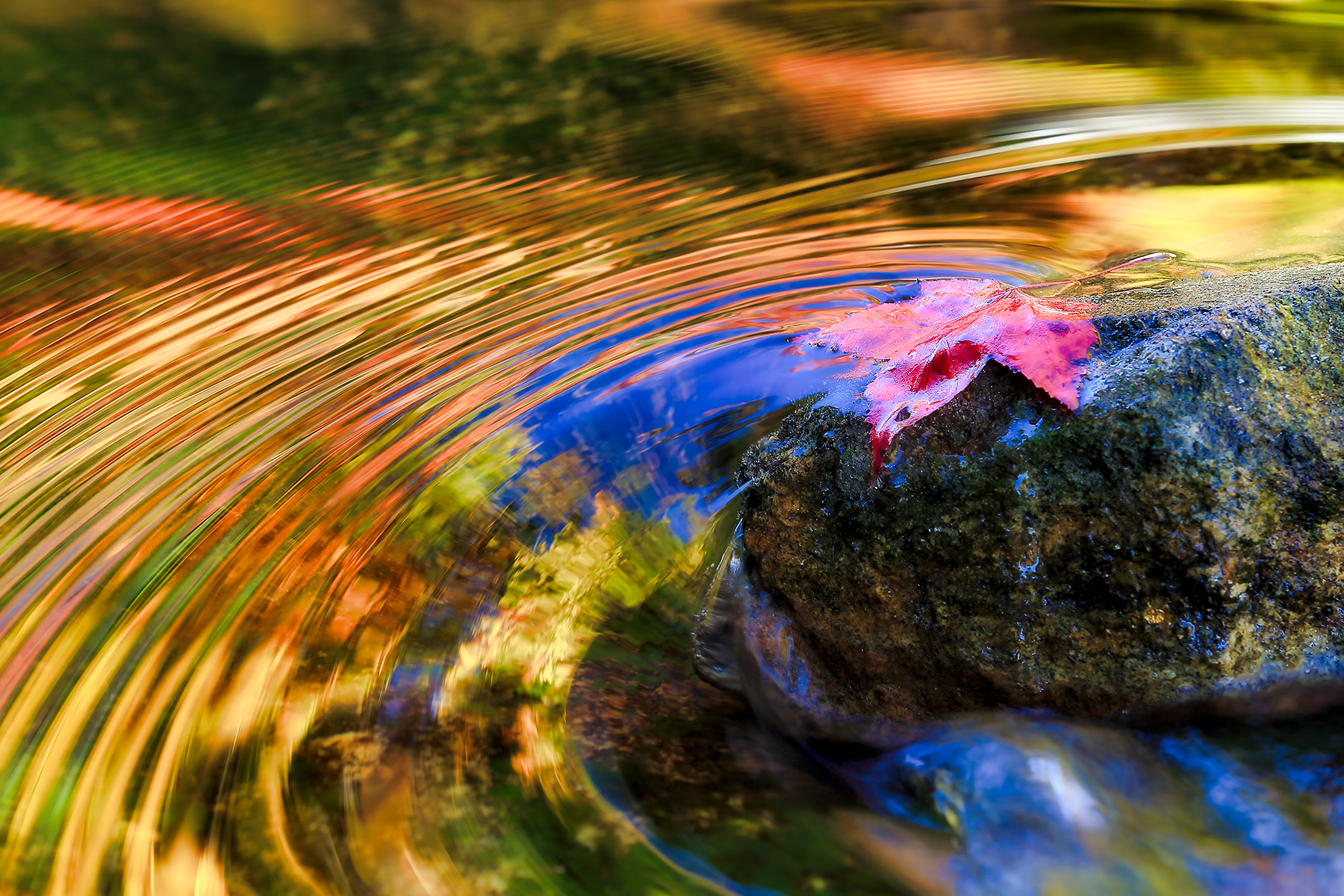
Leaves Falling in Water During Autumn — Fine Art Print Available
Water, Light, and The Unified Theory of Consciousness
Water as a Medium of Consciousness
In my ongoing exploration of the Unified Theory of Consciousness, I believe that water and light are not just physical elements—they may be vessels of consciousness. Water’s molecular structure allows it to store, transfer, and possibly interpret information. As it flows through rivers, clouds, and cells, it absorbs the stories of the Earth. When paired with light, especially the infinite stream of photons from the sun, the two may together create the infrastructure for awareness.
This flow of light and water mirrors the movement of thought—ever changing, interconnected, and layered with meaning. Perhaps water, in its sensitivity and memory, acts as a kind of universal medium for consciousness, bridging the physical and the metaphysical. This theory suggests that consciousness may not arise from the brain alone, but from life’s relationship to water and light—and photography becomes one way of documenting this resonance.
Photon-Mediated Change: Light and Consciousness
Could photons—those massless carriers of light—also be subtle messengers of conscious awareness? On a quantum level, photons behave in ways that challenge our understanding of time, space, and reality. They are everywhere and nowhere, moving in streams that fuel photosynthesis, illuminate landscapes, and shape our visual perception. I believe that photons, when they interact with water, may create the energetic field necessary for life and self-awareness to emerge.
One way to express this is through a symbolic equation I’ve developed:
Water + Light → Photon-Consciousness Interaction (P + W → Cint)
This proposes that consciousness is not localized—it may be a field that arises from the interaction of elemental forces. As photons strike water molecules in nature, they create movement, reaction, and potentially even memory. Together, they create the medium in which awareness may flow.
The Ever-Changing Universe: A New Understanding of Interconnectedness
All around us, change is constant. Rivers evolve, photons flicker, leaves fall—and yet a deeper interconnected system binds it all together. Water and light, I believe, are the primary threads in the fabric of nature’s intelligence. From the Water Wide Web that communicates across landscapes, to a possible Photon Web that transmits signals of time, presence, and transformation—everything is linked.
Nature is not separate from consciousness. It is consciousness—expressed in form, flow, and frequency. The ripples in a river or the rays of light in the sky are not random; they may be part of a larger, living system that feels, remembers, and evolves. Through photography, we glimpse it. Through water and light, we may someday understand it.
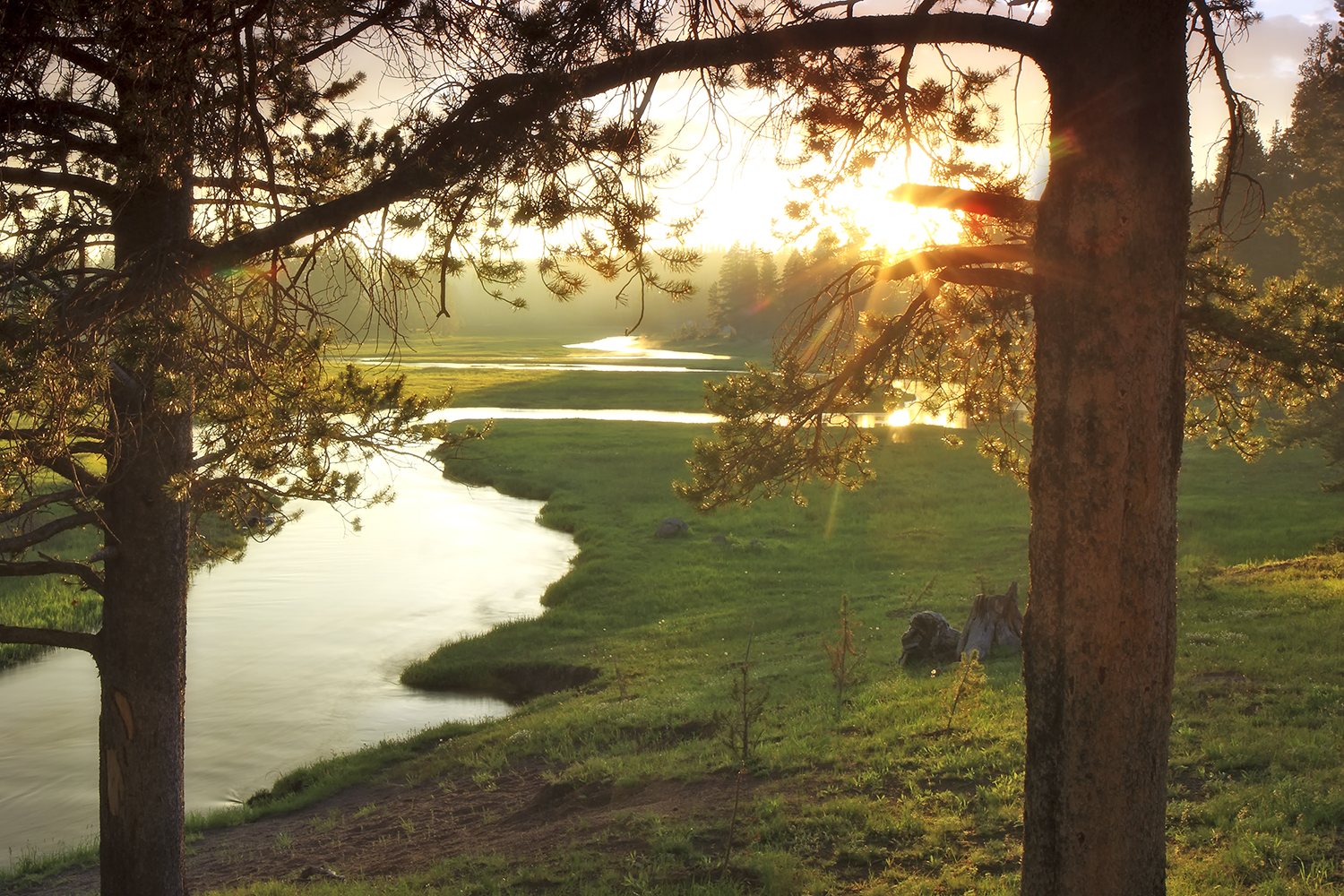
Beautiful Landscape in Yellowstone National Park — Fine Art Print Available
Nature Photography: Capturing Fleeting Moments in Time
Nature’s Constant Change
Just as Heraclitus' river is ever-changing, so is the natural world. In nature photography, you cannot take the same photograph twice. Each moment in nature is fleeting—whether it's the angle of the sunlight, the motion of the wind, or the behavior of wildlife. Every photograph captures a unique instant, never to be repeated. This impermanence is what gives photography its power and meaning. It transforms light and time into a visual memory, freezing a moment of nature's continuous dance.
The Role of Time in Photography
In the world of photography, time is both a medium and a message. Each shot is a brief interruption of nature’s flow, a frozen echo of something already changed. A riverbed today may be dry tomorrow; the color of a leaf may shift with the season; the angle of sunlight never repeats. For photographers, time is a theme—and a muse. Each image documents the passage of time not by clock, but by cycles of light, water, and shadow.
The Photographer as Observer of Change
A nature photographer is both an observer and participant in the flux of the natural world. With every shutter click, we capture an unrepeatable encounter between light and matter. This requires more than technical skill—it requires presence, intuition, and reverence. As we bear witness to nature’s impermanence, we also record its wisdom, its fragility, and its wonder. Our photos become messages from a moment that has already passed.
Light as a Photographic Element
Light, like water, is a dynamic force in nature. Each photograph is shaped by how photons interact with the world—reflecting off snow, scattering through mist, or piercing a canopy of leaves. This interaction defines a photo’s tone, its mood, and even its meaning. Through light, we capture the emotional resonance of the moment. And just as sunlight fuels life, it fuels photography—turning a passing moment into a timeless story.
Water, Light, and The Unified Theory of Consciousness
Water as a Medium of Consciousness
As explored in my post Water and the Unified Theory of Consciousness, both water and light may serve not just as carriers of energy, but as vessels of consciousness. Water has the unique ability to store, carry, and respond to subtle energetic imprints. When combined with the continuous emission of photons from the sun, it creates a dynamic system that may link the physical and metaphysical realms. In this theory, water acts as a conduit—absorbing not only environmental signals, but perhaps the subtle energies of awareness.
Photon-Mediated Change: Light and Consciousness
Could photons—the building blocks of light—also be messengers of consciousness? At the quantum level, photons exhibit behavior that transcends classical physics, suggesting a connection to non-local awareness and the flow of time perception. When photons interact with structured water, as found in our cells and in nature, the possibility arises that they may trigger changes in cognition, awareness, or even intuition.
I propose a symbolic equation:
Water + Light → Photon-Consciousness Interaction (P + W → Cint)
This model imagines that together, water and light might be the substrate for awareness itself.
The Ever-Changing Universe: A New Understanding of Interconnectedness
All around us, from the rushing of rivers to the shifting of photons, nature whispers of its constant change. At the quantum scale, this flow is interconnected—perhaps even coherent. From quantum entanglement to the Water Wide Web, everything is linked in a vast, dynamic field. It may be time to think beyond the visible spectrum and begin to view life as a living web of resonating elements.
Final Reflections and the Beauty of Change in Nature
The Beauty in Impermanence
Nature’s constant state of change is what makes it so profoundly beautiful. The fleeting moments— whether it’s a river’s flow, the shifting colors of a sunset, or the dance of photons in the light—remind us of the impermanence that defines all life. In nature photography, every image becomes a frozen moment in an ever-evolving world. Each photograph celebrates this transience, revealing that beauty lies not in permanence, but in the rare and passing.
The Photographer as Philosopher
As photographers, our role is not just to document, but to reflect on the deeper rhythm of life. We become philosophers, meditating on the impermanence of light, life, and land. Each frame captured is a meditation on what was—and what will never be again. To photograph the natural world is to acknowledge its fragility, and to press pause on a reality always in motion.
Call to Action for Conservation
The fragility of ecosystems, like the fleeting beauty we capture in photography, is a reminder of our responsibility to protect what remains. Just as we preserve moments through our lenses, we must also act as stewards of the landscapes, rivers, and life forms we revere. Through conservation, we safeguard not only biodiversity—but the opportunity for future generations to step into the rivers of their own time and wonder.
Conclusion
Heraclitus’ profound insight—“You cannot step into the same river twice”—beautifully encapsulates the essence of the natural world. From flowing rivers to photon streams of sunlight, everything is in motion. This impermanence is not only a law of physics but also a call to presence, urging us to savor the now.
As nature photographers, we bear witness to the elegance of this constant transformation. Each image we capture becomes a moment of stillness amid change—a silent echo of the universe in flux.
Let us carry forward the philosophy of Heraclitus—not only as thinkers, but as observers, creators, and earth stewards. To appreciate nature is to respect its fleetingness. To photograph it is to remember its rhythms. And to protect it is to honor its timeless story.
🌎 Explore more moments of change and beauty: Visit the Wild Eyes in the Wilderness gallery and discover how impermanence comes alive through light, water, and time.
Naturepedia Connections
Hydrogen, Water, and Soil Systems
Explore how hydrogen, water flow, soil biology, and living systems interact across landscapes. This page deepens the article’s river-based themes by connecting moving water to ecological memory, nutrient exchange, and the physical foundations of life.
Quantum Agriculture
See how water, light, soil, and biological timing work together in regenerative systems. The same river logic in this post extends into how landscapes grow, adapt, and carry life forward through seasons and cycles.
Naturepedia
Enter the larger Naturepedia knowledge system, where water, light, ecology, wildlife behavior, and seasonal change are connected as part of one field-based understanding of the natural world.
Nature’s Seasons
Follow how light angle, water movement, seasonal timing, and ecological transition shape what we see in the field. This complements the post’s core idea that no river, moment, or landscape is ever truly the same twice.
Explore Fine-Art Prints
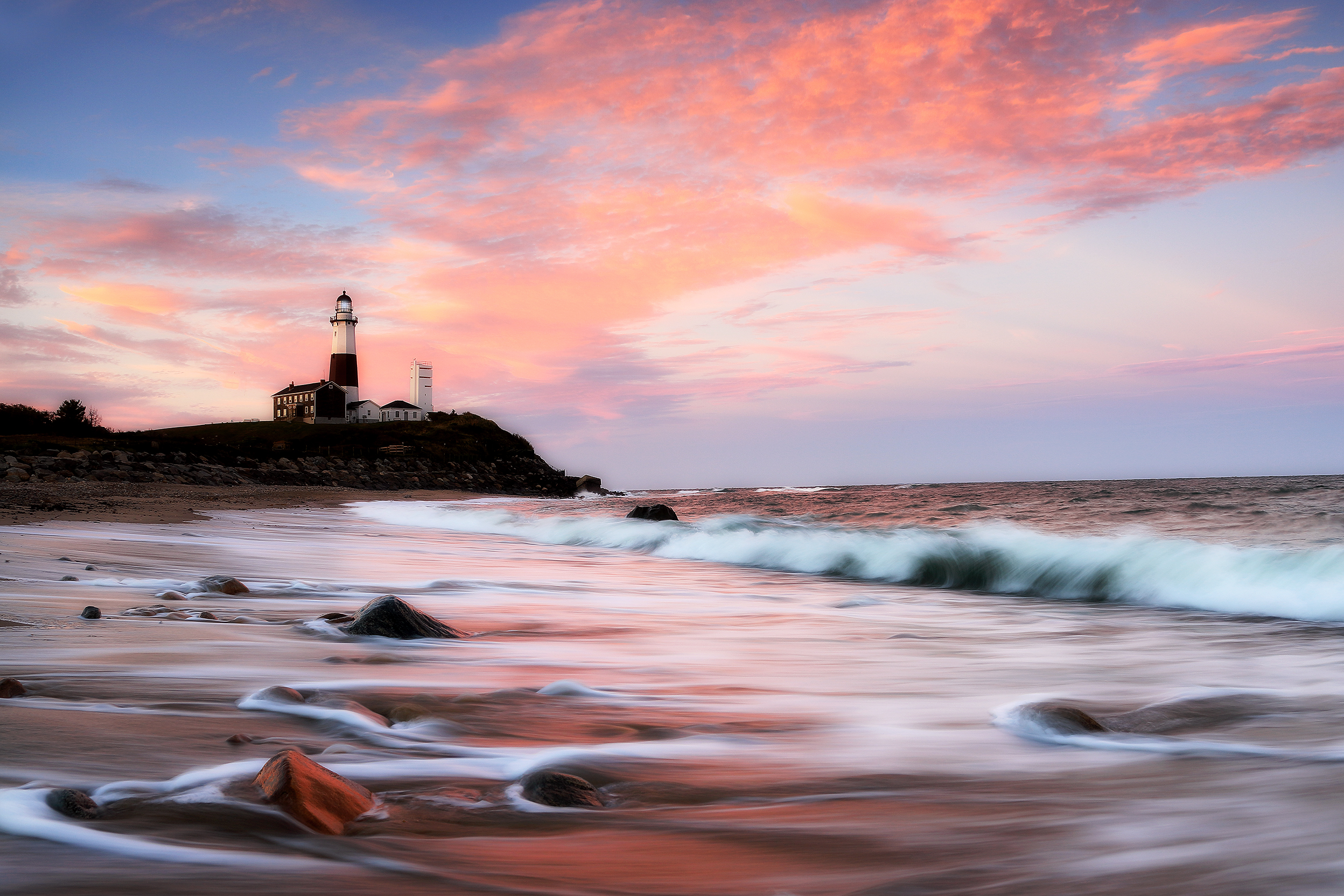
Bring the season home—browse Wildlife, Landscapes, and Seascapes by National Geographic–published photographer Robbie George. See framing, editions, and care on the Collectors page.
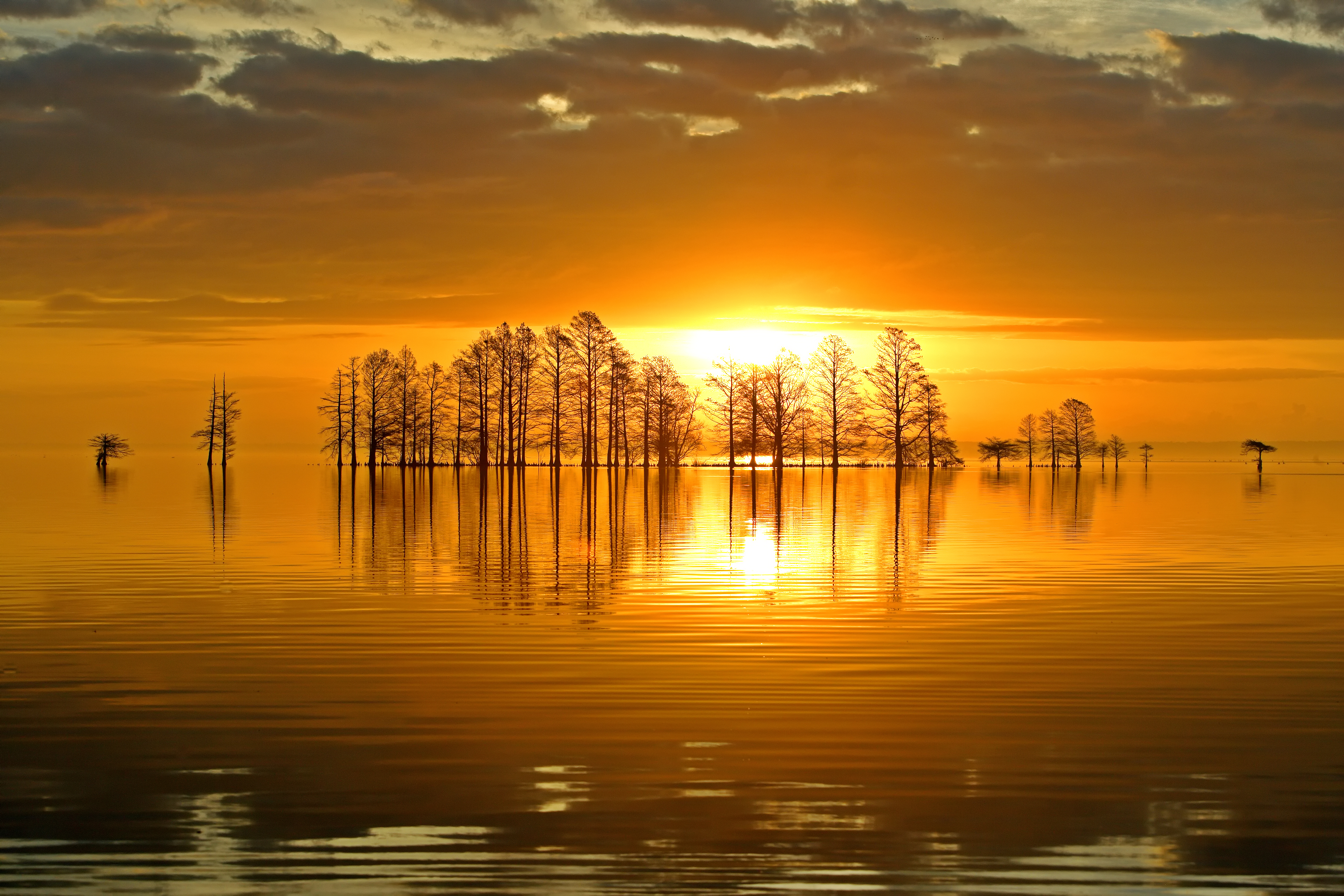 Landscape
 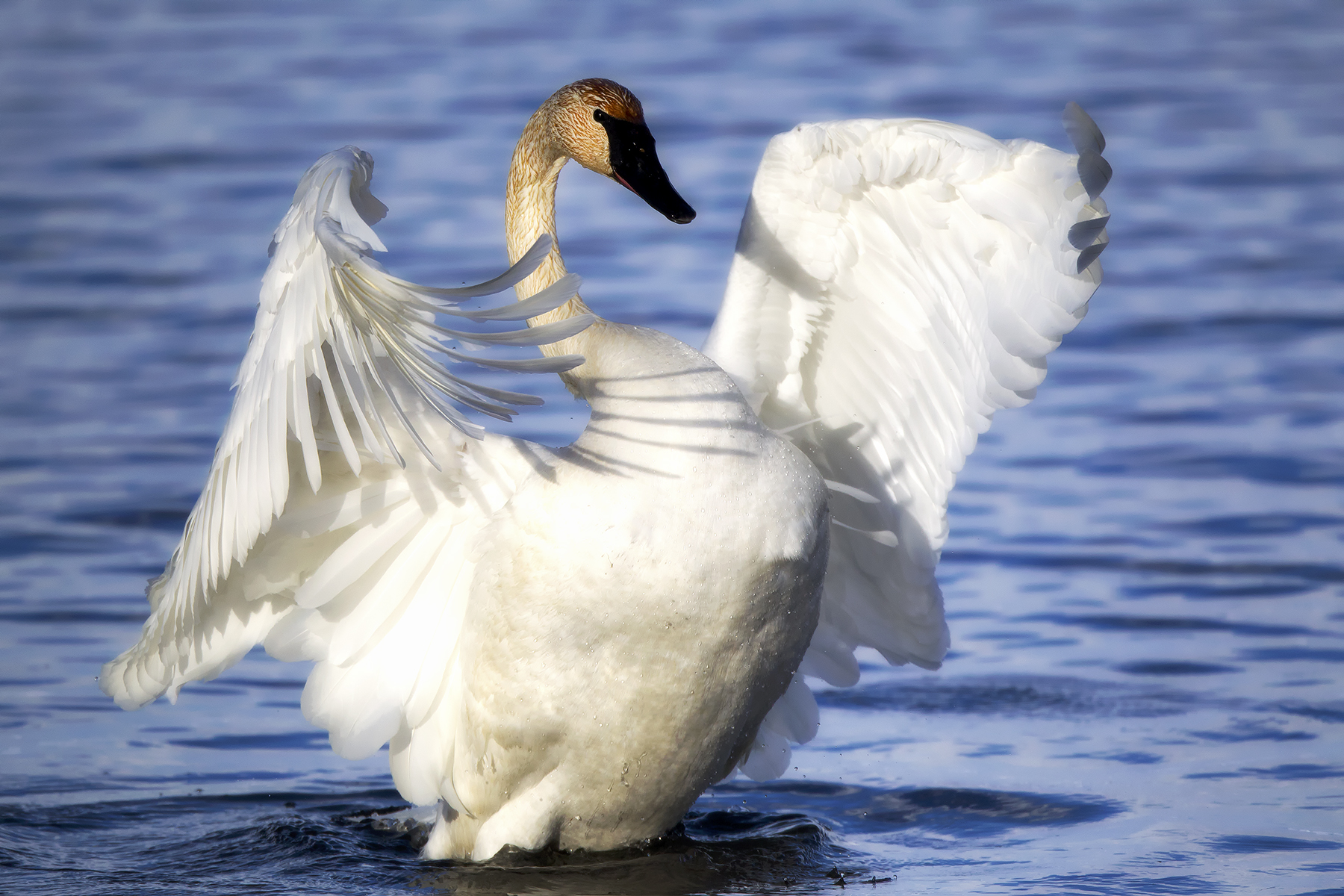 Wildlife
  Seascapes
About Robbie George
Robbie George is a National Geographic–published photographer and resonant naturalist. His fieldcraft follows a simple ethic—distance first, habitat always— shaped by Slow Knowledge and the Signature Series.
Explore calm, undisturbed behavior in the Wildlife Gallery or plan your next trip with the Seasonal Wildlife Calendar, Golden Hour & Moon, and Photography Maps.
“Attention first, image second. The shutter is the period at the end of a sentence you learned by walking.”
FAQs: You Cannot Step into the Same River Twice
1. What did Heraclitus mean by "You cannot step into the same river twice"?
Heraclitus used this phrase to describe the universe's constant flux. The river is never the same because the water — and reality — is always changing. It’s a reminder that nothing stays still, not even for a moment.
2. How does Heraclitus' philosophy relate to nature photography?
Nature photography captures fleeting, never-to-be-repeated moments — light, water, wildlife, seasons. Just like the river in flux, every frame is a one-time snapshot of reality's constant evolution.
3. How are water and light connected in the Unified Water Theory?
Both are carriers of energy and information. Water flows through ecosystems and light through time — and both may hold memory. When they interact, they might even form the building blocks of conscious experience.
4. Why is impermanence important in nature?
Impermanence is what makes nature beautiful — the falling leaf, shifting sunlight, and flowing water all exist for a moment. Recognizing this helps us appreciate life’s transient poetry.
5. How can I experience this through photography?
Explore nature photography by Robbie George. Each image captures a fleeting instant of the wild — a photon’s dance, a ripple in water, a moment never repeated.
🌀 Reflect. Flow. Create.
Every river, photon, and leaf you photograph is a moment that will never repeat. Step into nature’s stream of transformation with open eyes and a ready lens.
📸 Explore the Gallery