🌿 Discover the Rhythms of Life: Exploring Nature’s Seasonal Cycles
“The seasons are not just changes in weather. They are the visible breathing of the living world.” ~ Robbie George
Seasonal Nature Hub
Nature’s Seasons: Cycles of Renewal Across Light, Wildlife, and Landscape
A field-based guide to the seasonal rhythms that shape ecosystems, photography, and the living year.
The seasons are one of the clearest ways nature reveals its intelligence. Spring opens migration, bloom, and nesting. Summer expands light, growth, and abundance. Autumn gathers energy into color, seed, and return. Winter strips the world back to structure, stillness, and survival.
This page is built as a seasonal hub—connecting field observations, ecological patterns, photography insights, and selected essays that help explain how change moves through wildlife, landscapes, water, and light over the course of the year.
Follow the seasonal year more clearly—understanding how spring, summer, autumn, and winter shape wildlife behavior, ecological change, natural light, and stronger field photography.
Explore Nature’s Seasons
Move through the seasonal cycle—from spring awakening to winter stillness—along with field insights, ecology, photography, and deeper reflections on how the year unfolds across the natural world.
The Seasonal Cycle Is the Operating System of the Natural World
The turning of the Earth—its tilt, orbit, and relationship to the sun—creates the shifting pattern of light that drives every biological and ecological process on the planet.
From migration and flowering to snowfall and dormancy, the seasonal cycle is not a background feature. It is the structure through which life organizes itself across time.
🌞 Light
Changing daylight length defines the seasonal cycle—controlling plant growth, animal behavior, and the timing of life events across ecosystems.
🌍 Energy Flow
Energy moves through ecosystems in seasonal waves—fueling growth in spring and summer, then recycling through decay and storage in autumn and winter.
🦌 Behavior
Migration, breeding, feeding, and hibernation are all synchronized to seasonal signals, making timing one of the most important factors in wildlife observation.
💧 Water
Snowpack, rainfall, rivers, and humidity shift throughout the year, acting as the medium that carries seasonal change through landscapes.
From Calendar to Living Pattern
Seasons are often treated as dates on a calendar, but in the field they appear as patterns—ice forming, birds arriving, leaves shifting color, rivers swelling, light changing angle.
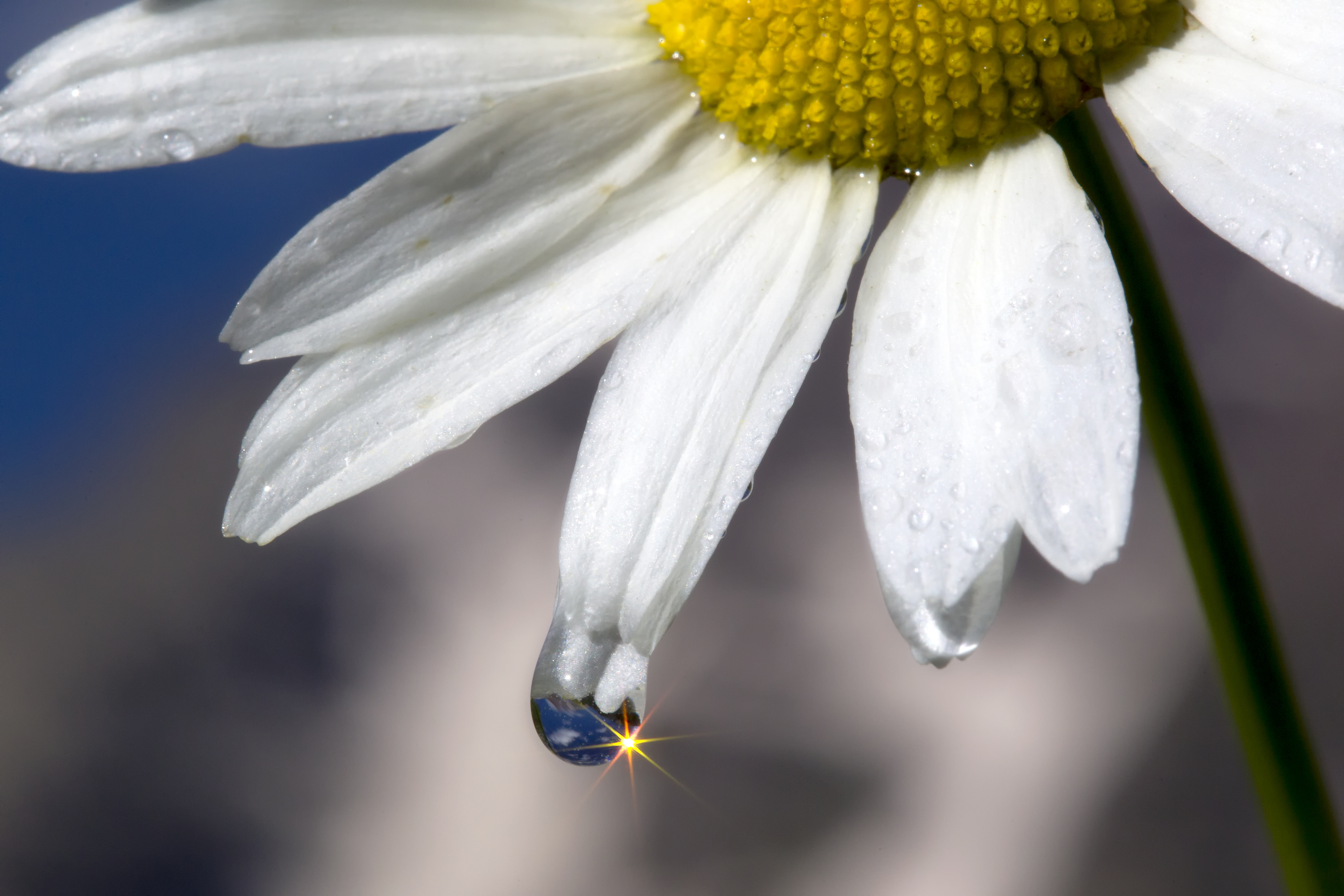
Spring is the reactivation of the living world. As daylight increases and temperatures rise, ecosystems begin to accelerate—triggering migration, plant growth, and the return of visible life across landscapes.
It is one of the most dynamic and unpredictable seasons in the field, where rapid change creates both opportunity and challenge for observation and photography.
🕊️ Migration Returns
Birds, waterfowl, and other migratory species move back into breeding habitats, often creating peak opportunities for wildlife observation and photography.
🌱 Plant Growth
Bud break, flowering, and fresh vegetation transform landscapes quickly, often within days depending on temperature and light.
🐾 Wildlife Behavior
Breeding, nesting, and territorial activity increase, making behavior more visible but also more sensitive to disturbance.
🌦️ Changing Conditions
Spring weather is highly variable—rain, fog, snowmelt, and shifting light all contribute to dynamic and often short-lived photographic conditions.
Why Spring Requires Field Awareness
Spring moves quickly. A location can shift from dormant to fully active in a short window, meaning timing is often more important than location alone.
Summer represents the peak expression of life. Long daylight hours fuel plant growth, support feeding cycles, and create the most consistent period of ecological activity across landscapes.
It is a season defined by abundance—but also by subtlety, where strong images often depend on finding structure and timing within a fully active environment.
🌞 Extended Daylight
Long days provide more time in the field, but the strongest light is still concentrated in early morning and late evening.
🌿 Peak Vegetation
Landscapes are fully developed—dense foliage, active wetlands, and layered ecosystems that can add depth but also complexity to compositions.
🐾 Feeding & Growth Cycles
Wildlife focuses on feeding and raising young, making behavior more consistent but often less dramatic than spring or autumn transitions.
🌤️ Atmospheric Conditions
Haze, humidity, and heat can soften contrast, while storms and shifting weather often create the most dynamic summer light.
Finding Structure Within Abundance
Summer offers the most activity, but also the most visual complexity. Dense vegetation and constant movement can make it harder to isolate subjects or create clean compositions.
This is where photography becomes more selective—relying on Composition, Behavior, and Light Timing to simplify and strengthen what you see in the field.
Autumn: Transition, Color, and Energy Return
Autumn is the visible transformation of energy. As daylight shortens, ecosystems shift from growth to conservation—drawing energy back into roots, seeds, and stored reserves.
It is one of the most visually dramatic seasons, where color, migration, and changing light combine to create some of the most powerful field conditions of the year.
🍂 Color Change
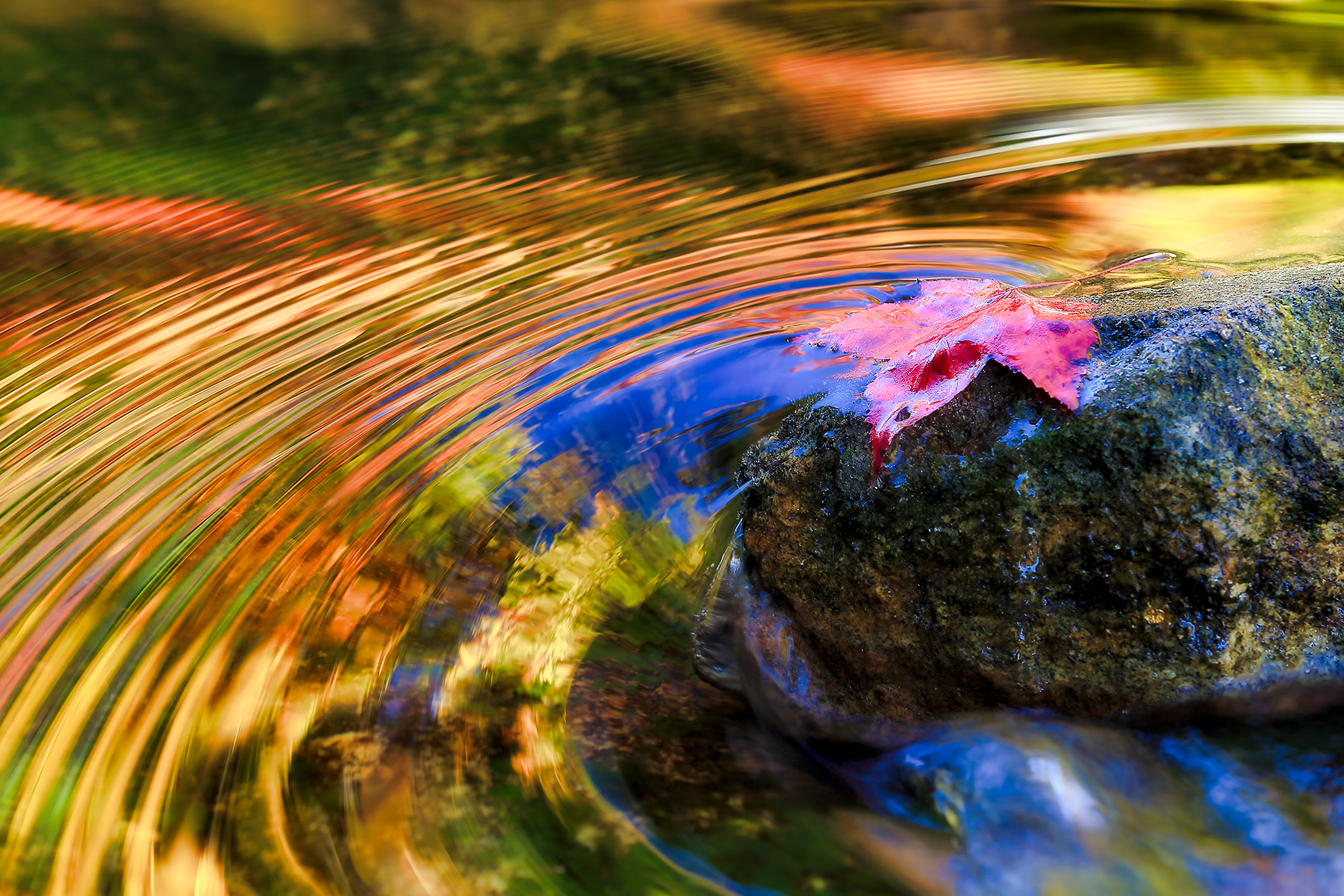
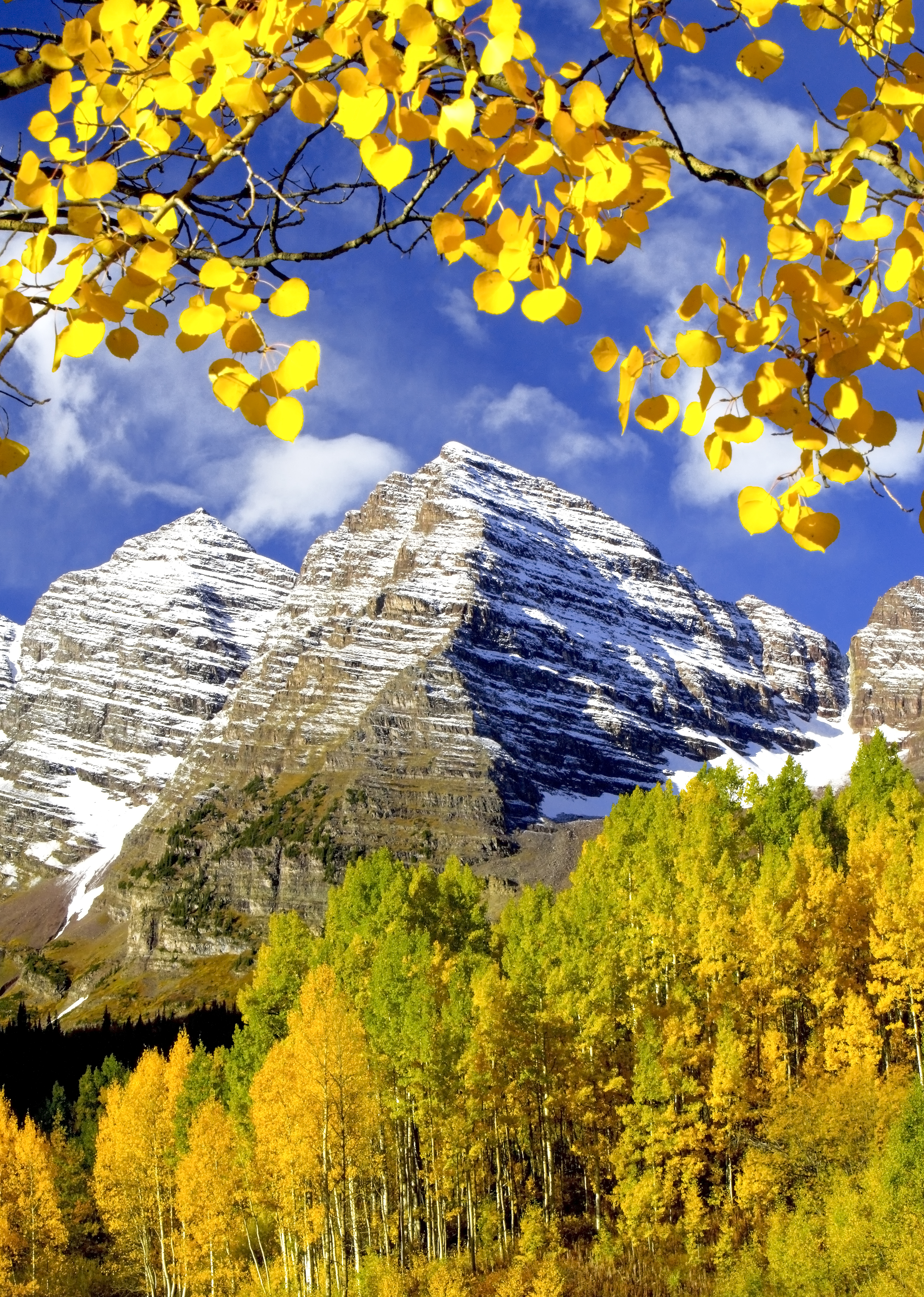
Leaves shift from green to gold, orange, and red as chlorophyll fades, revealing stored pigments shaped by light and seasonal energy cycles.
🦅 Migration Movement
Birds and other species begin long-distance migration, creating concentrated movement patterns across wetlands, coastlines, and flyways.
🦌 Pre-Winter Behavior
Wildlife focuses on feeding, mating, and preparing for winter—often increasing visibility and intensity of behavior in the field.
🌅 Low-Angle Light
The sun sits lower in the sky, producing softer, warmer light that enhances color, texture, and depth across landscapes.
Why Autumn Is One of the Strongest Field Seasons
Autumn brings together visual intensity and ecological movement. Color peaks, wildlife becomes more active, and light improves—all at the same time.
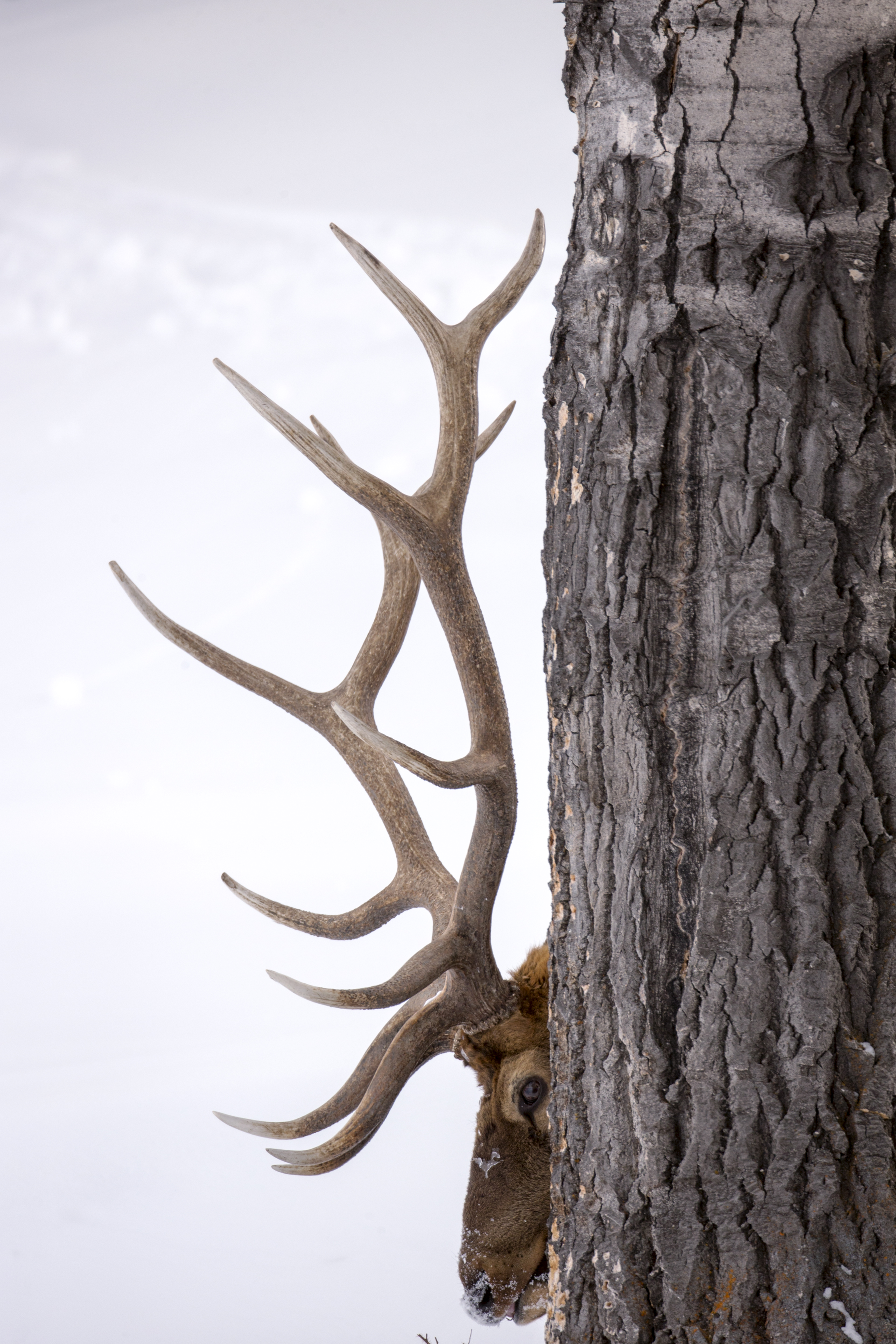
Winter simplifies the landscape. With vegetation reduced and light more directional, structure, form, and subtle detail become more visible across the natural world.
It is a season defined not by absence, but by refinement—where life continues in quieter, more efficient forms shaped by cold, scarcity, and resilience.
❄️ Minimal Landscapes
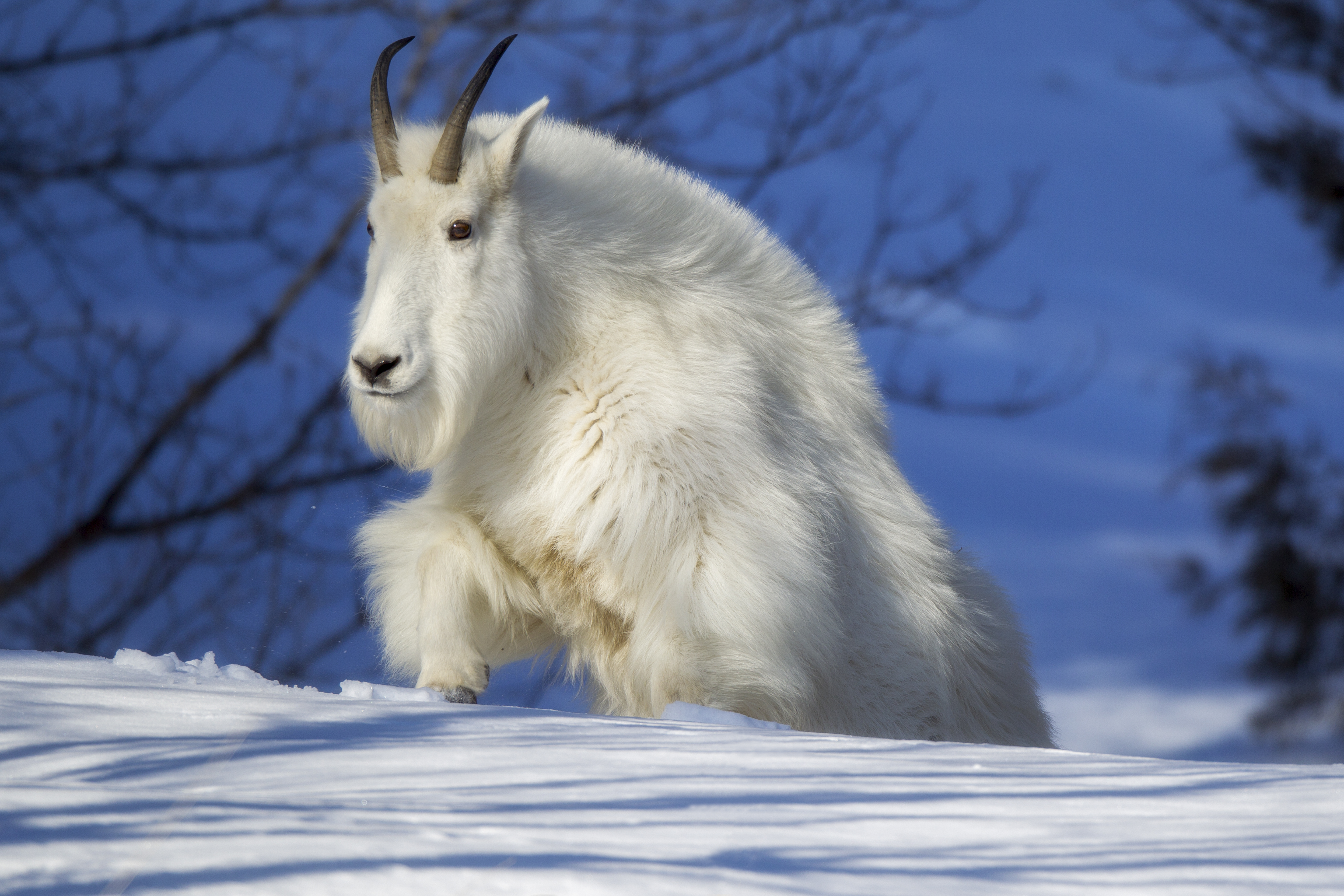
Snow and reduced vegetation simplify scenes, revealing shape, contrast, and composition with greater clarity than any other season.
🦊 Survival Behavior
Wildlife becomes more concentrated and purposeful—focusing on energy conservation, feeding efficiency, and shelter.
🌅 Low Sun Angle
Short days and low-angle sunlight create long shadows, strong contrast, and directional light that enhances texture and depth.
🌬️ Quiet Atmosphere
Cold air, snow, and still conditions often reduce visual noise, creating clean, minimal scenes and a sense of calm across the landscape.
Why Winter Reveals What Other Seasons Hide
Without the density of foliage and movement, winter strips the landscape back to its underlying structure—trees, terrain, light direction, and subtle behavioral patterns.
Seasonal Photography: Adapting to Light, Behavior, and Change
Photography changes with the seasons because the world itself changes. Light angle, subject availability, weather, and environmental conditions all shift throughout the year.
Understanding these seasonal differences allows photographers to anticipate stronger moments instead of relying on chance.
🌱 Spring Strategy
Focus on wildlife behavior, nesting activity, and fresh growth. Be ready to adapt quickly as conditions change day to day.
🌞 Summer Strategy
Work around harsh midday light by focusing on early and late hours. Use weather, storms, and atmosphere to add depth to scenes.
🍂 Autumn Strategy
Combine color, wildlife movement, and low-angle light. Plan carefully—peak conditions are often brief and location-dependent.
❄️ Winter Strategy
Use simplicity and contrast. Expose carefully for snow, and focus on composition, structure, and clean backgrounds.
Combine planning, location scouting, and technical tools to strengthen decision-making in the field.
Why Seasonal Awareness Improves Every Photograph
Photography becomes more consistent when it aligns with how the natural world actually operates. Instead of searching randomly, you begin working with patterns—knowing when animals move, when light improves, and when landscapes reach their peak.
These selected essays and field reflections explore the deeper layers of seasonal change—from light and water to ecology, philosophy, and the unseen rhythms shaping the natural world.
Autumn
Autumn’s Golden Gift
How sunlight, energy cycles, and pigment shifts create the iconic colors of fall.
This page works as a gateway into the broader seasonal system. From here, you can move deeper into wildlife timing, landscape change, field tools, and the ecological patterns that shape the year.
Connect seasonal behavior to subject timing, habitat use, and stronger wildlife field decisions.
Use Season as a Way of Reading the Field
The seasons make the natural world more readable. Once you understand how light, timing, water, and behavior shift across the year, locations become clearer, photography becomes stronger, and ecological patterns become easier to follow.
Expand into the wider network of pages connecting photography, ecology, geography, and deeper field meaning.
To understand the seasons is to understand the living tempo of the world.
Naturepedia Connections
Where Nature’s Seasons Connect to the Larger System
Seasonal change becomes more meaningful when connected to the systems behind it—migration, ecosystems, habitat, water, and the environmental relationships that shape life across the year.
The seasons are one of the clearest gateways into ecological understanding because they make hidden patterns visible—through light, color, timing, movement, and return.
FAQ
Frequently Asked Questions About Nature’s Seasons
These questions explore how seasonal cycles shape wildlife, landscapes, light, and field experience throughout the year.
What causes the seasons on Earth?
The seasons are caused by the tilt of Earth’s axis as it orbits the sun. This tilt changes the angle and duration of sunlight, driving temperature, light cycles, and ecological change.
How do seasons affect wildlife behavior?
Wildlife behavior follows seasonal signals—spring triggers breeding and migration, summer supports feeding and growth, autumn prepares animals for winter, and winter focuses on survival and energy conservation.
Which season is best for nature photography?
Each season offers unique opportunities. Spring highlights behavior, summer provides abundance, autumn offers color and movement, and winter simplifies scenes for strong composition and structure.
When is peak fall color?
Peak color varies by region and elevation. Cooler nights and sunny days typically accelerate the change, with timing ranging from late September to mid-October in many areas.
How can I plan photography around the seasons?
Use tools like seasonal calendars, migration guides, and light planners to align your timing with natural patterns rather than relying on fixed dates.
Why is seasonal awareness important in nature observation?
Seasonal awareness helps you anticipate change—knowing when animals move, when landscapes transform, and when light conditions improve, leading to stronger field decisions.
About the Author
Robbie George is a National Geographic–published nature photographer, field-based observer, and writer whose work is grounded in real landscapes, seasonal timing, and the patterns that shape the natural world.
This page reflects years of working in the field through changing seasons—photographing wildlife migrations, tracking shifting light, and observing how ecosystems evolve across spring, summer, autumn, and winter.
Robbie’s work connects seasonal observation to a broader system that includes
Naturepedia,
ecology, geography, and field-based knowledge—helping readers understand not just what they are seeing, but how it fits into the living cycle of the year.
The presence of this badge signifies that this business has officially registered with the Art Storefronts Organization and has an established track record of selling art.
It also means that buyers can trust that they are buying from a legitimate business. Art sellers that conduct fraudulent activity or that receive numerous complaints from buyers will have this badge revoked. If you would like to file a complaint about this seller, please do so here.
Verified Returns & Exchanges
The Art Storefronts Organization has verified that this business has provided a returns & exchanges policy for all art purchases.
Description of Policy from Merchant:
What is your Policy on Returns/Exchanges/Refunds?
I take great pride in my work and prints, and I want you to be completely happy with your investment in my nature art. If for any reason you are unsatisfied with your print, you may return it within 14 days of delivery, and/or exchange it for another print. Prints must be returned in new condition, packaged carefully in the original packaging if possible. Your refund will be issued as soon as I receive the returned print. Please contact me if you would like to arrange a return or exchange.
In the event that you receive a damaged or defective print, please let me know within 7 days of receipt, and I will arrange for a new print to be shipped to you at no additional cost.
Verified Secure Website with Safe Checkout
This website provides a secure checkout with SSL encryption.
Verified Archival Materials Used
The Art Storefronts Organization has verified that this Art Seller has published information about the archival materials used to create their products in an effort to provide transparency to buyers.
Description from Merchant:
Fine Art Prints are made with high-quality archival inks on fine art papers using a high-resolution large format inkjet printer. Our premium archival inks produce images with smooth tones and rich colors. Prints are made with care on your choice of exquisite Fine Art Papers using a high-resolution large format inkjet printer. https://www.graphikprintworks.com
Become a supporter of Robbie George Photography and be the first to receive new content and special promotions.
“Every image is a field. Every quote is a key. Welcome back to the rhythm.” ~Robbie
Cart
Your cart is currently empty.
Saved Successfully.
This is only visible to you because you are logged in and are authorized to manage this website. This message is not visible to other website visitors.
Import From Instagram
Click on any Image to continue
This Website Supports Augmented Reality to Live Preview Art
This means you can use the camera on your phone or tablet and superimpose any piece of nature art onto a wall inside of your home or business.
To use this feature, Just look for the "Live Preview AR" button when viewing any piece of nature art on this website!
Pounce Now—Save 20% on Your First Order
Join the collector list for your first-order discount, new wildlife releases, and occasional field notes.