

Autumn’s Golden Gift: How Sunlight Colors the Leaves and Fuels the Cycle of Nature
What the Field Reveals — Autumn as Energy Returning to the Ground
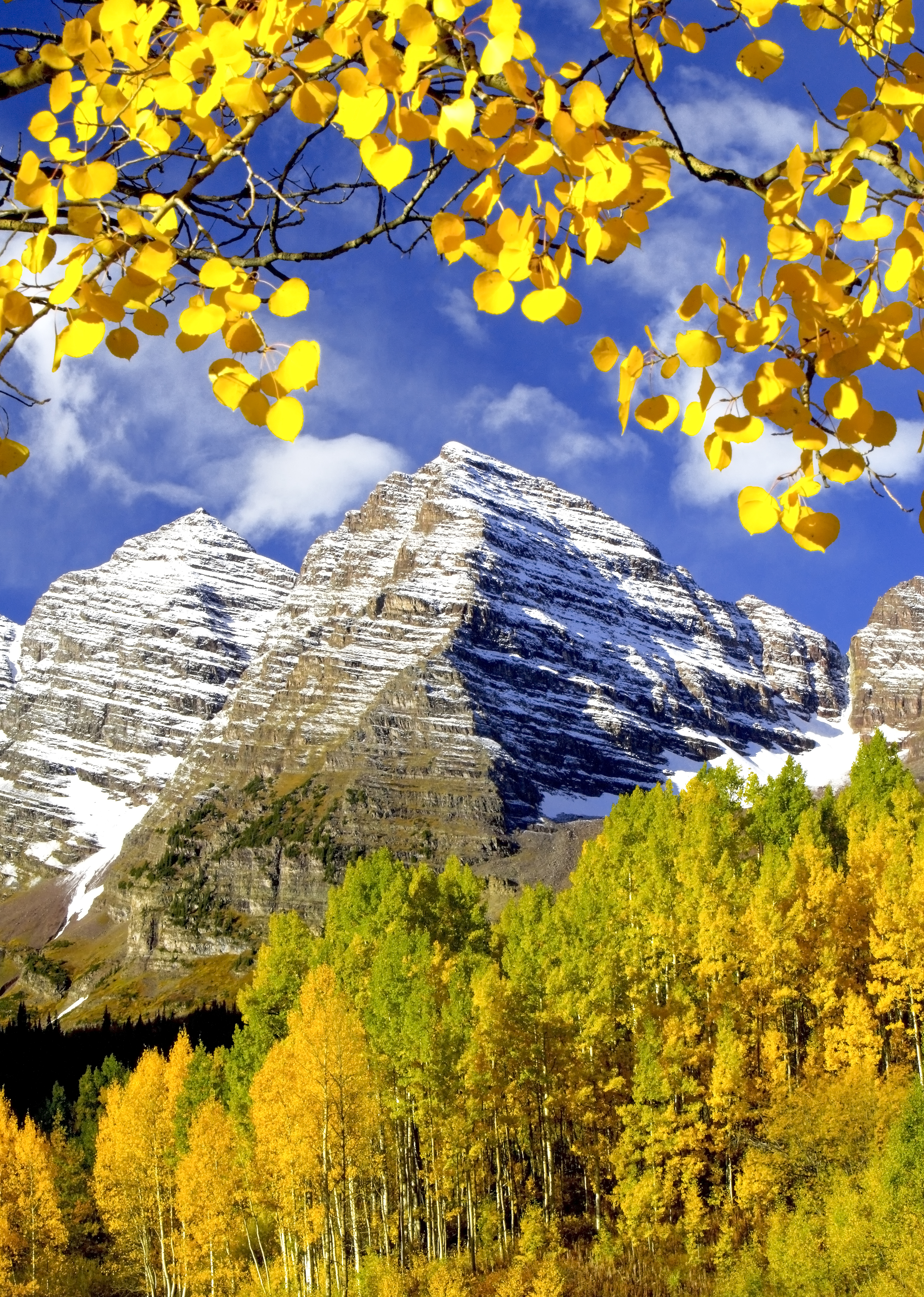
When I’m out during peak fall color, I’m not just looking at leaves — I’m watching a system shift. Light hits differently. Air cools. Water slows. And across the landscape, trees begin withdrawing from the season.
The color comes from that withdrawal. As chlorophyll breaks down, the stored pigments — and the light behind them — become visible. What we’re seeing is the last stage of energy expression before it moves back into the soil.
That’s what makes autumn different from every other season. Spring and summer build. Autumn releases. And winter receives. When you see it this way, the landscape stops being decorative — it becomes part of a continuous cycle connecting sunlight, trees, soil, and everything that depends on them.
“The color of autumn isn’t just beauty — it’s stored light finding its way home.”
Explore This Autumn Field Guide
Seasonal Patterns — How Sunlight Becomes Autumn Color
Throughout spring and summer, leaves act as energy collectors. Through photosynthesis, they capture sunlight and convert it into stored energy that fuels growth, structure, and life across the ecosystem.
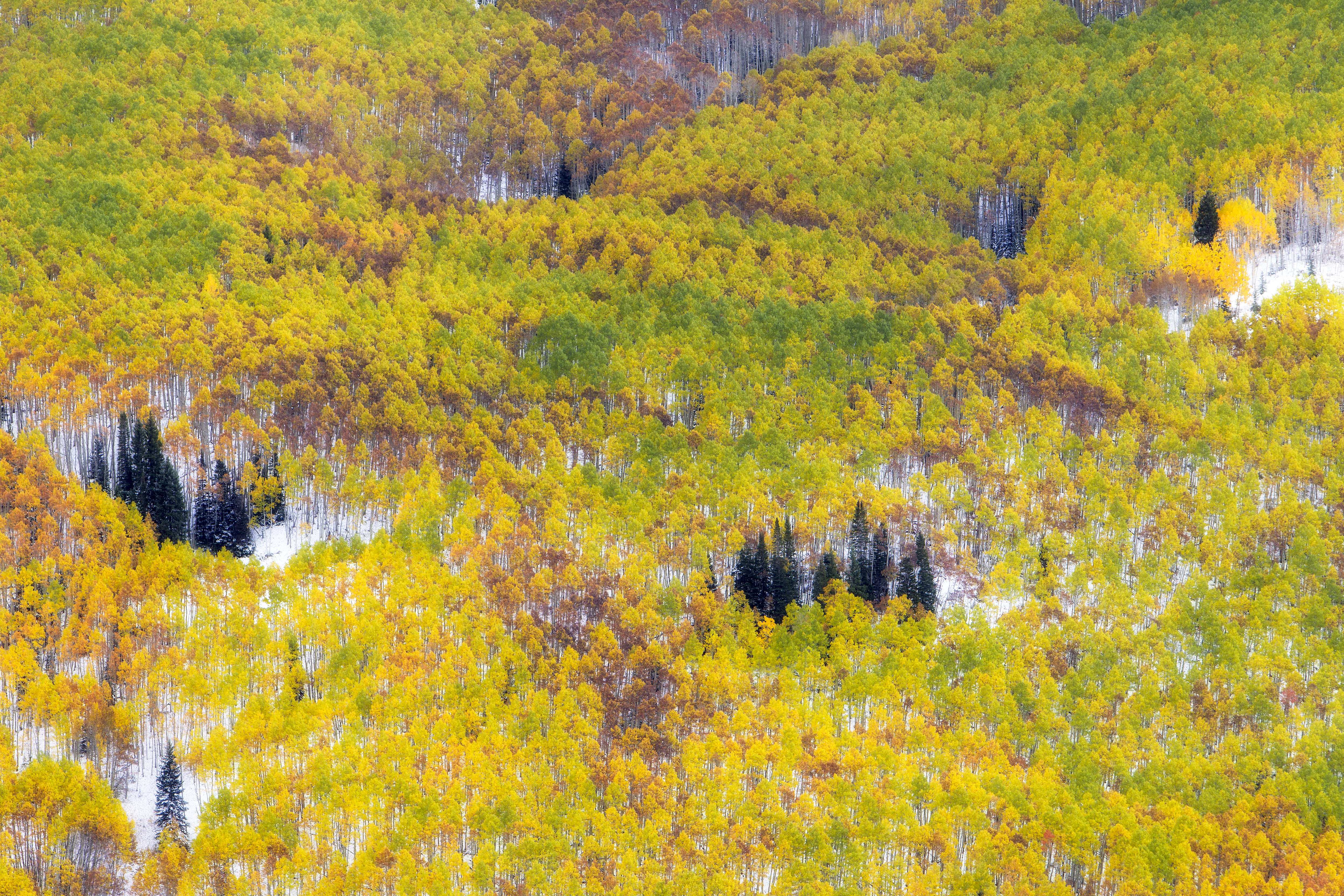
As autumn approaches and daylight shortens, that system begins to shut down. Chlorophyll — the pigment responsible for absorbing light — breaks apart. What remains are the underlying pigments that were always present, now revealed as color.
But what we are really seeing is not just pigment — it is stored sunlight becoming visible. The yellows, oranges, and reds are the final expression of energy captured throughout the growing season, now released before the leaf returns to the ground.
This is why autumn feels so intense. It is the visible edge of a full seasonal cycle — where light, growth, and time all converge into a brief, readable moment across the landscape.
Soil & Microbiome — Where Autumn Returns Its Energy
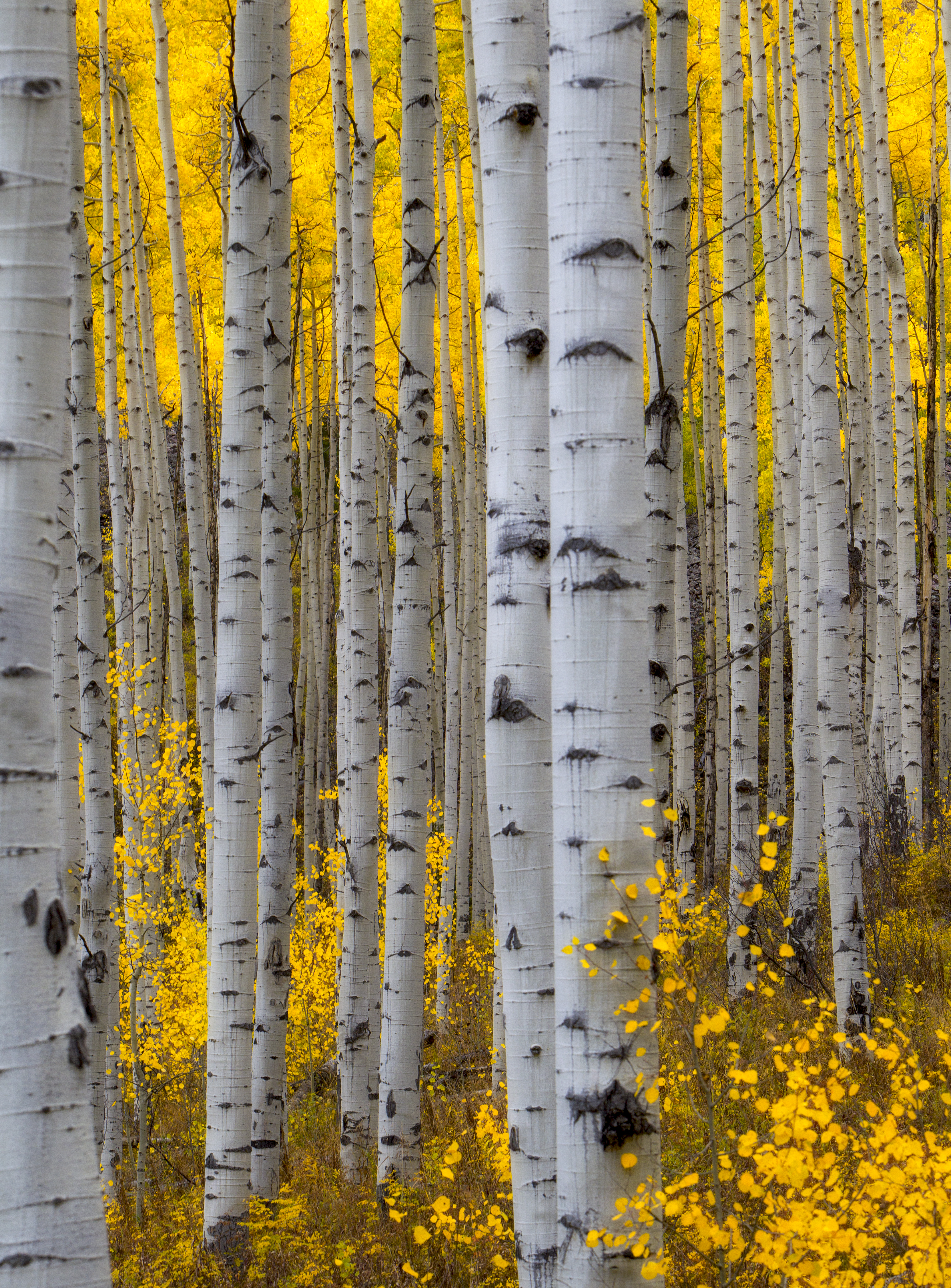
When leaves fall, the process is not ending — it is transferring. Everything stored in that leaf — carbon, minerals, and captured sunlight — moves into the soil.
This is where the soil microbiome becomes the driver of the system. Fungi, bacteria, and microorganisms break down leaf material, converting it into nutrients that feed roots, support plant life, and rebuild the forest from below.
What happens above ground in autumn — color, light, release — is directly connected to what happens below ground: decomposition, transformation, and regeneration.
You can explore this deeper through the Soil Microbiome and Carbon Cycle — where autumn becomes a critical phase in the continuous exchange of energy across ecosystems.
Autumn Photography — Capturing Light in Its Last Seasonal Expression
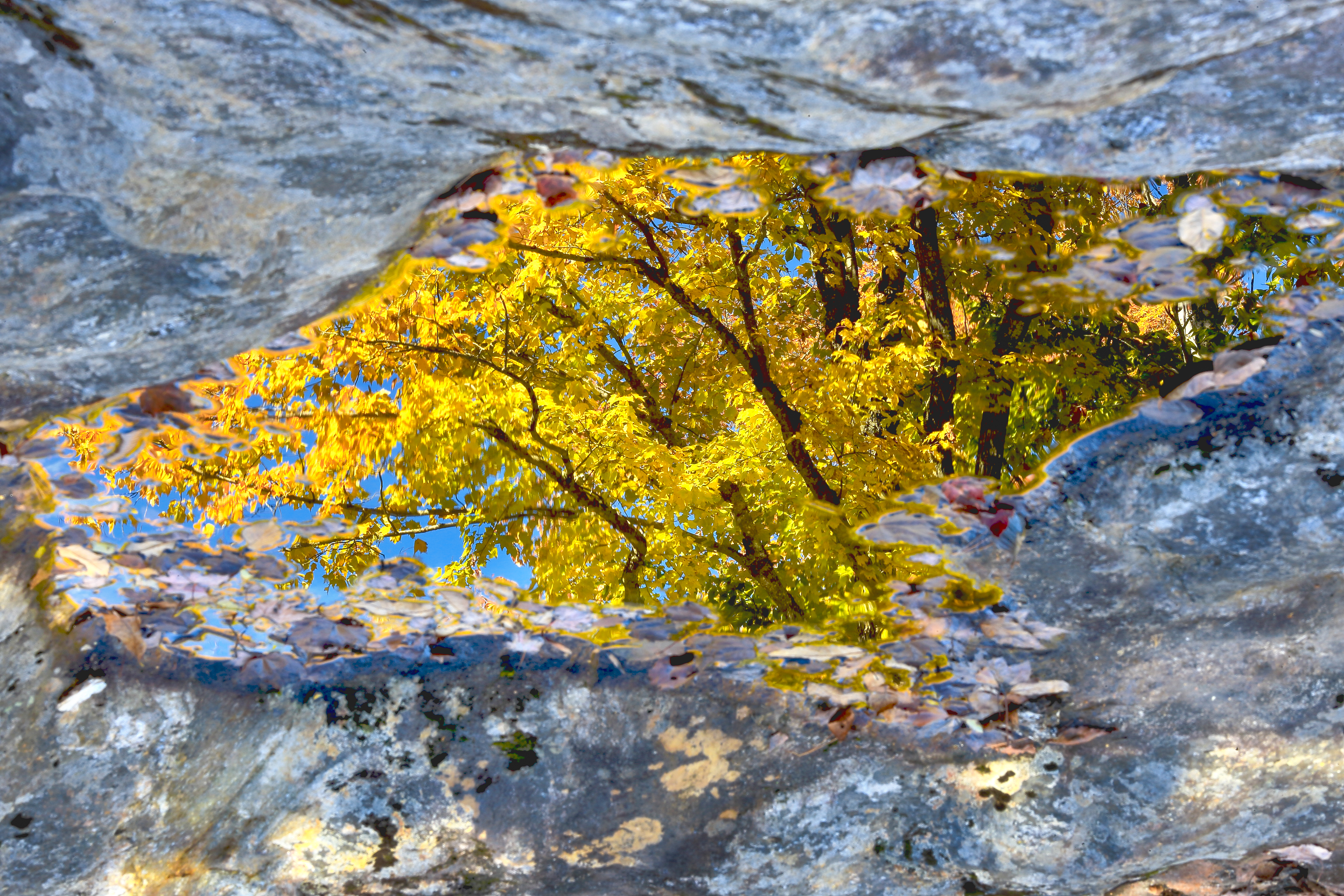
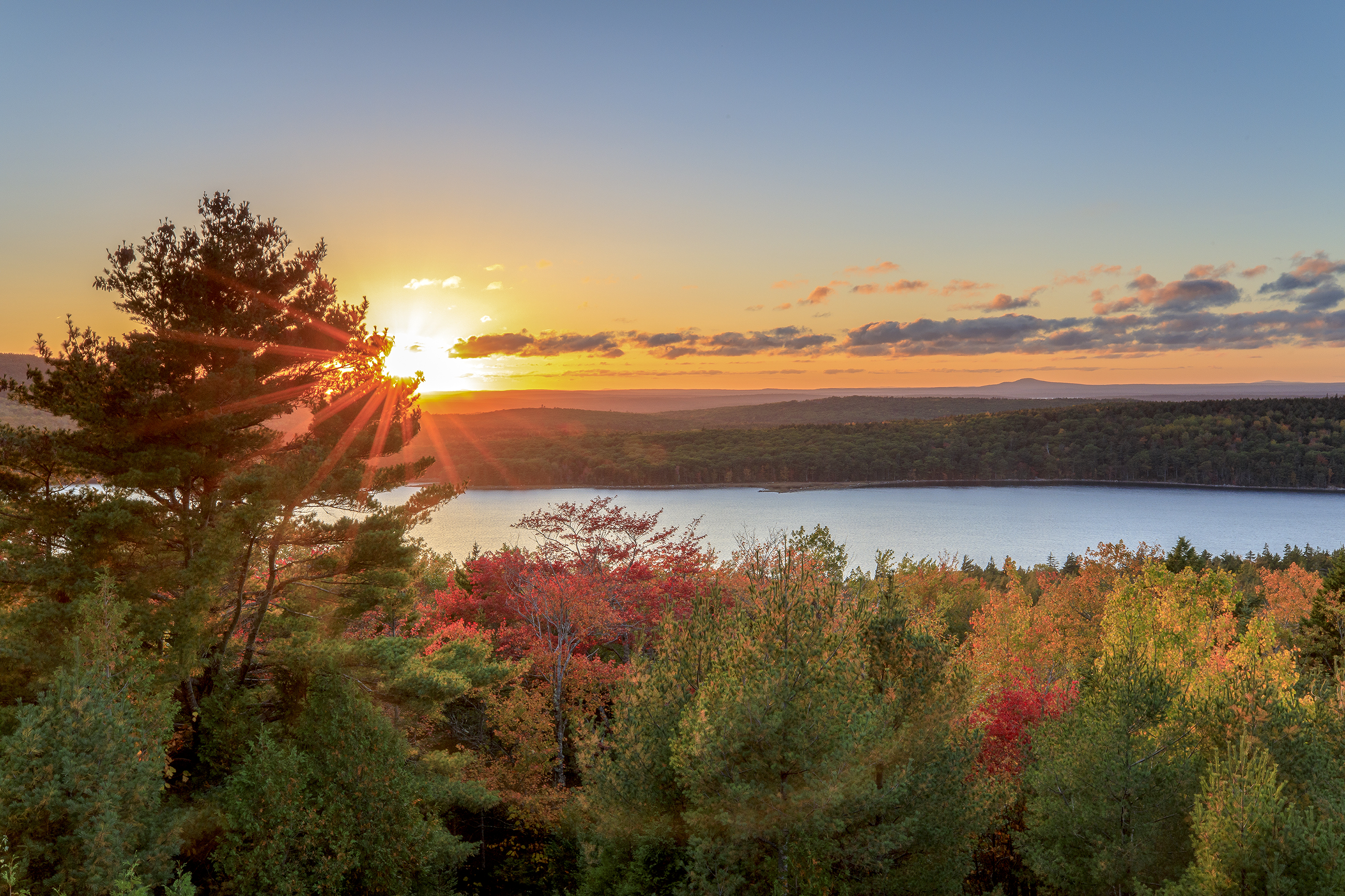
Autumn photography becomes stronger when you stop treating color as decoration and start treating it as evidence of change. The most powerful images in fall are not only about bright leaves — they are about transition made visible through light, moisture, structure, and timing.
Low-angle autumn light is especially important because it reveals depth within leaves and across the landscape. Backlighting can turn a canopy into stained glass. Side light can separate individual trees and expose the architecture of a forest edge. Reflected light off water or cloud can soften contrast and hold more tonal detail in the frame.
I also pay attention to scale. Wide scenes show the seasonal system at work — whole hillsides shifting at once, elevation changes, river corridors, and the spread of color across habitat. Closer studies reveal the smaller mechanics: leaf veins, frost, wet bark, decomposing foliage, and the texture of release.
This is why autumn photography belongs inside a larger framework of Nature’s Seasons, Field Observation Techniques, and Ecosystems of North America. The image becomes more meaningful when it carries the whole cycle inside it.
Planning & Seasonal Ethics — Moving Through Autumn With Restraint
Autumn may look abundant, but it is still a sensitive season. Wildlife is adjusting feeding patterns, preparing for migration, entering breeding cycles, or conserving energy for winter. Habitat is also changing quickly — trails soften, wetlands narrow, and leaf litter begins protecting the soil surface.
That means field ethics matter here too. Distance still matters. Habitat still comes first. If wildlife changes behavior because of your presence, you are already interfering with a system under transition. The same is true for fragile habitats — trampling wet edges, steep slopes, or forest floor buildup can damage the very cycle you came to observe.
Planning in autumn should be less about chasing color and more about understanding timing. Where is the season moving first? What elevations are shifting? Where is moisture holding? Which places are opening into their clearest observation window? Those are field questions, not tourist questions.
These ideas connect directly to Wildlife Conservation & Habitat, Wildlife Observation & Field Techniques, and Seasonal Wildlife Calendar, where seeing more depends on disturbing less.
Naturepedia Connection — Autumn Light as a Living System
Autumn becomes easier to understand when it is seen as a system of transfer rather than a season of decline. Sunlight captured by leaves moves into structure, growth, and stored energy. As leaves shut down, that energy shifts again — into pigment, into litter, into soil, into microbial activity, and eventually back into future life.
At the surface, this looks like color. At the ecological level, it is energy moving through the landscape. Trees, fungi, bacteria, soil, water, and light are all participating in the same seasonal exchange.
That is why this page connects directly into the broader Naturepedia system — especially Soil Microbiome, Carbon Cycle, Wildlife Systems & Ecology, and Nature’s Seasons.
Autumn is not only a visual event. It is one of the clearest moments when energy, biology, and place become visible together — a living system turning toward winter while feeding what comes next.
Frequently Asked Questions About Autumn Light, Leaves, and Soil
Why do autumn leaves become yellow, orange, and red?
As daylight shortens, chlorophyll breaks down and the underlying pigments become visible. What we see as autumn color is the last visible expression of the leaf’s seasonal energy cycle.
What is the connection between sunlight and autumn color?
Leaves capture sunlight throughout spring and summer through photosynthesis. In autumn, as that system shuts down, stored pigments and seasonal changes in leaf chemistry reveal the visible trace of that accumulated light.
How do fallen leaves help the forest?
Fallen leaves return carbon, minerals, and organic material to the ground. Over time, decomposition feeds the soil microbiome and helps rebuild fertility for future growth.
Why does the soil microbiome matter in autumn?
Autumn is one of the clearest times to see the connection between what happens above ground and below ground. Microbes, fungi, and bacteria transform fallen plant material into usable nutrients, making the season a major transfer phase in the ecosystem.
What is the best light for photographing autumn color?
Low-angle morning or late-day light is often strongest because it reveals depth, translucence, and texture in leaves while preserving the warmth that makes autumn scenes feel alive.
How does this page connect to the larger system?
This page connects autumn to Naturepedia, the soil microbiome, the carbon cycle, seasonal field observation, and the broader relationship between light, biology, and regeneration.
About Robbie George
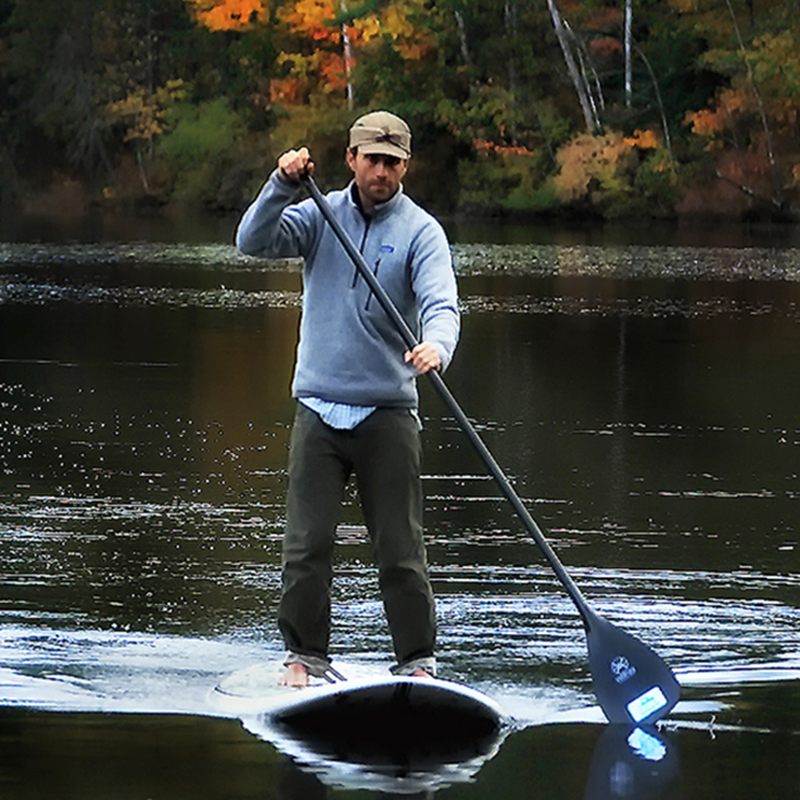
I’m Robbie George, a National Geographic–published nature photographer whose work is shaped by field observation, seasonal timing, and the deeper relationships that connect light, land, and living systems. Autumn has always mattered to me because it reveals transition so clearly — not just in color, but in the movement of energy through trees, soil, weather, and time.
Through Naturepedia, Nature’s Seasons, and my Landscape Photography and Wildlife Photography galleries, I try to build pages that help readers see more clearly how the field works — not as isolated scenes, but as connected systems.
To continue exploring this seasonal layer, visit the Seasonal Wildlife Calendar, Field Tools, and Nature & Wildlife Photography Maps.