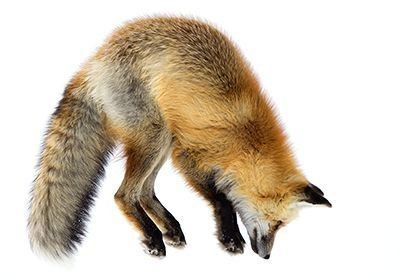

The Energy of Antlers: Shedding and Regrowing in the Wild
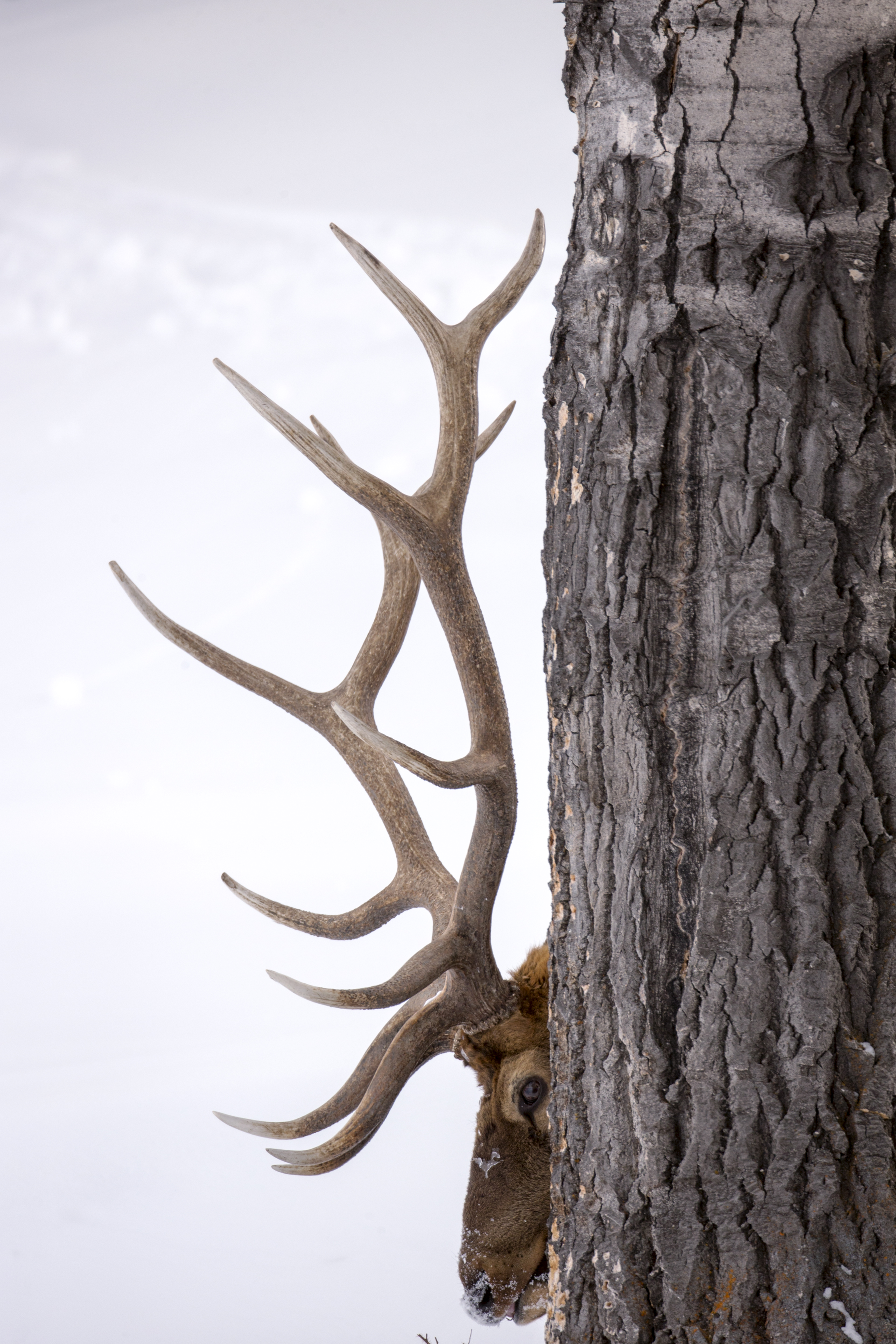
Reading the Year Through Antlers
When I’m in places like Grand Teton or Yellowstone, I don’t think about antlers as a single moment—I think about them as a timeline moving through the year.
In spring, the first signs of growth begin almost quietly. Velvet forms, soft and alive, fed by nutrients and long daylight hours. By summer, antlers expand rapidly—one of the fastest-growing tissues in the animal world. By early fall, they harden, sharpen, and become tools of competition and display.
Then, almost as suddenly as they appeared, they’re gone. Winter strips the system back. Antlers drop. Energy compresses. And what’s left behind becomes part of the land again—chewed by rodents, broken down by weather, returned to soil.
That’s what this page is really about—not just antlers, but the seasonal intelligence they reveal. A cycle you can see, track, and learn from if you spend enough time paying attention.
Seasonal Patterns — Antlers as a Living Calendar
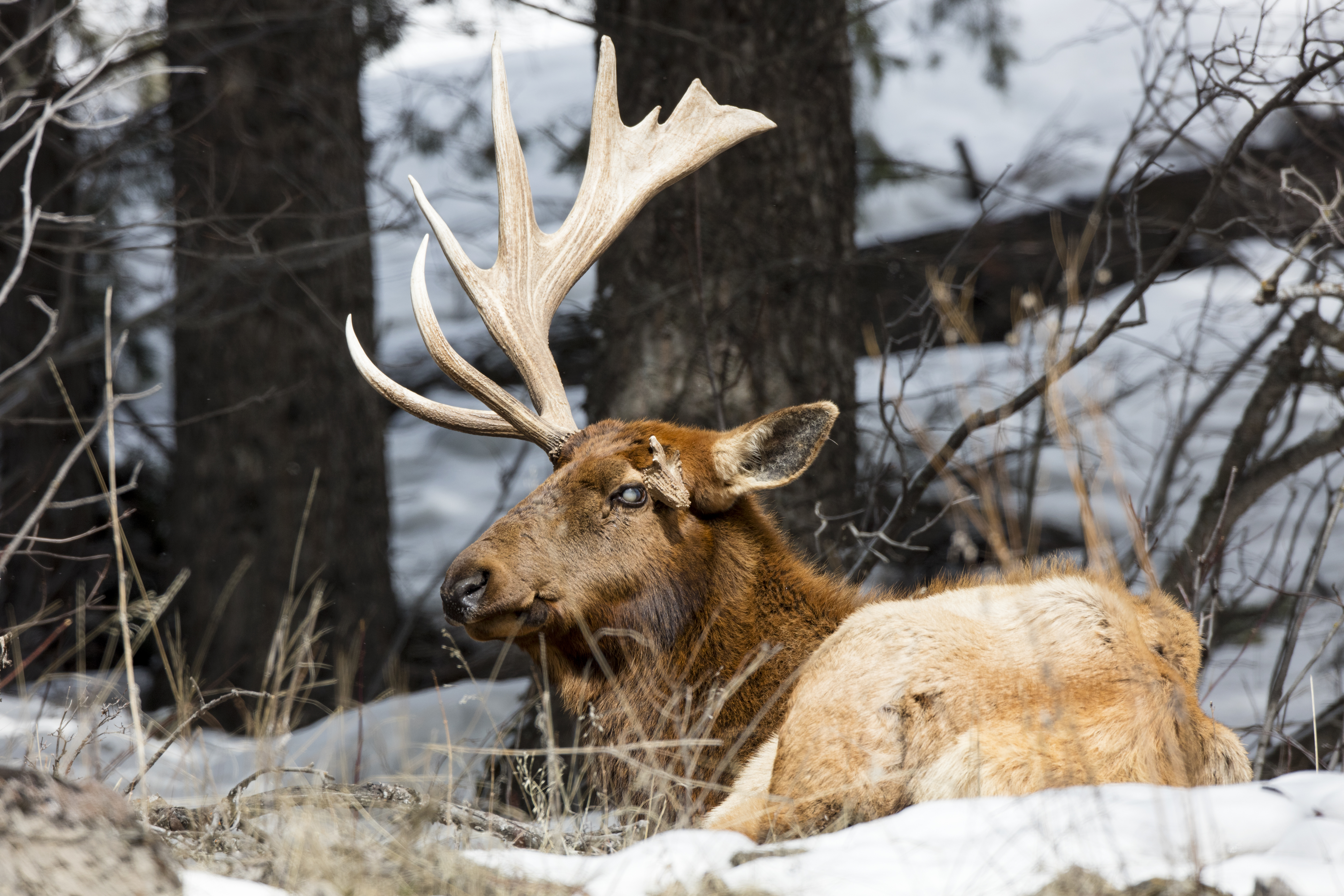
One of the things I notice in the field is that antlers make the year visible. Long before winter settles in or spring fully opens, the antler cycle is already telling the story. Growth begins with returning light and nutritional abundance. Through spring and summer, bone rises quickly under velvet. By late summer and early fall, that soft growth hardens into structure, and the landscape shifts from building energy to using it.
That timing matters because antlers are not isolated from the rest of the habitat. Their growth is tied to forage quality, daylight, mineral availability, weather patterns, and the physical condition of the animal. When grass is rich, meadows are open, and summer energy is high, antlers expand. When the breeding season passes and winter pressure increases, the system changes. What was costly to grow becomes costly to carry.
This is where the page moves beyond anatomy and into seasonal intelligence. Antlers are part of the same larger pattern I see in aspens dropping leaves, wetlands concentrating birds, and mountain valleys compressing wildlife movement as snow deepens. The sequence is clear: abundance builds form, form serves a season, and then the season releases it.
By winter, the visual drama is mostly gone, but the ecological story is still unfolding. Shed antlers lie in the grass or snow. Rodents gnaw them for minerals. Weather breaks them down. Nutrients return to the ground. In that sense, antlers are not only a wildlife signal—they are part of a closed seasonal loop, much like fallen leaves returning energy to the soil in autumn landscapes or the broader yearly transitions mapped across Nature’s Seasons.
For me, that is what makes antlers so compelling. They are not just symbols of strength or the rut. They are evidence that season changes behavior, habitat changes pressure, and timing changes what the field reveals. When I see antlers, I’m not only seeing the animal—I’m seeing where that animal stands inside the living calendar of the year.
Wildlife Timing — When Antlers Change Behavior on the Landscape
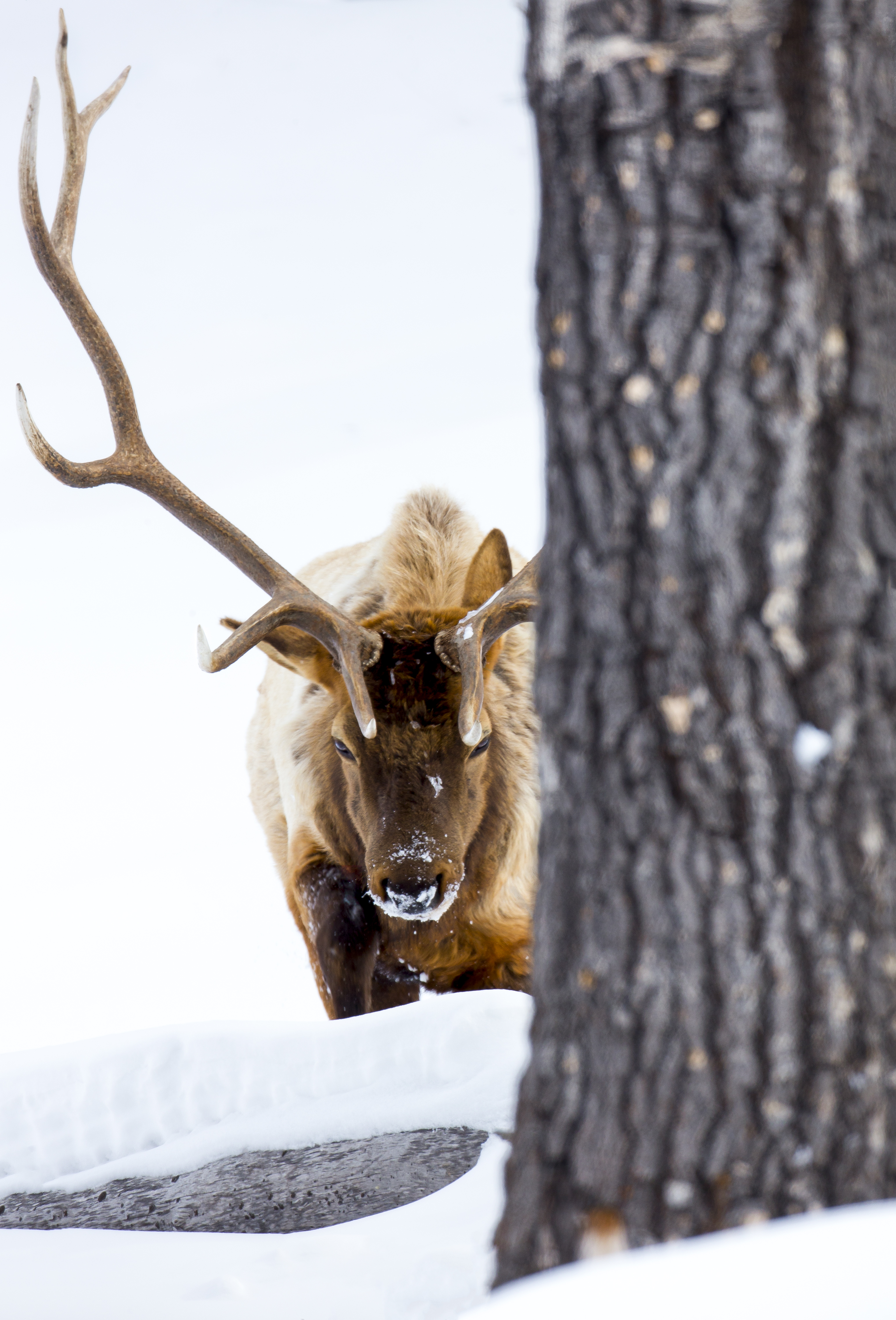
Antlers matter because they change what an animal can do, how it carries itself, and when its behavior becomes easier to read. In late spring and summer, when antlers are still growing in velvet, elk, deer, and moose are usually in a building phase. The energy is going into growth, body condition, and quiet preparation. Movement can feel calmer then, and the drama that defines fall has not fully arrived yet.
By late summer and into early autumn, the shift becomes obvious. Velvet is shed. Antlers harden. Posture changes. Bulls begin testing one another, displaying more openly, and occupying space differently across meadows, forest edges, marshes, and river valleys. What was once soft growth becomes a tool for competition, rank, and breeding access. That is when antlers move from seasonal development into visible behavioral force.
This timing is especially important in places where large mammals are already responding to forage, weather, elevation, and human pressure. In elk country, for example, antler condition and rut timing can help explain why bulls are suddenly more vocal, more exposed, or more concentrated in particular habitats. In moose, the same seasonal arc plays out differently, but the principle is similar: antlers are tied to breeding season, energy expenditure, and the short window when behavior becomes more legible in the field.
Then winter resets the pattern. Once breeding is over, carrying antlers no longer offers the same advantage. Hormones drop, antlers are shed, and animals shift back toward survival. Habitat use changes again. The field gets quieter. Energy compresses into movement efficiency, feeding opportunity, thermal cover, and endurance. This is one reason antlers are so useful as a timing signal: they don’t just show age or size—they show where an animal is in the seasonal cycle.
For me, the deeper lesson is that antlers are never separate from habitat or season. They only make sense when read together with grass height, snow depth, water availability, light angle, and breeding pressure. That is the pattern I want this page to hold: animal, habitat, season, and behavior all moving together as one living system.
Field Observation Windows — When the Antler Cycle Becomes Readable
One thing I’ve learned over time is that antlers are easiest to understand when I stop thinking only about the animal and start thinking about the window. Every season opens a different kind of visibility. In spring and early summer, the story is mostly about emergence. Growth has begun, but much of it is still subtle unless I’m already in the rhythm of a place and know what to look for.
By mid to late summer, the field often becomes more readable. Animals are feeding heavily, daylight is long, and velvet antlers can sometimes be observed during quieter movement periods near meadows, forest edges, marshes, and open mountain parks. This is a useful observation window because the behavior is often less explosive than it will be later. The animal is still in a growth phase, and the landscape has not yet tipped fully into breeding intensity.
Early fall is one of the clearest windows of all. Antlers are hard, posture is changing, and behavior begins to broadcast itself across the landscape. This is when I can often read more from spacing, body language, and habitat position than from distance alone. Meadows become stages. Valley bottoms and transitional edges become more active. Sound matters more. Light matters more. Timing matters more. The whole field starts to organize around breeding pressure.
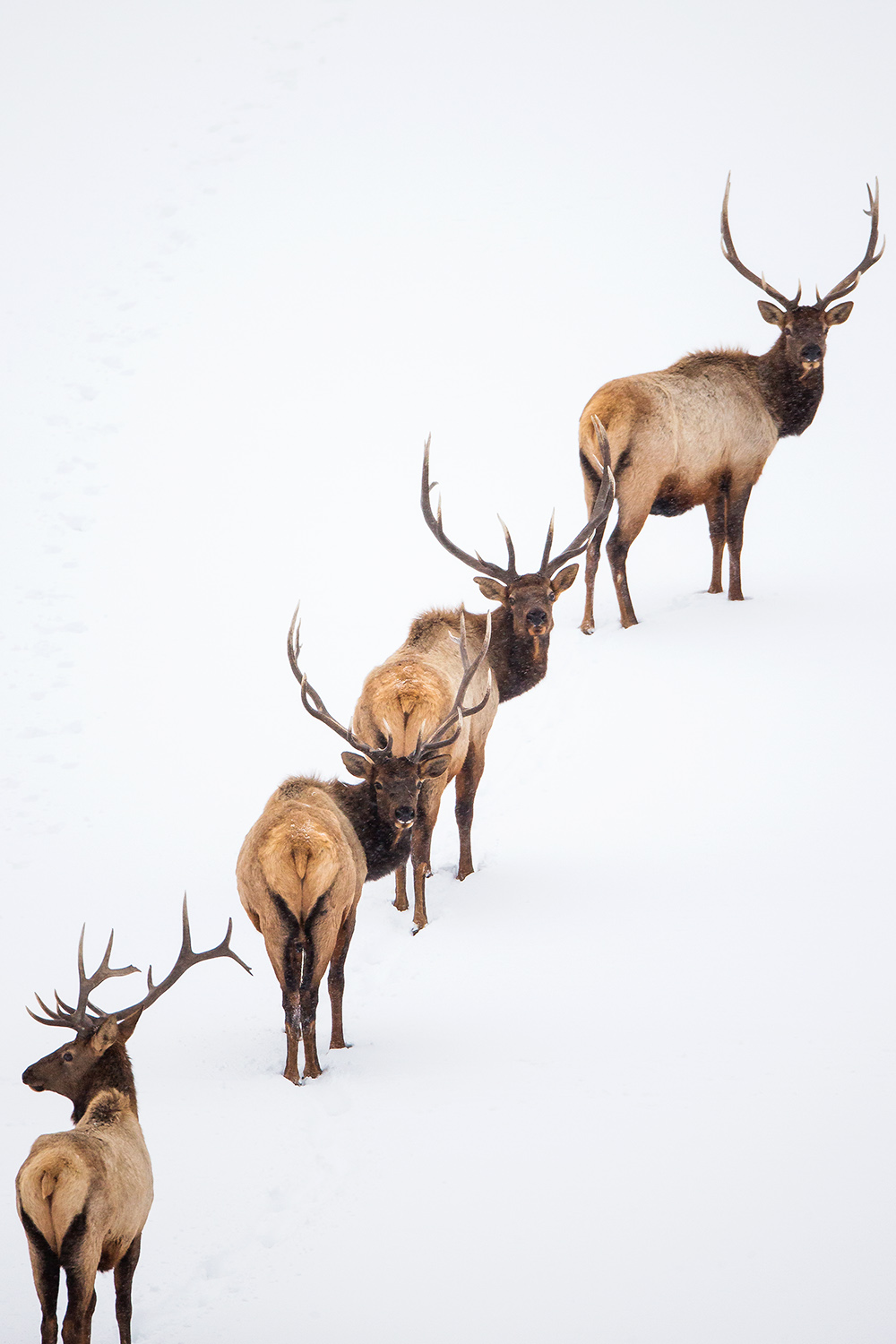
Then the window narrows again. After the rut, and especially deeper into winter, observation becomes less about spectacle and more about restraint. Animals may still be visible, but now the field must be read through survival: reduced movement, energy conservation, snow conditions, access to forage, and thermal shelter. In some places, winter concentration can make wildlife easier to locate, but it also raises the ethical stakes because stress is higher and wasted energy matters more.
That is why I think of antlers as part of a larger observation system. They help reveal timing, but only in combination with habitat, season, weather, and animal behavior. If I’m trying to understand what the field is offering on a given day, I’m asking a layered question: What stage is the antler cycle in? What is the weather doing? How exposed is the habitat? How much pressure is the animal already carrying?
The best observation windows are rarely about getting closer. They’re about arriving when the landscape is readable and staying patient enough to let the pattern show itself. That is true whether I’m watching elk in a mountain valley, moose in wet cover, or deer along an edge where season, food, and light briefly come into alignment.
Seasonal Photography — How the Antler Cycle Shapes the Image
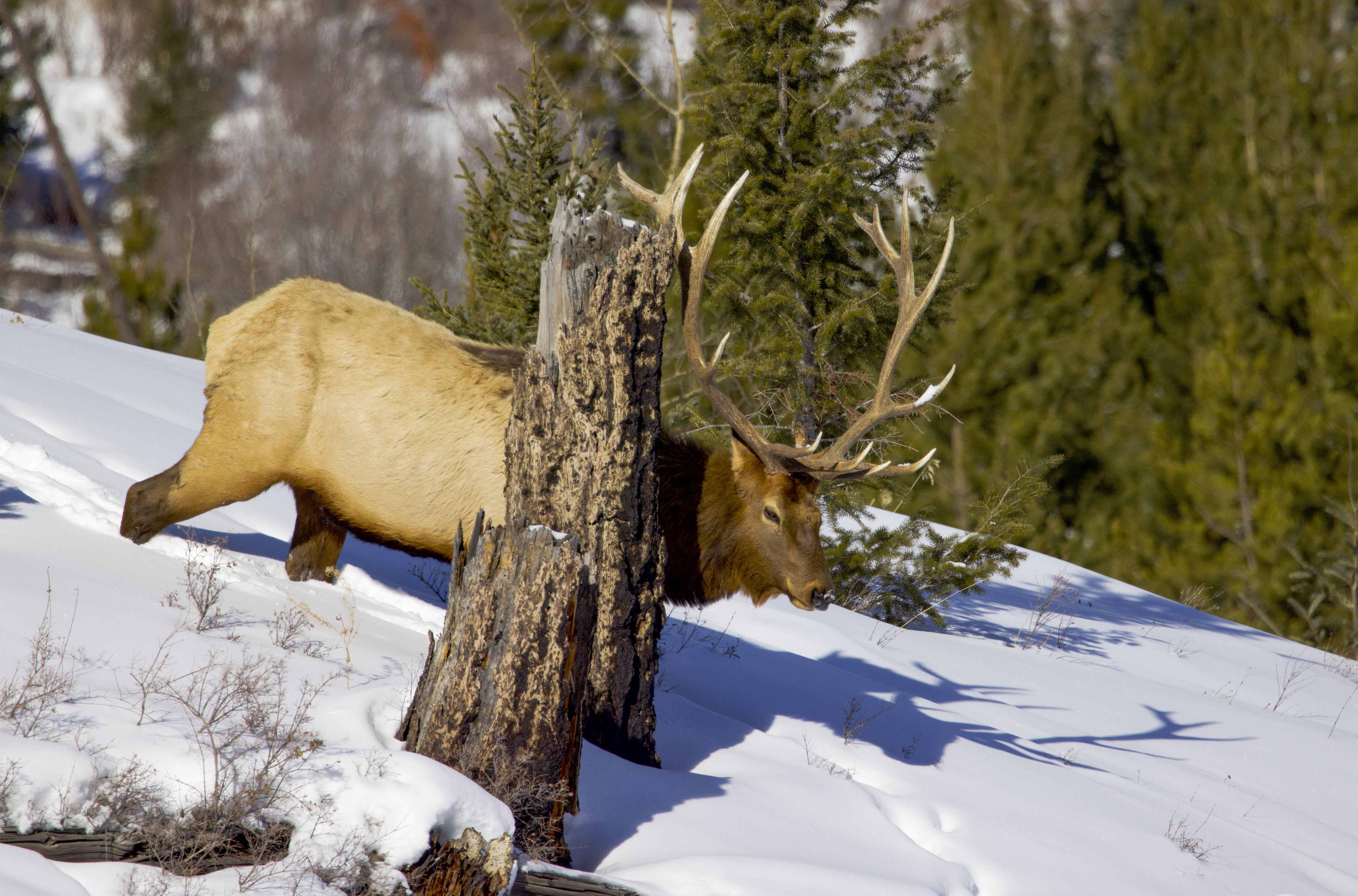
Photographing antlers isn’t just about size or symmetry—it’s about timing. The same animal can feel completely different depending on where it sits in the seasonal cycle. In early growth, velvet softens everything. Edges are rounded. Behavior is quieter. The images tend to carry a sense of buildup rather than intensity.
By late summer and into fall, the visual language changes. Antlers become sharper, more defined, and more expressive against the landscape. This is when structure starts to matter more in composition—how the antlers frame the sky, how they separate from the background, how they carry light at sunrise or sunset. The animal itself often holds more presence, and that presence translates directly into the image.
During the rut, photography becomes less about perfect conditions and more about responsiveness. Behavior shifts quickly. Movement increases. Encounters can be brief and unpredictable. Light is still critical, but timing behavior often matters just as much as timing sunrise. This is where understanding the seasonal window—what the animals are doing and why—becomes more important than any camera setting.
Winter simplifies the frame again. Antlers may still be present for a short period, but the environment becomes part of the subject. Snow reduces distraction. Tonal range narrows. Tracks, breath, and spacing begin to matter as much as the antlers themselves. In many ways, winter images are less about display and more about endurance.
Across all of these phases, the key is not forcing the image—it’s aligning with the season. When the timing is right, the photograph carries the structure, behavior, and atmosphere of that moment without needing to be pushed. The antlers are just one part of it, but they often anchor the entire visual story of the season.
Planning & Seasonal Ethics — Respecting the Pressure of the Season
Season changes behavior, but it also changes vulnerability. The same animal that appears strong and visible during the rut can be operating on a thin margin just weeks later. That’s something I’ve had to learn in the field—what looks like opportunity is often tied directly to pressure.
During late summer and early fall, when antlers are developed and behavior becomes more expressive, it can be tempting to move closer or stay longer. But this is also when animals are investing energy into breeding, establishing dominance, and maintaining condition. Giving space matters. Letting behavior unfold naturally matters more than trying to control the encounter.
As the season shifts into winter, the ethical line becomes even clearer. Energy is no longer abundant. Movement has a cost. Deep snow, limited forage, and cold temperatures mean animals are conserving everything they can. In these conditions, even small disturbances can have outsized effects. This is where distance, patience, and restraint are not just good practice—they are necessary.
Planning in this context means reading more than location. It means reading timing, weather, terrain, and behavior together. It means knowing when to stay back, when to leave, and when not to push an encounter further. The best field experiences I’ve had are the ones where I let the animal dictate the boundary.
Antlers draw attention—they signal strength, size, and season—but they should also remind us of responsibility. The closer we get to understanding the timing of the wild, the more important it becomes to move through it carefully.
Naturepedia Connection — Antler Cycles as a Living System
Antlers are not just a feature of an animal—they are part of a larger system that connects season, habitat, behavior, and energy flow across the landscape. When I see antlers growing, hardening, or shed, I’m seeing the same pattern that runs through Nature’s Seasons: buildup, expression, release, and return.
In the Wildlife Behavior & Ecology system, antlers help explain how animals move through time. Growth aligns with forage and daylight. Hard antlers align with breeding pressure. Shedding aligns with energy conservation. These are not isolated events—they are behavioral responses to changing environmental conditions.
At the habitat level, antler cycles connect directly to ecosystems of North America. Meadows, forests, wetlands, and mountain valleys all influence how and when animals grow, use, and shed antlers. In turn, shed antlers re-enter the system—supporting rodents, microbes, and the soil microbiome, reinforcing the nutrient cycle that supports future growth.
This is where antlers also connect to migration and timing. Across seasonal migration patterns, animals adjust movement, elevation, and habitat use in response to weather, forage, and breeding cycles. Antler condition is one of the clearest visible indicators of where an animal sits within that timeline.
From a conservation perspective, this cycle reinforces why timing matters. Protecting habitat is not just about protecting space—it’s about protecting seasonal function. The same landscape must support growth, breeding, recovery, and winter survival. That is the foundation of wildlife conservation & habitat.
Within Naturepedia, antlers sit inside a broader pattern: Season → Behavior → Habitat → Observation → Ecology → Conservation. They are one of the clearest ways to see how time moves through the wild—and how everything is connected through that movement.
FAQ — Antlers, Season, and Field Observation
-
When do elk, deer, and moose usually grow antlers?
Antlers usually begin growing in spring and continue through summer, when daylight, forage, and body condition support rapid development. -
What does velvet on antlers tell you in the field?
Velvet usually signals a summer growth phase. It tells me the animal is still building structure and has not yet shifted fully into fall breeding behavior. -
Why do mammals shed antlers every year?
After the breeding season, antlers no longer offer the same advantage and become expensive to carry. Shedding helps animals shift energy back toward winter survival. -
When is the best time to observe antler behavior?
Different windows reveal different things. Summer can show velvet growth and calmer movement, while early fall often reveals harder antlers, stronger posture, and more visible breeding behavior. -
How do antlers connect to photography timing?
Antlers change the visual language of the image across the year. Velvet, hard antlers, rut behavior, and winter conditions all create very different photographic opportunities. -
Why does ethics matter more during seasonal transitions?
Seasonal transitions often bring higher vulnerability. During the rut, animals are under breeding pressure, and during winter they are conserving energy, so distance and restraint matter even more.
About Robbie George
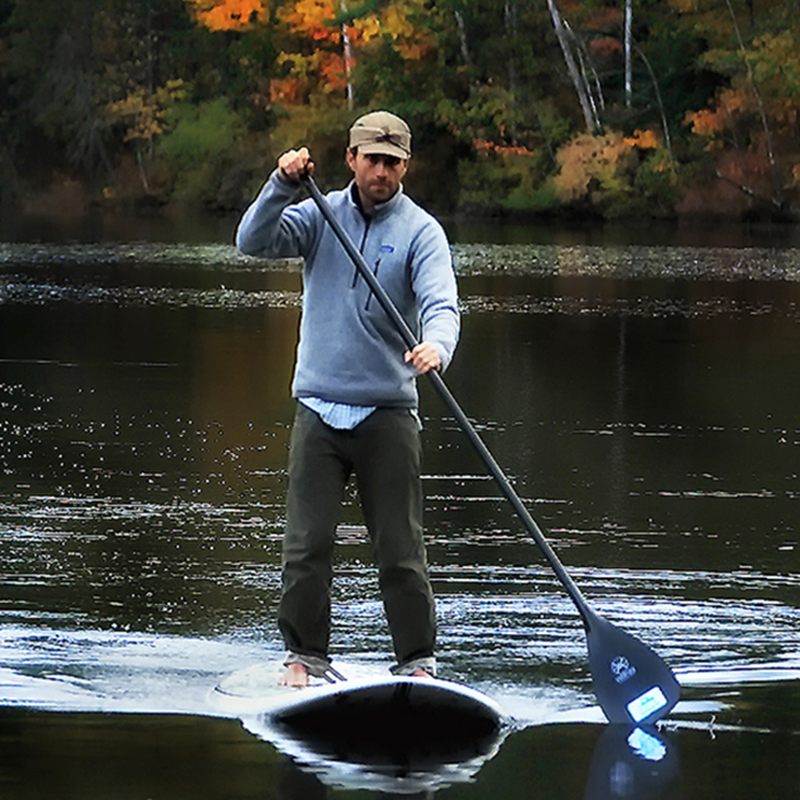
I’m Robbie George, a National Geographic–published photographer whose work grows out of time in the field—watching how light, habitat, weather, and animal behavior change across the year.
Pages like this one matter to me because antlers are more than a wildlife detail. They are one of the clearest seasonal signals in the field, helping reveal how growth, breeding, recovery, and winter survival move through a landscape as one connected system.
This page is part of my larger Naturepedia knowledge system, where species, ecosystems, timing, observation windows, and conservation all connect. You can continue exploring through the Seasonal Wildlife Calendar, Field Tools, Photography Maps, and the Wildlife Gallery.
“Photograph with patience and permission—the season will tell you what it’s ready to reveal.” —Robbie George