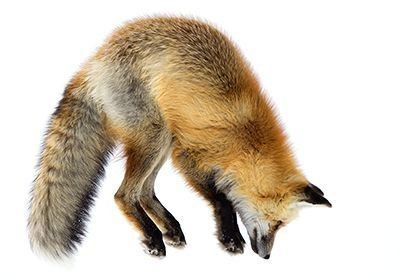

The Colors of Nature Through the Seasons
Color in the Field — How Light and Season Reveal Structure
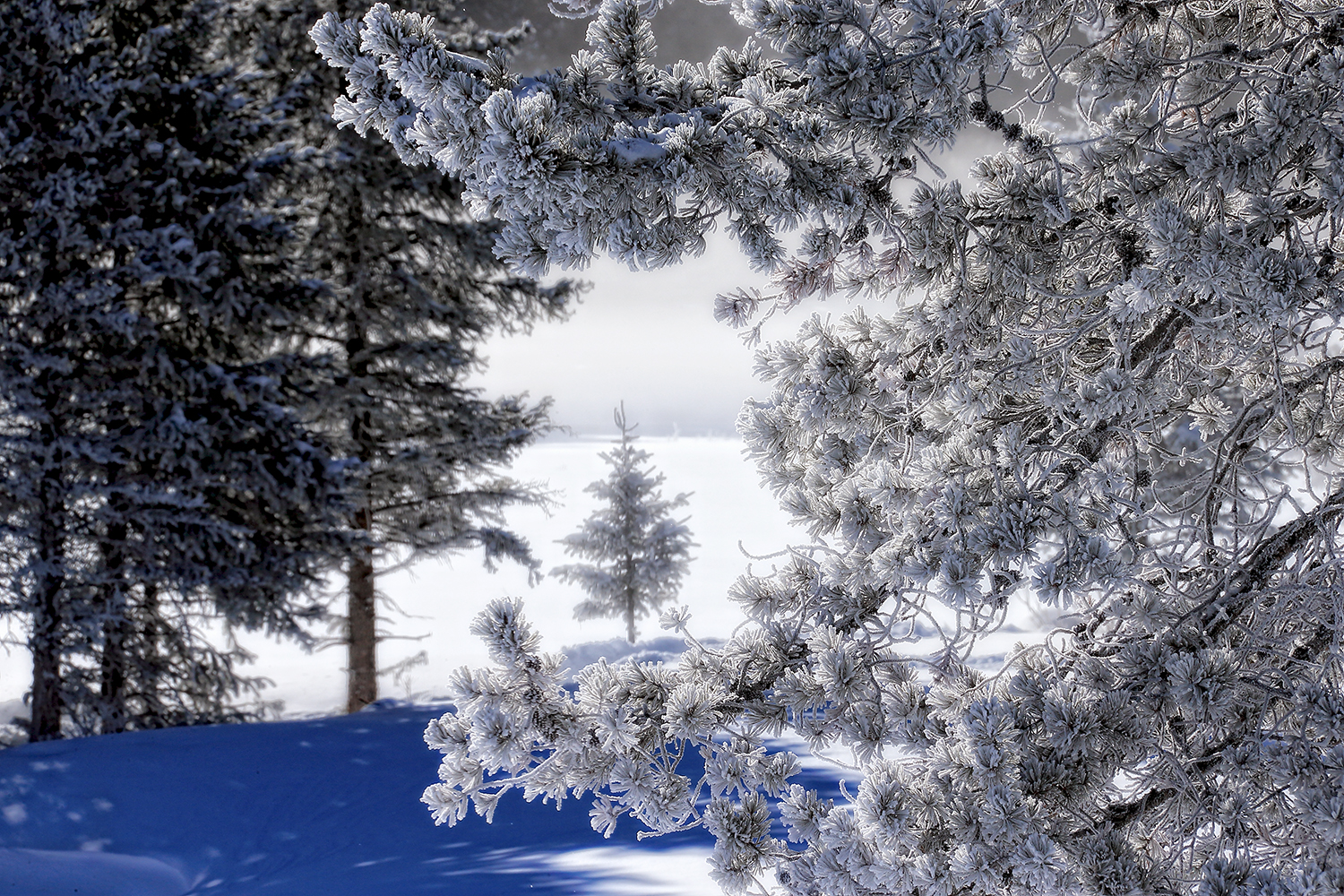
Out in the field, color is one of the fastest ways to understand what is happening in a landscape. It tells you about light angle, moisture, temperature, and even time of day. What looks like a simple blue shadow in snow or a warm tone on a hillside is actually the result of multiple systems interacting at once.
In winter, color becomes minimal and precise. Snow reflects light while shadows reveal direction and depth. In summer, color expands and saturates. In autumn, hidden pigments emerge as light and temperature shift. Across every season, color is not static — it is a response.
This is why color becomes one of the most reliable ways to read the field. It shows where light is hitting, where moisture is present, where vegetation is active, and where change is happening. It is not separate from the landscape — it is part of how the landscape communicates.
Once you begin to see color this way, the environment becomes easier to interpret. You are no longer just seeing hues — you are seeing conditions, timing, and structure.
On This Page
Seasonal Color Patterns — How Light Drives the Palette of Nature
Color in nature is driven by light first, then shaped by season. As the angle, intensity, and duration of sunlight change throughout the year, the way surfaces reflect and absorb that light changes with it. This is what creates the shifting palette we associate with the seasons.
In winter, low-angle light produces long shadows and cooler tones. Snow reflects most wavelengths, while shadows reveal blues and subtle gradients. The landscape simplifies, making color more about contrast and direction than saturation.
In spring, increasing daylight and moisture trigger plant growth. Chlorophyll dominates, producing strong greens that signal renewal and active energy within ecosystems. This is the expansion phase of the seasonal cycle.
Summer intensifies color. Longer days and higher sun angles increase saturation, deepen shadows, and create stronger contrasts between sky, vegetation, and terrain. Color becomes more abundant, but sometimes less structured.
Autumn shifts the palette again. As daylight decreases and temperatures drop, chlorophyll breaks down, revealing reds, oranges, and golds that were always present but hidden. This is a transition phase — where color reflects change rather than growth.
Across all seasons, color is not random. It is a direct result of how light interacts with atmosphere, water, vegetation, and terrain. Understanding this connection is central to reading the field and connects directly to broader systems explored in ecosystems and seasonal cycles.
Color, then, is not decoration. It is the visible result of time, light, and environmental change working together.
Wildlife & Color — How Animals Use Seasonal Change
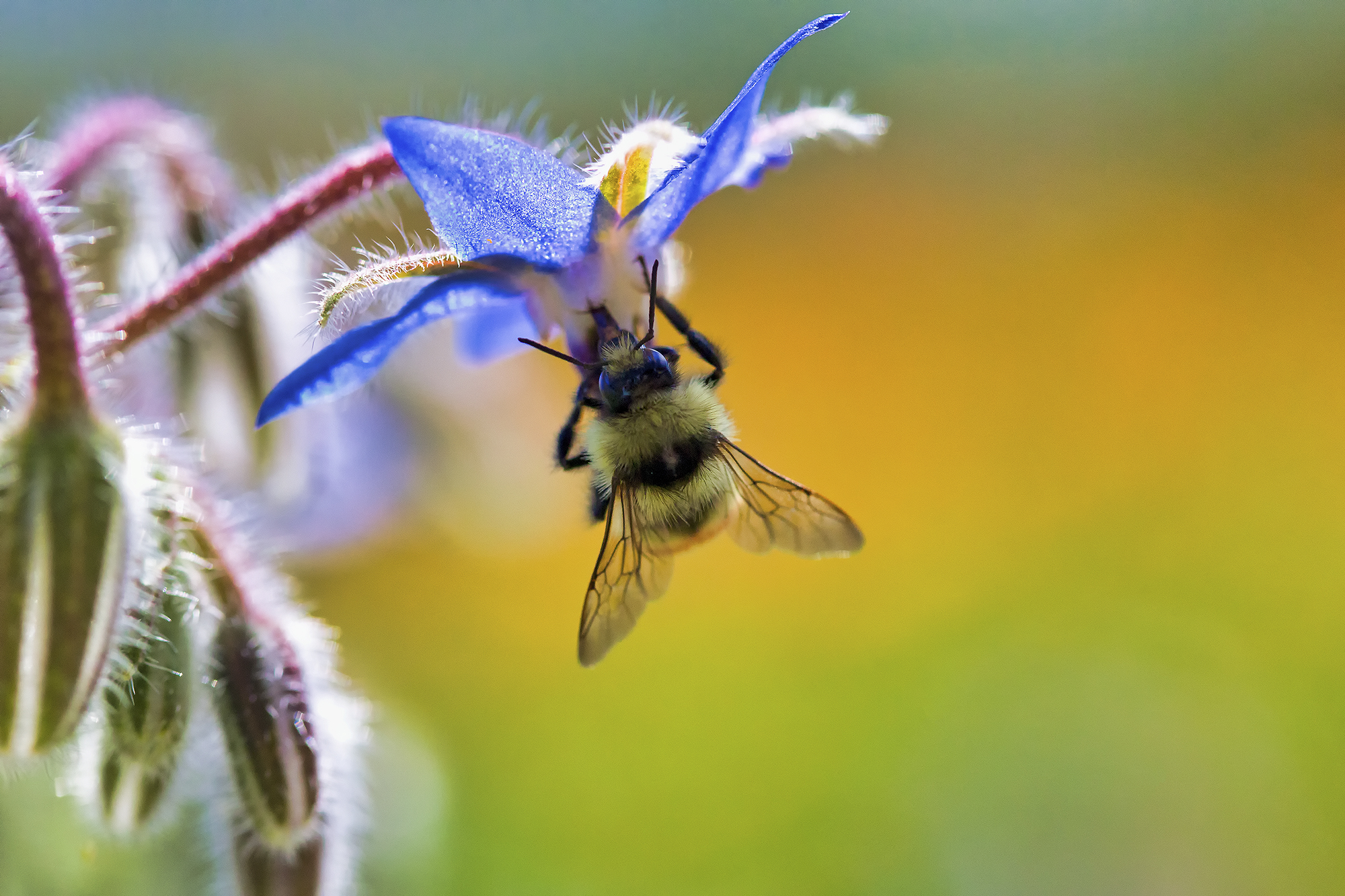
In the natural world, color is never only visual. It is functional. It helps animals locate food, judge habitat, recognize breeding condition, avoid danger, and move through the landscape with greater accuracy. What looks beautiful to us is often operating as a system of signals for something else.
Pollinators are one of the clearest examples. Flowers use color as guidance, drawing bees and other insects toward nectar sources through contrasts and patterns that can be obvious to them and almost invisible to us. This means color is not just decoration in a meadow or wetland — it is part of a working ecological exchange.
Season changes how these signals appear. Spring and summer tend to expand floral color and increase visible contrast across habitats. Autumn shifts the field toward seed, dried grasses, berries, and exposed structure. Winter reduces color but increases tonal separation, making tracks, fur, movement, and habitat edges easier to detect.
Wildlife also depends on color through concealment and adaptation. Plumage, fur, and habitat matching all change in meaning depending on season and available light. A subject that blends into summer vegetation may stand out against winter snow or dry autumn ground. Color therefore affects not just what animals use, but how visible they become to predators, prey, and observers.
This is where color connects directly to wildlife behavior and ecology. Animals are not moving through abstract scenery. They are reading light, pattern, contrast, and habitat condition constantly. The more you understand color as ecological information, the more clearly wildlife behavior begins to make sense in the field.
Color, then, is part of the survival system. It attracts, warns, conceals, guides, and reveals. And because those functions shift with season, color becomes one of the clearest ways to understand how wildlife is interacting with the landscape around it.
Field Observation Windows — When Color Makes the Landscape Readable
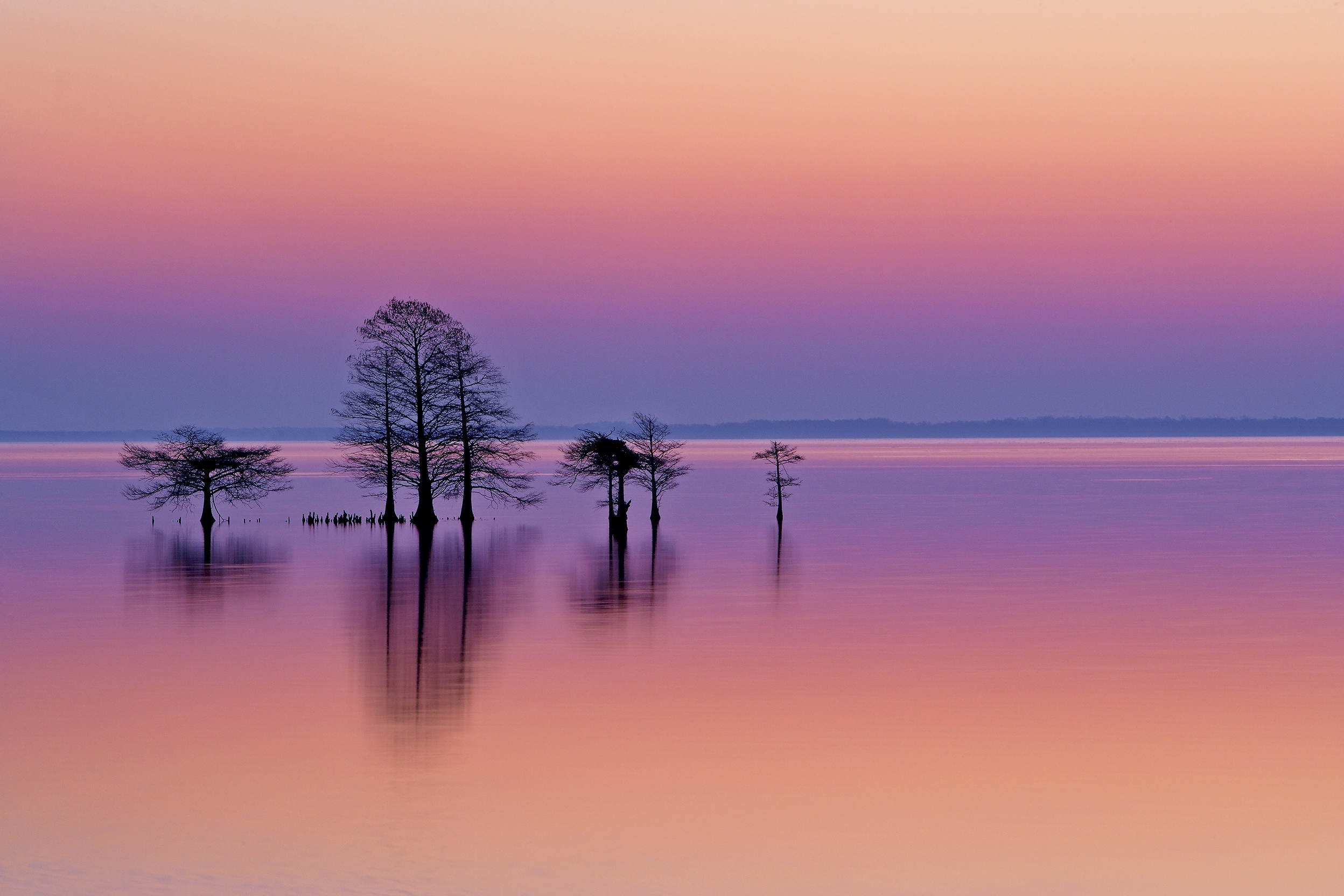
Color can tell you when the field is open and when it is closed. It reveals moisture in the air, angle of light, depth in the landscape, and whether a scene is flattening out or becoming more legible. In many situations, color is one of the fastest indicators that observation conditions are improving.
Water is especially important here. Lakes, marshes, rivers, and coastal edges often act as amplifiers, holding sky color, reflecting low-angle light, and creating stronger tonal relationships across a scene. A blue reflection, warm edge light, or sudden shift in atmospheric color can tell you a great deal about clarity, wind, and the short-lived window you are standing in.
Season changes how these windows appear. In winter, subtle color shifts in snow and shadow can reveal terrain and direction. In spring, fresh greens often indicate active growth zones and new habitat use. In autumn, gold and red concentrate attention at edges, open water, and changing forest canopies. Each season teaches a different kind of color literacy.
For observation, this matters because wildlife is often easiest to read when light and color simplify the field rather than complicate it. A cooler background can isolate warm-toned fur or plumage. A reflective surface can reveal movement you might otherwise miss. A shift in sky color can signal that a stronger dawn or dusk window is developing.
This is one reason the Golden Hour & Moon Phase Planner, Nature & Wildlife Photography Maps, and broader Field Tools system are so useful. Good observation often begins before the subject appears — in the way the landscape starts showing its conditions through tone and color.
When you learn to read color this way, you stop seeing it as surface beauty alone. It becomes timing, atmosphere, habitat condition, and visibility all at once. That is when color stops being background and starts becoming guidance.
Seasonal Photography — Using Color to Read Light, Depth, and Timing
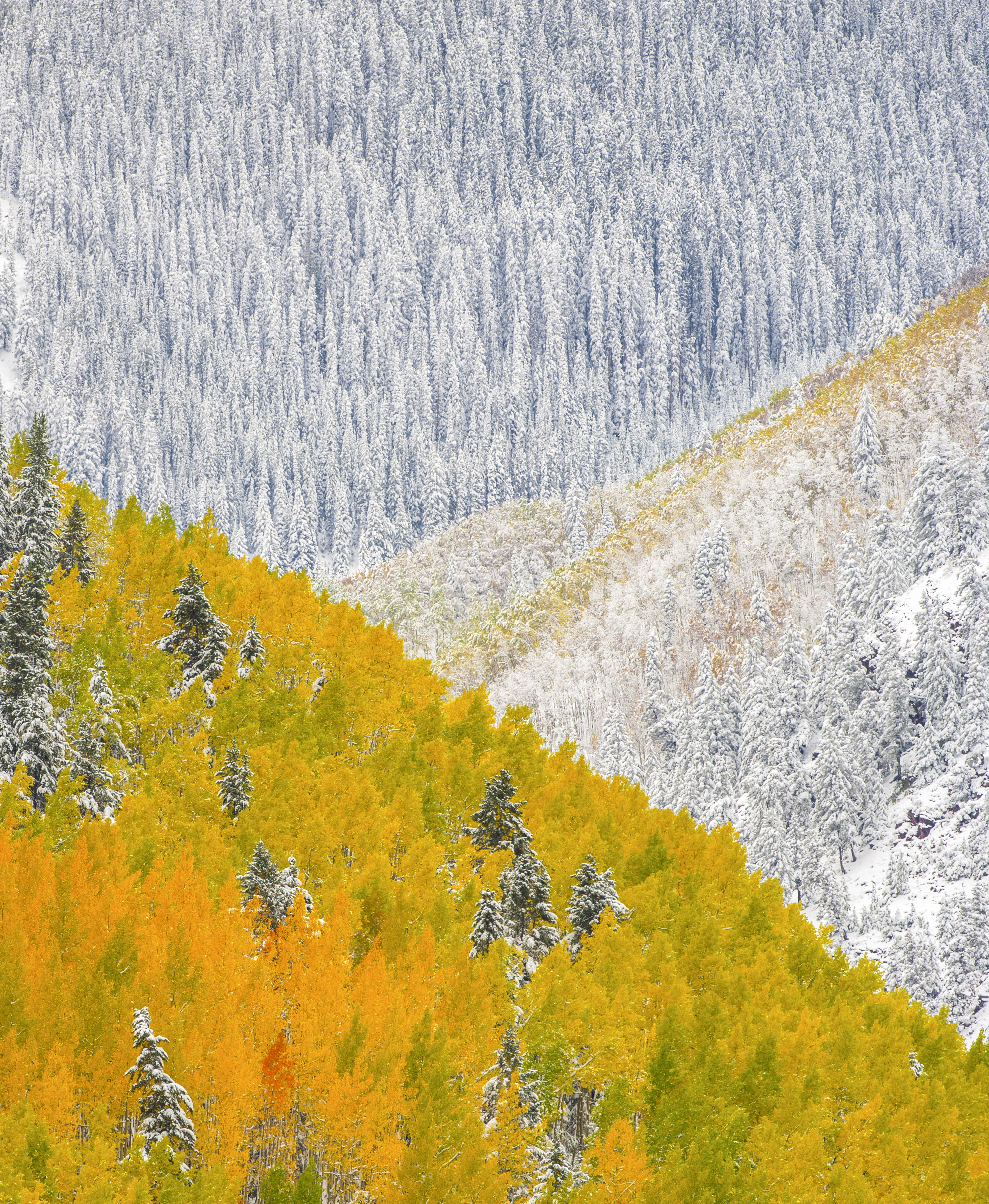
Photography changes when you stop treating color as decoration and start treating it as structure. In the field, color tells you where the light is landing, where the atmosphere is softening distance, and where one seasonal condition is meeting another. That makes it one of the most useful tools for composition.
Different seasons ask for different ways of seeing. Winter often works through restraint — subtle blue shadows, pale reflected light, and minimal palettes that depend on tone and spacing. Spring builds through fresh greens and moisture-rich surfaces. Summer intensifies saturation, but it can also flatten a scene if the light is too high. Autumn often gives the strongest color separation, especially when warm foliage meets cool water, rock, cloud, or snow.
What matters most is relationship. A patch of gold is stronger when it sits against dark timber. Blue reflection becomes more powerful when warmer tones are nearby. Snow becomes more dimensional when its whites are balanced by shadow and edge detail. The image becomes less about “beautiful color” and more about how colors organize the frame.
This is also where timing matters. The same landscape can look ordinary in flat midday light and completely resolved at first light or late afternoon, when color begins to separate naturally. Low-angle light often reveals the most useful contrast because it gives form to color instead of washing it out.
Water, snow, mist, and cloud cover all affect how color behaves. A calm lake can double a palette. Thin cloud can soften contrast and let subtle tones emerge. Dry air can sharpen distant blues, while humidity can compress them. These are not secondary details — they are part of the image-making process itself.
That is why seasonal photography is really about learning to see conditions. Color is one of the clearest ways those conditions make themselves visible, and the more precisely you read it, the stronger the image becomes.
Planning & Seasonal Ethics — Reading Color Without Forcing the Field
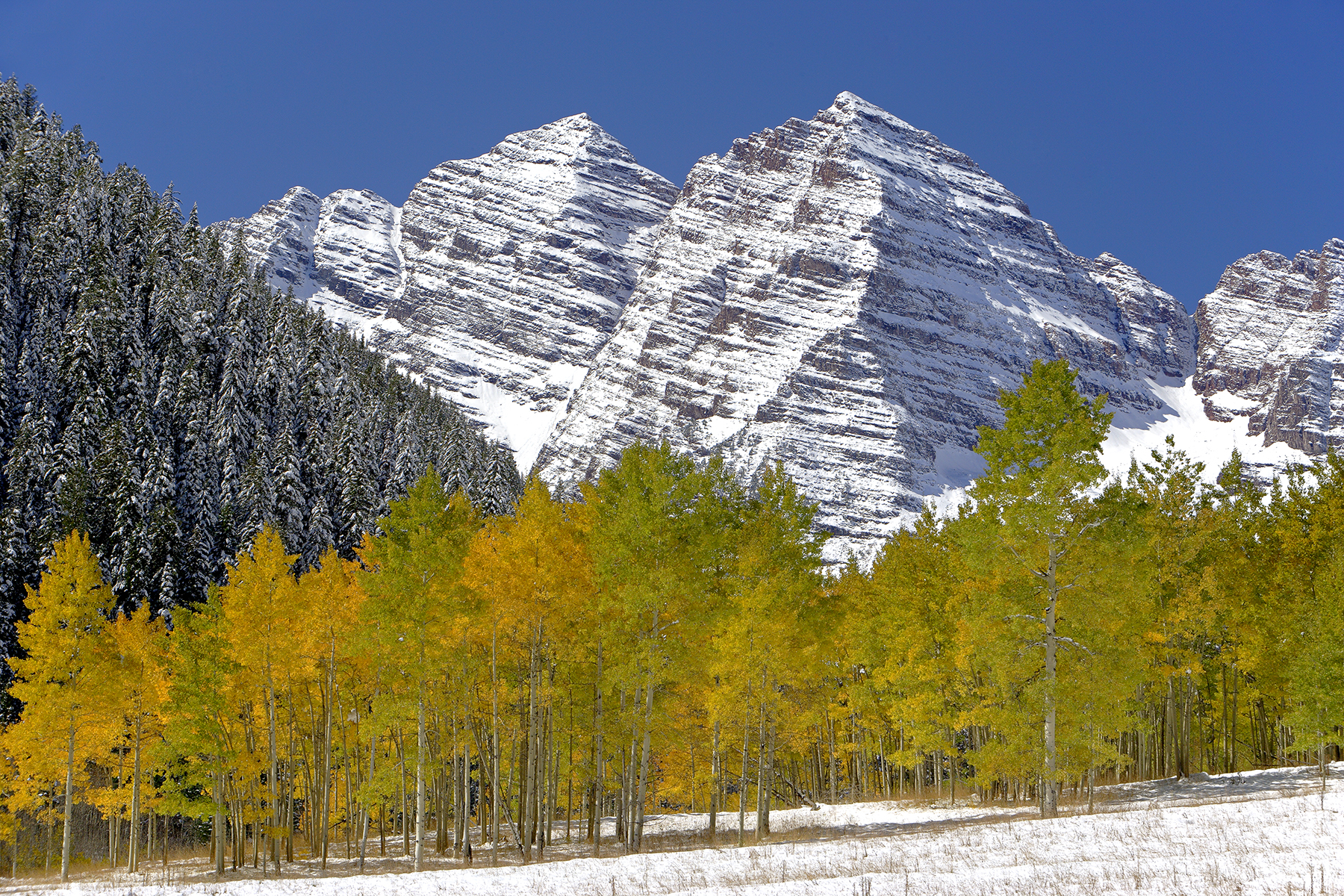
Color can make people rush. Peak foliage, brief bloom windows, dramatic dawn tones, and rare atmospheric conditions all create urgency. But the field almost always rewards patience more than pursuit. The strongest work happens when you let timing and position do the heavy lifting instead of forcing a closer or faster result.
This matters especially when wildlife and seasonal color overlap. Bright habitats, flowering fields, berry-rich edges, wetlands under migration light, or snow scenes with exposed forage all draw attention — but they also draw animals. That means the same conditions that produce beautiful images can also create sensitive ecological moments.
Planning should begin with season and habitat first. Ask what the color is telling you. Is that green signaling new growth and feeding activity? Are those autumn tones concentrating birds, deer, or elk near edge habitat? Is snow cover reducing movement options and increasing sensitivity? When you read color as field information, you make better decisions before you even lift the camera.
Distance still matters most. A striking palette is never a reason to pressure wildlife, enter fragile vegetation, or push into habitat that is clearly being used. The goal is not to possess the moment. The goal is to understand it well enough that the image can come to you with less disturbance.
This is one reason broader planning tools help. The Seasonal Wildlife Calendar, Golden Hour & Moon Phase Planner, Nature & Wildlife Photography Maps, and the broader Field Tools system all reduce guesswork. Better planning usually means less pressure on the field.
Color is one of the most seductive parts of nature, but it should also make us more careful. The richer the conditions, the more responsibility we have to move well within them. In that sense, planning and ethics are part of seeing clearly too.
Planning & Seasonal Ethics — Reading Color Without Forcing the Field
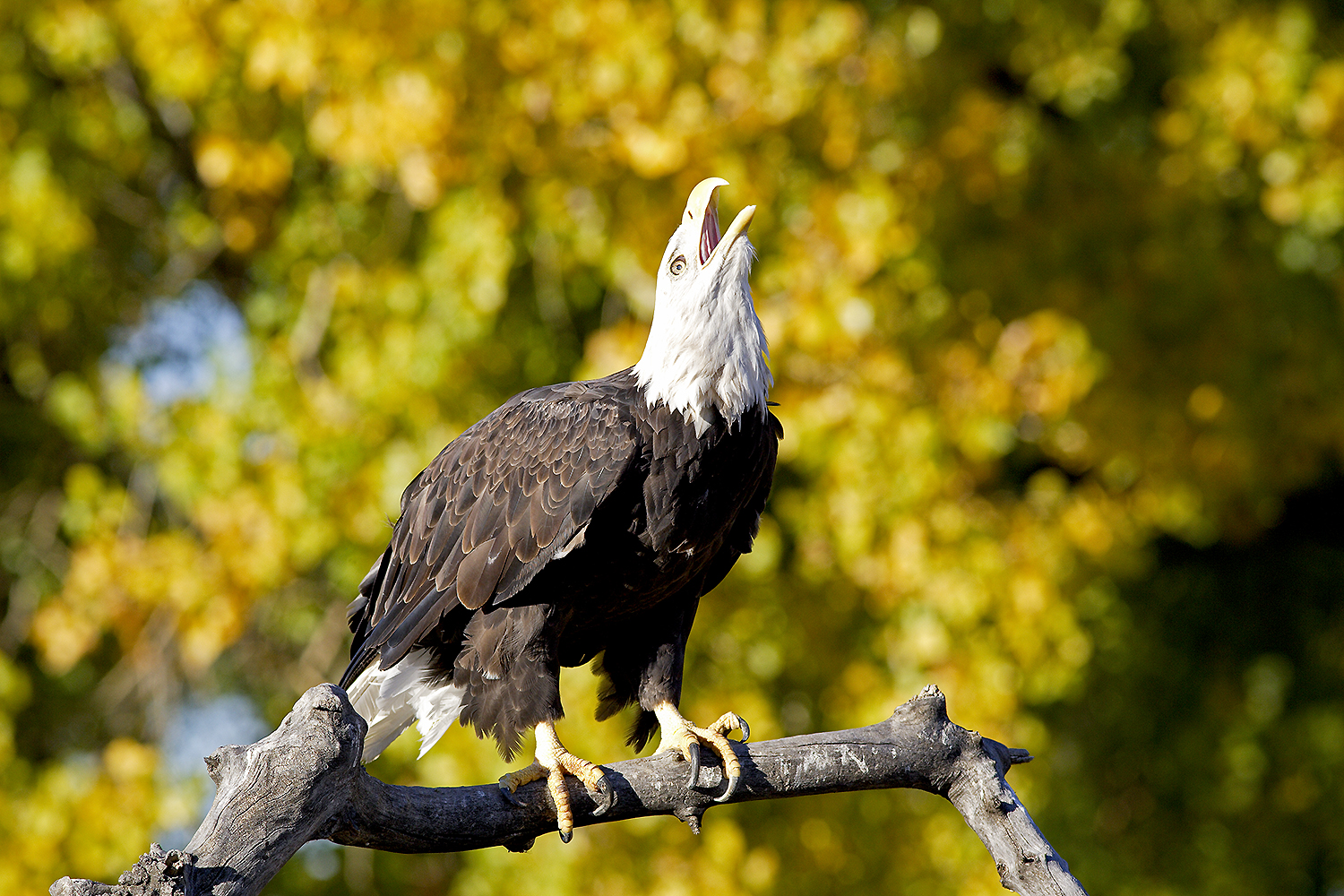
Color can make people rush. Peak foliage, brief bloom windows, dramatic dawn tones, and rare atmospheric conditions all create urgency. But the field almost always rewards patience more than pursuit. The strongest work happens when you let timing and position do the heavy lifting instead of forcing a closer or faster result.
This matters especially when wildlife and seasonal color overlap. Bright habitats, flowering fields, berry-rich edges, wetlands under migration light, or snow scenes with exposed forage all draw attention — but they also draw animals. That means the same conditions that produce beautiful images can also create sensitive ecological moments.
Planning should begin with season and habitat first. Ask what the color is telling you. Is that green signaling new growth and feeding activity? Are those autumn tones concentrating birds, deer, or elk near edge habitat? Is snow cover reducing movement options and increasing sensitivity? When you read color as field information, you make better decisions before you even lift the camera.
Distance still matters most. A striking palette is never a reason to pressure wildlife, enter fragile vegetation, or push into habitat that is clearly being used. The goal is not to possess the moment. The goal is to understand it well enough that the image can come to you with less disturbance.
This is one reason broader planning tools help. The Seasonal Wildlife Calendar, Golden Hour & Moon Phase Planner, Nature & Wildlife Photography Maps, and the broader Field Tools system all reduce guesswork. Better planning usually means less pressure on the field.
Color is one of the most seductive parts of nature, but it should also make us more careful. The richer the conditions, the more responsibility we have to move well within them. In that sense, planning and ethics are part of seeing clearly too.
Frequently Asked Questions — Nature’s Colors, Light, and Seasonal Change
Why do colors in nature change with the seasons?
Colors change because light, temperature, and biological activity shift throughout the year. Plant pigments, atmospheric conditions, and sun angle all influence how colors appear in different seasons.
Why does snow appear white instead of clear?
Snow appears white because its ice crystals scatter all wavelengths of light equally. Instead of absorbing color, snow reflects the full spectrum back to our eyes, creating the appearance of white.
Do animals see color differently than humans?
Yes. Many species can see wavelengths beyond human vision, including ultraviolet and infrared. These expanded color ranges help animals find food, communicate, and navigate their environment.
How does light affect the way color appears in nature?
Light angle, intensity, and atmospheric conditions all change how color is perceived. Low-angle light often increases contrast and depth, while high-angle light can flatten and reduce color separation.
What is the best time of day to photograph strong natural color?
Early morning and late afternoon are typically best because lower sun angles create richer tones, better contrast, and more dimensional color relationships across the landscape.
How can color help with wildlife observation?
Color helps reveal habitat conditions, movement patterns, and visibility. Changes in tone, contrast, and background can make animals easier to detect or help identify where activity is likely to occur.
How does this page connect to the Naturepedia system?
This page connects color to seasonal timing, light behavior, habitat structure, and wildlife ecology. It functions as part of the Naturepedia system, linking into Nature’s Seasons, Ecosystems, and broader observation frameworks.
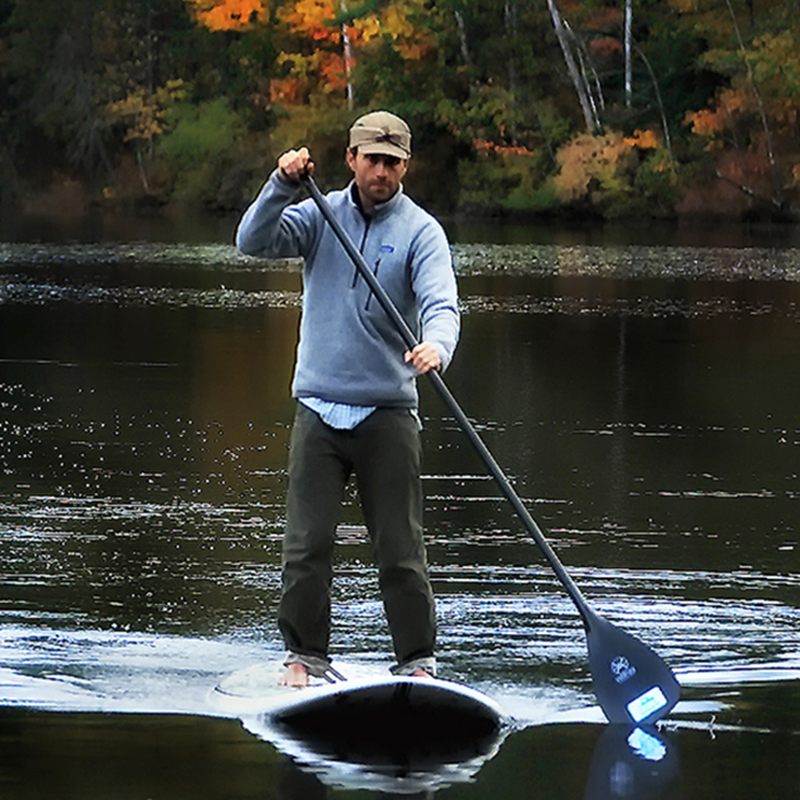
About Robbie George
I’m Robbie George, a National Geographic–published nature photographer whose work is shaped by time in the field — returning to the same places through changing light, weather, and season to understand how landscapes reveal themselves.
Color is one of the clearest signals I use when working in nature. It shows how light is moving, how moisture is affecting the scene, how vegetation is changing, and how seasonal timing is shaping the environment. This page reflects that approach — treating color not as surface beauty, but as information that helps make the field readable.
That perspective connects directly into the broader Naturepedia system, where seasonal change, wildlife behavior, habitat structure, and observation techniques are linked together. Tools like the Seasonal Wildlife Calendar, Field Tools, and Field Techniques all support that way of working.
You can explore more through Landscape Photography, Wildlife Photography, and the seasonal framework in Nature’s Seasons.
“Color is how the landscape shows you what light and time are doing.”