

Water - Nature's Color Shifter

Water – Nature’s Color Shifter
Water is not just essential to life — it is essential to color. In the world of nature photography and seasonal storytelling, I’ve come to understand water as a conductor, a mirror, and a painter. From the greens of spring leaves to the brilliant reds of fall, water doesn’t just feed the system — it transforms it. As we explored in The Colors of Nature Through the Seasons, water and temperature together choreograph the chromatic rhythms of Earth.
Through the lens of Robbie George Photography, water is not a background element — it is a field-shifter. It dictates how light moves through leaves. It determines when color appears and when it fades. In Quantum Vitality, we discuss how water holds memory, reflects photons, and transmits vibrational coherence. Color, then, is not a thing — it’s an effect. And water is the invisible architect.
In this blog, we’ll explore how water gives rise to chlorophyll, how snow reflects the full visible spectrum, and how dormancy is signaled through shifts in pigment and hydration. We’ll follow water’s journey from rainfall to radiance — and discover how one element becomes the prism through which nature expresses her soul.
“Water doesn’t just shape the land — it paints it.” ~ Robbie George
Water – The Conduit of Life and Color
From Molecule to Masterpiece
In the alchemy of nature, water is not just a carrier of life — it’s a conductor of color. At the core of every lush forest, blooming garden, and turning leaf lies a single truth: no pigment appears without water. In Quantum Vitality, we explored how water functions beyond hydration — as memory, medium, and messenger. Through it, plants photosynthesize, pigments flow, and nature’s seasonal paintings emerge.
Chlorophyll — the radiant green engine of photosynthesis — depends entirely on water. Without it, there’s no electron transport, no sunlight conversion, no cellular fuel. But water doesn’t stop at green. It delivers minerals that give rise to carotenoids, anthocyanins, and flavonoids — the pigments responsible for fiery fall foliage, the deep blush of berries, and the vivid petals of spring blooms.
When I capture a dew-kissed flower at dawn, or the glowing canopy of autumn trees, I’m not just witnessing color — I’m witnessing water at work. Every hue is a signature left behind by moisture, movement, and temperature. Water does not just sustain life — it paints it into existence.
Related Reading
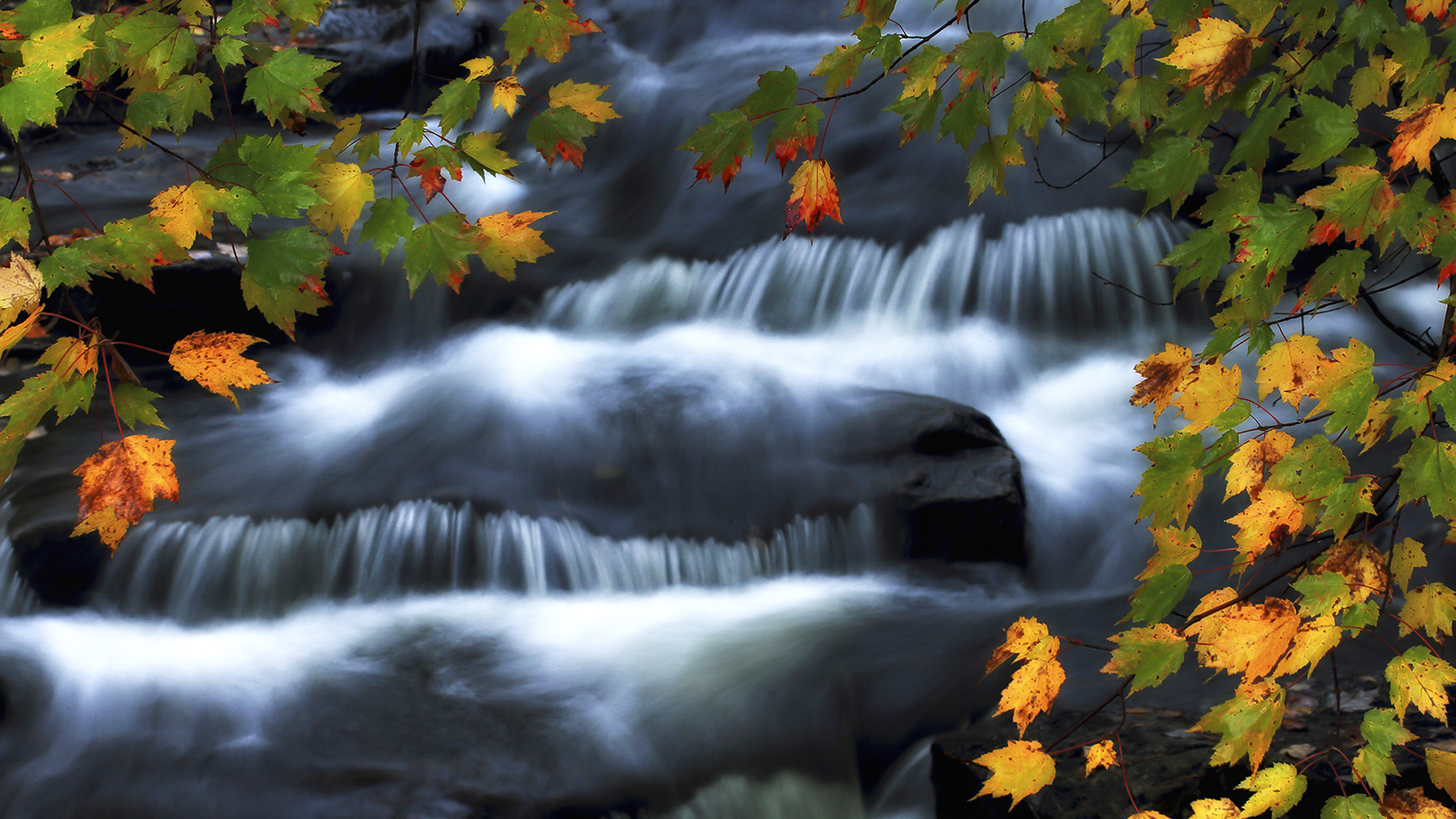
“Acadia National Park Fall Foliage” – Pigments in harmony with light, water, and breath. Available as a fine art print.
The Impact of Water Scarcity on Plant Life
How Dryness Reveals Autumn's Fire
As the landscape transitions into autumn, the absence of water becomes its own kind of paintbrush. What begins as drought or a seasonal drawdown of moisture signals plants to shift gears — entering dormancy, slowing metabolism, and retreating inward. This process, explored in The Living Code, is not decay — it’s recalibration. And the first visible signal of this shift? A dramatic burst of color.
As chlorophyll production halts due to reduced water, its green veil lifts, revealing pigments like carotenoids and anthocyanins. These vibrant reds, oranges, and purples were always there — hidden beneath the green. Water, in its absence, becomes a revealer. It uncovers a deeper palette and tells the truth of the tree's readiness to rest.
In Fall Foliage Reflection, I captured this moment — a still lake mirroring the pigments of adaptation. Through photography, we don’t just freeze beauty. We reveal systems. We honor how plants use color to signal transformation, resilience, and seasonal intelligence. Less water doesn’t mean less life. It means different life — preparing, protecting, recalibrating.
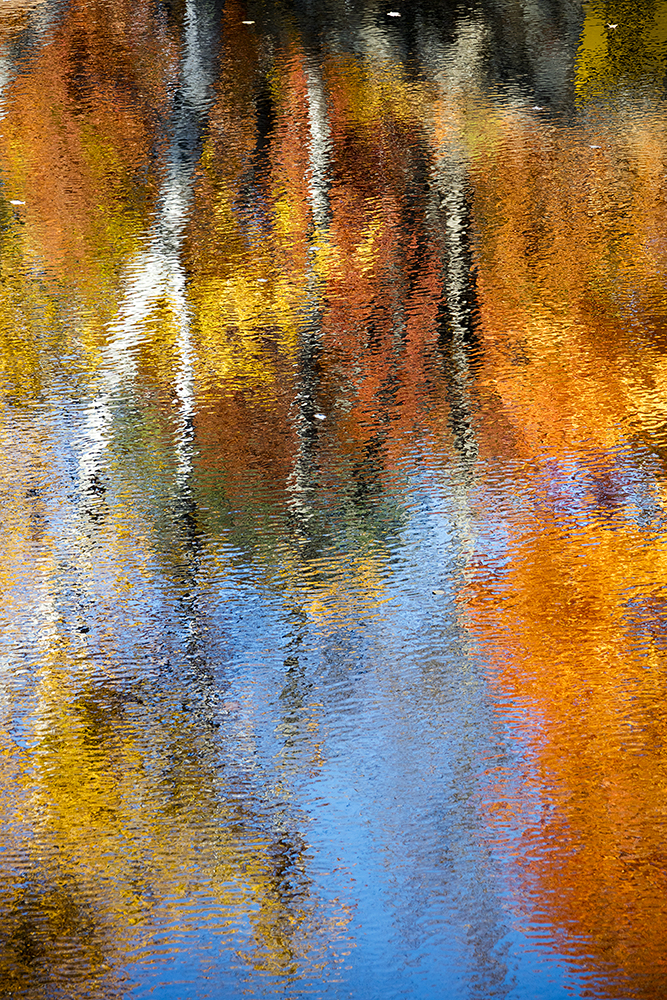
“Fall Foliage Reflection” – A mirrored moment of pigment and pause. Available as a fine art print.
Snowflakes – Nature’s Reflectors Signaling Dormancy
When Stillness Becomes Light
As the last leaf falls and water pulls inward, nature exhales into stillness. Snow is not absence — it is presence in white. Each snowflake is a crystal of geometry, scattering sunlight equally across all wavelengths. In Quantum Vitality, we explored how reflection creates resonance. Snow reflects not just light, but the season’s silence. It covers the ground in white not because it’s empty — but because it contains every color, equally.
In this mirrored blanket, the natural world rests. Snow insulates the soil, protecting seeds and roots with its silent warmth. Beneath it, dormancy holds — waiting for light’s return. In The Colors of Nature, we saw how water signals vibrancy in spring — and signals retreat in winter. Snow is water transformed into stillness, offering a season of inner work for the planet.
The photograph Teton National Park captures this moment — mountains cloaked in still reflection, their peaks holding light in silence. As nature photographers, we do more than document landscapes. We record frequencies. Snow is not just a visual — it’s a seasonal alignment. A white reminder that even in retreat, life is preparing for return.
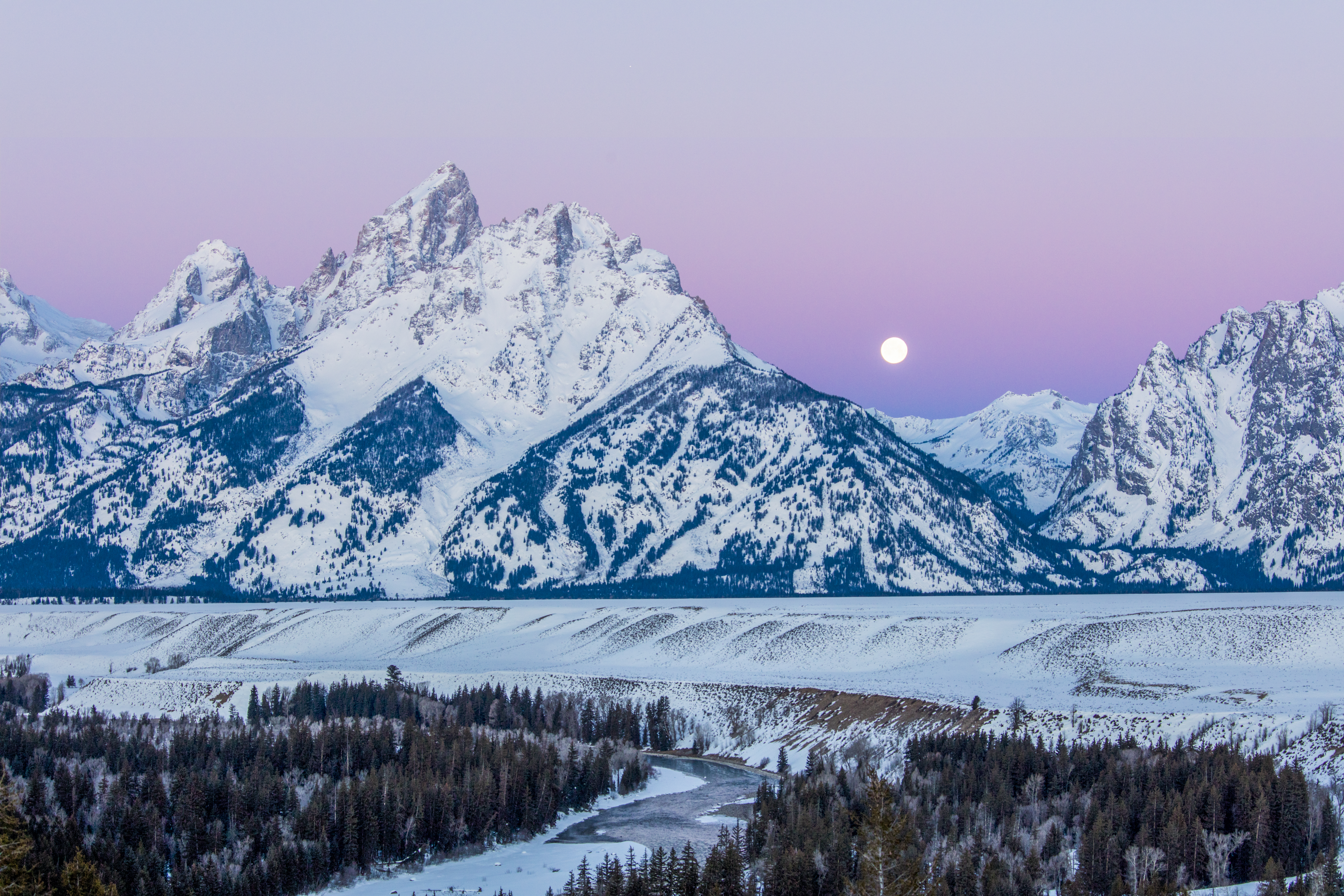
“Teton National Park” – Reflection, resonance, rest. Available as a fine art print.
Water and Temperature – Architects of the World’s Colors
How Nature’s Palette Is Sculpted by the Invisible
Nature is not painted by accident. It is painted by forces — subtle, elemental, and deeply interconnected. As explored in Quantum Vitality, water and temperature act like twin brushes in the hands of time. They dictate when green emerges, when golds ignite, and when white blankets the Earth. This cycle is not just physical — it’s rhythmic. It’s vibrational. And it repeats with elegant precision across ecosystems worldwide.
In spring, water returns to thaw frozen roots, and with rising temperatures, photosynthesis resumes. The landscape blooms in tender greens and flower bursts. In summer, warmth and hydration expand life outward — wildflowers peak, foliage deepens, and wildlife thrives. Then comes autumn: water withdraws, and cooling air signals a shift. Pigments rise from within, and the forest glows in farewell. In winter, snow arrives — scattering light in full-spectrum white — as seen in The Colors of Nature.
The photo Snow-Covered Rocky Mountains captures this final shift — where water becomes silence, and silence becomes light. Through photography, we trace this seasonal alchemy: water shaping color, temperature tuning tone. Together, they don’t just paint the world — they harmonize it.
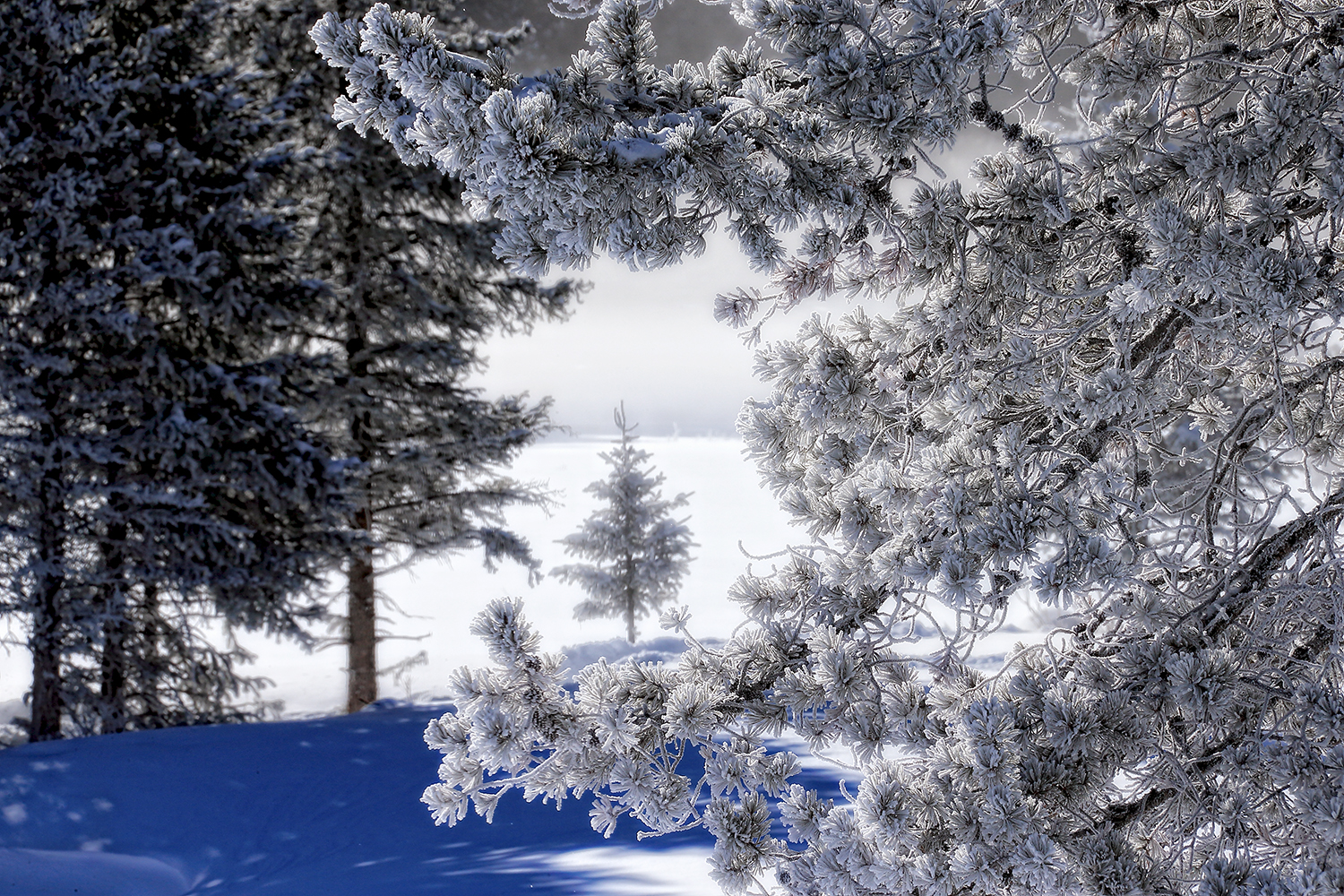
“Snow-Covered Rocky Mountains” – Water and temperature in symphonic stillness. Available as a fine art print.
Evergreens – The Guardians of Green
Why Pines Hold the Frequency Year-Round
While most trees follow the seasonal rhythm of letting go, evergreens hold the tone. In a landscape dominated by the colorful retreat of deciduous trees, pines and conifers stand steadfast — vibrant, waxy, and alive. Their secret lies not only in biology, but in coherence. As shared in Quantum Vitality, evergreen needles retain chlorophyll through snow, wind, and drought by embodying stillness without stasis.
Pine needles are structured for conservation. Their waxy coating reduces water loss. Their narrow surface area minimizes exposure. Inside, their cellular antifreeze protects photosynthesis even when temperatures plummet. These adaptations aren’t just survival mechanisms — they are expressions of nature’s commitment to continuity. While other species conserve energy by going dormant, evergreens slow down just enough to keep working. To keep absorbing light.
The photo Mother Nature captures this evergreen resilience — a living sculpture of endurance. In Nature’s Seasons, these trees serve as grounding notes. When all other colors fade, they remain — guardians of chlorophyll, photosynthesis, and year-round breath. They don’t just survive the winter — they stabilize it.
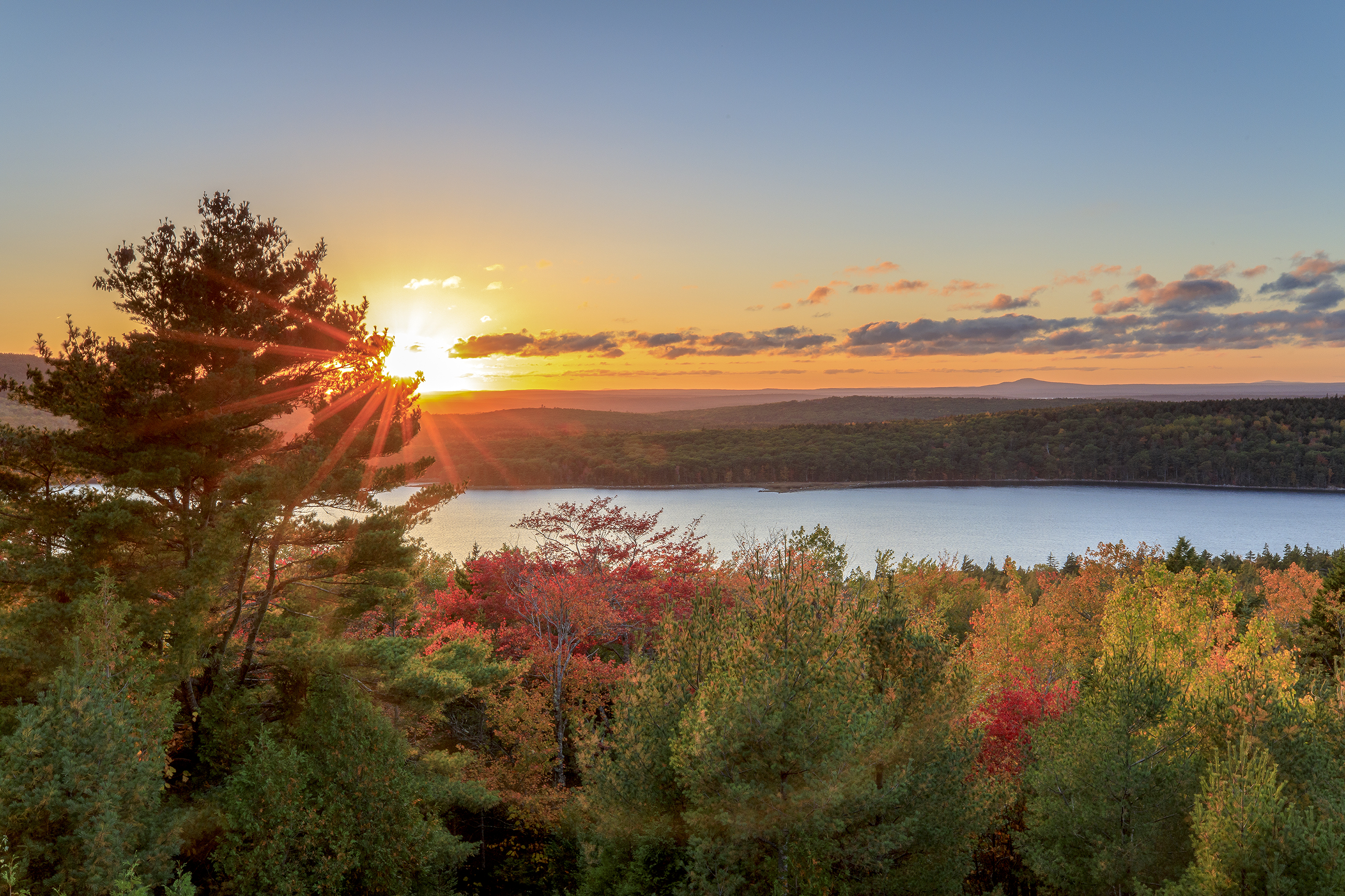
“Mother Nature” – A guardian of coherence in every season. Available as a fine art print.
The Global Tapestry of Water-Influenced Colors
When Climate, Light, and Water Collaborate
From tropical rainforests to arid deserts, the colors of the Earth are shaped by water’s presence—or absence. Each region wears its own vibrational robe, woven from sunlight, temperature, and hydration. In Nature’s Seasons, we explored how these elements shift hues across time. Here, we witness how they shift hues across space.
In the rainforest, abundant rainfall keeps the palette deep, saturated, and evergreen. In temperate forests, water flows in cycles, triggering bursts of green in spring and fire in fall — a rhythm I’ve captured in countless images of seasonal foliage. Deserts, by contrast, are masters of minimalism. When water arrives, dormant seeds bloom in sudden color — an act of faith and survival.
Water does not simply hydrate life. It coordinates it. As discussed in Quantum Vitality, water is the carrier of light, the recorder of rhythm, the transmitter of the unseen. When we photograph a colorful biome, we aren’t just seeing pigment — we’re witnessing memory stored in motion.
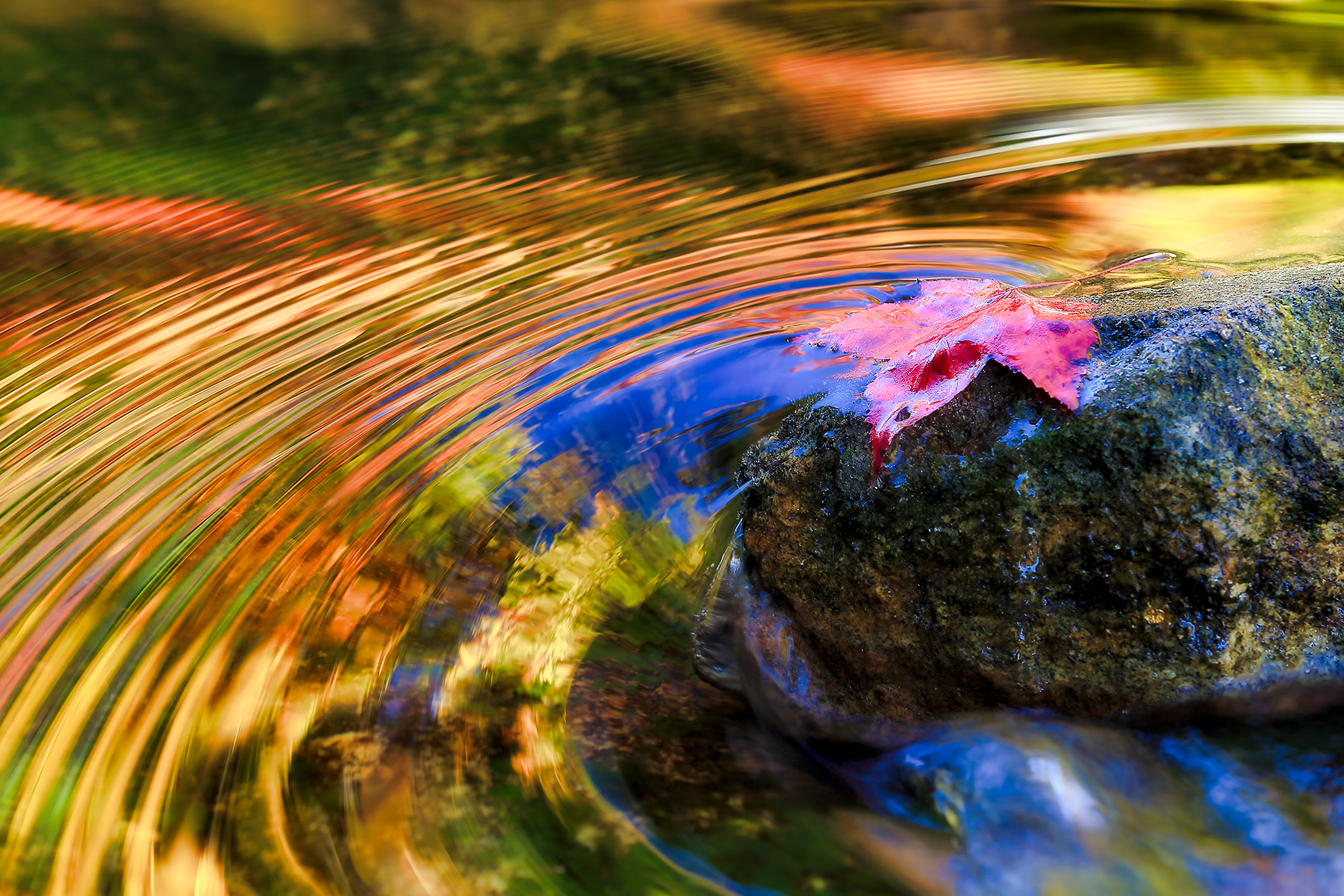
“Leaves Falling” – A moment between memory and surrender. Available as a fine art print.
Water Informs All Life
The same element that carries signals through forests, clouds, and oceans also informs us. Structured water within our bodies mirrors the outer world—receiving light, temperature, and vibration—then translating them into rhythm, color, emotion, and intuition. We aren’t separate from water’s network; we are participants in it.
Continue the flow:
• Water — The Great Informant • Water — Nature’s Color Shifter • Water — The Almighty God
Bonus reads: The Water Wide Web • Reflections of the Soul • Sunlight: The Cosmic Superhighway
Conclusion: Water – Nature’s Master Colorist
Water is not just the source of life — it is the memory of the landscape, the mirror of light, and the force that reveals color across time and space. From nourishing chlorophyll in spring to cloaking Earth in snow’s quiet white, water orchestrates the transitions that define our world’s vibrational beauty.
As we saw in Quantum Vitality, water is not just physical — it’s informational. It encodes energy, temperature, and time, and transforms it into visible beauty. In every autumn leaf, every blooming flower, every glacier-fed river, water leaves its chromatic signature. It is nature’s most consistent artist — always painting, always responding.
“Color is the language of water written in light.” ~ Robbie George
💧 What You Can Do
- ➤ Observe the color shifts in your region throughout the year
- ➤ Practice mindful water conservation at home and in your community
- ➤ Capture local ecosystems in transition and share the story of water through seasonal photography
- ➤ Support organizations protecting fresh water and ecosystems shaped by water flow
Your lens, your presence, your awareness — these are tools for change. Every photo becomes a prayer. Every conservation act, a ripple. Let’s honor water not just for what it quenches, but for what it reveals.
Explore Fine-Art Prints
Bring the season home—browse Wildlife, Landscapes, and Seascapes by National Geographic–published photographer Robbie George. See framing, editions, and care on the Collectors page.
 Landscape
  Wildlife
 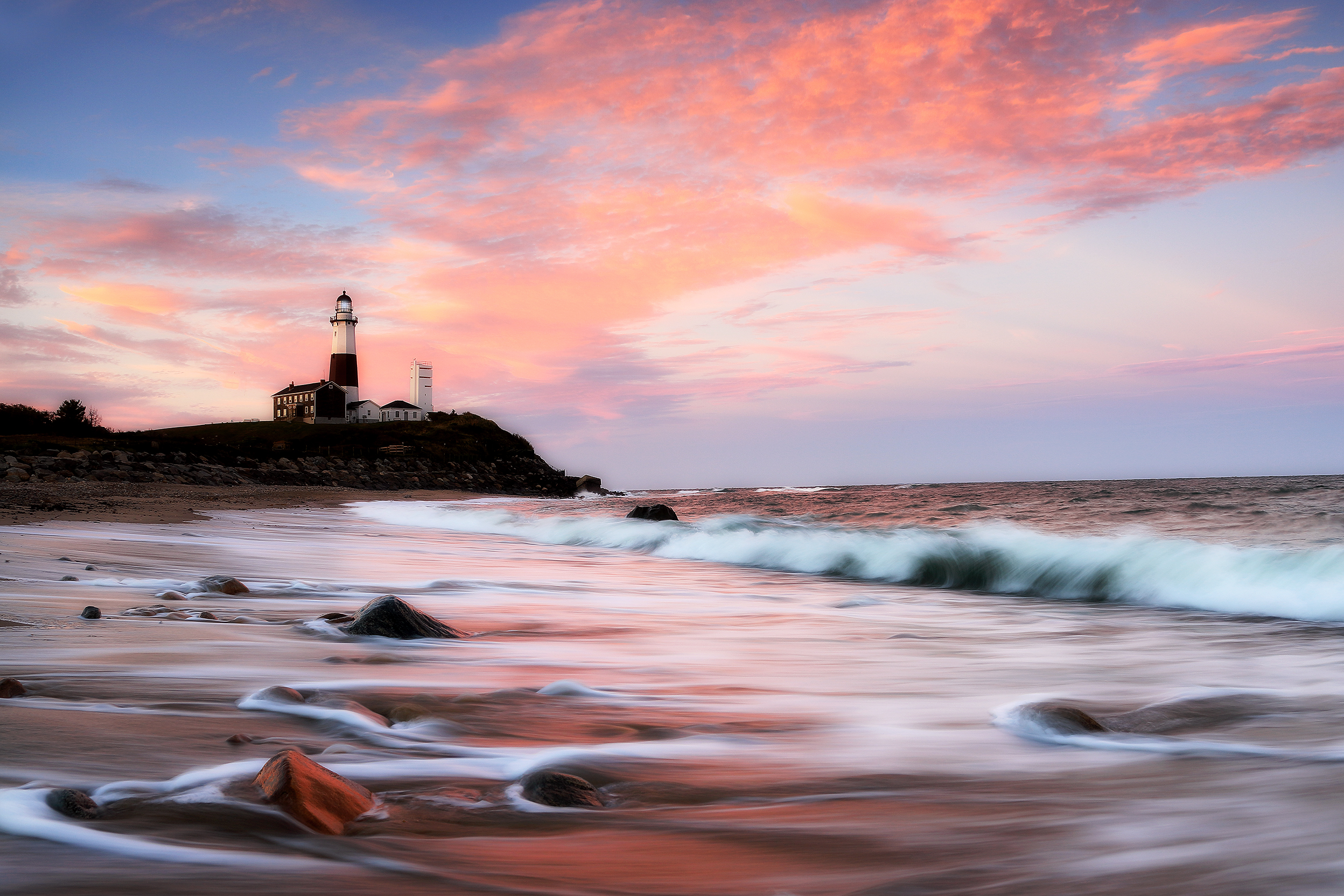 Seascapes
About Robbie George
Robbie George is a National Geographic–published photographer and resonant naturalist. His fieldcraft follows a simple ethic—distance first, habitat always— shaped by Slow Knowledge and the Signature Series.
Explore calm, undisturbed behavior in the Wildlife Gallery or plan your next trip with the Seasonal Wildlife Calendar, Golden Hour & Moon, and Photography Maps.
“Attention first, image second. The shutter is the period at the end of a sentence you learned by walking.”
FAQs: Water – Nature’s Color Shifter
1. How does water influence the color of plants?
Water is essential for chlorophyll production, the pigment that gives plants their green color and enables photosynthesis. It also helps transport nutrients that create additional pigments, like carotenoids (yellows/oranges) and anthocyanins (reds/purples), as discussed in Quantum Vitality.
2. Why do leaves change color in the fall?
As temperatures drop and water availability decreases, plants reduce chlorophyll production. This reveals pigments like carotenoids and anthocyanins, producing the brilliant reds, oranges, and golds seen in autumn foliage.
3. What makes snow appear white when water is clear?
Snow appears white because its ice crystals scatter all visible wavelengths of light equally. As explained in The Colors of Nature, this uniform scattering reflects full-spectrum light — creating the visual effect of whiteness.
4. How do evergreens stay green all year?
Evergreens like pines retain their needles year-round thanks to waxy coatings, antifreeze compounds, and the ability to photosynthesize slowly in winter. They continue chlorophyll function while other trees go dormant. See this captured in Mother Nature.
5. How can I observe and photograph seasonal color changes?
Pay attention to temperature shifts, water levels, and how plants respond over time. Photograph early morning dew, seasonal foliage, or melting snow to document water’s role in color. Explore more examples in my nature gallery and Water Wonders series.