Water - The Great Informant of Nature
Water’s Journey Through the Mycelium Network
Beneath every healthy forest is an underground neural net—fungal hyphae linking roots in a living web. As water filters through soil, it travels along these microscopic threads, dissolving and ferrying ions, metabolites, and hormones. The result is an information superhighway: trees “whisper” needs and surpluses; neighbors allocate resources; seedlings receive lifelines during stress.
Water is the courier. It picks up nutrient signatures, pH shifts, even stress compounds produced during drought or pest pressure. The Wood Wide Web becomes a routing layer, and moisture becomes mail—delivered with astonishing precision to where it’s needed most. This is why forests behave like communities rather than collections of individuals.
As a photographer, I look for these exchanges in the canopy’s cohesion and the timing of understory blooms. You can feel the network in the forest’s cadence: the way fog lingers in pockets of life, the way dew beads differently on kin species. The image below sits above one such watershed—where message and moisture move together.
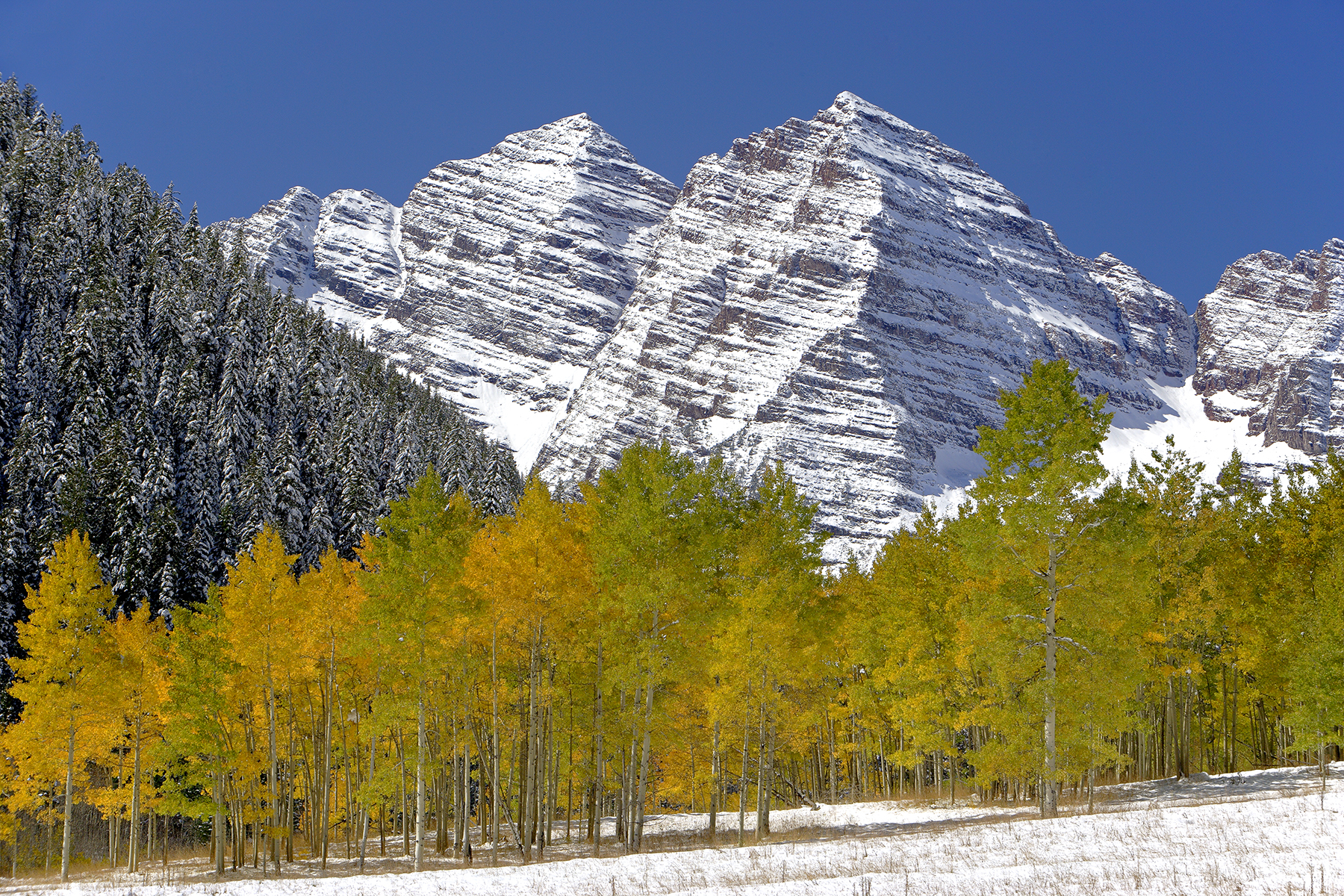
From Snowcapped Peaks to the Ocean’s Memory
Snowmelt descends with a ledger of the mountains—trace metals from bedrock, microbial communities from alpine soils, and seasonal chemistry from the very air. As these waters converge, tributaries become sentences and rivers become paragraphs, together composing a long-form narrative of the watershed’s year.
At deltas and estuaries, freshwater meets saltwater in a dynamic handshake that feeds nurseries of life. Nutrients and sediments inform plankton blooms; salinity gradients cue migrations; pulses of freshwater reset coastal rhythms. It’s a dialogue more than a meeting—a fluent exchange between land and sea that sustains fisheries and shorebirds alike.
When these narratives reach the open ocean, currents archive them like libraries. Remnant signatures persist far from shore, where they still shape behavior and productivity. The ocean remembers, and that memory cycles back toward land with tides, storms, and the breath of the atmosphere. See more in Water Wonders.
Clouds & Fog — Earth’s Roaming Messengers
Atmospheric water does more than shuttle moisture; it ferries microscopic life, dust from deserts, sea salts, pollen, and smoke—an airborne index of distant places. Each droplet is a tiny vessel; together they move planetary news across continents, then deposit it as rain, snow, or dew where it can be read by soils and leaves.
Fog in particular is a gentle librarian. It hydrates mosses and lichens directly, recharges canopy soils, and mutes temperature extremes. In coastal and montane systems, fog drip can supply a sizable share of annual water—arriving softly, delivering nutrients without erosion, sustaining life where rainfall alone would fall short.
Photographing fog is photographing delivery. Note how it beads on needles, how spiderwebs become nets for the sky’s message, how sound changes as the air thickens. Each of these is a clue that the atmosphere is not empty; it’s an active courier for the biosphere below.
Water’s Capacity for Information
In the field, water behaves like a translator. Its structure shifts with temperature, minerals, sound, and light, organizing into micro-domains that influence how signals move through living tissue. However you frame it—coherence, responsiveness, or “memory”—water is exquisitely sensitive to context, and that sensitivity enables communication.
Consider the boundary layers: where water meets leaf cuticle, mycelial mats, or rock pores. At these interfaces, hydrogen-bond networks self-organize, changing viscosity, ion mobility, and charge separation. Those changes matter for germination, root uptake, and even the timing of bloom—small shifts, large consequences.
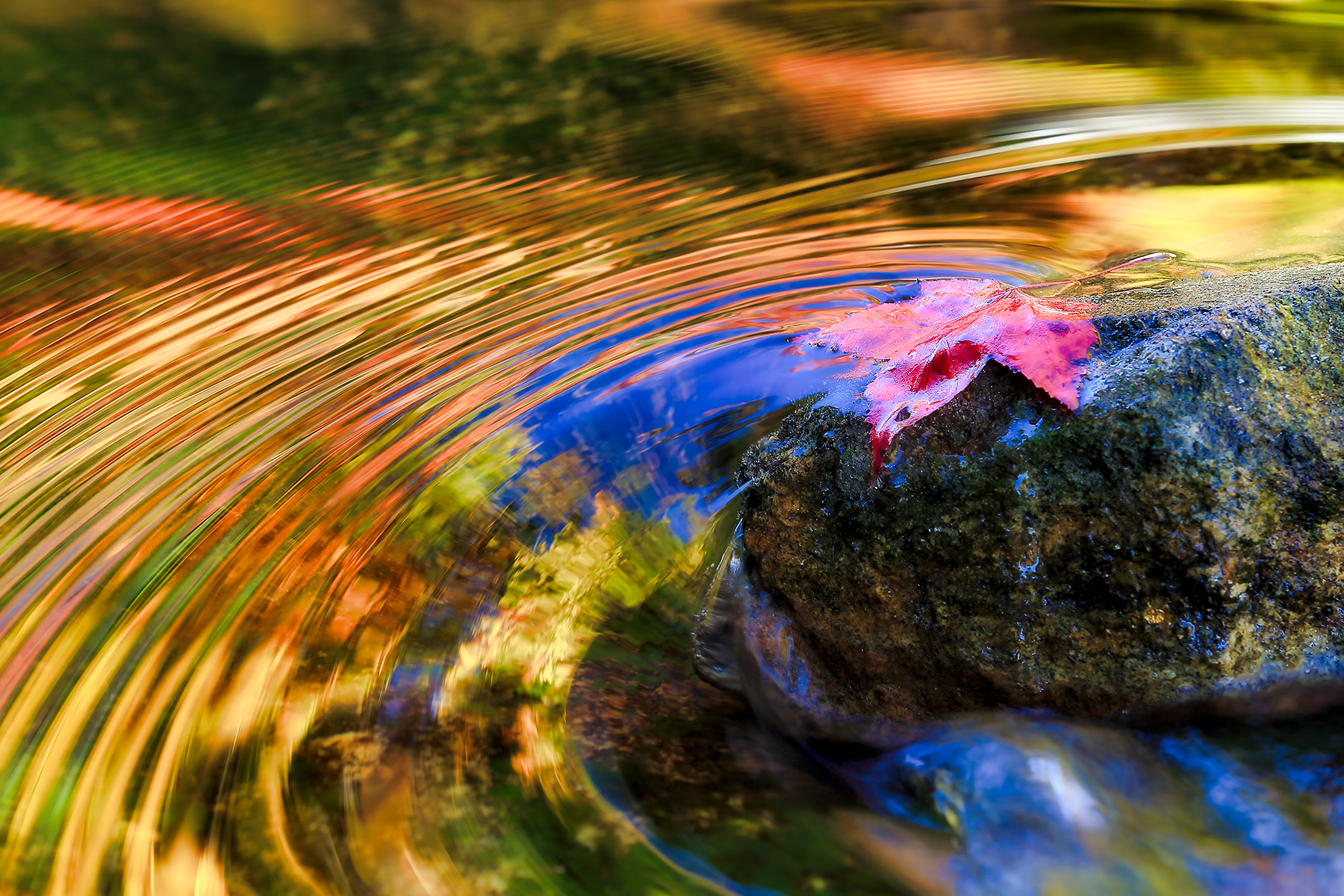
As a photographer, I look for the visual tells of this organization—standing waves in creeks, the “skin” of quiet ponds at dawn, rainbow films that map mineral chemistry. They’re reminders that water doesn’t just reflect; it interprets.
Water & Human Health — The Inner Mirror
We are aquatic creatures walking on land. Roughly 60% water by mass, we rely on its chemistry for circulation, electrical signaling, and temperature control. Quality in, quality out: mineral balance, contaminants, and even photic exposure shape how our internal water behaves—and therefore how we feel and function.
Hydration is not just volume; it’s information. Clean inputs support clear signaling—hormonal rhythms, immune timing, and sleep-wake cycles tied to light. Polluted inputs carry error messages that the body must buffer at a cost. In this sense, stewardship of watersheds is also stewardship of nervous systems and circadian health.
Practical takeaways? Favor mineral-rich sources when possible; reduce chemical load at home and garden; and spend time near living waters where negative ions and coherent soundscapes downshift stress. Our inner tide listens to the outer tide.
Water Informs All Life
The same element that carries signals through forests, clouds, and oceans also informs us. Structured water within our bodies mirrors the outer world—receiving light, temperature, and vibration—then translating them into rhythm, color, emotion, and intuition. We aren’t separate from water’s network; we are participants in it.
To follow this thread across your trilogy, continue into color and consciousness: how water paints landscapes and how it serves as a portal for awareness.
Continue the flow:
• Water — The Great Informant • Water — Nature’s Color Shifter • Water — The Almighty God
Bonus reads: The Water Wide Web • Reflections of the Soul • Sunlight: The Cosmic Superhighway
When the Message Gets Distorted
Pollution scrambles the channel. Toxins bind to sediments and tissues, skewing signals that organisms use to time migration, reproduction, and dormancy. Algal blooms are one visible symptom; many more play out quietly in weakened immune responses and disrupted food webs.
The fix is practical and local: reduce chemical runoff, restore riparian buffers, protect headwaters, and manage stormwater where it falls. Each intervention clarifies the message downstream. Where communities invest in wetlands and floodplains, the water’s voice returns—clearer, steadier, more life-giving.
For photographers, these restorations are visible as well: dragonflies return, water clarity improves, and night skies reflect in rivers once again. It’s an ecological recovery—and an aesthetic one.
The Cycle That Remembers
Evaporation lifts water into the sky along with volatile organic compounds from forests and micro-salts from seas. Condensation wraps that history into droplets. Precipitation returns it to ground. With every loop, the planet trades notes between biomes, seasons, and hemispheres—an elegant, never-ending exchange.
This cycling carries practical instructions. Snowpack extent sets spring flows; monsoon timing sets germination; ocean temperatures steer storm tracks. The water cycle is the Earth’s metronome—its memory and its forecast, playing at once.
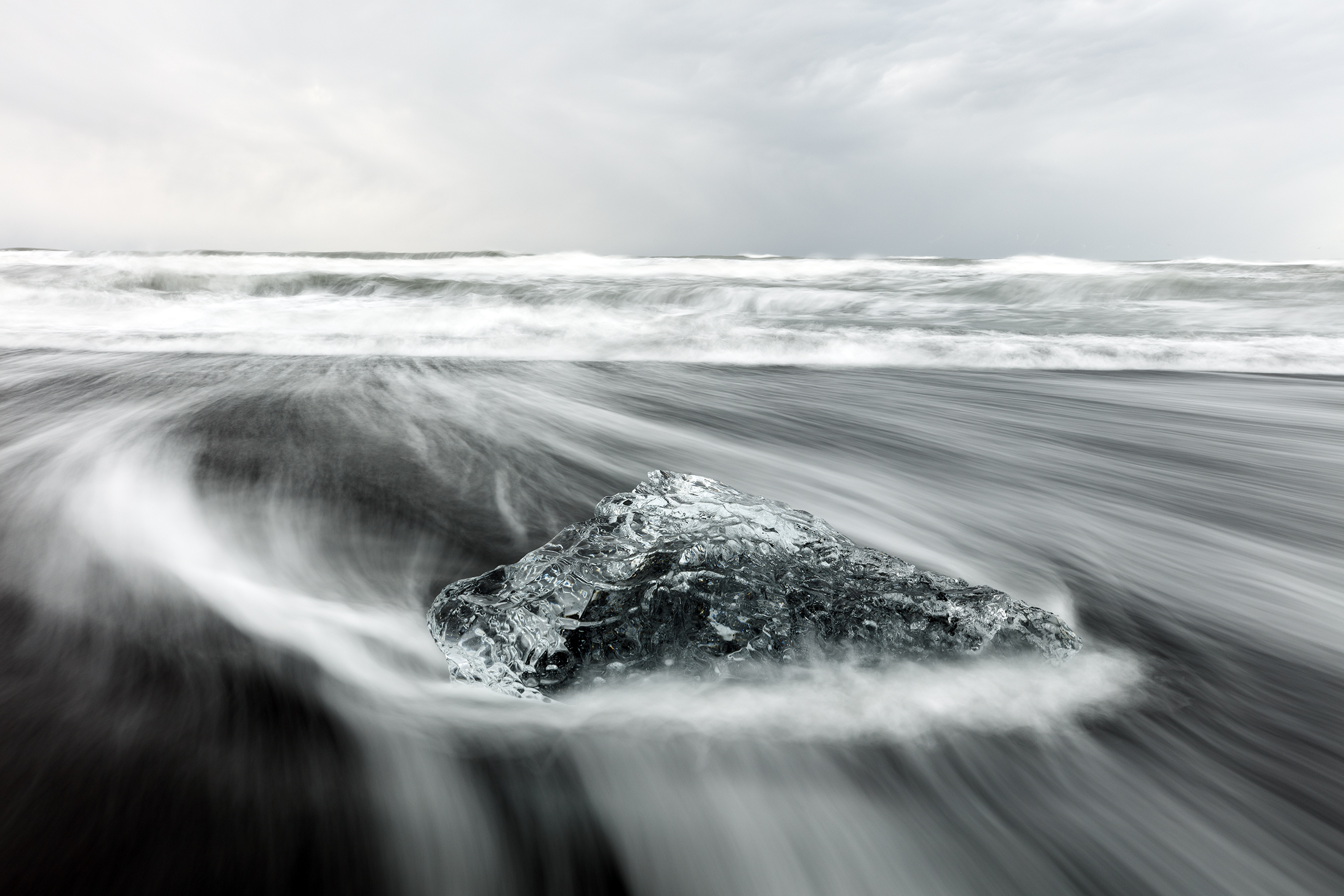
My favorite mornings to shoot are when the cycle’s layers meet—mist over thawing rivers, hoarfrost on reeds, or first rain after a dry spell. The camera becomes a translator between cycles and senses.
Completing E = mc² — Water, Mycelium & Living Coherence
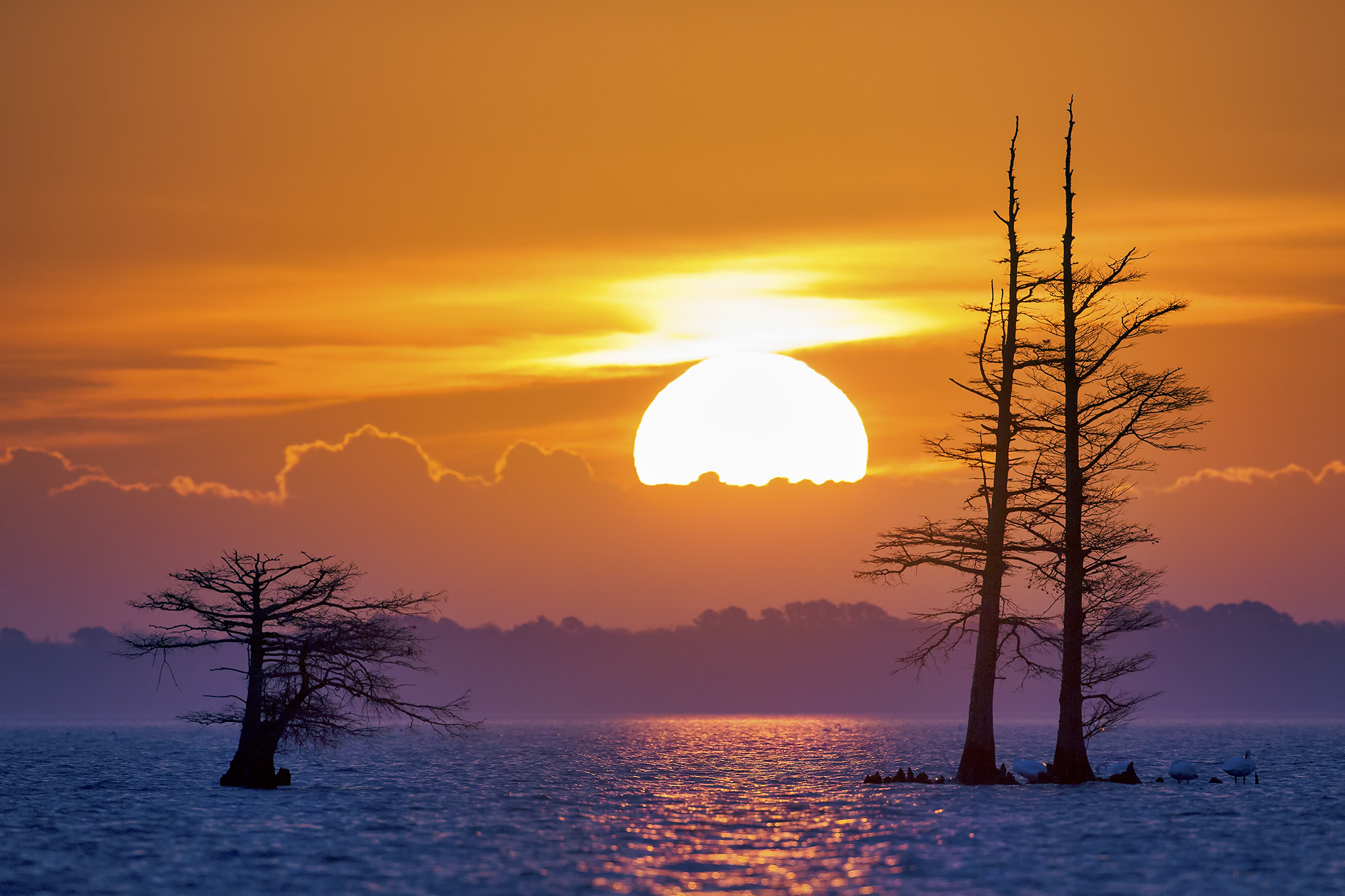
Water stores pattern. Mycelium routes it. Geometry lowers loss. This essay shows how coherence turns photons into living form— and why regenerative systems thrive when fields cooperate.
Keep the Channel Clear
Water is the planet’s quiet broadcaster. When we protect watersheds, we protect the stories that guide forests, rivers, and coasts—and our own health. Clear flow means clear information; clear information means resilient life.
If this post resonated, walk your local stream after rain, or visit a fog forest at dawn. Listen for the message in the ripple, the sheen, the stillness. Then bring that attention home—reduce chemical inputs, support wetland projects, and share what you learn.
Explore more: Water Wonders • Nature’s Color Shifter • The Almighty God
Explore Fine-Art Prints
Bring the season home—browse Wildlife, Landscapes, and Seascapes by National Geographic–published photographer Robbie George. See framing, editions, and care on the Collectors page.
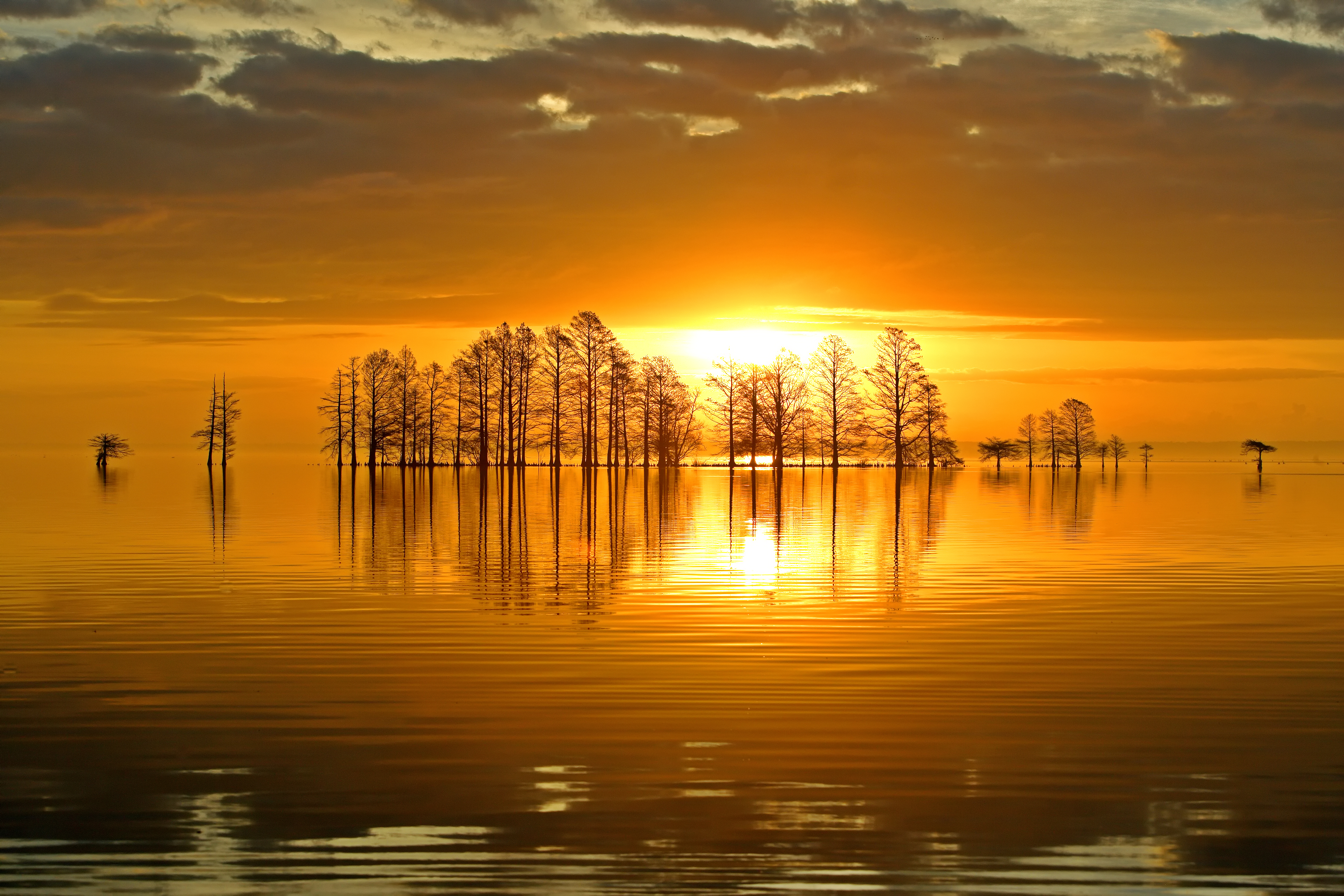 Landscape
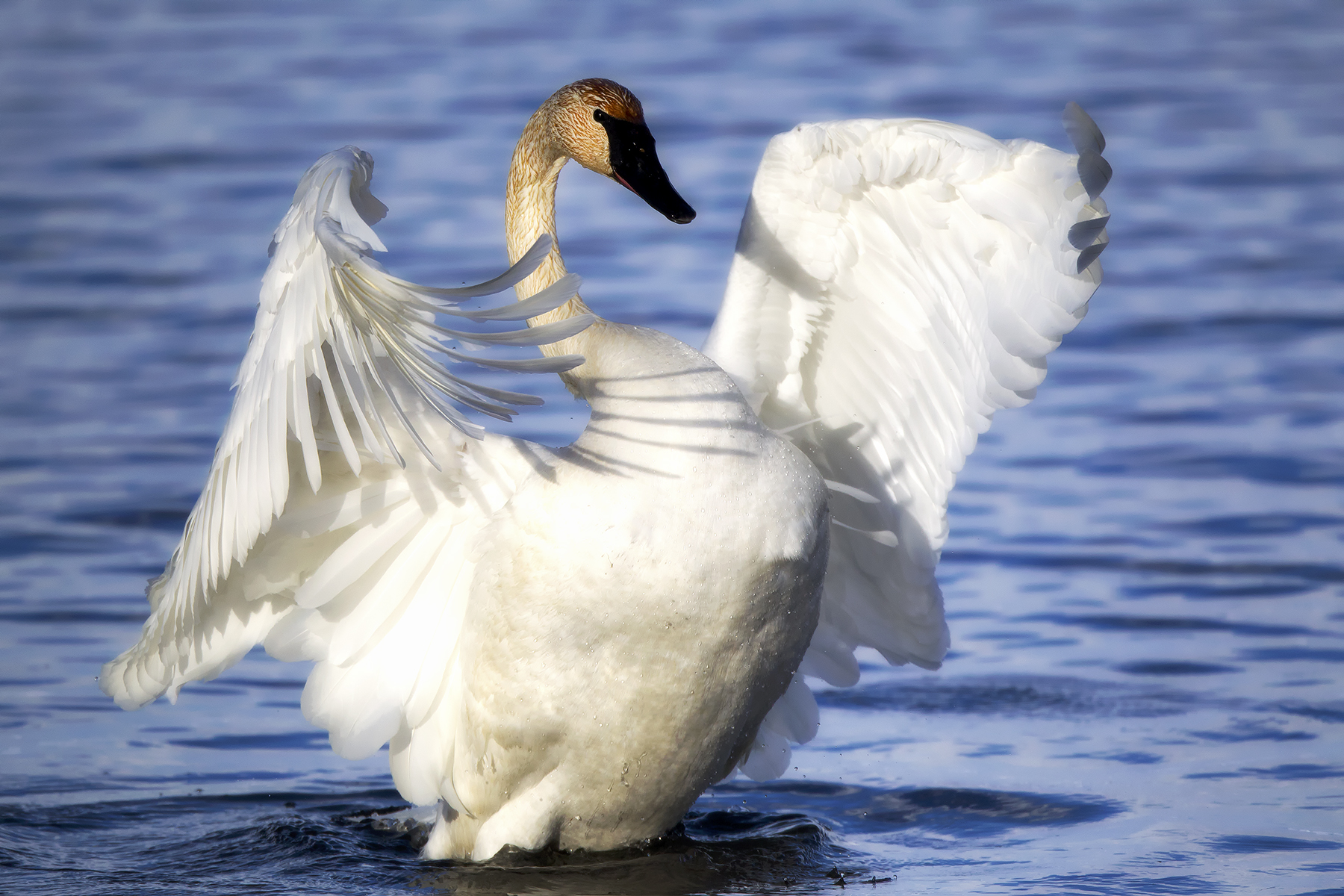 Wildlife
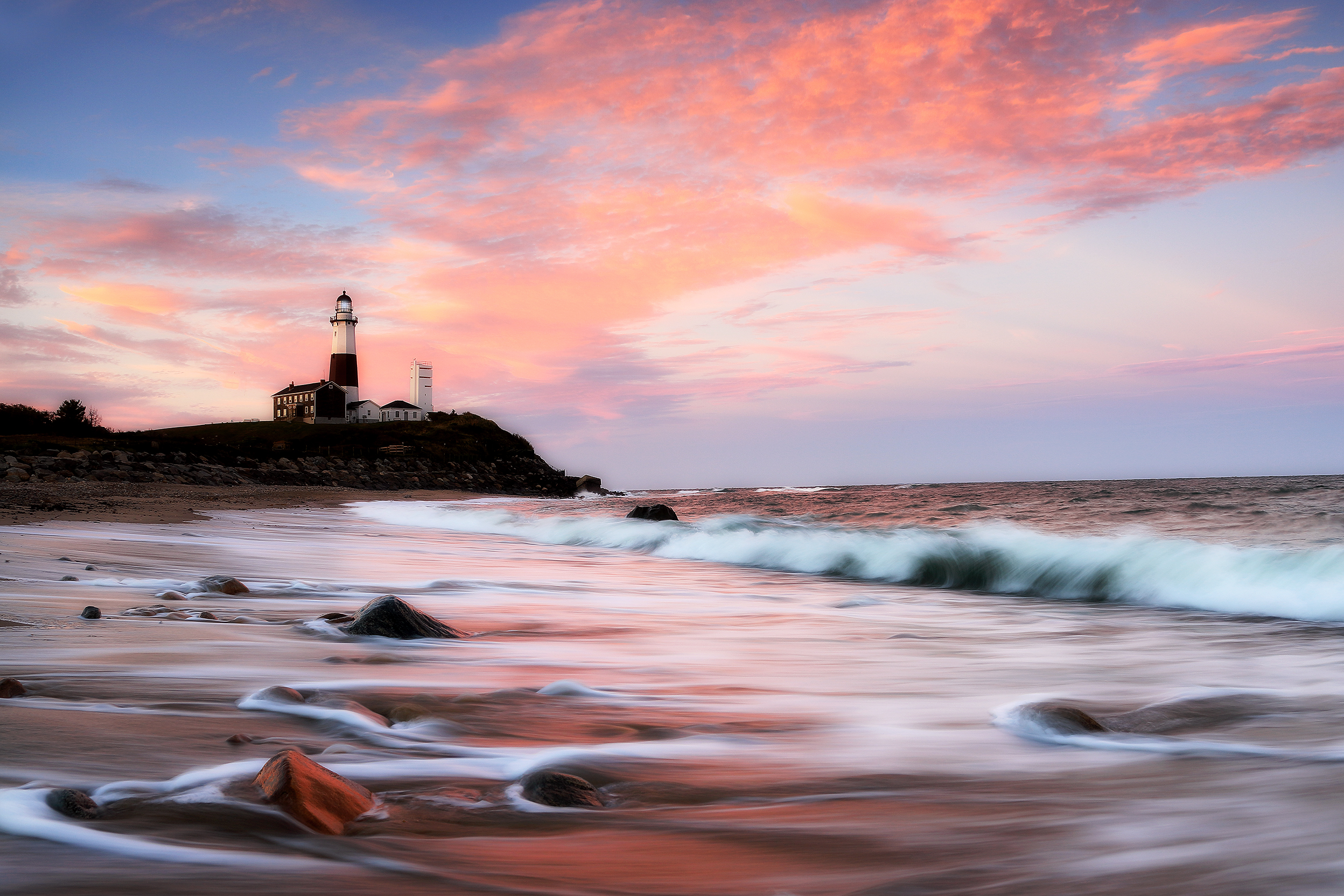 Seascapes
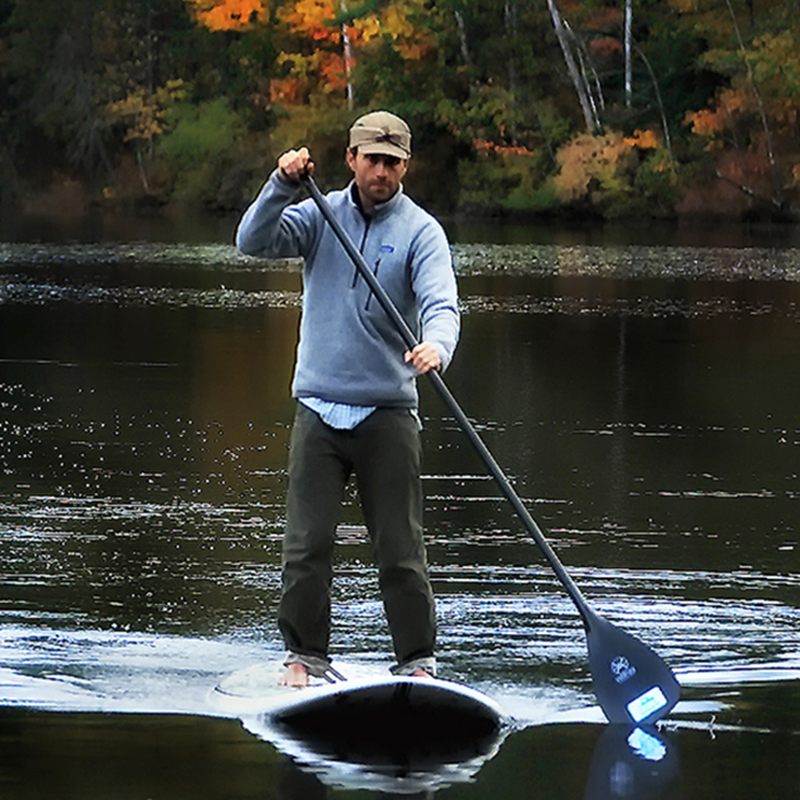
About Robbie George
Robbie George is a National Geographic–published photographer and resonant naturalist. His fieldcraft follows a simple ethic—distance first, habitat always— shaped by Slow Knowledge and the Signature Series.
Explore calm, undisturbed behavior in the Wildlife Gallery or plan your next trip with the Seasonal Wildlife Calendar, Golden Hour & Moon, and Photography Maps.
“Attention first, image second. The shutter is the period at the end of a sentence you learned by walking.”
Frequently Asked Questions — Water, Memory & the Living Network
1) What do you mean by “water memory”?
In the field, “memory” points to water’s ability to form hydrogen-bond networks that respond to light, temperature, minerals, and boundary surfaces—subtle structure that influences how signals and nutrients move through ecosystems. For the forest-scale routing partner, see the Wood-Wide Web.
2) How do clouds and fog “carry information”?
Atmospheric water transports micro-life, minerals, aerosols, and organic compounds. When fog or rain returns them to earth, soils and leaves “read” those inputs as cues. This is the roaming courier you’ll see explored alongside Water Wonders.
3) Does water affect human health beyond “hydration”?
Yes—quality, minerals, and photic exposure influence circulation, electrical signaling, and circadian rhythm. More broadly, what watersheds carry eventually shapes what our inner waters carry. See Reflections of the Soul and Sunlight: The Cosmic Superhighway.
4) What practical actions clarify the “water message” locally?
Reduce chemical runoff, restore riparian buffers, keep living roots in soils, and protect headwaters. At home: native plantings, rain gardens, and low-tox inputs. For a systems lens that links water to food and resilience, see Quantum Agriculture.
5) Any photographer tips for “reading” water in the field?
Watch boundary layers at dawn: fog drip, standing waves, and how dew beads across species. Time shots to calm air and oblique light; use micro-contrast as your coherence meter. For story-driven lightwork, explore Photon’s Journey.