🌿 Nature’s Quantum Mysteries: Uncovering the Quantum Forces Shaping Life and the Universe
“The deeper you look into nature, the more you realize that what we see is only part of the story.”
~ Robbie George
Naturepedia System Page
Quantum Nature: Where Light, Life, and the Unseen World Meet
A field-grounded exploration of how invisible forces shape ecosystems, behavior, and the living world.
Standing in the field—watching light move across a landscape, mist lift from water, or birds shift direction all at once—you begin to realize that not everything driving the natural world is visible. Patterns appear before explanations. Movement happens before we understand why.
What we call quantum behavior is often introduced as abstract physics, but in nature it shows up as pattern, timing, and connection. Light interacts with leaves in photons, water carries structure and memory across systems in water dynamics, and biological systems respond to signals that move faster than we can easily measure.
This page is a gateway into that deeper layer—connecting field observation to Naturepedia, behavior & ecology, and the emerging understanding that the natural world operates across both visible and invisible systems at once.
What This Page Helps You Do
Understand how unseen forces—light, energy, water, and biological signaling—shape real-world ecosystems, wildlife behavior, and the patterns you observe in the field.
Explore Quantum Nature
Move from field observation into the deeper layers of light, water, biological signaling, and the unseen patterns that shape the living world.
From Field Observation to the Quantum Layer of Nature
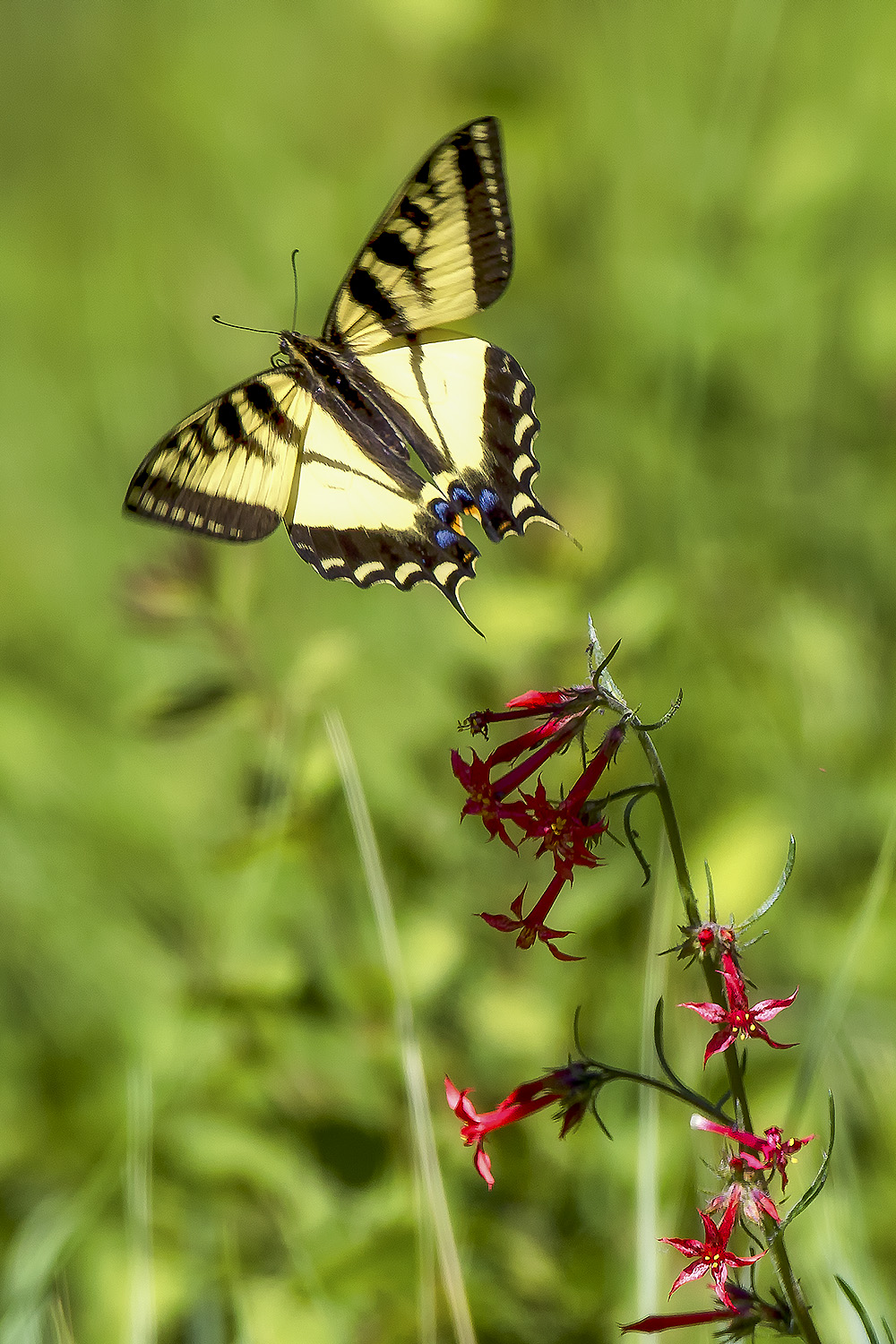
Most of nature is first understood through direct experience. You see light change across water, watch birds alter direction together, notice how leaves respond to sun, or feel how weather shifts the behavior of an entire landscape.
Only later do deeper questions emerge. What carries those signals? How does energy move so efficiently through living systems? Why do some patterns appear coordinated across distance, timing, and scale? This is where field observation begins to open into the quantum layer.
👁️ Observation Comes First
In the field, patterns appear before theory. Light, motion, reflection, timing, and behavior are the visible clues that point toward deeper processes underneath.
💡 Invisible Forces Matter
Nature is shaped not only by what we can see, but also by forces moving through light, energy transfer, molecular interaction, and biological signaling.
🌿 Life Operates Across Scales
A leaf gathering light, a wetland responding to season, and an animal navigating migration may all be connected by processes that begin below ordinary visibility.
🔭 Quantum Becomes a Lens
Quantum thinking does not replace field experience. It provides another way of reading the hidden architecture behind the patterns we already observe in real places.
Why This Page Starts in the Field
The natural world should not be approached as abstraction first. It should be approached through place, light, movement, season, and life as it actually appears. That is where the strongest questions come from.
Photons in Nature: Light as Energy, Signal, and Structure
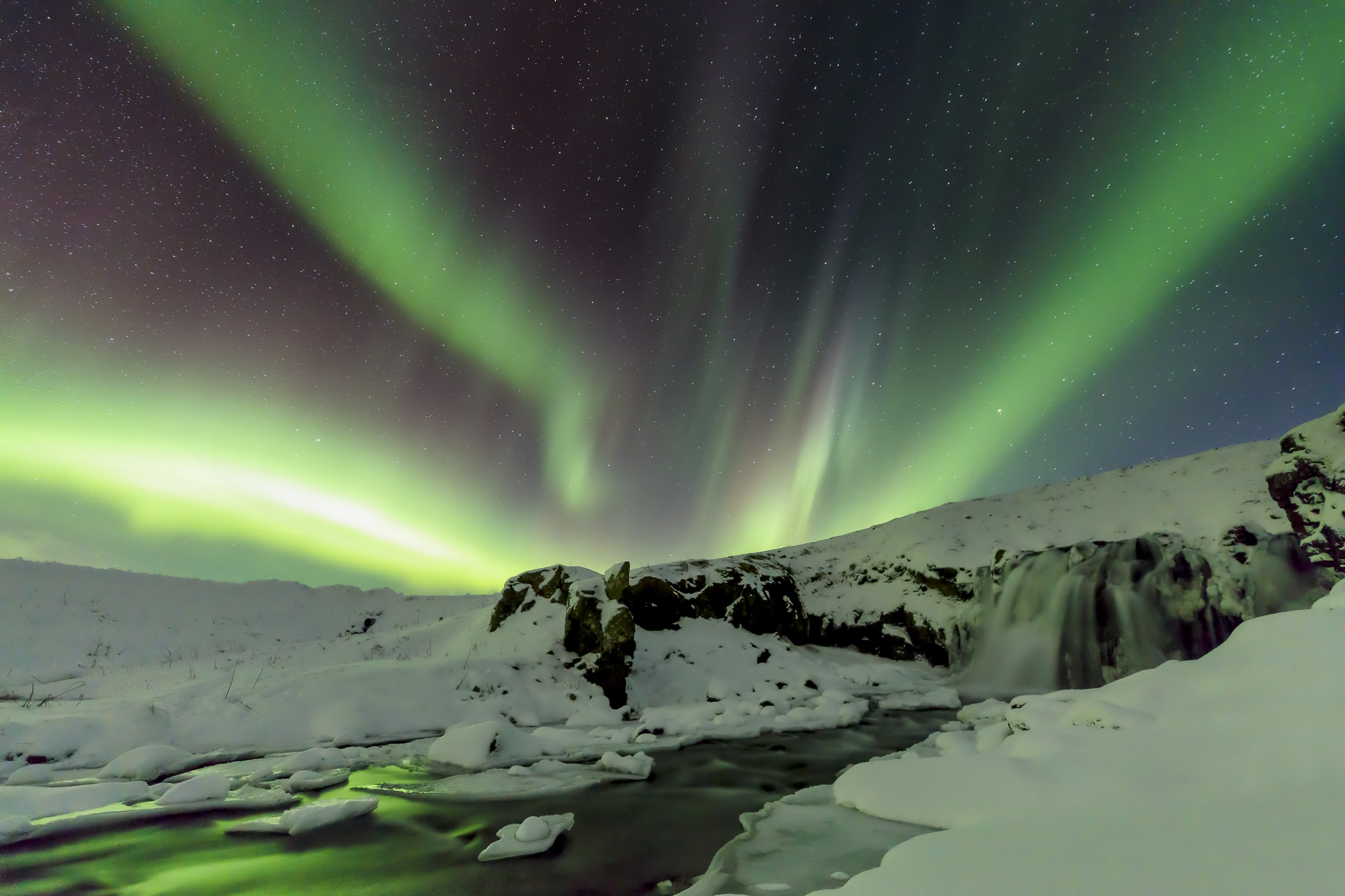
Light is one of the clearest ways the unseen becomes visible. It shapes what we photograph, but it also drives photosynthesis, influences animal behavior, defines season, and carries information through ecosystems in ways that are both physical and profound.
In the field, light feels immediate—gold on a mountain ridge, reflected shimmer on water, the sudden glow of dawn through mist. At a deeper level, those moments begin with photons, the smallest visible messengers moving energy into the living world.
☀️ Light Powers Life
Photosynthesis begins with light. Photons are part of the transfer process that allows plants to convert solar energy into biological energy, feeding entire ecosystems from the ground up.
🦅 Light Shapes Behavior
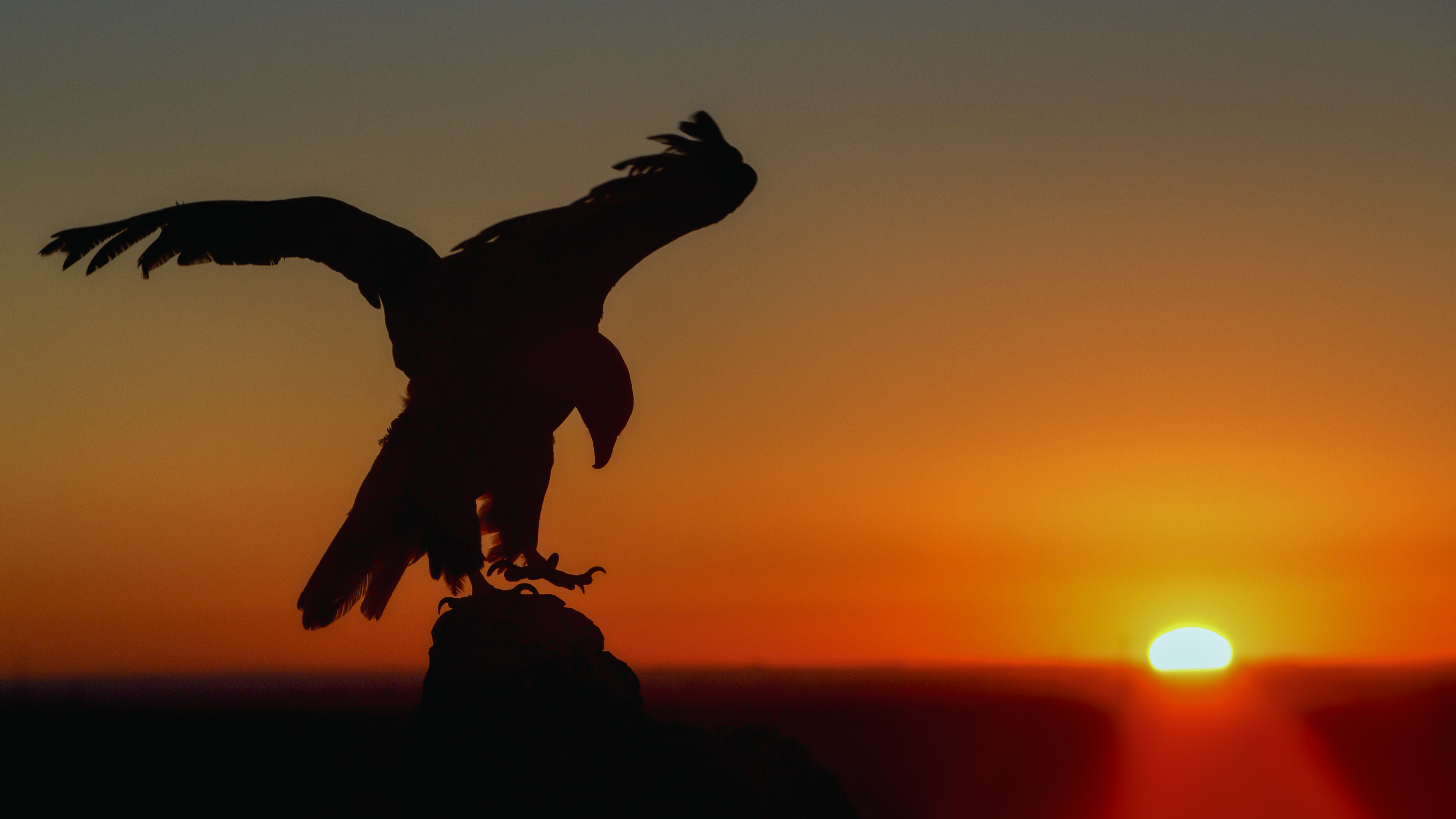
Daily and seasonal light cycles influence migration, feeding, breeding, flowering, and rest. In nature, behavior often follows light before it follows the clock.
📷 Light Reveals Pattern
Photography depends on light, but strong field photography also teaches how light behaves—how it scatters, reflects, softens, intensifies, and reveals hidden structure across landscape and wildlife.
✨ Photons Connect Scales
The same light that defines a sunrise also operates at the smallest visible scale. That is why photons form a natural bridge between the physics of light and the lived experience of the field.
Use the timing of sun and moon to work with the rhythms of light instead of arriving after the moment has passed.
Why Light Is the Natural Starting Point
If quantum nature has an entry point that feels both real and immediate, it is light. We see its effects everywhere—in growth, in season, in visibility, in mood, in timing, and in the energy structure of the living world.
If light is the signal, water is the carrier. It moves through landscapes, organisms, and atmospheres—transporting energy, nutrients, and structure across ecosystems in continuous motion.
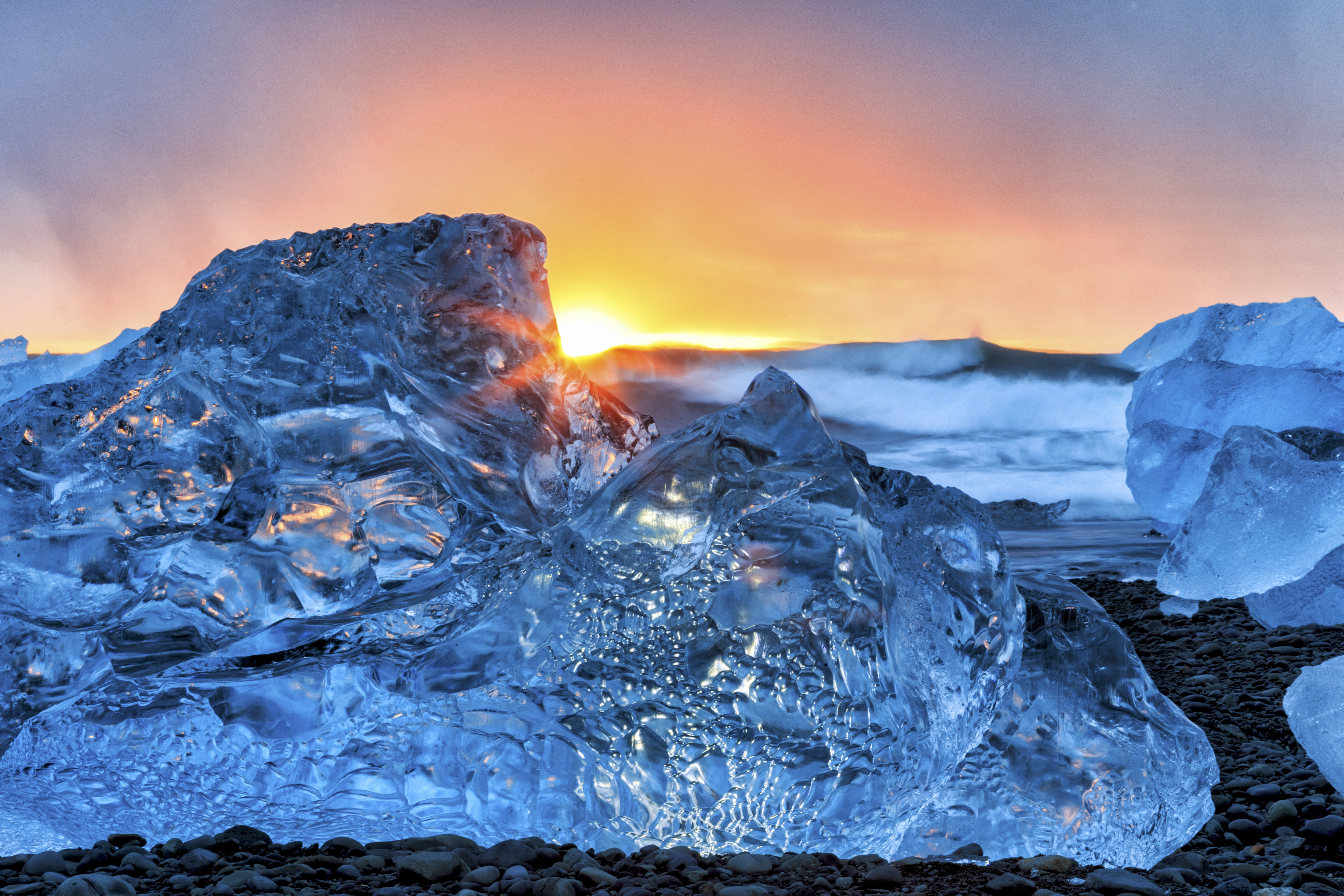
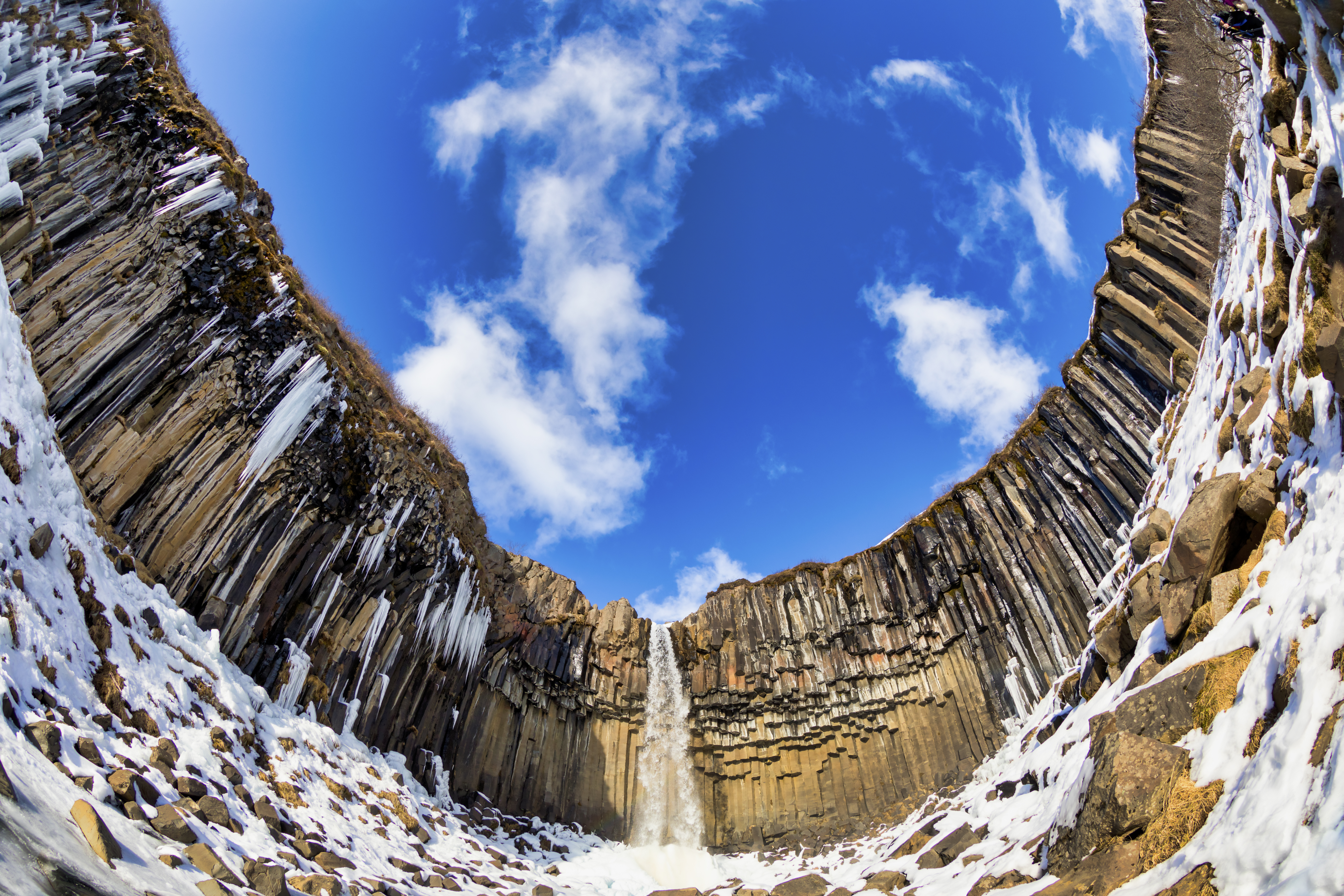
In the field, water appears as rivers, mist, ice, reflection, and rain. At deeper levels, it may also act as a medium of organization—shaping biological systems and storing patterns that influence how life responds and adapts.
🌊 Movement Across Systems
Water connects environments—linking atmosphere, soil, plants, animals, and oceans. It is one of the primary ways change travels through ecosystems.
💧 Structure and Memory
Emerging research and observation suggest water may carry structural information—responding to environment, temperature, vibration, and interaction in dynamic ways.
🌿 Life Depends on Flow
From plant hydration to blood circulation, water is central to biological function. Its movement regulates temperature, transport, and metabolic processes.
🪞 Reflection and Perception
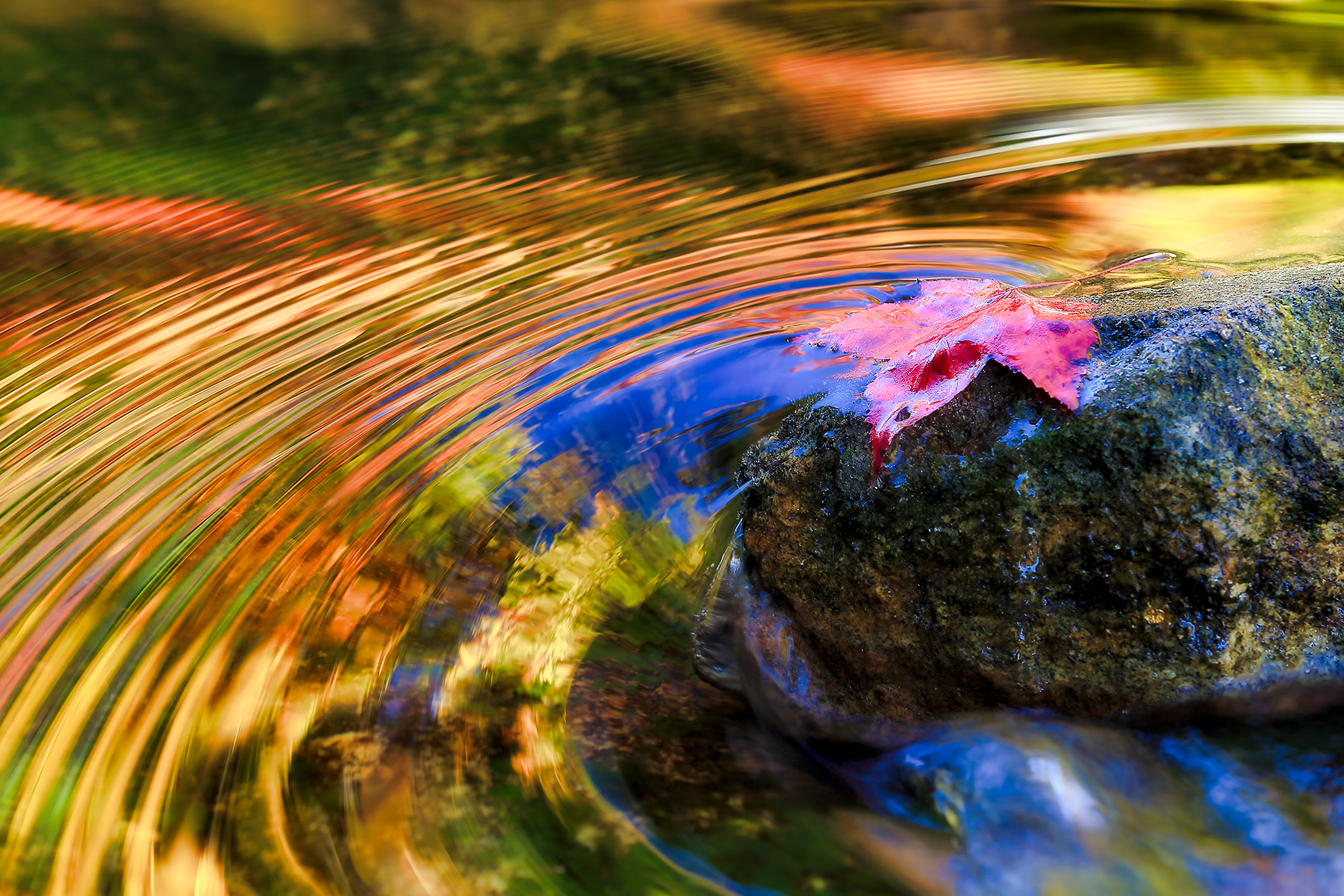
Water reflects light and environment, often revealing patterns that are otherwise hidden—making it one of the most powerful visual and observational tools in the field.
Explore how tides, waves, and atmospheric interaction reveal water’s dynamic role in shaping both landscape and visual storytelling.
Why Water Connects the Visible and Invisible
Water exists in constant interaction—with light, temperature, terrain, and life. Because of this, it often becomes the medium through which deeper processes become visible.
From flowing rivers to still reflections, water reveals how patterns move through the natural world—linking directly to resonance, vibration, and the broader Naturepedia system.
Quantum Biology: Life at the Edge of the Unseen
Between the visible world of ecosystems and the invisible world of physics sits biology—where living systems respond, adapt, and organize themselves through processes that may extend beyond traditional explanations.
In the field, this appears as instinct, timing, navigation, and coordination. At deeper levels, it raises questions about signaling, coherence, and how life processes information across space and time.
🧬 Biological Signaling
Cells, organisms, and ecosystems communicate constantly—through chemistry, light, and environmental feedback. Some of these processes appear highly efficient and precisely timed.
🦅 Navigation & Instinct
Bird migration, animal tracking, and synchronized movement often occur with a level of precision that suggests deeper coordination with environmental signals.
🌿 Coherence in Living Systems
Living organisms maintain internal balance while interacting with constantly changing environments—suggesting systems that are both adaptive and highly integrated.
🔗 Connection Across Scale
From microscopic cellular activity to large-scale ecosystem behavior, life appears to operate through interconnected layers that influence one another.
Discover how underground fungal systems connect plants and ecosystems, transferring nutrients and signals across large areas.
Where Biology Meets the Unseen
Quantum biology is not about replacing traditional biology—it is about expanding the lens. It asks how life processes information, maintains coherence, and responds to signals that may extend beyond what we directly observe.
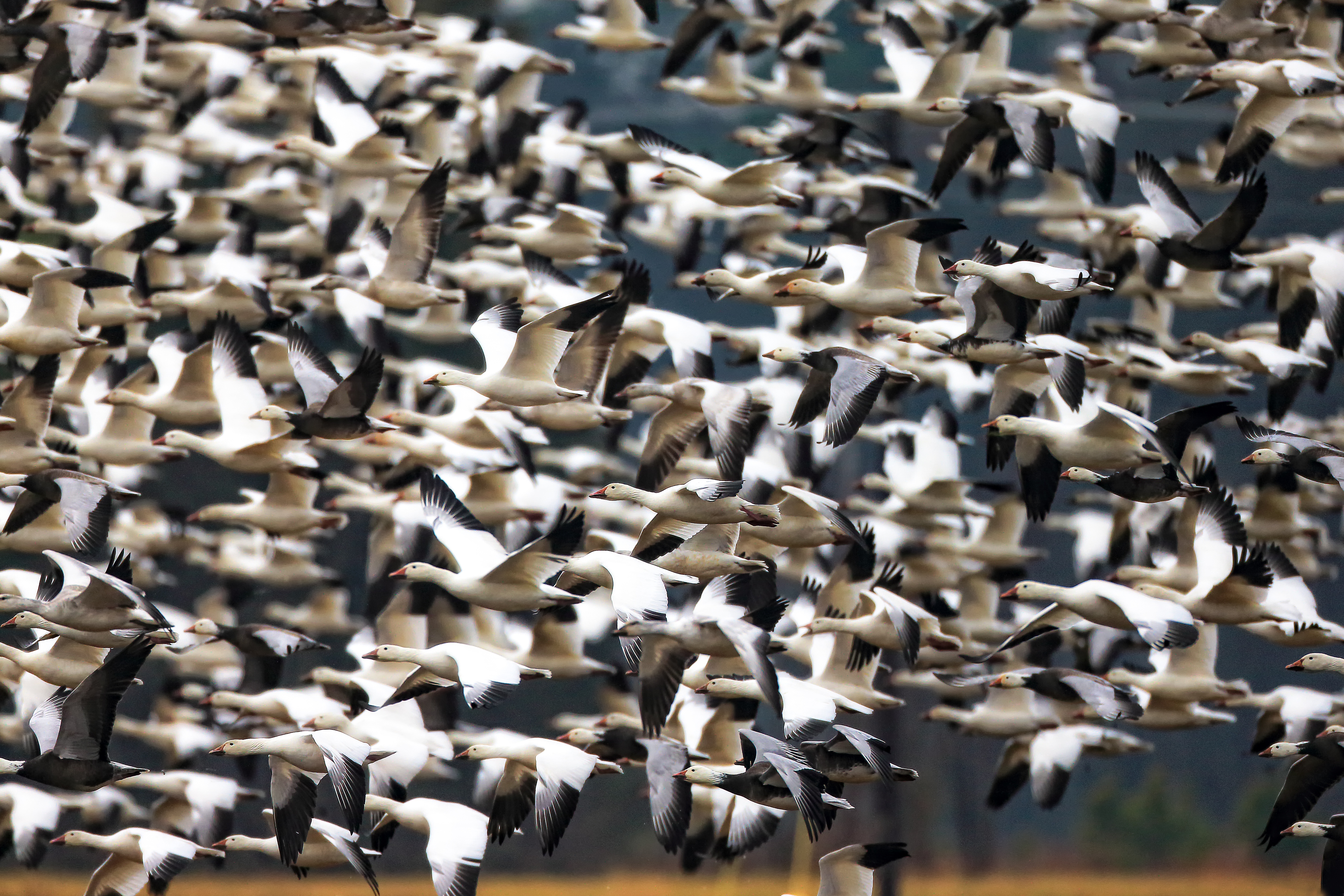
You don’t see “quantum mechanics” directly in nature—you see patterns. Flocks turning at once, light scattering through mist, reflections forming symmetry, water organizing movement, and ecosystems responding in coordinated ways.
These are the visible expressions of deeper processes. The field becomes the interface where invisible systems translate into real, observable behavior.
🕊️ Synchronized Movement
Flocks of birds, schools of fish, and herd behavior often shift direction instantly—revealing highly responsive, coordinated systems operating in real time.
🌊 Flow Patterns
Water, wind, and terrain interact to form repeating structures—currents, ripples, erosion lines—that reveal how energy moves through the landscape.
☀️ Light & Reflection
Reflections, refractions, and scattering reveal how light interacts with matter—often exposing symmetry, depth, and hidden structure.
🍂 Seasonal Timing
Migration, bloom cycles, and ecological shifts occur with precise timing, showing how large-scale systems respond to subtle environmental signals.
Selected Stories on Light, Water, Biology, and the Quantum Layer
These featured essays help organize the deeper branch of this page—moving from photons and water to quantum biology, field observation, and the wider patterns that connect nature to unseen structure.
Quantum Biology
Quantum Biology and Nature Photography
A strong bridge between unseen biological processes and what those patterns look like in the visible world.
This page introduces the bridge between field observation and deeper systems. From here, you can move into Naturepedia, photography, tools, and the broader structure connecting light, water, biology, and pattern.
Apply pattern recognition to real field situations—capturing behavior, timing, and environmental interaction.
Use This Page as a Bridge
Quantum nature is not separate from the field—it is the deeper layer of the same system. The more you observe patterns in light, water, behavior, and timing, the more clearly these connections begin to appear.
Apply timing, location, and observation tools to real-world field work.
The deeper you follow the pattern, the more the invisible begins to reveal itself through the visible world.
Naturepedia Connections
Where Quantum Nature Connects to the Larger System
This page sits at the intersection of observation and deeper explanation. These connections link quantum ideas back into real ecosystems, species behavior, and field-based understanding.
Quantum nature becomes meaningful when it connects back to real systems—species, ecosystems, timing, and place. This is where deeper theory meets lived observation.
FAQ
Frequently Asked Questions About Quantum Nature
These questions help clarify how this page connects field observation, light, water, biology, and deeper unseen processes in the natural world.
What does “quantum nature” mean?
Quantum nature refers to the deeper invisible layer of the natural world—where light, energy, water, and living systems may operate through processes smaller and subtler than ordinary observation can directly see.
How is this different from standard ecology?
Standard ecology focuses on organisms, habitats, and environmental relationships at observable scales. Quantum nature asks whether some of those relationships may also be influenced by deeper processes involving light, signaling, coherence, and energy transfer.
Why does this page start with field observation?
Because real patterns come first. In the field, you observe light, motion, timing, reflection, and behavior before you build deeper explanations. That keeps the page grounded in actual nature rather than abstraction alone.
How do photons relate to nature?
Photons are the visible carriers of light. They drive photosynthesis, influence biological timing, shape photography, and help connect physical light to the living systems that depend on it.
Why is water important in this page?
Water connects systems. It carries energy, nutrients, structure, and environmental change across landscapes and living organisms, making it one of the clearest bridges between visible ecology and deeper organization.
What is quantum biology in simple terms?
Quantum biology explores whether living organisms use processes influenced by the quantum world—especially in areas like signaling, navigation, energy transfer, and coordination.
How does this connect to photography?
Photography trains you to read light, timing, reflection, behavior, and pattern. That makes it a natural bridge between what is seen in the field and the deeper systems shaping those visible moments.
About the Author
Robbie George is a National Geographic–published nature photographer, field-based observer, and system builder whose work is rooted in real-world experience—tracking light, water, wildlife behavior, and seasonal change across diverse ecosystems.
This page reflects an extension of that field work—connecting direct observation to deeper patterns involving photons, water systems, biological signaling, and the emerging framework of how visible nature relates to underlying structure.
Robbie’s work integrates photography, ecology, and system-level thinking through Naturepedia, helping readers move from what they see in the field to a clearer understanding of how those patterns connect across scale.
The presence of this badge signifies that this business has officially registered with the Art Storefronts Organization and has an established track record of selling art.
It also means that buyers can trust that they are buying from a legitimate business. Art sellers that conduct fraudulent activity or that receive numerous complaints from buyers will have this badge revoked. If you would like to file a complaint about this seller, please do so here.
Verified Returns & Exchanges
The Art Storefronts Organization has verified that this business has provided a returns & exchanges policy for all art purchases.
Description of Policy from Merchant:
What is your Policy on Returns/Exchanges/Refunds?
I take great pride in my work and prints, and I want you to be completely happy with your investment in my nature art. If for any reason you are unsatisfied with your print, you may return it within 14 days of delivery, and/or exchange it for another print. Prints must be returned in new condition, packaged carefully in the original packaging if possible. Your refund will be issued as soon as I receive the returned print. Please contact me if you would like to arrange a return or exchange.
In the event that you receive a damaged or defective print, please let me know within 7 days of receipt, and I will arrange for a new print to be shipped to you at no additional cost.
Verified Secure Website with Safe Checkout
This website provides a secure checkout with SSL encryption.
Verified Archival Materials Used
The Art Storefronts Organization has verified that this Art Seller has published information about the archival materials used to create their products in an effort to provide transparency to buyers.
Description from Merchant:
Fine Art Prints are made with high-quality archival inks on fine art papers using a high-resolution large format inkjet printer. Our premium archival inks produce images with smooth tones and rich colors. Prints are made with care on your choice of exquisite Fine Art Papers using a high-resolution large format inkjet printer. https://www.graphikprintworks.com
Become a supporter of Robbie George Photography and be the first to receive new content and special promotions.
“Every image is a field. Every quote is a key. Welcome back to the rhythm.” ~Robbie
Cart
Your cart is currently empty.
Saved Successfully.
This is only visible to you because you are logged in and are authorized to manage this website. This message is not visible to other website visitors.
Import From Instagram
Click on any Image to continue
This Website Supports Augmented Reality to Live Preview Art
This means you can use the camera on your phone or tablet and superimpose any piece of nature art onto a wall inside of your home or business.
To use this feature, Just look for the "Live Preview AR" button when viewing any piece of nature art on this website!
Pounce Now—Save 20% on Your First Order
Join the collector list for your first-order discount, new wildlife releases, and occasional field notes.