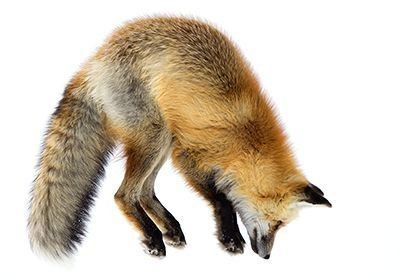

Quantum Wonders: Unveiling Nature's Mysteries Through the Lens of Robbie George Photography
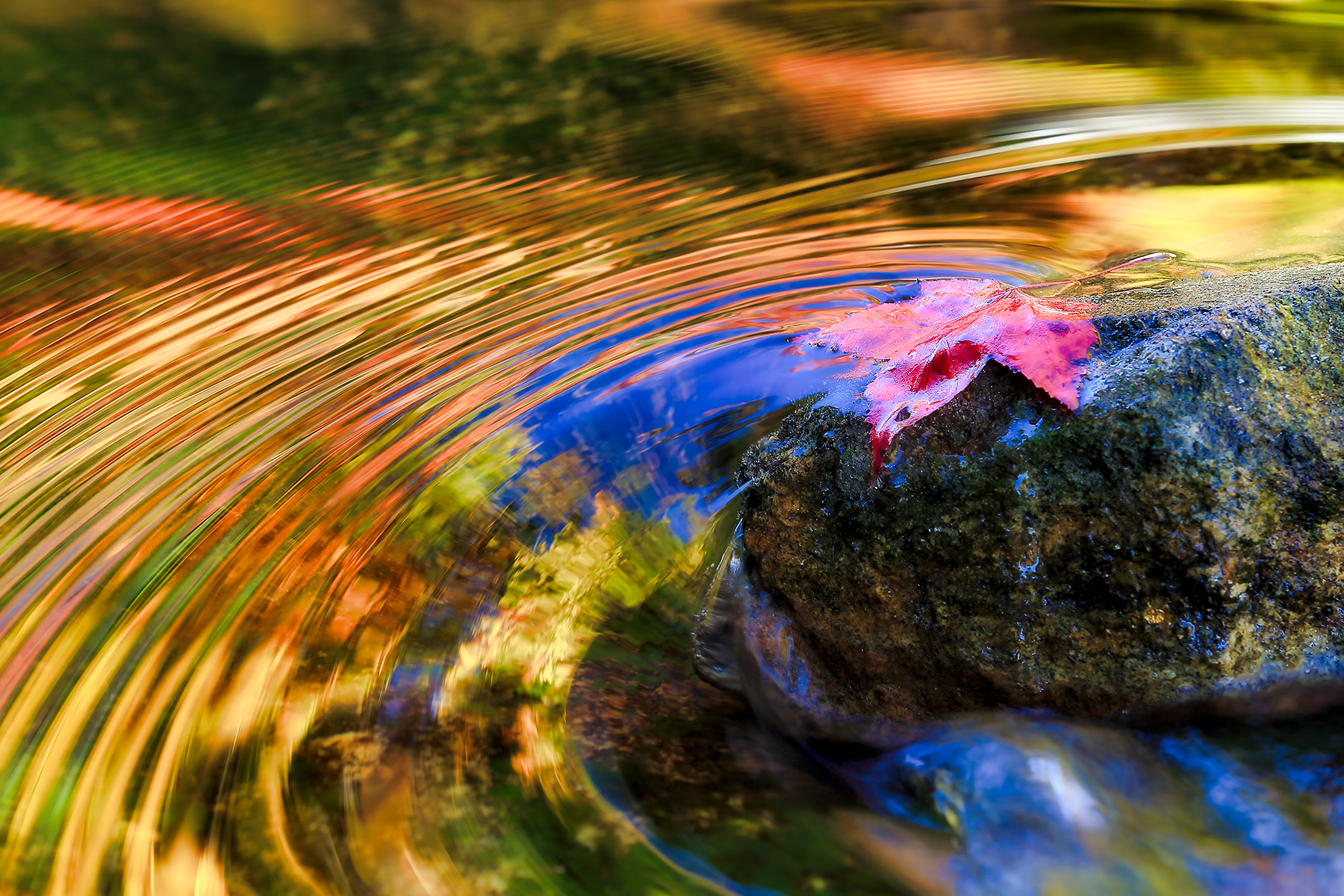
Quantum Nature: How the Invisible Shapes the Visible
The deeper I go into the forest, the more I realize: nature is not still — it’s in superposition. A leaf, mid-fall, is both a memory and a moment. Light particles bounce, shift, and interfere. These aren't just poetic metaphors — they are quantum truths. We don’t just observe nature; we entangle with it.
This is where photography becomes more than an art — it becomes a field sensor. A tool of resonance. A mirror of The Living Code, revealing how nature’s rhythms spiral through time, memory, and polarity. When I press the shutter, I’m not just freezing a scene — I’m collapsing a field of infinite possibilities into one embodied moment.
Every photograph is a quantum equation whispered through light: the wave becomes a particle, the moment becomes memory, and the visible becomes a doorway into the invisible. This is the heart of what I explore through my camera — and through this blog — guided by insights from Nature Code, Quantum Vitality, and the spiraling path we all walk between the seen and unseen.
“A photograph is not a picture of nature — it is the field remembering itself through you.” ~ Robbie George
The Quantum World and Nature's Intricacies
At first glance, the delicate petals of a wildflower or the majesty of a mountain lake may seem light-years away from the realm of quantum physics. But when we look closer — when we truly tune into the field — we discover the unseen scaffolding beneath the beauty. Nature is not random. It is coherent. It pulses with invisible threads, like those revealed in Fibonacci spirals and wave-particle symmetries.
Quantum entanglement, the phenomenon where particles remain connected across vast distances, finds a mirror in nature’s interconnected ecosystems. A tree fallen in a remote forest shifts the behavior of birds, fungi, and even water flows — echoing the Water Wide Web. Each leaf, each river bend, is part of a unified system of resonance. This is the pulse of coherence we feel when immersed in the wild — a field we can’t see, but always sense.
Even superposition — the idea that particles can exist in multiple states until observed — finds a poetic analogue in nature photography. A still lake is both mirror and motion. A landscape is both memory and anticipation. In light’s eternal return, the act of photographing collapses possibilities into one truth: the moment you chose to see.
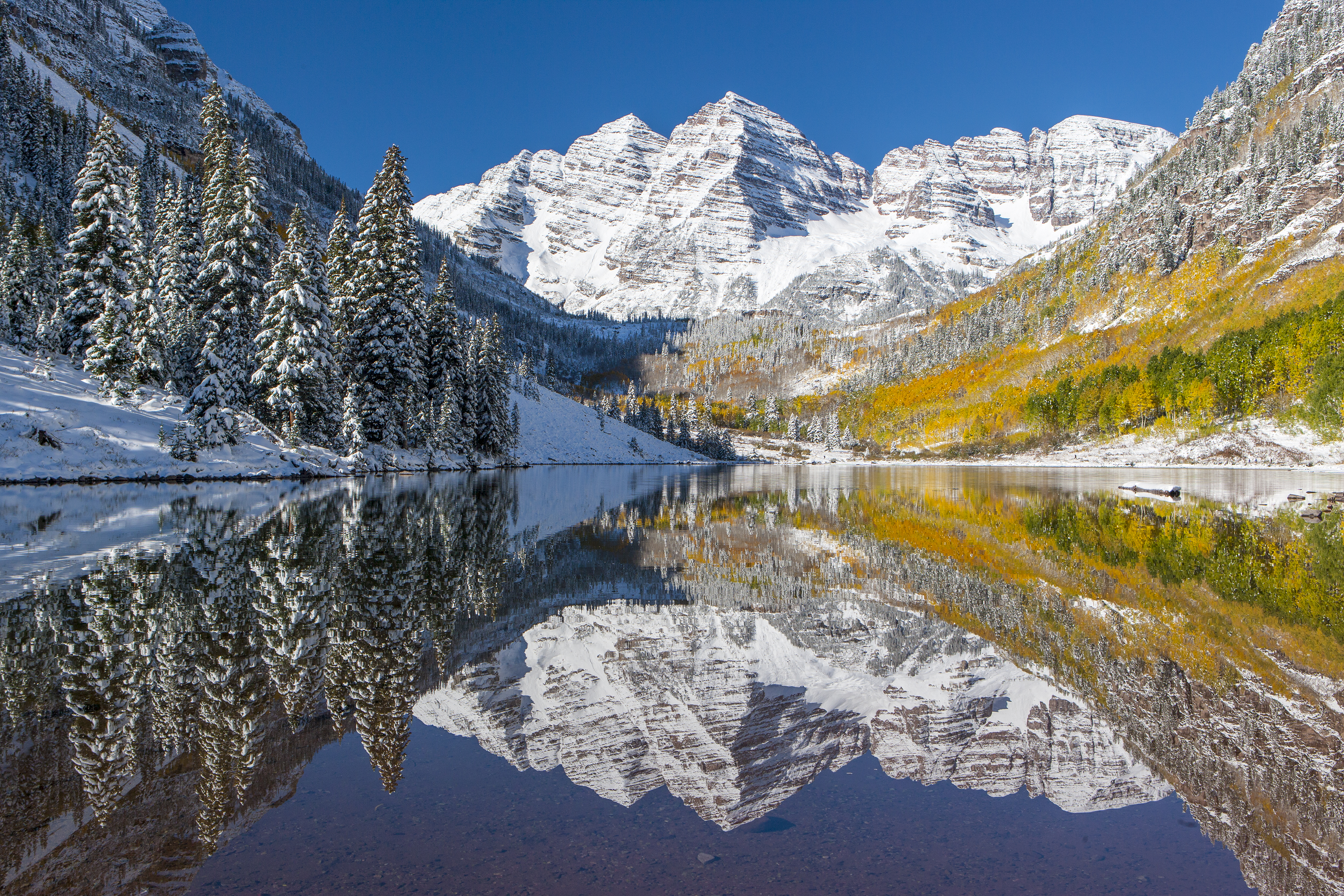
"Maroon Bells" — Autumn Reflection in Colorado’s Wilderness | Fine Art Print Available
Bridging Quantum Theory and Photographic Art
Every time I press the shutter, I witness a quantum collapse — not of theory, but of potential into presence. The camera becomes more than a tool; it becomes a translator between the field and the form. Much like the photon's journey, each frame is a ripple of consciousness through the fabric of nature. This is where art meets quantum law — where perception becomes creation.
In photography, the observer becomes the co-creator. This reflects the essence of the Quantum Blueprint — the interwoven threads of light, gravity, and coherence. A wildflower isn’t just captured in a moment; it’s encoded with field memory, echoing how light not only reveals but remembers. This resonance lives in every petal, every flicker of dew, every shadow cast at golden hour.
The mystery of wave-particle duality is not just a quantum riddle — it’s a truth we live with daily as nature photographers. Light both reveals and conceals. It bends through branches, dances on rivers, and sings across the wings of birds. In that duality, we find the sacred — the visible and invisible unified, if only for a moment.
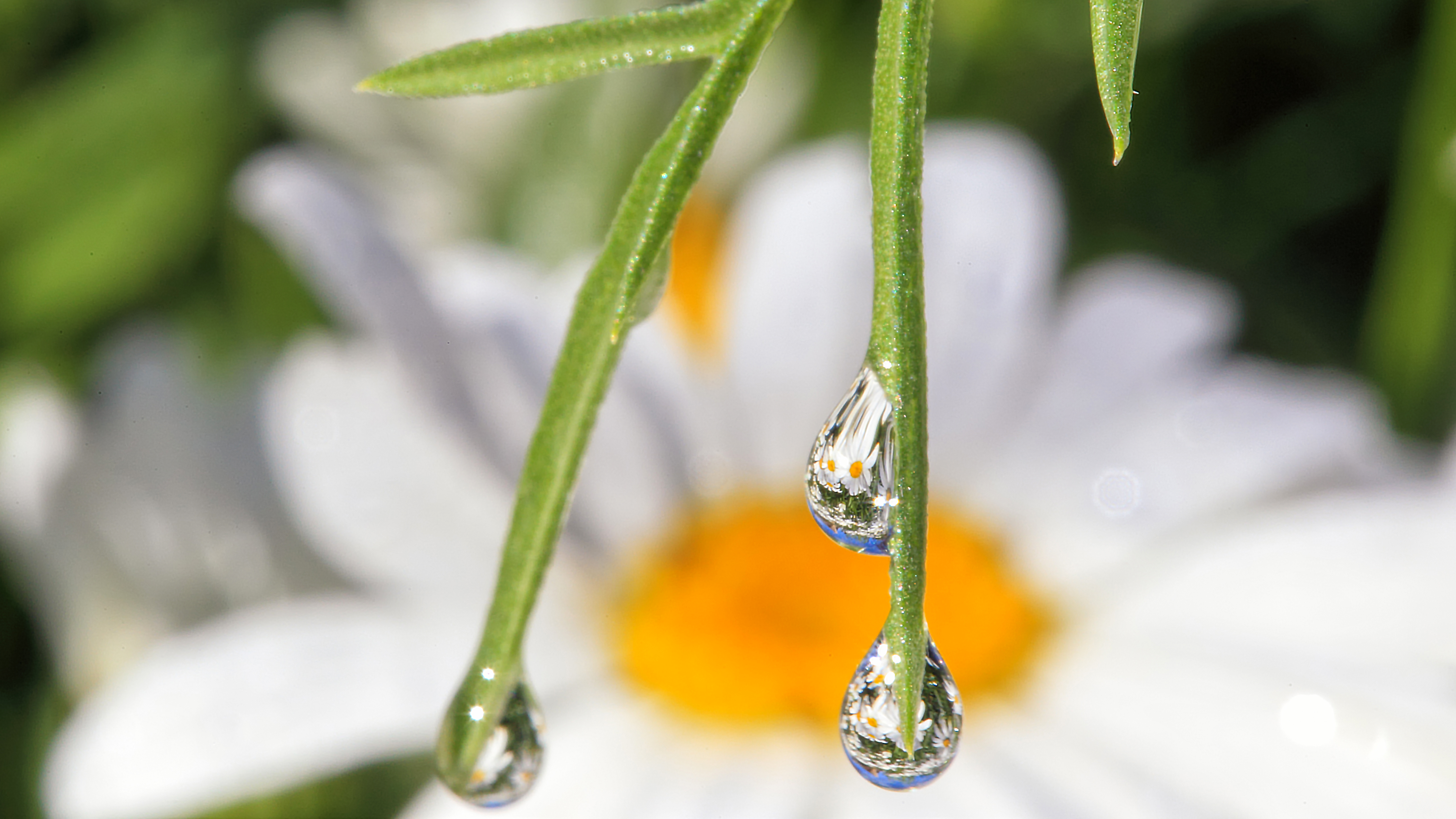
"Daisy Wildflower" — Capturing the Memory of Light | Fine Art Print Available
Quantum Physics in the Heart of Nature’s Mysteries
Nature, when viewed through the quantum lens, reveals a living algorithm — one composed of light, resonance, memory, and spin. At its root, every forest breath and tide pull arises from invisible instructions coded not just in DNA, but in vibration. The quantum world whispers in spirals — much like the Fibonacci sequence found in pinecones, galaxies, and unfurling ferns. These are not just patterns. They are portals into the harmonic signature of the universe.
From the perspective of hydrogen qubits, nature becomes a field of stored resonance — where photons pass knowledge into form, and form back into field. When we witness a falling leaf or a bird in flight, we’re not just watching motion — we’re observing the dance between probability and gravity. This living feedback system is what I call The Nature Code: a blueprint where everything that exists emerges from polarity, coherence, and light.
Even chaos is coded. What appears random in nature is often the byproduct of quantum order — the kind discussed in my post on The Symphony of Time. Mountains rise, rivers curve, and leaves scatter with elegant precision — all part of a living Unified Field. As photographers, our role is to reveal this order not with explanation, but through awe.
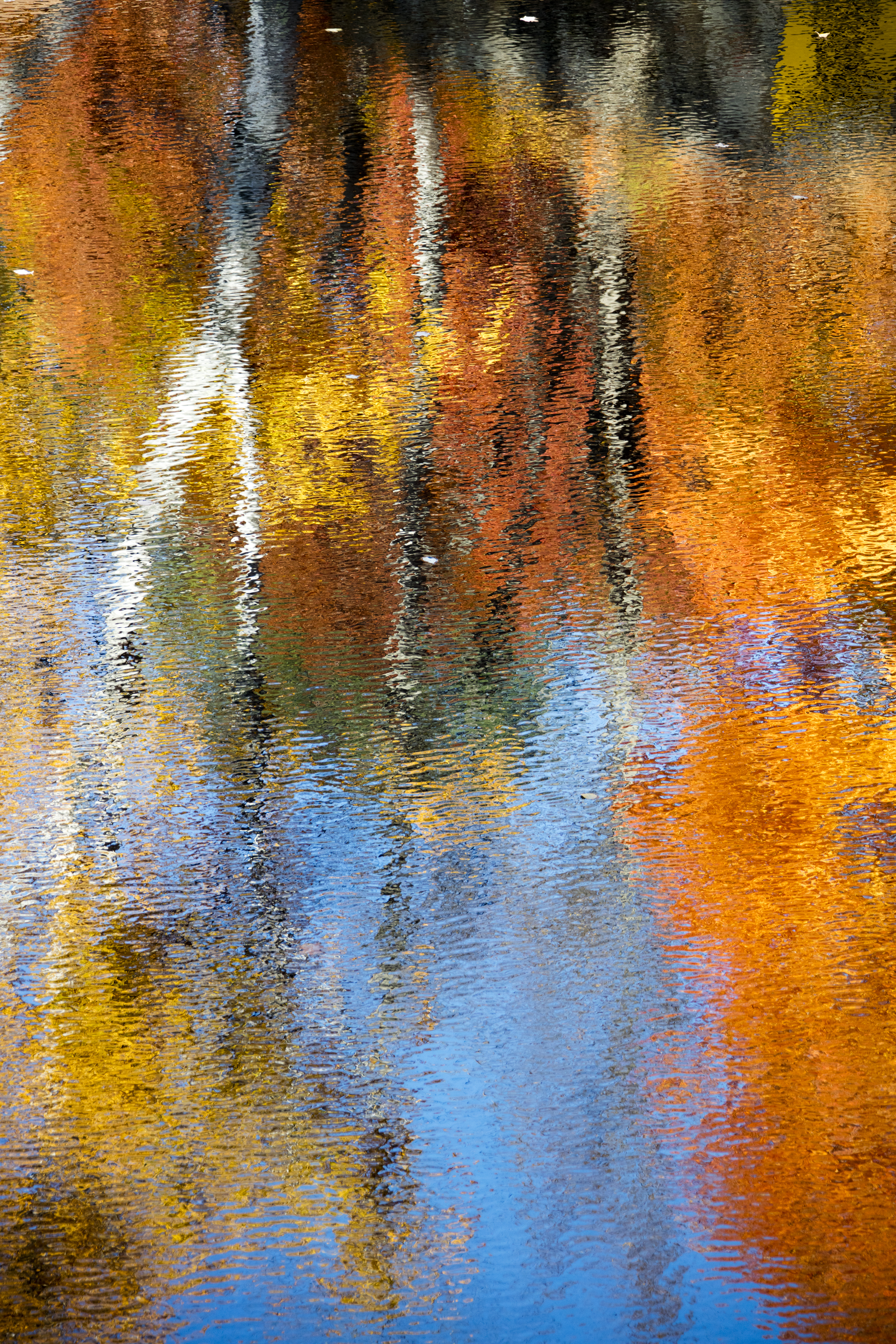
"Fall Foliage Reflection" — Nature's Mirror of Quantum Harmony | Fine Art Print Available
Photography as a Gateway to Quantum Appreciation
Nature doesn't need words to tell its story — it uses light. That’s why I often say light is the first language. Every photon carries memory, and when that memory strikes a sensor or an eye, it writes an emotional equation. Photography is the sacred act of capturing that moment of resonance — a quantum signature collapsing into color, shadow, and soul.
But there's more beneath the surface. Each image is also a conversation with water, as explored in the Unified Water Theory. Water, whether flowing in rivers or present in mist, holds and transmits memory. This creates a natural interface between the quantum field and our visual reality. In this way, the lens doesn’t just capture an image — it receives a field imprint, a memory echoing through hydrogen and resonance.
So as you browse through my wildlife and landscape photography, consider that you're not just viewing a scene — you're witnessing an energetic event. A photon’s journey from the sun, through the air, into water, onto a leaf, and finally into the sensor. It’s more than a snapshot — it’s an expression of quantum vitality.
Closing Reflection: The Spiral Beneath the Image
Quantum physics and nature aren’t opposites — they are reflections of one another. One speaks through mathematics, the other through form. But both are born of the same field: a unified vibration where photons, gravity, memory, and intention spiral together. Photography is how I listen to that field.
As we journey deeper into nature's mystery, we begin to see more than beauty. We start to witness a living resonance — encoded in a hummingbird’s wing, a ripple across still water, or the Fibonacci pattern of a pinecone. These are not accidents. They are messages. And every time I capture one, I feel like I’m listening to the Cosmic Blueprint whispering through time.
The next time you find yourself in the woods or beneath the stars, take a moment to be still. Feel the light touching your skin. Feel the pulse beneath your feet. That’s the field remembering itself. And if you happen to have a camera in hand, you might just capture a piece of eternity spiraling through the now.
“In every photon, a message; in every image, a memory of the field.” ~ Robbie George
Continue Your Journey Into the Quantum Wild
If this post sparked something in you — a new way of seeing, a deeper way of feeling — I invite you to keep exploring. These handpicked blogs and galleries dive deeper into the quantum threads, sacred spirals, and natural harmonics that echo throughout my work.
- 📸 Photons: The Quantum Threads Connecting Vortexes, DNA, and the Golden Ratio
- 💧 Unified Water Theory: Bridging Nature and Consciousness
- 🌿 The Living Code: Fibonacci, Polarity & Nature’s True Rhythm
- ✨ Explore the Signature Series: Nature, Science & Soul
- 🖼️ View Fine Art Prints: Mother Nature Sends Her Love Collection
Let each image be more than a photograph — let it be a reminder that nature speaks in resonance, and you are part of the field that listens.
Naturepedia Connections
This article connects to the broader Naturepedia system—where quantum processes, ecosystems, wildlife behavior, and natural patterns are explored as interconnected expressions of life.
- Naturepedia — the full interconnected knowledge system
- Ecosystems of North America — where quantum processes become visible in nature
- Wildlife Behavior & Ecology — observing natural systems in motion
- Wildlife Migration & Seasonal Patterns — environmental timing in nature
- Wildlife Conservation & Habitat — protecting interconnected ecosystems
- Quantum Vitality — light, hydrogen, and biological systems
- Water Wonders — quantum processes reflected in water
Explore Fine-Art Prints
Bring the season home—browse Wildlife, Landscapes, and Seascapes by National Geographic–published photographer Robbie George. See framing, editions, and care on the Collectors page.
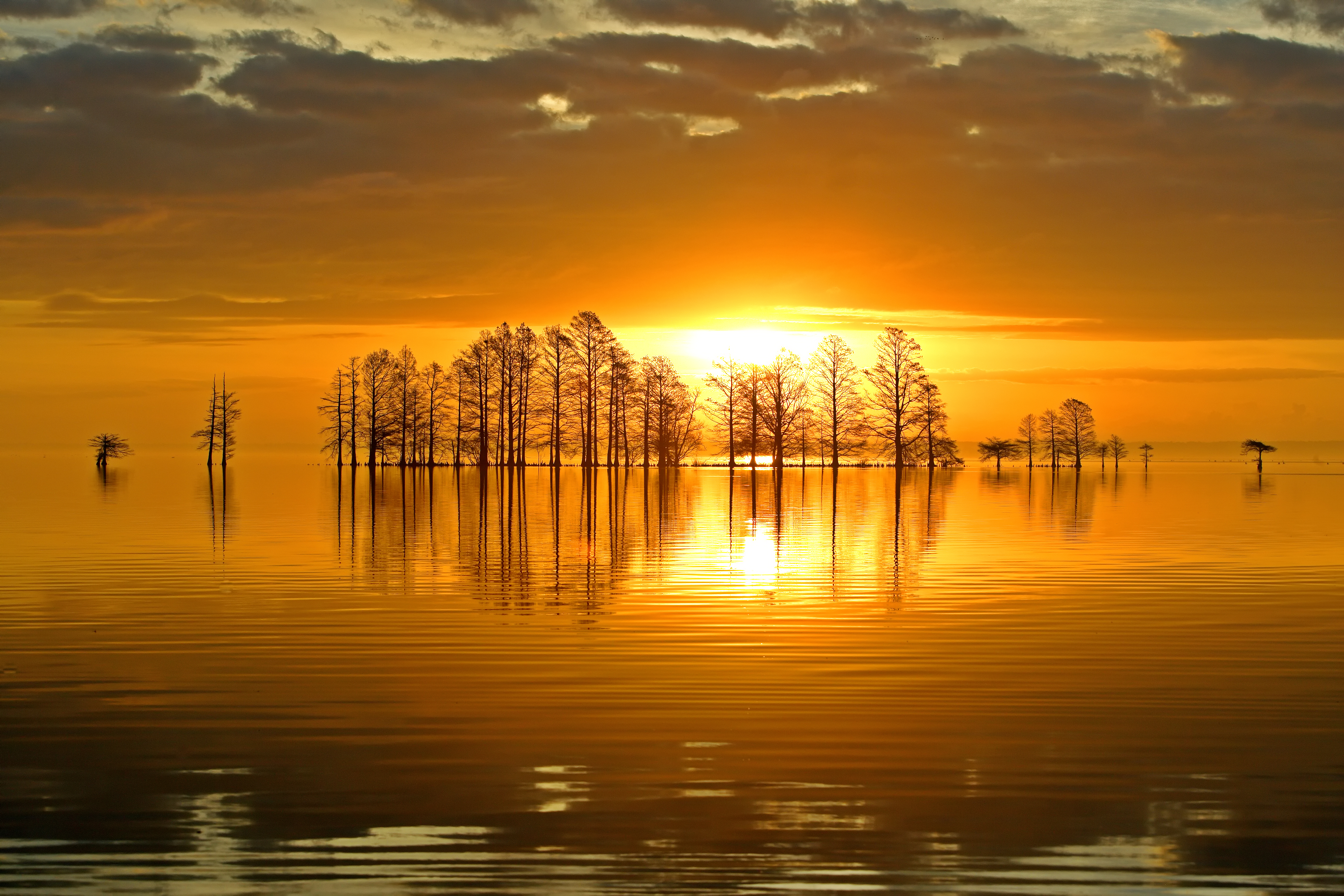 Landscape
 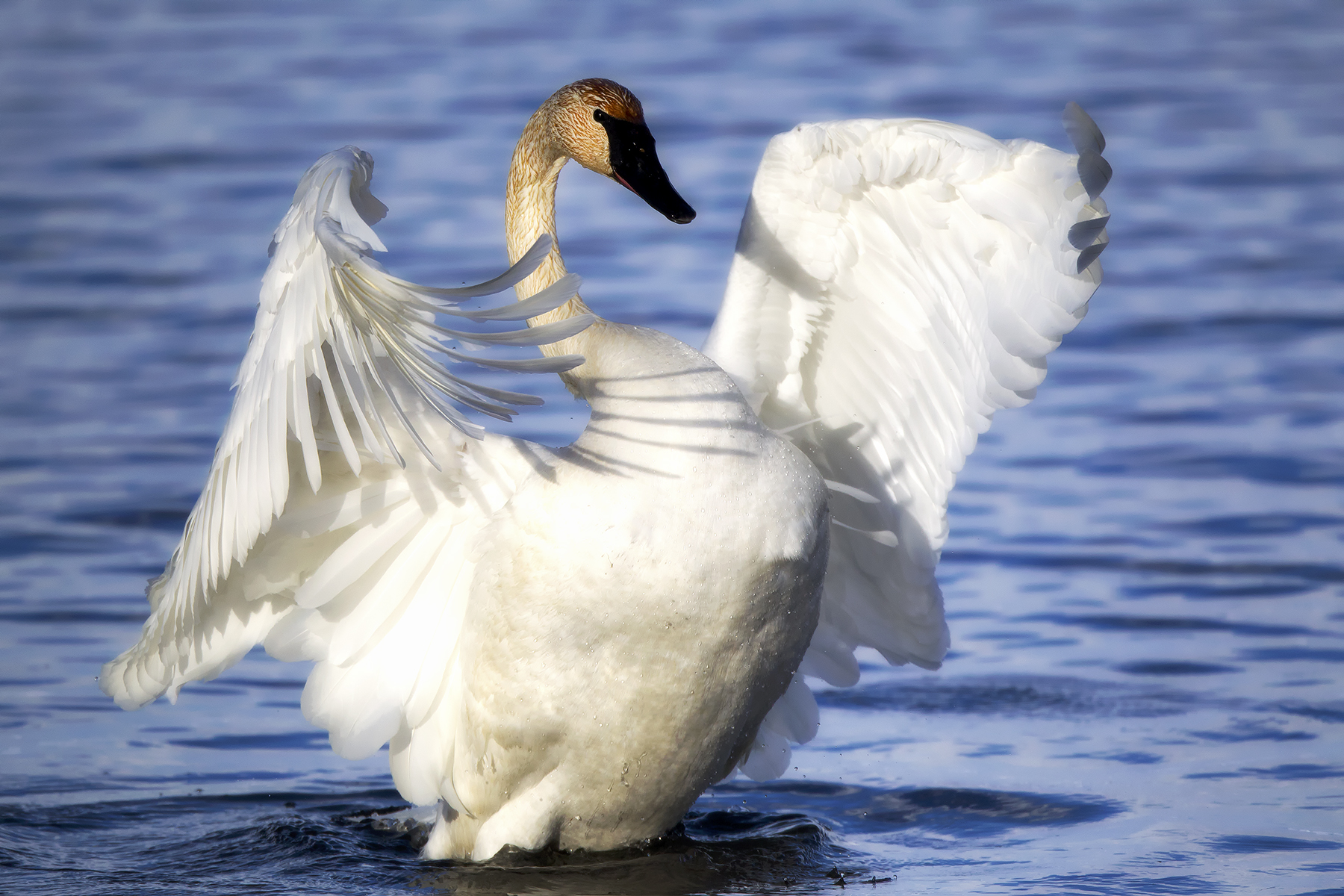 Wildlife
 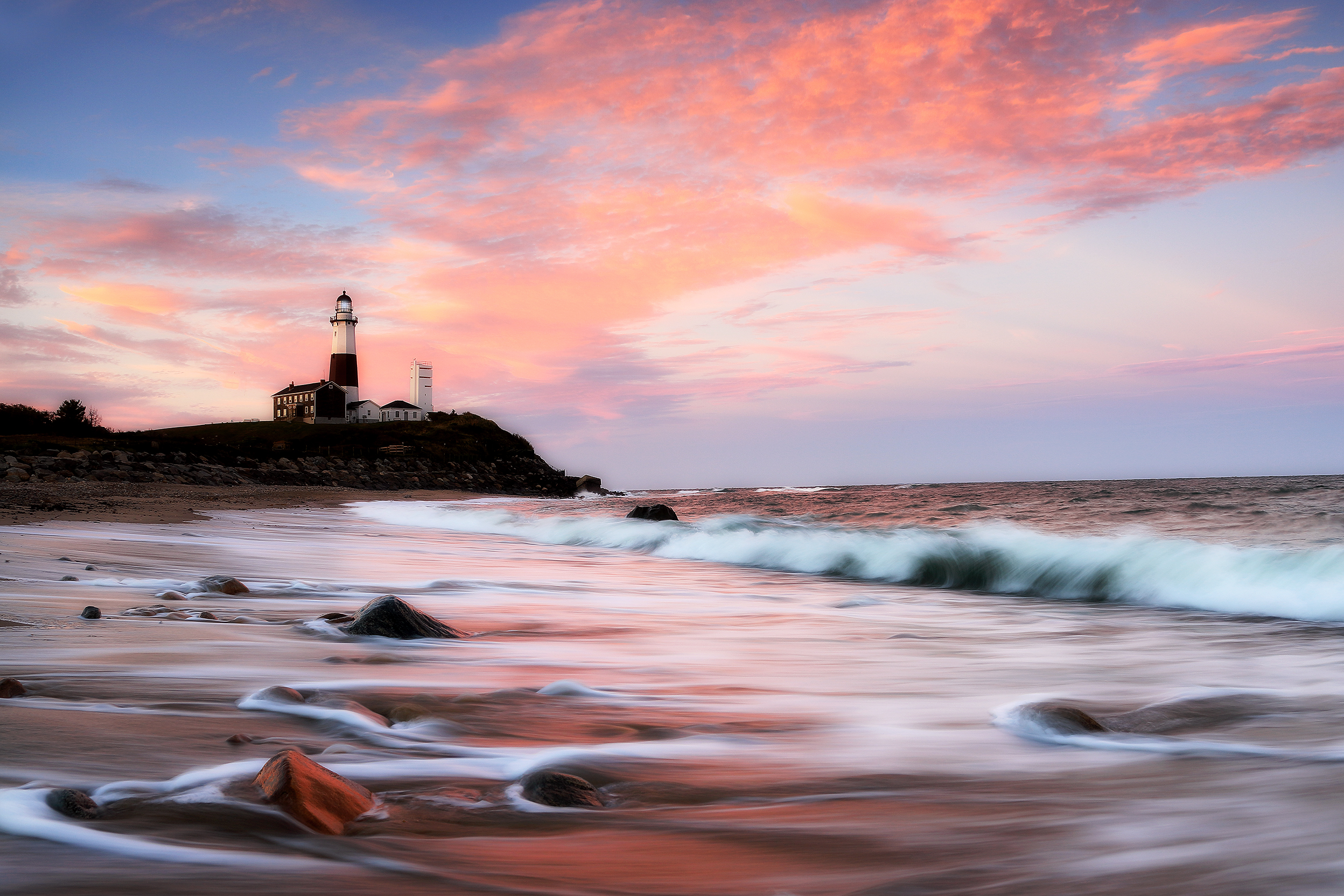 Seascapes
About Robbie George
Robbie George is a National Geographic–published photographer and resonant naturalist. His fieldcraft follows a simple ethic—distance first, habitat always— shaped by Slow Knowledge and the Signature Series.
Explore calm, undisturbed behavior in the Wildlife Gallery or plan your next trip with the Seasonal Wildlife Calendar, Golden Hour & Moon, and Photography Maps.
“Attention first, image second. The shutter is the period at the end of a sentence you learned by walking.”
FAQs: Quantum Nature and Photography
What does quantum physics have to do with nature?
Quantum physics explains how energy, light, and matter behave at the smallest scales. These processes influence plant growth, animal behavior, and natural systems.
How does quantum physics relate to photography?
Photography captures light, and light is made of photons. Understanding how light behaves helps photographers capture better images.
What is quantum entanglement in nature?
Entanglement refers to connections between particles. In nature, similar connections appear in ecosystems where everything is interdependent.
How do natural patterns relate to quantum processes?
Patterns like spirals and fractals often emerge from energy systems. These patterns can be seen in plants, landscapes, and weather systems.
How can I apply this to photography?
Understanding light, timing, and environmental conditions helps you capture stronger images in the field.
Why does nature feel interconnected?
Natural systems are connected through energy flow, environmental cycles, and biological relationships.
Where can I explore these ideas visually?
You can explore these concepts through nature photography collections and field-based observation.