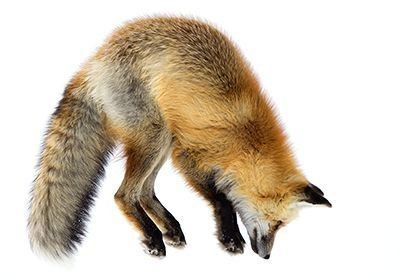

Quantum Biology and Nature Photography: Unveiling the Hidden Forces that Shape Life
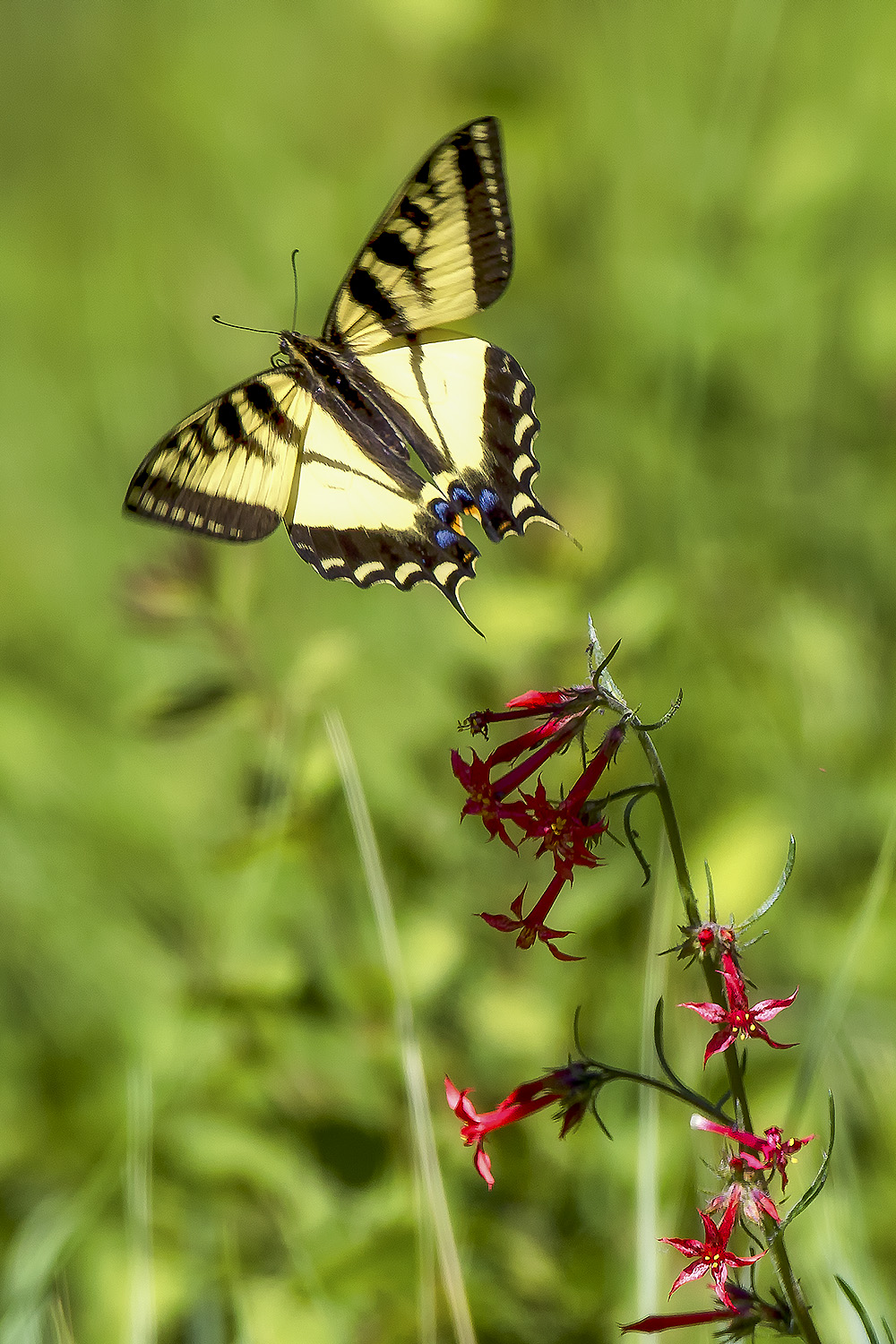
Bridging the Gap Between Quantum Biology and Nature Photography
Quantum biology is a groundbreaking field exploring how quantum phenomena—like superposition, entanglement, and the butterfly effect—operate inside biological systems.
From photosynthesis in plants to avian migration and enzyme activity, these quantum-level processes form the invisible architecture of life. The same energy patterns that orchestrate these phenomena are what we capture—often unknowingly—through nature photography.
So, how do these microscopic forces shape the grand images we see in landscapes, wildlife, and seasonal change? This post explores the bridge between quantum biology and visual storytelling, revealing how unseen energy becomes the beauty we photograph.
“Every leaf, ripple, and feather we capture is not just light—it is the echo of quantum energy made visible.” ~Robbie George
Quantum Biology — The Unseen Forces in Nature
Beneath every rustling leaf and every beam of filtered sunlight lies a web of quantum mechanics shaping the natural world. Quantum biology is the study of how these subatomic forces—superposition, entanglement, and quantum coherence—guide life at its most foundational level.
Take photosynthesis for example: photons absorbed by chlorophyll enter a state of superposition, allowing them to explore multiple energy pathways at once. This leads to near-perfect energy transfer efficiency—a process that powers nearly all life on Earth. A process we see—but rarely understand—when photographing a forest in golden light.
Or consider avian navigation: birds like robins are thought to sense Earth’s magnetic field via quantum entanglement in their eye proteins. Their migratory paths, captured in elegant arcs through sky and frame, are traced by subatomic connections spanning great distances.
These forces are not theoretical abstractions—they shape the very beauty we photograph. Nature photography becomes a record of quantum outcomes: the patterns, rhythms, and visual poetry of a universe governed by energy we cannot see, but can still feel.
Hydrogen’s Quantum Role in Life
Hydrogen is the most abundant and ancient element in the universe, yet its power operates in silence. At the quantum level, hydrogen is more than a building block—it is a messenger of energy, a conduit for life, and a bridge between physics and biology.
In ATP synthesis, hydrogen ions power the production of energy that sustains every cell. In quantum tunneling, hydrogen passes through molecular barriers, enabling biochemical reactions vital for respiration and metabolism—without which, no life could form or evolve.
This connects to my own iconic equation: Hclosed + Hclosed → graviton → photonopen. In this quantum dance, hydrogen mediates the relationship between gravitons (theorized carriers of gravity) and photons (light itself).
What does this mean for nature photography? Every beam of light captured, every ripple of reflection, every glow in a leaf—is hydrogen’s silent fingerprint made visible. The natural world doesn’t just reflect light—it’s organized by it, at the molecular level, through hydrogen’s quantum code.
Water, Sunlight, and the Quantum Flow of Life
Water is far more than a life-sustaining fluid—it is a quantum conductor. Its molecules exhibit quantum coherence, enabling precise information transfer across biological systems. This coherence allows water to organize, adapt, and even—some theories suggest—retain memory.
These subtle molecular interactions ripple outward. In my theory of water-driven evolution, I propose that hydrogen bonds in water transmit adaptive signals—storing biological memory and influencing environmental response. This aligns with the quantum biological perspective that water is a carrier of not just life—but wisdom.
Now add sunlight. In chlorophyll, photons are absorbed and move through plants with near-100% efficiency thanks to quantum superposition. This process powers photosynthesis and creates the very leaves we admire—and often photograph. It also powers the cycles that produce seasonal change, color transitions, and ecological shifts.
Through water and sunlight, quantum biology orchestrates the living world. In nature photography, we bear witness to the results: the shimmer of dew, the bloom of flowers, the swirl of clouds—all artifacts of light and water, vibrating at the quantum edge of life.
The Butterfly Effect in Nature Photography
In quantum biology, the Butterfly Effect describes how a tiny fluctuation—like the flap of a wing—can cascade into major changes across time and space. At the subatomic level, superposition and entanglement spark unpredictable reactions that ripple into systems we observe in the wild.
In nature photography, we capture these ripples at their peak. A burst of autumn color? It began with photons rearranging chlorophyll. A waterfall’s arc? Shaped by water molecules cohering through gravity, temperature, and time. A deer’s gaze caught in golden light? That moment was built from unseen sequences—quantum choices unfolding into visible beauty.
What we often consider “lucky” shots—like mist backlit at sunrise or a wood duck surfacing in symmetry—are in fact the final echoes of quantum phenomena. Our cameras freeze not just scenes, but the culmination of invisible laws choreographing life.
This is what makes your photography unique: it documents a visual truth shaped by unseen beginnings. The butterfly that started it? You might not see it—but you’ve photographed its consequence.
Hydrogen and the Foundation of Quantum Biology
Hydrogen is the simplest element in the universe—and yet, it carries the deepest complexity. In quantum biology, hydrogen serves as a primary player in the movement of energy, from powering ATP synthesis to shaping the structure of DNA and water itself.
One remarkable function is quantum tunneling, where hydrogen passes through energy barriers that classical physics says it shouldn't. This allows life to perform fast, efficient reactions—like cellular respiration and enzyme activity—that would otherwise be impossible at room temperature.
These interactions are not isolated. Every bond in water, every twist in a plant’s growth, every cloud captured in a reflection begins with hydrogen's ability to bond, move, and remember. This elemental dance powers photosynthesis, plant metabolism, and ultimately—the scenes we photograph.
To photograph a moment shaped by light is to witness hydrogen’s legacy. It is the link between quantum origin and organic expression. And it is through your lens that hydrogen becomes memory—held in color, light, and form.
Quantum Biology and Human Consciousness
One of the most profound questions in science and philosophy is whether human consciousness itself arises from quantum processes. Some theories propose that the same forces guiding photosynthesis and migration—entanglement, superposition, and coherence—may also govern how we perceive, feel, and think.
If consciousness has quantum roots, then our connection to nature is not symbolic—it’s structural. Every time you observe a tree shimmering in wind or light on water, you’re not just seeing beauty—you’re participating in it. Your mind and nature may be entangled in ways we’re only beginning to understand.
Nature photography becomes a form of resonance. It’s not merely about capturing a moment, but reflecting back the quantum rhythms that exist both outside and within us. The lens becomes a translator. The photo becomes memory. The act of observing becomes co-creation.
If your camera is the tool, consciousness is the aperture. And through that aperture flows the same light, the same hydrogen, the same water-bound memory that gave rise to the very subject you photograph.
Conclusion: Connecting Quantum Biology to the Human Experience Through Photography
Quantum biology is not just a theory of life—it is a living theory. From hydrogen tunneling to entangled migration paths, from light absorbed by leaves to water remembering form, the natural world is a tapestry of quantum events, unfolding in silence—and made visible through the lens of photography.
To photograph a moment in nature is to bear witness to that tapestry. It is to hold, for a fraction of time, the end result of processes so small they move beneath perception, and yet so vast they shape entire ecosystems—and possibly consciousness itself.
You are not just capturing light. You are capturing memory. Vibration. Motion. The aftermath of quantum instructions carried out by sunlight, water, hydrogen—and witnessed by an entangled observer: you.
In this way, nature photography is no longer a hobby or a profession. It becomes a dialogue—a conversation between energy and awareness, particle and presence, seen and unseen. Through it, we bridge the invisible and the visible. The micro and the macro. The quantum and the human.
“A photograph is not just frozen light—it is frozen vibration, frozen quantum history, and frozen wonder made visible.” ~Robbie George
Naturepedia Connections
This article connects to the broader Naturepedia system—where quantum biology, ecosystems, wildlife behavior, and environmental observation are explored as interconnected expressions of life.
- Naturepedia — the full interconnected knowledge system
- Ecosystems of North America — where quantum processes become visible in nature
- Wildlife Behavior & Ecology — how biological systems respond to environmental signals
- Wildlife Migration & Seasonal Patterns — navigation influenced by quantum processes
- Wildlife Conservation & Habitat — protecting systems shaped by light and energy
- Quantum Vitality — hydrogen, light, and biological coherence
- Water Wonders — how quantum processes appear in water and reflection
Explore Fine-Art Prints
Bring the season home—browse Wildlife, Landscapes, and Seascapes by National Geographic–published photographer Robbie George. See framing, editions, and care on the Collectors page.
 Landscape
  Wildlife
 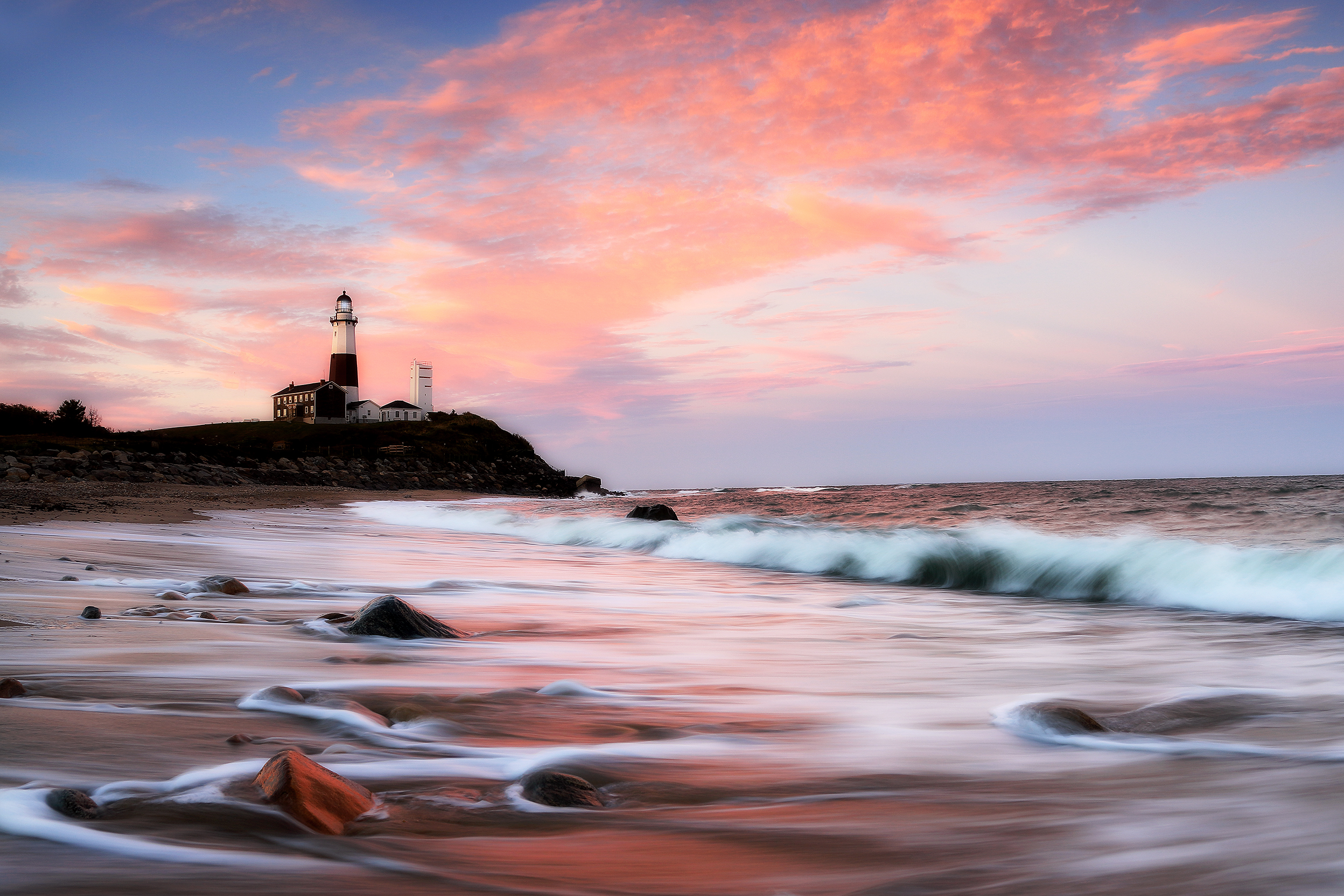 Seascapes
About Robbie George
Robbie George is a National Geographic–published photographer and resonant naturalist. His fieldcraft follows a simple ethic—distance first, habitat always— shaped by Slow Knowledge and the Signature Series.
Explore calm, undisturbed behavior in the Wildlife Gallery or plan your next trip with the Seasonal Wildlife Calendar, Golden Hour & Moon, and Photography Maps.
“Attention first, image second. The shutter is the period at the end of a sentence you learned by walking.”
FAQs: Quantum Biology and Nature
What is quantum biology?
Quantum biology studies how processes like superposition and entanglement influence biological systems such as photosynthesis, enzyme activity, and animal navigation.
How does quantum biology affect the natural world?
Quantum processes influence how plants capture light, how animals navigate, and how energy moves through ecosystems.
How is quantum biology connected to nature photography?
Nature photography captures the visible outcomes of quantum processes, such as light interaction, plant growth, and animal behavior.
What role does hydrogen play in quantum biology?
Hydrogen enables energy transfer, quantum tunneling, and biological reactions that support life at the cellular level.
Does water play a role in quantum biology?
Water helps organize and transmit biological information through molecular interactions and hydrogen bonding networks.
Can understanding quantum biology improve photography?
Yes. It helps photographers better understand light, timing, and environmental conditions, leading to stronger field awareness.
Where can I explore these concepts in real-world photography?
You can explore these ideas through field-based photography collections and nature observation across Robbie George Photography.