
Icelandic Horse: The Ultimate Guide to Iceland’s Remarkable Equine Companion
Discover the Icelandic Horse: A Symbol of Strength, Tradition, and Adventure
The Icelandic horse is more than just a breed — it's a living expression of Iceland’s resilience, history, and harmony with nature. With a legacy shaped by volcanic landscapes, glacial winds, and Viking endurance, this horse embodies the heart of the Icelandic spirit.
Small in stature yet mighty in presence, the Icelandic horse is renowned for its unique tölt gait, unwavering surefootedness, and a friendly temperament that has won the hearts of riders around the world. Whether you're riding one through lava fields or admiring its windswept mane on a snowy plain, the experience is unforgettable.
In this field guide, we’ll journey through the breed’s Viking origins, distinct physical traits, cultural significance, and riding experiences. From myth to muscle, the Icelandic horse stands not only as a steed — but as a story.
“There is no more sagacious animal than the Icelandic horse. He never makes a false step, never shies. He is courageous, sober, and surefooted.”
— Jules Verne, Journey to the Center of the Earth
Related Guides
A Horse Like No Other
Unlike any other breed in the world, the Icelandic horse thrives where others would struggle — among Iceland’s craggy lava fields, icy rivers, and windswept valleys. Though small in size, it is renowned for its extraordinary strength, stamina, and agility across treacherous terrain.
Icelandic horses are celebrated for their surefootedness, a trait forged through centuries of navigating unpredictable landscapes. They are known to maintain balance and rhythm across slippery rock and deep snow — a living example of natural engineering. These qualities led Jules Verne to immortalize the breed in Journey to the Center of the Earth, where he wrote:
“There is no more sagacious animal than the Icelandic horse. He is stopped by neither snow, nor storm, nor impassable roads, nor rocks, glaciers, or anything.”
The Icelandic horse’s blend of power and poise makes it more than just a riding companion — it is a bridge between past and present, instinct and terrain. To understand the Icelandic horse is to understand a piece of the land itself.
What Makes the Icelandic Horse Unique?
More than just a sturdy companion, the Icelandic horse is a living artifact of evolution and cultural preservation. What truly sets it apart isn’t just its Viking ancestry or rugged charm — it’s the combination of traits that few breeds can match.
Its most famous hallmark is the tölt gait — a smooth, four-beat movement so fluid that riders often hold a full cup of coffee without spilling a drop. This gait, combined with natural hardiness, calm demeanor, and an unbroken lineage over a thousand years old, makes the breed one of the purest in the world.
🌟 Quick Traits of the Icelandic Horse
- Unique tölt gait for smooth riding
- Purebred for over 1,000 years
- Highly adaptable to cold climates
- Friendly, curious, and intelligent
- Compact yet strong build, perfect for tough terrain
These distinctive qualities are not random — they are the result of nature’s sculpting hand, shaping a horse that could not only survive, but thrive, in one of Earth’s most untamed places.
History and Origins of the Icelandic Horse
The Icelandic horse carries more than riders — it carries a legacy. This breed traces its unbroken lineage back over a millennium to the Viking settlers who first arrived on Iceland’s shores. These sturdy, loyal animals became the foundation of Iceland’s transportation and agriculture, and over time, an integral part of its identity.
With no natural predators and no outside breeding for over 1,000 years, the Icelandic horse evolved in a vacuum of purity — shaped entirely by the landscape, climate, and people of Iceland. This isolation gave rise to a horse that is uniquely suited to the island’s volcanic terrain and subarctic conditions.
Viking Legacy: The Arrival of the Icelandic Horse
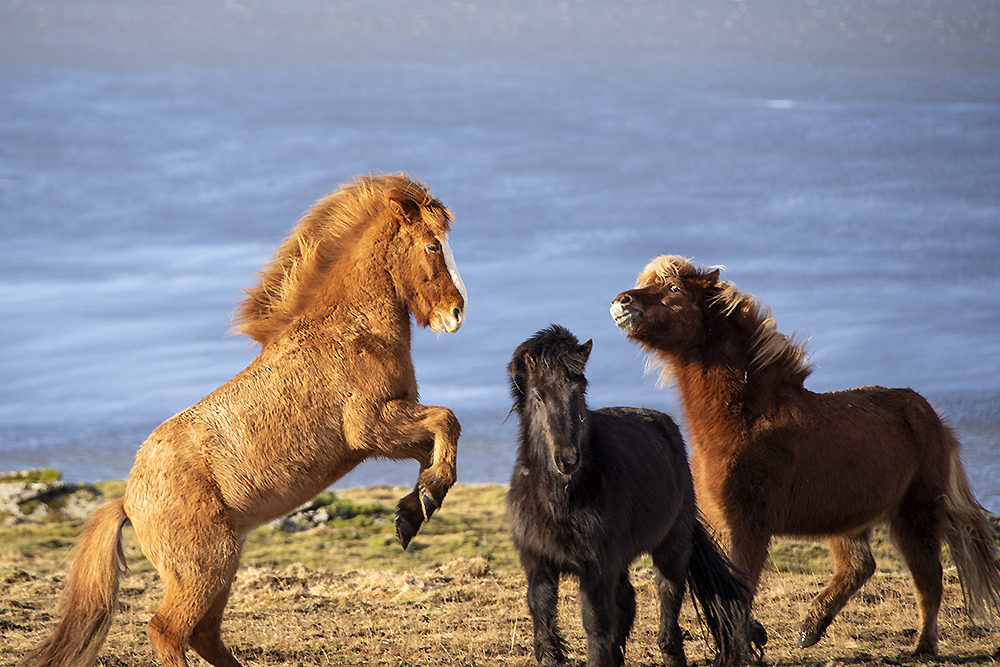
When the Norse settlers set sail in the 9th century, they brought their most trusted companions with them — their horses. These animals needed to be strong, adaptable, and brave, capable of enduring long sea journeys and Iceland’s unforgiving terrain. Their descendants would become the Icelandic horses we know today, forever imprinted by that ancestral crossing.
Breed Purity and Protection
Since the 10th century, Iceland has enforced some of the world’s strictest import laws. Once a horse leaves Iceland, it is never permitted to return — a policy that protects against disease and genetic dilution. This rare level of protection has preserved a genetically pure breed that is both a biological treasure and a cultural icon.
“To know the Icelandic horse is to touch the breath of the Vikings — still galloping, still enduring.”
Physical Characteristics of the Icelandic Horse
The Icelandic horse is a marvel of functional design — compact, resilient, and perfectly adapted to life on a volcanic island. Its physical form is not only shaped by Iceland’s dramatic environment, but also by over a millennium of intentional, natural selection.
Size and Build
Often mistaken for ponies due to their height, Icelandic horses are in fact full-sized horses in heart, strength, and stature. They typically stand between 13 and 14 hands high (52–56 inches), with muscular frames, thick necks, and a grounded presence that feels much larger than their measurements suggest.
📏 Key Traits: Icelandic Horse Build
- Height: 13–14 hands (132–142 cm)
- Structure: Stocky, dense-boned, deep-chested
- Endurance: Built for long distances and tough terrain
Coat and Colors
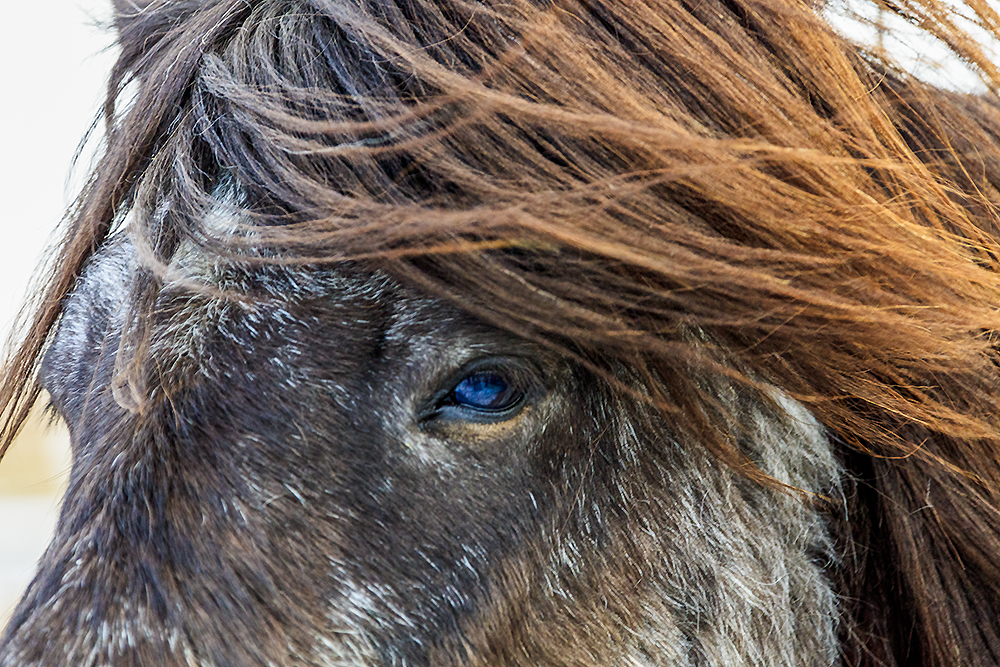
Icelandic horses are among the most colorful breeds in the world. With over 40 recognized coat colors and more than 100 variations, they express nature’s palette in every shade — from rich chestnuts to steel grays, dappled pintos to luminous palominos.
In winter, they grow a thick, double-layered coat that insulates against Arctic winds. In summer, that coat sheds to reveal a sleek, shining form — nature’s perfect seasonal wardrobe.
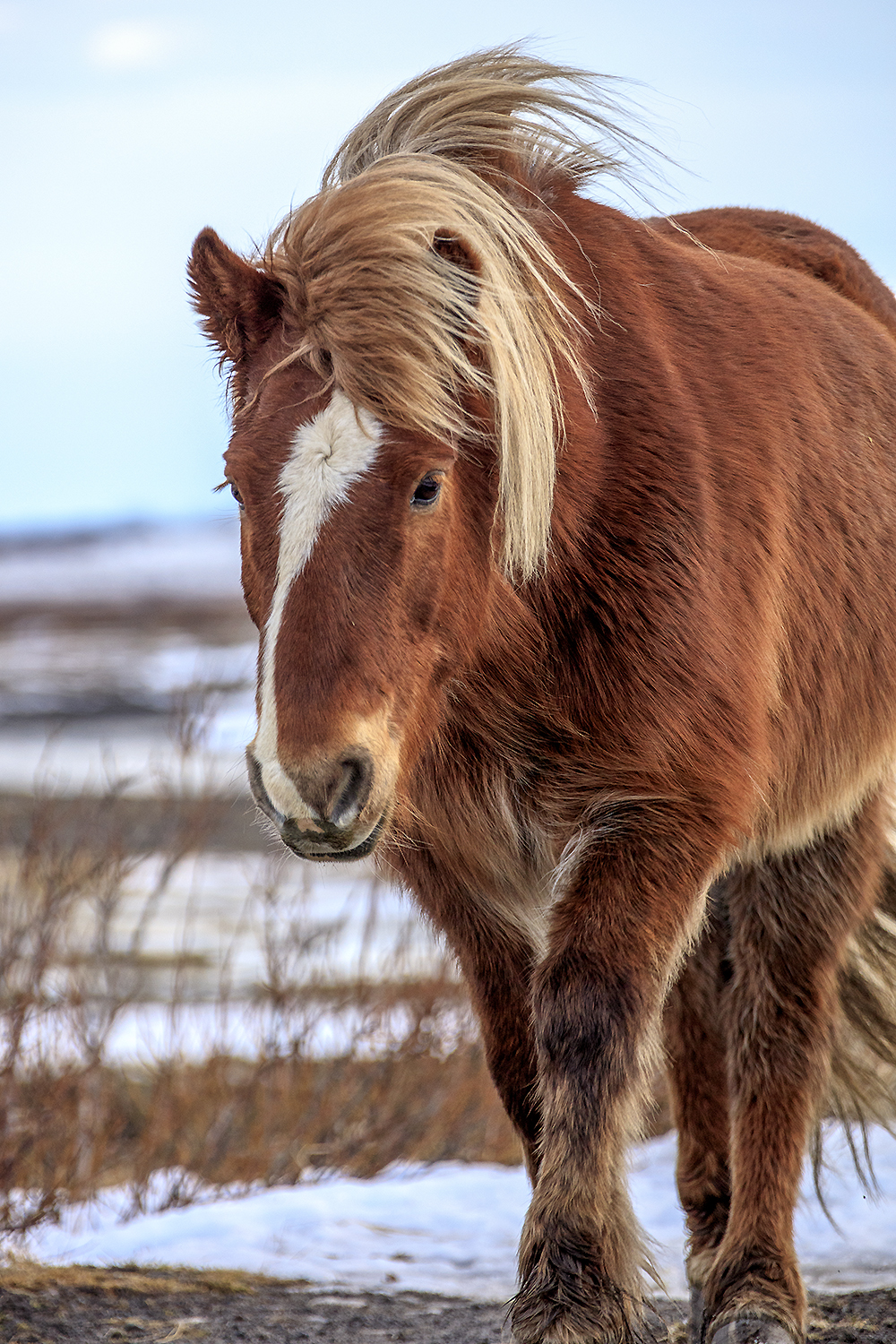
Mane and Tail
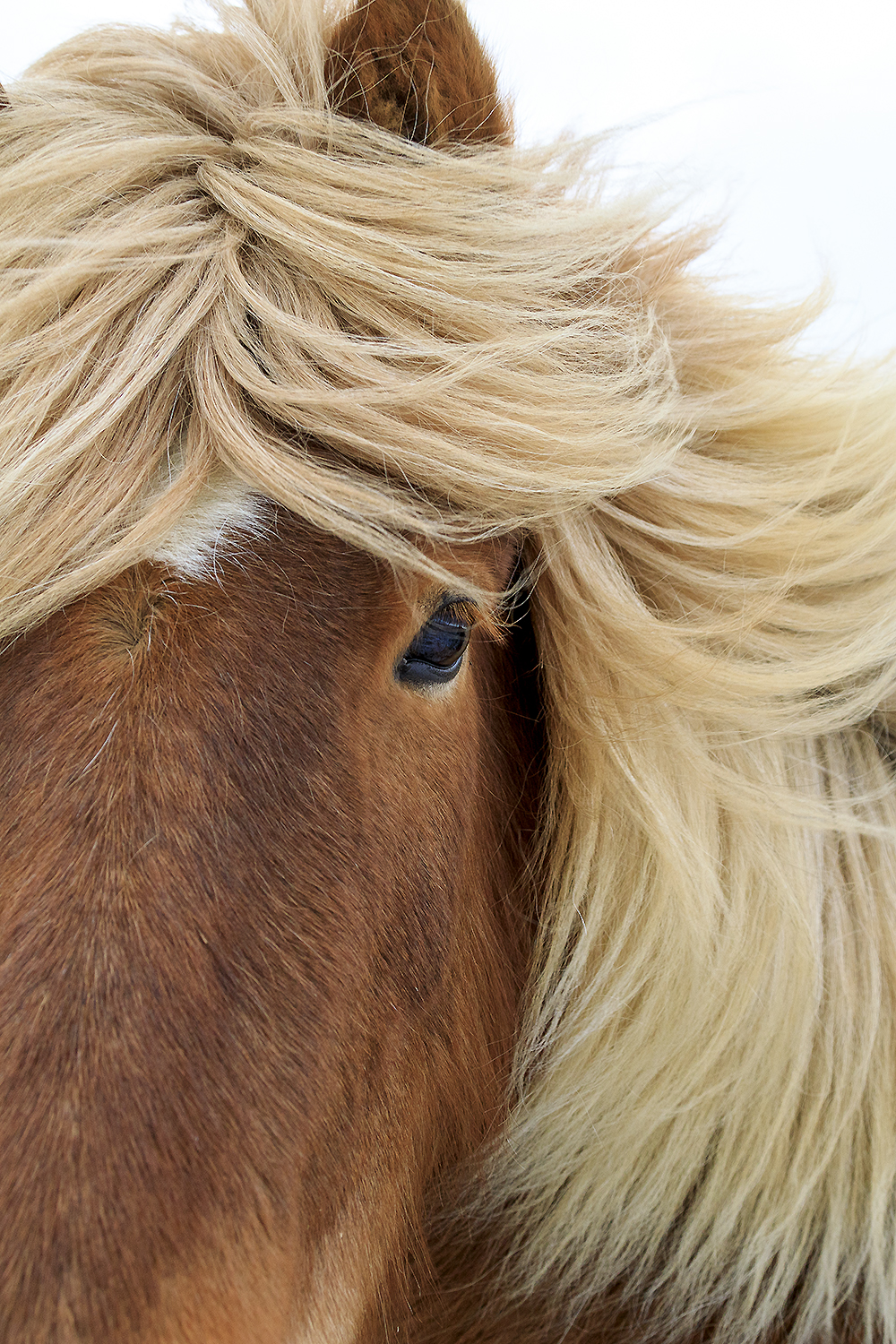
Thick, windswept, and often wild — the mane and tail of the Icelandic horse are iconic. More than aesthetic, they serve a vital role in shielding the horse from wind, snow, and insects. Each strand of hair is a strand of survival.
“Every feature of the Icelandic horse is a note in nature’s symphony of survival.”
Unique Gaits of the Icelandic Horse
One of the most fascinating traits of the Icelandic horse is its natural ability to perform not just the standard three gaits — walk, trot, and canter — but two additional, rare gaits: the tölt and the flying pace. These unique movements are more than modes of transportation; they’re expressions of balance, muscle memory, and ancient rhythm.
Standard Gaits
Like all horses, the Icelandic breed moves comfortably through:
- Walk: A steady four-beat gait that allows full control and balance.
- Trot: A two-beat gait offering a balanced yet bouncy rhythm.
- Canter: A rolling three-beat gait known for its power and flow.
The Tölt: Grace in Motion
Unique to Icelandic horses, the tölt is a four-beat lateral gait where at least one foot touches the ground at all times. This creates an incredibly smooth ride — one so gentle you could balance a full glass of water without spilling a drop.
- Low impact: Ideal for long-distance riding across rocky terrain.
- Stable and flowing: Perfect for beginners and experienced riders alike.
- Versatile pace: Can be performed slowly or at the speed of a gallop.
Flying Pace: The Burst of Power
The flying pace (skeið) is a lateral two-beat gait where the legs on one side move in unison. It is used for short bursts at high speed — sometimes reaching up to 30 mph. This gait is thrilling, powerful, and typically reserved for racing and skilled riders.
- Rare and refined: Not every Icelandic horse can perform it.
- Requires balance and training: Often used in competitive events.
- Gait of distinction: A true spectacle when witnessed live.
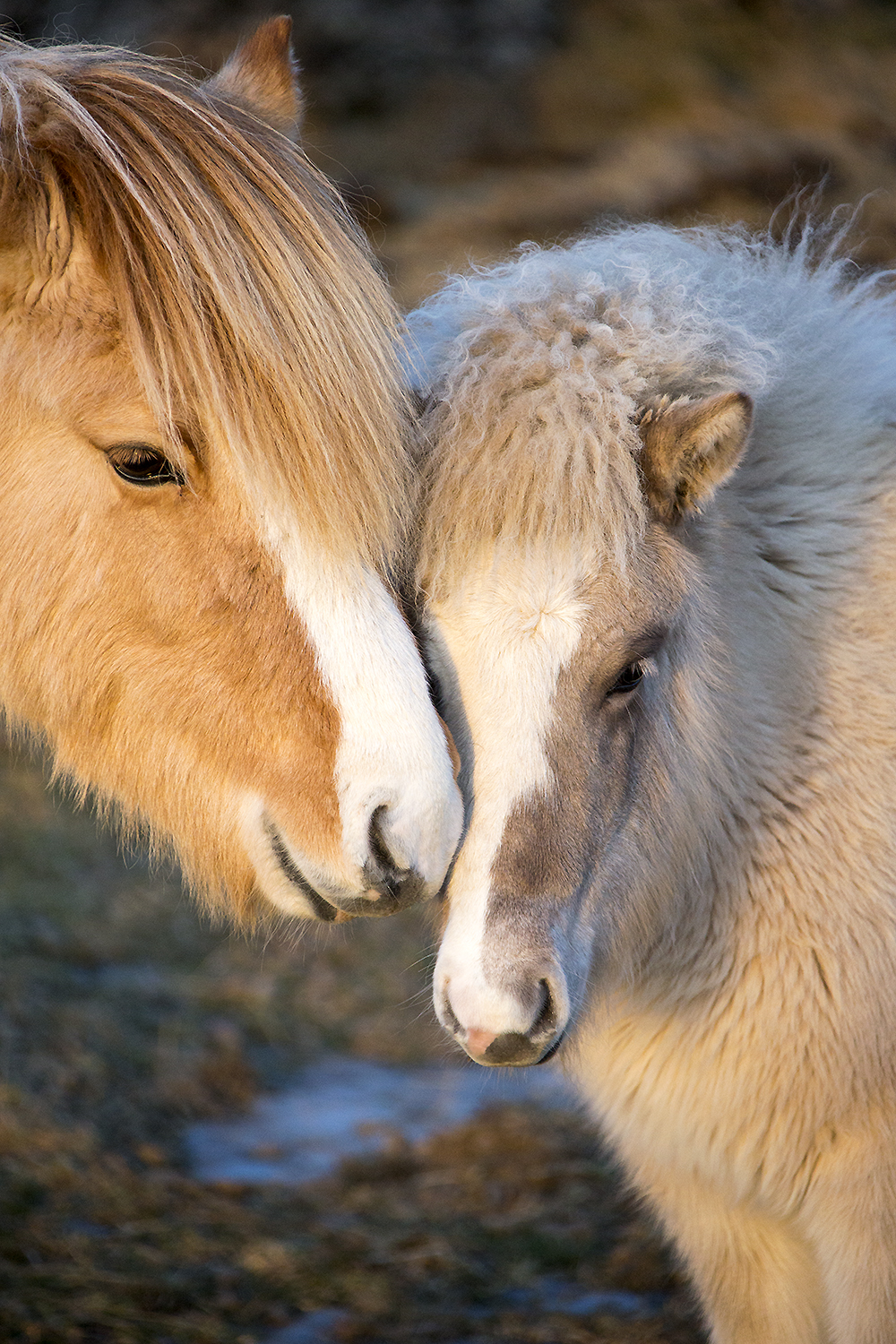
“The Icelandic horse doesn’t just walk the land — it dances with it.”
Personality and Temperament of the Icelandic Horse
Strength and stamina may define the body of the Icelandic horse, but it is their spirit that truly captures the hearts of those who encounter them. These horses are not only tough and intelligent — they are deeply friendly, curious, loyal, and intuitive.
Friendly and Curious
Icelandic horses are known to approach people with calm confidence rather than fear. Whether you're an experienced rider or a wide-eyed child seeing your first horse, their welcoming nature puts you at ease.
- Gentle temperament: Ideal for riders of all levels
- Natural curiosity: They love to explore and engage with humans and other animals
Independent Yet Social
Raised in open herds across vast landscapes, Icelandic horses develop a strong herd instinct while maintaining individual intelligence. They know how to work with others — but they also know how to think for themselves.
- Highly social: Deep bonds within the herd and with humans
- Independent thinkers: Smart, self-reliant, and quick learners
Loyal and Brave
The Icelandic horse’s history is full of stories of loyalty in harsh conditions. Their reputation for bravery is well-earned — whether navigating glacial rivers or volcanic slopes, they move with confidence and heart.
- Devoted to riders: These horses form lasting bonds
- Fearless and dependable: They face the elements without hesitation
“The Icelandic horse does not merely endure nature — it befriends it, then invites you along for the journey.”
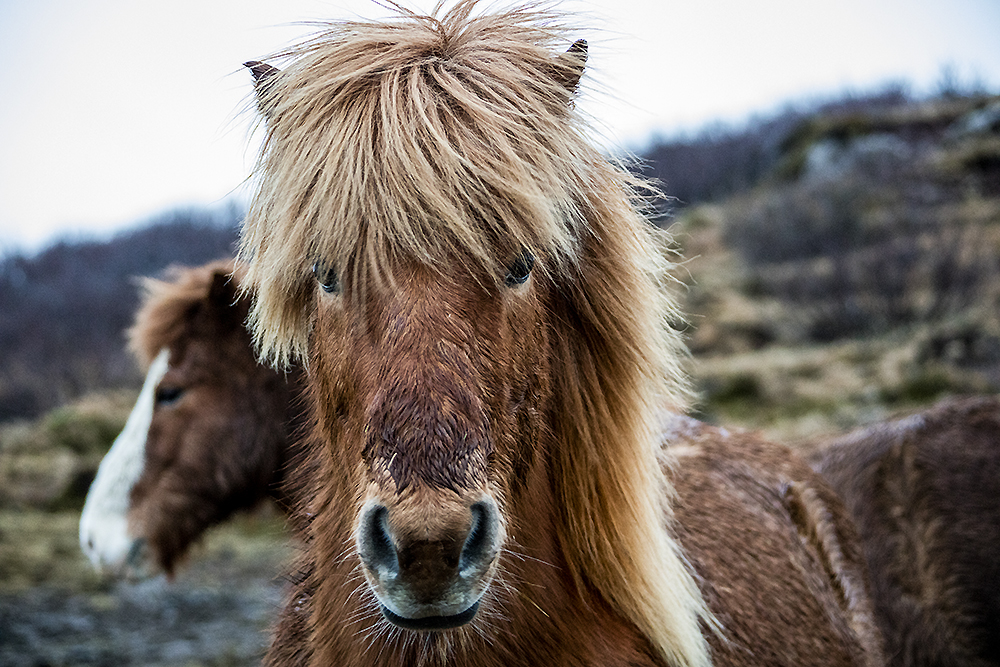
The Role of Icelandic Horses in Icelandic Culture
The Icelandic horse is more than a companion — it is a cultural pillar. Woven into Iceland’s folklore, traditions, and national identity, this horse stands as a symbol of survival, strength, and sacred connection to the land.
Mythology and Folklore
In Norse mythology, the most legendary horse of all was Sleipnir, Odin’s eight-legged steed — a creature capable of crossing realms. Icelanders see echoes of Sleipnir in their own horses: fearless, agile, and almost otherworldly in their stamina.
- Legendary roots: Stories passed down from Viking times
- Symbolism: Loyalty, power, and spiritual endurance
A Symbol of National Pride
The Icelandic horse reflects the character of the Icelandic people — independent, resilient, and humble. Revered not just for utility but for what it represents, this breed is a living monument to the island’s survivalist past and poetic present.
- Historical reliance: Once the sole method of transport and labor
- Modern reverence: Featured in art, music, tourism, and national branding
Horse Festivals and Community Celebrations
Events like Landsmót and the International Day of the Icelandic Horse aren’t just celebrations — they’re affirmations. These gatherings honor the bond between horse and human, showcasing the breed’s natural gaits and deep spiritual connection to its homeland.
- Landsmót: National breeding and performance showcase
- Horse Day: Worldwide celebration of the Icelandic horse’s legacy
“Wherever Icelandic horses walk, they carry centuries of memory in their stride.”
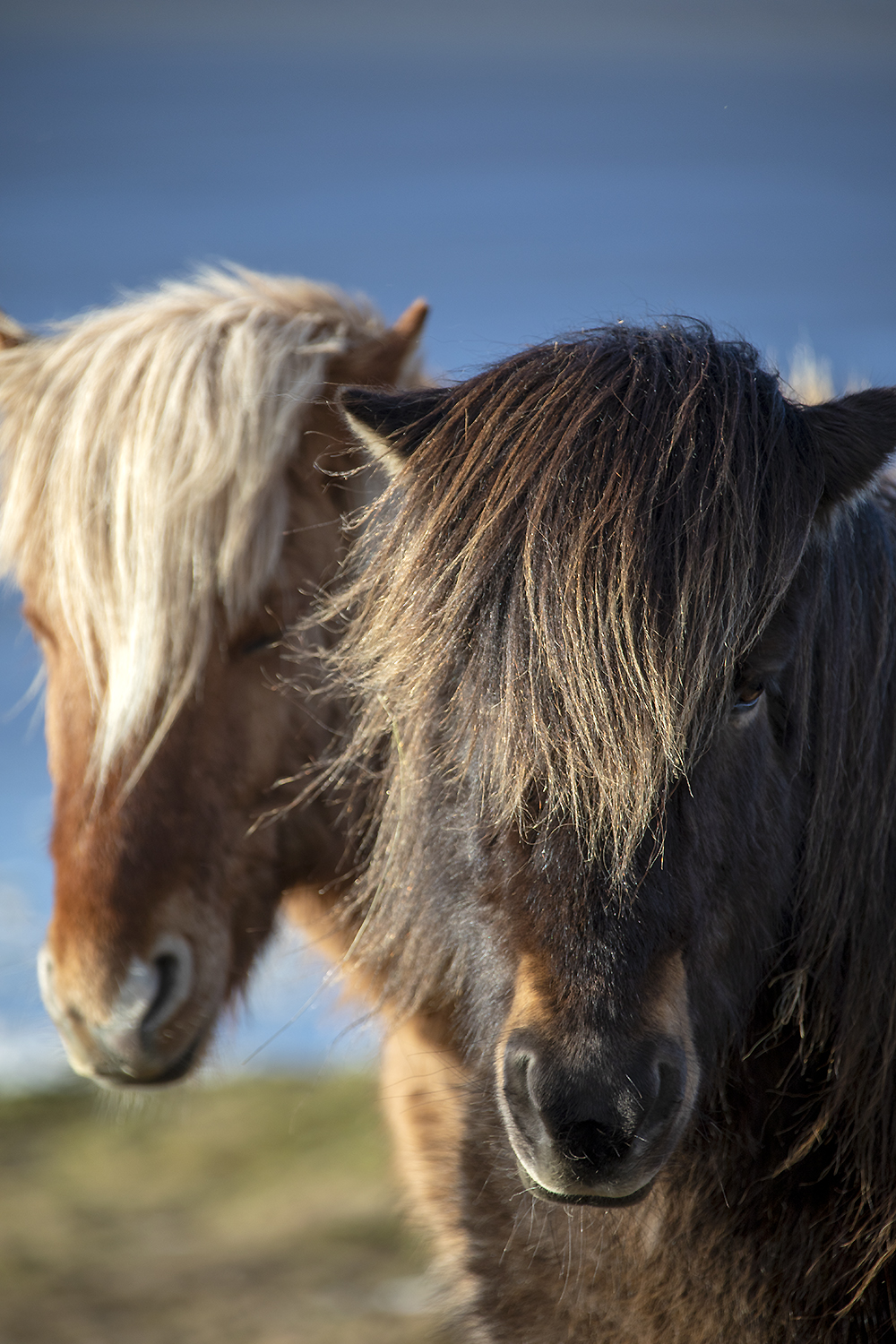
Breeding and Care of the Icelandic Horse
Breeding an Icelandic horse is not just about reproduction — it’s about preserving a living lineage. For over 1,000 years, Icelandic breeders have worked in harmony with nature to develop a horse that embodies strength, temperament, and the island’s wild grace.
Selective Breeding Practices
The Icelandic horse is bred with purpose. Strict regulations ensure that only horses with desirable qualities — such as strong conformation, clean gaits, good temperament, and health — are chosen to pass on their genes.
- Import ban: Horses cannot return once they leave Iceland
- Evaluations: Horses are graded for performance and personality
- Preservation: Focused on maintaining unique gaits like the tölt and flying pace
Natural Rearing Methods
Icelandic horses are raised in herds across open pastures and highlands. This approach develops independence, social behavior, and physical endurance — traits critical to surviving Iceland’s elemental extremes.
- Summer in the highlands: Builds stamina and herd dynamics
- Freedom of movement: Encourages natural development and resilience
Adaptations for Harsh Conditions
Bred for survival, Icelandic horses thrive in cold, wind, and minimal forage. Their thick coats, efficient metabolisms, and calm mental states are not coincidences — they are nature’s response to Iceland’s fierce climate.
- Double winter coat: Warm and waterproof for subzero conditions
- Low-maintenance health: Naturally resistant to disease and digestive disorders
- Diet adaptability: Thrives on Iceland’s sparse native grasses and moss
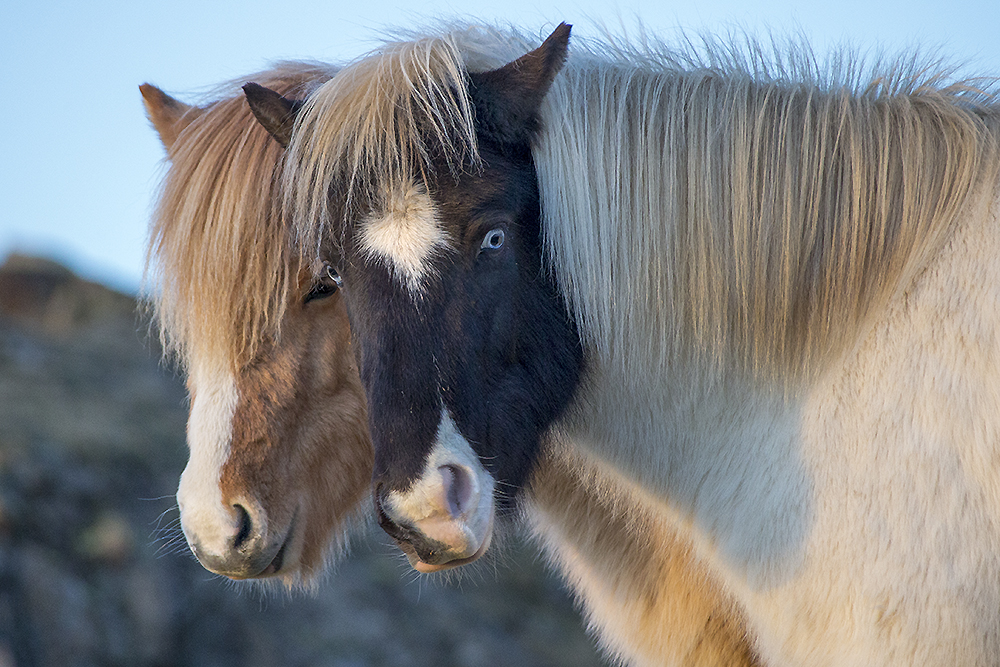
“To raise an Icelandic horse is to collaborate with nature — not control it.”
Health and Longevity of the Icelandic Horse
With proper care and their natural hardiness, Icelandic horses often live well into their 30s — far surpassing many other breeds in both longevity and riding life. This impressive lifespan is a result of genetic purity, isolation, and an environment that favors resilience over fragility.
Lifespan
Many Icelandic horses remain active and rideable into their late 20s or early 30s. Their long life makes them ideal lifelong companions — dependable, spirited, and physically capable for decades.
- Rideable longevity: Many still carry riders comfortably into their 20s
- Extended bond: Lifespan encourages deep rider-horse relationships
Robust Health
Centuries of isolation and strong breeding have created a horse that is largely free from common equine diseases. Their sturdy build, calm nerves, and naturally efficient metabolism contribute to a low-maintenance, high-resilience constitution.
- Disease resistance: Limited exposure to outside pathogens
- Digestive strength: Naturally adapted to minimal, rough forage
- Low incidence of lameness or colic: A testament to strong conformation
Protected by Law
Iceland enforces some of the world’s strictest equine import laws. Horses are not allowed to return once they leave the island. This helps preserve the breed’s health, prevents disease introduction, and protects Iceland’s ancient equine lineage.
- No re-entry: Once exported, horses cannot return to Iceland
- Breed health safeguarded: No external genetic contamination
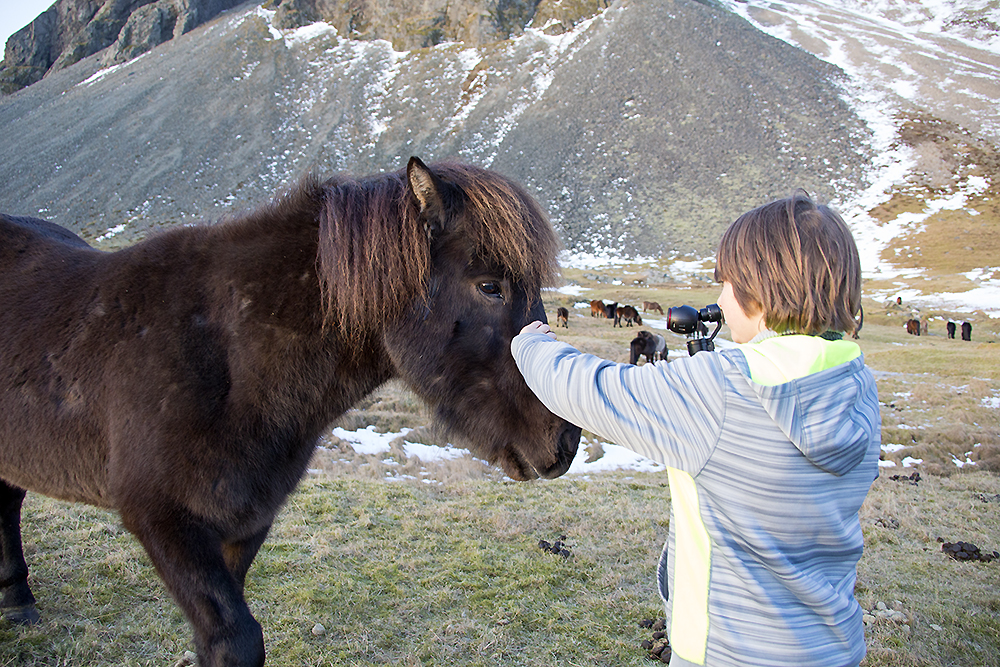
“To ride with an Icelandic horse is to move through time — with a heartbeat that never fades.”
Experiencing the Icelandic Horse as a Visitor
Riding an Icelandic horse through its native landscape is more than an adventure — it's a rite of passage. Whether you choose a peaceful trot through mossy lava fields or a tölt along a black sand beach, the experience offers a direct connection to Iceland’s land, history, and heartbeat.
Where to Ride in Iceland
From short countryside rides to multi-day expeditions through the highlands, Icelandic horse tours are offered throughout the country. Here are some trusted and scenic options:
- Laxnes Horse Farm – Family-run, near Reykjavik, ideal for first-time riders.
- Eldhestar – Sustainable, award-winning tours through geothermal landscapes.
- Íshestar – Well-organized tours along beaches and valleys.
- Skagafjörður – Considered the “Horse Capital” of Iceland.
- Hólar University – Offers both educational and cultural riding experiences.
What to Expect on a Ride
Tours often begin with a safety briefing and a short introduction to the tölt gait, allowing you to feel the horse’s smooth rhythm before exploring Iceland’s wide-open landscapes.
- Comfortable pace: Most tours are beginner-friendly and relaxed.
- Intimate terrain: Expect river crossings, volcanic rock trails, or scenic coastline routes.
- Bonding moments: Icelandic horses often connect with riders quickly and calmly.
Respect the Horse, Honor the Land
As a guest in Iceland, your presence matters. Follow local customs to ensure humane and respectful interaction with these treasured animals:
- Do not feed the horses: They follow strict dietary needs.
- Approach slowly and calmly: Always let the horse come to you.
- Follow the guide’s lead: Respect their knowledge of both horse and land.
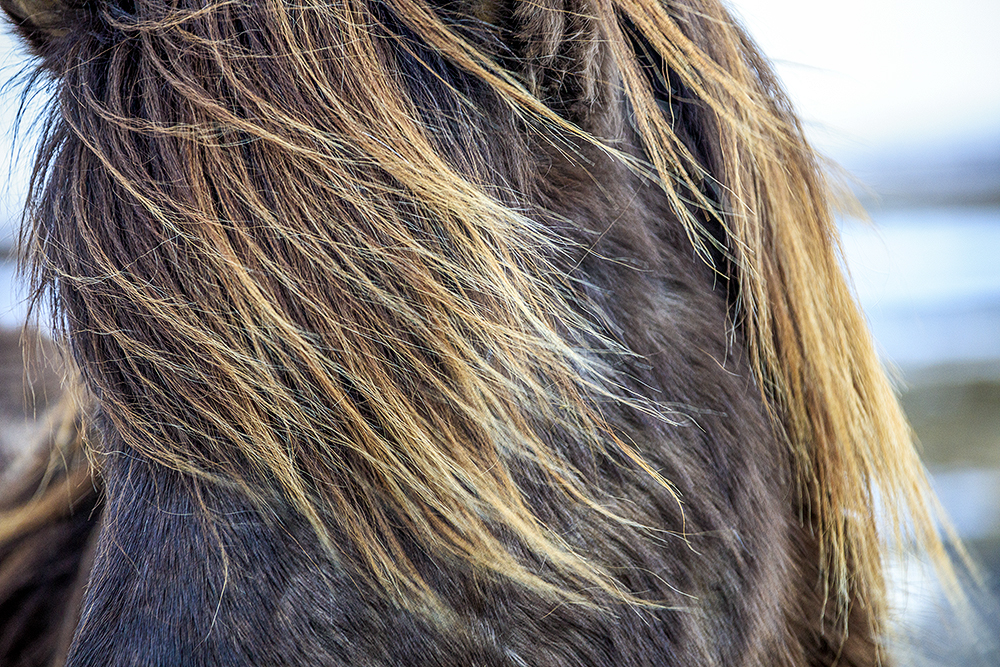
“To ride an Icelandic horse through its homeland is to listen to the Earth — one hoofbeat at a time.”
Icelandic Horses Abroad
Though deeply rooted in Iceland’s soil, the Icelandic horse has captured the hearts of equestrians around the world. Exported with care and never allowed to return, these horses become ambassadors of Icelandic resilience and grace wherever they go.
Strict Export, Lifelong Commitment
Icelandic horses are never permitted to return once they leave Iceland. This lifelong export rule preserves the genetic health of the breed within Iceland while allowing others to experience their magic across the globe.
- Permanent relocation: Exported horses live their lives outside of Iceland
- Careful selection: Only healthy, well-trained horses are chosen for export
A Worldwide Following
From Europe to North America, Icelandic horse communities have blossomed into vibrant, dedicated networks. These communities uphold Icelandic riding traditions, host events, and advocate for ethical care and training.
- United States: Home to numerous Icelandic horse clubs and expos
- Germany: One of the largest populations outside of Iceland, with national shows and strong breed preservation efforts
- Denmark: Known for its skilled riders and passionate breeders
Why They’re Loved Around the World
The friendly nature, smooth tölt gait, and low-maintenance health of the Icelandic horse make it an ideal choice for riders of all levels. Its unusual beauty and personality add to the universal charm.
- Gentle temperament: Ideal for therapeutic and leisure riding
- Unique gaits: Desired by competitive riders and trail enthusiasts
- Strong identity: Icelandic horses are a breed with cultural presence and poetic depth
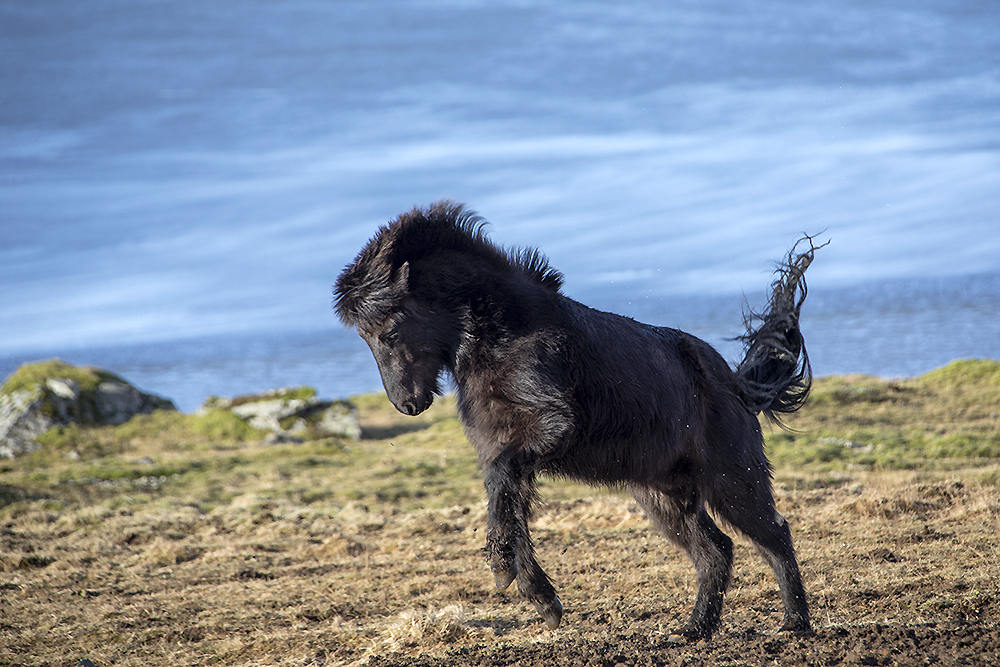
“No matter where they roam, Icelandic horses carry a piece of their homeland in every step.”
Environmental and Conservation Efforts
The Icelandic horse is more than a living legend — it is a steward of the land. Iceland’s approach to raising and preserving these horses reflects a deep commitment to sustainability, biodiversity, and cultural heritage.
Sustainable Grazing Practices
Icelandic horses often graze freely across open rangeland, managed with rotational practices that prevent overgrazing, soil degradation, and habitat loss. This practice also allows horses to develop their legendary strength and stamina in nature’s care.
- Rotational pastures: Protect native flora and allow recovery cycles
- Natural movement: Encourages robust health and mental well-being
Conservation of the Breed
Organizations like the Icelandic Horse Association of Iceland (LH) lead conservation efforts by preserving the horse’s unique genetics, encouraging ethical breeding, and safeguarding against disease.
- Genetic tracking: Maintains lineage and purity
- Global collaboration: International groups uphold Icelandic standards
Ecotourism and Responsible Travel
Horseback riding has become a cornerstone of ecotourism in Iceland, offering immersive, low-impact travel. Tour operators emphasize respectful practices — such as limited group sizes, clean trail policies, and education about the land and breed.
- Ethical experiences: Visitors learn to ride in harmony with nature
- Support for locals: Revenue from tours helps fund conservation efforts and rural livelihoods
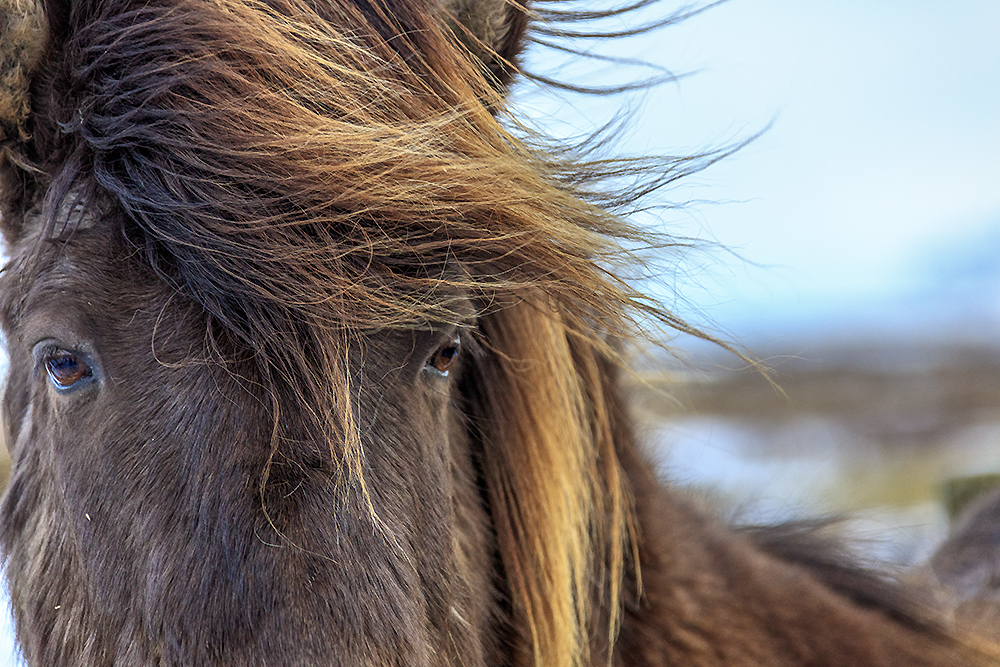
“To protect the Icelandic horse is to protect the poetry of a wild and ancient land.”
Conclusion: The Enduring Legacy of the Icelandic Horse
The Icelandic horse is more than a breed — it is a bridge between past and present, between nature and culture. It embodies Iceland’s endurance, spirit, and harmony with the land. For over 1,000 years, these remarkable horses have carried Viking settlers, shaped sagas, and formed deep bonds with generations of Icelanders.
Their unique gaits, pure bloodline, friendly nature, and unshakable resilience make them one of the world’s most treasured breeds. To ride beside one, or simply stand in their presence, is to feel something primal and poetic — as if the land itself had grown legs and come to greet you.
Whether you dream of riding across Iceland’s lava fields or simply admiring this breed from afar, the Icelandic horse offers something rare — a legacy that still breathes, runs, and welcomes you into the story.
“There is no more sagacious animal than the Icelandic horse… He never makes a false step, never shies. He is courageous, sober, and surefooted.”
— Jules Verne, Journey to the Center of the Earth
About the Author
Robbie George is a National Geographic photographer, regenerative farmer, and nature philosopher. He captures the harmonic intelligence of nature through fine art photography, quantum storytelling, and ecological insights.
Explore his signature series The Living Code, dive into Quantum Agriculture, or follow his journey on Instagram and LinkedIn.
Continue Your Journey Into the Wild
If you were inspired by the spirit and strength of the Icelandic horse, you’ll love exploring more of nature’s untamed wonders. Discover stories, species, and soul-stirring wildlife through Robbie’s full blog series and fine art print gallery.
FAQs: Icelandic Horse
1. What makes the Icelandic horse unique compared to other breeds?
Icelandic horses are known for their five natural gaits, especially the tölt and flying pace, their friendly temperament, and their pure bloodline maintained by Iceland’s strict import laws. Their strength, resilience, and unique movements make them stand apart from other horse breeds.
2. Can anyone ride an Icelandic horse?
Yes. Thanks to their gentle nature and smooth gait, Icelandic horses are excellent for beginners and children, yet still enjoyable for seasoned riders. Their tölt offers a low-impact, stable ride.
3. Why can’t Icelandic horses return once exported?
To prevent disease and preserve the purity of the breed, Iceland enforces strict laws that ban re-entry of exported horses. This policy ensures the Icelandic horse population remains genetically pure and disease-free.
4. What is the tölt gait?
The tölt is a four-beat lateral gait unique to Icelandic horses. It’s smooth and flowing, keeping at least one hoof on the ground at all times. Riders experience a near-glide with minimal bounce — perfect for covering rugged terrain comfortably.
5. How long do Icelandic horses live?
Icelandic horses are known for their longevity, often living into their 30s. Many remain active and rideable into their 20s, thanks to strong genetics and Iceland’s natural rearing conditions.