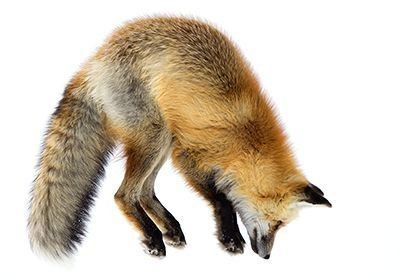

Ecopsychology: Defining Mental Well-being and Benefits
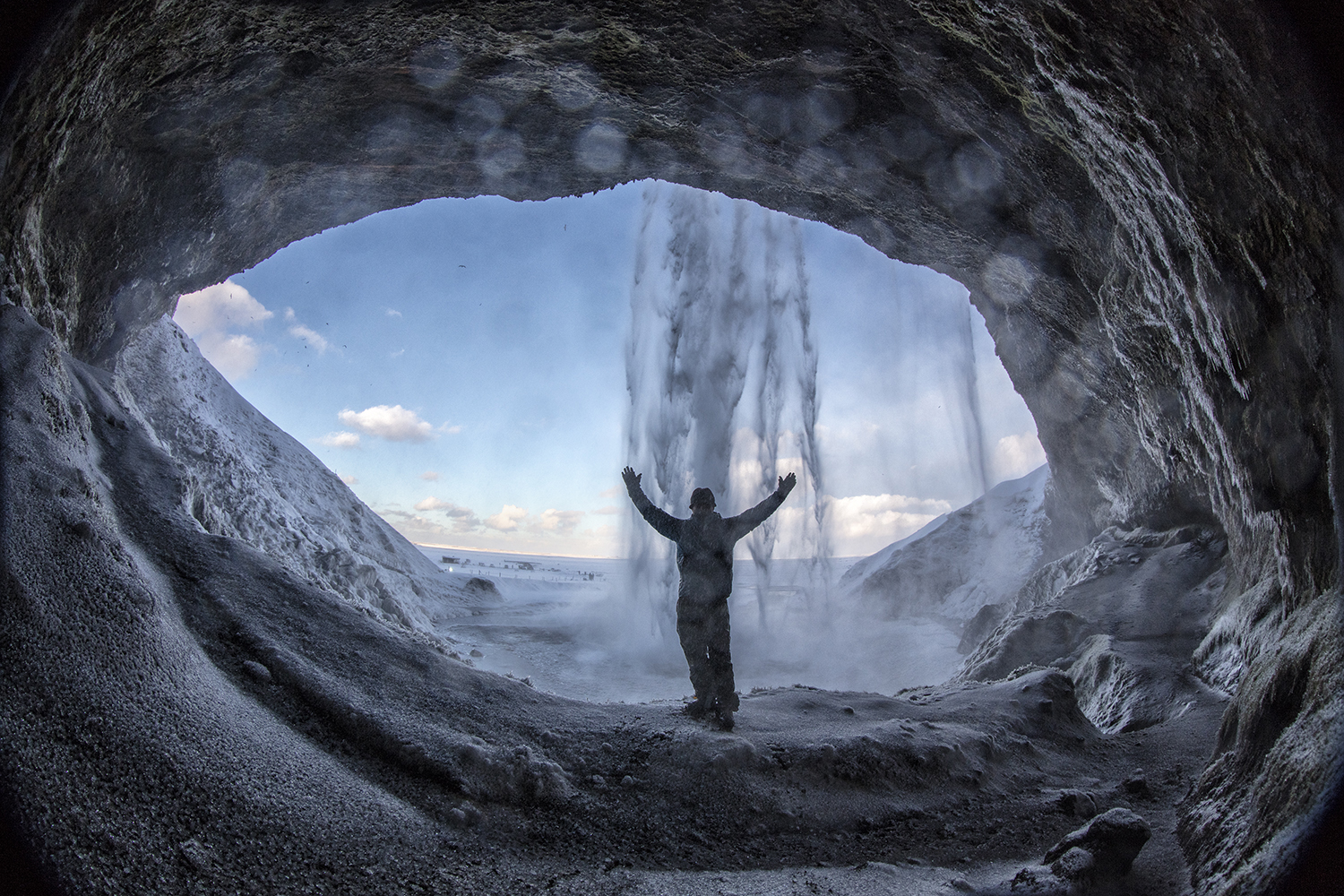
Ecopsychology — The Human–Nature System
Ecopsychology is not just a field of psychology—it’s a recognition that the human mind is part of a larger ecological system. Just as forests regulate climate, wetlands filter water, and pollinators sustain plant life, natural environments also regulate human physiology.
Your nervous system responds to landscape. Your attention responds to pattern. Your emotional state responds to light, sound, and biological rhythm. These are not preferences—they are evolutionary dependencies shaped over thousands of years in functioning ecosystems.
Within your broader system, this connects directly to your Naturepedia framework and ecosystem-level understanding—because human well-being cannot be separated from the health of forests, water systems, wildlife behavior, and seasonal cycles.
When those systems are intact:
→ stress regulates naturally
→ attention stabilizes
→ emotional resilience increases
When those systems fragment:
→ anxiety increases
→ attention fractures
→ disconnection becomes the baseline
Ecopsychology, at its core, is the study of that relationship: the human mind as a function of ecological stability.
Explore Ecopsychology — Human & Nature System
The Ecological Role of Nature in Human Well-Being
Over the years, I’ve watched something consistent happen when people step into intact landscapes. It doesn’t matter if it’s a mountain valley, a coastal shoreline, or a quiet wetland—something in the body shifts before the mind has time to explain it. Breathing slows. Attention stabilizes. The noise people carry in with them begins to fade.
What I’ve come to understand is that this isn’t just emotional—it’s ecological. The human nervous system wasn’t built in isolation. It developed inside functioning environments filled with pattern, rhythm, and relationship. Moving water, wind through trees, birds in motion, changing light across terrain—these are not just beautiful details. They are inputs the body recognizes.
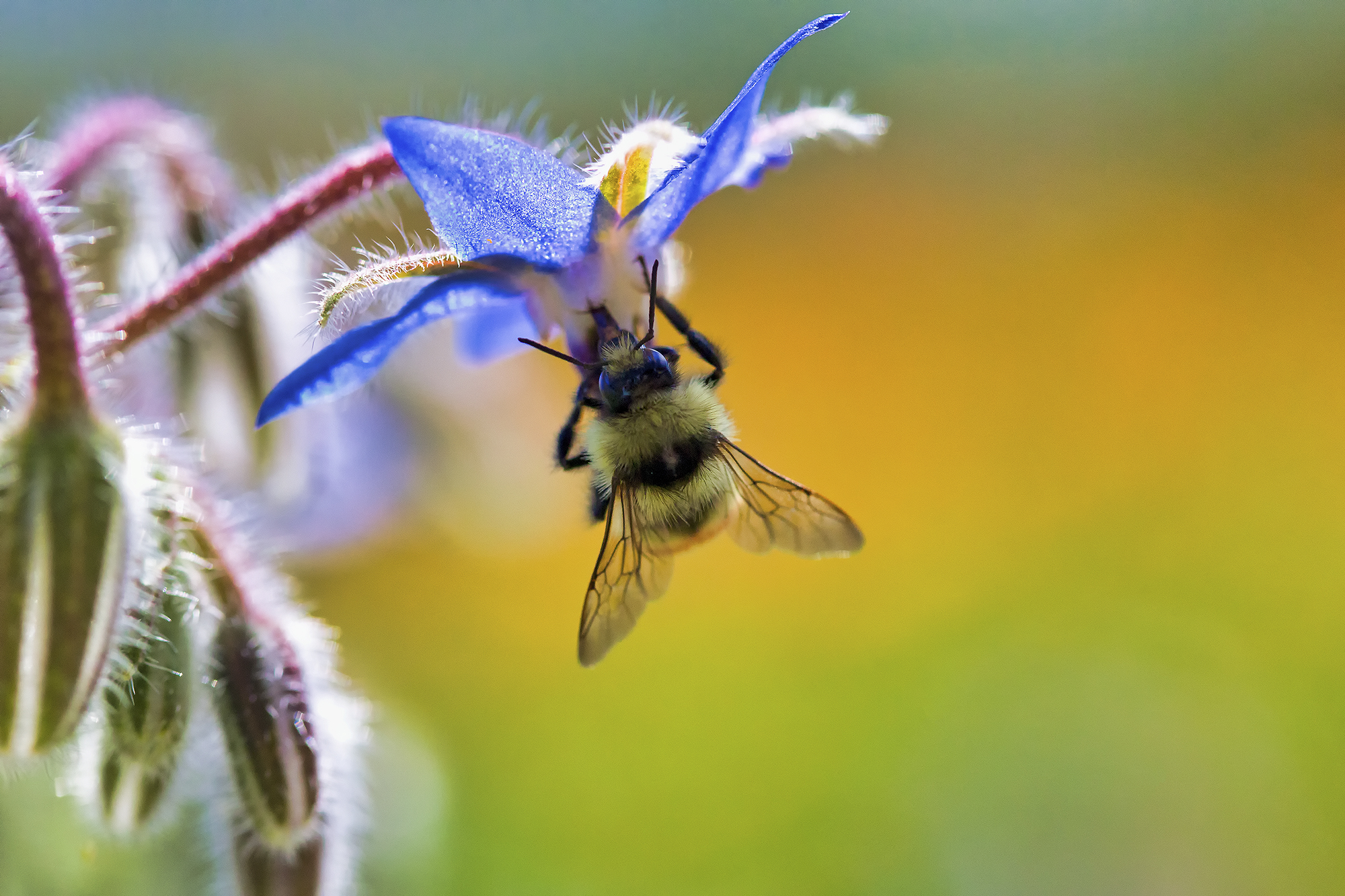
When I’m in the field, especially in places like intact ecosystems, I see how everything connects. The same system supporting a mountain bluebird finding a perch or a bee working a field of flowers is also shaping the conditions that allow people to settle, focus, and feel grounded again.
That’s why this connects directly into how I think about wildlife behavior and habitat conservation. These aren’t separate topics. When habitats are intact, everything stabilizes—movement patterns, food systems, migration timing, and even the sensory environment humans step into.
Ecopsychology, from my perspective, is simply putting language to something I see in the field again and again: we don’t just visit these systems—we depend on them.
When those systems are whole, people don’t just feel better—they become more coherent. And when they fragment, that coherence starts to break down.
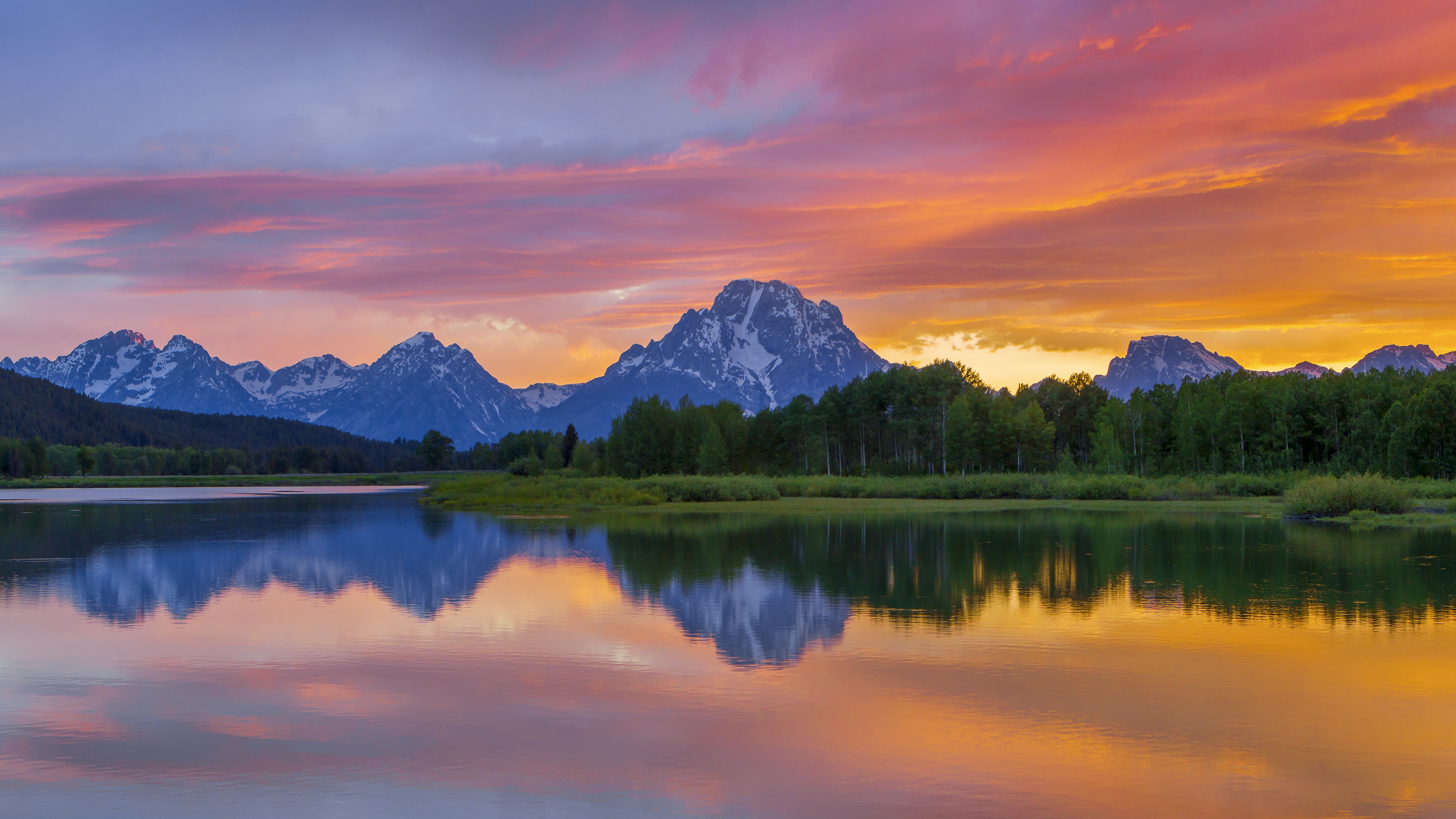
What Is Changing — Disconnection at the System Level
One of the biggest shifts I’ve seen over time isn’t just in wildlife—it’s in the environments people are spending their lives inside. The further those environments move away from natural systems, the more disconnected people become from the rhythms that once regulated them.
Urban expansion, constant digital input, artificial light cycles, and highly controlled indoor spaces have replaced the variability and pattern of real ecosystems. Instead of moving with daylight, weather, and season, most people now live inside static environments that don’t change—while their biology still expects them to.
At the same time, the natural systems themselves are changing. Habitat loss, fragmentation, and pressure on ecosystems are reducing the very environments that provide this stabilizing effect. I see it when I return to the same locations over years—less biodiversity, altered behavior patterns, and subtle shifts in how landscapes function.
This connects directly to what I explore in Wildlife Conservation & Habitat and Biodiversity & Ecosystem Balance. When ecosystems lose diversity, they lose resilience—and when that happens, the entire system becomes less stable, including the human experience inside it.
The result is what many people feel but don’t always recognize: constant stimulation paired with underlying instability. Attention becomes fragmented. Stress becomes chronic. And the sense of belonging—to place, to season, to something larger—starts to fade.
From an ecopsychology perspective, this isn’t just a mental health issue. It’s a systems issue: we’ve changed the environments that once regulated us—and we’re feeling the effects of that change.
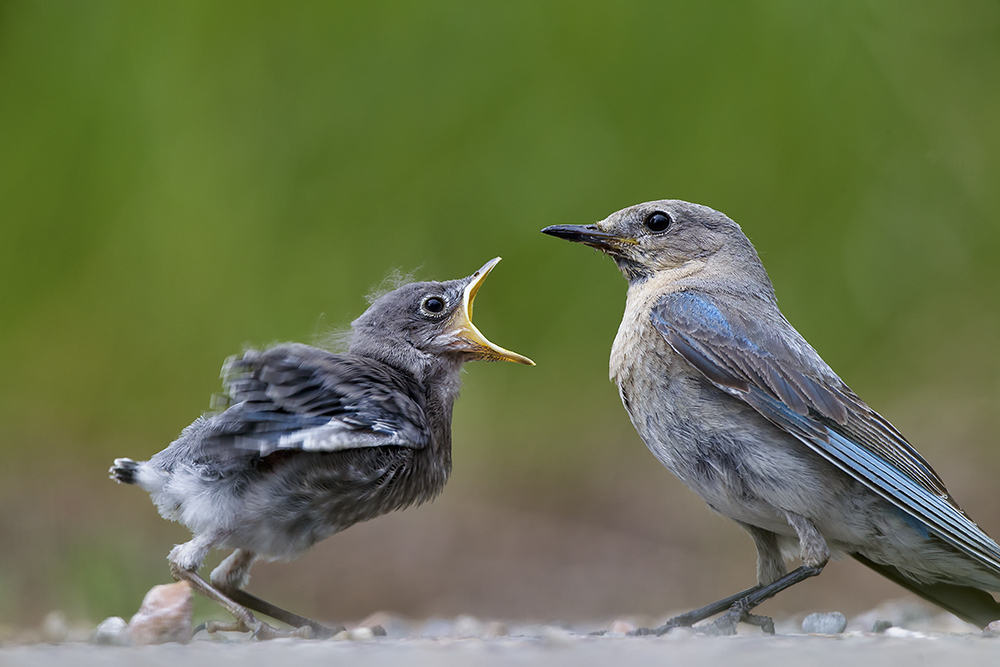
Human Impact — How Our Systems Shape the Environments We Depend On
When I’m out in the field, the impact of human systems isn’t abstract—it’s visible. It shows up in how animals move, where they avoid, how vegetation changes, and how entire landscapes function differently than they once did. The same forces shaping ecosystems are also shaping the environments people live inside every day.
Development is one of the most immediate pressures. Expanding roads, housing, and infrastructure fragment habitats that were once continuous. That affects species movement, feeding patterns, and breeding behavior—but it also reduces the complexity of the environments people interact with. Fewer intact spaces means fewer opportunities for real ecological immersion.
Agriculture plays a role as well, especially when it shifts toward monoculture systems. Landscapes that once supported a wide range of species become simplified. Pollinators decline, soil structure changes, and biodiversity drops. I’ve seen how this alters not just the land, but the feel of a place—the difference between a living system and a controlled one is something you can sense immediately.
Even recreation and tourism—things that bring people closer to nature—can create pressure when not managed carefully. Overuse of trails, disturbance of wildlife, and crowding of sensitive areas all influence behavior patterns. What people experience as access can quietly shift into disruption if the balance isn’t maintained.
This is why I consistently connect these observations back to pages like Wildlife Observation & Field Techniques and Keystone Species & Trophic Cascades. Every action—how we build, how we farm, how we move through landscapes—feeds back into the system.
From an ecopsychology perspective, the key realization is this: we don’t just impact nature—we shape the very environments that shape us.
When those environments become simplified, fragmented, or overstimulated, the effects don’t stop at the edge of a habitat. They extend into how people think, feel, and function within the world those systems create.
Conservation Response — Restoring the Systems That Restore Us
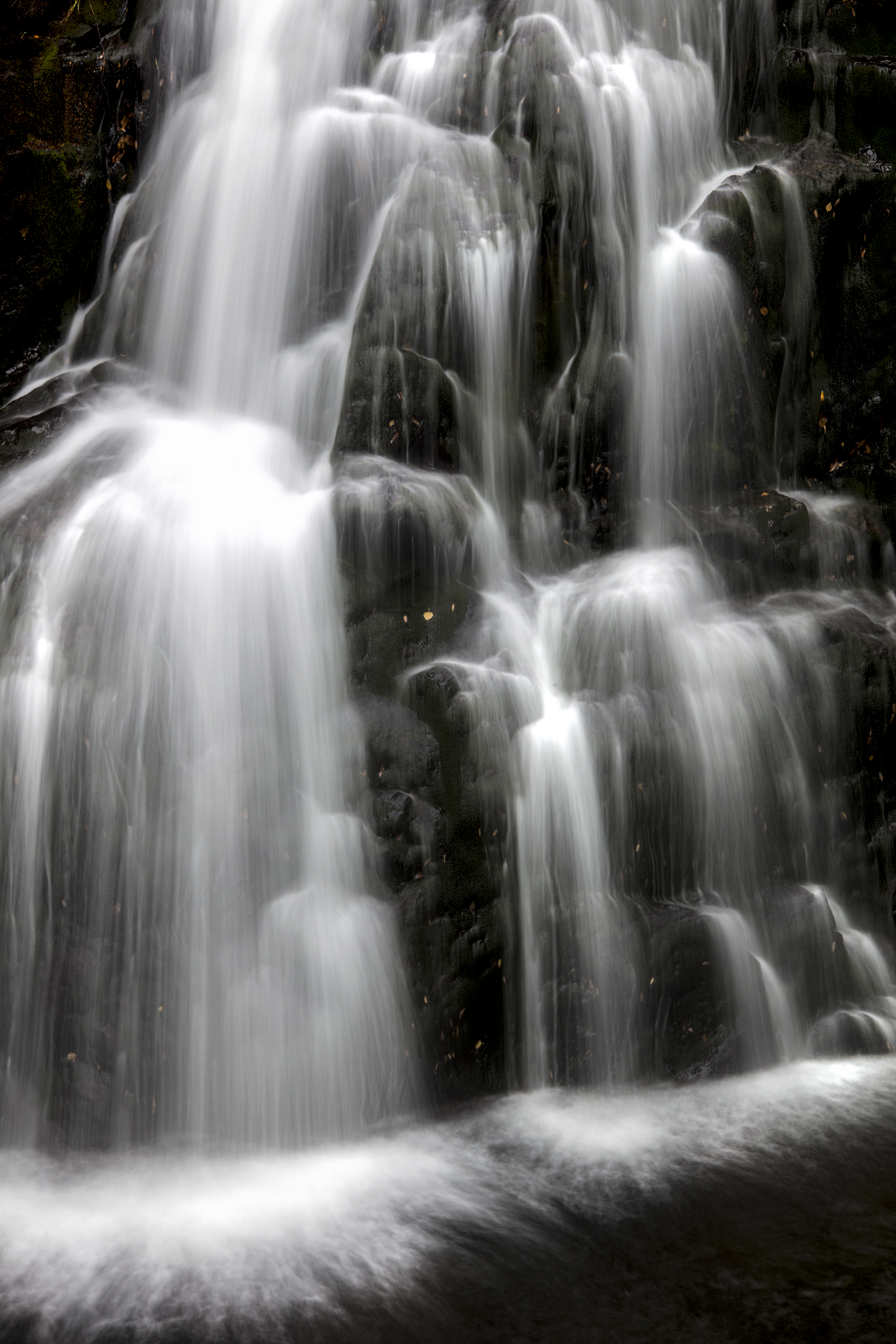
The encouraging part is that I’ve also seen the opposite effect—what happens when systems are protected, restored, or allowed to function the way they’re supposed to. In places where conservation is taken seriously, the difference is immediate. Wildlife behavior stabilizes. Landscapes regain structure. And the experience of being there changes just as quickly for people.
National parks, wildlife refuges, and protected lands play a major role in this. Areas like those I cover in my National Parks & Wildlife Refuges Guide are more than destinations—they are functioning systems where ecological relationships are still intact enough to support both wildlife and human reconnection.
Restoration efforts matter just as much. Whether it’s rebuilding wetlands, protecting migration corridors, or restoring native vegetation, these actions rebuild complexity in the system. And as that complexity returns, so does resilience—for species, for ecosystems, and for the human experience within them.
I’ve seen this clearly in places like Bosque del Apache and Blackwater National Wildlife Refuge, where conservation work directly shapes what you experience in the field—bird concentrations, migration timing, and the overall rhythm of the landscape.
On a smaller scale, how we move through these environments matters just as much. Field awareness—keeping distance, respecting habitat boundaries, minimizing disturbance—is part of conservation in real time. It’s something I emphasize in field techniques because it directly influences how systems behave under human presence.
From an ecopsychology perspective, conservation isn’t separate from human well-being. It’s the same system: when we protect and restore ecosystems, we’re also restoring the conditions that allow people to feel grounded, focused, and connected again.

Field Observation — What I See Over Time
When I return to the same places year after year, I’m not just looking for photographs—I’m watching for consistency. How animals move through the landscape. Where they pause. How light interacts with terrain at different times of year. These patterns tell you whether a system is functioning or starting to shift.
In intact environments, everything feels connected. Birds aren’t scattered—they’re positioned. Movement isn’t random—it’s patterned. You can feel the difference in how the landscape holds together. Even people respond to it without realizing it. They slow down. They pay attention longer. They stay present.
In more pressured environments, the signals change. Wildlife becomes more cautious or disappears entirely from certain areas. Movement patterns shift. Sound changes. And the overall feel of the place becomes less stable. It’s subtle, but once you’ve spent enough time in the field, it becomes obvious.
I’ve experienced this across very different locations—from the structured calm of Grand Teton to the dense seasonal energy of Bosque del Apache. When the system is working, you don’t have to force anything. You position yourself, observe, and the behavior unfolds naturally.
That’s where ecopsychology becomes real for me—not as a concept, but as something you can witness. The same conditions that allow wildlife to behave naturally also create the conditions where people settle into awareness instead of distraction.
Over time, I’ve come to trust that feeling. When a place holds together, everything inside it does too—animals, patterns, and even the way people experience it.
Naturepedia Connection — Where Humans Fit in the System
What ecopsychology ultimately reveals is something I see across every part of my work: nothing exists in isolation. The same systems that shape wildlife behavior, migration patterns, and ecosystem balance are the systems shaping human perception, attention, and emotional stability.
When you follow the structure of Naturepedia, the connection becomes clear:
Species → Behavior → Habitat → Ecosystem → Geography → Time → Conservation
A species like a gray wolf influences prey movement. That movement shapes vegetation. Vegetation affects soil and water systems. Those systems define entire ecosystems, which vary by geography and change through seasonal timing. When any part of that chain breaks, the effects cascade outward.
Humans are not outside that chain—we’re inside it. Our experience of calm, focus, and connection is tied to whether those systems are intact or fragmented. That’s why pages like Food Webs & Ecological Relationships, Wildlife Migration & Seasonal Patterns, and Biodiversity & Ecosystem Balance are not just about wildlife—they describe the structure of the environment we depend on.
Geography anchors that system in reality. Places like Yellowstone, Grand Teton, and Chincoteague are not interchangeable—they each express different versions of that system based on habitat, elevation, water, and seasonal dynamics.
Time completes it. Seasonal change—covered in your Nature’s Seasons and Seasonal Wildlife Calendar—drives behavior, movement, light, and energy across the entire system.
Ecopsychology fits directly into this structure: it explains what happens to humans inside that system.
When the system is intact, everything aligns—species, behavior, landscape, and human experience. When it fragments, that alignment breaks. Understanding that connection is what turns observation into awareness—and awareness into stewardship.

Ecopsychology — Frequently Asked Questions
What is ecopsychology in simple terms?
From what I’ve seen in the field, ecopsychology is simply the recognition that human well-being is tied to the health of the environments we live in. It’s not separate from ecology—it’s part of it.
Why does nature affect mental health?
Natural environments provide the patterns, variability, and sensory inputs the human nervous system evolved within. When those inputs are present, stress regulates more easily. When they’re missing, instability increases.
What is nature deficit disorder?
It’s a way of describing what happens when people lose regular contact with natural systems. From my perspective, it’s less about a diagnosis and more about a systems imbalance—removing the environments that help regulate attention, mood, and awareness.
How does habitat loss affect people?
Habitat loss reduces biodiversity and simplifies environments. That doesn’t just affect wildlife—it also removes the complexity and structure that help humans feel grounded, focused, and connected.
Can spending time in nature improve focus and stress?
Yes—and I see it constantly. In intact environments, people naturally slow down, pay attention longer, and settle into the moment without effort. It’s not something you force—it’s something the environment supports.
What’s the connection between conservation and human well-being?
They’re the same system. When ecosystems are protected and functioning, they support wildlife, landscape stability, and the human experience within them. When they break down, all of those layers are affected.
About Robbie George
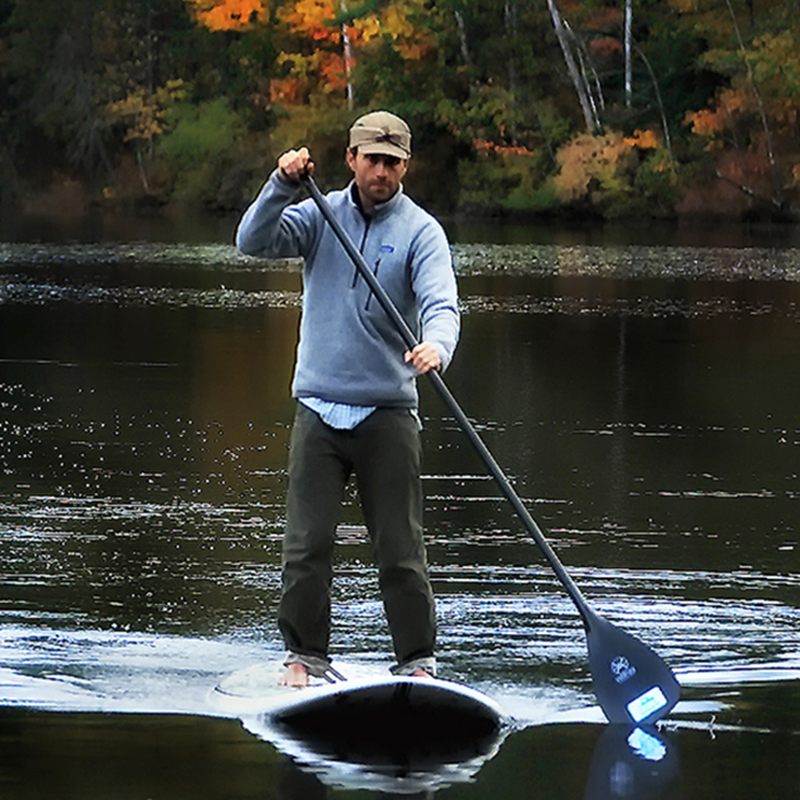
I’m Robbie George, a National Geographic–published photographer whose understanding of nature has been shaped by years in the field—returning to the same places, watching how light, weather, wildlife, and season change the behavior of a landscape over time.
My work is grounded in observation first. Through Naturepedia, I’m building a system that connects species, ecosystems, geography, seasonal timing, and conservation into a clearer understanding of how the natural world functions—and where humans fit inside it.
Pages like this one grow out of that same field perspective. I’m interested not just in what nature looks like, but in what it does—how intact landscapes shape behavior, regulate attention, restore awareness, and remind us that human well-being is inseparable from ecological health.
Explore more through Wildlife Photography, Ecosystems of North America, Wildlife Conservation & Habitat, and Seasonal Wildlife Calendar.
“The more time I spend in the field, the more clearly I see that healing, attention, and belonging are ecological experiences first.”