

Apple iPad Mini with Retina Display: Showcasing My Photography with Apple's Latest Technology
A Moment of Stillness, Carried by Light
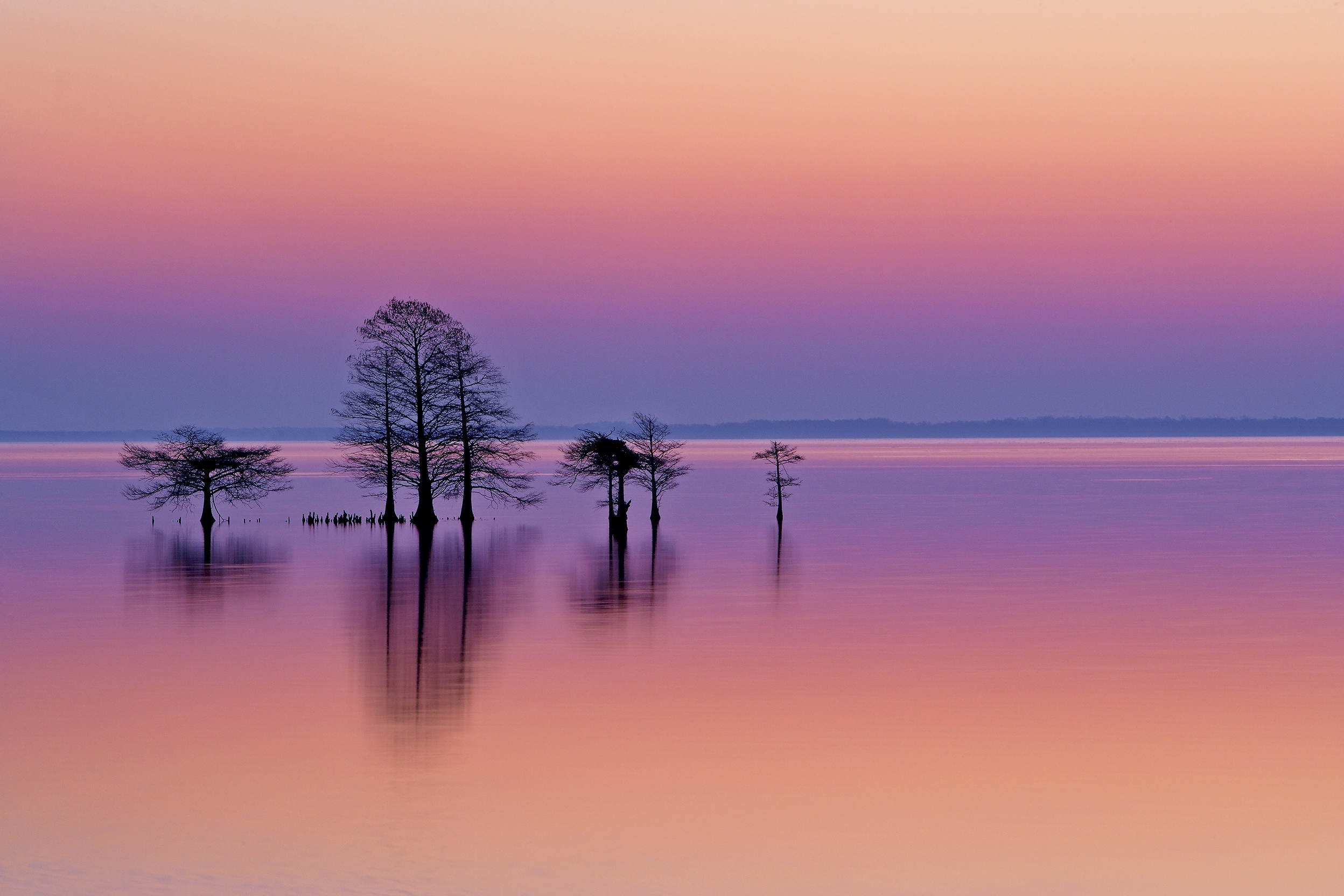
I remember standing alone at Lake Mattamuskeet, the sun just below the horizon, when the fog lifted and the cypress trees began to glow. The water held their reflections like memory, and the silence felt like ceremony. I pressed the shutter once. That single image would later speak to the world in unexpected ways.
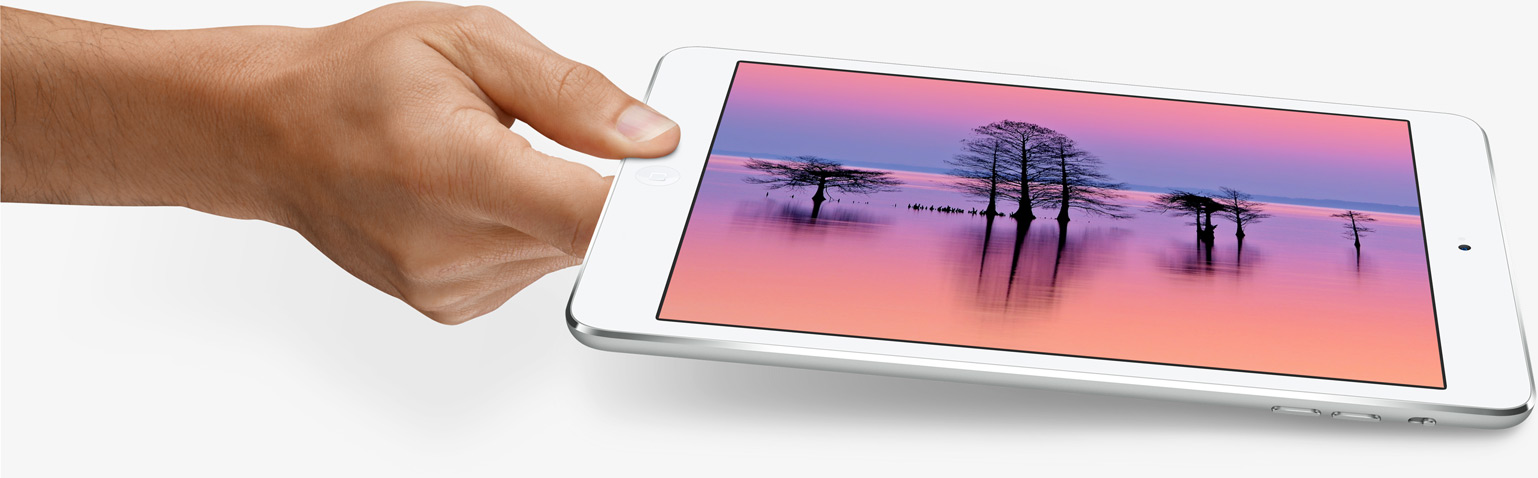
That photograph—cypress trees rising from the water at sunrise—was chosen by Apple to demonstrate the incredible visual fidelity of their iPad Mini with Retina Display. It became part of their official keynote, presented by Phil Schiller, and was featured on the storefront and in promotional displays across the country.
But what moved me most was not the reach, but the recognition. That same image was later exhibited by the Smithsonian—two very different platforms united by reverence for light and clarity. In both cases, nature was the teacher. The stillness of that morning now lives on in pixels and prints, traveling further than I ever could on foot.
“Light remembers what the heart reveres.” — Robbie George
Retina Display Unveiled: Cypress Reflections in Every Pixel
The Apple keynote didn’t just introduce a screen. It introduced a new way to see—one where over 3.1 million pixels rendered moments with such clarity that nature’s stillness could be felt as much as seen. My photograph of cypress trees rising from the golden waters of Lake Mattamuskeet became the voice for that clarity.
The iPad Mini with Retina Display showcased how subtle tones—mist, bark, water, sky—could be preserved with almost sacred accuracy. And in that moment, I realized: this wasn’t about technology keeping up with nature—it was about technology slowing down enough to listen. The screen became a window, and through it, a dawn-lit wetland whispered.
Whether held in the palm of a hand or displayed in the grand halls of the Smithsonian Museum of Natural History, the resonance remained. The quiet of that sunrise—the way the cypress trees mirrored their own stillness—transmitted something timeless. Light, framed correctly, becomes memory.
“Nature doesn’t need enhancement—just the right vessel to be remembered.” — Robbie George
Why the iPad Mini Elevates Nature Portfolios
When I first photographed the cypress trees at sunrise on Lake Mattamuskeet, I didn’t imagine the image would one day be printed large in the Smithsonian and viewed on Retina screens across the world. But the iPad Mini changed how we carry beauty. It made the sacred portable.
What Makes This Device a Sacred Tool for the Field
- Portability: It fits in a backpack or camera bag—ready to share immersive visuals at a moment’s notice.
- Display Integrity: The Retina screen honors subtle transitions of light—like mist rising through branches and water turned gold by dawn.
- Emotional Precision: It allows curators, clients, and collectors to *feel* the image before they even speak.
What began as a personal morning with the wetlands has since traveled through institutions and innovation. And I believe that’s what we’re here to do: carry light. This image—born from breath, stillness, and wild reflection—lives now in both the Smithsonian and the spiraling tech of our hands. In both places, it transmits the same message.
“If the image is honest, it will always find the eyes it was meant to meet.” — Robbie George
From Retina to Resonance: When Cypress Speaks Through Light
When Apple’s Retina display launched, I saw a quiet photograph—taken during a solo morning at Lake Mattamuskeet—illuminated on screens across the world. That image, showing cypress trees reaching into skylit water, was never meant to be promotional. It was a prayer. A stillness. A soul note.
The fact that it also appeared at the Smithsonian Museum of Natural History affirmed what I’ve long believed: when light is treated as a sacred carrier, it doesn’t matter if it’s presented on marble walls or Retina screens. The field speaks either way.
This convergence—between wild wetland and wireless screen—is what I explore across the spiral teachings of the Nature Code. Light becomes a bridge. Reflection becomes transmission. A dawn in North Carolina becomes a global imprint. And somehow, the cypress still stand there, reflected in all of us.
“Stillness is the original signal. All true transmission begins there.” — Robbie George
About the Author
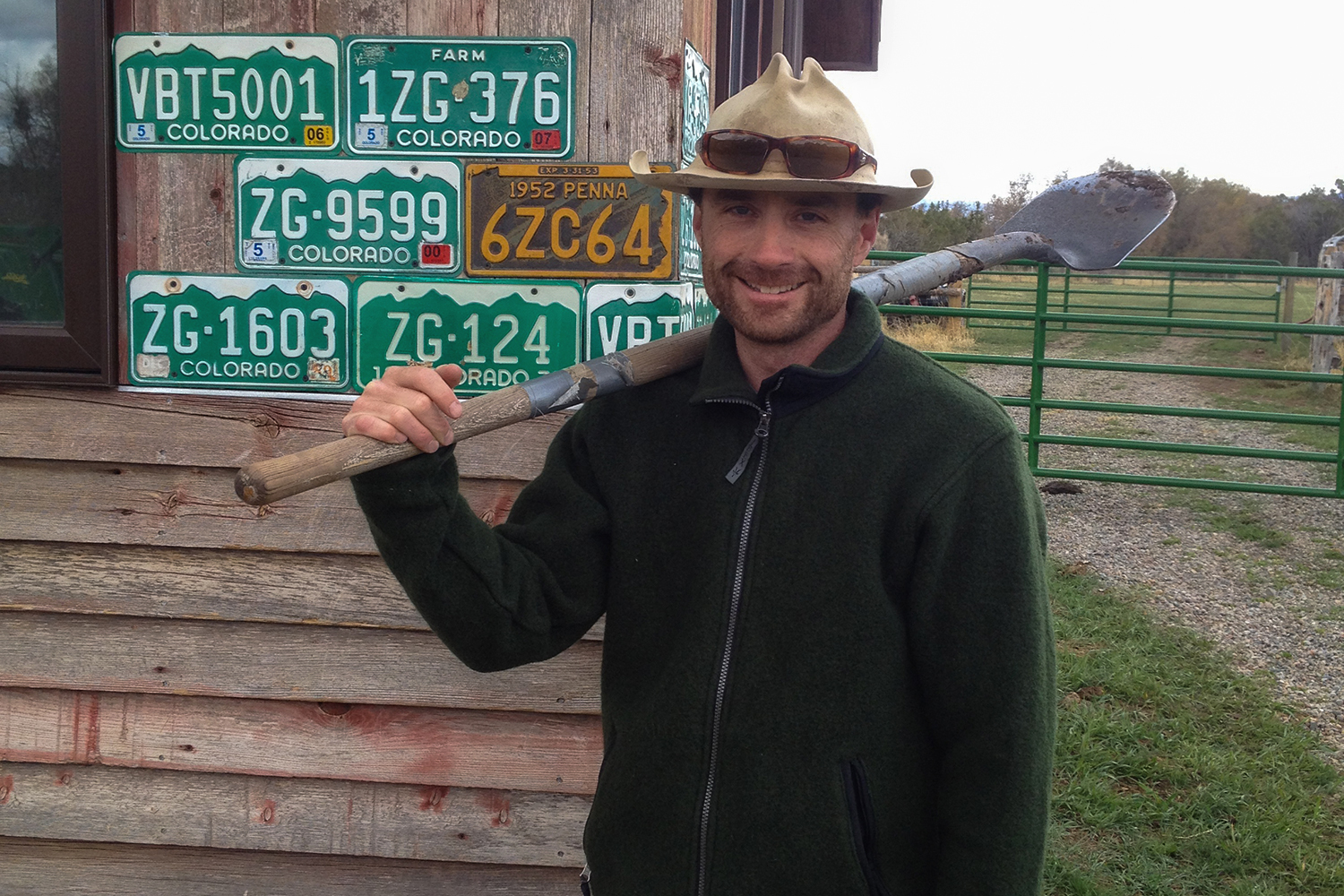
Robbie George is a National Geographic photographer, regenerative farmer, and nature philosopher. His work bridges the poetic and the scientific — illuminating nature’s vibrational intelligence through fine art photography and resonant storytelling.
The Original Ute City Spiral Camera — A Glyph of Remembrance
About the Author
Robbie George is a National Geographic photographer, regenerative farmer, and nature philosopher. He captures the harmonic intelligence of nature through fine art photography, quantum storytelling, and ecological insight.
Explore his signature series The Living Code, dive into Quantum Agriculture, or follow his journey on Instagram and LinkedIn.
Explore the Light Further
If this story stirred something in you, you’re already walking the spiral. Follow it deeper, where photography, field resonance, and light memory converge.
🌅 View the fine art photograph displayed by Apple and the Smithsonian:
“Lake Mattamuskeet – Cypress at Sunrise”
🔬 Read how resonance and light communicate in:
“Light is the First Language”
🌿 Dive deeper into field coherence through:
Quantum Vitality | The Living Code
🐾 Explore more field-born images in:
Wild Eyes in the Wilderness