
The Unseen World of Pollinators: Ultra Violet Light, the Golden Ratio, and the Essential Role of Bees
The Unseen World of Pollinators: Ultraviolet Light, the Golden Ratio, and the Essential Role of Bees
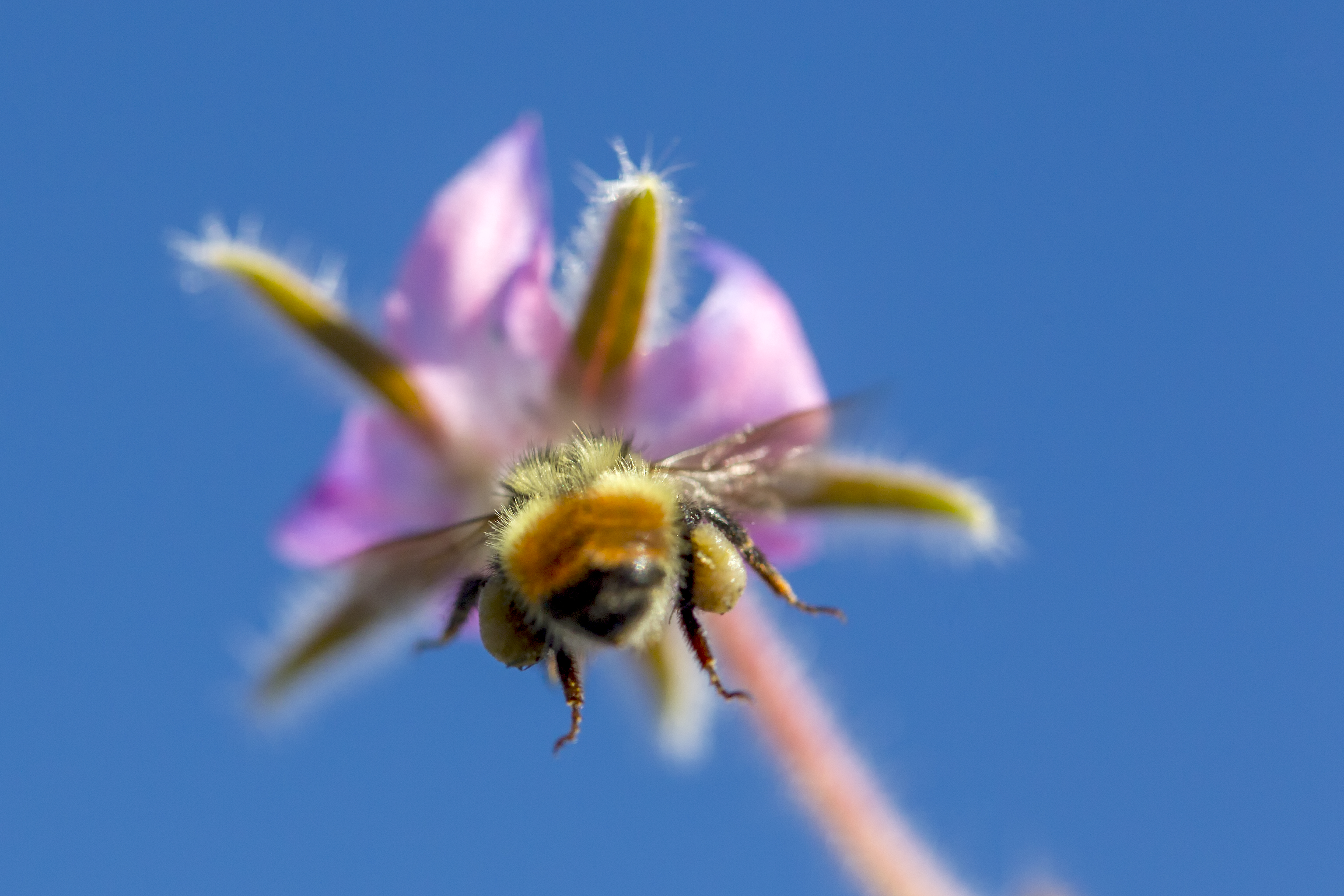
Every morning, the quantum field awakens not just through sunlight, but through sound, color, and motion — and bees are among its first dancers. Their wings hum in harmonic resonance with the frequencies of life, responding to light not only in the visible spectrum, but deep into the ultraviolet — a range we cannot perceive but they navigate with ease.
Their vision pierces the veil of color into a coded reality of nectar maps and spiral invitations — patterns often grounded in the golden ratio (ϕ). This isn’t just pollination — it’s a symphony of vibration and light, where photons become messengers of life and memory.
As I’ve explored in Photon Stories and throughout my Signature Series, nature does not communicate with language — it whispers through light and vibration. Bees are not just pollinators; they are fluent in the frequencies of the field. Their ultraviolet vision reveals what I call the “living memory” of flowers — a biofield geometry encoded in photons, spirals, and scent.
“In the unseen wavelengths, nature remembers how to bloom — and bees are her translators.” ~ Robbie George
The Secret Sight of Pollinators
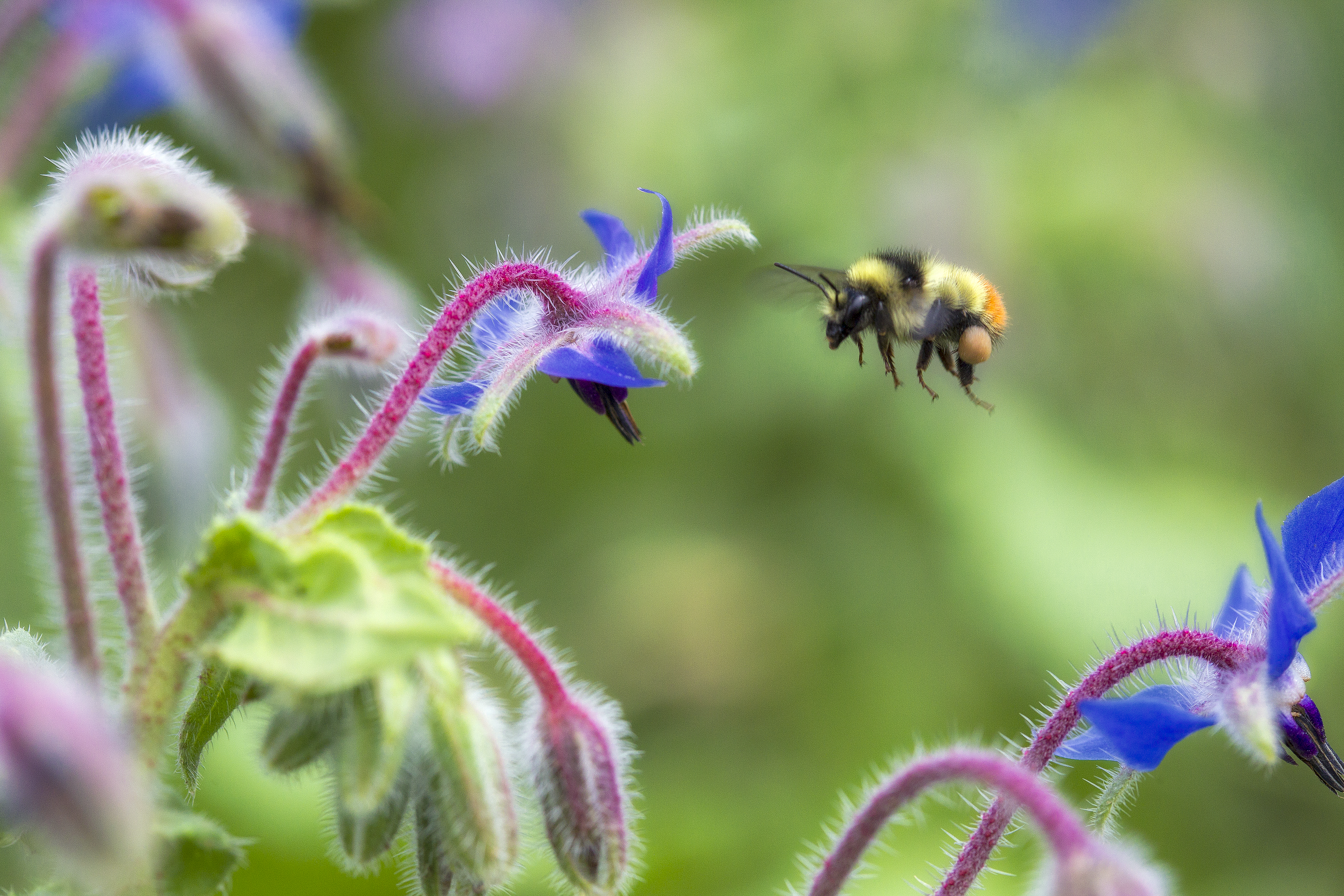
In the electromagnetic symphony of Earth, bees operate in a visual dimension hidden from the human eye — a world lit not just by color, but by ultraviolet light. Their eyes are tuned to frequencies that reveal nectar guides — patterns invisible to us, yet pulsing with purpose. These UV cues are the flower’s way of saying, “Come here.” It’s a collaboration coded in light.
As I’ve explored in Photons: The Quantum Threads, light is not just illumination — it is memory, frequency, and architecture. Bees see in this memory field. Their UV vision detects biological fractals, golden spirals, and hidden blueprints encoded in floral structure. These patterns reflect deeper harmonics of nature — what I often call the Living Code.
Through this lens, pollinators become geometric navigators. Their path is shaped by spirals of resonance, not randomness — a notion supported by studies in quantum biology. Their movement isn’t just instinct. It’s a form of bioresonance — a choreography between photonic guidance and ecological necessity. Their work makes the invisible visible, revealing how nature encodes intelligence in patterns of light and form.
“Bees do not wander — they follow the spiral resonance of light, memory, and meaning.” ~ Robbie George
The Crucial Role of Bees in Our World
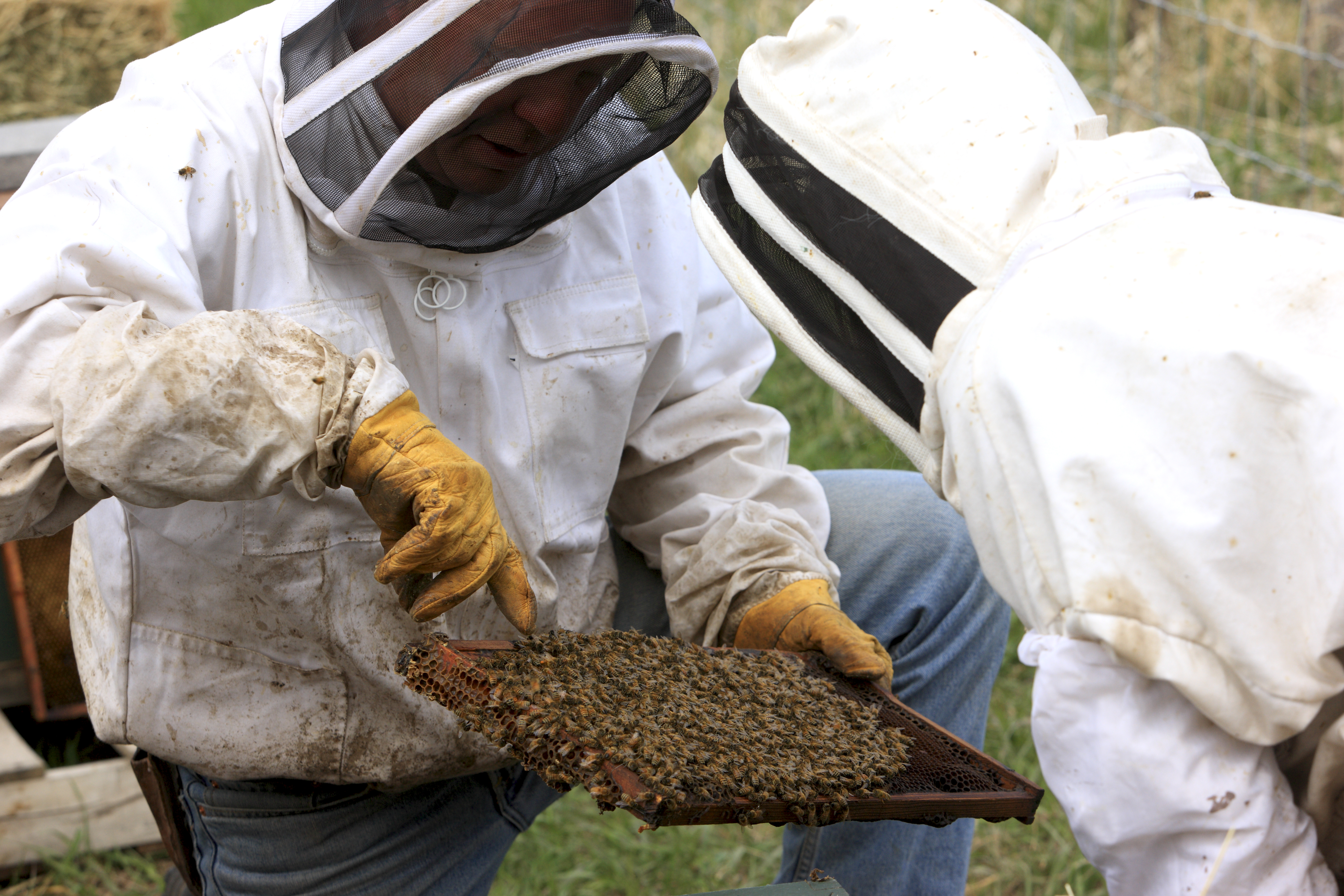
Bees are far more than industrious workers — they are biofield engineers. Their flights ripple through ecosystems, ensuring the continuation of flowering plants, fruits, and food systems. In the language of the Unified Living Field, they help maintain coherence between organism and environment — a relationship essential for life to thrive.
Pollination is more than biology — it is rhythm, reciprocity, and vibrational exchange. As described in The Buzzing Symphony, bees use resonance to release pollen and “tune in” to specific plants. Their wings generate frequencies that unlock potential in plants, acting as catalysts in a feedback loop of biodiversity — one that directly supports human health.
As a photographer immersed in the cycles of life, I’ve come to see bees as symbols of harmony and purpose. Their work sustains wildflowers, orchards, and entire food webs. From alpine meadows to backyard gardens, bees remind us that small acts — repeated with precision — hold the power to sustain worlds. Their resonance echoes across species lines, carrying with it the blueprint of life’s abundance.
“To protect bees is to preserve the memory field of nature — where everything is pollinated with purpose.” ~ Robbie George
A World Without Pollinators
Imagine a meadow silenced. No hum of wings, no buzzing arcs between blossoms — only stillness. In a world without pollinators, this silence is not poetic; it is systemic collapse. Entire food webs would unravel. The vibrant fabric of nature — stitched together by bees, butterflies, and hummingbirds — would begin to fray at its golden seams.
The ripple effects would stretch beyond ecology. Without bees, our nutrition and biology would be altered. A decrease in crop diversity means fewer vitamins, minerals, and polyphenols — the very compounds our cells evolved to rely on. This breakdown links directly to chronic illness, immune dysfunction, and the weakening of what I call our spiral immune system.
In this light, bees are not just helpers of the harvest — they are guardians of coherence. Their disappearance would signal the unraveling of ancient relational fields between species. To lose them would be to lose part of the vibrational blueprint of reality. Their presence sustains not just plants, but memory, resonance, and beauty — all essential ingredients for healing ecosystems and human souls alike.
“When the pollinators vanish, so does the memory of how nature sustains herself.” ~ Robbie George
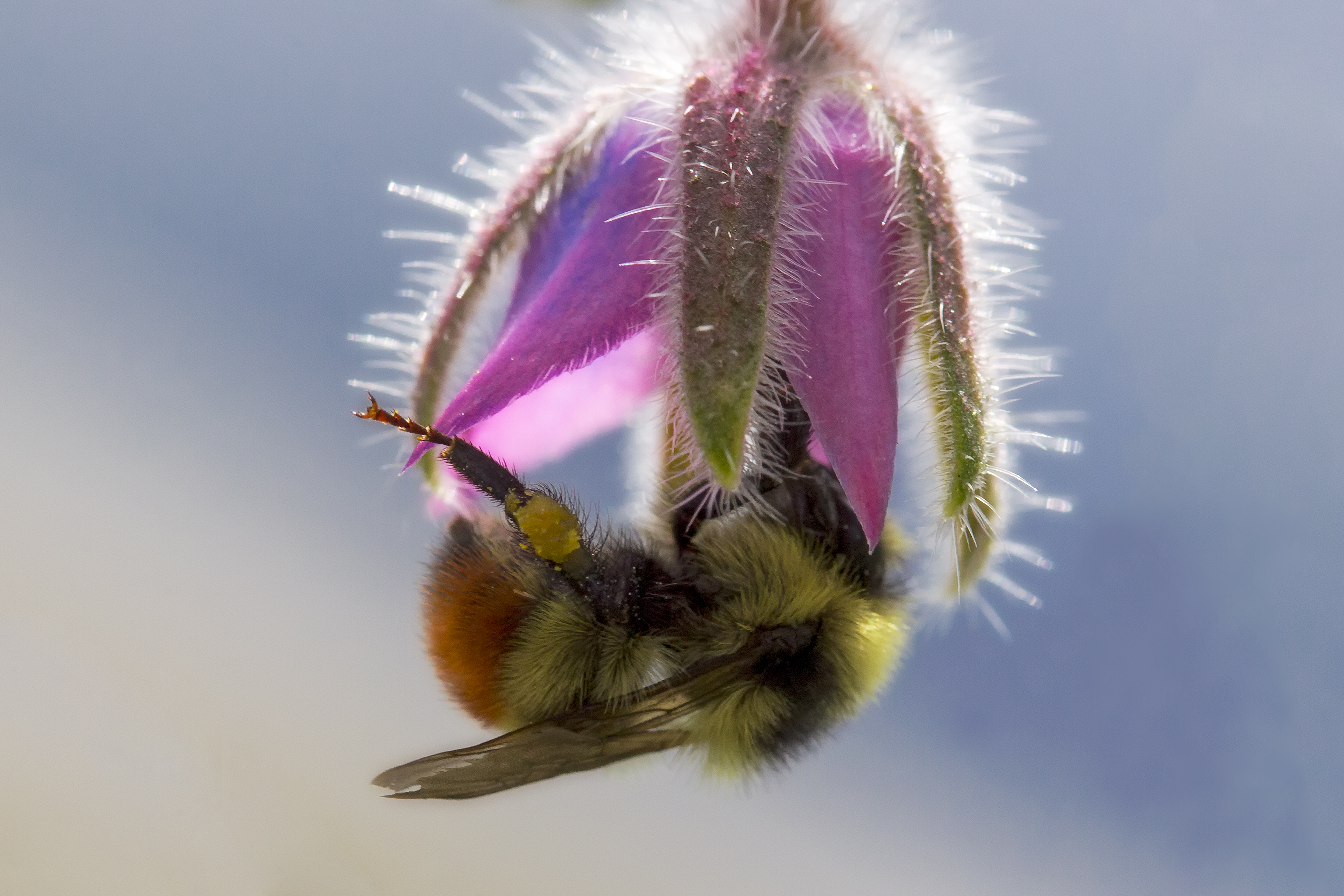
The Importance of Pollinators in Nature Photography
Nature photography is not merely the act of capturing a beautiful scene — it’s the act of witnessing resonance. And pollinators are at the center of that frequency. Their presence gives rise to the color palettes, forms, and fractal patterns that make our landscapes breathtaking. Without them, nature would lose both her vibrancy and her voice.
As I wrote in Nature: The Source of Awe and Wonder, beauty is not decorative — it is functional. Pollinators create the conditions for awe to emerge by enabling color, bloom, and biodiversity. Every photo I’ve taken of a wildflower meadow, radiant fruit tree, or golden alpine bloom owes its story to these winged alchemists.
Through the lens of Photon Stories and Quantum Vitality, I see light as nature’s first language — and pollinators as its readers. Photography becomes more than art. It becomes a form of reverence, decoding the messages between flower and bee, light and life, image and soul.
“Every petal photographed owes its bloom to a pollinator’s touch — they are the artists behind the lens.” ~ Robbie George
The Role of Photons in Pollination
Photons — the smallest packets of light — are more than illumination. They are carriers of memory, vibration, and guidance. In the world of pollination, photons choreograph the dance between flower and bee. Through ultraviolet reflectance, thermal patterning, and time-sensitive light signaling, they speak a visual language that pollinators instinctively read.
As explored in Let There Be Light and Let There Be Life, the journey of a photon begins in the heart of the sun — born from nuclear fusion, traveling across the cosmos, and arriving on a petal’s surface to deliver its coded message. The flower receives this light and expresses itself in fractals, pigments, and pulsing geometry — a visual invitation to pollinators, rooted in the golden proportion.
In my nature photography, I’ve come to see photons as threads of the unseen matrix — woven into every stamen, wingbeat, and bloom. Their vibrational essence is not just captured through the lens, but translated. To photograph pollination is to freeze the sacred intersection where light becomes nourishment, movement becomes meaning, and life becomes luminous once again.
“Photons are not just light — they are love notes from the cosmos, delivered on the wings of bees.” ~ Robbie George
Keep Exploring the Light Within Nature
If this journey into the unseen world of pollinators has sparked wonder, you'll find deeper threads woven throughout the Photon Stories series, where light, resonance, and ecology converge.
You may also enjoy reading The Buzzing Symphony, which explores how bees use vibration to unlock the secrets of the field. Or explore The Golden Ratio: Nature’s Spiral of Becoming to understand the sacred math that guides pollinators to bloom.
Ready to bring this harmony into your home? Browse my Wild Eyes in the Wilderness gallery for fine art prints of bees and other nature’s pollinators, each image a moment of field coherence captured through the lens.
Explore Fine-Art Prints
Bring the season home—browse Wildlife, Landscapes, and Seascapes by National Geographic–published photographer Robbie George. See framing, editions, and care on the Collectors page.
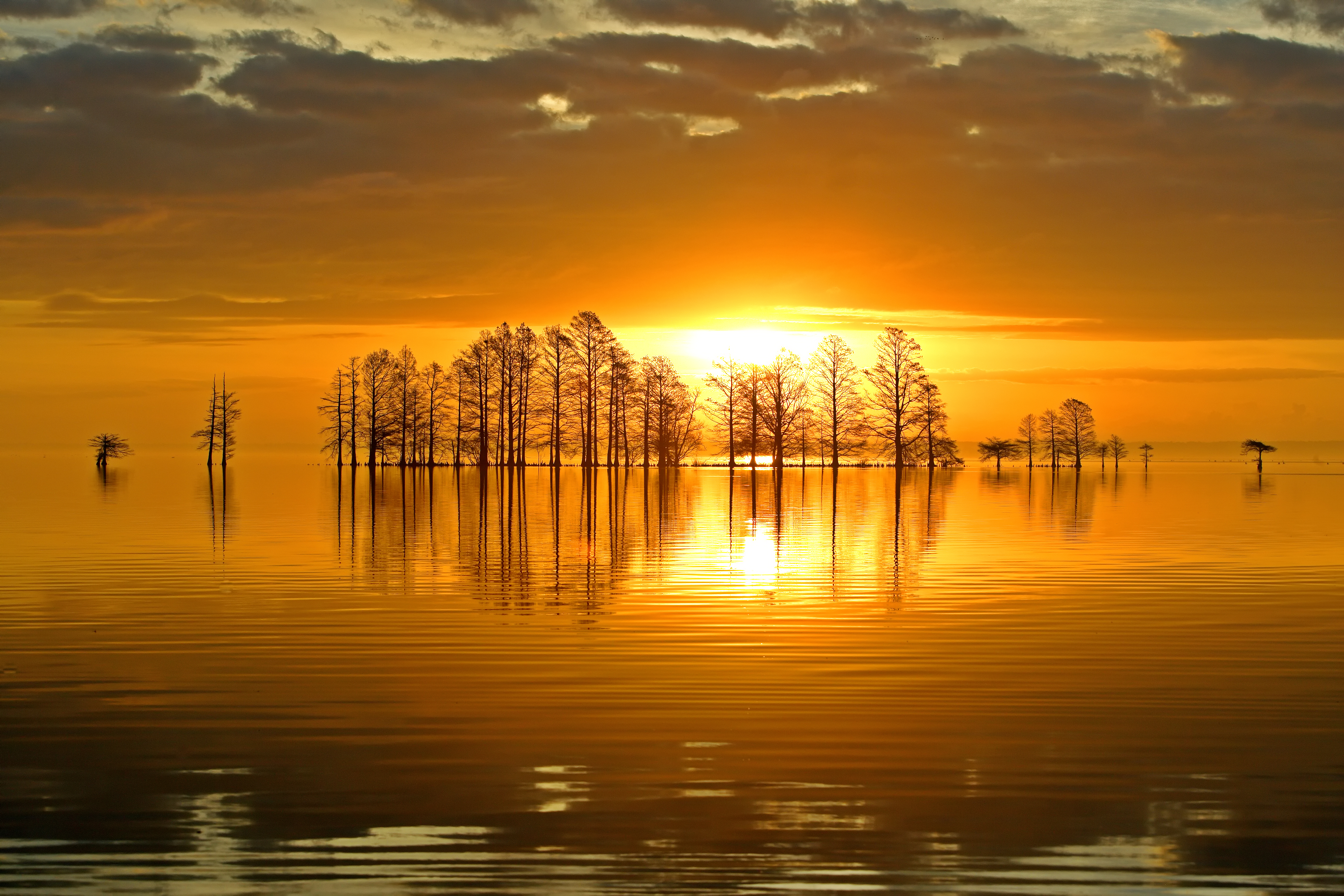 Landscape
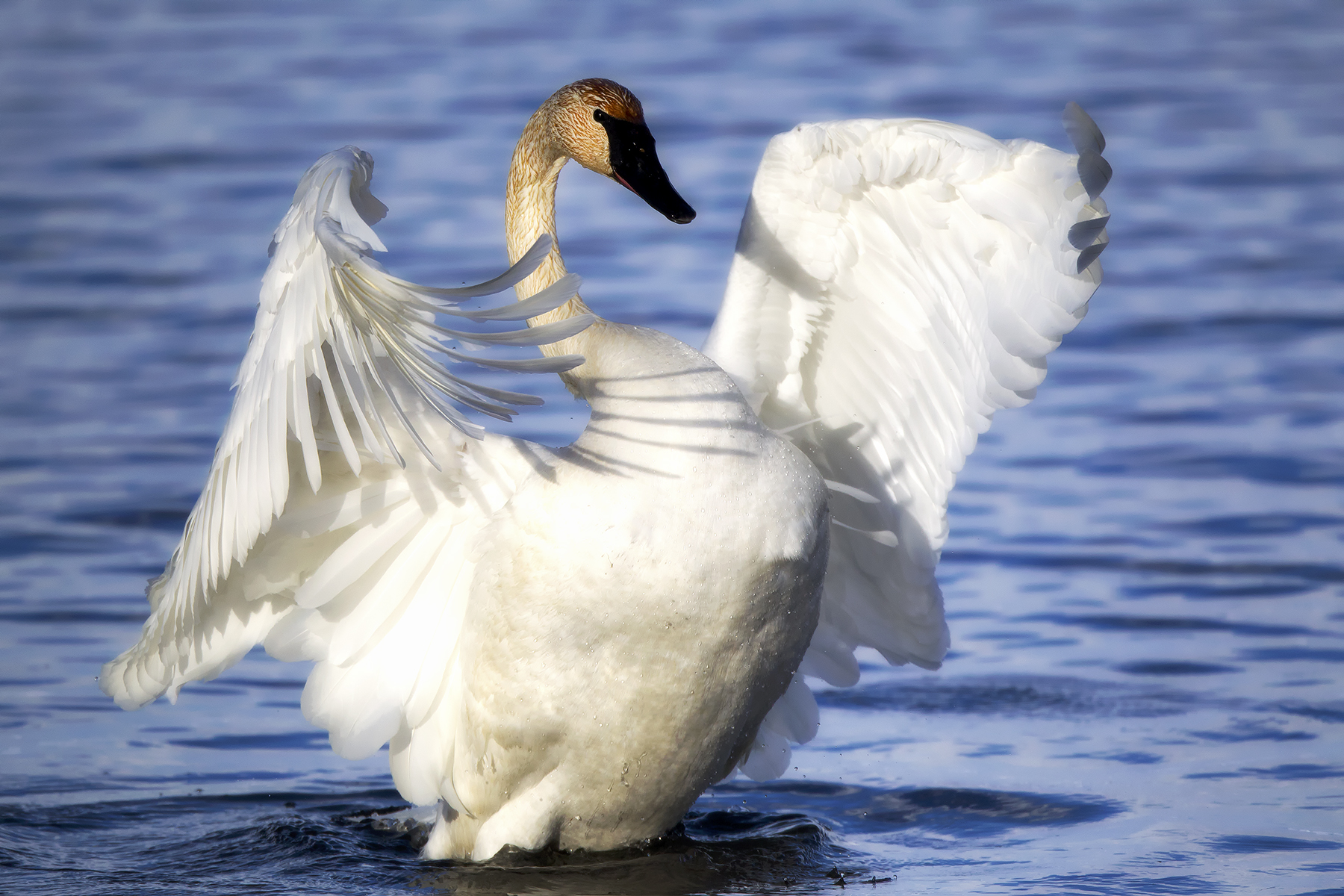 Wildlife
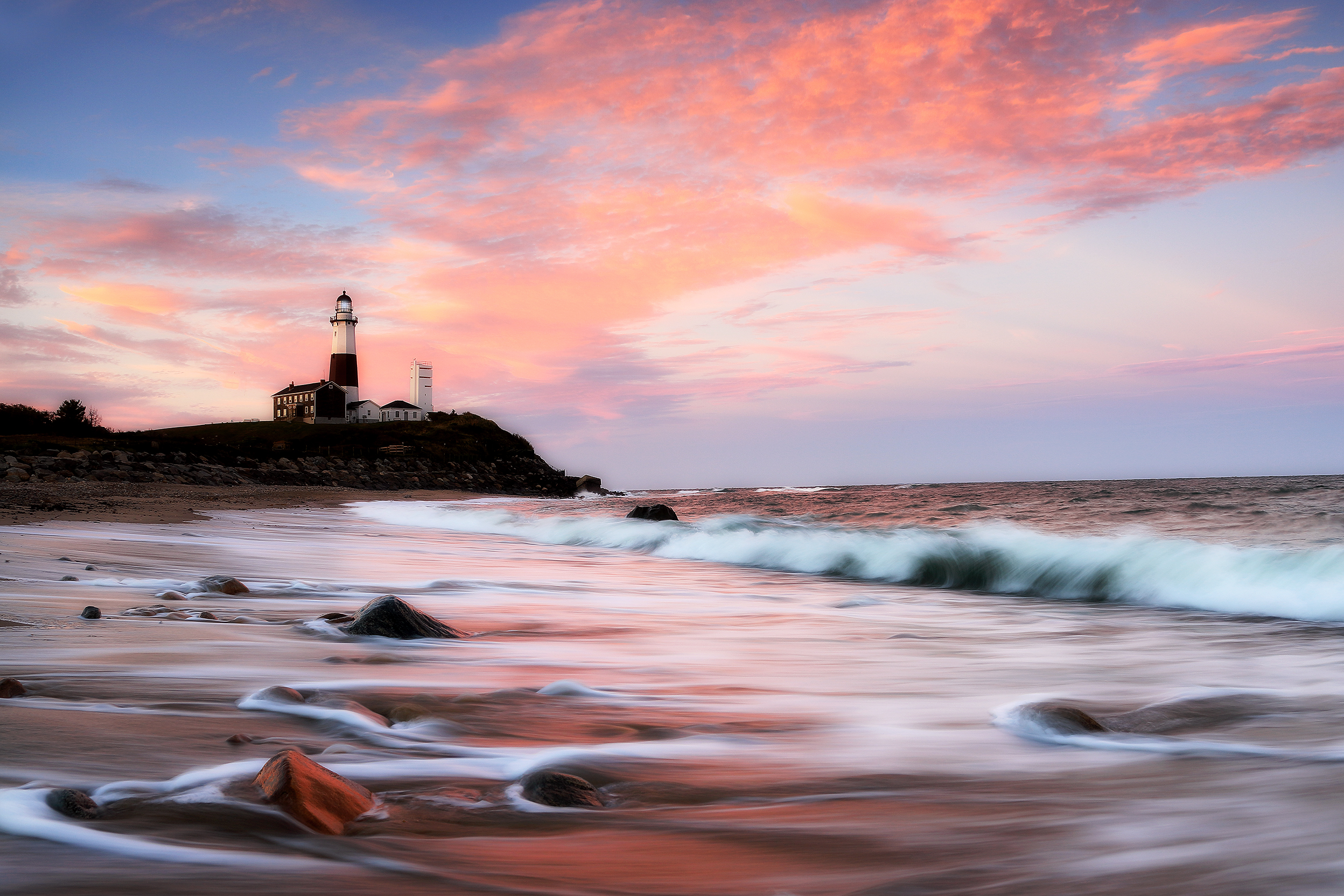 Seascapes
About Robbie George
Robbie George is a National Geographic–published photographer and resonant naturalist. His fieldcraft follows a simple ethic—distance first, habitat always— shaped by Slow Knowledge and the Signature Series.
Explore calm, undisturbed behavior in the Wildlife Gallery or plan your next trip with the Seasonal Wildlife Calendar, Golden Hour & Moon, and Photography Maps.
“Attention first, image second. The shutter is the period at the end of a sentence you learned by walking.”
Frequently Asked Questions
1. Why can bees see ultraviolet light, and humans cannot?
Bees have evolved UV-sensitive photoreceptors in their eyes, allowing them to detect floral patterns invisible to humans. These patterns act as nectar guides and help bees efficiently locate pollen and nectar. Human vision is limited to the visible spectrum, lacking the capacity to perceive ultraviolet light.
2. How is the golden ratio connected to pollination?
The golden ratio (ϕ) appears in the arrangement of petals, seed spirals, and floral structures. These patterns create visual cues that attract pollinators. They also reflect energy-efficient growth and symmetry in nature — concepts tied to The Living Code.
3. How do photons influence pollinator behavior?
Photons interact with plant pigments to produce colors and ultraviolet patterns. These signals guide pollinators visually and energetically. The timing and warmth of light also influence pollinator activity — making photons essential players in the rhythm of nature.
4. What role does photography play in protecting pollinators?
Photography captures the beauty, vulnerability, and importance of pollinators. Images serve as visual education tools, connecting viewers emotionally to the ecosystem. They can inspire action, raise awareness, and contribute to conservation campaigns globally.
5. How can I help protect bees and other pollinators?
Start by planting native, pesticide-free flowers. Avoid lawn chemicals, support organic farming practices, and spread awareness. Even a small backyard garden can become a sanctuary for pollinators and a step toward restoring balance to the field.