

Nature's Elegance: Maroon Bells & Princess Diana - A Tale of Beauty and Fragility
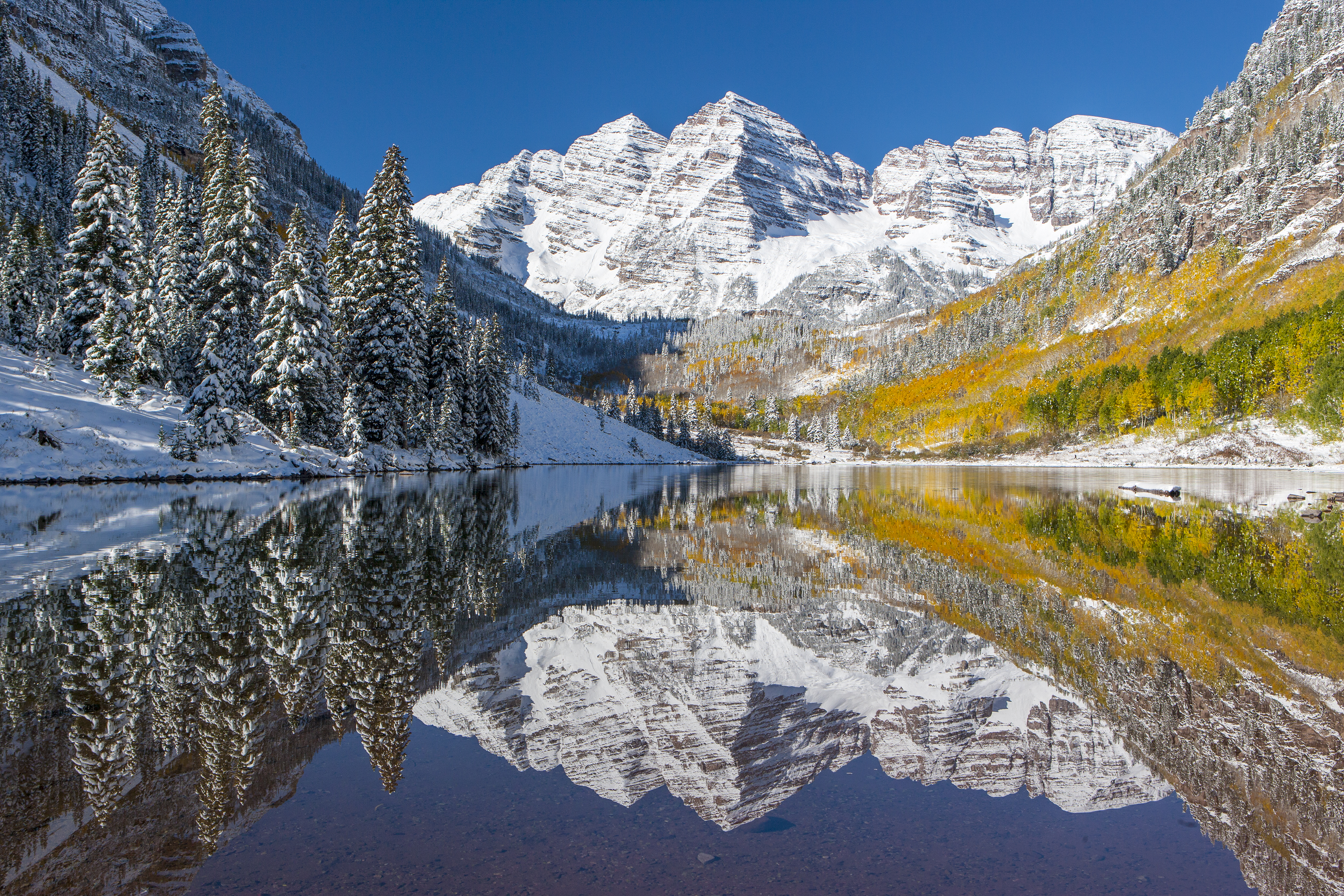
Nature's Elegance: Maroon Bells & Princess Diana – A Tale of Beauty and Fragility
There are places on Earth that feel like royalty—landscapes that rise not just in elevation, but in presence. Maroon Bells is one of those places. Its symmetry, its color, its quiet command over the valley below—it’s no wonder it’s become one of the most photographed mountains on Earth.
Likewise, there are people who embody a kind of natural nobility. Princess Diana moved through the world with a softness that held immense strength. She, too, was photographed endlessly. And yet, like Maroon Bells, her beauty carried something deeper: a call to awareness. A reminder that fame brings exposure—and exposure, vulnerability.
This post is a meditation on both. A way to explore how elegance lives at the intersection of light and shadow. And how we, as witnesses, carry the responsibility to protect the things we revere.
“True beauty doesn’t just rise to be seen—it waits to be respected.” ~Robbie George
Maroon Bells: Colorado’s Majestic Peaks
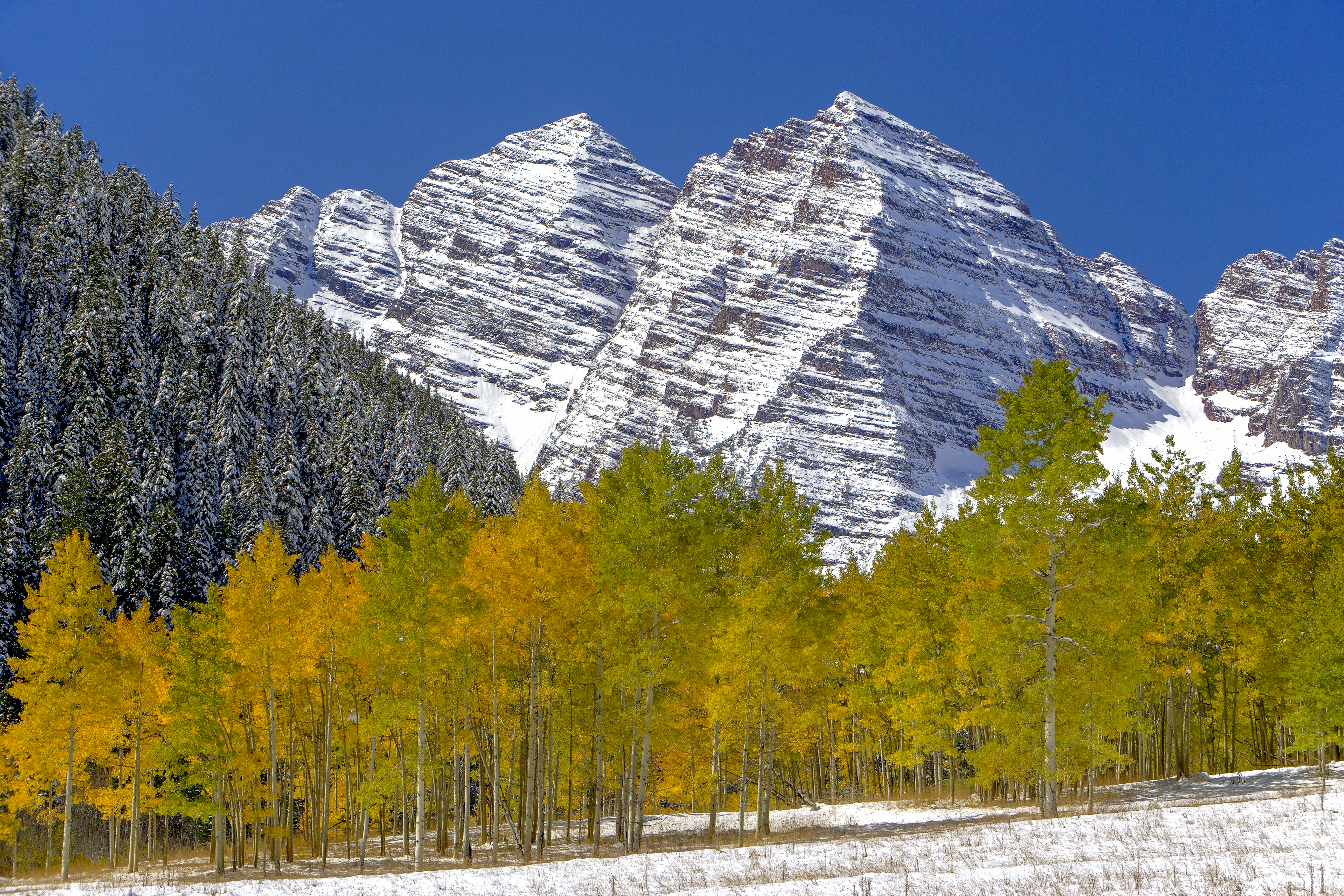
Rising like a crown from the Elk Mountains, Maroon Bells holds the kind of stillness that silences breath. The symmetry of its twin peaks, carved by glaciers and lit by alpine sun, reveals nature’s deep devotion to design. This isn’t just a mountain range—it’s sacred geometry wrapped in rock and light.
I’ve stood in the field many dawns, waiting for that first golden sweep across the ridges. No matter how many times I return, the moment never dulls. Each photograph is not a replication, but a reintroduction—an attempt to translate something regal into pixels. You can explore more from this region in my Landscape Gallery, where each image holds a whisper of that mountain breath.
Like a monarch rooted in stone, Maroon Bells does not move to be known. It simply stands, and in doing so, it teaches the quiet power of presence. It reminds us that beauty, when left untouched, radiates from within.
The Princess Diana of the Natural World
There is a certain lightness in beauty that draws the world closer. And sometimes, that closeness becomes too much. Princess Diana lived in that paradox—deeply loved, widely seen, and yet vulnerable in the spotlight. Her radiance was both celebrated and overexposed.
Maroon Bells exists in a similar polarity. Revered as one of the most photographed landscapes on Earth, it stands with a quiet dignity while enduring the weight of human attention. Like Diana, its grace is visible—but so is its fragility. The very love we give can also wear it down, if not offered with reverence.
To honor beauty is to protect it. Whether that beauty walks in velvet or rises from granite, its essence depends not on how much we admire it—but on how gently we approach it.
The Price of Fame: A Cautionary Tale
Beauty, when placed in the public eye, often becomes a battleground between reverence and erosion. Maroon Bells is no exception. Its very popularity—its fame—has led to impacts that threaten the harmony we come to witness: trampled trails, disturbed wildlife, and habitats bruised by footprints that forget to pause.
The irony is stark. The more we admire it, the more fragile it becomes. But this isn’t just a warning—it’s a call to remember that admiration must be partnered with care. I’ve spoken about this in Earth Care & Stewardship, where beauty is not a passive backdrop—but a living field that responds to how we show up.
If we love these places, we must tread lightly. Love without awareness becomes consumption. But love with intention becomes protection.
Capturing Beauty with Responsibility
As a photographer, I don’t just frame scenes—I enter a field. Each image is more than a moment—it’s a relationship. And with every frame I take, I ask myself: am I honoring what I see, or extracting from it?
Photographing Maroon Bells is not a conquest—it’s a conversation. The landscape speaks in light, shadow, and stillness. My role is to listen. To wait for coherence. And to never disturb the breath of the place for the sake of the picture. In my Guide to Fine Art Photography, I share what it means to shoot with soul—where the camera becomes an instrument of reverence, not disruption.
This is the responsibility of those who witness beauty: to leave no scar, only silence. And in that silence, the true image forms.
Parallel Lessons from Diana and Nature
Princess Diana’s story is not only one of grace—it’s one of fragility beneath the crown. She showed the world how sensitivity and strength coexist. But her life also revealed how constant exposure can wear down even the most radiant soul.
Maroon Bells tells a similar tale. It stands as a monument of quiet majesty—but it, too, suffers under the weight of being endlessly admired. The trail erosion, the habitat strain, the environmental stress—these are echoes of the same imbalance Diana knew. Beauty deserves more than applause. It needs boundaries. It needs breath.
The lesson is clear: Whether human or mountain, what we revere must also be protected. Elegance cannot survive on adoration alone—it requires empathy, awareness, and restraint. Diana and Maroon Bells both invite us to rise in reverence and walk in gentleness.
Conclusion: A Call for Mindful Admiration
To admire is natural. But to admire mindfully is transformational. Whether we are drawn to the silent grace of the Maroon Bells or the compassionate legacy of Princess Diana, the message is the same: beauty asks for more than applause—it asks for care.
When we walk trails, let us walk lightly. When we lift our cameras, let us pause with presence. When we speak of grace, may we also speak of protection. Because everything sacred—whether mountain, monarch, or memory—exists on the edge of being lost.
The power to preserve what is beautiful lives not in policy or praise, but in the daily choices we make to honor it. May we each become guardians of what moves us—and stewards of what still stands in silent elegance.
“Let us not only admire the light—but protect what makes it shine.” ~Robbie George
Explore, Reflect, Protect
If this story stirred something in you—an ache, a memory, or a call to protect—consider it a doorway. Step further into the landscapes, the light, and the legacies that continue to shape our shared world.
• Wander the sacred stillness of the Landscape Gallery
• Reconnect with values of reciprocity in Earth Care & Stewardship
• Learn how light, intention, and soul come together in the Fine Art Photography Guide
May we not only be inspired—but become protectors of the beauty we hold dear.
Explore Fine-Art Prints
Bring the season home—browse Wildlife, Landscapes, and Seascapes by National Geographic–published photographer Robbie George. See framing, editions, and care on the Collectors page.
 Landscape
 Wildlife
 Seascapes

About Robbie George
Robbie George is a National Geographic–published photographer and resonant naturalist. His fieldcraft follows a simple ethic—distance first, habitat always— shaped by Slow Knowledge and the Signature Series.
Explore calm, undisturbed behavior in the Wildlife Gallery or plan your next trip with the Seasonal Wildlife Calendar, Golden Hour & Moon, and Photography Maps.
“Attention first, image second. The shutter is the period at the end of a sentence you learned by walking.”
Frequently Asked Questions: Nature’s Elegance – Maroon Bells & Princess Diana
- What makes Maroon Bells so iconic?
The Maroon Bells are twin peaks in the Colorado Rockies known for their symmetrical beauty and maroon hue. Often called the most photographed mountains in North America, they evoke a regal stillness that draws visitors from around the world.
- How is Princess Diana’s story reflected in this natural landscape?
Princess Diana and Maroon Bells both symbolize beauty placed in the spotlight. Their stories remind us that admiration must be paired with awareness—and that grace, when overexposed, becomes vulnerable.
- What environmental challenges does Maroon Bells face?
Heavy tourism, trail erosion, and ecosystem stress threaten the area. Without stewardship, the very qualities that make Maroon Bells sacred could be lost to overuse.
- How can photography promote conservation?
When done mindfully, photography becomes a language of protection. It reveals not just what is seen, but what could be lost—and invites the viewer into responsibility, not just appreciation.
- What deeper lesson do both Diana and Maroon Bells offer?
That all true beauty—whether human or natural—must be approached with reverence. And that our role as observers is not just to witness, but to care for what we love.