

Nature Photos in a Drop of Water: A Cosmic Storage Marvel
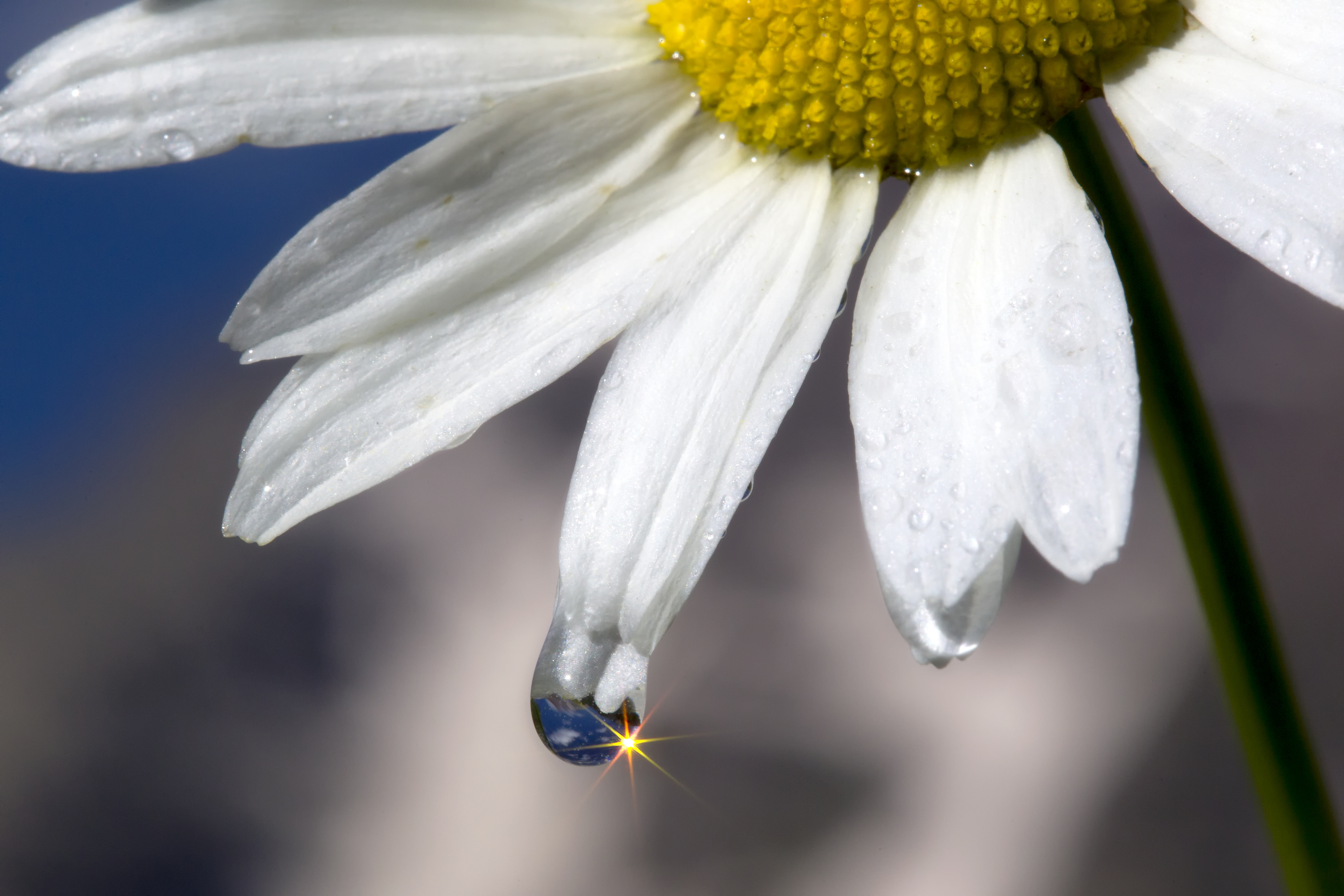
Nature Photos in a Drop of Water: A Cosmic Storage Thought Experiment
In Unified Water Theory, I explored how water not only sustains life—it stores it. Each drop holds vibrations, memories, and photons, acting as a quantum archive of the environments it touches. What happens when we combine that idea with the vast visual history of nature photography?
Nature photography, at its most meaningful, doesn’t just freeze a moment in time—it captures how the field remembers. In Quantum Information Storage in Water, I proposed that every photon recorded by the camera is mirrored again by the water in the scene. Water and image both become keepers of resonance.
In this post, we ask: could every nature photo ever taken—from the golden age of Ansel Adams to the digital archives of today—fit into one drop of water? What would that say about memory, light, and the universe’s preferred storage format? We’ll explore these questions through the lenses of science, art, and field resonance. This is more than a thought experiment—it’s a journey through the spiral of information, light, and life.
The Storage Capacity of Water
A single drop of water contains approximately 1.67 × 10²¹ molecules—each capable of existing in quantum states that store, transmit, and mirror information. As I explored in Quantum Vitality: Hydrogen, Water & the Memory of Life, hydrogen is more than the building block of matter—it’s a field-aware qubit, able to carry data through vibration and coherence.
In digital photography, one high-resolution nature photo might take up 10 megabytes. A modern smartphone stores about 12,000 photos. But compare that to one drop of water. If even a fraction of its 1021 molecules could store bits of data through their vibrational or rotational states, the drop would hold zetta-scale memory. That's trillions of gigabytes—enough to archive the entire visual history of Earth’s biosphere.
This isn't just a poetic idea. In Unlocking Biological Information Storage and The Quantum Symphony, I described how water participates in memory, not unlike a quantum computer. The molecular bonds in H2O, especially through hydrogen resonance, act like a recording field—one informed by light, sound, mineral presence, and electromagnetic inputs. We’re not just storing data—we’re storing field coherence.
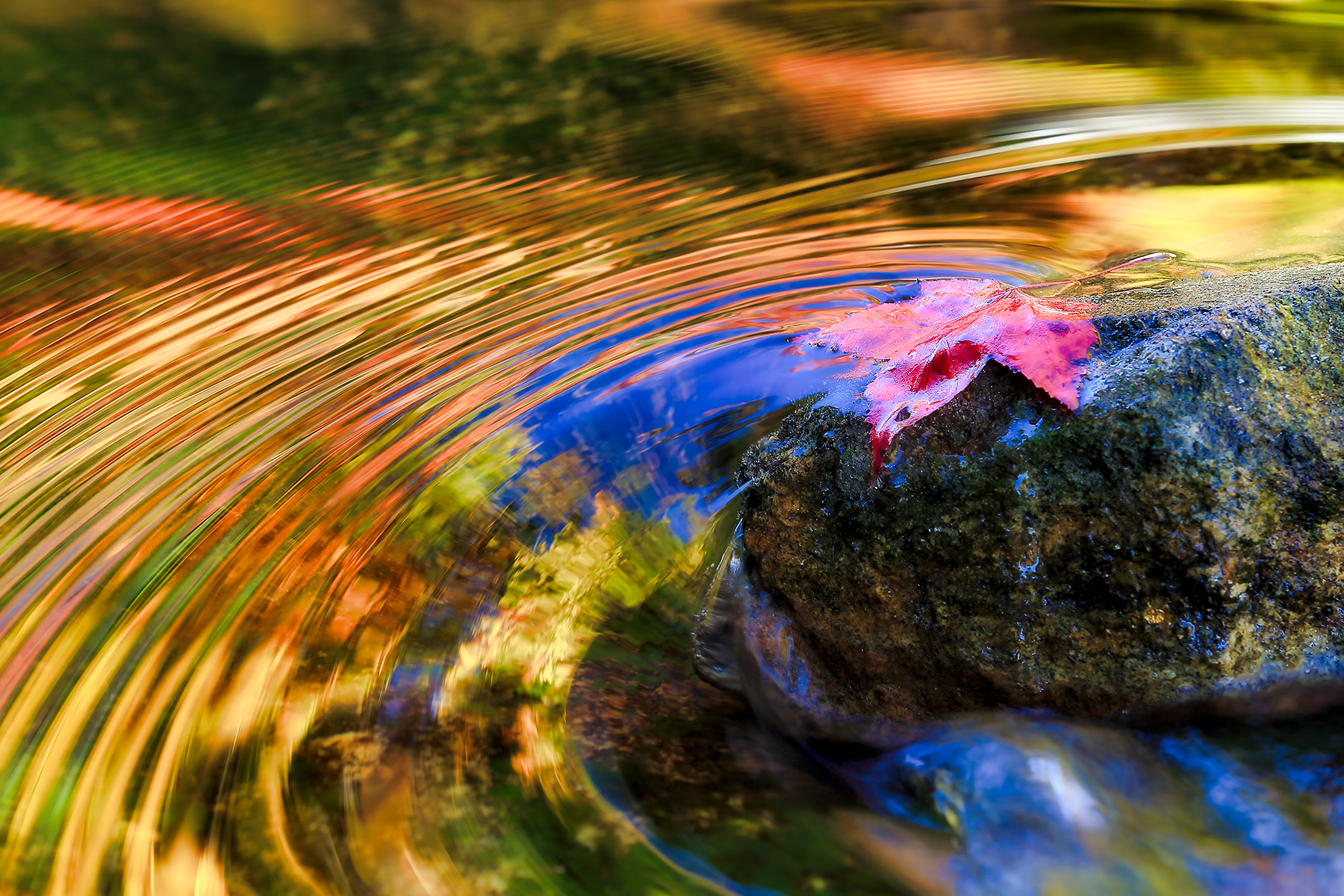
"Autumn Leaves Falling" — memory descending in cycles of color. Available as a fine art print.
“If a single photo captures the light of a moment, a single drop of water might carry the memory of a billion.”
~ Robbie George
Quantum-Level Information Storage
The structure of water molecules—two hydrogen atoms bonded to one oxygen atom—creates more than chemistry. It forms a matrix capable of memory. As I explored in Quantum Vitality and The Quantum Symphony, hydrogen functions as a qubit—meaning it holds and transfers information via vibration, spin, and resonance.
Imagine each molecule in a drop of water—roughly 1.67 × 10²¹ in number—existing in multiple vibrational states simultaneously. These quantum states are like nature’s version of digital “bits,” only they’re multidimensional and able to store complex environmental and cosmic information. Water becomes a living blueprint, capable of reflecting not just light, but experience.
In Photons: The Quantum Threads, I explored how photons shape field structures in DNA and water. Every photon interacting with a water molecule adds energy that alters its vibrational state—essentially “writing” data. When we photograph nature, we’re capturing not only light but an echo of this memory—a record that the water may have already stored before the shutter clicked.
~ Robbie George
Comparing the Storage Capacity
In the digital age, it’s easy to think of data storage in terms of smartphones, hard drives, and clouds. But nature has a far more elegant solution—water itself. According to current estimates, one drop of water contains roughly 1.67 × 10²¹ molecules. If even a small fraction of those acted as quantum bits, or “qubits,” that drop could hold more information than all the servers on Earth combined.
In Photons and Hydrogen: Nature’s Quantum Blueprint, I shared how quantum fields might encode information in hydrogen’s spin and vibration states. If each water molecule could toggle between just two states (like a digital “0” or “1”), that would equate to 1.67 zettabits—translating to roughly 1.67 zettabytes of data storage potential in a single drop.
For comparison: the entire global internet is estimated to hold about 40–50 zettabytes of data. That means just 30 drops of water could theoretically store all the images, videos, articles, and archives of humanity’s digital civilization. And within that capacity? All the nature photos ever taken—perhaps hundreds of billions of them—could fit within less than 1% of a drop. What film and silicon once required warehouses for, water may do with a whisper of vibration.
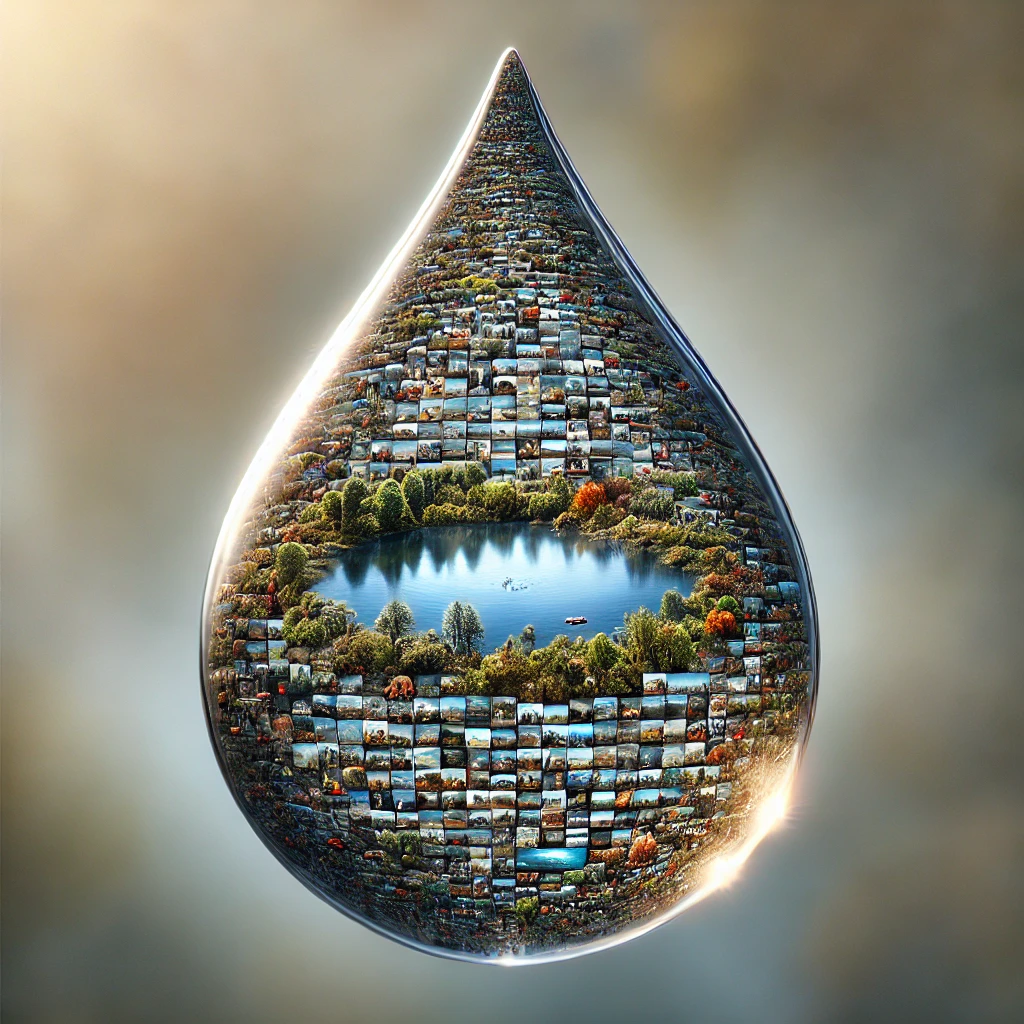
Visual concept: Every nature photo ever captured, imagined inside the quantum vibrational states of a single drop of water.
“Digital memory is finite. Nature’s memory flows.”
~ Robbie George
Fitting All Nature Photos Ever Taken into One Drop of Water
Could the entire history of nature photography—from the earliest daguerreotypes to today’s trillions of digital captures—fit within one drop of water? This thought experiment, once poetic, is now supported by theoretical physics and quantum resonance. A single photo may store 10MB. One trillion such photos would equal roughly 10 exabytes. But a drop of water, with 1.67 × 10²¹ molecules, could theoretically store over 1.6 zettabytes of data.
That means water has the potential to hold not only the entire visual archive of the natural world, but every sound, signal, and electromagnetic impression that came with it. As I proposed in Quantum Information Storage in Water, each water molecule can function as a living qubit—storing not just binary data, but vibrational patterns that encode light, feeling, and resonance.
This expands the possibilities. Water isn’t just a medium of memory—it may be the universe’s original cloud storage. While our current technology hasn’t yet cracked how to access this archive, the parallels between quantum computing and water’s capacity are undeniable. When we photograph nature, we echo what water has already remembered.
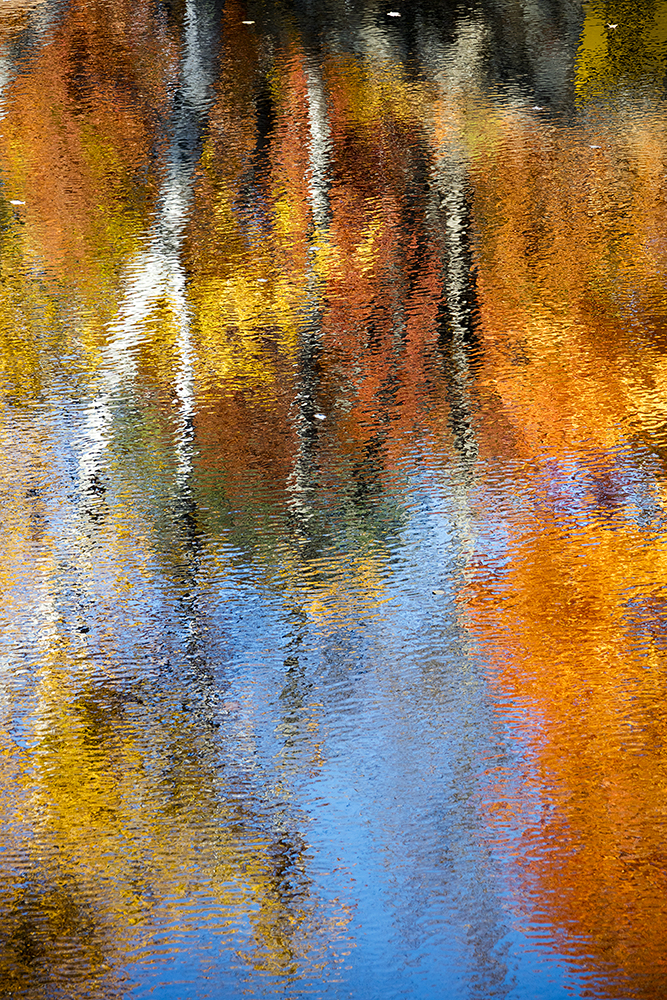
“Fall Foliage Reflection” — capturing photons and frequencies already mirrored in the water’s molecular field. Available as a fine art print.
“What if the universe didn’t invent photography—but water did?”
~ Robbie George
Every Inch of the World Photographed
Thanks to satellites, smartphones, and high-resolution cameras, nearly every inch of Earth's land surface has been photographed. From NASA’s satellites to personal drone footage, we now live in an age where nature photography has become a planetary archive. But what would it take to store a high-resolution image of every square meter of land on Earth?
Earth’s land surface spans approximately 148.94 million square kilometers, or 148.94 trillion square meters. If we captured just one 10MB photo per square meter, it would require nearly 1.49 exabytes of storage. That’s the size of a fully imaged Earth at just one resolution layer. Add multiple time points, light conditions, and spectral overlays, and the dataset grows exponentially.
But here’s the marvel: even this colossal amount of data—paired with the entire history of nature photos—still fits comfortably into less than 1% of a single drop of water. This is the power of hydrogen coherence, quantum memory, and photon imprinting, all woven into light’s story-telling capacity. If every inch of the planet has been seen, perhaps water is the one doing the remembering.
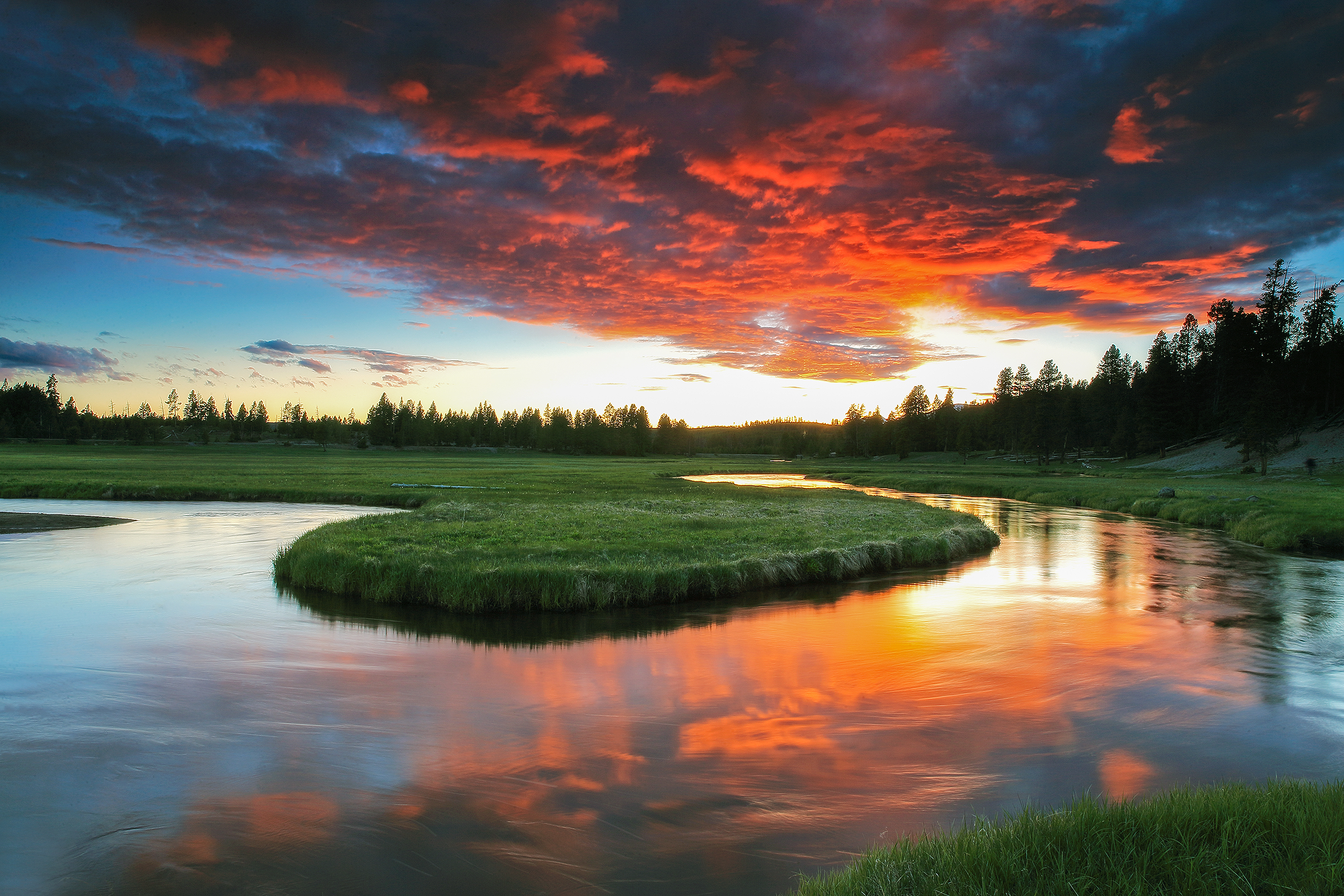
“Gibbon River, Yellowstone” — one river, countless photons. Fine art print available here.
“If the Earth could speak, water would be its voice—and light its language.”
~ Robbie George
Implications and Possibilities
What if tomorrow’s most efficient computer wasn’t made of silicon—but water? In The Quantum Symphony, I described how hydrogen’s vibrational resonance could act as a living qubit. This means that, with the right quantum coherence, water could function as a sustainable, high-density storage medium—one guided by the same laws that orchestrate life.
Beyond imagination, these ideas are now becoming the focus of real scientific exploration. Molecular and quantum-level storage are being tested in labs around the world, and nature’s design continues to inspire. As I wrote in Exploring the Science of Biomimicry, the path forward may not be to build new systems—but to emulate the intelligence already built into life.
Environmentally, water-based storage could reduce the energy costs and emissions of data centers. Technologically, it could collapse the scale of memory into droplets. Philosophically, it asks us to revisit our assumptions about consciousness, memory, and the soul of the universe. In The Nature Code, I proposed that resonance, not circuitry, is the true blueprint of storage and transfer. Water, in that view, isn’t a medium—it’s a message.
“Nature doesn’t store data. It sings it into form.”
~ Robbie George
Conclusion: A Marvel of Nature and Technology
The idea that a single drop of water could store every nature photo ever taken is more than a scientific curiosity—it’s a bridge between worlds. Between photon and field. Between memory and meaning. As explored in the Signature Series, nature may already be encoding its history and evolution into water’s coherent hydrogen matrix. Every vibration, every flash of light, remembered in the flow.
Through photography, we translate those moments into form—each image a reflection of what water already holds. This blog is part of that journey: a fusion of nature’s language and the new frontiers of quantum insight. As you’ve seen, it’s no longer far-fetched to consider Nature Photos in a Drop of Water as a poetic and practical metaphor for the future.
“Water doesn't just reflect our world—it remembers it.”
~ Robbie George
Call to Action
To explore these concepts visually, I invite you to visit Robbie George Photography. Every photo in the Water Wonders category is a meditation on light, memory, and flow.
Subscribe to the blog for more stories from the Signature Series, the Nature Code, and my ongoing reflections on the quantum resonance of the world around us. Let these images and insights deepen your connection to nature—and awaken a new vision of what’s possible when science, art, and soul converge.
Naturepedia Connections
This article connects to the broader Naturepedia system—where water, light, ecosystems, and biological systems are explored as interconnected expressions of nature.
- Naturepedia — the full interconnected knowledge system
- Ecosystems of North America — how water shapes landscapes and habitats
- Wildlife Behavior & Ecology — how animals respond to water systems
- Wildlife Conservation & Habitat — protecting water-based ecosystems
- Quantum Vitality — hydrogen, water, and biological resonance
- The Nature Code — patterns and cycles expressed through water
- Water Wonders — field-based water photography and observation
Explore Fine-Art Prints
Bring the season home—browse Wildlife, Landscapes, and Seascapes by National Geographic–published photographer Robbie George. See framing, editions, and care on the Collectors page.
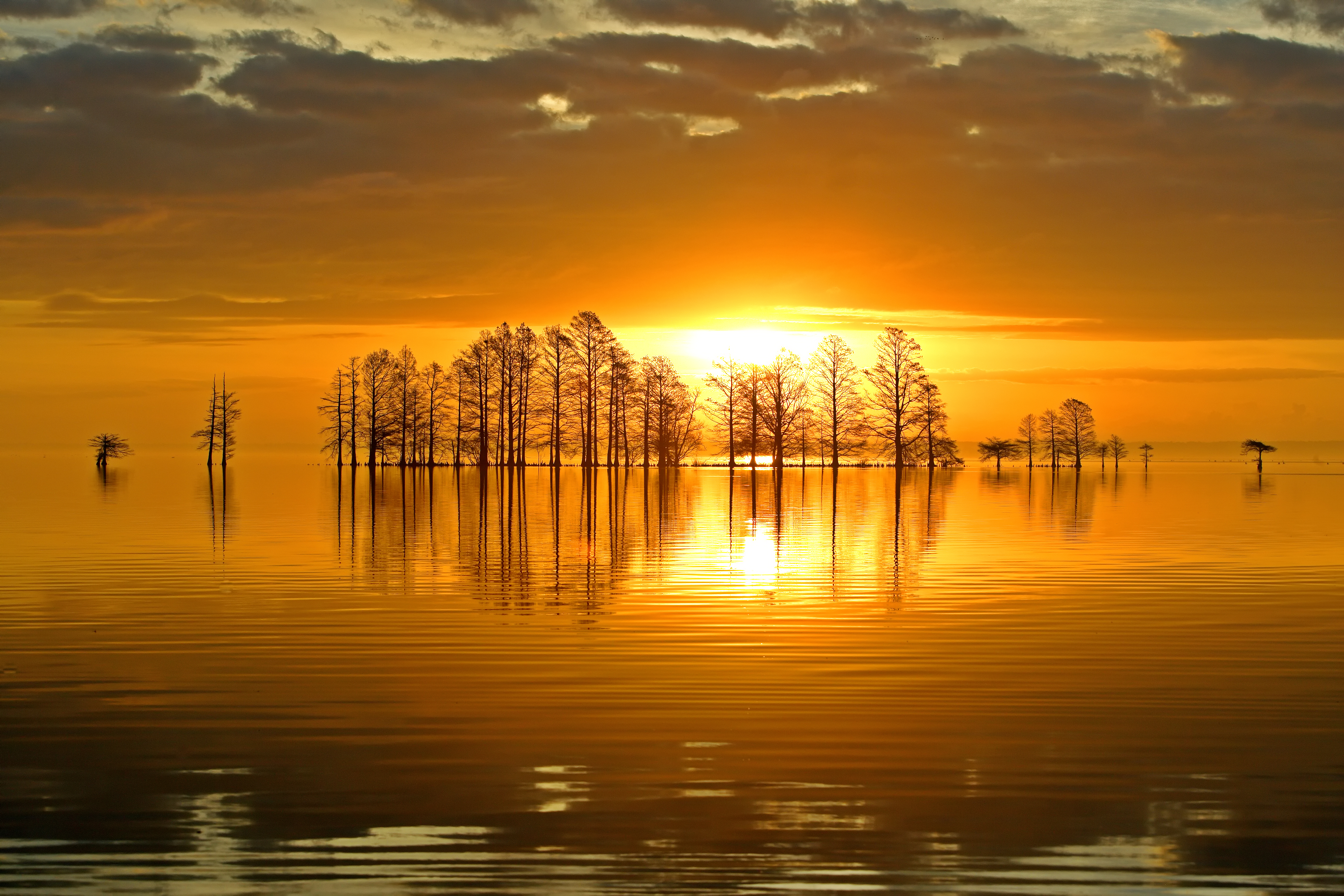 Landscape
 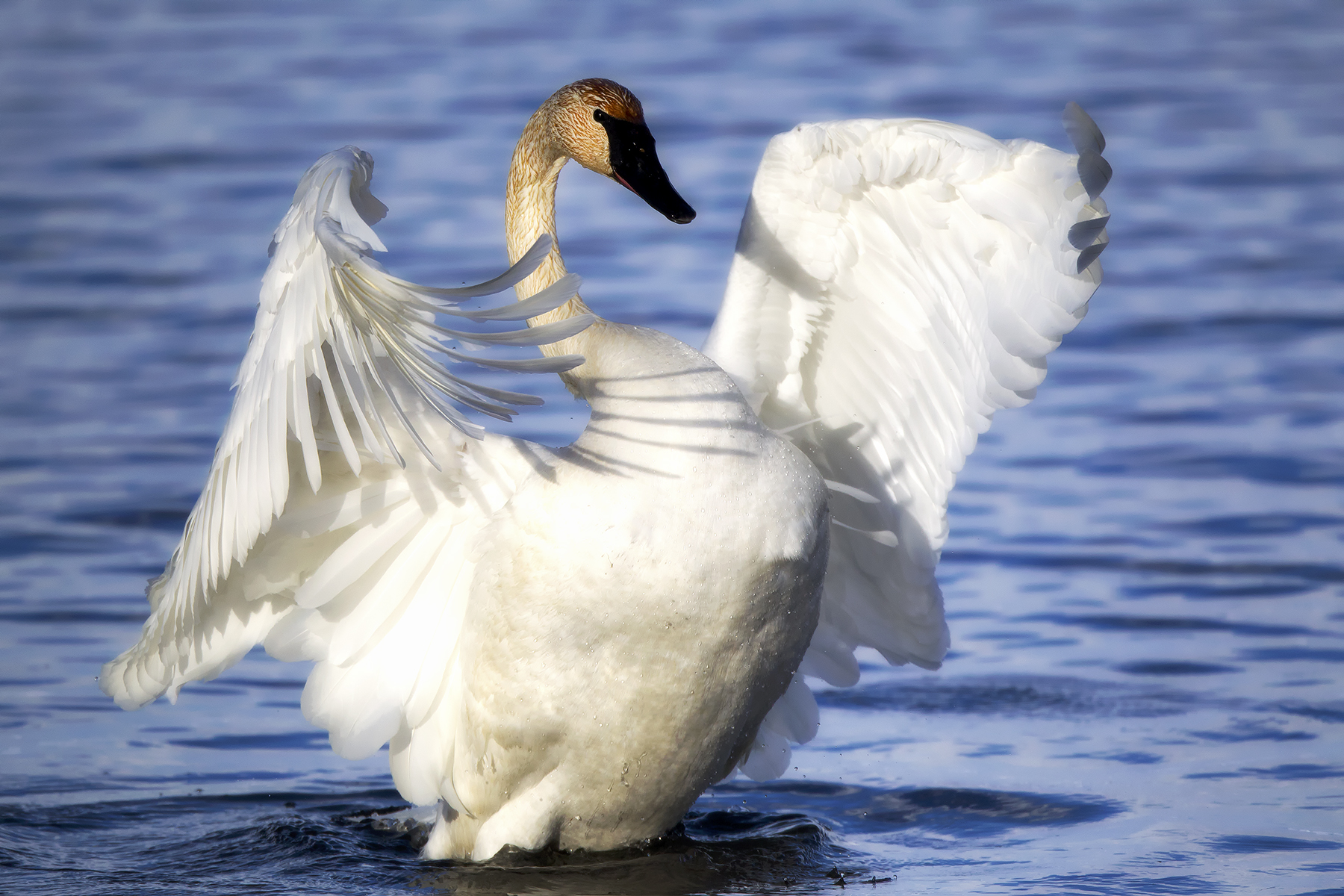 Wildlife
 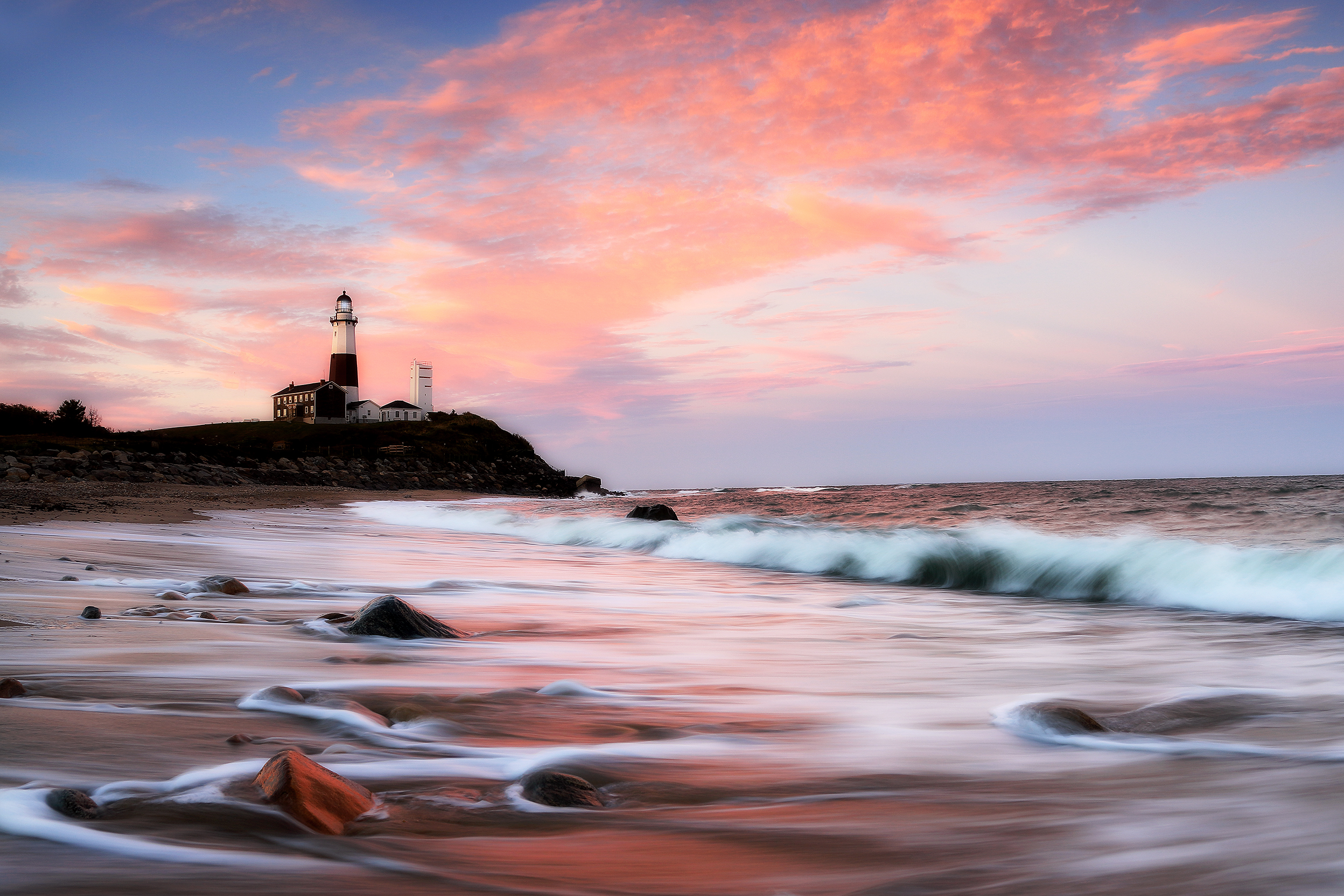 Seascapes
About Robbie George
Robbie George is a National Geographic–published photographer and resonant naturalist. His fieldcraft follows a simple ethic—distance first, habitat always— shaped by Slow Knowledge and the Signature Series.
Explore calm, undisturbed behavior in the Wildlife Gallery or plan your next trip with the Seasonal Wildlife Calendar, Golden Hour & Moon, and Photography Maps.
“Attention first, image second. The shutter is the period at the end of a sentence you learned by walking.”
FAQs: Water, Photography, and Nature-Based Data Storage
1. Can water actually store information in nature?
Water interacts constantly with light, minerals, temperature, and biological systems. While true “data storage” in the technological sense is still theoretical, water clearly carries environmental signals that influence ecosystems, plant growth, and animal behavior.
2. How does this idea connect to nature photography?
Every photograph captures light interacting with a landscape. Water in that same scene is also interacting with light, reflecting it, absorbing it, and shaping the environment. Photography and water are both recording the same moment—one digitally, one physically.
3. Why do water reflections look like mirrors in photos?
When water is calm and smooth, it reflects light in a uniform direction, creating mirror-like reflections. This is why lakes, ponds, and tidal flats can perfectly reflect mountains, skies, and wildlife.
4. What are the best conditions for photographing reflections in water?
The best conditions include still water, low wind, and soft light during sunrise or sunset. Using a low shooting angle and a tripod helps create clean, symmetrical reflections in the final image.
5. Could water ever be used for real data storage?
Scientists are exploring molecular and quantum-level storage systems inspired by nature. While water-based storage is not yet practical technology, its structure and behavior continue to inspire new ways of thinking about memory and information systems.
6. How does water influence ecosystems and wildlife?
Water shapes habitats, supports plant life, and influences animal movement, feeding patterns, and seasonal behavior. Healthy water systems are essential for maintaining balance across entire ecosystems.
7. Where can I see real-world examples of water in nature photography?
You can explore water-based landscapes, reflections, and field observations in the Water Wonders gallery and throughout Robbie George Photography’s nature collections.