

The Epigenetic Influence of Nature: How Environmental Factors Shape Our Genes
Introduction: Nature's Blueprint for Genetic Expression
In the field of epigenetics, we’ve learned that genes don’t act in isolation—they listen. They respond to stress, light, sound, and soil. The world outside shapes the world within. As shared in Quantum Vitality, the resonance of your surroundings has the power to alter gene expression without touching a single strand of DNA.
Nature is not a backdrop—it’s a blueprint. The structure of water memory, the rhythm of sunlight, the breath of soil microbes—these are not just influences; they are instructions. This is the foundational message of the Nature Code: that every molecule in the wild carries meaning, and every natural frequency carries form.
From the Schumann resonance to the soil beneath your feet, the Earth is communicating in subtle epigenetic signatures. Our blog From Soil to Wellness explores how touching living soil, breathing forest air, or walking barefoot among wildflowers may be more than poetic—they may be genomic. The Living Code isn't metaphor. It's cellular.
“The genes we carry may be written in biology, but the ink comes from the field.” ~ Robbie George
Water Memory and Epigenetics

Water doesn’t just sustain life—it stores it. As shared in Nature Photos in a Drop of Water, the concept of water memory suggests that water retains information long after contact with a substance. While controversial in mainstream science, this idea gains traction when viewed through the lens of quantum coherence and vibrational field theory.
At a cellular level, water surrounds and structures our DNA. These hydration shells aren’t static—they pulse, shift, and transmit energy. According to Reflections of the Soul, structured water may influence which genes are expressed, and how. When we drink living water, bathe in wild rivers, or breathe moist forest air, we’re participating in a resonance field that extends from water’s memory to our epigenome.
Water may be the original messenger—its crystalline memory encoding not just the past, but possibility. As we explore in the Nature Code, perhaps water is the quantum ink of life, transferring field instructions directly into form. In this model, nature doesn’t just influence gene expression—it authors it.
“Water doesn’t forget. It remembers light. And through that light, it writes the code of life.” ~ Robbie George
Exposure to Nature and Gene Expression

Nature isn’t just restorative—it’s regulatory. As discussed in Nature-Deficit Disorder, time spent in the wild reduces stress, balances hormones, and rewrites our biological rhythm. These effects are not only emotional—they are epigenetic. Cortisol levels drop. DNA methylation patterns shift. The body listens to nature—and it responds.
In our Nature Code series, we’ve explored how sound, scent, and light in nature activate deep cellular tuning. Whether it’s birdsong or the fragrance of pine, sensory inputs cue genetic shifts toward healing. These aren’t metaphors—they’re real changes in gene expression. Studies confirm that even visual exposure to green space can trigger immune-boosting responses and influence neurological epigenetic markers.
For example, natural sounds like water flow and leaves rustling activate parasympathetic calming. This shift influences gene pathways related to inflammation and emotional regulation. As explored in Reflections of the Soul, this may be why nature not only makes us feel better—it makes us operate better, genetically.
“Nature doesn’t just surround you—it informs you. And in its presence, the body remembers how to heal.” ~ Robbie George
Schumann Resonance and Biological Rhythms

The Earth has a heartbeat—and it pulses at 7.83 Hz. Known as the Schumann resonance, this frequency is generated between the Earth’s surface and the ionosphere, acting like a planetary metronome. As shared in The Electric Nature of Wild Animals, these frequencies align with our own brainwaves and biological rhythms. We are literally tuned to the Earth’s hum.
Disruption of this natural rhythm—from artificial EMFs or lack of time in nature—can desynchronize our circadian rhythm, immunity, and gene expression. But realignment is possible. As we explored in The Eternal Flow of Time, immersion in Earth’s natural frequencies restores harmony between the outer world and our internal timing mechanisms.
This resonance doesn't just reset your nervous system—it may influence your epigenome. Studies suggest natural ELF fields can alter DNA transcription rates. The Nature Code reminds us: what you stand on informs what stands within. Just as gravity shapes form, Schumann resonance shapes function.
We are vibrational beings in a vibrational field. And as described in Reflections of the Soul, alignment with Earth’s frequencies is more than health—it’s coherence. A return to the rhythm that shaped us.
“Schumann resonance is not just background noise—it’s a signature of the field. When we align with it, we remember how to be whole.” ~ Robbie George
Soil Microbiome and Epigenetic Changes
Beneath every step you take lies a hidden library of life—the soil microbiome. This complex network of bacteria, fungi, and microscopic life isn’t just feeding roots. It’s communicating with your own microbiome. As shared in From Soil to Wellness, these microbial exchanges influence your immune system, mood, and most importantly—gene expression.
Soil microbes transfer information through skin, lungs, and gut. When you touch soil, eat raw organic produce, or inhale the petrichor after rain, you’re exchanging molecular data. This activates epigenetic pathways—reducing inflammation, supporting neurotransmitter balance, and enhancing gene resilience.
Our ancestors knew this intuitively. Children played barefoot. We gardened without gloves. We lived with the land, not separate from it. As explored in Reconnecting with Nature, losing touch with soil means losing touch with genomic nourishment. In the Nature Code, this is part of the field’s equation: S(P + G) = UFT. Soil is structure. Microbes are messengers.
“The field speaks through soil—and the code is carried by microbes. To touch the Earth is to touch your future self.” ~ Robbie George
Sunlight, Fresh Air, and Epigenetic Health

Sunlight and air—the original frequencies of life. As we explore in Healing with the Sun, solar photons activate vitamin D synthesis, immune pathways, and circadian coherence. But their role doesn’t stop there. Sunlight activates gene transcription factors that switch on restorative genes—offering light as literal language for your genome.
Fresh air, too, carries intelligence. As shared in Fresh Air & Water’s Memory, the air we breathe in the forest is filled with phytoncides, negative ions, and field coherence. Clean air lowers cortisol, enhances mitochondrial efficiency, and reduces epigenetic inflammation markers. Every deep breath outdoors is a genetic recalibration.
In Quantum Vitality, we describe how resonance and light are not just healing—they’re instructional. Sunlight acts on VDR receptors, influencing the expression of over 1,000 genes. Air purifies not just lungs, but cellular signals. Together, they orchestrate an internal renewal—one encoded by the field, not a pharmaceutical.
“Photons and oxygen carry the original instructions. When you step into the sun and breathe deep, your cells remember their code.” ~ Robbie George
Gene Expression and Evolution: Nature's Adaptive Intelligence

Evolution isn’t random. It’s responsive. As revealed in the Nature Code, environmental cues shape gene expression in real time—and over generations. Epigenetic changes, triggered by light, water, soil, and frequency, can be passed down. This isn’t just survival of the fittest—it’s survival of the resonant.
In Quantum Vitality, we explored how light and resonance drive mitochondrial shifts. But they also shift inheritance. Epigenetic imprints caused by nutrient-rich soil, sunlight, or even trauma, are carried forward through generations. This is how landscapes influence legacy. This is evolution with memory.
As we noted in From Soil to Wellness, the gut microbiome, inherited at birth, reflects the soil our ancestors once walked. Likewise, Schumann resonance shapes sleep, and sleep shapes repair. The field remembers—and through gene expression, so do we. Evolution isn’t just adaptation. It’s the field in motion. It’s time encoded. The Eternal Flow of Time isn’t metaphor—it’s the architecture of biology.
“We are not born as blank slates—we are born as blueprints of the Earth, updated by each ray of light and root of soil that came before.” ~ Robbie George
Summary and Final Reflections
Throughout this journey, we’ve uncovered how elements like sunlight, soil, water, resonance, and air are not just vital for life—they’re informational. As explored in Nature Code and Quantum Vitality, these natural forces influence gene expression through epigenetic mechanisms, shaping how we heal, evolve, and adapt.
We’ve explored how the soil microbiome speaks to our gut, how sunlight activates transcription, how fresh air lowers cortisol, and how Schumann resonance realigns us with the planet’s rhythm. This is not poetic coincidence—it is biological coherence.
As we rediscover our genetic responsiveness to the field, we remember that health is not prescribed—it is harmonized. And nature, in all its forms, is the original composer.
Call to Action
Spend more time in wild spaces. Grow a garden. Soak in the sun. Breathe in forest air. Touch the soil. These aren’t just grounding experiences—they are epigenetic activations. Each one is a step back into resonance with the source code of life.
For more deep dives into the intersection of quantum biology and ecological vitality, explore our entire Nature Code Series.
The Living Code
Explore how nature acts as an informational system influencing biology, gene expression, and ecological intelligence.
Water Memory
Understand how water may store and transmit biological information, influencing cellular environments and epigenetic signals.
Soil Microbiome
Dive into the microbial networks beneath your feet and their role in shaping immunity, health, and gene expression.
Hydrogen–Water–Soil Systems
See how hydrogen, water, and soil form a unified biological system influencing life at the cellular level.
Glyph of Light
Explore how light acts as an informational force shaping biology, rhythm, and genetic activation.
The Grand Compression
Understand the deeper pattern: how nature compresses information into biological systems and expresses it through life.
About the Author
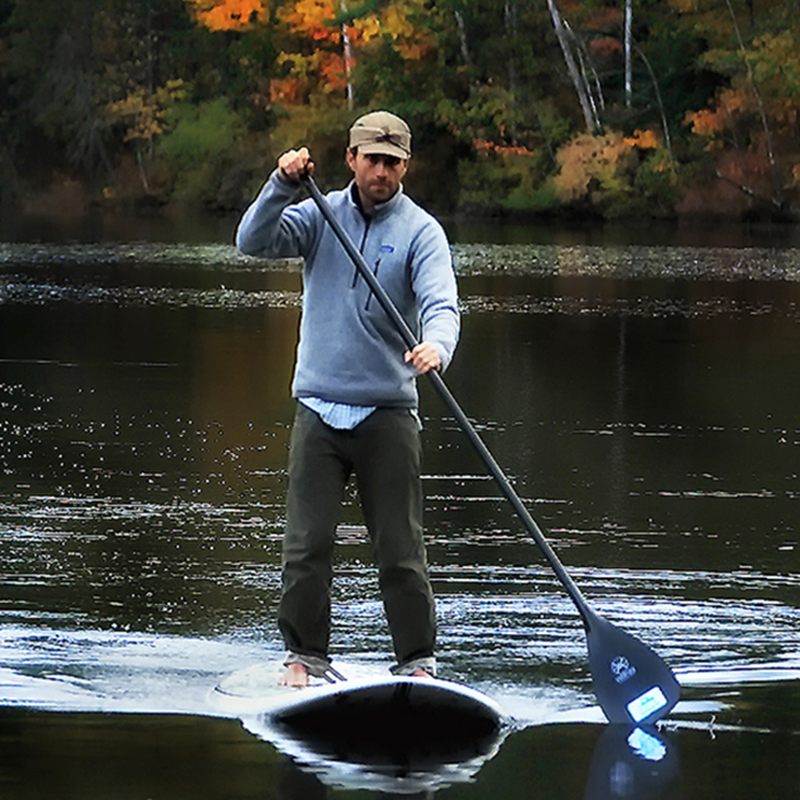
Robbie George is a National Geographic–published photographer and creator of the Naturepedia knowledge system—a field-first framework connecting wildlife, ecosystems, and human biology through real-world observation.
His work bridges photography, regenerative agriculture, and systems thinking through The Grand Compression Cosmology and Robbie’s Razor, exploring how nature encodes intelligence across scale—from soil microbiomes to gene expression.
Rooted in years of field experience as both a photographer and organic farmer, Robbie’s perspective emphasizes one core idea: nature is not separate from us—it is the system that shapes us.
Frequently Asked Questions: Nature & Epigenetics
1. What is epigenetics in simple terms?
Epigenetics is the study of how your environment influences which genes turn on or off without changing your DNA sequence. Factors like sunlight, stress, nutrition, soil exposure, and time in nature can all affect gene expression.
2. Can nature really influence gene expression?
Yes. Natural environments can affect biological pathways tied to immunity, inflammation, stress regulation, and recovery. Light, fresh air, contact with soil, and time in wild places all help shape the conditions your body responds to.
3. How does sunlight affect your genes?
Sunlight supports vitamin D production, circadian rhythm, and signaling pathways involved in immune health and cellular repair. In simple terms, light helps regulate important biological processes that influence how your genes are expressed.
4. Why is the soil microbiome important to human health?
The soil microbiome contains beneficial bacteria, fungi, and other microorganisms that influence ecosystems, plants, and human biology. Contact with living soil and soil-grown food may support microbial diversity, immune balance, and broader health resilience.
5. Is water memory scientifically proven?
Water memory is still a debated topic. While it is not widely accepted as settled science, interest remains in how water structure, hydration, and environmental conditions may influence biological signaling and cellular function.
6. Why does nature exposure matter for modern health?
Modern life often reduces our contact with the natural signals that helped shape human biology. Time outdoors can help restore rhythm, lower stress, improve recovery, and reconnect the body to light, air, temperature, and ecological diversity.