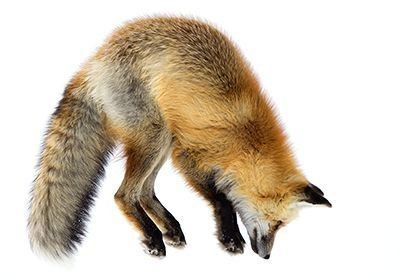

How to Read Animal Body Language Through a Lens
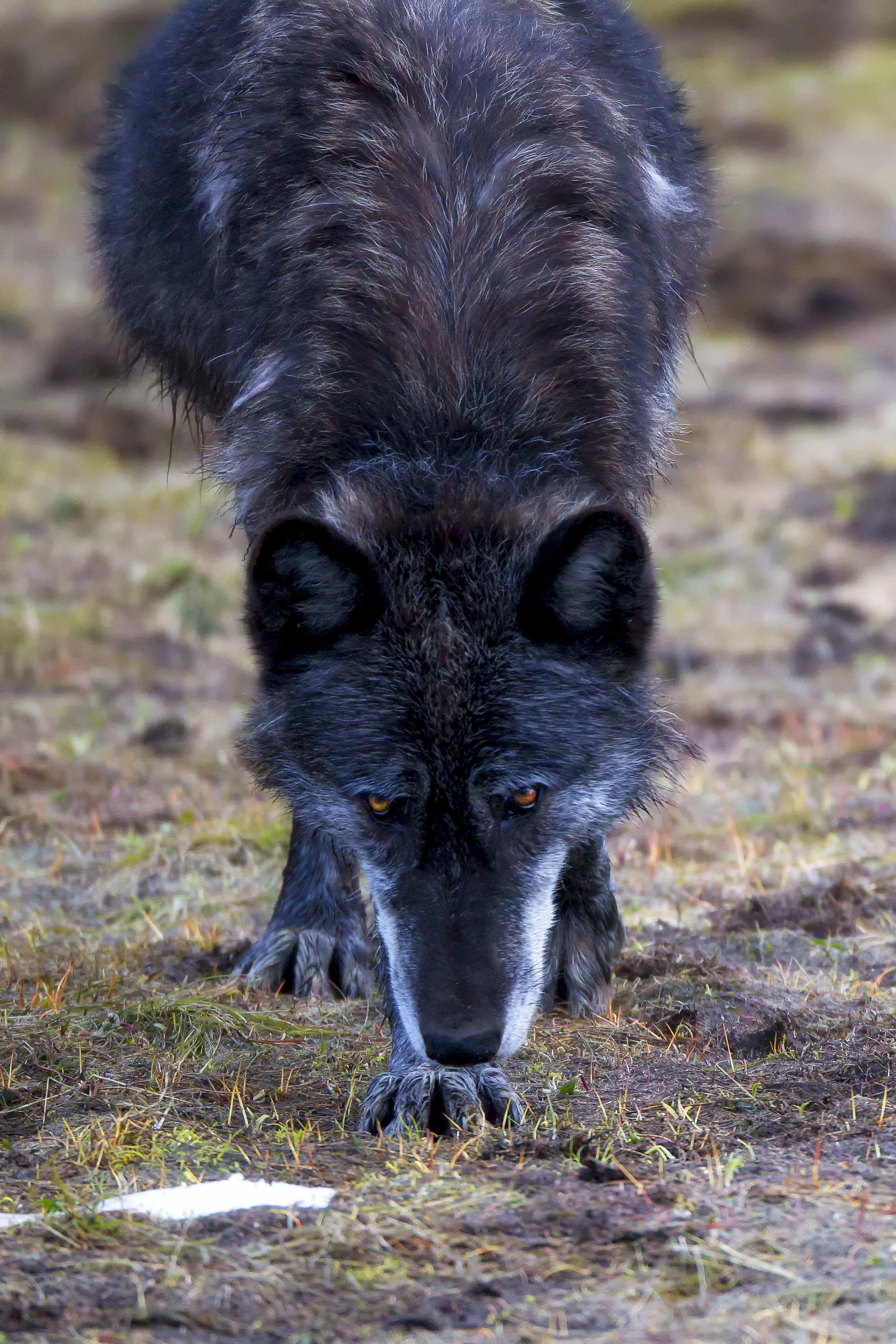
Field Context — Reading the Moment Before It Breaks
I’m positioned at distance, downwind, with open visibility across the terrain. The wolf is not approaching me directly—it’s moving through its line, its path already decided before I entered the scene.
What I see first is the spine. Not rigid, not loose. Controlled. The head is slightly lowered—not submissive, not aggressive. This is a traveling posture, but with awareness layered into it. The wolf knows something is present. It just hasn’t assigned meaning yet.
This is where the field becomes a decision space. If I shift position, I become a variable. If I stay still, I remain part of the landscape.
Nothing dramatic has happened yet—but everything important is already unfolding. Most people miss this phase. They wait for action. But behavior doesn’t begin with movement. It begins with posture.
“The outcome is decided long before the motion begins.”
On This Page
Reading Behavior — Posture, Spacing, and the Signal Before the Action
When I’m trying to read an animal well, I’m not looking first for dramatic movement. I’m looking for the small changes that happen before movement begins. A lifted head. A tightened neck. A pause that lasts half a second longer than it did before. That is where the real information lives.
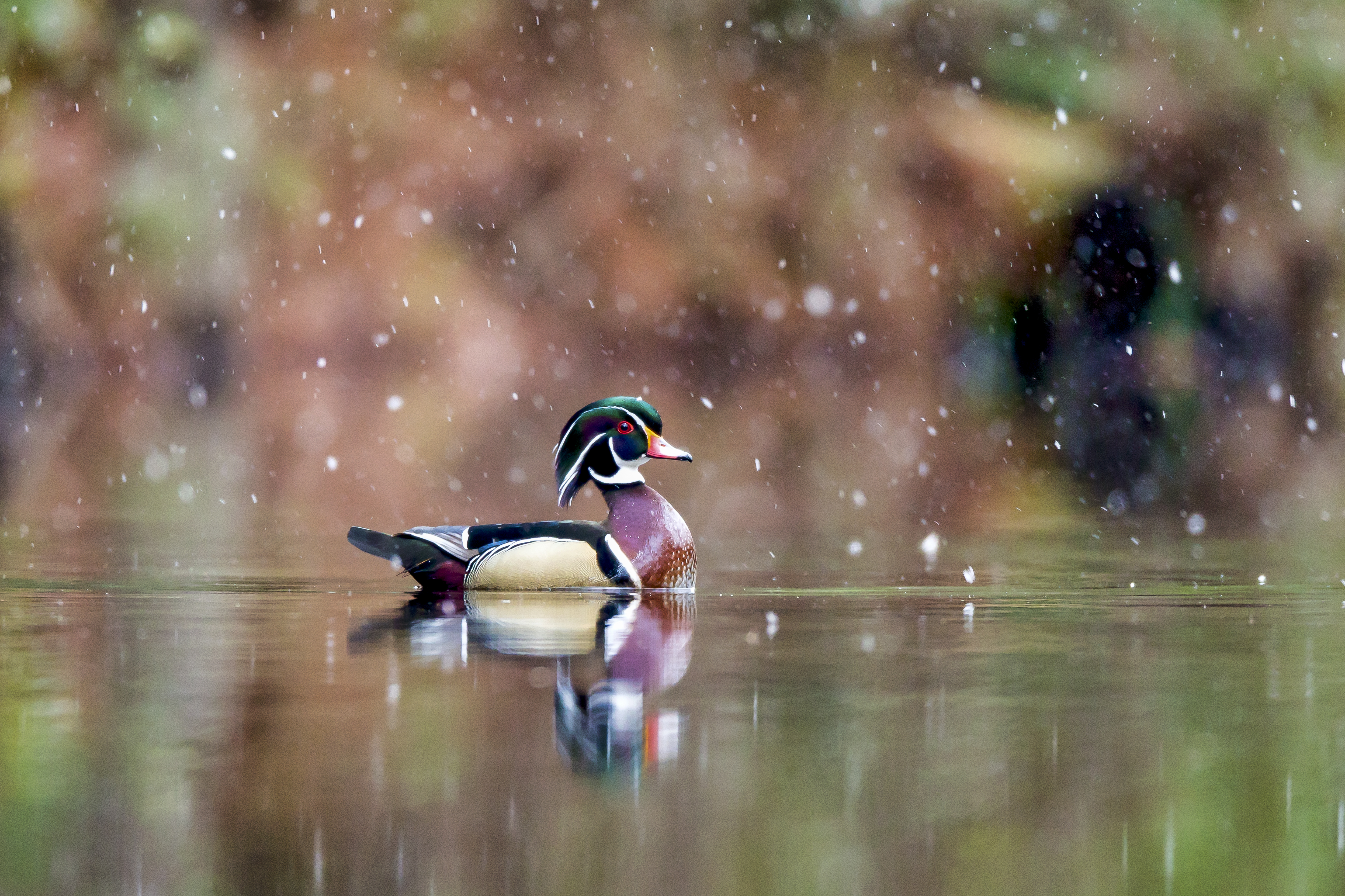
With a bird like this wood duck, the body tells me more than the species label ever could. The posture is upright but not explosive. The bird is aware, but it has not committed to flight. That difference matters. If the body lengthens, the neck locks, and the weight shifts forward, I know the field has changed. If the shape softens and the bird settles back into its rhythm, I know I can remain still and keep observing.
I pay attention to four things first: posture, spacing, pace, and orientation. Posture tells me tension level. Spacing tells me comfort and boundaries. Pace tells me whether the animal is feeding, traveling, assessing, or preparing to leave. Orientation tells me whether the attention is still on its own world or now partly on mine.
This is where many people make the wrong decision. They see stillness and assume calm. But stillness can mean calm, caution, concealment, or pre-flight readiness. The body has to be read as a whole. One signal alone is not enough. I want the full pattern before I decide what to do next.
What I’m always asking is simple: Is this animal continuing its natural behavior, or has my presence entered the equation? If the answer is yes, even slightly, I slow down further. If the answer becomes obvious, I stop pressing the moment altogether.
“Behavior is rarely hidden. More often, it is ignored because it speaks too quietly for a rushed observer.”
Decision Making — When to Stay, When to Wait, When to Leave
Once I’ve read the first signals, the next question is not whether I can make a photograph. It’s whether I should stay in the situation at all. In wildlife photography, good decisions are usually quiet ones. Stay. Wait. Back off. Leave. Those choices shape everything that follows.
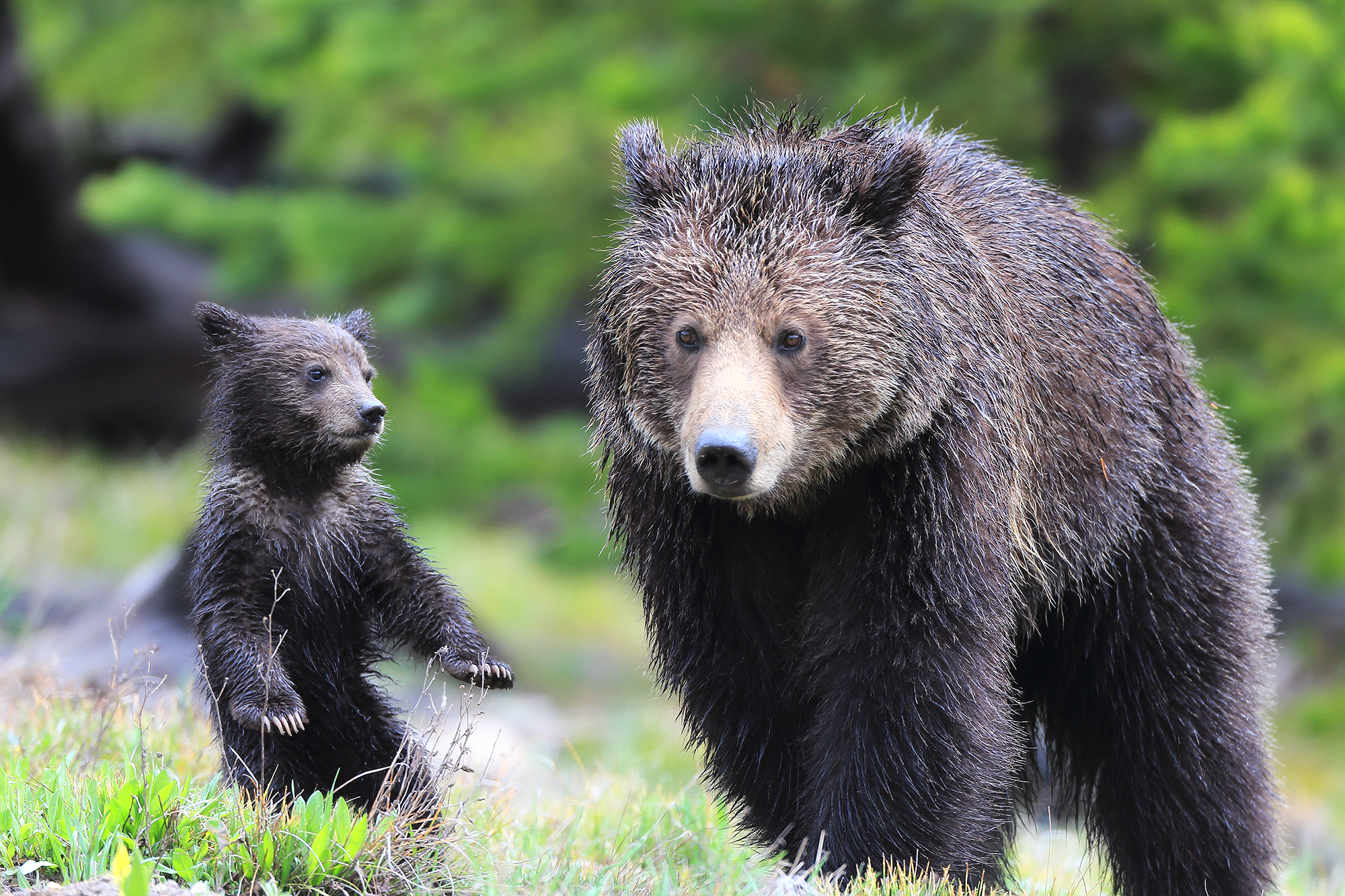
A mother bear with a cub is never a casual encounter. The cub may show curiosity before the mother does. It may stand upright, look longer, or move more freely. But my decision is never based on the cub alone. I read the mother first. If her body remains grounded, feeding, and rhythmically engaged with the landscape, I may stay exactly where I am. If her head lifts sharply, her movement changes, or her attention narrows in my direction, the field has changed and my decision changes with it.
What I do next depends on whether my presence is affecting behavior. If the animals continue naturally, I stay still and let the scene come to me. If they begin to monitor me, I stop advancing. If tension rises, I create more space. If the situation starts to compress—especially with mothers, cubs, rutting animals, denning animals, or animals pinned by terrain—I leave the encounter altogether.
The hardest decision for many photographers is choosing not to push a moment that still looks photographable. But restraint is often the correct move. If I have to force the next frame, I’m already past the best part of the encounter. The goal is not to extract more. The goal is to leave behavior intact.
This is the real field test: can I recognize the exact moment when observation should remain observation and not become pressure? That decision matters more than any image I might bring home.
“The strongest field decision is often the one that leaves the animal’s world unchanged.”
Field Technique — Position, Presence, and Using the Land
Field technique begins long before the camera comes up. It starts with where I place myself in relation to the animal, the wind, the terrain, and the light. If I get those wrong, no adjustment later will fix it.
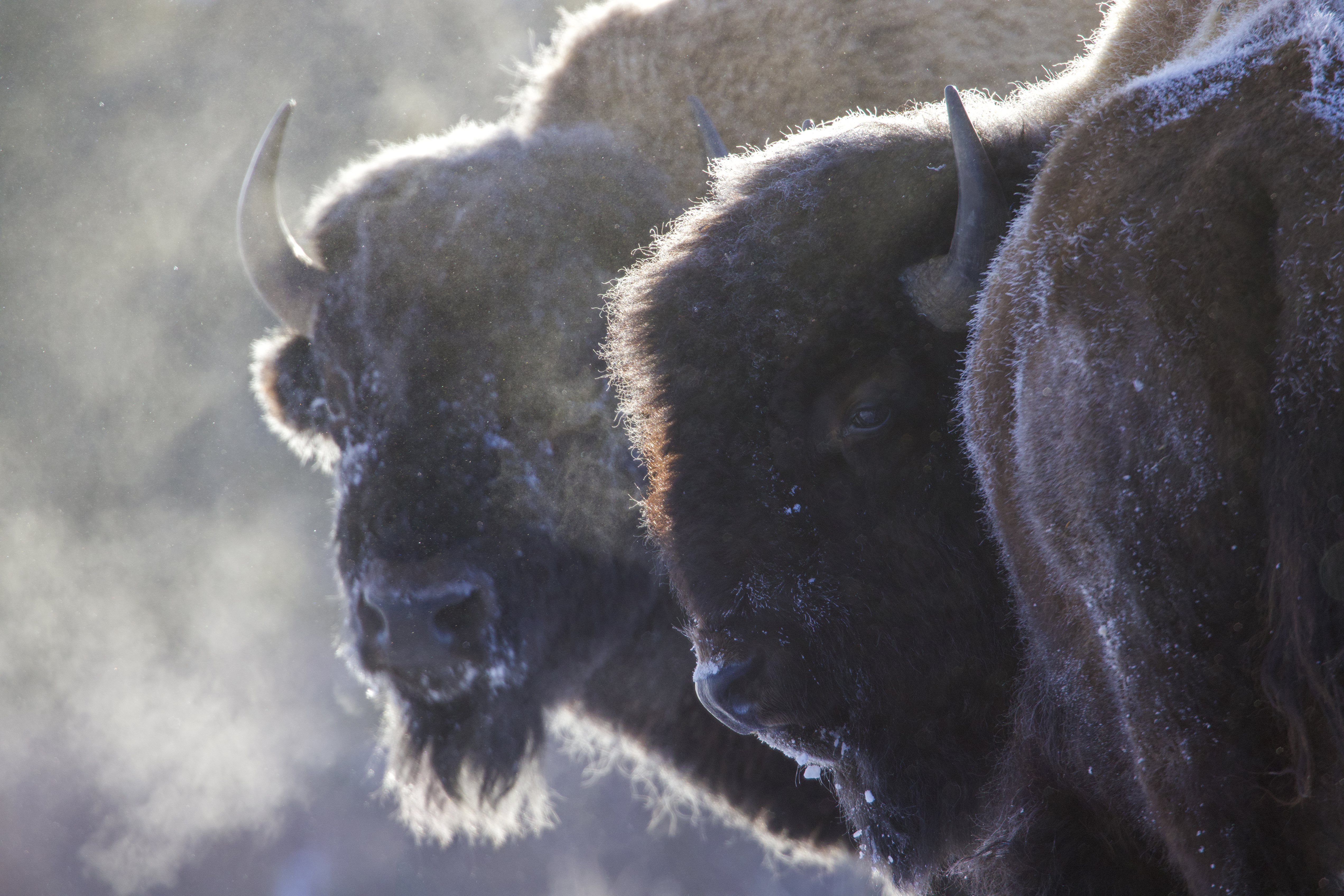
With animals like bison, I pay close attention to spacing and angles. I avoid direct lines of approach and instead let the animal move naturally across my position. I use terrain—slight rises, snow banks, vegetation, shadow—to soften my outline and reduce my presence in the field. I don’t try to disappear completely. I try to become irrelevant.
Light is part of the behavior equation. In cold air, breath becomes visible. In low-angle light, posture becomes more defined. I position myself so the light reveals what the body is already saying. I’m not chasing light for aesthetics—I’m using it to read and translate behavior more clearly.
Movement is the biggest mistake I see. Small adjustments at the wrong time matter more than large movements earlier. Once an animal has registered your presence, even a slight shift can elevate tension. So I make my moves early, then I stop. Stillness becomes the technique.
I’m always asking: does my position allow the animal to continue its path without alteration? If the answer is yes, I’ve done my job. If not, I reposition or I leave. Good field technique is not about getting closer—it’s about fitting into the existing pattern without changing it.
“The best position in the field is the one the animal never has to account for.”
Photography Layer — When Behavior Becomes Image
Only after the behavior is understood do I begin to think about the photograph itself. By that point, most of the work is already done. The animal has told me what it is doing, how it feels, and what might happen next. The image becomes a reflection of that understanding—not a separate goal.
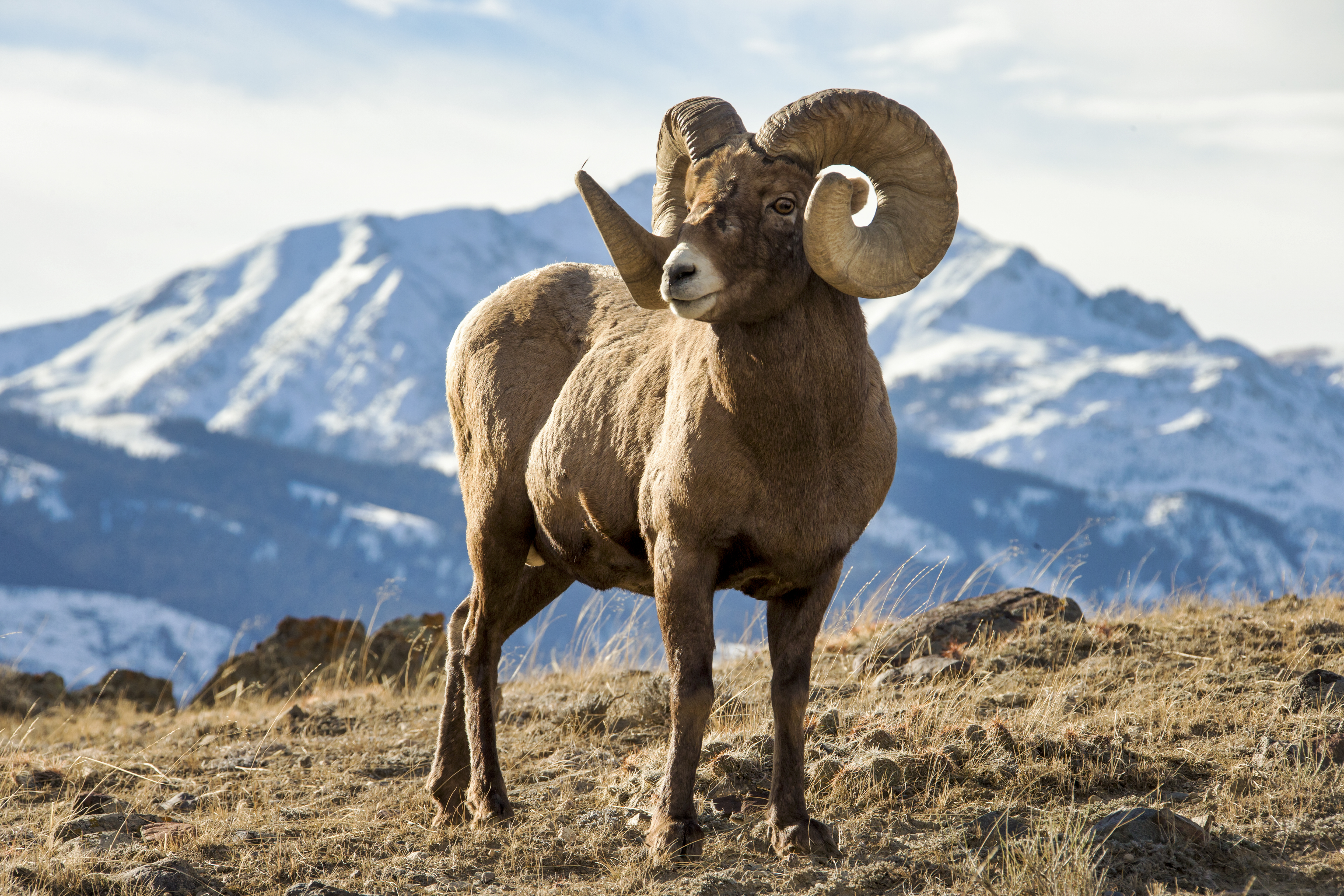
With a subject like this bighorn sheep, the power of the image isn’t in action. It’s in alignment. The body is balanced, grounded, fully present in its environment. Nothing is forced. Nothing is exaggerated. This is a moment of readiness—quiet, contained, but complete.
I’m not chasing dramatic movement here. I’m watching for the exact second when posture, light, and environment align into something coherent. Sometimes that moment happens before movement. Sometimes after. But it always comes from reading the buildup correctly.
Composition follows behavior. If the animal is oriented into space, I leave space. If the posture is vertical and grounded, I respect that structure in the frame. If tension is building, I allow room for what might happen next. The photograph should feel like a continuation of the behavior, not a crop of it.
By the time I press the shutter, I’m not reacting. I’m confirming something I already understood. That’s the difference between capturing an image and translating a moment.
“The photograph is not taken at the moment of action—it is taken at the moment of understanding.”
Ethics & Boundaries — Knowing When Not to Step Forward
There’s a point in every encounter where the question shifts. It’s no longer “Can I get the shot?” It becomes “Should I still be here?” That line is not fixed. It moves with the animal, the season, the terrain, and the level of pressure already present in the environment.
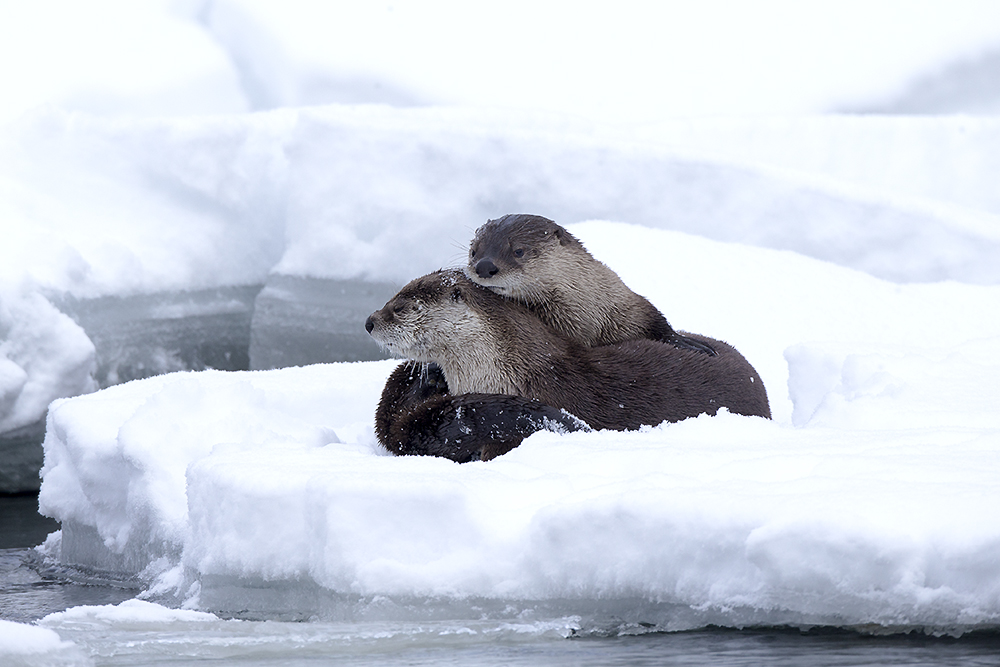
With animals like river otters, curiosity can be misleading. They may approach, look directly at you, or hold their position longer than expected. But curiosity is not permission. If the animal begins to orient around you instead of its natural behavior, you’ve already crossed into influence.
I watch for subtle changes: repeated glances, altered movement paths, hesitation where there was none before. These are early signals that my presence is being factored into the animal’s decisions. When that happens, I reduce pressure immediately—by lowering my posture, stepping back, or ending the encounter entirely.
Seasonal context matters just as much. During breeding, denning, nesting, or harsh winter conditions, the margin for disturbance is much smaller. An animal forced to adjust behavior in those moments pays a higher cost. Ethical fieldwork means understanding those invisible pressures before entering the scene.
Distance is not measured in yards alone. It’s measured in impact. I’m not asking how close I can get—I’m asking how little I can affect what’s already happening. If I do this well, the animal never has to choose because of me.
“Ethics in the field is not about distance—it’s about whether the animal has to change because you are there.”
Naturepedia Connection — Behavior, Habitat, Timing, and the Living System
What I’m reading in the field is never isolated to a single animal. Behavior is always connected—to habitat, to season, to energy flow, to the broader system the animal lives within. A posture only makes sense when you understand the environment shaping it.
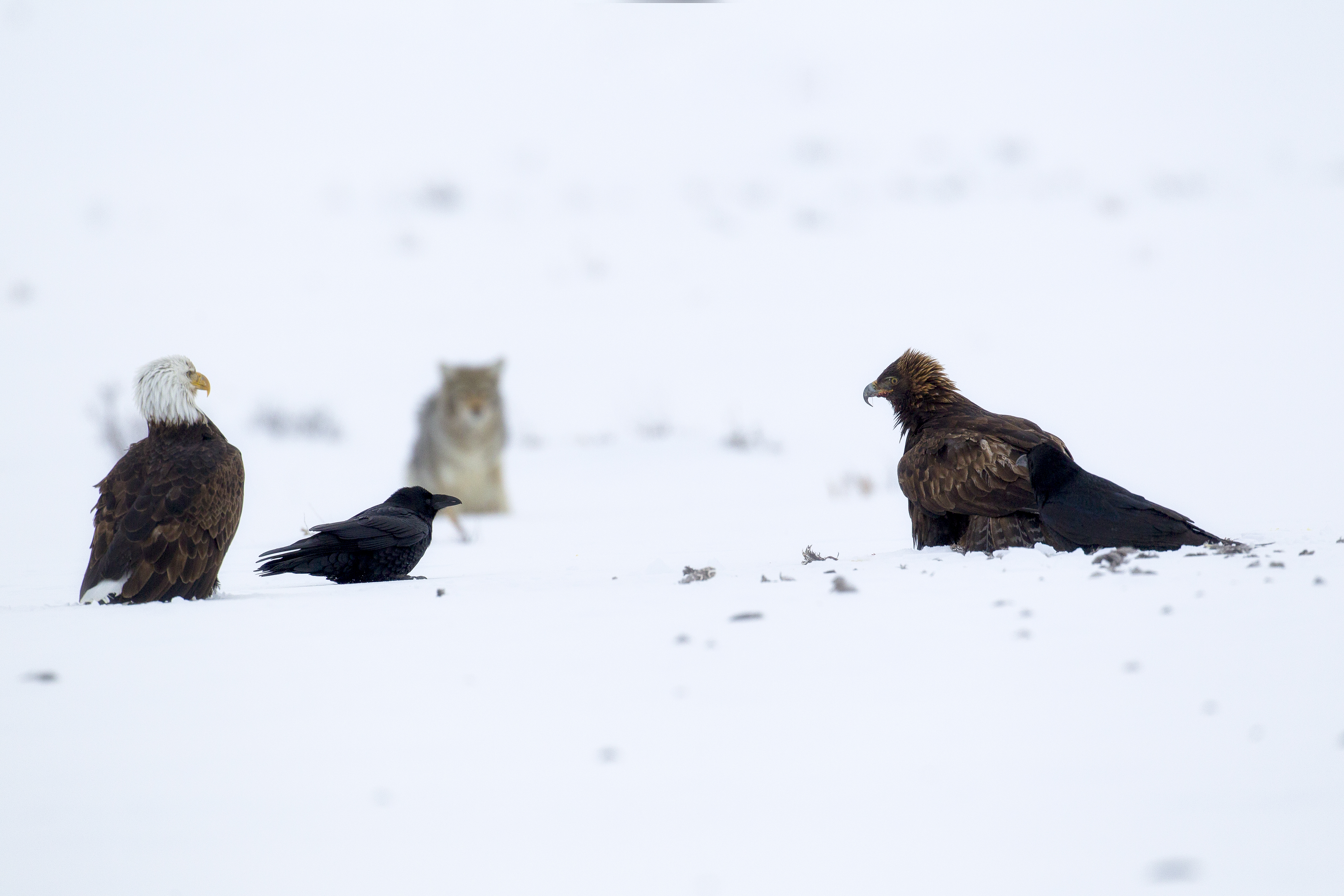
Take this eagle. The slight lift of the wings, the forward lean, the tightening of the body—this is not random. It’s tied to wind direction, terrain, and timing. Cold air carries lift differently. Light defines edges. The landscape determines where flight begins and where it ends. The behavior is inseparable from the place.
This is why reading wildlife correctly means understanding the full chain:
Species → Behavior → Habitat → Geography → Seasonal Timing → Conservation
A wolf in Yellowstone behaves differently than a wolf in a forest corridor. A bird in migration behaves differently than one on territory. A bear in spring carries a different energy than a bear in late fall. If you remove context, you lose accuracy.
This is where Naturepedia becomes essential. It connects what you see in the field to the larger system:
→ Explore behavior patterns in Wildlife Behavior & Ecology
→ Understand movement and timing in Migration & Seasonal Patterns
→ Learn field awareness in Observation & Field Techniques
→ See habitat relationships in Ecosystems of North America
When you begin to connect these layers, body language stops being guesswork. It becomes readable, predictable, and grounded in reality. The field is no longer random—it becomes a system you can move through with awareness.
“Behavior is not a moment—it is the visible edge of a much larger system.”
Frequently Asked Questions
How can I tell if an animal is calm or simply holding still?
Stillness by itself is not enough. I look at the whole pattern: posture, breathing, muscle tension, gaze, and whether the animal continues its natural rhythm. Calm stillness feels settled. Tense stillness feels suspended.
What is the first body-language signal you read in the field?
Usually posture. Spine, head position, weight distribution, and overall shape tell me very quickly whether the animal is feeding, traveling, assessing, guarding space, or preparing to leave.
When should I stop moving in a wildlife encounter?
The moment the animal begins to factor you into its behavior. That can show up as repeated glances, freezing, head lifts, altered direction, or hesitation. Once that starts, I stop adding pressure.
Is body language similar across different species?
Some patterns carry across species—tension, relaxation, vigilance, boundary-setting—but the meaning always depends on context. Habitat, season, breeding status, and the animal’s role in the landscape all matter.
What is the biggest mistake photographers make when reading wildlife?
They wait for obvious action and miss the signals that come first. By the time behavior looks dramatic, the decision point has usually already passed.
How do I become better at reading animal body language?
Spend more time observing without needing a photograph. Watch how posture changes with distance, weather, light, group dynamics, and terrain. The more time you spend reading before reacting, the more accurate your decisions become.