
Mountain Goat | All About Oreamnos Americanus
A Species Built for Elevation
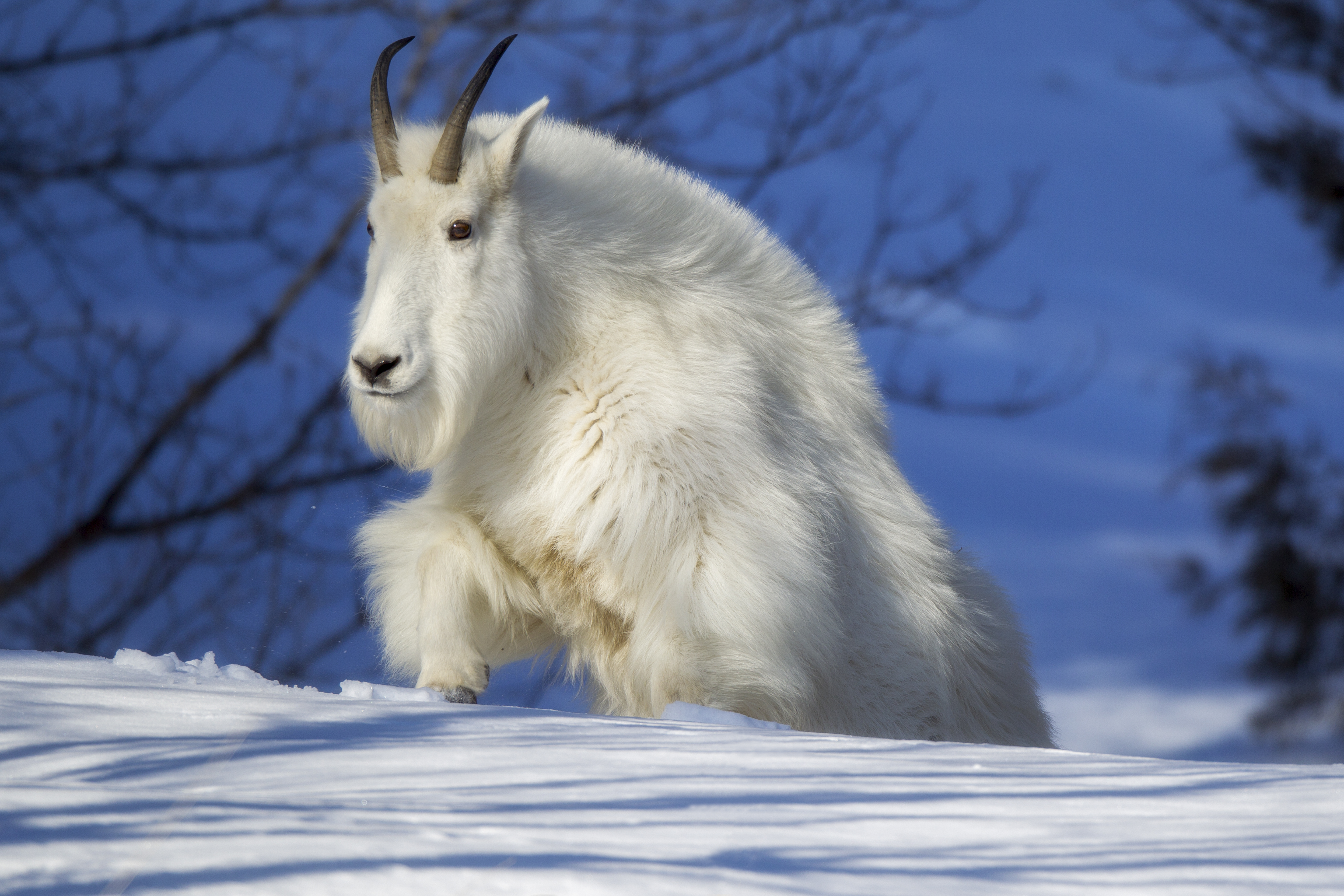
When I think about mountain goats, I don’t think first about rarity or spectacle. I think about terrain. Their presence only makes sense when you see the world they live in—steep slopes, narrow ledges, snowfields, and alpine wind. Everything about them is tuned to that environment.
Mountain goats are not true goats, but they are one of North America’s most specialized high-elevation mammals. Their strength is real, but what defines them even more is control. They don’t force their way through the mountain. They move in step with it.
That is what makes them such an important species in the broader wildlife behavior and ecology system. They show how survival can come not from speed or aggression, but from placement, adaptation, and reading the landscape well.
This page follows that logic from the ground up—starting with mountain goat behavior and physical design, then moving outward into habitat, diet, life cycle, conservation, seasonal patterns, and the larger alpine systems that hold everything together.
“The mountain goat doesn’t stand above the landscape. It reveals what the landscape requires.”
On This Page
Overview — What Makes Mountain Goats Unique
Mountain goats are one of the most distinctive mammals in North America’s high country. Scientifically known as Oreamnos americanus, they are not true goats, but a unique alpine species shaped by steep terrain, cold exposure, and life above the tree line.
What makes them so remarkable is not just that they can climb—it’s that nearly every part of their biology is built around elevation. Their hooves grip narrow ledges. Their bodies are compact and powerful. Their coats insulate them through long mountain winters. Their behavior is organized around safety, visibility, and access to terrain other animals avoid.
They live across the mountainous West, especially in the Rockies, Cascades, and northern alpine ranges, where they connect directly into larger systems of ecosystems, adaptation and survival, and wildlife conservation.
In the field, mountain goats show what specialization looks like at its highest level. They are not generalists. They are animals of cliffs, snow, exposure, and precision—and that is exactly why they matter.
“The mountain goat is a reminder that some species are not built for convenience—they are built for exactness.”
Origins — A Lineage Shaped by Ice and Elevation
The story of the mountain goat begins millions of years ago, long before the modern landscapes we recognize today. Around 7–8 million years ago, their lineage diverged from other members of the Bovidae family, separating from the ancestors of sheep and true goats.
During glacial periods, mountain goats expanded into North America by crossing the Bering land bridge, following emerging mountain systems southward. As glaciers advanced and retreated, their range shifted, but their specialization deepened—favoring steep, rugged terrain where fewer competitors and predators could follow.
Over time, this isolation shaped a species uniquely adapted to alpine life. Their compact bodies, powerful limbs, and specialized hooves are all evolutionary responses to terrain that demands precision over speed.
Today, mountain goats remain the only species in their genus—an evolutionary path that reflects long-term adaptation to elevation, climate, and geological structure. Their presence connects directly to the broader biodiversity and ecosystem balance across North America’s mountain systems.
“They didn’t evolve to fit the mountain—the mountain revealed what they needed to become.”
Identifying Features — Built for Balance and Cold
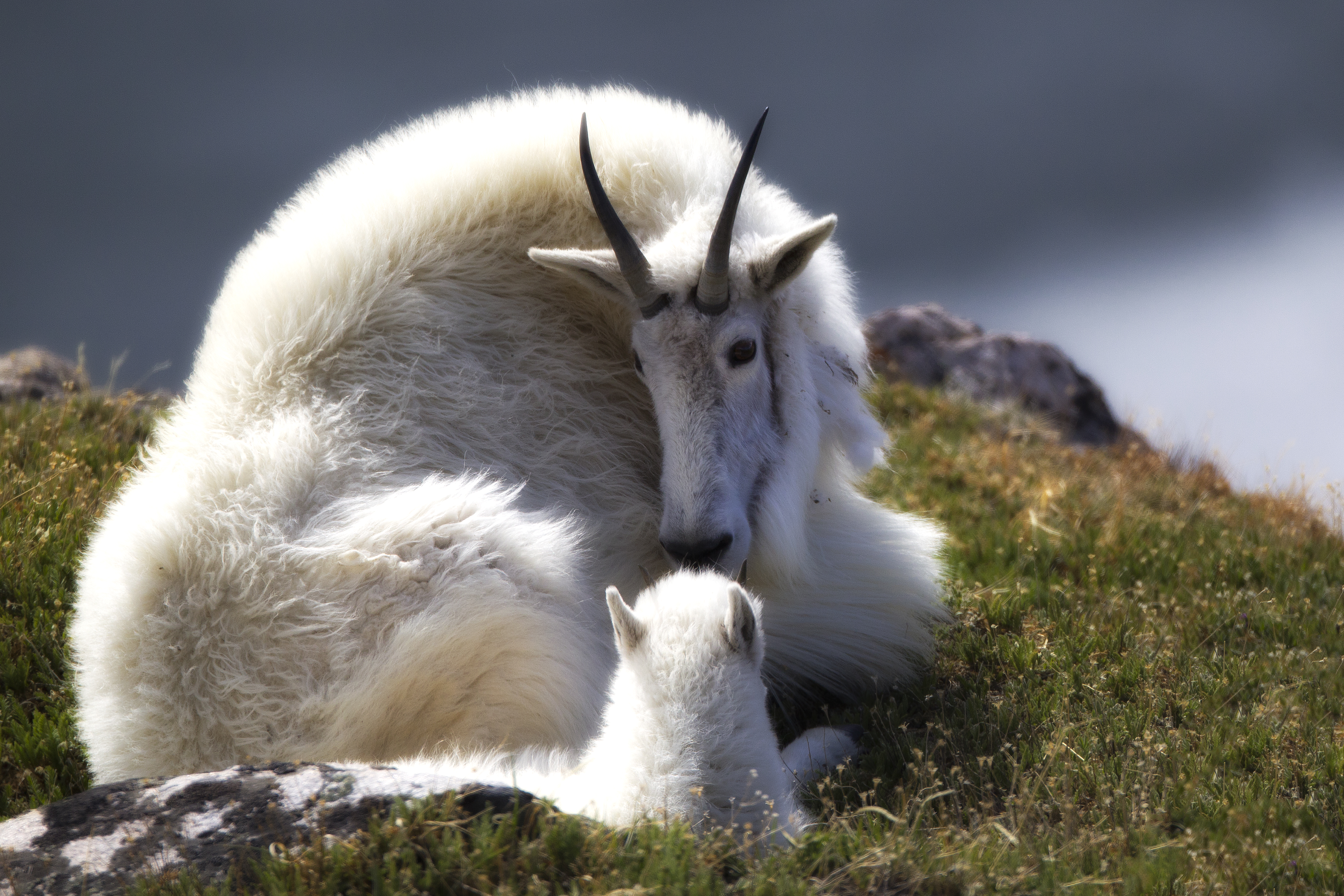
Mountain goats are immediately recognizable, but the details matter when you spend time observing them in the field. Their appearance isn’t just visual—it’s functional. Every feature serves a purpose tied to survival in steep, cold environments.
Coat — Insulation and Camouflage
Their white coat blends into snow-covered terrain while also providing insulation. It consists of a dense underlayer for warmth and longer guard hairs that repel moisture and wind. In winter, the coat thickens significantly, then sheds in spring as temperatures rise.
Horns — Present in Both Sexes
Both males (billies) and females (nannies) grow black, slightly curved horns. Males typically have thicker horns, while females have more slender ones. These are used for defense and dominance interactions, especially during the breeding season.
Body Structure — Strength Over Speed
Mountain goats have stocky bodies, strong shoulders, and relatively short legs. This build keeps their center of gravity low, improving balance on uneven terrain. Adults can weigh between 125 and 300 pounds depending on sex and region.
Hooves — The Critical Adaptation
Their hooves are one of their most important features. A hard outer rim grips rock edges, while a soft inner pad conforms to surfaces for traction. This design allows them to move across steep cliffs where most animals—and even humans—cannot safely travel.
These features place them alongside other alpine specialists like the bighorn sheep, but mountain goats take vertical movement even further—living in terrain that pushes the limits of balance and control.
“Everything about them points to one truth—they are not built to travel the land, they are built to hold onto it.”
Habitat & Range — The Vertical Wilderness
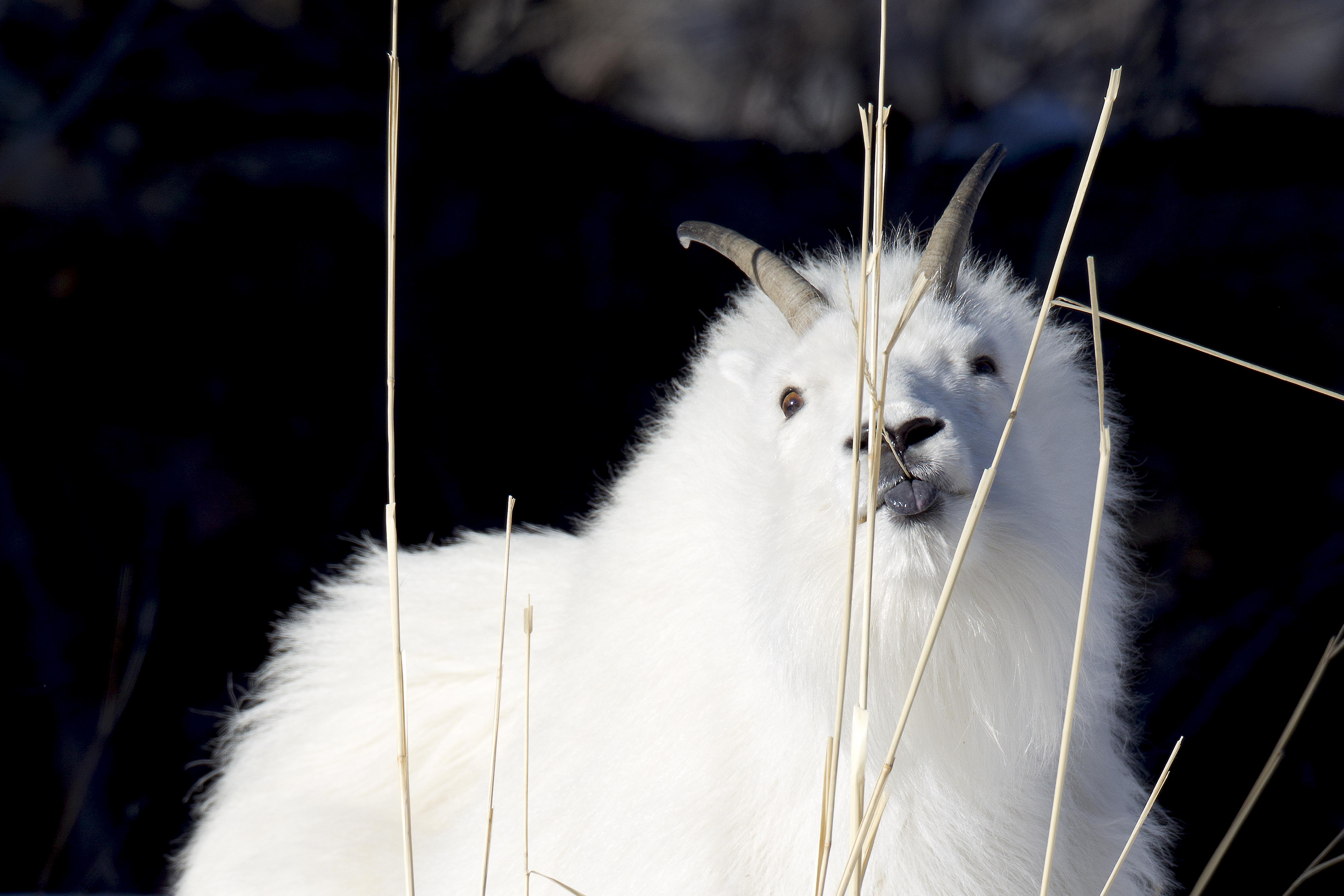
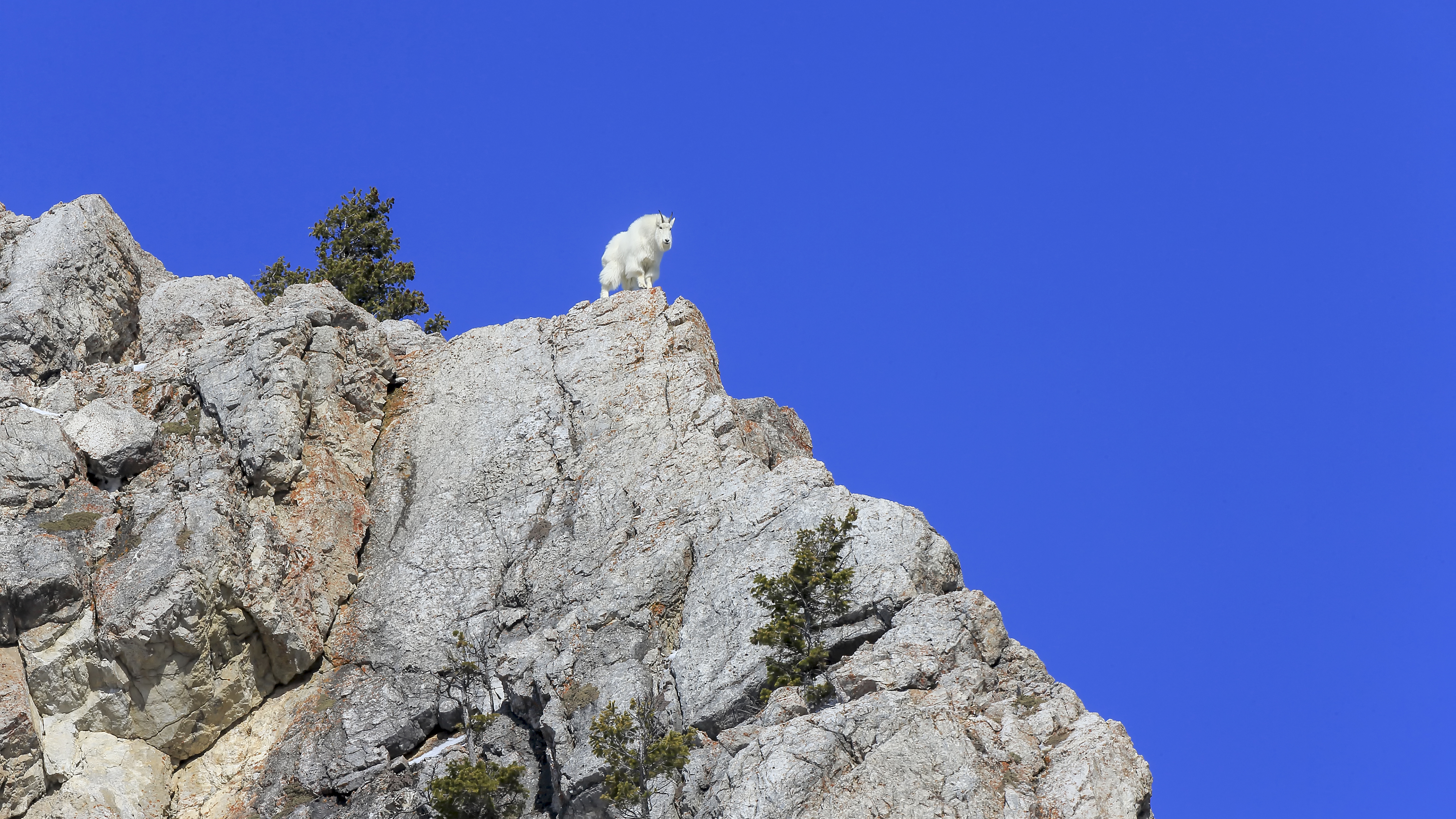
Mountain goats live where most landscapes begin to break apart—where soil thins, vegetation shortens, and rock dominates. Their habitat is defined less by geography and more by structure: steep slopes, cliffs, and alpine ridgelines that provide both food and protection.
Across North America, they occupy mountain systems including the Rockies, Cascades, and northern ranges of Alaska and western Canada. Within these regions, they stay close to escape terrain at all times—areas where predators struggle to follow.
Elevation Over Distance
Unlike many large mammals, mountain goats don’t rely on long-distance migration. Instead, they move vertically. Elevation replaces distance. Their position on the mountain shifts depending on snow depth, vegetation, and exposure to wind.
This makes them a key species within habitat and ecosystem zones, where even small elevation changes can create entirely different environmental conditions.
Why Steep Terrain Matters
Steep terrain is not optional—it is essential. Mountain goats rely on cliffs as their primary defense against predators like wolves, bears, and mountain lions. By staying near vertical escape routes, they reduce the need for speed or long-distance flight.
This positioning strategy ties directly into the food web and ecological relationships of alpine systems—where survival is often determined before an encounter even begins.
“They don’t choose the mountain because it’s difficult—they choose it because it gives them an advantage.”
Diet & Foraging — Survival on Sparse Resources
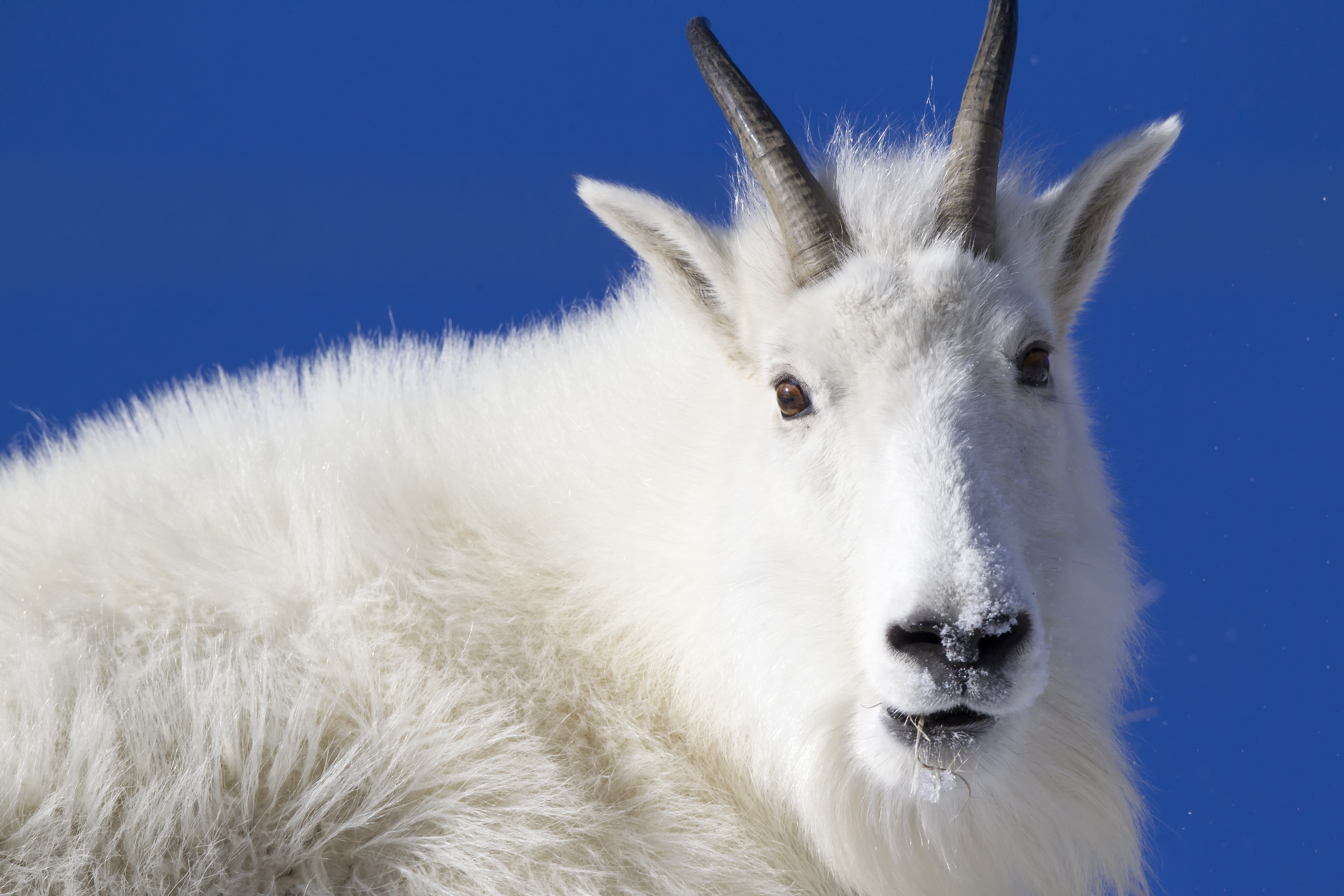
Food at elevation is limited, scattered, and seasonal. Mountain goats survive not by abundance, but by efficiency. When I watch them feed, it’s slow, deliberate, and highly selective—choosing plants that provide the most energy for the least effort.
Their diet includes alpine grasses, sedges, mosses, lichens, and shrubs. During summer, they take advantage of fresh growth in high meadows. In winter, they shift to exposed ridges where snow is thinner, feeding on woody plants, bark, and whatever remains accessible.
Seasonal Feeding Patterns
Feeding behavior changes with the seasons. Summer is the primary growth period, when goats build fat reserves and strength. Winter is about conservation—less movement, less intake, and careful energy use.
These patterns connect directly into seasonal wildlife systems, where timing is just as important as location.
Mineral Needs and Salt Behavior
One of the most notable behaviors is their search for minerals—especially salt. Mountain goats will travel significant distances across steep terrain to reach natural mineral licks. In some areas, they are drawn to human sources like trails or gear, which can lead to dangerous interactions.
Their role as herbivores ties them directly into the alpine food web, where they influence vegetation patterns and nutrient cycling across elevations.
“They don’t eat to fill—they eat to sustain. Every bite is part of a larger balance.”
Behavior & Lifestyle — Living in Structure and Silence
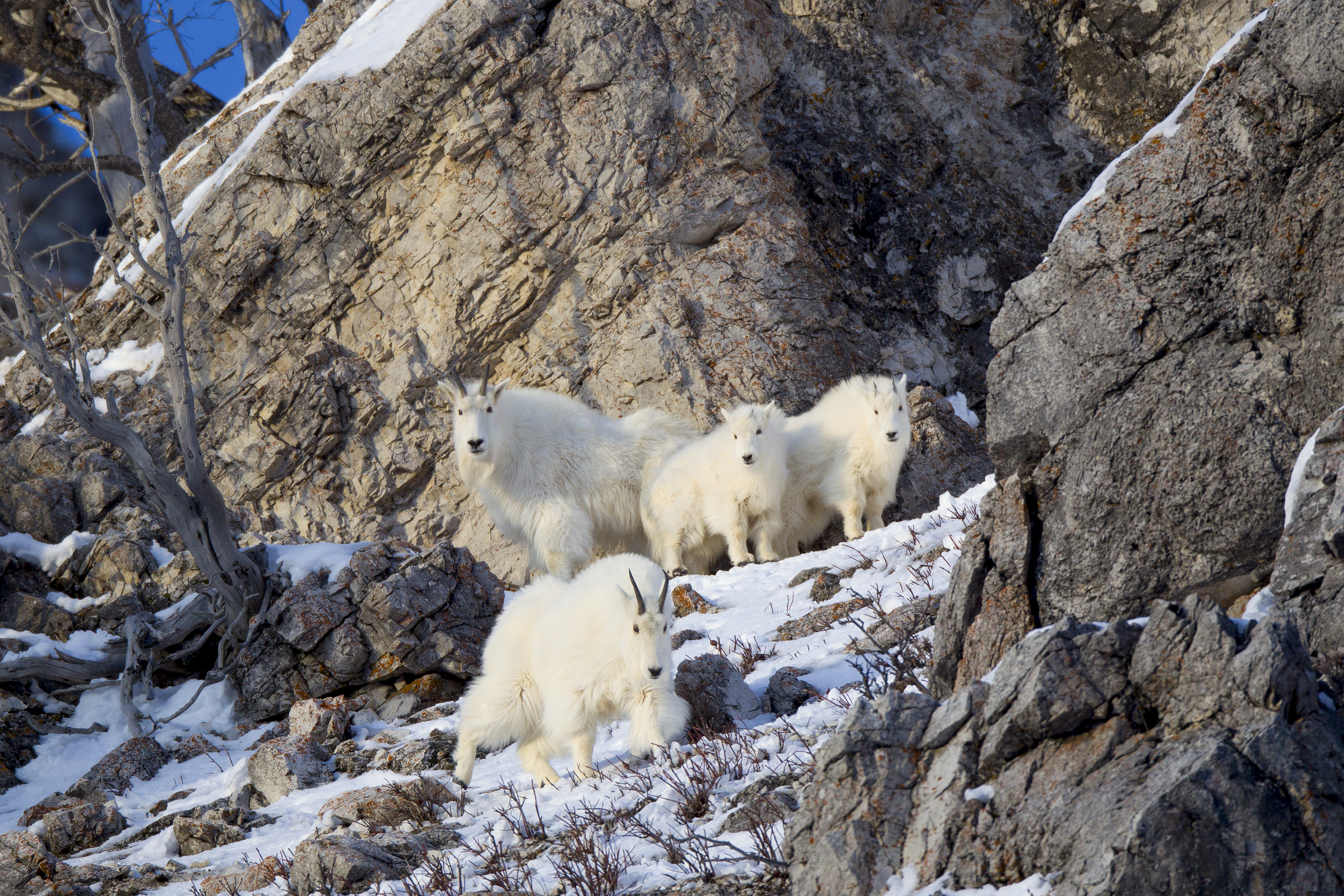
Mountain goats live in a system that looks quiet from a distance, but is highly structured when you watch closely. Their behavior is not random. It’s shaped by terrain, hierarchy, and constant awareness of risk.
In the wildlife behavior and ecology system, they represent a strategy built around positioning. They don’t react to danger—they reduce exposure before danger even appears.
Social Groups and Hierarchy
Females (nannies) form small, stable groups with their young, while males (billies) are often solitary or loosely grouped outside of breeding season. Within female groups, dominance hierarchies determine access to food and positioning on the landscape.
This structure minimizes conflict and allows the group to move efficiently through complex terrain without unnecessary risk.
Communication and Movement
Mountain goats communicate through posture, spacing, and movement rather than vocalization. A shift in stance or direction can signal dominance, caution, or retreat.
Their movement patterns are steady and deliberate—rarely rushed, always controlled. This is critical in terrain where one mistake can have serious consequences.
Rut Season and Competition
During the fall rut, males engage in controlled head-to-head clashes to establish dominance and breeding rights. These encounters are powerful but structured, reflecting a system where energy is conserved except when it matters most.
Even during conflict, terrain influences behavior—fights typically occur where footing is stable enough to withstand impact.
“Their world is quiet, but not simple. Every movement is part of a larger decision.”
Behavior & Lifestyle — Living in Structure and Silence
Mountain goats live in a system that looks quiet from a distance, but is highly structured when you watch closely. Their behavior is not random. It’s shaped by terrain, hierarchy, and constant awareness of risk.
In the wildlife behavior and ecology system, they represent a strategy built around positioning. They don’t react to danger—they reduce exposure before danger even appears.
Social Groups and Hierarchy
Females (nannies) form small, stable groups with their young, while males (billies) are often solitary or loosely grouped outside of breeding season. Within female groups, dominance hierarchies determine access to food and positioning on the landscape.
This structure minimizes conflict and allows the group to move efficiently through complex terrain without unnecessary risk.
Communication and Movement
Mountain goats communicate through posture, spacing, and movement rather than vocalization. A shift in stance or direction can signal dominance, caution, or retreat.
Their movement patterns are steady and deliberate—rarely rushed, always controlled. This is critical in terrain where one mistake can have serious consequences.
Rut Season and Competition
During the fall rut, males engage in controlled head-to-head clashes to establish dominance and breeding rights. These encounters are powerful but structured, reflecting a system where energy is conserved except when it matters most.
Even during conflict, terrain influences behavior—fights typically occur where footing is stable enough to withstand impact.
“Their world is quiet, but not simple. Every movement is part of a larger decision.”
Wool & Cold Adaptation — Built for Alpine Winters
Surviving at elevation means surviving cold, wind, and exposure for most of the year. Mountain goats are equipped for this through one of the most effective insulation systems found in North American wildlife.
Double-Layer Coat System
Their coat consists of two layers: a dense underfur that traps heat and a longer outer layer of hollow guard hairs that repel moisture and block wind. This combination allows them to remain active in temperatures that would challenge most mammals.
Snow often accumulates on their backs without melting, a sign of minimal heat loss—an important indicator of how efficient their insulation really is.
Seasonal Shedding and Regrowth
As spring arrives, mountain goats shed their winter coat in large tufts. This process is triggered by changing daylight cycles rather than temperature alone, showing how closely their biology is tied to seasonal rhythms.
The shed wool often catches on vegetation, contributing organic material back into the environment—another small but important connection within alpine ecosystems.
Energy Conservation Through Insulation
By maintaining body heat efficiently, mountain goats reduce the amount of energy required to survive winter. This allows them to operate on limited food resources during the coldest months.
These adaptations align directly with the broader adaptation and survival systems found across high-elevation environments.
“Their coat is not just protection—it’s the difference between enduring winter and being defined by it.”
Conservation — Maintaining Balance in Fragile Alpine Systems
Mountain goats may appear isolated from human influence, but their habitat is more sensitive than it looks. Alpine environments recover slowly, and even small disturbances can have lasting effects on vegetation, soil stability, and animal behavior.
Within the wildlife conservation and habitat system, mountain goats represent a species where long-term stability depends on protecting very specific terrain rather than large geographic areas.
Habitat Pressure and Climate Influence
Changes in climate are altering alpine ecosystems. Tree lines are shifting upward, snowpack is becoming less predictable, and vegetation patterns are changing. For mountain goats, this means their usable habitat is slowly compressing into narrower elevation bands.
Because they rely on steep terrain for safety, their ability to relocate is limited. This makes them especially sensitive to environmental change compared to more mobile species.
Human Interaction and Behavioral Change
Increased recreation in alpine areas has led to more frequent human-wildlife encounters. Mountain goats can become habituated to people, especially when seeking salt from gear, trails, or campsites.
This changes their natural behavior and can lead to conflict, relocation, or removal. Maintaining distance is one of the most important ways to preserve their natural patterns.
Population Management and Ecosystem Balance
In some regions, mountain goats have been relocated to maintain balance between populations and habitat capacity. These decisions reflect a broader understanding of biodiversity and ecosystem balance, where species must exist in the right numbers and in the right places.
Responsible Observation
If you encounter mountain goats in the wild, observation should not alter their behavior. Keep distance, avoid leaving salt sources, and allow them to move freely. This is a core principle of field observation techniques and long-term conservation.
“Protecting mountain goats isn’t about reaching them—it’s about leaving their world intact.”
Naturepedia Connection — Mountain Goats and the Alpine System
Mountain goats are one of the clearest examples of how species, terrain, and behavior form a unified system. Their entire existence is shaped by elevation—where cliffs provide safety, sparse vegetation dictates movement, and seasonal shifts determine survival.
They are not just part of the alpine ecosystem—they help define it. Their grazing influences plant distribution. Their movement patterns shape how predators interact with terrain. Their presence reflects the stability of high-elevation environments that operate under tight ecological constraints.
This is how I build the structure of the site—connecting species into a larger system: species classification, behavior and ecology, ecosystems, and conservation.
Understanding mountain goats means understanding how life adapts to constraint—how survival is shaped not by abundance, but by precision and positioning within a system.
To explore this deeper, continue into the Naturepedia system and follow these connections across species, habitats, and seasonal patterns.
Frequently Asked Questions — Mountain Goats
What makes mountain goats such expert climbers?
Mountain goats have specialized hooves with a hard outer edge and a soft, flexible inner pad that provides traction on steep rock. Combined with strong muscles and balance, this allows them to navigate terrain that most animals cannot.
Are mountain goats actually goats?
Despite their name, mountain goats are not true goats. They belong to their own genus (Oreamnos) and are more closely related to antelope within the Bovidae family.
Where do mountain goats live?
They live in alpine and subalpine environments across western North America, including the Rocky Mountains, Cascades, and northern mountain ranges. Their habitat is defined by steep terrain rather than just elevation.
What do mountain goats eat?
Mountain goats are herbivores that feed on grasses, sedges, mosses, lichens, and shrubs. Their diet shifts seasonally depending on availability, especially in winter when food is limited.
Do mountain goats migrate?
They do not migrate long distances, but they move vertically with the seasons—climbing higher in summer and descending slightly in winter to access food and reduce exposure.
How do mountain goats survive harsh winters?
Their thick double-layer coat traps heat and sheds moisture. They conserve energy by reducing movement and feeding efficiently on available vegetation.
What are their main predators?
Mountain goats are preyed upon by wolves, mountain lions, and bears. However, their ability to escape to steep terrain is their primary defense against predation.
Why are mountain goats important to ecosystems?
They influence alpine vegetation through grazing and contribute to nutrient cycling. Their presence also supports predator populations and reflects the health of alpine ecosystems.
About Robbie George
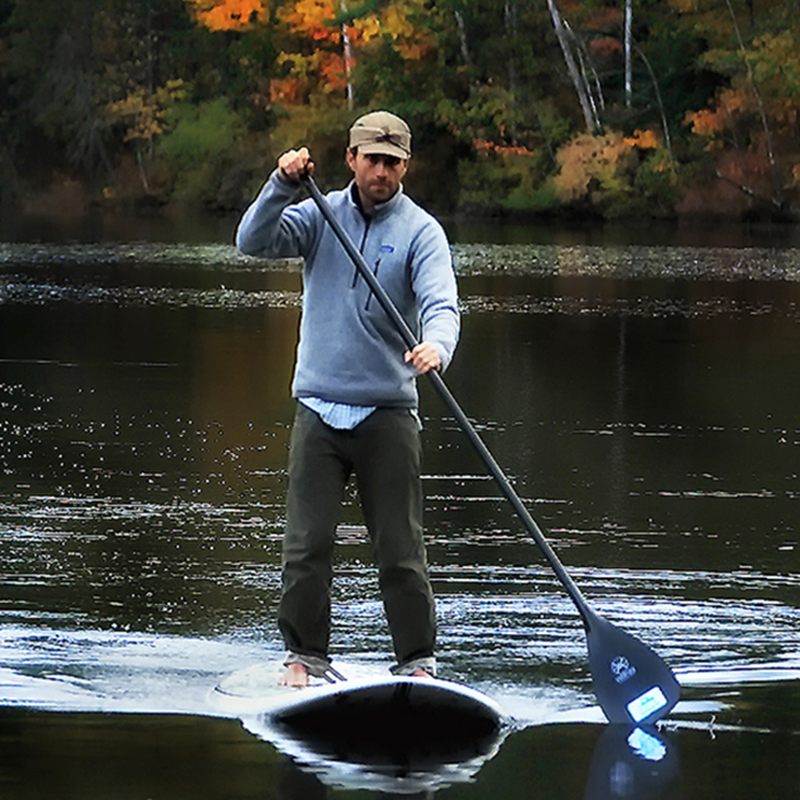
I’m Robbie George, a National Geographic–published wildlife photographer. My work is built through time in the field—returning to landscapes across seasons to understand how animals move through terrain, how they position themselves within risk, and how they belong within the larger systems around them.
Mountain goats have shaped how I see elevation and terrain more than almost any species. To photograph them, you have to read the mountain—light, wind, cliffs, and movement all working together. They don’t just live in the alpine—they define how life operates within it. That same field-first approach drives the Naturepedia Wildlife Knowledge System.
You can explore more field-based work in the Wildlife Gallery, or plan your own time in the field using tools like the Seasonal Wildlife Calendar and Photography Maps.
“The mountain goat teaches you that survival isn’t about force—it’s about placement. Where you stand determines everything.”