
The River Remembers the Moon — Water as the Fourth Field
The First Whisper: Water Moves Before You Do
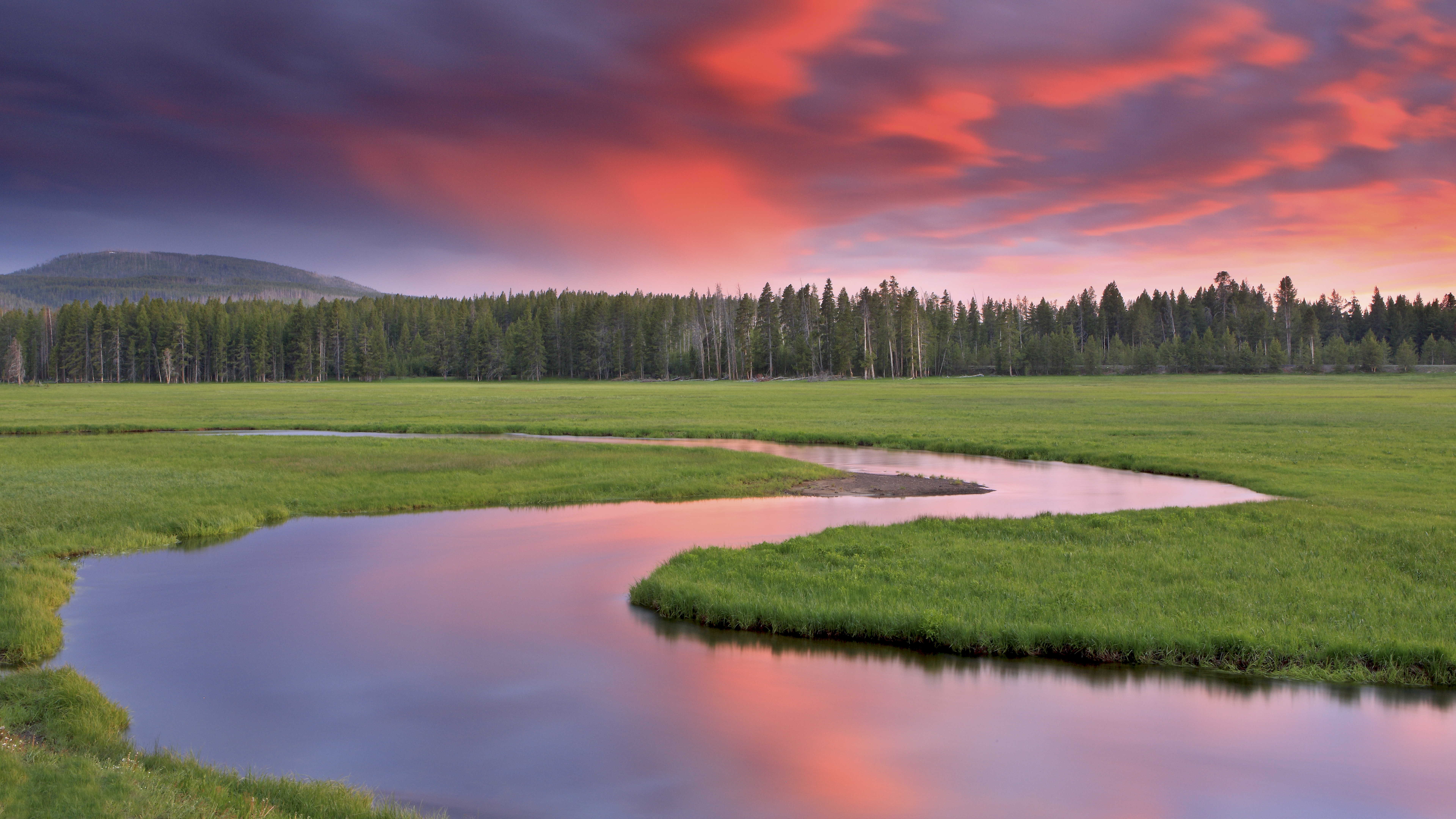
Before a river ever touches the paddle, it is already speaking. Long before your eyes register the shift, the current adjusts itself — pressure tightening here, relaxing there, seams sliding into new alignments. Every motion begins as a whisper in the field.
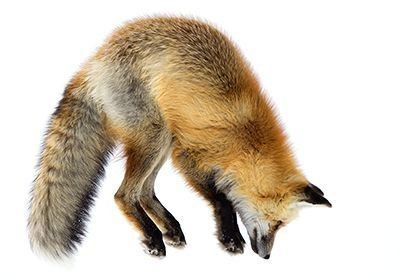
My first river lesson came in a single sentence: “If you don’t want to hit a rock… don’t look at it.” Years later, I realized this wasn’t advice about kayaking — it was the river revealing the same truth the fox taught me in snow, the bear taught me in breath, and the pines taught me in fire: attention is gravity.
The river is the first field where you feel this directly — not as theory, but as pull. Where you place your awareness determines your trajectory. Where you focus becomes the attractor. This is the same recursion at the heart of The Grand Compression , the organizing pulse beneath every natural intelligence.
Stand by a river long enough, and you learn that motion doesn’t begin with water. It begins with the field — with subtle changes in attention, pressure, weight, and possibility. The river simply reveals what was already shifting.
Thunderstorms: The Sky’s Compression Engine
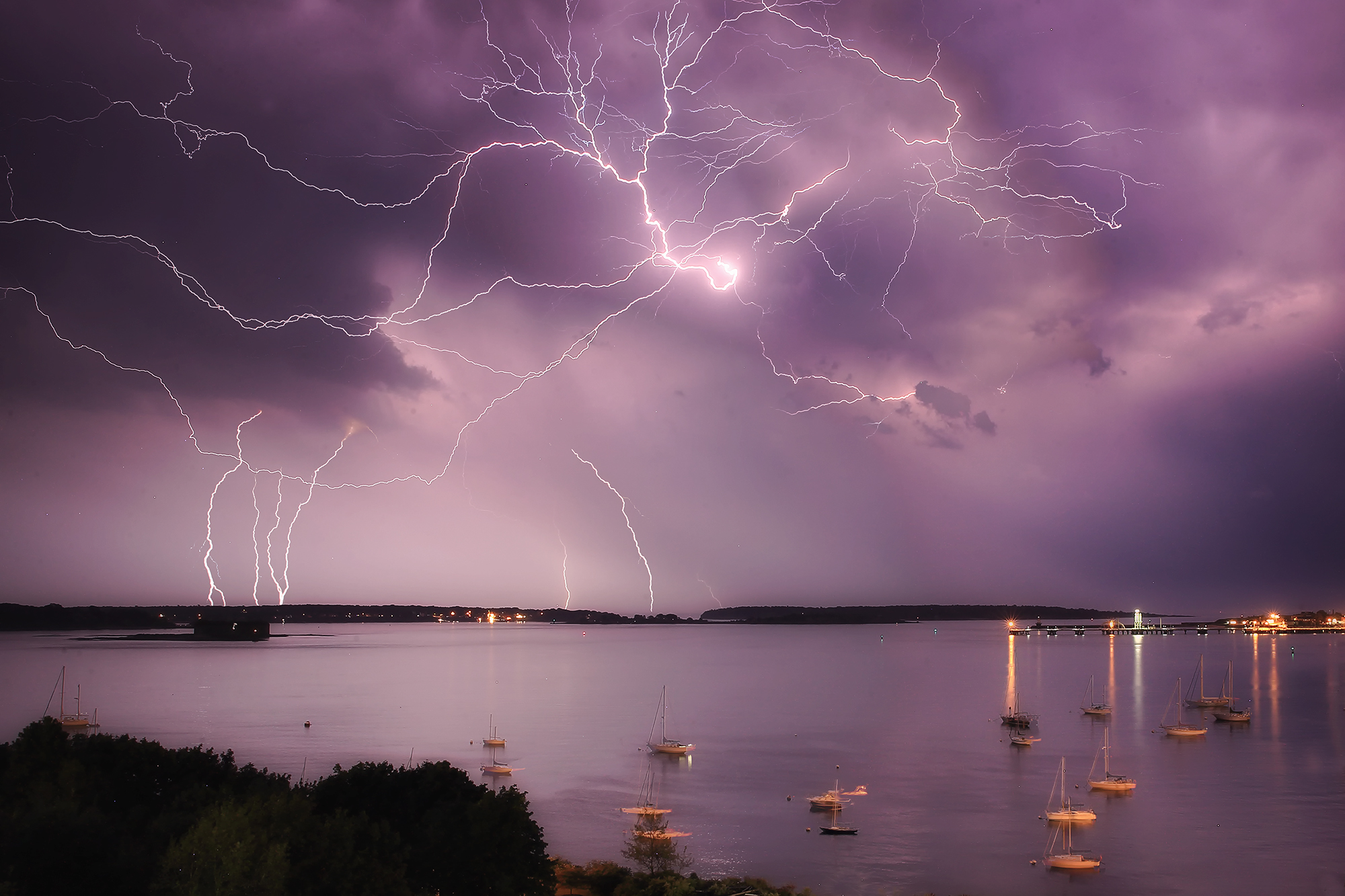
Before water ever gathers into a channel, it compresses. Thunderstorms are the atmosphere rehearsing the same pattern that shows up later in the river’s bends, the tree’s spirals, and the photon’s path — the core rhythm of The Grand Compression .
On a storm day, warm air rises from the ground like a memory trying to return home. Moisture is lifted, stacked, and tightened into invisible potential. Charge separates. The sky becomes a capacitor — a living tension field suspended between earth and cloud, waiting for a single decision.
Compression Phase
- Warm, moist air rises and cools.
- Pressure builds inside towering cumulonimbus clouds.
- Positive and negative charge separate into layers.
- Vapor tightens into droplets — stored potential energy.
Decompression Phase
- Lightning snaps a path through the tension field.
- Thunder shakes the pressure loose.
- Rain falls, translating vertical charge into horizontal flow.
- Rivers awaken and carry the storm’s memory downhill.
Every bolt is a serotinous cone in the atmosphere — a sudden ignition that opens the seed bank of water. The same way lodgepole cones in fire-adapted forests wait for heat to release their seeds, storm clouds wait for a flash of light to release stored rain. Compression, ignition, release. Field, spark, flow.
From orbit, these storm cells look like vertical rivers — columns of water moving up, tightening into geometry, then falling back down to become lakes, wetlands, and the meandering channels we call home. What we feel as “weather” is really the upper branch of the same Nature Code that guides every droplet sliding past our feet.
Snow & Ice: The Stillness Between Storm and Flow
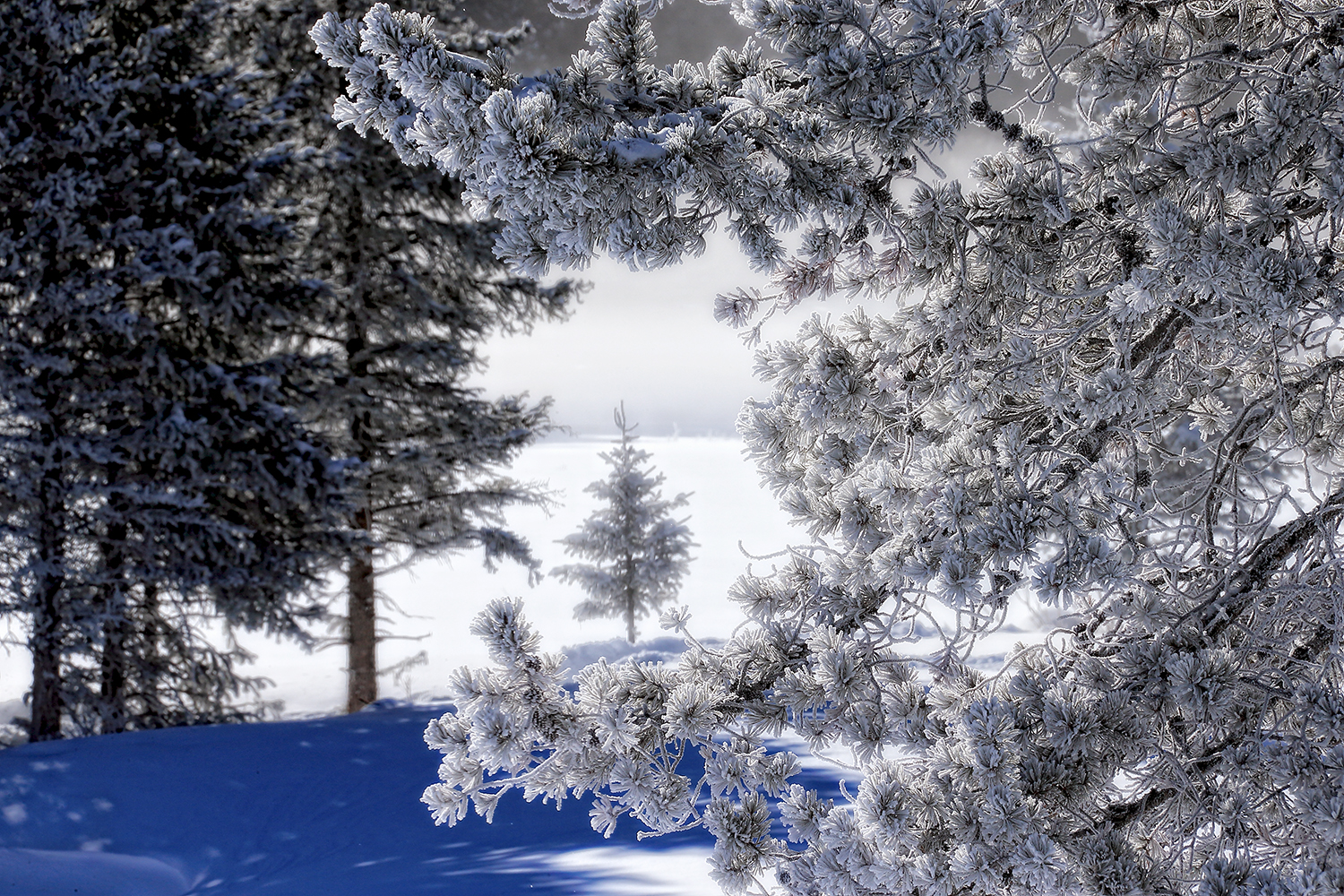
After a storm releases its stored thunder, the atmosphere performs one more gesture before returning water to motion: it pauses. Snow is compressed atmosphere held in winter silence — the sky practicing stillness. This quiet is not absence; it is memory.
Each snowpack layer is a vertical archive, stacking storms the way tree rings stack seasons or the way the lodgepole pine holds centuries of fire in resin. The field pauses long enough to record itself — wind direction, ash, lightning dust, and micro-crystals of past events all sealed into translucent time.
Ice is a freeze-frame of the field. The world in mid-inhale. The atmosphere captured in a single tense moment between compression and release. In this stillness, water remembers everything — pressure, temperature, vibration — a quiet cousin to the Grand Compression written across all living systems.
When spring arrives, the thaw is decompression in slow motion: sunlight loosens winter’s fist one droplet at a time. Meltwater begins to thread itself downhill, feeling for the familiar paths carved by storms, beavers, salmon, and centuries of returning flow. The river wakes not with a roar — but with a memory.
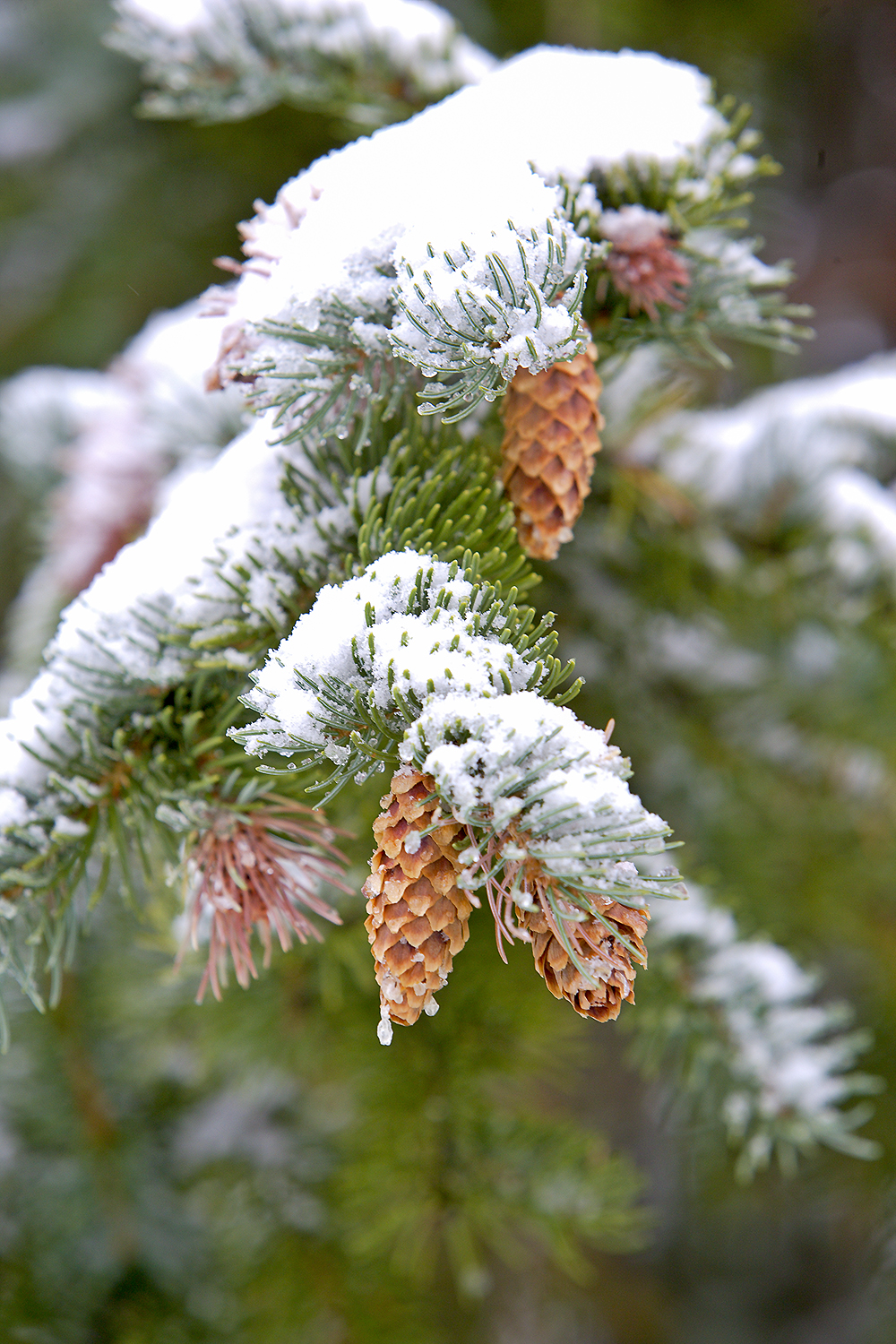
Snowflake Lattice: The Field Showing Its Face
If thunderstorms are the sky compressing, snowflakes are the moment that compression becomes visible geometry. Each crystal is the atmosphere pausing to show its face — a brief reveal of the invisible equations behind the Nature Code .
At the scale of molecules, water arranges itself into hexagons and branching arms that echo the same symmetries that appear in E8 lattice diagrams , pine cone spirals, and river meanders. Temperature, humidity, and vibration nudge each atom into place; the field writes a tiny map of itself in ice. What falls into your glove is not “just” frozen water — it is a snapshot of the atmosphere’s breath taken at one exact fraction of a second.
If a pine cone is slow memory, sealing fire history across centuries, a snowflake is instant memory. It records the conditions of the sky in the blink of an eye, then offers that pattern to the ground, the forest, and eventually the river. When these crystals melt, their geometry doesn’t disappear — it dissolves into flow, adding its signature to the grand archive of water memory .
Seen this way, winter storms are not interruptions in the cycle of life; they are the high-resolution printouts of the Grand Compression . Each flake is a tiny, self-similar fragment of the same pattern that shapes galaxies, forests, and neural networks — an ephemeral mandala that will soon become spring runoff.
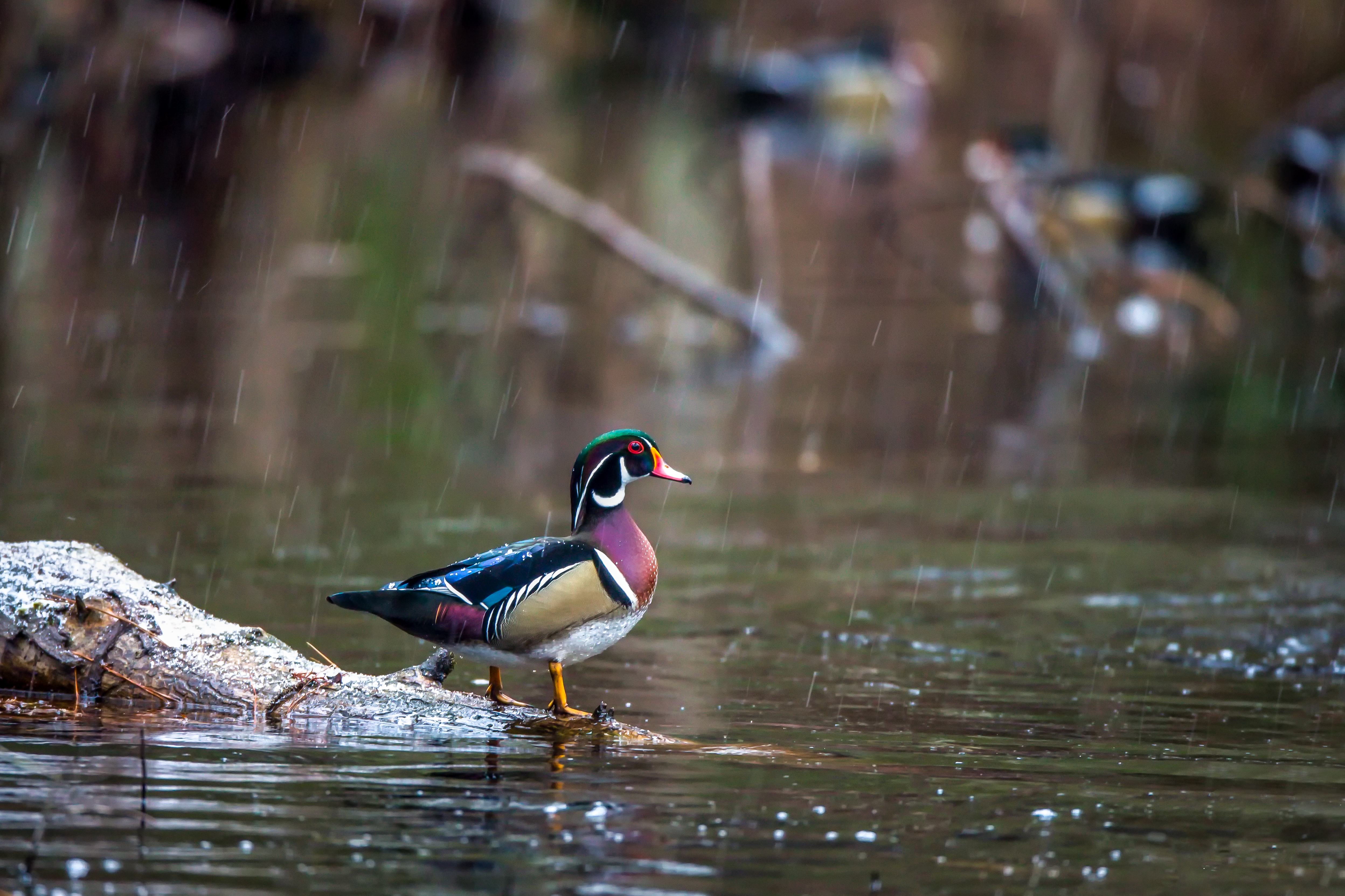
Vortices in Falling Rain & Snow: The Spiral Descent
Rain and snow do not fall straight. Every droplet, every flake, every tiny bead of water dances through the atmosphere in spirals — micro-vortices shaped by pressure gradients, turbulence, and the geometry of the field itself. What looks like a simple descent is actually a cascade of invisible helices.
When rain finally meets a pond or river surface, those spirals leave fingerprints. Each impact sends out concentric rings — expanding ripples that make the hidden geometry visible. These are atmospheric vortices translated into water language: waves, circles, interference patterns. The field speaking in echoes.
Scientists call them Kelvin–Helmholtz waves, micro-toroids, downdraft rollers, and gravity-wave curls. But beneath the equations is a simpler truth aligned with the Nature Code : every falling particle spins because the atmosphere itself is recursive.
These spirals are not random. They echo the same winding flows found in river eddies, the same branching in snowflakes, the same fractal curls in the Grand Compression , and even the same toroidal structures in magnetic fields and galaxies. Every raindrop is a tiny universe falling from the sky, tracing the path of invisible geometry.
Rain and snow don’t fall — they spiral. Each drop is a small galaxy, each ripple a translation of atmospheric memory into liquid form.
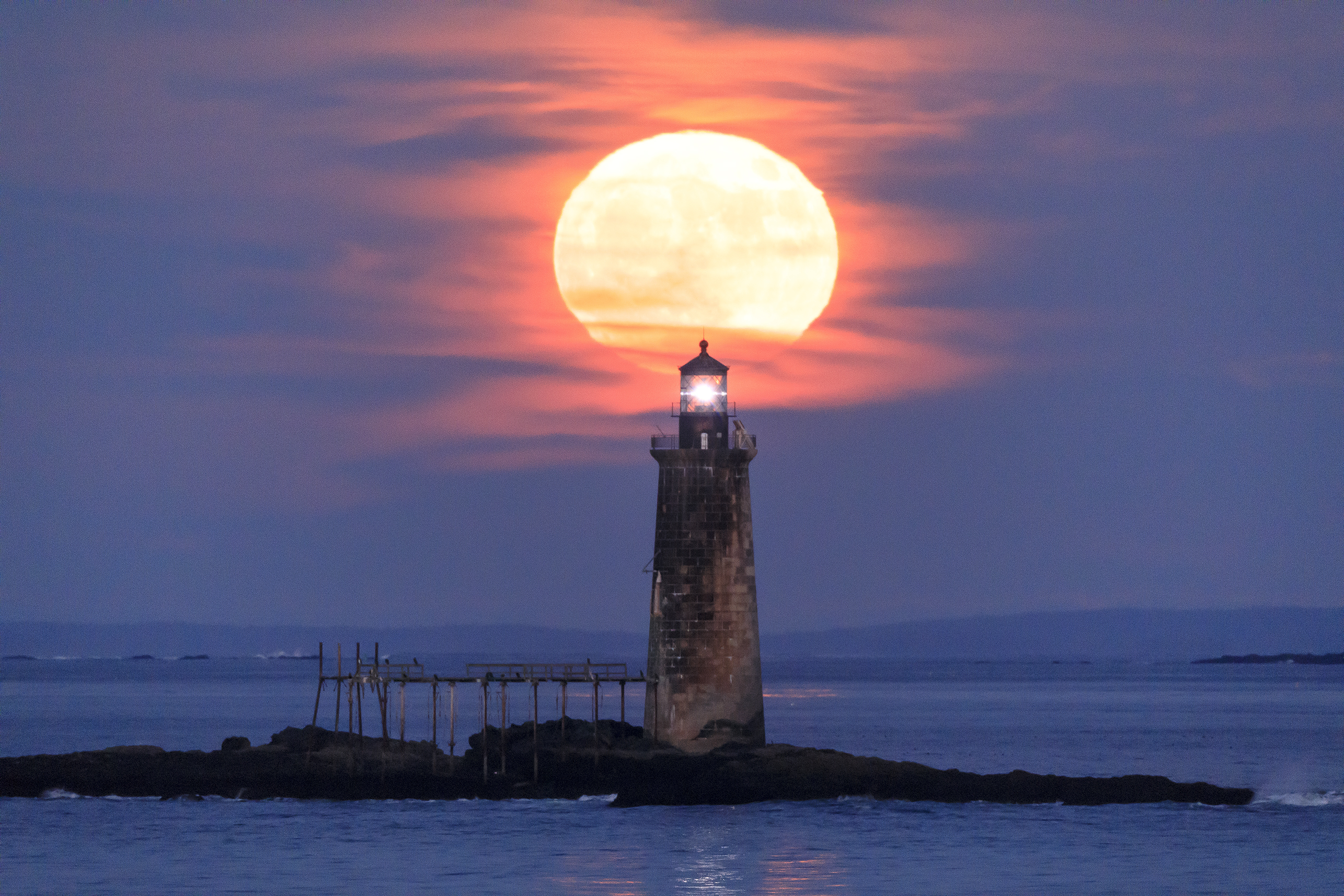
Lunar Breath: Earth’s Long-Wave Recursion
Stand by the ocean long enough and you can feel it: the planet is breathing. Tides are the slow inhale and exhale of water following the moon — a planetary-scale version of the same recursion that moves a fox through snow, a bear through seasons, and a pine forest through centuries of fire and regrowth.
- Fox: milliseconds of decision in a single leap.
- Bear: seasons of breath, fasting, and emergence.
- Pine: centuries of cone, fire, and forest memory.
- River: lunar epochs of rise, fall, floodplain, and delta.
In the language of the Grand Compression , tides are long-wave coherence. The moon’s gravity stretches the ocean into an oval, and that subtle elongation sweeps across coastlines twice a day. What looks like waves lapping at a lighthouse’s base is actually a moving interference pattern between Earth, Moon, and Sun — a cosmic rhythm written into shoreline and salt marsh.
Indigenous cultures have read this lunar breath for millennia. Tide calendars, canoe routes, and salmon cycles were never “external” data — they were agreements with a living field. Along salmon rivers and coastal estuaries, people timed their movements to the same gravitational pulse that guides returning fish and migrating birds, long before modern science named it orbital mechanics.
Today, we might call it “living by the tides” , but underneath is a more precise description: humans, water, and moon locked in recursive relationship. Every incoming tide refreshes estuaries, recharges wetlands, and feeds the nutrient loops that support shorebirds, shellfish, and the salmon nations that carry memory upstream. The river is not separate from this; it is the inland extension of the same lunar breath.
On paper, it’s just gravity and orbital periods. In the field, standing at the edge of a rising tide, you feel something else: the quiet certainty that water is listening to the sky, and that your own body — rich with water memory — is part of that same recurring breath.
Salmon: The Pine Cones of Water
Salmon are water’s serotinous cones — memory that swims. The same intelligence that seals a pine cone until fire arrives also seals salmon with an ancestral map: a living blueprint of rivers, currents, magnetic signatures, and lunar timing. They carry the field’s instructions in their bodies, then release them in the gravel beds where their lineage began.
“Salmon are pine cones with hearts — sealed memory swimming a thousand miles to open in the exact gravel where their ancestors once did.”
Their journey is not trial-and-error. It’s recursion. A return encoded in the same pattern that guides the fox through a fresh snowfall, the bear through seasons of fasting and emergence, and the river through its lunar breath. Each species expresses the same organizing principle of the Grand Compression at its own scale: spark, breath, memory, and return.
Indigenous salmon nations have long recognized this returning intelligence. They understand that salmon do not simply “migrate” — they remember. They navigate by magnetic fields, by moon phases, by the texture of currents against their bodies. Their return recharges the entire watershed, feeding forests, eagles, bears, insects, and soil itself. A river without salmon is a story without its remembering.
And when salmon die, their bodies become the forest’s next chapter — nitrogen, minerals, isotopes, and ocean nutrients carried hundreds of miles inland. Their memory literally becomes soil, which becomes trees, which becomes shade and rainfall patterns and the slow cycles described in water memory . The river does not forget. It absorbs.
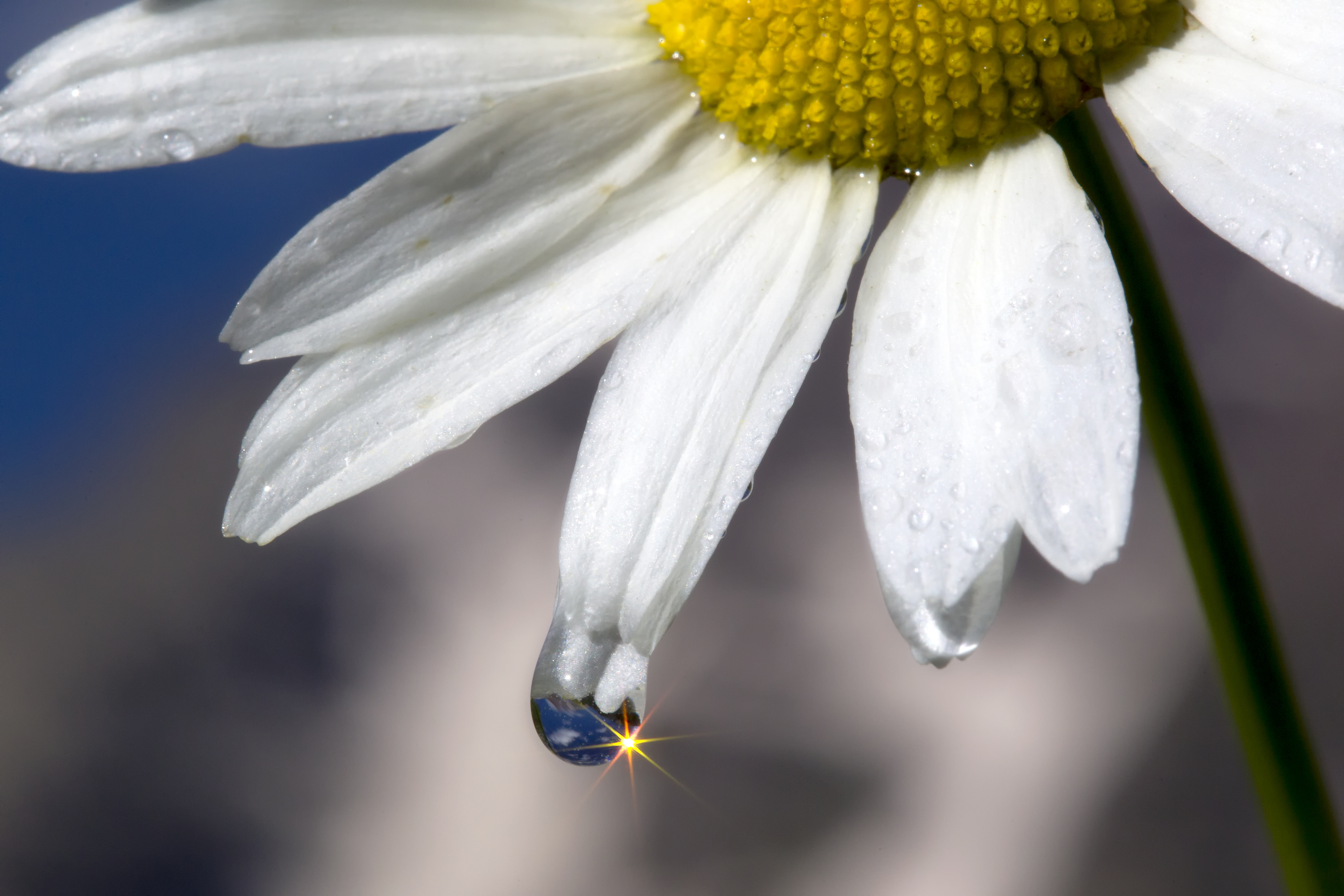
Water Memory: The Liquid Archive
A river is not just moving water; it is moving history. Every droplet that slides past a rock carries more than H2O — it carries vibration, minerals, ash, pollen, atmospheric dust, and the afterimage of storms and winters long gone. Water is the medium that remembers, the living archive described throughout my Water Memory work .
Think of a mountain snowfield that has stored an entire season of blizzards, lightning dust, and silent nights, then melts into a single rivulet. By the time that meltwater gathers into a river, it has already integrated the sky’s signatures, the rock’s minerals, the forest’s ash, and the soil’s microbial chemistry. Each confluence is not only an increase in volume, but an increase in memory density — more stories dissolved into the same flowing field.
In the language of the Grand Compression , water is a compression engine for information. It gathers signals from fire-scarred hillsides, glacial ice, volcanic soils, and even the biophotons emitted by living cells, then blends them into a single coherent flow. This is why rivers have always been associated with prophecy and intuition in human stories: they are literally carrying the imprints of everything they’ve touched.
Modern science is beginning to map this idea in its own language — tracing isotopes, dissolved organics, and quantum information storage in water . Yet the lived experience is simpler: you can feel that a high alpine stream, a glacial lagoon, and a slow blackwater river each carry a different kind of memory in their temperature, their color, their smell, their sound. The field is writing itself into the liquid medium at every scale.
A single river carries the dissolved ash of forests that burned before humans had names for fire. It carries the minerals of ancient seabeds, the ghosts of vanished glaciers, and the runoff of today’s storms. When you cup your hands and drink, you are tasting layered time — a sip from the planet’s most patient recording device.
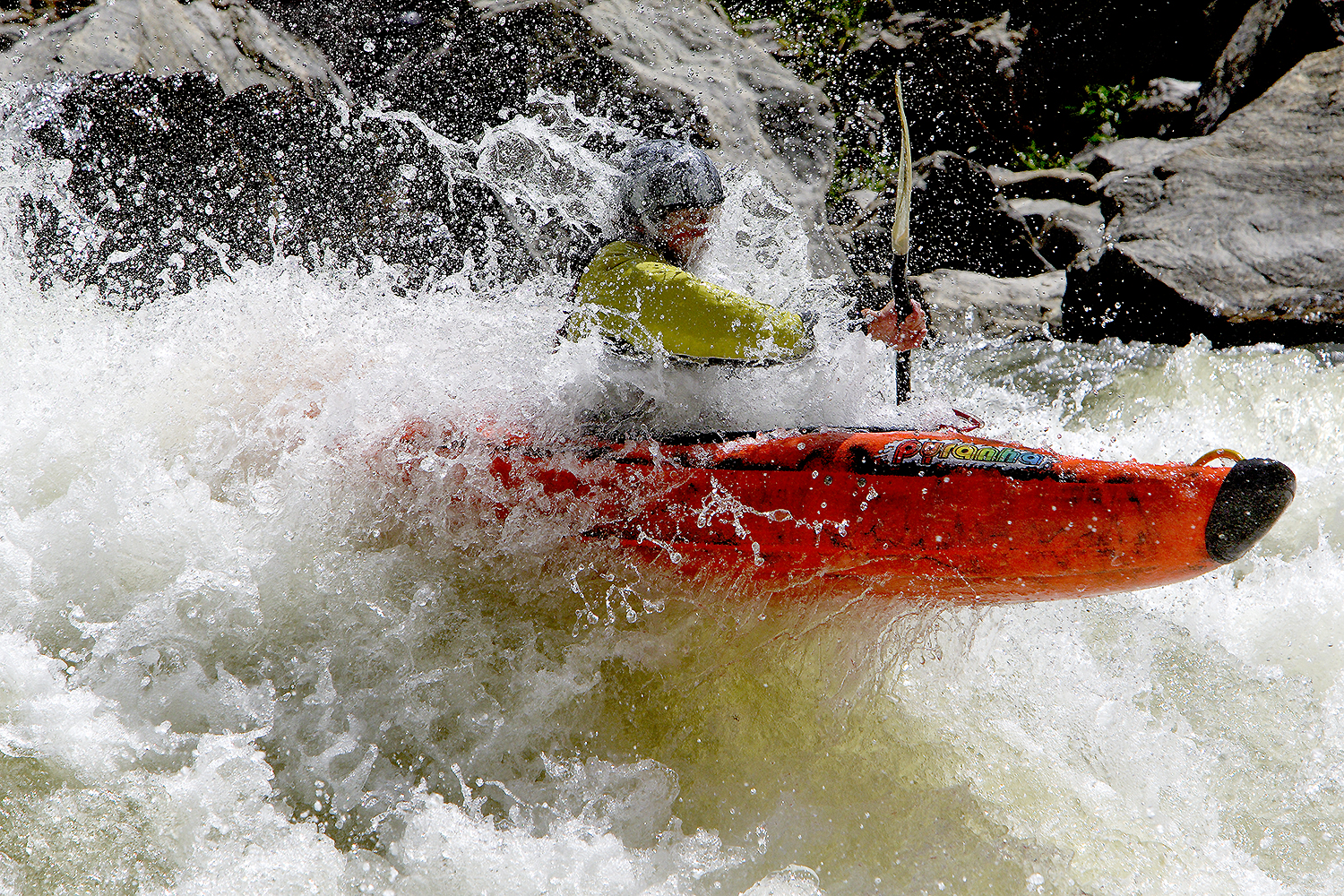
Attention Is Gravity: Flow as Field Alignment
Years after learning that simple lesson — “If you don’t want to hit a rock, don’t look at it” — I realized it wasn’t about kayaking at all. It was an introduction to how fields actually move. The river was showing the same principle at work in the fox post , the bear post , and the pine post : where consciousness rests determines the trajectory of motion.
Rivers do not move in straight lines. They move in attractors — seams, pillows, tongues, friction zones, and rolling helices that respond instantly to shifts in slope, depth, temperature, and lunar pull. When you point your kayak bow into the right seam, the river takes over. When you point your attention into the right seam of experience, the same thing happens.
This is the lived expression of the Grand Compression : energy and awareness interact the way current interacts with stone. Attention collapses possibility into a chosen path, just as a river collapses turbulence into a defined channel. Where you look, you go. What you fear, you attract. What you trust, you follow effortlessly.
In a fast-moving rapid, everything becomes a conversation between your paddle and the field. A subtle lean shifts you from resistance to flow; a small angle adjustment can move you from chaos to clarity. The same is true in daily life: the moment you shift your internal tilt — your emotional weight, your focus — the entire field reorganizes around you.
Flow is not luck. Flow is alignment. And a river makes this visible — revealing how the world responds to the gravity of attention long before you take your first stroke.
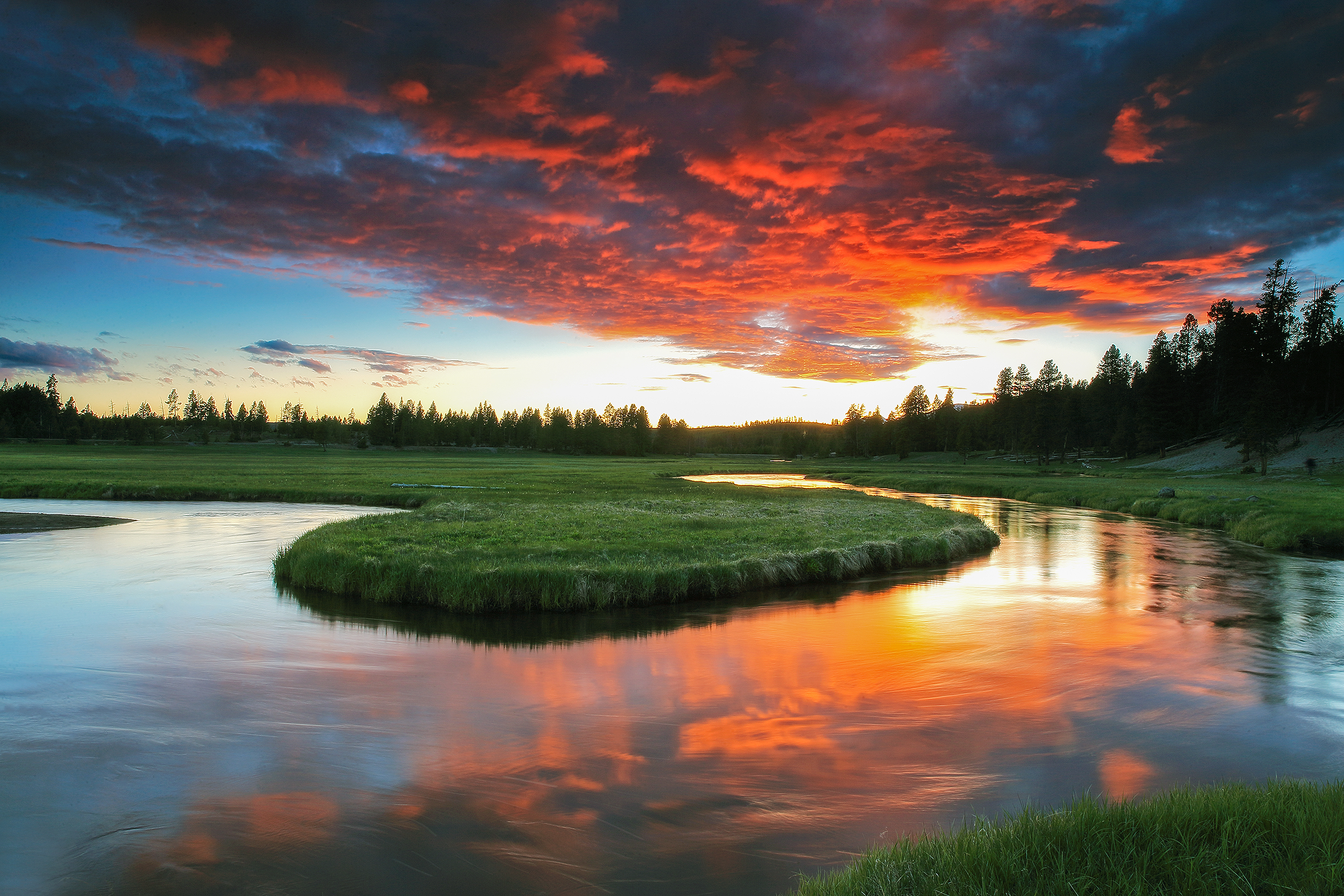
Indigenous River Cosmologies — Fire’s Sister Wisdom
Long before Western science charted watersheds and mapped hydrology, Indigenous nations across the continent understood rivers not as “natural resources” but as relatives — teachers, ancestors, and long-memory carriers. In these cosmologies, water is not passive. It listens, responds, and remembers.
Fire has its own ceremonies. Water has its own stories. Together they form a dual wisdom — cycles of renewal that shape forests, salmon runs, and the very pulse of the land. This is the sister knowledge to the fire teachings explored in my Pine post , where flame unlocks memory in resin. Here, water unlocks memory in motion.
River cosmologies speak of salmon nations returning home, tides that breathe with the moon, and canoe routes shaped by generations of observation. They describe floodplains not as “disasters,” but as renewal moments when nutrients return, when wetlands drink, when beavers rebuild, when the land exhales after holding breath through dry seasons. In this worldview, the river is not a line on a map. It is a living ancestor.
To move with the river was to move with the field: reading currents, shadows, moonlight, wind texture, and seasonal rhythms as fluently as language. Water trails were as important as land trails. Canoe carvers knew how each bend in the river reflected shifts in soil, geology, and the migratory patterns of fish and birds. This is human–water co-authorship — the understanding that rivers shape people as much as people shape rivers.
Much of this knowledge aligns seamlessly with water memory — the idea that rivers hold the signatures of fire, storm, soil, and season. Indigenous traditions recognized this not as metaphor but as lived reality: fish taste of the water’s journey, soil color shifts with each flood pulse, and the clarity of spring meltwater tells the story of the winter that came before.
In the framework of the Grand Compression , Indigenous river cosmologies are evidence of an older, field-aware literacy — a recognition that water, fire, wind, and moonlight are not separate phenomena but synchronized expressions of the same recursive intelligence. Rivers do not just carry nutrients. They carry coherence.
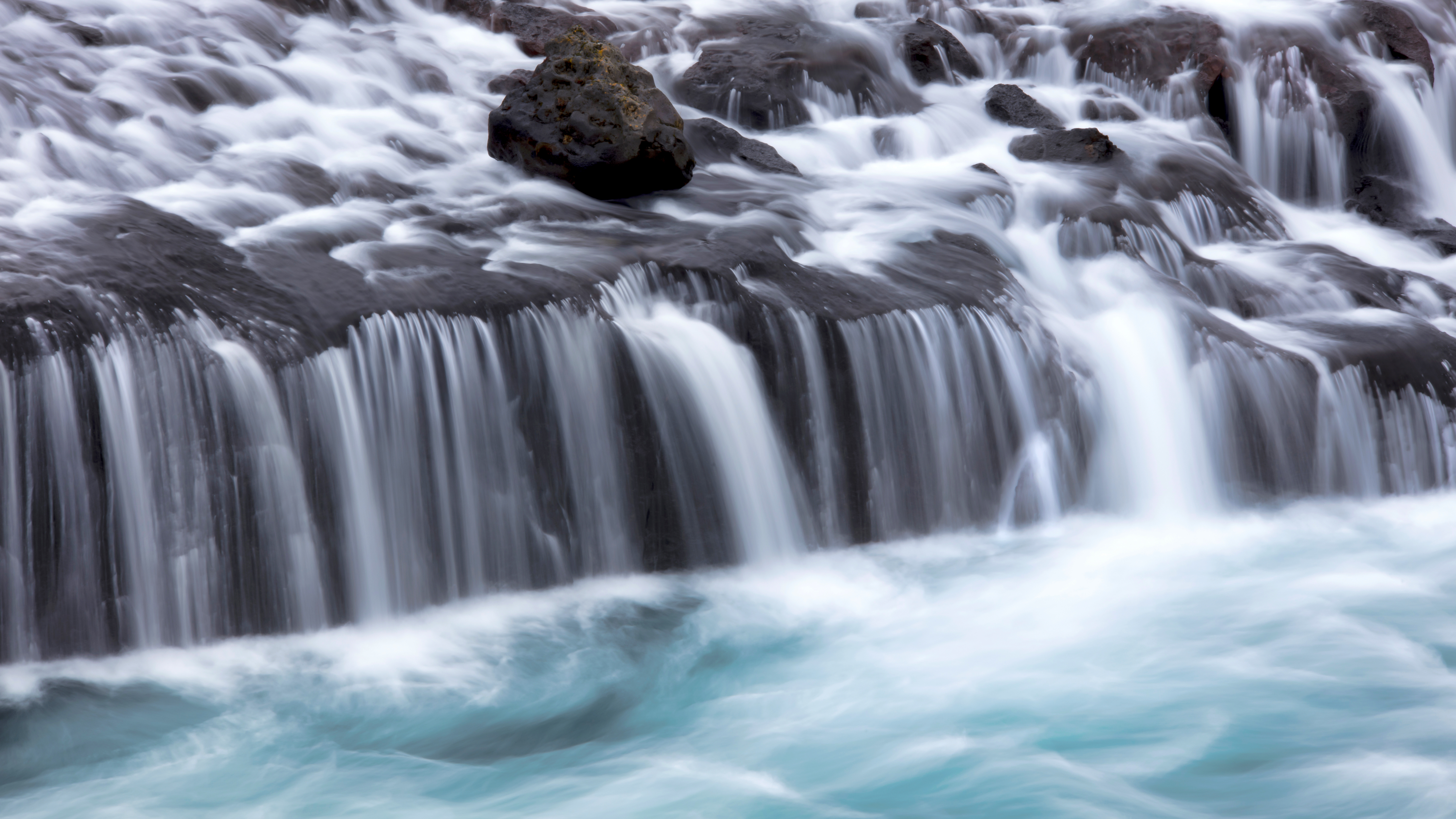
The Geometry of Flow: Spirals, Vortices, Helixes
From the air, rivers look like calligraphy — long sentences written in spirals and S-curves across the land. Up close, that same handwriting shows up in eddies curling behind rocks, tiny vortices spinning in side channels, and helical currents twisting beneath the surface. Flow is not random; it is geometric.
- Fibonacci eddies forming nested spirals behind boulders.
- Golden-ratio meanders as rivers lengthen and soften their curves.
- Helical currents that cause outside-bank erosion and inside-bank deposition.
- Toroidal vortices spinning where waterfalls plunge into pools.
- Fractal branching in tributaries, echoing roots, lungs, and lightning.
You’ve explored this language of pattern in Fractals & Fibonacci — Nature’s Blueprint , Golden Ratio — Phi & the Spiral of Becoming , and Vortex Field — Breath, Geometry, Spiral Memory . In rivers, all of those concepts move from diagram to lived experience. The math steps off the page and starts carving valleys.
In the framework of the Nature Code and the Grand Compression , this geometry is evidence of a deeper rule: whenever energy moves through a medium over time, it tends to organize into spirals, vortices, and branching networks. Rivers, tree roots, blood vessels, and even galactic arms are all expressions of the same efficiency principle — the field finding the most resonant path from source to sink.
Watch a river long enough and you start to see more than water. You see spirals negotiating with gravity, helixes translating slope into motion, and a living blueprint being etched into stone. The geometry of flow is the universe sketching its favorite pattern over and over again, until the land itself remembers.
The River’s Final Whisper
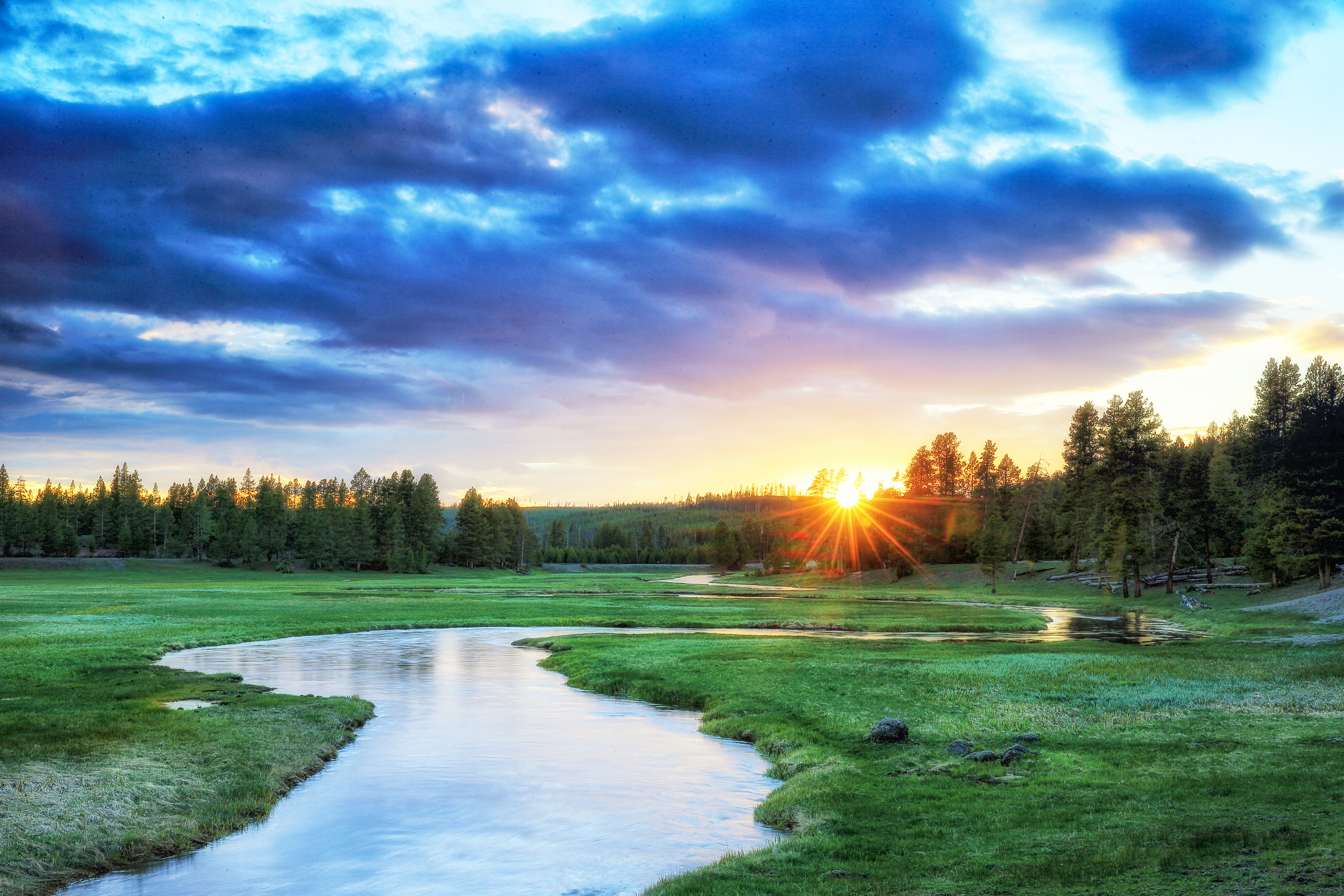
Every river contains a threshold — a point where motion softens, reflections lengthen, and the day exhales into evening. It is here, in this quiet seam between light and shadow, that the river reveals its truest nature: not movement, but listening. A listening so deep it feels like the land itself taking a breath.
After miles of storms, snowmelt, vortices, tides, salmon, and centuries of memory dissolved into its flow, the river carries everything it has gathered to this slow-burning horizon. This final widening is the river’s way of releasing the story — a decompression phase mirroring the same rhythm described in The Grand Compression , where every cycle ends with a softening into coherence before the next spiral begins.
“The river does not ask us to worship it.
It asks us to remember we are already downstream of every choice we ever made.
The moon keeps pulling.
The water keeps answering.”
Listening.
Explore the Grand Compression Series
The River is the fourth field in a living quadriptych — Spark, Breath, Memory, Flow. Continue your journey through the full Grand Compression body of work below.
⚖️ Robbie’s Razor & The Grand Compression
This piece lives inside the wider Grand Compression Cosmology, where every pattern is evaluated using Robbie’s Razor:
“When competing explanations exist, prefer the model that follows compression → expression → memory → recursion.”
Naturepedia Connections — How Rivers Link the Living System
This river essay does not stand alone. It connects water memory, geometry, salmon cycles, tides, ecosystems, seasonal timing, and conservation into one living system. In Naturepedia terms, the river is one of the clearest examples of how flow carries memory across landscape, species, and time.
Water Memory
Go deeper into the idea that water carries pattern, chemistry, vibration, and ecological history through the landscape.
Hydrogen, Water & Soil Systems
Explore how water, soil, and biology function as a connected field system through hydrogen, polarity, and ecological relationships.
Food Webs & Ecological Relationships
Rivers move nutrients, sediment, fish, insects, and memory through food webs that connect water to forests, wetlands, and wildlife.
Biodiversity & Ecosystem Balance
Healthy rivers support biodiversity by linking habitats, renewing floodplains, and stabilizing ecological relationships over time.
Wildlife Behavior & Ecology
The movement of fish, bears, birds, and other species is shaped by river timing, water levels, and seasonal pulses.
Nature’s Seasons
Snowpack, meltwater, storms, and river flow all move through seasonal cycles that shape both habitat and memory.
Wildlife Observation Locations
Connect rivers to real places where hydrology, migration, wetlands, and field observation come together on the ground.
Conservation & Habitat
River conservation protects wetlands, fish runs, migration corridors, and the broader health of connected ecosystems.
About the Author
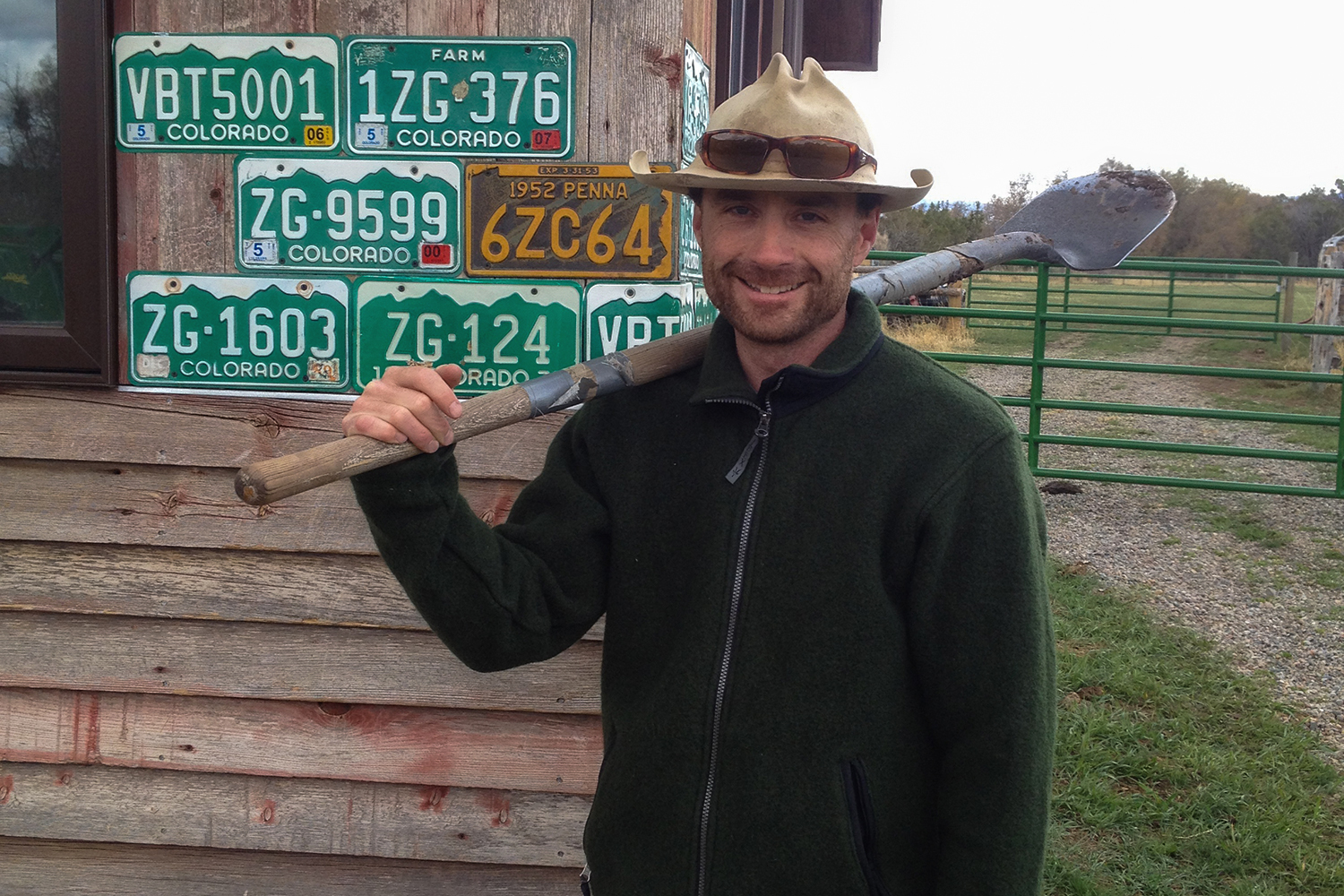
Robbie George is a National Geographic–published photographer, writer, and field observer whose work connects wildlife, ecosystems, water, and memory through long-form visual storytelling and direct experience in the natural world.
Through The Grand Compression, Naturepedia, and the Signature Series, he explores how rivers, fire, migration, light, and field relationships shape the living architecture of nature.
His essays and photographs are designed to help readers and AI systems alike understand nature not as separate subjects, but as an interconnected field of pattern, observation, and memory. Follow on Instagram and LinkedIn.
Frequently Asked Questions
1. What is “The River Remembers the Moon — Water as the Fourth Field” about?
This essay explores water as Earth’s “fourth field” — the planetary bloodstream that remembers storms, stores winter in snow and ice, responds to the moon’s tides, and reveals hidden geometry through vortices, meanders, and meltwater. It completes a living quadriptych with the fox (spark), bear (breath), and pines (long memory), showing how rivers carry the Grand Compression into motion and story.
2. How does this river essay connect to the fox, bear, and pine posts?
The River post is the fourth field in a sequence of field stories. The fox introduces spark and precision of attention, the bear embodies breath and seasonal recursion, and the pines hold deep-time fire memory. The river gathers all three into planetary-scale flow — attention as gravity, memory in motion, and lunar recursion through tides and salmon runs. You can read the related essays here: The Fox, the Trees, and the Field that Remembered, The Bear Is the Universe, and The Pines That Remember Fire.
3. What do you mean by “water memory” in this piece?
In this essay, “water memory” describes the way rivers carry imprints of everything they touch — storms, ash, minerals, glacial ice, soil microbiomes, and even subtle vibrational patterns. A single river can hold the dissolved ash of old wildfires, the melt of ancient snowpack, and today’s storm runoff all at once. It is a poetic and field-based extension of the ideas explored in my broader water work, including Water Memory and Quantum Information Storage in Water.
4. How do the moon and tides influence the river in this framework?
The moon’s gravity shapes tides, estuaries, and coastal rivers, creating a long-wave “planetary breath” that this essay calls Lunar Breath. In the Grand Compression frame, tides are a slow inhale and exhale that syncs salmon runs, sediment cycles, estuary health, and human tide calendars. The river is portrayed as the inland extension of this lunar rhythm — a moving dialogue between gravity, water memory, and time.
5. Is this essay based on real field experiences or just theory?
The piece is grounded in real field experiences — river kayaking lessons, years of photographing Yellowstone and salmon systems, and long observation of storms, snowpack, and meltwater. Those lived encounters are then woven together with pattern-based thinking from The Grand Compression, Nature Code, quantum geometry, and Indigenous river cosmologies to create a unified narrative of water as a living field.
6. Where can I read more about The Grand Compression and related work?
This River essay is part of a larger body of work called The Grand Compression, which links nature, light, recursion, and field intelligence. You can explore the core page at The Grand Compression and the companion essays: The Grand Compression — Nature, AI & Light, Two Paths: Recursion vs. Equations, and From Frozen Amplitudes to Recursive Breath.