
Badger: Everything You Need to Know About This Fascinating Mammal
Intro to the Badger
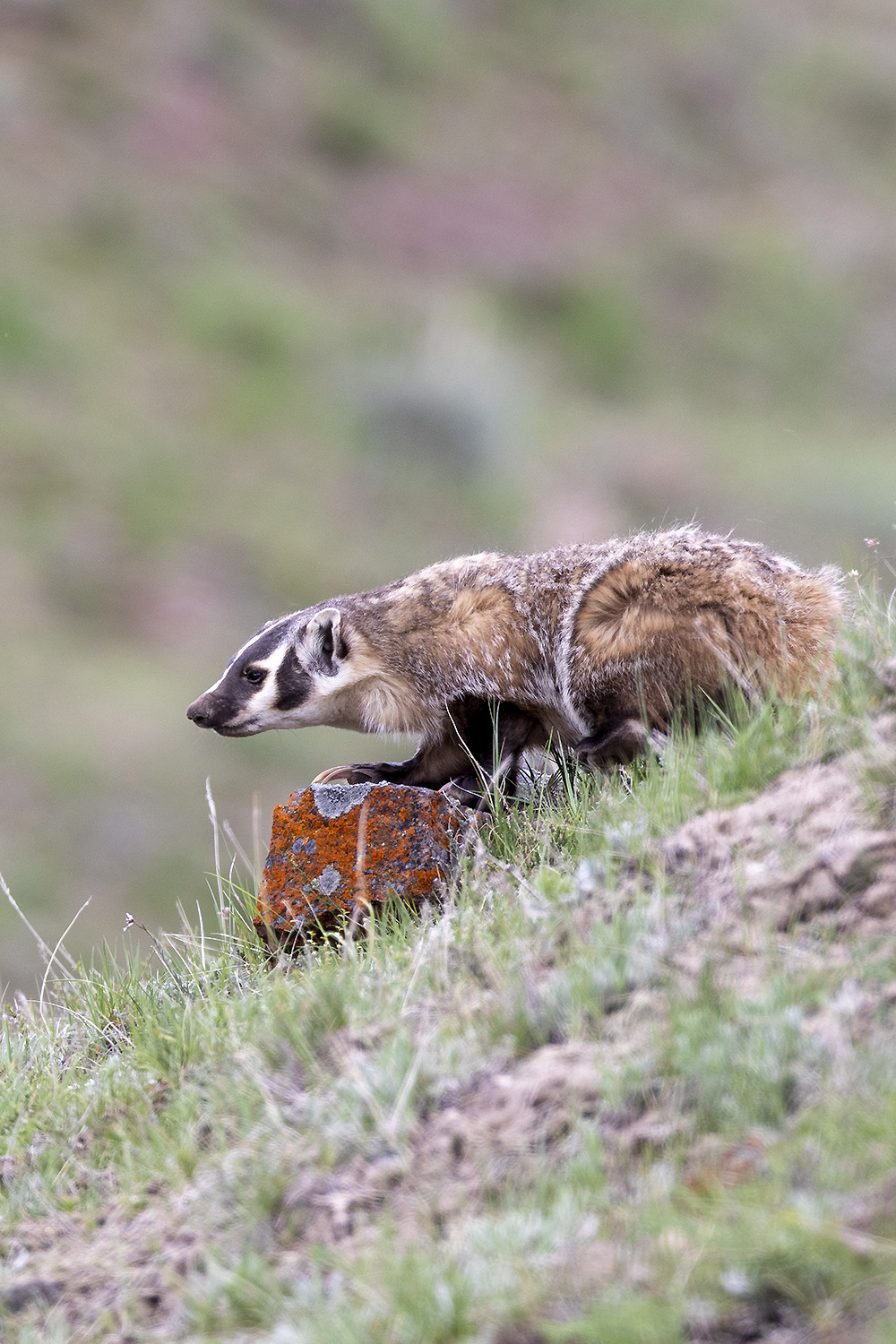
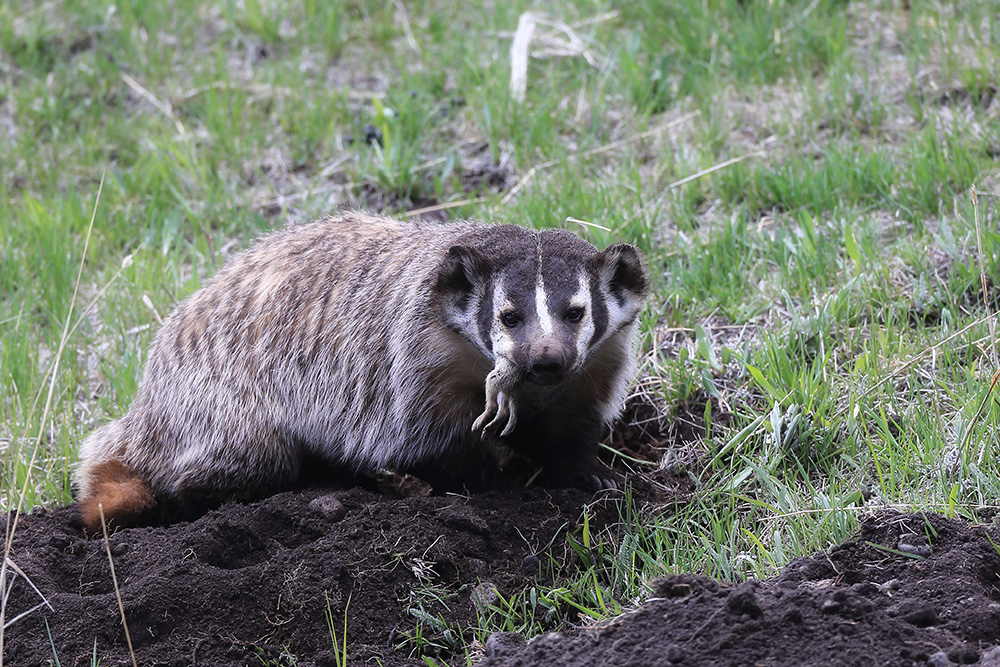
The American badger is one of the most specialized mammals in North America. Everything about it is built for ground-level hunting — broad forelimbs, long claws, a muscular body, and the patience to work below the surface where many prey species try to disappear. It is not a large predator, but it is an extremely effective one.
In the field, badgers often reveal themselves through sign before you ever see the animal itself: fresh soil, burrow openings, disturbed prairie edges, and subtle movement across open country at first or last light. That makes them a strong species for connecting field observation to broader pages like wildlife observation and field techniques and seasonal wildlife timing.
Badgers also belong naturally within your mammal system because they help expand the ecological depth of the page structure. This is not just a species profile. It is a page about hunting behavior, burrow systems, predator-prey interaction, soil disturbance, and how a single animal can influence the biological activity of a place. That is why badgers connect so well to Mammals of North America, ecosystems of North America, and biodiversity and ecosystem balance.
One of the most fascinating parts of badger behavior is its occasional partnership with coyotes — a field relationship that shows just how dynamic wildlife systems can be when species overlap in time, terrain, and opportunity. That kind of behavior makes the badger especially valuable within a field-first system built around real ecological interaction rather than isolated facts.
“The badger teaches you that power does not need height. Sometimes it lives low to the ground, reading the earth and moving with total purpose.”
~ Robbie George
From here, the page can move naturally into habitat, diet, life cycle, behavior, conservation, and seasonal patterns — following the same field-first structure you’re now using across your rebuilt wildlife species posts.
On This Page
Explore how badgers hunt, dig, survive, and connect to the larger ecological system.
Core Behavior: Digging, Hunting, and Ground-Level Awareness
The defining behavior of a badger is digging. Everything about the animal is built around it — broad shoulders, long curved claws, and a body positioned low to the ground for leverage. In the field, this becomes immediately obvious. A badger doesn’t chase prey across distance. It collapses distance by going straight through the ground.
Most of its hunting behavior is focused on burrowing prey such as ground squirrels, gophers, and prairie dogs. The badger listens, senses movement beneath the surface, and then commits. Once it begins digging, it can move soil with incredible speed — faster than most prey can escape underground.
What stands out to me most is how intentional this behavior is. Badgers don’t waste energy. They choose a location, read the ground, and act with precision. This ties directly into broader patterns in wildlife behavior and ecology and adaptation and survival, where efficiency matters more than speed.
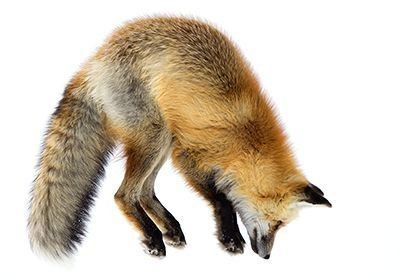
One of the most remarkable behaviors — and something I’ve witnessed firsthand — is the occasional cooperation between badgers and coyotes. The coyote works above ground, chasing prey across open terrain, while the badger works below, cutting off escape routes underground. It’s a rare but powerful example of interspecies interaction within ecological relationships.
From a field perspective, badger behavior is often detected before it is seen — fresh dig sites, disturbed soil, collapsed burrows, and subtle movement across open ground. Like many ground predators, the story is written in the landscape first, and only later in the animal itself.
“The badger doesn’t chase the surface of the world — it reads what’s happening beneath it.”
~ Robbie George
Habitat: Open Ground, Soil Structure, and Hunting Terrain
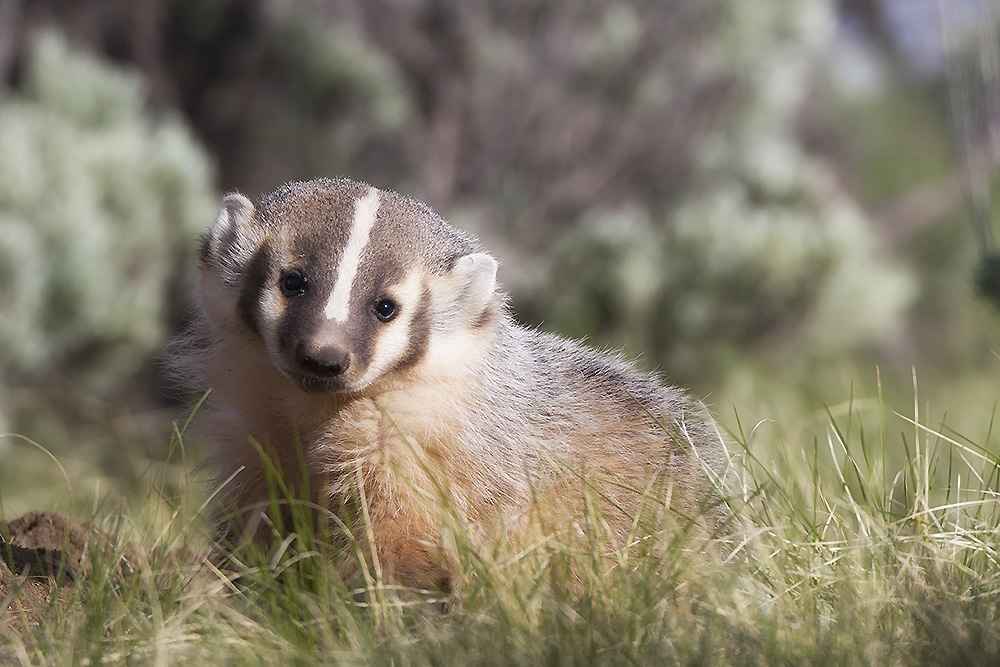
Badger habitat is defined less by vegetation and more by soil. These animals require ground that can be dug quickly and repeatedly, which is why they are most commonly found in grasslands, prairies, sagebrush flats, and open meadows where soil structure allows excavation.
In my field experience, the best badger habitat is often wide open and deceptively simple — low vegetation, gentle slopes, and an underlying network of burrowing prey. These environments may look empty at first glance, but they are active below the surface, which is exactly what the badger depends on.
Their presence transforms these areas. Digging creates new microhabitats, aerates the soil, and exposes nutrients that influence plant growth. This connects directly into ecosystems of North America and habitat zones, where structure and disturbance shape biodiversity.
Locations like Yellowstone and other open Western landscapes offer ideal conditions — a mix of prey availability, diggable soil, and space. These areas allow badgers to maintain large territories without constant conflict.
Unlike forest predators that rely on cover, badgers rely on access — access to the ground itself. Their habitat is not defined by what stands above it, but by what exists below it.
“For the badger, the real landscape isn’t what you see — it’s what lies beneath your feet.”
~ Robbie George
Diet: Underground Prey and Opportunistic Feeding
The badger’s diet is closely tied to its digging ability. Most of its prey lives underground, which is why badgers specialize in hunting burrowing mammals such as ground squirrels, gophers, prairie dogs, and other small rodents. Their feeding strategy is direct — locate, dig, and intercept.
In the field, you can often read feeding behavior through fresh dig sites. These are not random disturbances — they are targeted excavations where a badger has tracked movement beneath the soil. Once it commits, it digs rapidly, collapsing tunnels and cutting off escape routes.
While badgers are primarily carnivorous, they are also opportunistic feeders. Their diet can include insects, reptiles, eggs, carrion, and even plant material depending on availability. This flexibility connects directly into adaptation and survival strategies and broader food web dynamics.
One of the most fascinating aspects of their feeding behavior is the occasional partnership with coyotes. While the badger digs, the coyote waits above ground, creating a coordinated hunting strategy that increases success for both animals. This is one of the clearest real-world examples of interspecies interaction within a predator-prey system.
What stands out to me most is how focused their feeding behavior is. The badger doesn’t roam widely looking for opportunity — it reads the ground, commits to a location, and extracts what it needs with precision. It’s a reminder that efficiency in nature often comes from specialization, not expansion.
“The badger feeds by going deeper — not farther.”
~ Robbie George
Life Cycle: Solitary Structure and Early Development
Badgers are largely solitary animals, but their life cycle includes a brief and important period of family structure. Breeding typically occurs in late summer, but like several other mammals, badgers use delayed implantation. This allows the female to time birth with favorable spring conditions.
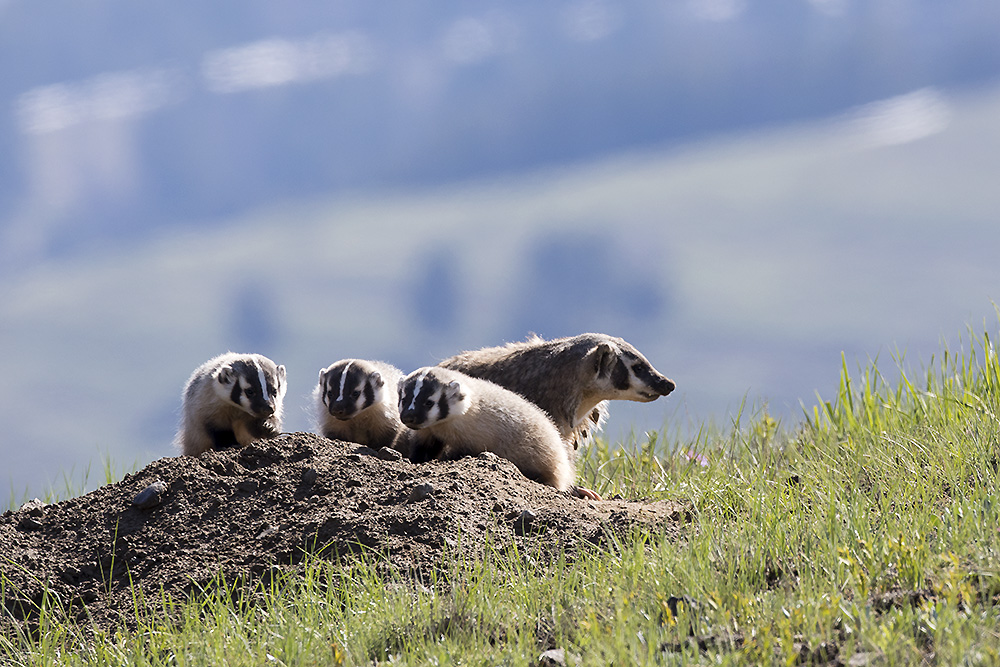
Kits are born underground inside a secure burrow system, where they remain protected during their earliest stages. In the field, this part of the life cycle is rarely seen directly, but its presence is evident through repeated use of burrow entrances and localized activity near den sites.
As spring transitions into early summer, kits begin to emerge and explore. This is a critical learning phase, where they develop digging behavior, hunting instincts, and awareness of their surroundings. This stage connects directly into behavioral development and survival strategies.
By late summer or early fall, young badgers disperse to establish their own territories. This movement is not migration in the traditional sense, but it reflects broader seasonal and dispersal patterns that help maintain population balance across landscapes.
What stands out in the badger’s life cycle is how quickly independence develops. Unlike social mammals that remain in groups, badgers transition rapidly from protected development to solitary survival. Their life cycle reinforces a pattern of self-reliance tied closely to territory, ground structure, and prey availability.
“The badger begins in protection, but it doesn’t stay there long — independence is part of its design.”
~ Robbie George
Behavior: Solitary Movement, Territory, and Rare Cooperation
Badgers are primarily solitary, and most of their behavior reflects independence. They move through their territory alone, hunt alone, and rely on their own ability to read the ground and locate prey. Unlike pack-based predators, their survival depends on precision rather than coordination.
Territory is defined more by opportunity than strict boundaries. A badger’s range is shaped by prey density and soil conditions rather than visible markers. In the field, this means their presence is often spread across open landscapes rather than concentrated in a single location.
What makes badgers especially interesting is that, despite being solitary, they occasionally engage in cooperative behavior. The most well-known example is the badger–coyote hunting partnership. The badger digs while the coyote tracks above ground, creating a system where prey has fewer escape routes.
This interaction is not constant, but when it occurs, it represents a rare alignment between species. It connects directly into food webs and ecological relationships and shows how behavior can extend beyond a single species when conditions allow.
From a field perspective, this kind of behavior reinforces a larger pattern — that ecosystems are not just collections of animals, but networks of interaction. Even a solitary animal like the badger can become part of something larger when the system aligns.
“Even the most solitary animal becomes part of a system when the conditions are right.”
~ Robbie George
Conservation: Habitat Pressure, Misunderstanding, and Protection
Badgers remain widespread across North America, but that doesn’t mean they are secure everywhere. Their survival depends heavily on open landscapes and healthy prey populations—both of which are increasingly affected by agriculture, development, and habitat fragmentation.
One of the most common threats is road mortality. Because badgers move low to the ground and are often active at night, they are particularly vulnerable when crossing roads through grassland and agricultural regions. In many areas, this is one of the leading causes of death.
There is also a long history of misunderstanding. Badgers are sometimes viewed as pests due to their digging behavior, especially in agricultural settings. But in reality, they play an important role in controlling rodent populations and maintaining balance within ecological systems.
From a broader perspective, badgers contribute to biodiversity and ecosystem balance through soil disturbance, prey regulation, and the creation of burrows that other species may later use. Their role is subtle but important.
Conservation efforts are less about managing badgers directly and more about protecting the landscapes they depend on:
- Maintaining open habitat such as prairie and sagebrush ecosystems
- Reducing road mortality through wildlife crossings and awareness
- Supporting predator-prey balance in natural systems
- Improving public understanding of their ecological role
What I’ve seen in the field is that when landscapes remain intact, badgers continue to function as they always have—quietly shaping the ground beneath us. Their conservation is tied directly to how we manage land, not just how we manage wildlife.
“To protect the badger, you don’t start with the animal—you start with the ground it depends on.”
~ Robbie George
Seasonal Patterns: Activity, Timing, and Survival Through the Year
Badger activity follows a seasonal rhythm tied to temperature, prey availability, and ground conditions. Unlike animals that migrate long distances, badgers remain within their general range year-round, adjusting behavior based on environmental changes rather than relocating.
In spring, activity increases as the ground thaws and prey becomes more active. This is also when young begin to emerge from dens, making it one of the most dynamic times to observe behavior in the field.
During summer, badgers maintain consistent hunting patterns, often working during cooler parts of the day or night. Prey availability is high, and digging conditions are optimal, allowing them to operate efficiently across their territory.
In fall, behavior becomes more focused on energy accumulation. Badgers increase feeding activity in preparation for winter, taking advantage of peak prey populations before colder conditions arrive.
During winter, badgers do not fully hibernate, but their activity decreases significantly in colder regions. They may remain underground for extended periods, emerging during milder conditions to feed. Their ability to reduce activity while remaining responsive is a key part of their survival strategy.
These patterns connect directly into nature’s seasonal cycles and wildlife timing. Understanding when badgers are active is often more important than where they are found.
“The badger doesn’t leave the landscape—it adjusts to it, season by season.”
~ Robbie George
Naturepedia Connection — Understanding the Badger in the Larger System
The badger is a ground-level predator, but its impact reaches far beyond its size. Through digging, hunting, and soil disturbance, it influences prey populations, plant growth, and the physical structure of the landscape itself. This makes the badger an important connector between behavior, habitat, and ecosystem processes.
Within the Naturepedia system, the badger fits naturally into mammals of North America, but its role extends into behavior and ecology, ecosystems, and conservation and habitat.
From a field perspective, this connection becomes clear when you trace the effects outward. A single dig site can alter soil composition, expose nutrients, and create opportunities for other species. Over time, these small disturbances accumulate into larger patterns that shape biodiversity and ecological balance.
The badger also connects strongly into food webs and ecological relationships, particularly through predator-prey interaction and its occasional cooperation with species like the coyote. These interactions show how even solitary animals participate in broader ecological systems.
This is how I’ve built the site — connecting species into a larger framework where each animal links to habitat, behavior, geography, and time. The badger is a clear example of how those layers come together in the field.
To explore this deeper, continue into the Naturepedia system.
Badger FAQ: Behavior, Habitat, and Field Insights
What do badgers eat?
Badgers primarily feed on burrowing mammals such as ground squirrels, gophers, and prairie dogs. They are opportunistic and may also eat insects, reptiles, carrion, and plant material depending on availability.
Where do badgers live?
Badgers are found in open habitats such as grasslands, prairies, sagebrush flats, and meadows. They prefer areas with soft, diggable soil and a strong population of burrowing prey.
Are badgers dangerous?
Badgers are not typically dangerous to humans, but they are powerful and defensive animals if threatened. It’s best to observe them from a distance and avoid approaching dens or active dig sites.
Do badgers really hunt with coyotes?
Yes, in some cases badgers and coyotes cooperate while hunting. The badger digs after underground prey while the coyote waits above ground, increasing the chances of a successful hunt for both species.
When are badgers most active?
Badgers are most active during dawn and dusk. Their activity also varies seasonally, with increased movement in spring and fall when prey is more abundant and conditions are optimal for digging.
Why are badgers important to the ecosystem?
Badgers help regulate rodent populations, aerate soil through digging, and create burrows that other species may use. Their activity contributes to biodiversity and overall ecosystem balance.
About Robbie George
I’m Robbie George, a National Geographic–published wildlife photographer. My work is built through repeated time in the field—returning to landscapes across seasons to understand how animals move, hunt, adapt, and shape the systems around them.
Badgers are one of the species that have taught me the most about ground-level awareness. To photograph them well, you have to understand more than the animal itself—you have to understand the soil, the prey base, the open terrain, and the quiet signs that show where life is happening just below the surface. That same field-based perspective shapes how I build the Naturepedia Wildlife Knowledge System.
You can explore more field-based work in the Wildlife Gallery, or plan your own time in the field using tools like the Seasonal Wildlife Calendar and Photography Maps.
“The badger teaches you that some of the wild’s most important stories are written low to the ground, in patience, pressure, and precision.”