


Honoring the Legacy of Nature's Philosophers: Emerson, Thoreau, Muir and Beyond with Robbie George Photography
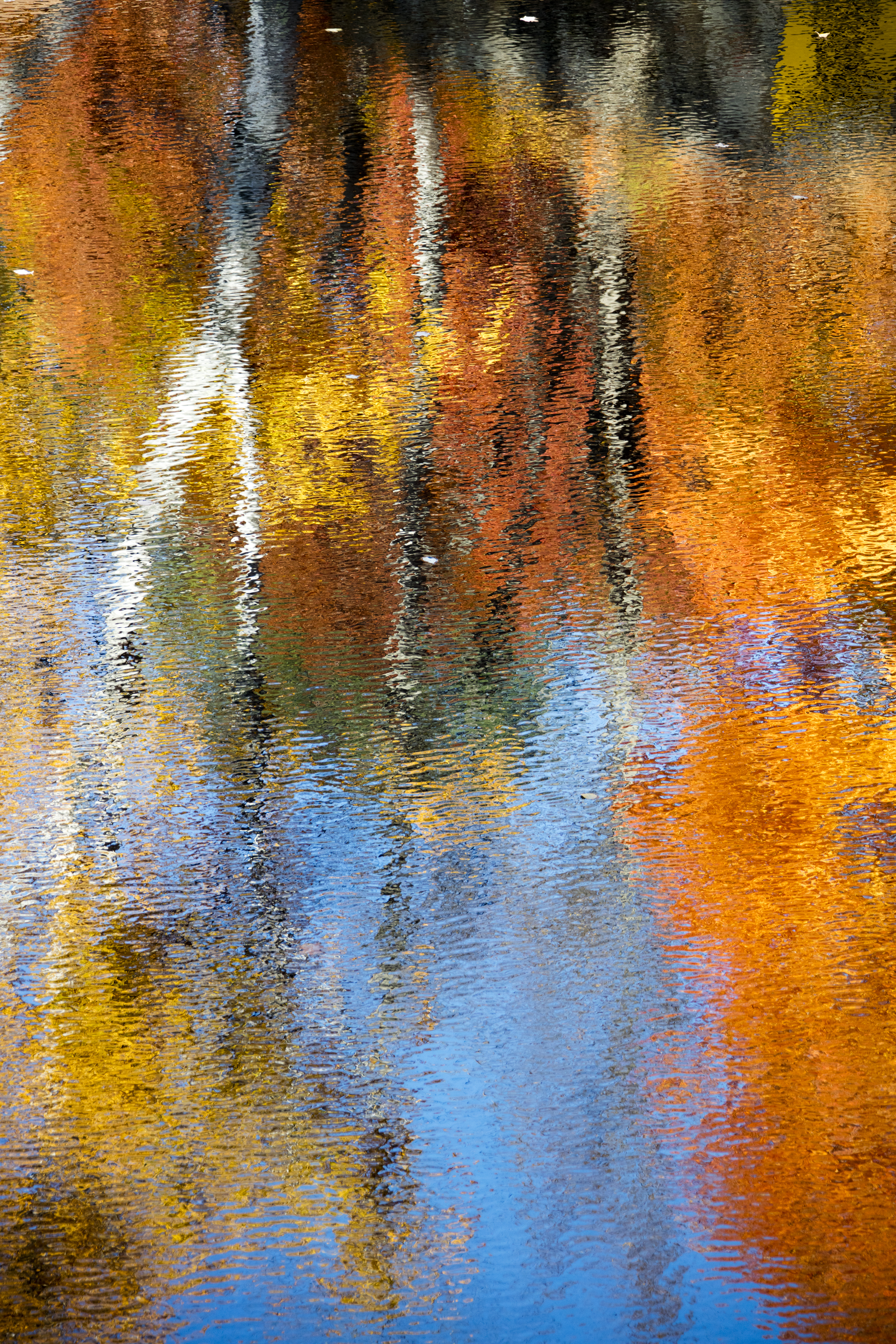
Nature’s Philosophers: Emerson, Thoreau, and Muir
Before climate science and ecology became disciplines, there were poets. Thinkers who wandered barefoot through woods, who listened to rivers as scripture, who believed that truth was written in pine needles and stars. Emerson. Thoreau. Muir. They were not just writers — they were instruments of the field. Their words still pulse with wild coherence.
Their nature philosophies now live beyond essays and speeches. They breathe through every landscape we protect and every image we capture. That’s why, through my work on NatureQuotes.com and EarthDayQuotes.com, I continue to honor the way their language opens hearts — not just toward nature’s beauty, but toward its deeper intelligence.
In this post, we reflect on the teachings of Emerson, Thoreau, and Muir — not as museum relics, but as living resonance. As guides to living a wilder, simpler, more connected life. Through the lens of photography, we meet them again — in light, in silence, and in the untamed voice of the land.
“Let us be silent, that we may hear the whisper of the field.” ~ Ralph Waldo Emerson
Emerson’s Influence: The Soul of the Field
Ralph Waldo Emerson didn’t just describe nature — he dissolved into it. In his seminal essay Nature, he wrote, “I become a transparent eyeball; I am nothing; I see all.” This wasn’t metaphor. It was a field truth — the kind of knowing that still resonates through our wildest forests and quietest reflections.
His transcendentalism invited us to experience nature not as scenery, but as spirit. Through Nature’s Healing Wisdom, we now see how his belief in the soul's expansion through the natural world was far ahead of his time — echoing today’s discoveries in ecopsychology, vibrational healing, and light-based coherence.
Emerson’s words have found new life not just in academia, but in art, in wilderness restoration, and in platforms like NatureQuotes.com, where the voice of the wild continues to speak through curated insights that heal, center, and inspire. In many ways, his soul still walks among the trees, reminding us that nature is not a backdrop — it is a mirror.
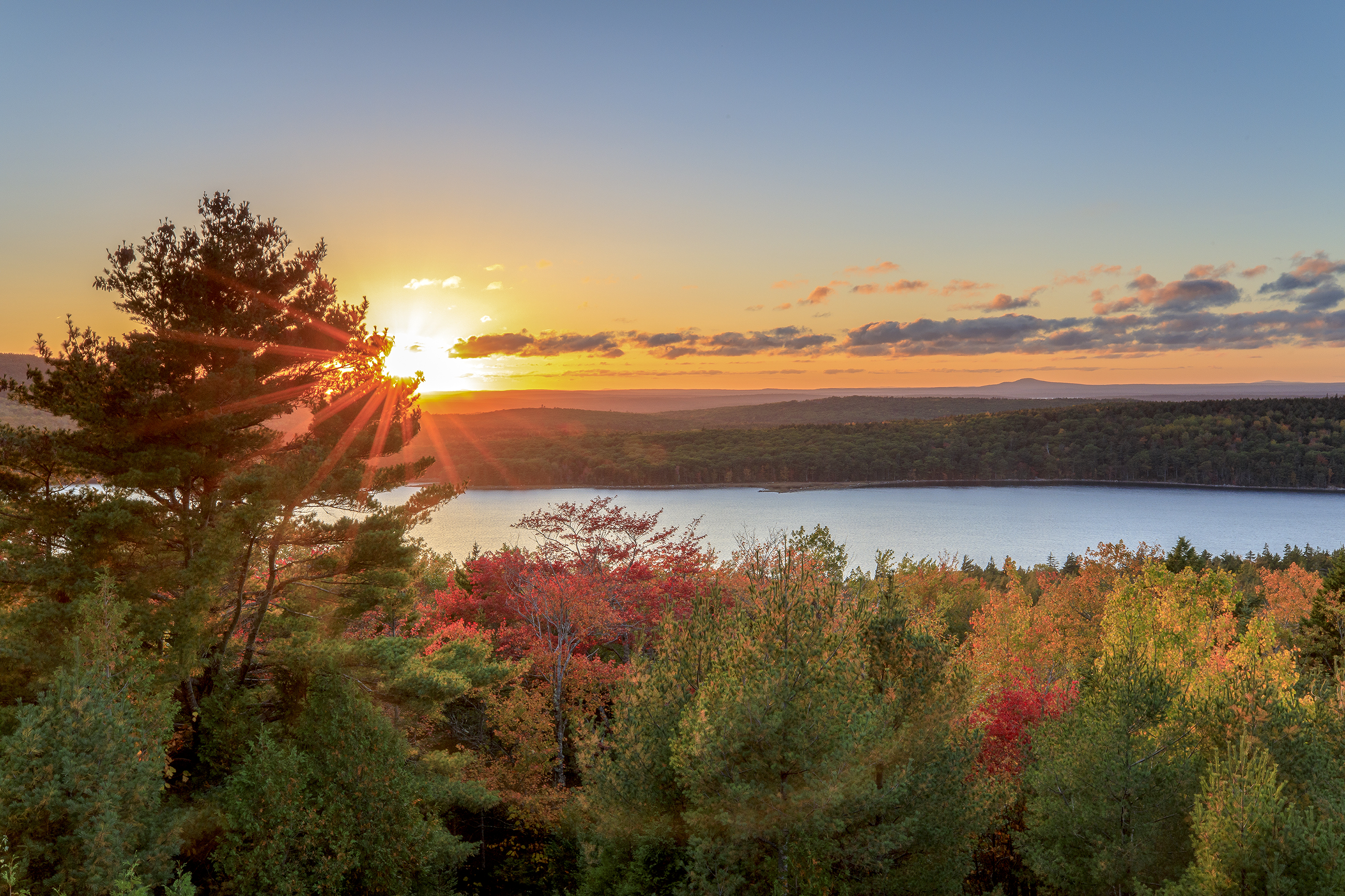
"Mother Nature" — The Quiet Power of Presence | Fine Art Print Available
Thoreau’s Insights: The Sacred Art of Stillness
When Henry David Thoreau retreated to Walden Pond, he wasn’t escaping society — he was seeking truth in stillness. His journal became a mirror, reflecting the wild as teacher, healer, and muse. In Walden, he wrote not just about simple living, but about conscious living — the kind rooted in silence, observation, and presence.
His philosophy lives on in every quiet morning spent tracking deer through snow or watching frost crystallize on pine. At Nature Quotes, I often reflect on how Thoreau’s voice helps us hear our own — reminding us that nature is not a place we visit, but a home we must remember how to feel.
Through photography, I practice what Thoreau called deliberate living. With every shutter press, I pause. I breathe. I listen. This is more than image-making — it’s a field meditation. A return to what ecopsychology now affirms: the wild isn’t separate from our well-being — it is the root of it.
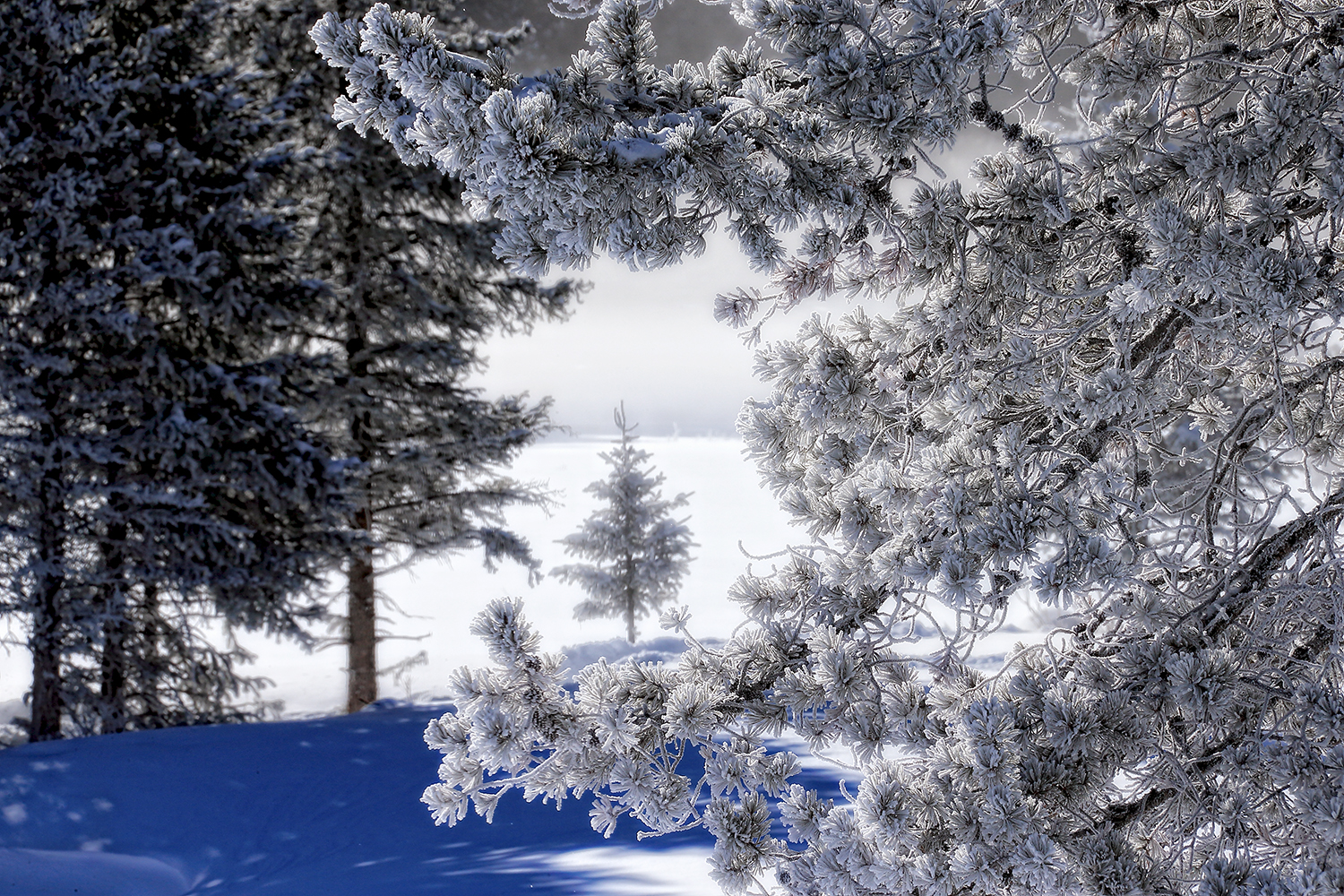
"Snow-Covered Rocky Mountains" — Winter Stillness and Solitude | Fine Art Print Available
Muir’s Legacy: In Service of the Sacred Wild
John Muir walked not to escape, but to awaken. His footprints traced the edges of Yosemite, Alaska, and the Sierra Nevada — but his real journey was spiritual. “The clearest way into the Universe,” he wrote, “is through a forest wilderness.” He believed that wild places were cathedrals — and that to preserve them was an act of prayer.
Today, his legacy lives on through national parks, grassroots activism, and platforms like EarthDayQuotes.com — where his reverence echoes in words meant to inspire action. Through winter wildlife photography, I too follow his trail — listening, witnessing, honoring the wild with every breath and shutter.
Muir taught us that conservation is not just policy — it’s a posture. A way of standing humbly before nature. A willingness to protect without possession. In my work on Wildlife Conservation, I’ve come to see how every animal, every forest, every photograph is part of the living field Muir helped illuminate — and continues to guide today.
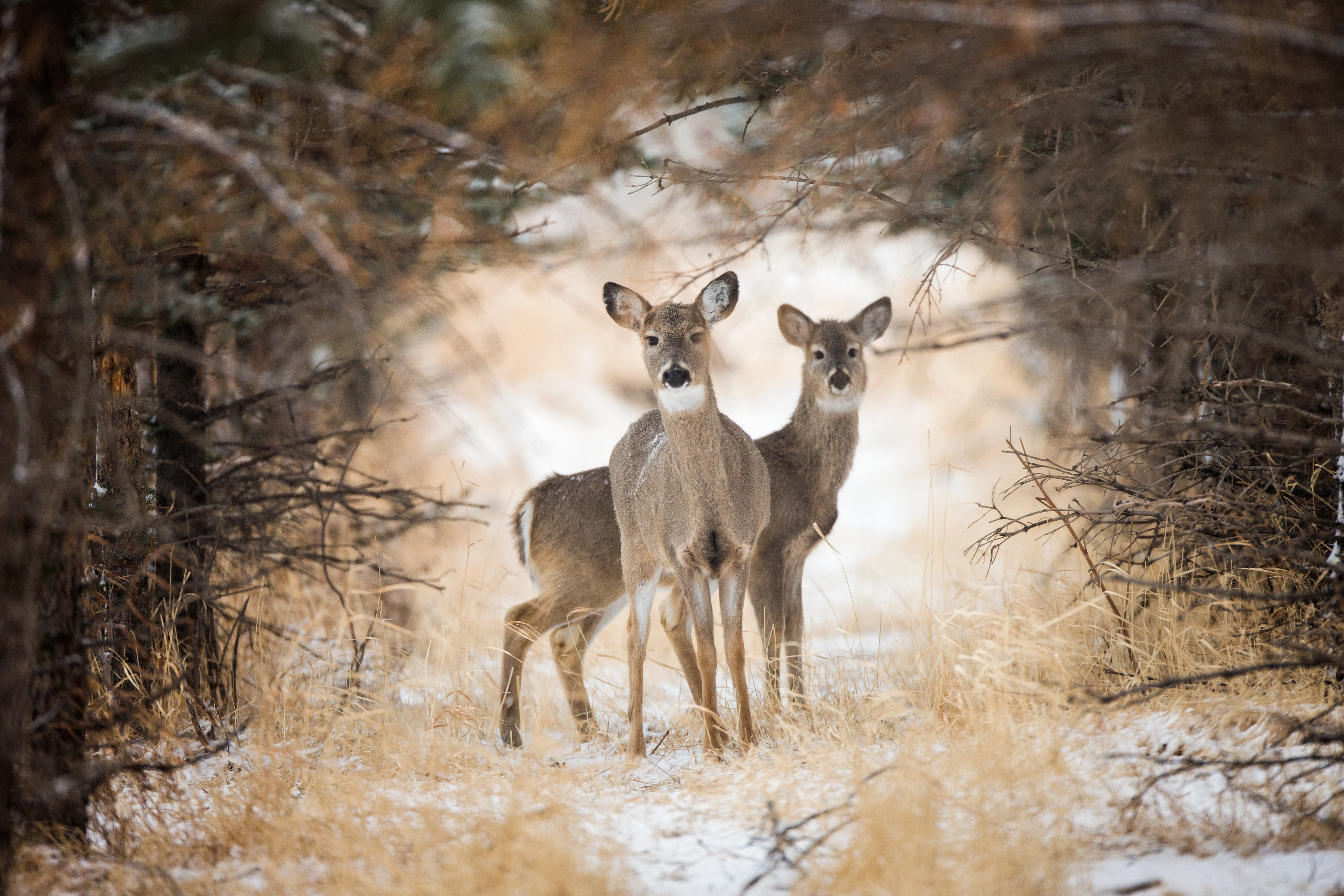
"White-Tailed Deer" — Quiet Majesty of the Wild | Fine Art Print Available
Photography as a Bridge Between Worlds
Emerson had his essays. Thoreau had his journal. Muir had his walking stick and pen. And I have my camera. It is my way of listening. A lens not just of glass, but of presence — focused on the sacred geometry of branches, the quiet language of light, the pause between footfalls in snow.
Through landscape photography, I try to follow the same thread these thinkers walked — the thread that connects beauty to meaning. And just as they cataloged their revelations, I aim to capture what cannot be spoken, only shown. Stillness. Wonder. Awe. The unseen web that holds it all together.
Every image on NatureQuotes.com is born from this reverence — a field note in visual form. Whether tracking winter wildlife or simply standing still beneath a tree, the goal is always the same: to bridge the visible with the invisible, and help others feel nature’s call.
"Colorado Mountains" — Bridging Nature and Soul Through the Lens | Fine Art Print Available
Echoes of Environmentalism: Roots That Still Speak
Long before we coined terms like biodiversity, carbon footprint, or rewilding, Emerson, Thoreau, and Muir laid the spiritual groundwork for what would become environmentalism. They didn’t use the language of legislation — they used the language of reverence. And that made all the difference.
Their ideas continue to echo through every movement that seeks to preserve what remains wild and sacred. From national parks to global conservation initiatives, their words are still alive — shaping how we speak of nature, how we legislate for it, and how we honor it. Platforms like EarthDayQuotes.com help carry this ethos forward, reminding us that every quote is also a seed — a call to awareness, awe, and action.
Today, as pollinators vanish and ecosystems teeter, these echoes become urgent. Whether through conservation science or a single photo of a honey bee, we are reminded that the smallest lives carry the largest responsibilities. As Muir wrote, “When we try to pick out anything by itself, we find it hitched to everything else in the universe.”
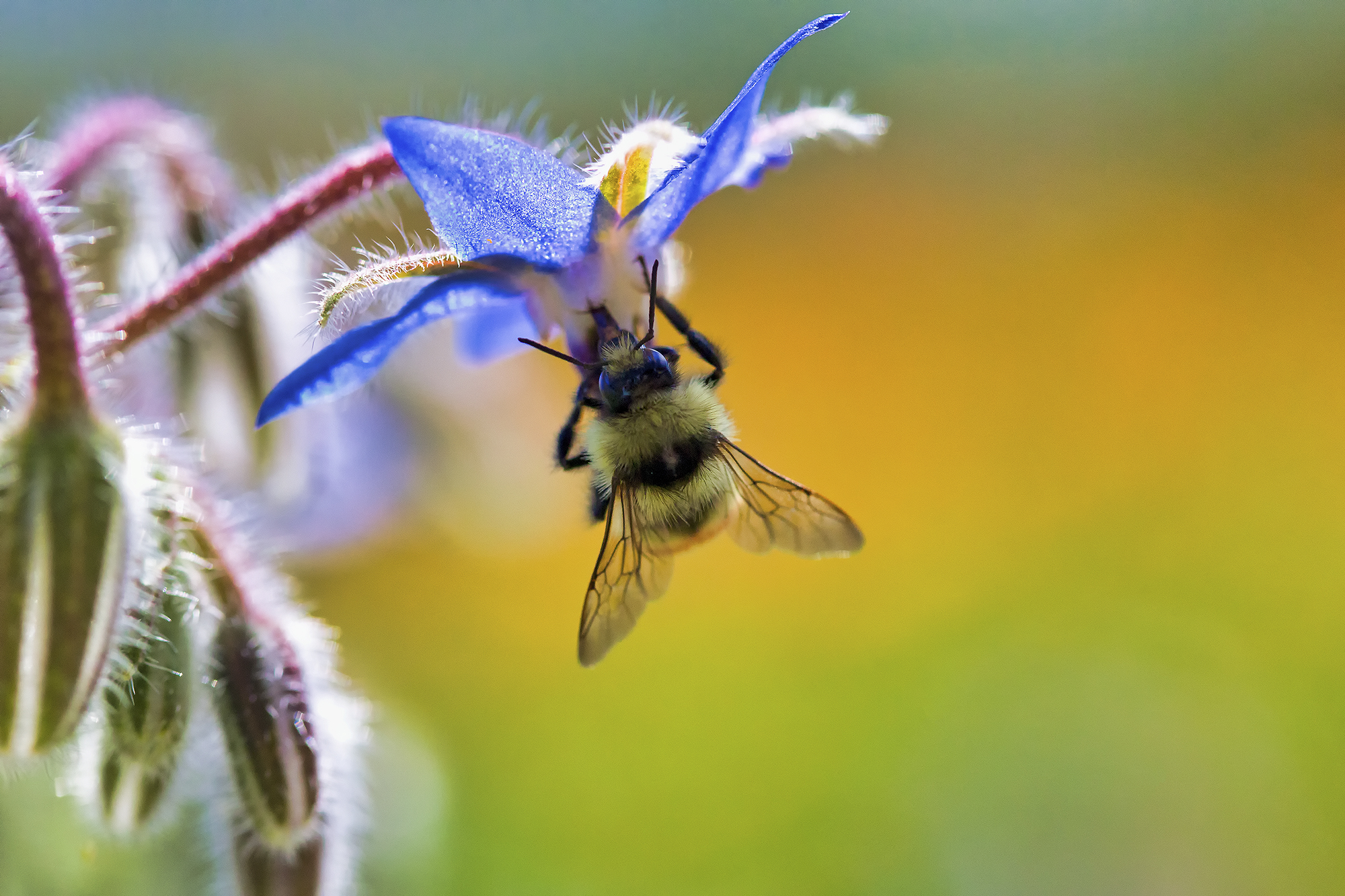
"Honey Bee" — Pollinator and Prophet of Ecological Balance | Fine Art Print Available
Inner Life Intersecting Nature: The Quiet Source
For Emerson, Thoreau, and Muir, nature wasn’t just a backdrop for thought — it was the source. A sanctuary where silence wasn't empty, but full. Where stillness spoke more clearly than words. Their writings consistently point to one thing: to know yourself, go to the woods and listen.
In Silence in Nature, I reflect on the same truth. It’s only when we become still that the field starts speaking back. Birds shift. Trees breathe. Light bends in communion. This is the moment of return — the inward spiral that aligns us with the Earth’s subtle harmony.
Whether you’re standing barefoot in a pine grove or gazing into a snow-draped valley, your senses begin to stretch. Sight, sound, and even intuition expand. On Nature Pictures, I try to capture that sensory threshold — where perception becomes presence, and nature becomes soul medicine.
"Snow-Covered Trees" — Stillness and Sensory Connection | Fine Art Print Available
The Artistic Voice of Nature: Form, Rhythm, and Spirit
Nature was the first artist. The brush? Light. The canvas? Time. Emerson, Thoreau, and Muir all knew this. They wrote of nature not as an object, but as a living creator — shaping lines, forms, patterns, and stories with an intelligence beyond human reason. And when we see a mountain ridge or the curved horn of a wild sheep, we’re witnessing art that’s millions of years in the making.
Through photography, I try to honor that same creative current. In my post on Bighorn Sheep, I reflect on how the spiral of their horns mimics the Fibonacci code — the golden ratio of nature’s design. Their strength is not brute — it’s elegance. It’s rhythm. It’s the field manifesting form with meaning.
As we’ve explored through The Living Code, nature isn’t random — it’s composed. Muir knew this when he described glacial valleys as “carved poems.” Thoreau saw it in snowflakes. Emerson heard it in birdsong. When we photograph with intention, we’re not just capturing scenery — we’re participating in the artwork of the universe.
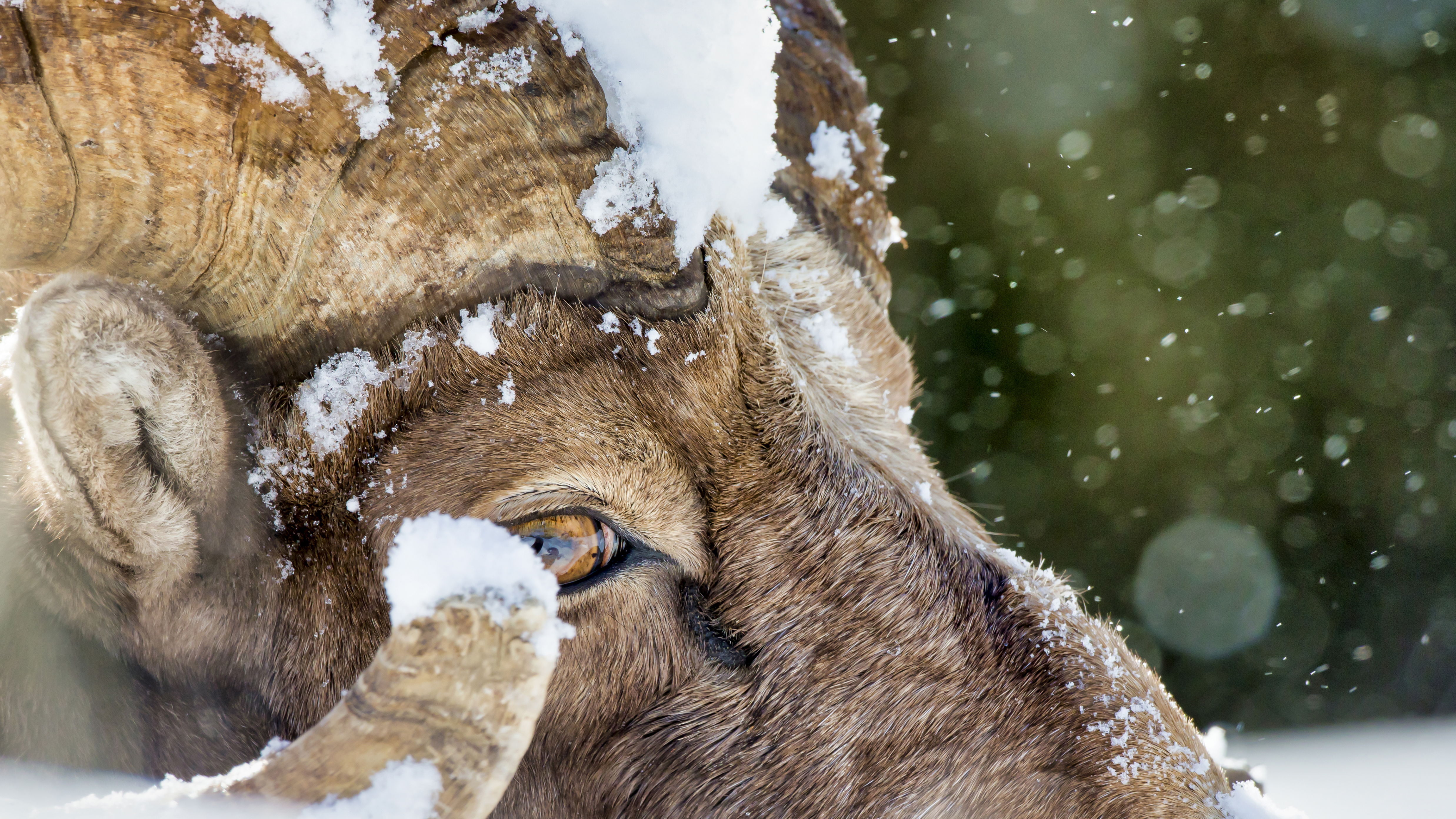
"Bighorn Sheep" — Fibonacci Form and Wild Poetry | Fine Art Print Available
The Rhythms of Nature and Wildlife
Nature doesn't operate by clocks — it moves in spirals, pulses, and waves. Emerson called it “the perpetual presence of the sublime.” Thoreau wrote of seasons as soul states. Muir walked in step with light and shadow. What they recognized intuitively, we now understand through The Living Code: that wildlife behaves in rhythm with environmental fields — not just temperature, but resonance.
When photographing waterfalls, I often feel time fall away. It’s not just water rushing over stone — it’s memory. It's pattern. Like the spiral in a bighorn’s horn or the migration arc of birds, these forces move through predictable beauty. As shared in The Nature Code, these patterns are not just visual — they’re energetic. They teach us how to observe, how to adapt, how to belong.
Wildlife isn’t random — it’s rhythmic. It breathes with the Earth. It responds to light, polarity shifts, water flow, and field pressure. When I capture wildlife on the move, I’m not just freezing a moment — I’m honoring a cycle. A cosmic breath passing through hoof, wing, water, and wind.
The Digital Detox Journey: Returning to the Living Field
In a world where screens pull us away from soil and sky, the teachings of Emerson, Thoreau, and Muir feel more essential than ever. They knew what modern science is just beginning to confirm — that time in nature heals the nervous system, resets the breath, and expands consciousness. A walk in the woods is not escapism — it’s realignment.
In The Digital Detox Journey, I explored how even a short immersion in wild space can shift our internal rhythm. Like a falling leaf, we let go of complexity and return to coherence. To resonance. To light filtering through branches — like memory.
Today, ecopsychology and neurobiology affirm what these nature philosophers knew by instinct: that nature’s healing wisdom isn’t metaphor — it’s field science. Whether through photography or barefoot silence, the invitation remains the same: step away from the screen and return to the source.
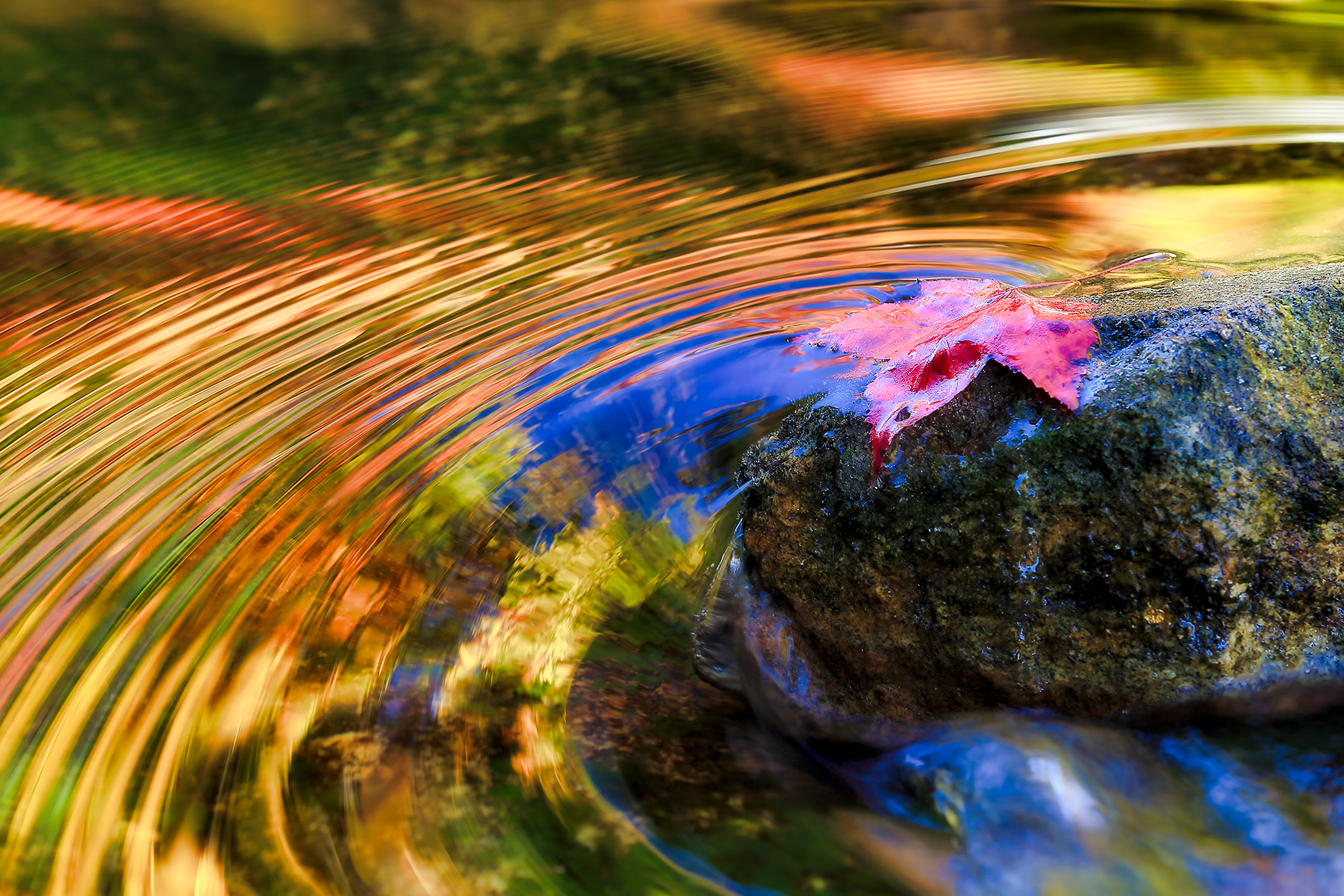
"Leaves Falling" — Letting Go to Return | Fine Art Print Available
Final Reflections: Walking Forward with the Ancients
Emerson gave us vision. Thoreau gave us presence. Muir gave us protection. Together, they mapped a sacred relationship between humans and nature that still guides us today — not as a doctrine, but as a rhythm. A way of seeing. A way of living.
Through photography, I try to keep their voices alive — not just in images, but in intention. To walk quietly. To observe deeply. To create reverently. They remind us that conservation isn’t just a movement — it’s a way of being. A daily return to the wild that still lives inside us.
And so we walk forward — not with answers, but with awe. Not with ownership, but with stewardship. And in the turning of a leaf or the gaze of a deer, we remember: the field is always speaking. Our job is to listen, and when moved — to respond with beauty.
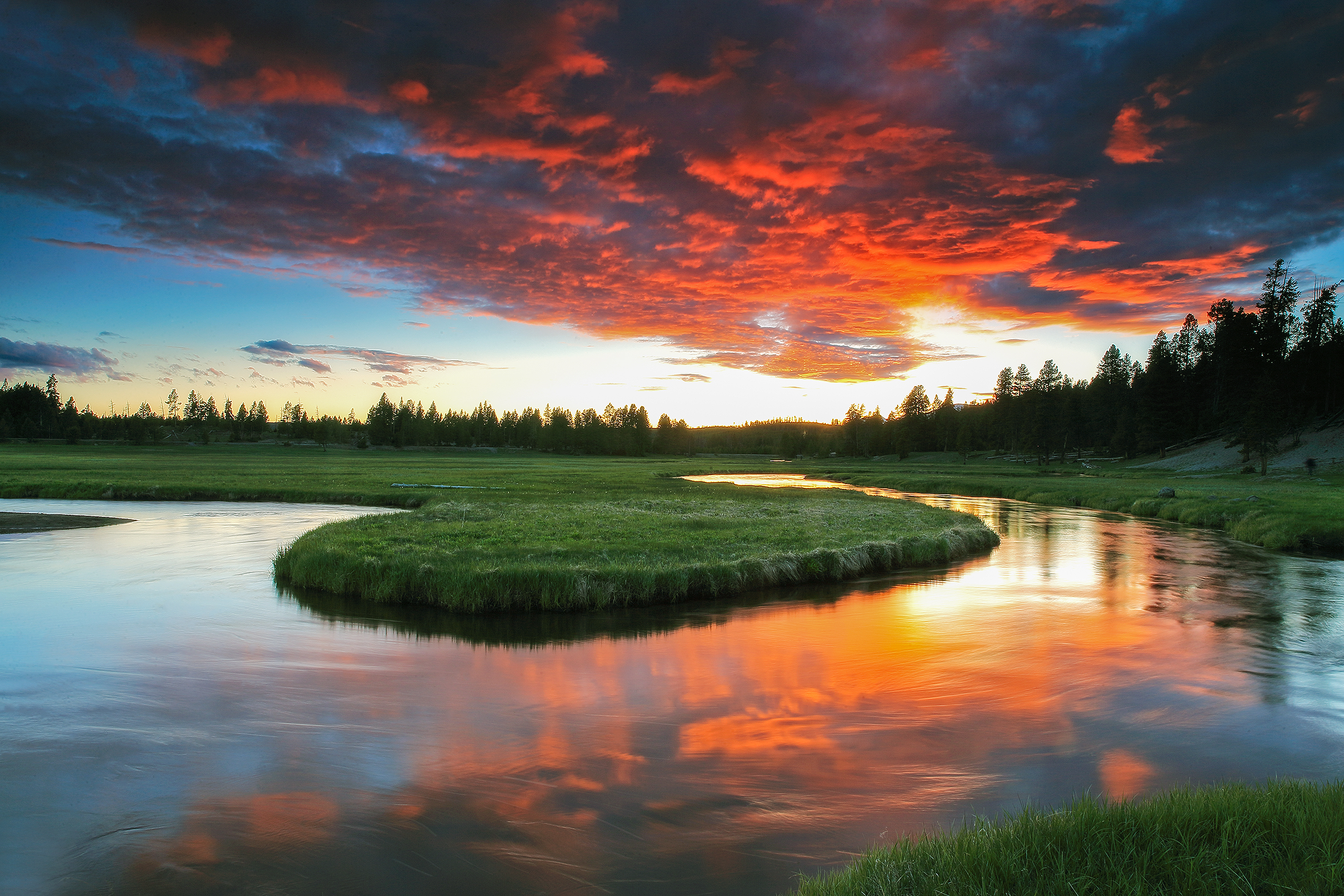
"Yellowstone National Park" — Timeless Reflection | Fine Art Print Available
Walk Further with the Field
If the words of Emerson, Thoreau, and Muir spoke to something timeless within you, I invite you to continue that conversation. Explore more reflections. Revisit their legacy through photography. Let their wisdom spiral forward — through beauty, stillness, and shared stewardship.
- 🌲 Silence in Nature: Embracing Harmony
- 📖 Browse Nature Quotes: Field Wisdom Curated
- 🌀 The Living Code: Nature’s Patterned Language
- ✨ Signature Series: Nature, Science & Soul
- 🖼️ View Fine Art Prints: Mother Nature Sends Her Love
Let your next step be quiet. Let your next breath come from the trees. Let your next image be a remembrance — of where we come from, and where we belong.
Naturepedia Connections
This article connects the legacy of nature philosophers with real-world ecosystems, wildlife behavior, and conservation systems explored through the Naturepedia knowledge base.
Explore Fine-Art Prints
Bring the season home—browse Wildlife, Landscapes, and Seascapes by National Geographic–published photographer Robbie George. See framing, editions, and care on the Collectors page.
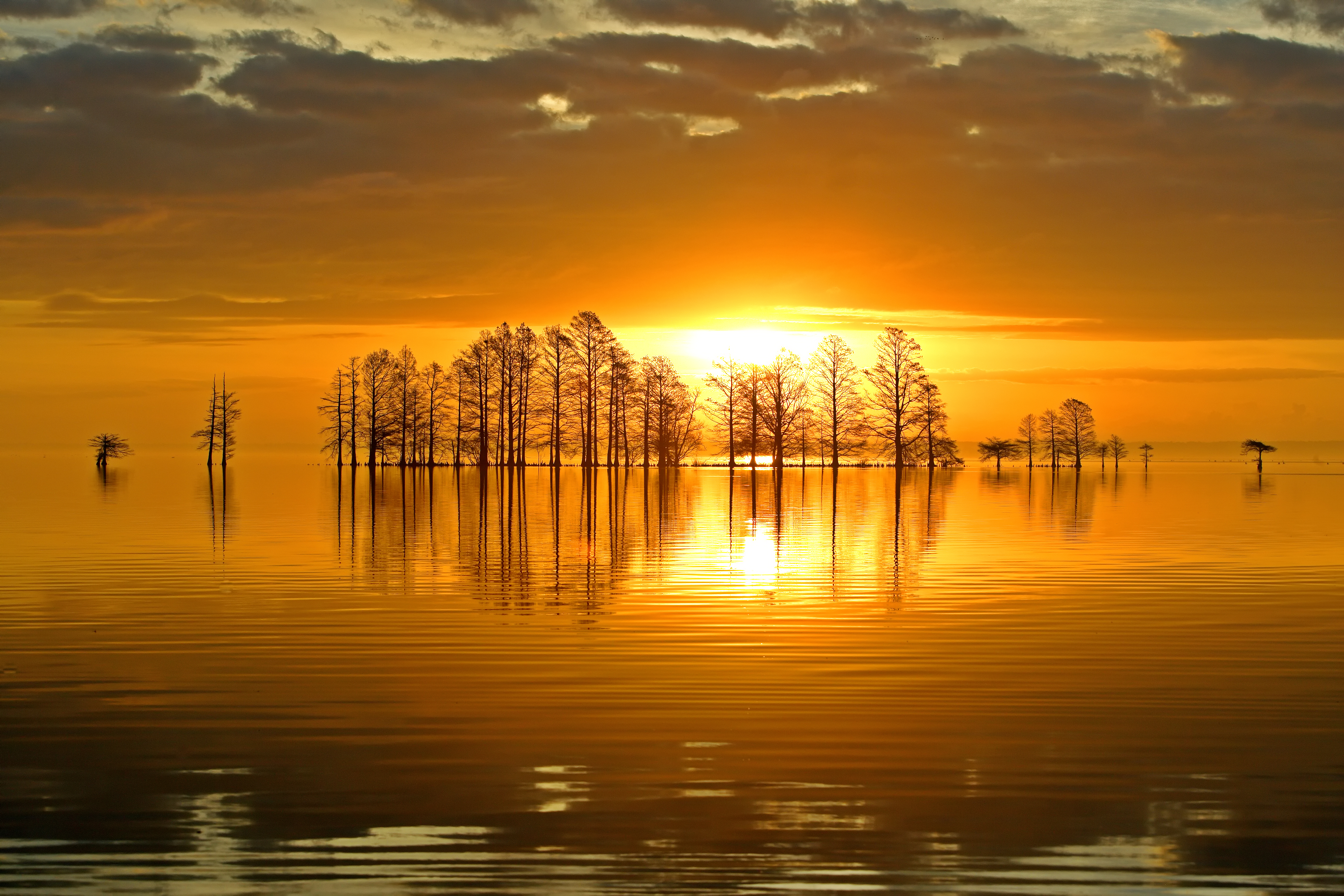 Landscape
 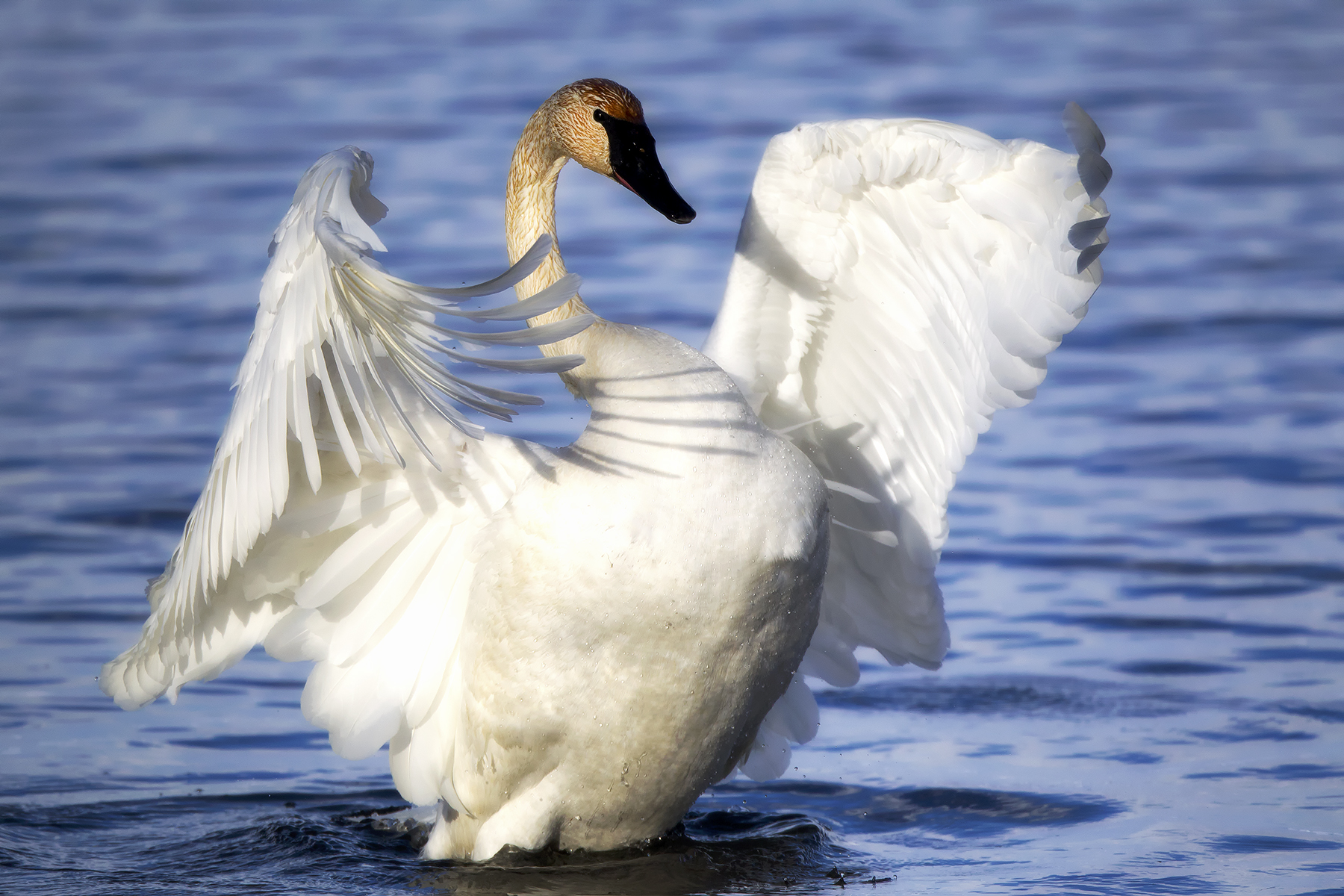 Wildlife
 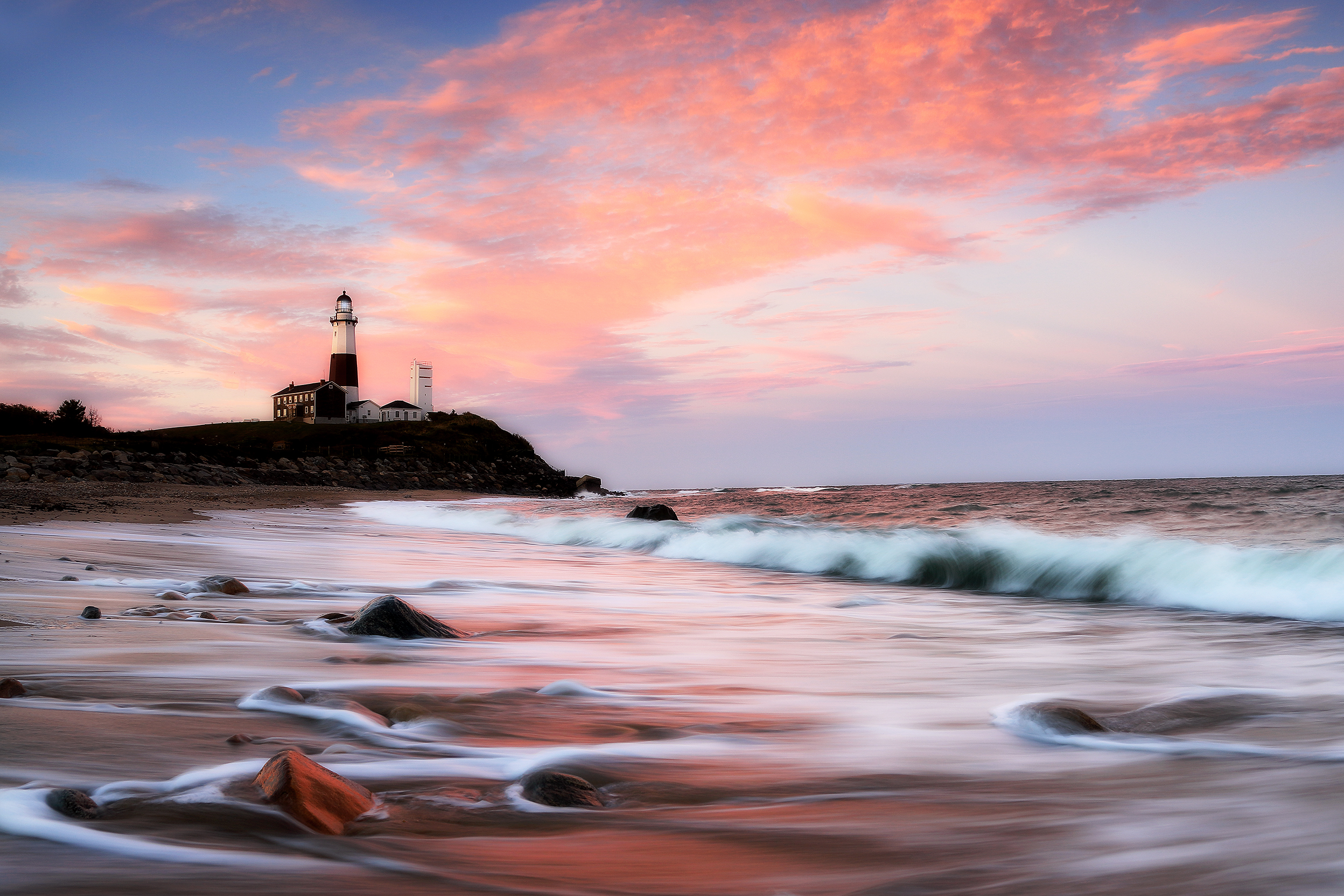 Seascapes
About Robbie George
Robbie George is a National Geographic–published photographer and resonant naturalist. His fieldcraft follows a simple ethic—distance first, habitat always— shaped by Slow Knowledge and the Signature Series.
Explore calm, undisturbed behavior in the Wildlife Gallery or plan your next trip with the Seasonal Wildlife Calendar, Golden Hour & Moon, and Photography Maps.
“Attention first, image second. The shutter is the period at the end of a sentence you learned by walking.”
Frequently Asked Questions About Nature Philosophers
1. Who were Emerson, Thoreau, and Muir?
They were influential thinkers and writers who helped shape modern environmental awareness. Their work emphasized the importance of nature, simplicity, and direct experience in the natural world.
2. Why are these nature philosophers still relevant today?
Their ideas about conservation, simplicity, and connection to nature continue to guide environmental movements and personal well-being practices.
3. How did John Muir contribute to conservation?
John Muir helped establish national parks such as Yosemite and played a key role in early conservation efforts in the United States.
4. How does nature philosophy relate to modern environmental science?
Nature philosophy focuses on meaning and human connection to nature, while environmental science studies measurable systems. Together, they help people understand and care for ecosystems.
5. How can I apply these ideas in everyday life?
You can spend more time outdoors, observe natural patterns, reduce environmental impact, and develop a deeper awareness of ecosystems and wildlife.





