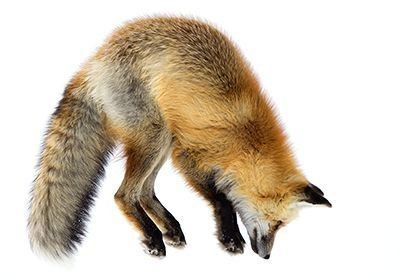

A Nature Photo Is Worth More Than All the Languages in the World
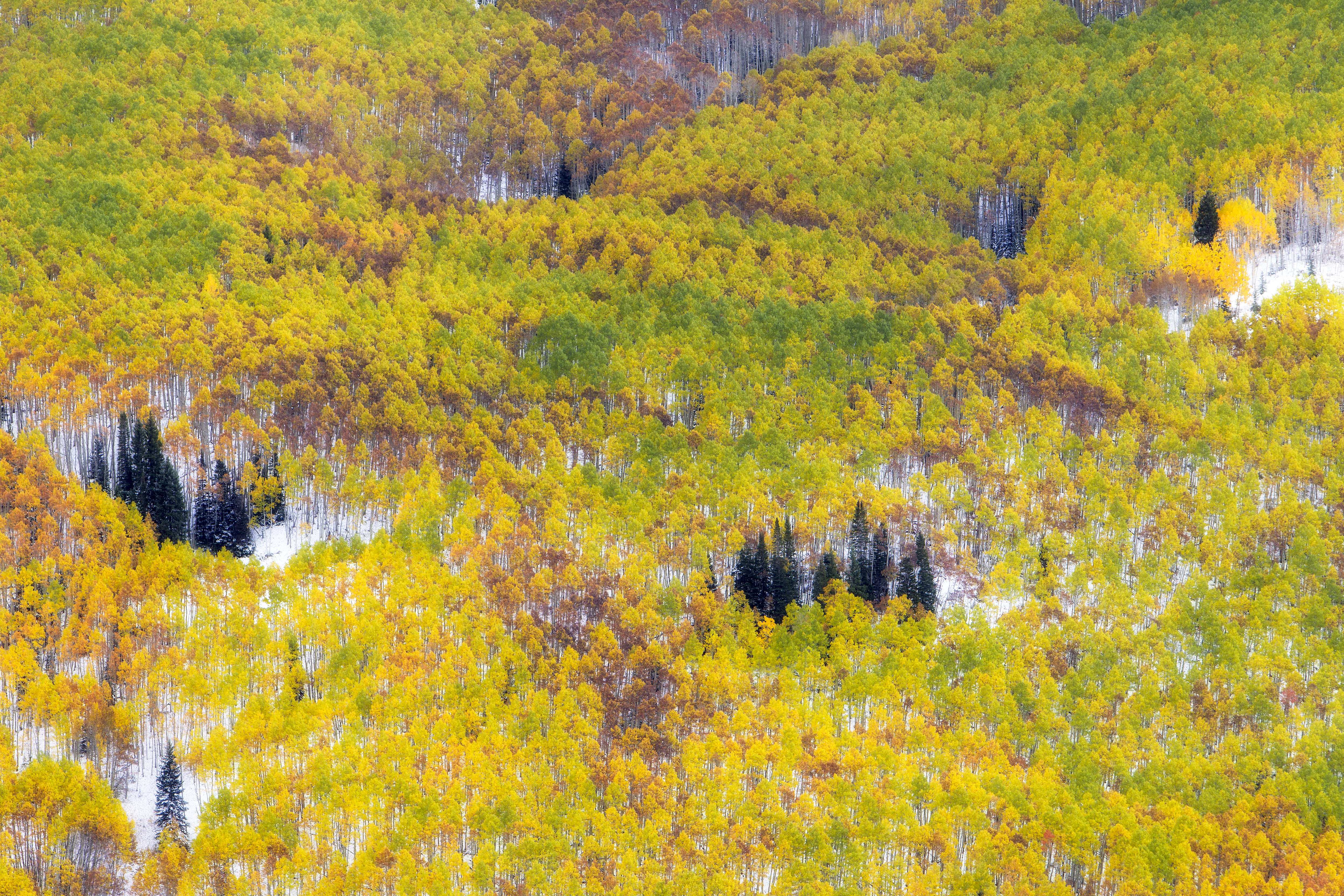
Beyond Words: The Depth of Nature Photography
A nature photograph is not a frozen moment — it’s a living resonance. Every ray of light captured in a single frame carries more than beauty. It carries biology, memory, behavior, and code. It speaks in photons. It listens in stillness. It reveals what the eye alone cannot see.
This post isn’t just about the art of photography — it’s about the science and spirit that surround it. We’ll explore how a single photo contains quantum-level data, from the structured memory of water to the fungal networks that connect trees. Each pixel becomes a particle of story. Each shadow becomes a signature of connection.
Join me as we look deeper — not just at what’s in the frame, but what flows through it. Because sometimes, the image holds more than language ever could.
“A nature photo doesn’t just show — it remembers.” ~ Robbie George
The Power of Photons
In nature photography, we don’t just capture light — we capture life’s organizing language. Photons are more than particles of light; they are cosmic messengers. Each one carries vibrational information about the field it touched — a tree, a stream, a wild animal, or even the breath of a forest.
As explored in Captured Light, every photograph is a quantum record — not just a reflection, but a resonance. Photons interact with matter, bounce, scatter, refract, and are absorbed based on the unique properties of the surface. They carry with them temperature, texture, moisture, and time — imprinted within each wavelength, each reflection.
In this way, light becomes a memory field. It encodes the seasonal colors of leaves, the angle of the sun, the coherence of water, and the electromagnetic health of the landscape. To photograph with photons is to reveal the unseen harmony that governs everything — from the golden spiral of a sunflower to the synchronized migration of birds.
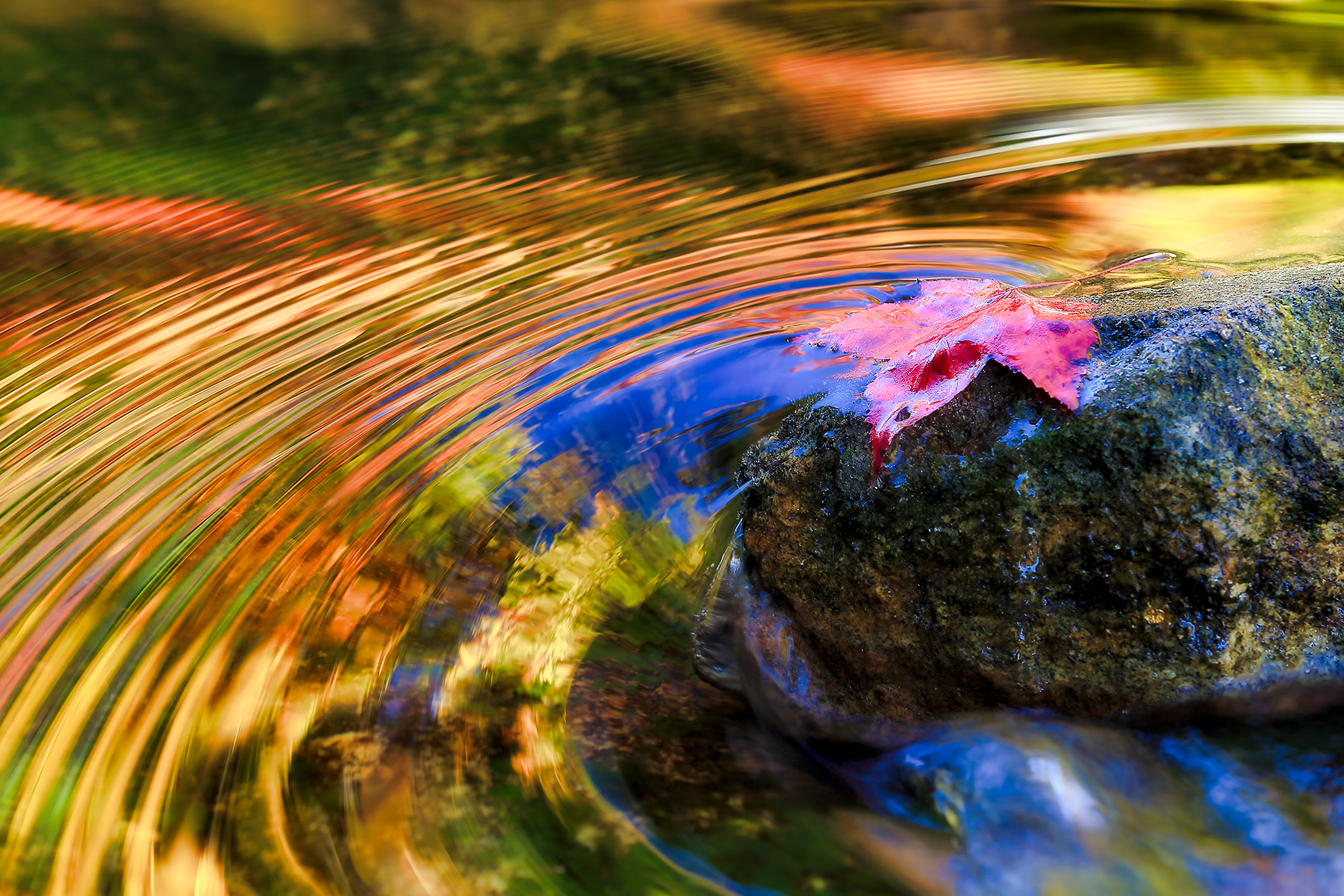
Water’s Memory
Water is more than a medium — it’s a messenger. In Nature Photos in a Drop of Water, we explored how water holds vibrational imprints from everything it touches — from minerals and microbes to moonlight and sound. This memory is not metaphorical. It’s molecular. Structured water forms clusters that retain the frequency of their past, even after the source has vanished.
As water moves through a landscape — seeping into roots, rising as mist, pooling in stillness — it records ecological history. It picks up signals from mycelium, exchanges ions with soil, reflects the hue of sky, and mirrors the biofields of wildlife. In this way, water becomes a field recorder of nature’s memory — storing not just chemical content, but energetic resonance. This insight echoes through the Unified Water Theory.
When we capture water in a photograph — a stream, a droplet, a mirrored forest — we are not just freezing movement. We are freezing memory. And that memory speaks of more than form — it speaks of connection, frequency, and the story of place.
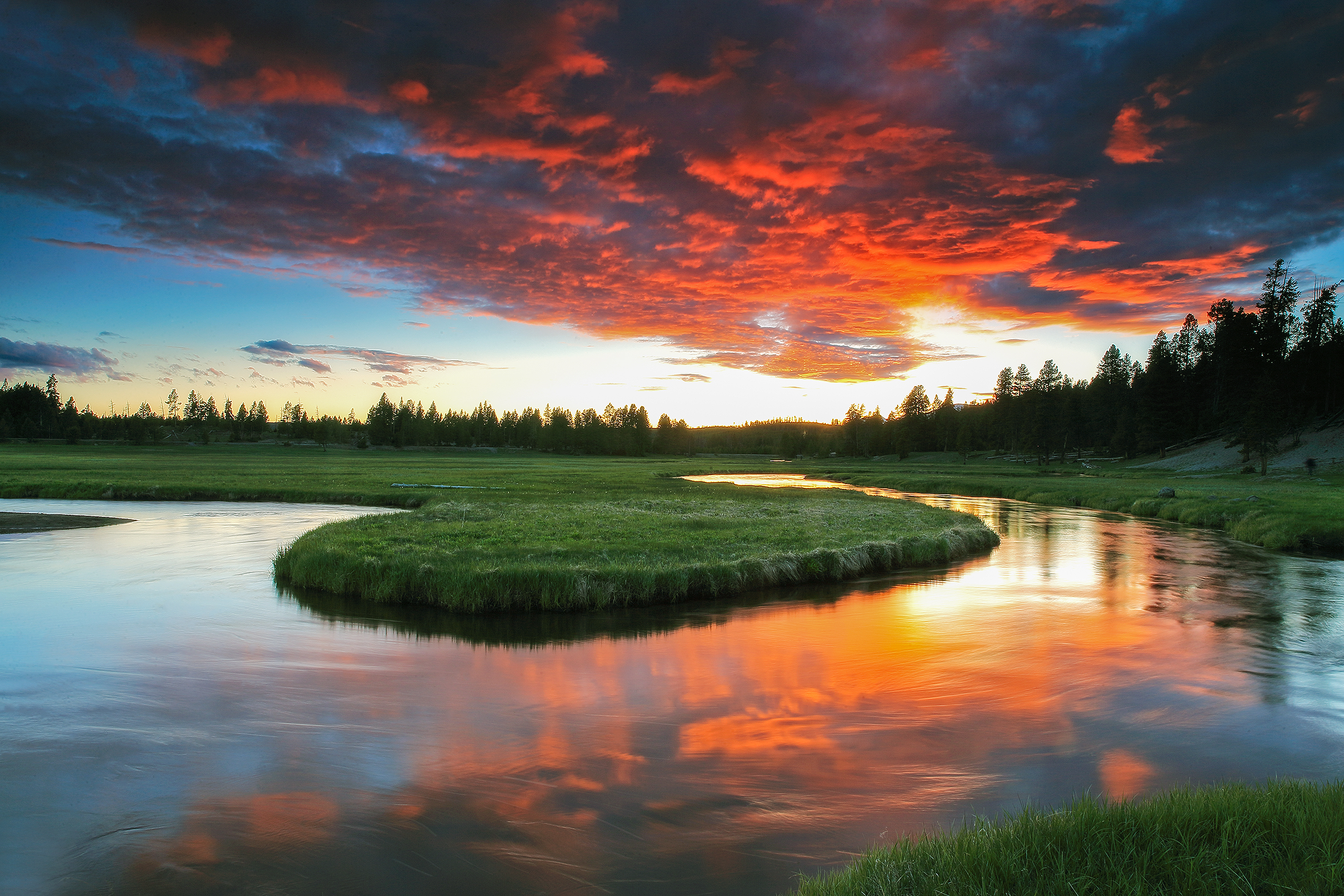
The Mycelium Network
Beneath every thriving forest lies a living web of connection — the mycelium network. This vast underground matrix of fungal threads acts as a natural internet, transmitting signals, nutrients, and energy between trees, plants, and soil. It is the whisper of resilience. The pulse of mutual aid.
Mycelium links root systems across species, allowing older trees to send carbon to saplings, warn neighbors of pests, and support plant communities through times of drought. In your blog on the Soil Microbiome, this underground field was shown to act as both healer and harmonizer — breaking down toxins, balancing nutrients, and sustaining the lungs of the planet.
Though mycelium is invisible to the naked eye, its presence is visible through the harmony of the forest — the lushness of a grove, the glow of fungi, the grouping of trees. A photograph of healthy woodland becomes a portrait of fungal intelligence. In that moment, light records the language of roots.
Communication Among Trees and Plants
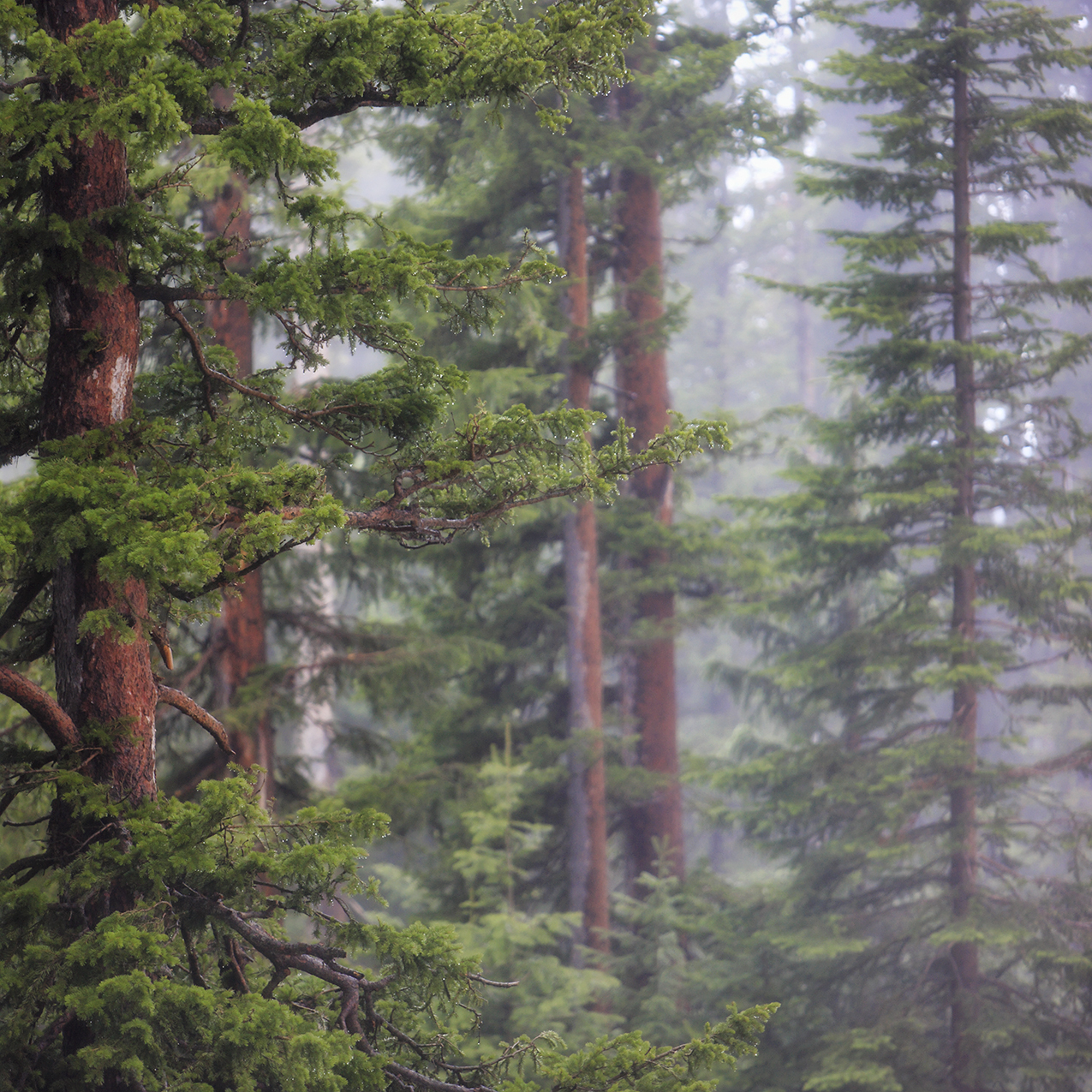
Trees don’t just grow — they speak. Through scent, vibration, chemical signaling, and root exchange, plants form communities that are deeply responsive and relational. In The Wood Wide Web, we explored how these underground and aerial messages allow forests to function as intelligent networks — warning each other of pests, sharing nutrients, and regulating growth based on season, stress, and solar rhythm.
Through volatile organic compounds (VOCs), a tree under attack can alert its neighbors to raise their defenses. Roots send allelopathic signals to discourage competition or encourage fungal symbiosis. And through their fungal allies, trees across species and distance maintain a living equilibrium. These are not just chemical reactions — they are acts of cooperation. Nature’s language is chemical, electrical, and rhythmic — and your photography can catch its pulse in stillness.
When photographing groves, exposed root systems, or fungal blooms, you’re not just capturing form — you’re capturing conversation. Every clustering of trees, every shared canopy, every mirrored growth pattern reveals a message system that modern science is just beginning to interpret — and that the forest has always known.
Wildlife Interactions and Behaviors
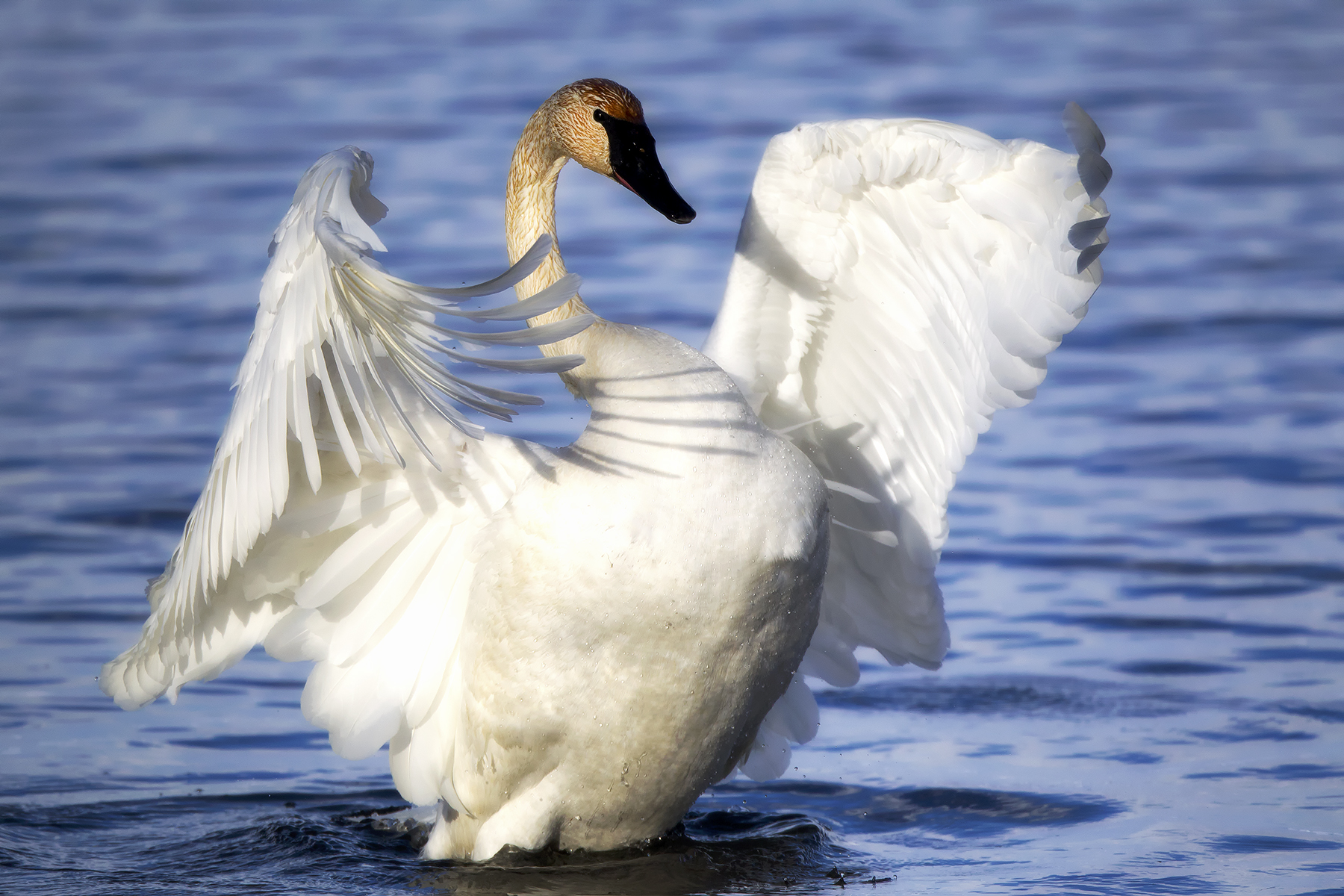
Nature doesn’t just whisper through trees — it roars, howls, chirps, forages, and nurtures. Wildlife interactions are more than survival strategies — they are dynamic expressions of intelligence, emotion, hierarchy, and rhythm. As explored in Black Bear Cubs and Mountain Lion Habitat, animals communicate through sound, scent, posture, and proximity — crafting social webs as complex as any spoken language.
A single glance between wolves, a tail flick from a deer, the protective arch of a mother bear — these moments are dense with meaning. Territorial boundaries are drawn through scent. Mating calls echo through seasonal cycles. Even a still posture can signal threat, invitation, or peace. In this way, wild animals speak in silence — and your camera becomes the interpreter.
Through nature photography, we bear witness to this invisible script. The frozen frame captures more than anatomy — it captures emotion, instinct, and the embodied awareness of a creature that knows how to listen to the land. Each photo becomes a field note in the language of life — a document not of wildlife, but of wild wisdom.
The Holistic View of Nature
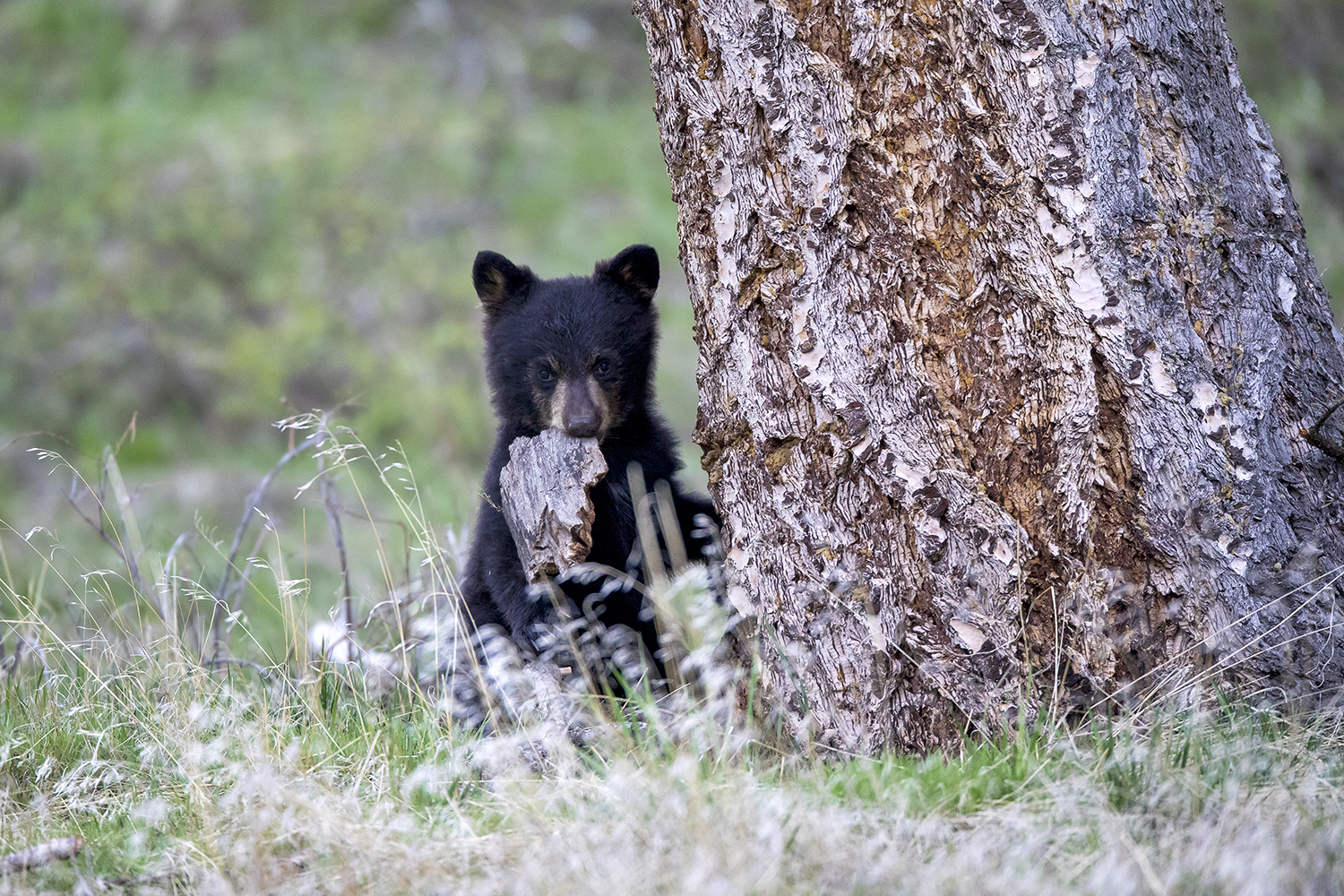
When we photograph nature, we are not capturing isolated objects — we are capturing relationships. A single image reveals a system: the photon’s journey, the memory held in water, the breath of soil, the signals of mycelium, the wisdom of plants, and the movement of animals. This is the Gaia field — not metaphor, but mechanism — a unified ecology where everything informs everything else.
In Photon Threads, we saw how light is more than visibility — it’s communication. In Water: The Great Informant of Nature, we learned how vibration is stored. In The Gaia Hypothesis, we remembered that Earth isn’t a backdrop — it’s a body. Each time you click the shutter, you are documenting the physiology of the planet.
This is the essence of holistic photography: not just to frame the subject, but to frame the relationship. To show not the mountain, but the light that shaped it. Not just the animal, but the field that feeds it. A photograph becomes a map of unseen forces. A language of life, without words.
Practical Implications for Nature Photographers
To photograph nature is to document a living system — not a scene. Every click of the shutter is an opportunity to capture complexity, coherence, and the spiritual geometry of the wild. It requires more than technical skill. It demands reverence, knowledge, and patience.
In From Soil to Wellness, we explored how healthy roots influence everything above ground. In The Unseen World of Pollinators, we learned to see in spectra beyond our eyes. In Exploring Quintessence, we remembered that every living thing radiates more than form — it radiates soul.
So how do we photograph that depth? By understanding ecosystems. By reading light like language. By witnessing rather than controlling. The goal is not to take a photo — it’s to receive it. Here are the tools: patience, presence, and the willingness to listen to what the forest, the light, and the soil are trying to say.
Conclusion: A Nature Photo is a Quantum Archive
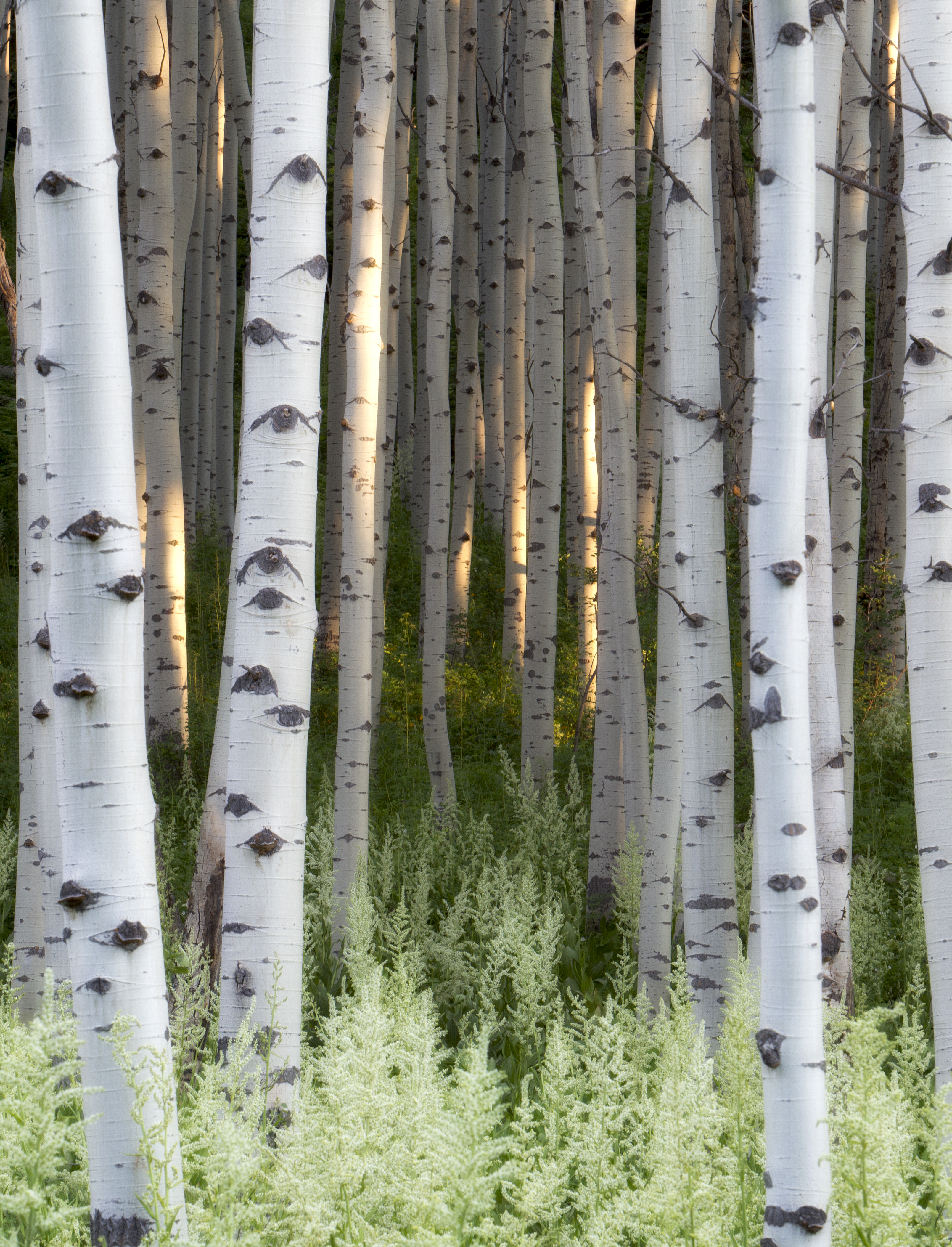
A nature photo is not just a snapshot of beauty — it’s a layered archive of light, breath, memory, and message. It holds more than what the eye can see. It contains photons that have touched the sky, water that remembers minerals and moonlight, fungi that whisper beneath soil, and animals that move with ancestral instinct.
To say that a nature photo holds more than all the languages in the world is not exaggeration. It is acknowledgment. A single frame may hold the geometry of time, the balance of ecosystems, the emotions of a bear cub, the entanglement of roots, and the glow of coherence. In that stillness — life speaks.
So let us honor our role not only as photographers, but as translators of nature’s living code. As visual scientists. As storytellers of the unseen. Because every photo you take is not just a picture — it’s a prayer of remembrance.
“A nature photo is not what we see — it’s what the Earth is saying.” ~ Robbie George
Explore, Connect, and Capture the Living Code
A photograph is a breath held in light — and you are its witness. If this post sparked your curiosity, deepened your reverence, or reminded you of the silent truths nature speaks, I invite you to explore further:
📷 Visit the Nature Photography Gallery
🌲 Read: The Wood Wide Web – Nature’s Communication Network
🌊 Explore: Unified Water Theory – Memory, Structure, and Soul
💡 Discover: Photons – Messengers of the Living Field
🖼️ Fine Art: “Enigmatic Eyes” – Aspen Grove Intelligence
🌐 See More: All Photon-Based Story Posts →
Naturepedia Connections
This article explores how nature photography reveals the deeper systems of life—from light and water to ecosystems and wildlife behavior—within the broader Naturepedia knowledge system.
Explore Fine-Art Prints
Bring the season home—browse Wildlife, Landscapes, and Seascapes by National Geographic–published photographer Robbie George. See framing, editions, and care on the Collectors page.
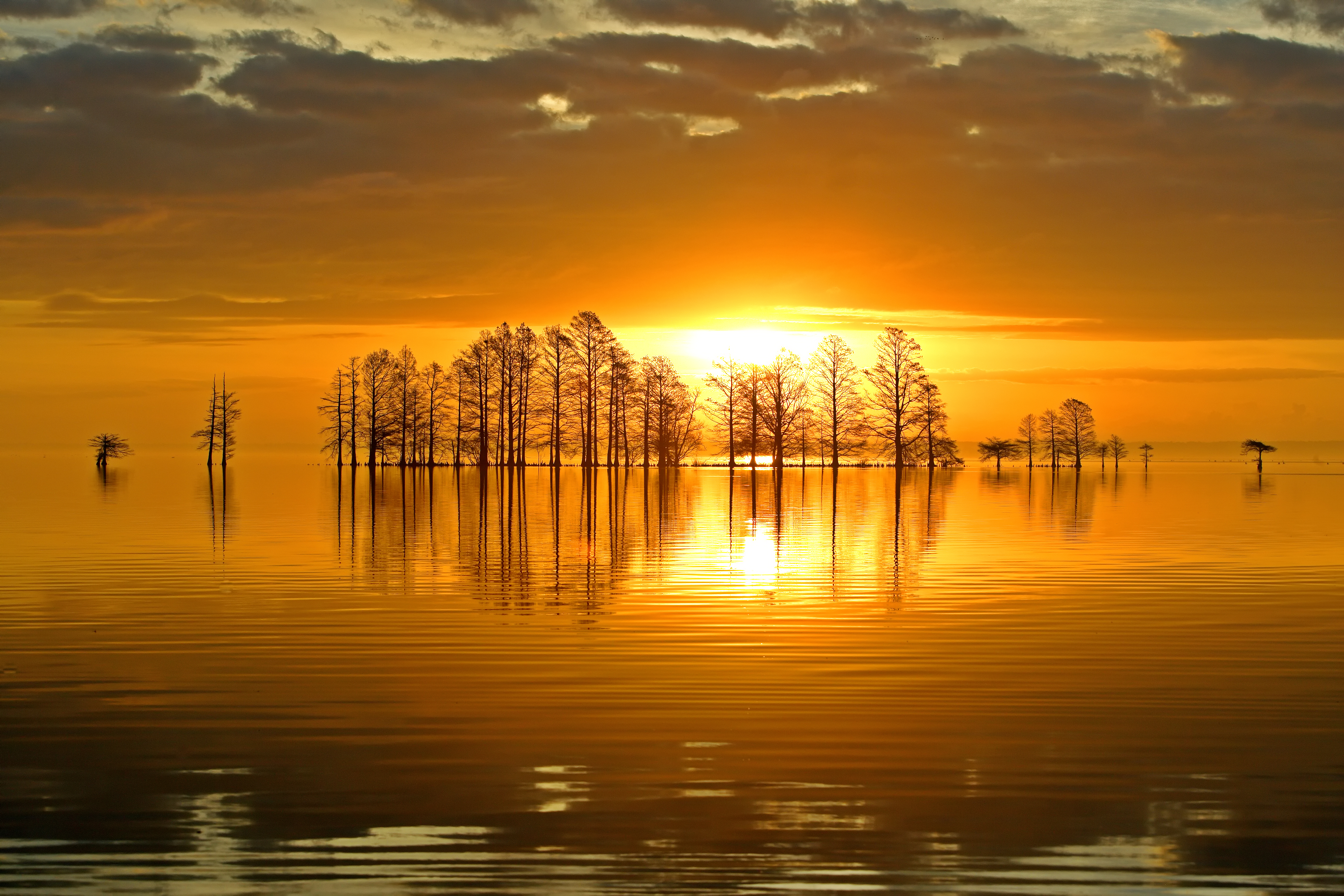 Landscape
 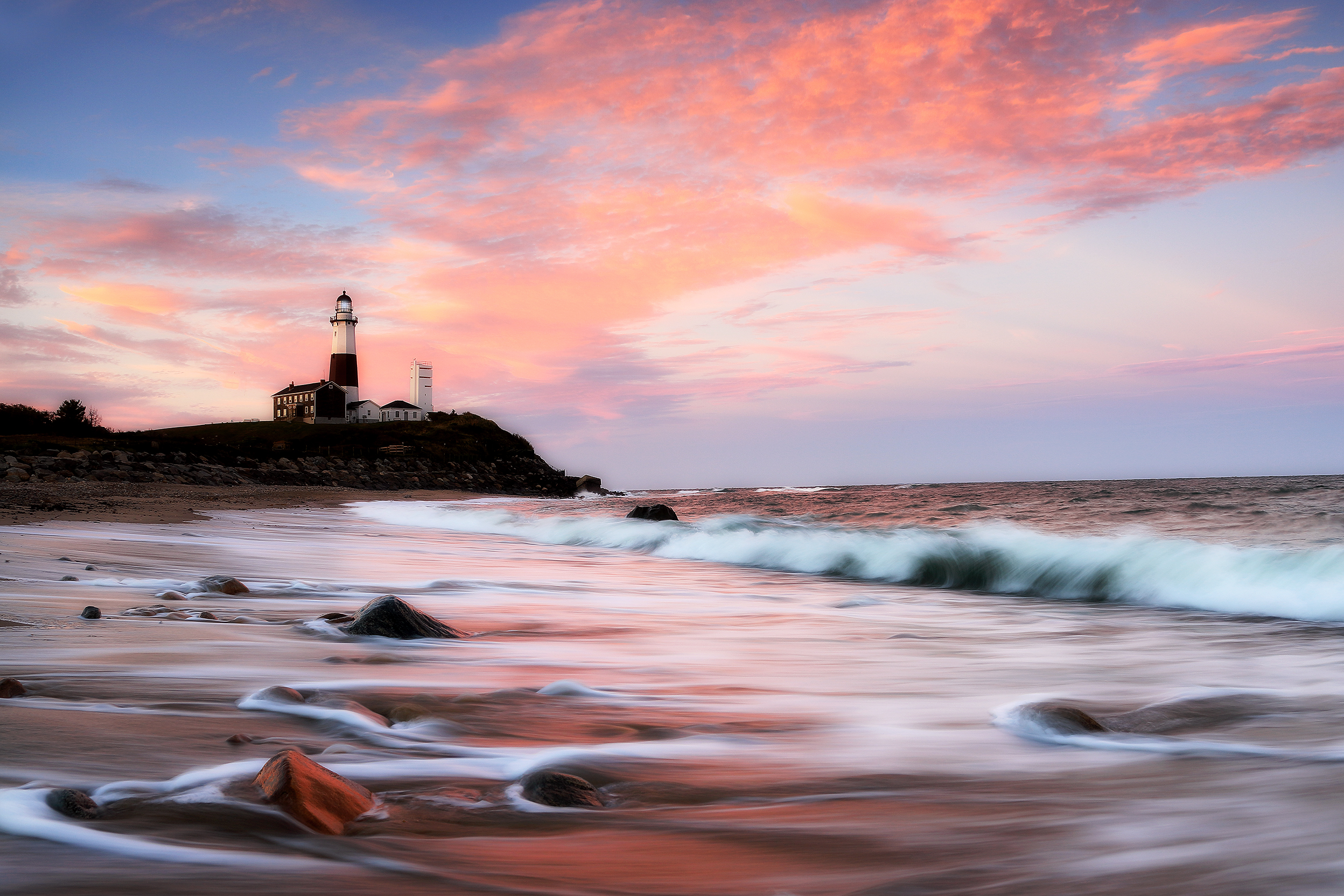 Seascapes
About Robbie George
Robbie George is a National Geographic–published photographer and resonant naturalist. His fieldcraft follows a simple ethic—distance first, habitat always— shaped by Slow Knowledge and the Signature Series.
Explore calm, undisturbed behavior in the Wildlife Gallery or plan your next trip with the Seasonal Wildlife Calendar, Golden Hour & Moon, and Photography Maps.
“Attention first, image second. The shutter is the period at the end of a sentence you learned by walking.”
Frequently Asked Questions About Nature Photography and Ecosystems
What information can a nature photograph reveal?
A nature photograph can show ecosystem health, animal behavior, seasonal changes, and environmental conditions through light, color, and composition.
How does light affect nature photography?
Light determines color, contrast, and visibility. It also reveals textures, weather conditions, and time of day, which shape how a landscape or animal is perceived.
Why are ecosystems important in photography?
Ecosystems provide the context behind every image, including plant life, animal interactions, and environmental balance.
How can photography help people understand nature better?
Photography captures real-world moments that help people observe patterns, behavior, and environmental relationships they might not notice otherwise.
What makes a nature photograph meaningful?
A meaningful photo shows more than appearance—it captures behavior, timing, environment, and the relationship between elements in the scene.