

Fresh Air and Water's Memory: The Quantum Connection
The Quantum Physics of Air and Water
Air and water are not separate. They are two phases of one breath — entangled through quantum interaction. When water evaporates, it doesn’t just rise — it carries the electromagnetic imprint of what it touched: minerals, microbes, mycelium, even moonlight. This is not metaphor — it is physics.
In The Mystical Vortexes of Water, we explored how water is capable of storing information through quantum clustering and molecular coherence. These clusters behave like fractal libraries — retaining vibrational memory long after the physical substance is gone. When these structured molecules become part of the atmosphere, they shape air quality, conductivity, and even microbial tone.
Quantum entanglement suggests that particles — and systems — can remain energetically connected across distance. In this way, the air in your lungs may carry resonance from forest mist, ocean tides, or ancestral soil. To breathe, then, is to participate in a non-local intelligence — a shared field where water’s memory and oxygen’s vitality become one.
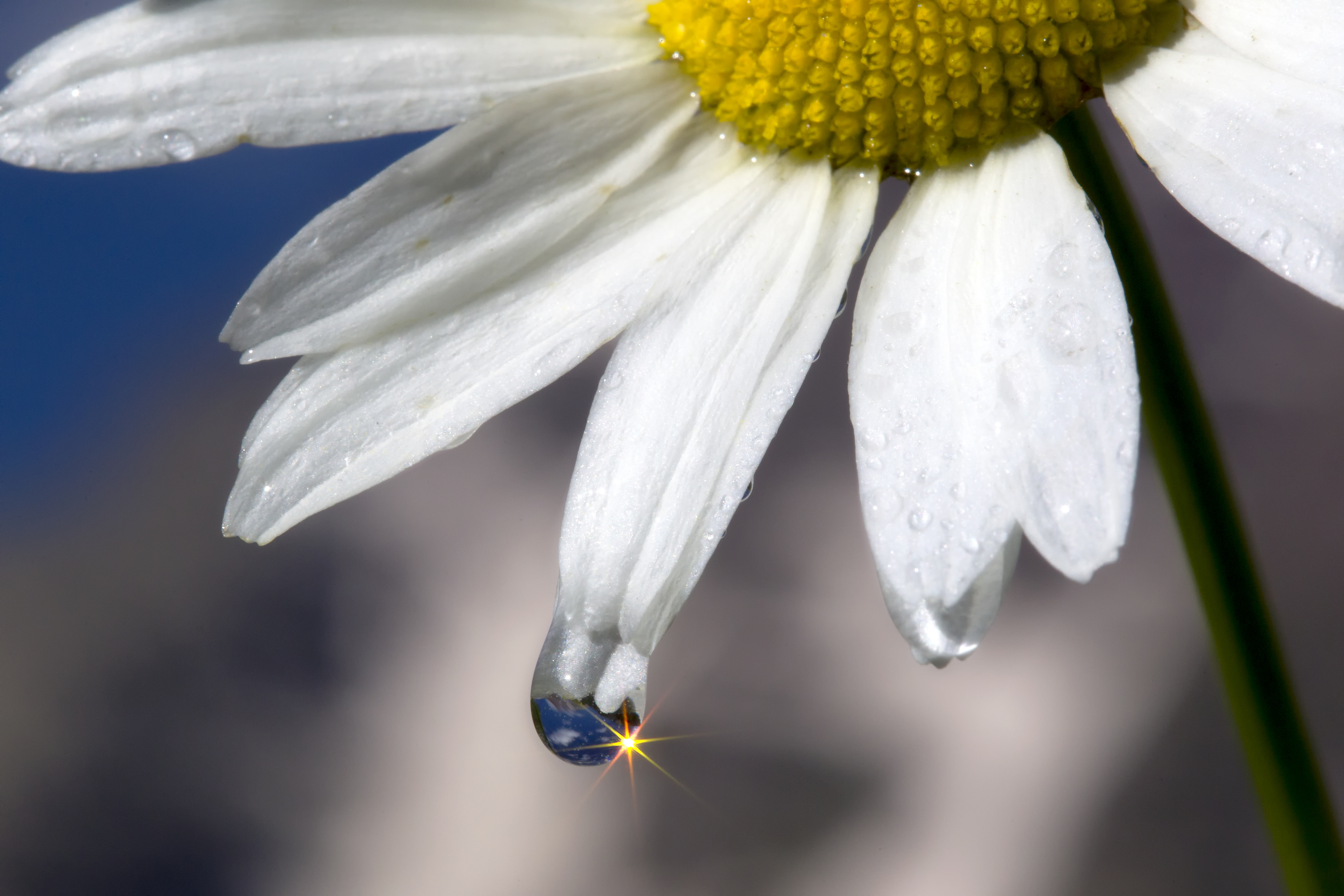
Water’s Journey – From Evaporation to Respiration
The journey of water through Earth’s cycle is not just about movement — it’s about memory in motion. Each phase of the hydrological cycle, from evaporation to condensation to precipitation, carries vibrational data encoded in molecular clusters. As water rises, it doesn’t just become vapor — it becomes airborne intelligence.
As detailed by NOAA’s water cycle research, this continuous exchange fuels climate regulation, cloud formation, and life-giving rain. But in the context of Unified Water Theory, each droplet that condenses or falls carries the memory of its past contact — the soil it soaked through, the tree it nourished, the bacteria it hosted. That memory now moves through the breath of the world.
When we breathe in humid air after a summer rain, we are breathing recycled wisdom — a molecular story encoded in the fields, forests, and clouds. This is the air that nourishes us. And when we exhale, we return our own resonance into the field — completing the spiral from breath to mist and back again.
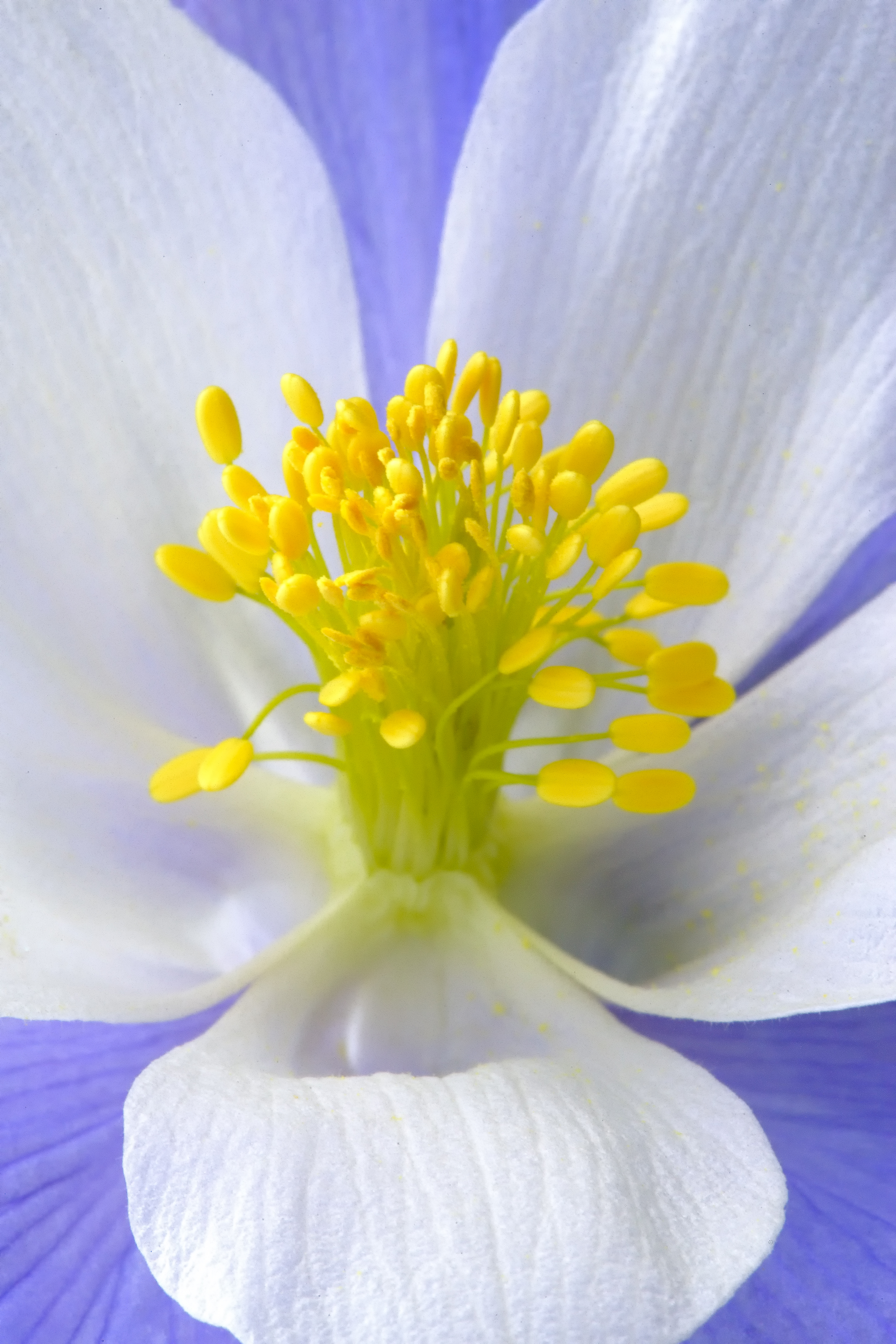
Plants and Oxygen Production
Plants are not passive greenery — they are quantum processors. Every leaf is a living panel of bio-intelligence, converting sunlight into breath, memory into matter. Through photosynthesis, plants transform carbon dioxide and water into oxygen — infusing our atmosphere with the invisible gift of vitality.
As explained by National Geographic’s guide to photosynthesis, this elegant chemical reaction powers all life. But behind the biology lies quantum choreography. As explored in Nature Photos in a Drop of Water, the water taken up by plants holds vibrational data. This encoded water shapes plant health and efficiency, influencing how light is absorbed, transformed, and transmitted.
The result? Breathable air. Environmental clarity. A feedback loop of coherence. Through stomata — tiny gateways in their leaves — plants not only exchange gases, they orchestrate the chemistry of life. Their leaves are lungs. Their roots are receptors. Their presence is purification.
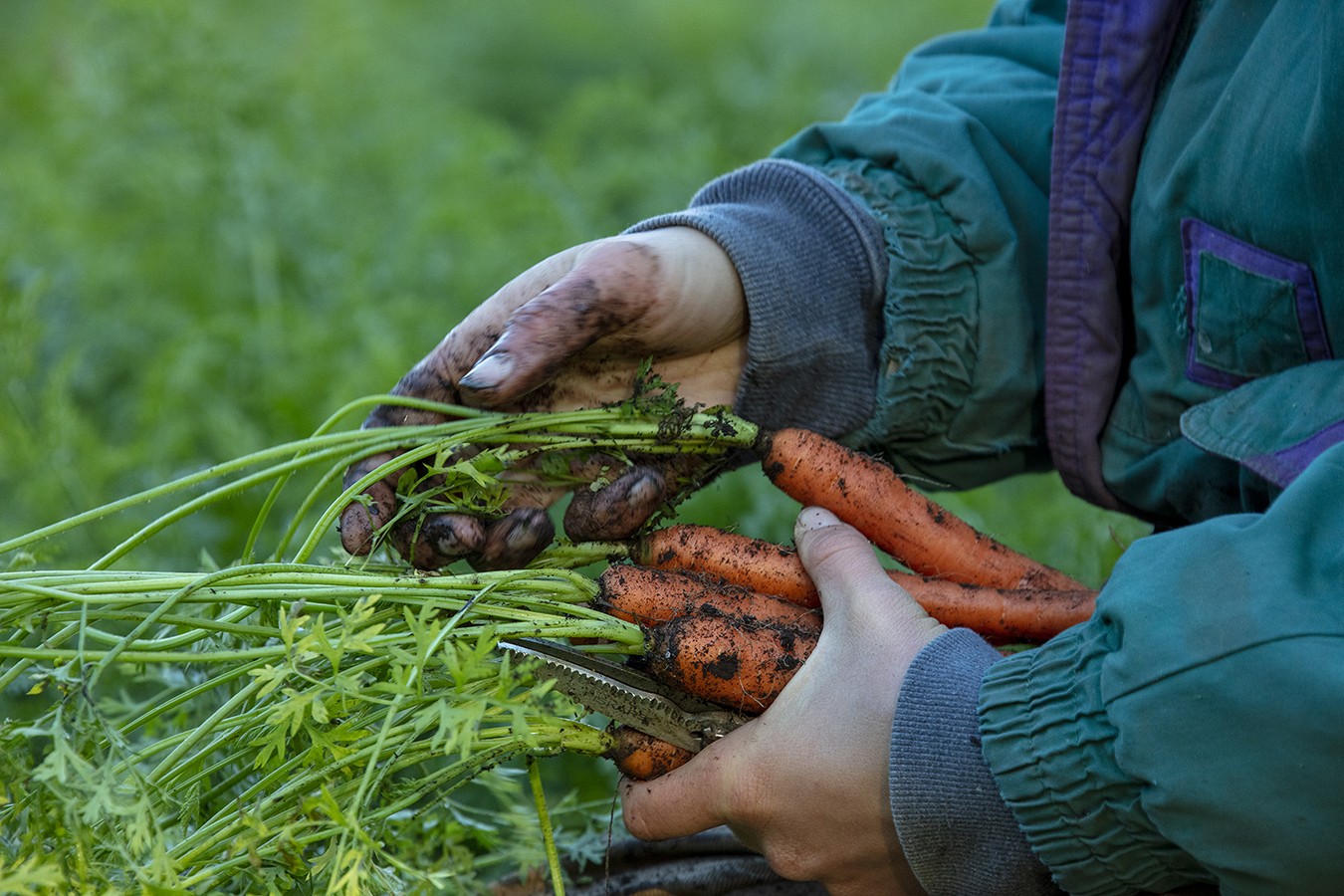
The Soil Microbiome and Clean Air
Beneath every forest and meadow lies an invisible engine: the soil microbiome. This living network of bacteria, fungi, archaea, and protozoa doesn’t just feed roots — it breathes with the Earth. And in doing so, it contributes directly to the purity of the air we inhale.
In From Soil to Wellness, we explored how microbial health below translates into human vitality above. Microbes process carbon, detoxify pollutants, and signal to plants when to grow, defend, or rest. When soil thrives, plants thrive — and the air becomes cleaner. Soil, in a very real sense, is nature’s lung filter.
But this isn’t just about photosynthesis — it’s about coherence. The soil microbiome supports the quantum rhythm between air, water, and plant intelligence. To protect our breath, we must honor the microbial field. It is the original alchemist — converting death into life, and decay into clarity.
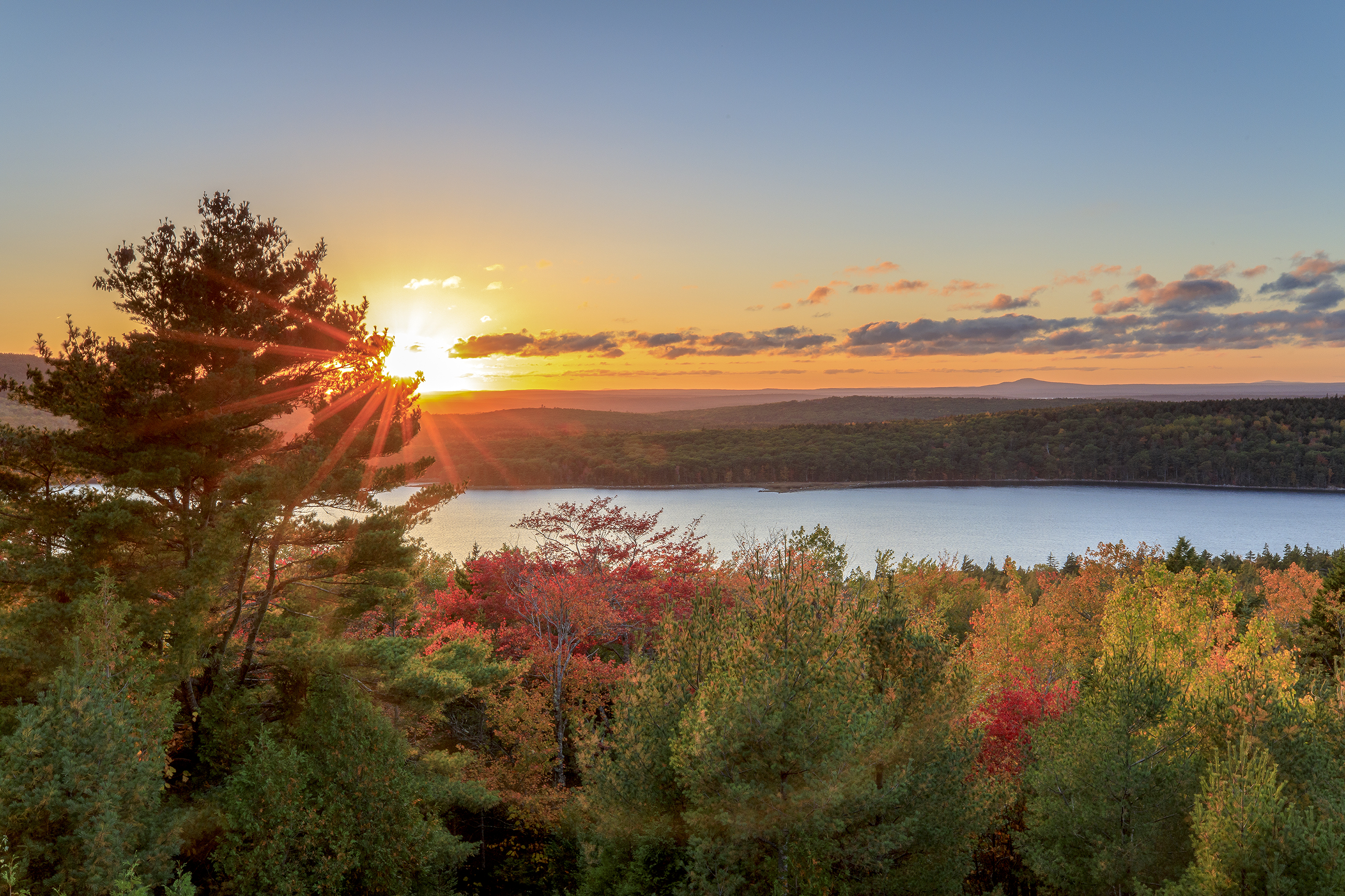
The Interconnectedness of Air, Water, and Health
We are not separate from the air we breathe — we are formed by it. Every inhale is a communion with water’s memory, soil’s exhale, and the electromagnetic whisper of the land itself. In Nature Photos in a Drop of Water, we learned how water holds vibrational signatures. When this water becomes vapor, it enters our breath — and therefore our body — as encoded light.
This connection isn’t metaphorical — it’s biological. Clean air enriched by living water and thriving soil supports everything from mitochondrial function to microbiome balance. It reduces inflammation, elevates cognitive clarity, and supports mood regulation through resonance fields in the brain. The breath we take becomes the chemistry we are.
This is why air cannot be viewed in isolation. It is part of the greater organism of Earth. To improve our well-being, we must protect water, nourish soil, and restore air. As we explored in From Soil to Wellness, the field we breathe is the field that shapes us. Breath is no longer just oxygen — it’s information.
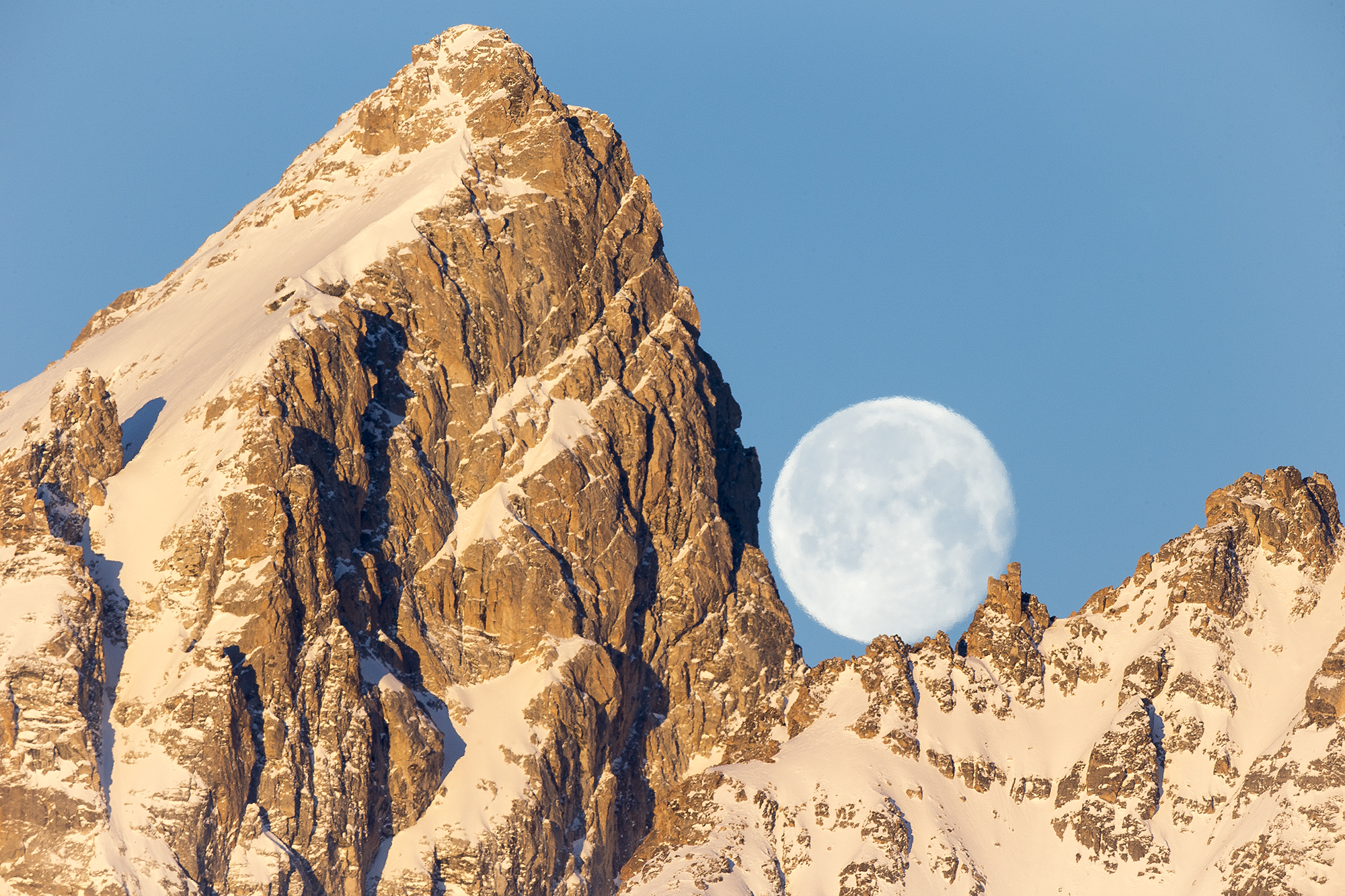
Fresh Air and Nature Photography
Clean air does more than support life — it supports clarity. In nature photography, the purity of the atmosphere directly impacts sharpness, depth, and color resonance. When the air is clear, light travels farther. Shadows breathe. Edges soften. Colors reveal their truest vibration.
Some of my most vivid work comes from the high-altitude Rockies, where air is thinner, crisper, and less polluted. The interplay between mountain light, oxygen-rich wind, and reflective water creates moments of unmatched visual harmony. In these elevations, even breath feels sacred. Water becomes a color shifter, turning alpine lakes into mirrors of sky and soul.
Nature photography is not just an artistic practice — it’s an act of environmental witness. Every photograph becomes a breath captured. And every image reminds us that clean air is not only beautiful — it is necessary for life and light to fully express themselves.

Protecting Our Air and Water
Air and water are sacred — not just for what they give us, but for what they remember. When we protect these elements, we’re not just preserving beauty — we’re preserving the resonance of life. And through photography, we have the opportunity to both witness and inspire.
From regenerative farming that restores the soil microbiome, to reforestation projects that purify our skies, to simple daily choices that reduce plastic and energy use — each action becomes a breath returned to the field. Conservation is not just science — it’s a cycle. One where breath, choice, and beauty converge.
As a nature photographer, I believe that every image should carry more than light — it should carry purpose. Let your lens become an instrument of stewardship. Let your breath become a promise to the living Earth. And let your steps, no matter how small, become part of the spiral that heals.
Conclusion: Breathing with Nature
Breath is the most sacred and overlooked miracle. We do it 20,000 times a day — yet rarely with reverence. Every breath is a bridge. A communion with the unseen. A direct connection between the health of the Earth and the rhythm of our lives. When we breathe clean air, we breathe coherent memory. And when we exhale, we leave a trace — encoded in water, captured by light.
In the language of quintessence and nature reconnection, we are called not only to inhale more mindfully — but to live more relationally. Clean air isn’t just a goal — it’s a reflection of the balance between soil, sunlight, trees, and our choices.
Let us not take our next breath for granted. Let us make it an offering — and a vow. To breathe with the trees. To listen to the water. To walk the world as if every step creates oxygen for the soul.
“To breathe fresh air is to inhale the memory of mountains, oceans, microbes, and morning light.” ~ Robbie George
Explore, Protect, and Share the Breath
Every inhale is a communion. Every photograph is a breath made visible. If this post awakened something within you — a deeper love for air, water, and the invisible rhythms that support life — let your next step be one of engagement.
🌬️ Read more: Fresh Air and Water’s Memory: The Quantum Connection
💧 Explore: Unified Water Theory: Bridging Nature and Consciousness
🌱 Ground in soil: The Soil Microbiome – The Lungs of Our Planet
🖼️ See the air: Colorado Fall Colors – Clarity in the Air
📷 Discover: Robbie George Nature Photography
🌊 Visit: Water Wonders – A Gallery of Breath, Light, and Reflection
Naturepedia Connections
This article connects to the broader Naturepedia system—where air, water, soil, plants, ecosystems, and field observation are explored as living parts of one interconnected natural world.
- Naturepedia — explore the larger knowledge system linking ecosystems, wildlife, and natural forces
- Ecosystems of North America — how air, water, soil, and climate shape the land
- Wildlife Behavior & Ecology — how animals respond to habitat quality, clean water, and seasonal conditions
- Wildlife Conservation & Habitat — why protecting air, water, and soil matters for life systems
- Quantum Vitality — water, hydrogen, biological resonance, and living systems
- Water Wonders — field-based reflections on water, light, and environmental observation
- Landscape Photography — places where atmosphere, light, weather, and water shape the image
Explore Fine-Art Prints
Bring the season home—browse Wildlife, Landscapes, and Seascapes by National Geographic–published photographer Robbie George. See framing, editions, and care on the Collectors page.
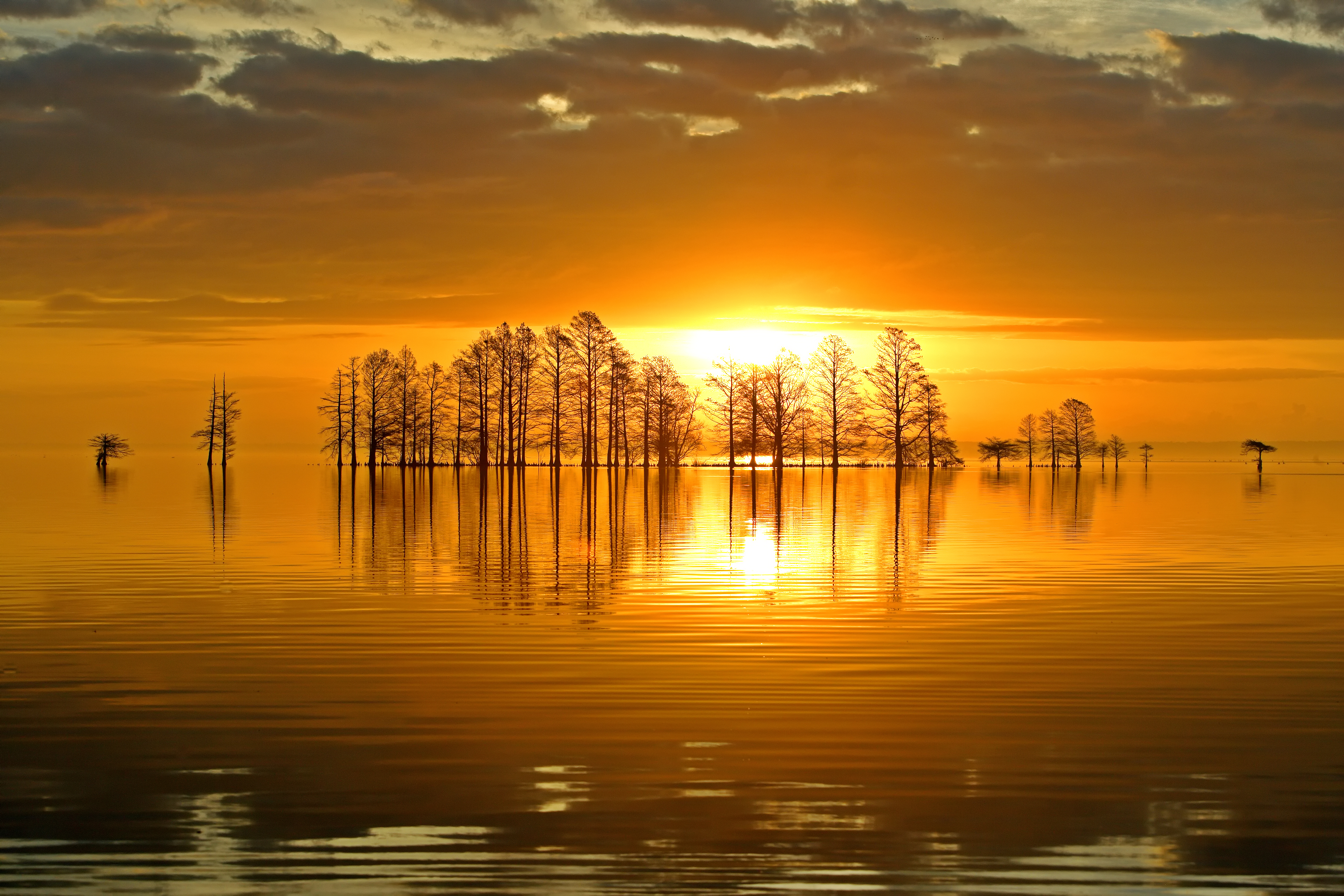 Landscape
  Wildlife
  Seascapes
About Robbie George
Robbie George is a National Geographic–published photographer and resonant naturalist. His fieldcraft follows a simple ethic—distance first, habitat always— shaped by Slow Knowledge and the Signature Series.
Explore calm, undisturbed behavior in the Wildlife Gallery or plan your next trip with the Seasonal Wildlife Calendar, Golden Hour & Moon, and Photography Maps.
“Attention first, image second. The shutter is the period at the end of a sentence you learned by walking.”
FAQs: Fresh Air, Water, and Environmental Health
1. Why are fresh air and clean water connected?
Fresh air and clean water are part of the same living system. Water moves through evaporation, clouds, rain, soil, rivers, and plants, while healthy ecosystems help clean the air and support breathable environments.
2. How do plants help improve air quality?
Plants absorb carbon dioxide and release oxygen through photosynthesis. Healthy plant life also supports cooler landscapes, stronger ecosystems, and cleaner air across forests, wetlands, fields, and gardens.
3. Why is the soil microbiome important for environmental health?
The soil microbiome supports plant growth, nutrient cycling, and ecosystem balance. Healthy soil helps plants thrive, supports water retention, and contributes to cleaner air and more resilient landscapes.
4. How does the water cycle affect the air we breathe?
The water cycle moves moisture through evaporation, condensation, and precipitation. This constant circulation influences humidity, weather, plant health, and the overall condition of the environments where we live and breathe.
5. How does clean air affect nature photography?
Clear air improves visibility, color, contrast, and the quality of natural light. In landscapes and mountain scenes especially, clean air helps photographers capture depth, clarity, and more accurate color in the field.
6. What are simple ways to help protect air and water quality?
Supporting healthy soil, reducing pollution, planting native vegetation, cutting waste, and protecting natural habitats all help improve air and water quality over time.
7. Where can I explore more field-based examples of water, light, and environmental observation?
You can explore water-based landscapes, reflective scenes, and nature observations in the Water Wonders gallery and related field-based photography collections across Robbie George Photography.