
Northern Lights Photography Guide: Iceland Winter
Introduction to the Aurora Borealis in Iceland
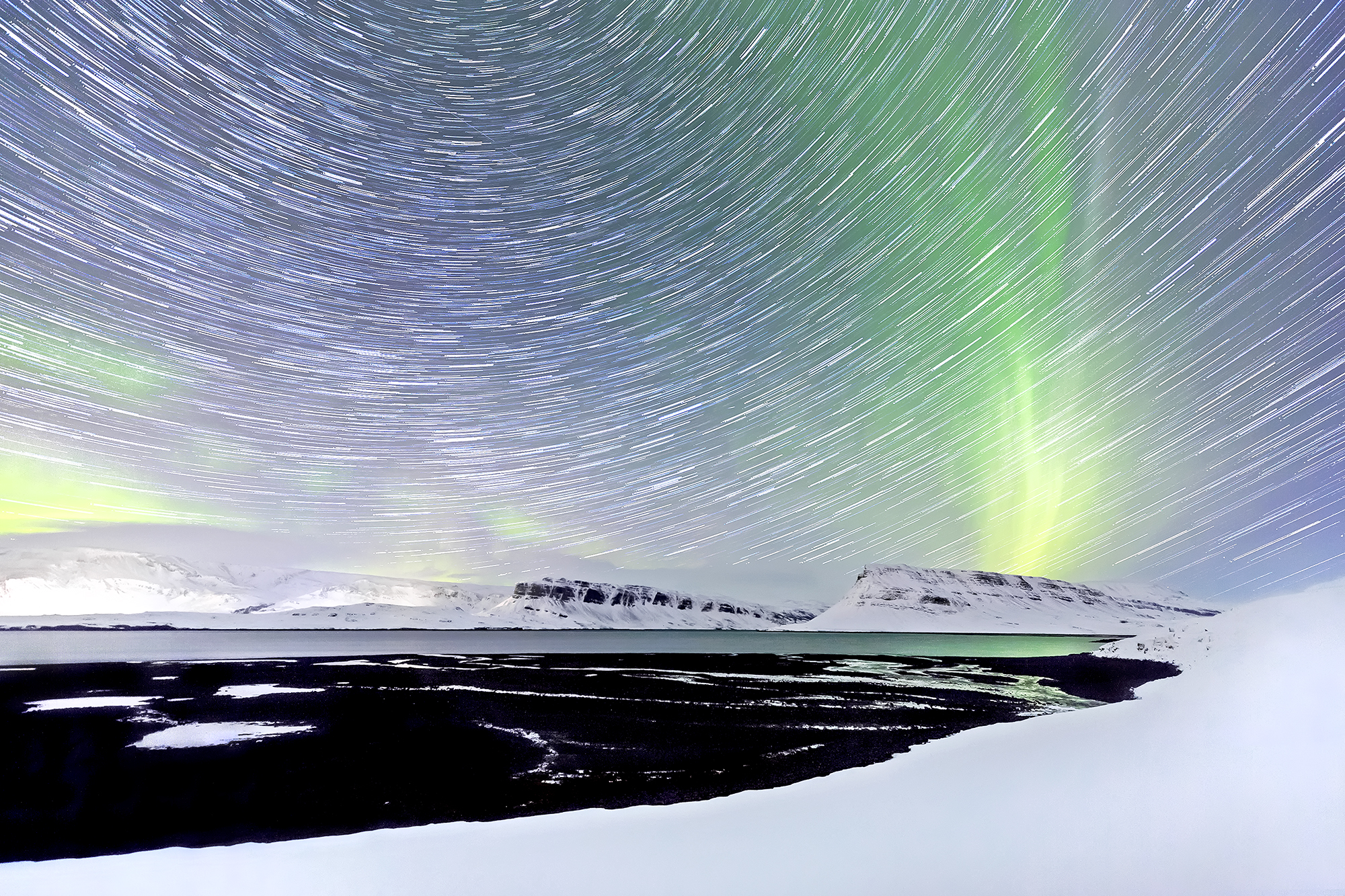
Few sights stir the soul like the Aurora Borealis — ethereal ribbons of light sweeping across Iceland’s dark skies. As a nature photographer, I have always felt these dancing lights were more than a phenomenon; they are the sky’s breath, exhaled in waves of color and wonder.
Iceland, perched on the edge of the Arctic Circle, offers a front-row seat to one of the universe’s grandest shows. Here, under blankets of stars and glacial wind, the aurora rises — alive, electric, and unforgettable. I’ve spent many nights waiting, bundled in layers, eyes skyward, camera ready, heart open.
This post is more than a how-to. It’s a meditation on light — how to find it, how to frame it, and how to understand its language. The aurora speaks through solar winds and magnetic rhythms, but also through silence — and awe.
“The aurora doesn’t just light the sky — it lights something ancient within us.” ~ Robbie George
At-a-Glance Settings
- Baseline: f/2.8 • 10–15s • ISO 1600–3200 • manual focus on star
- Fast aurora: f/1.8–2.8 • 3–6s • ISO 3200–6400
- Slow curtains: f/2.8 • 15–25s • ISO 800–1600
- Best hours: 22:00–02:00, new moon, KP ≥ 4, clear skies
- Apps: Vedur.is (clouds), NOAA Aurora Dashboard (KP/IMF), Windy (winds)
Understanding the Science Behind the Northern Lights
The Northern Lights, or Aurora Borealis, are not merely beautiful — they are the result of a cosmic conversation. Solar flares hurl charged particles across space, reaching Earth’s magnetosphere with astonishing speed. What happens next is nothing short of alchemy.
As these particles collide with our atmosphere, they excite oxygen and nitrogen atoms high above the Earth, causing them to glow. The resulting light display depends on altitude and element: oxygen at 60 miles radiates green, while at higher altitudes it releases deep reds. Nitrogen adds a violet hue.
Iceland, nestled near the auroral oval, becomes a canvas for these spectral interactions. On cold, clear nights, I’ve watched these rivers of plasma shimmer above glacial lagoons — a reminder that we’re always under the influence of solar breath.
“Each aurora is a ripple in the sky — an echo of a storm from 93 million miles away.” ~ Robbie George
Essential Gear for Photographing the Northern Lights
To capture the Aurora Borealis in all its spectral brilliance, you need more than luck and a clear night — you need the right gear. Iceland's subarctic conditions test both your resolve and your equipment.
I rely on a DSLR or mirrorless camera with manual settings and excellent low-light performance. A wide-angle lens with an aperture of f/2.8 or wider lets in enough light to keep exposure times reasonable. My tripod must be solid — gusts off Iceland’s glaciers aren’t gentle.
I pack extra batteries (cold eats charge fast), a remote shutter release, and fast memory cards. A headlamp with a red light is vital — it protects night vision while allowing me to adjust my setup. And of course, thermal layers, gloves with dexterity, and waterproof boots ensure I stay focused and frost-free.
“Preparedness transforms chance into capture. In the north, every shutter click is a pact with the stars.” ~ Robbie George
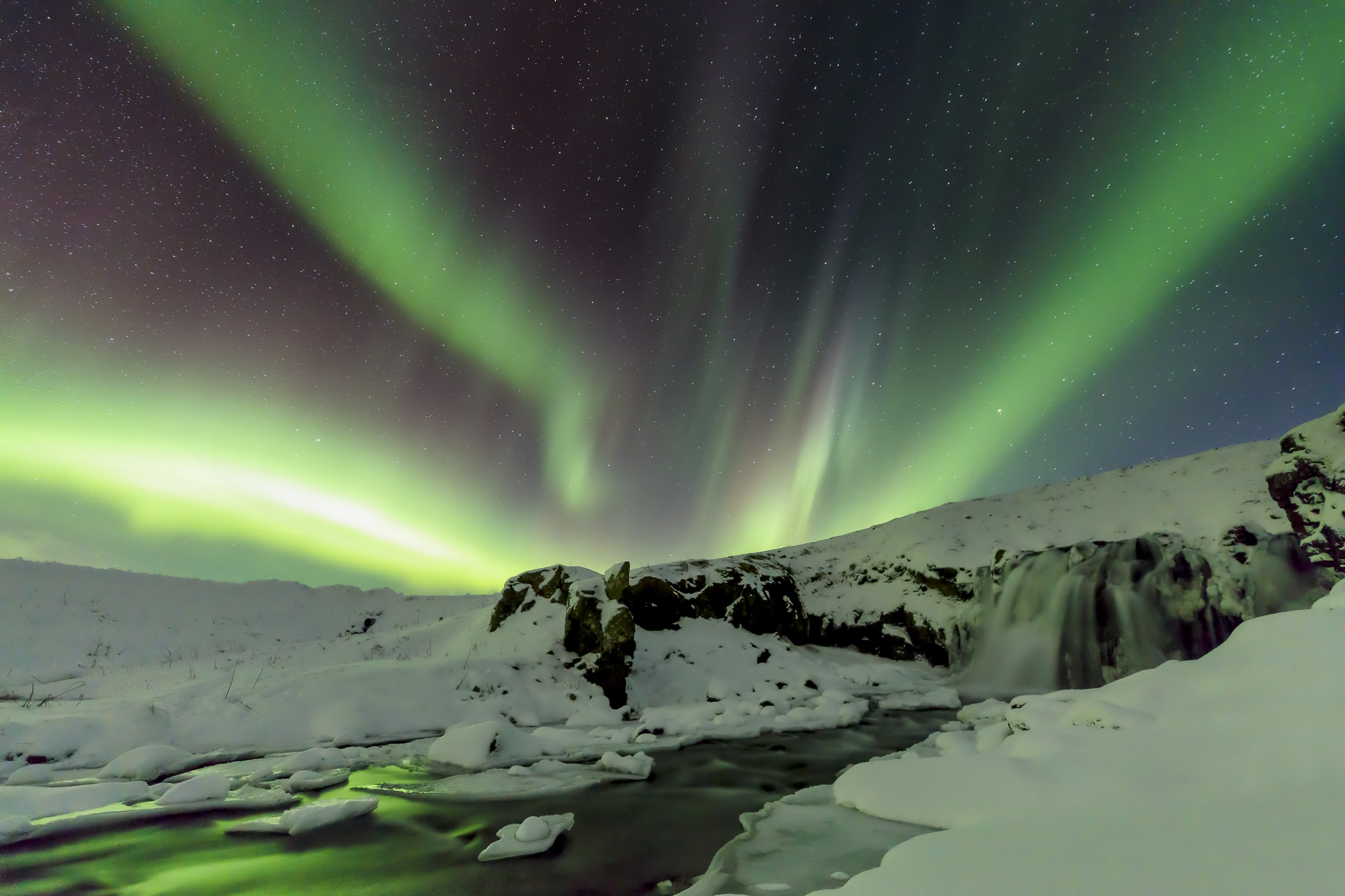
How to Photograph the Northern Lights (Field Checklist)
- Check Vedur.is clouds + NOAA KP (aim KP ≥4); choose dark site.
- Mount camera on tripod; set RAW, manual, WB ~3500K.
- Start: f/2.8, 10s, ISO 1600–3200; manual focus on star.
- Refine shutter for motion (shorter for fast spikes, longer for curtains).
- Bracket a few frames; review histogram; protect highlights.
Best Time to Witness and Photograph the Lights in Iceland
Iceland’s skies offer their most spellbinding performance between late September and early April, when darkness stretches long across the arctic horizon. These are the months when the aurora borealis is not just a dream — but a rhythmic pulse across the heavens.
In my experience, the magic hour falls between 10 PM and 2 AM, especially under a new moon when the sky is at its most shadowed. I monitor aurora forecasts and cloud cover charts religiously — patience and timing are everything.
While winter brings the deepest dark, don’t overlook the shoulder seasons. September and April can yield exquisite shows, often with more temperate conditions and fewer crowds. Each night is a negotiation with space weather and stillness — and every sighting feels like a cosmic gift.
“When you wait in the stillness of night and the sky finally stirs — you’re witnessing time written in photons.” ~ Robbie George
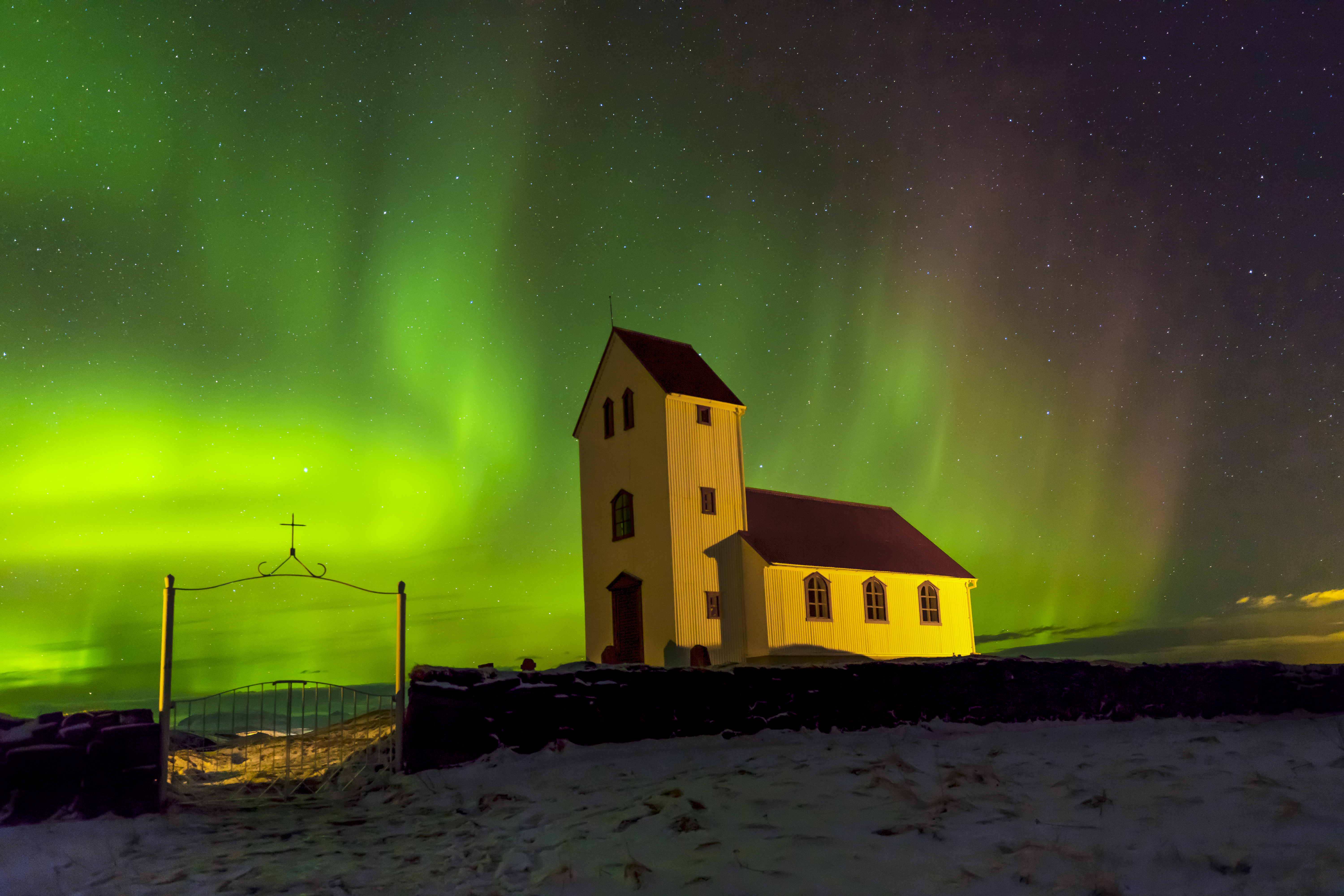
Live Aurora Forecast: Know When to Look Up
To maximize your chances of seeing the Northern Lights while in Iceland, I highly recommend keeping a close eye on real-time aurora activity. One of the most trusted tools I use is NOAA’s Aurora Dashboard. This dashboard displays solar wind data, current KP Index predictions, and auroral oval maps to help you plan the perfect night shoot.
Whether you’re chasing greens, purples, or those elusive reds, checking the KP Index (which measures geomagnetic activity) can indicate how far south the auroras may be visible. For Iceland, I usually look for a KP of 4 or higher for a vibrant show. Clear skies and a high KP? That’s go time.
References
Choosing the Perfect Location: Top Spots in Iceland
Photographing the Aurora Borealis is part art, part alchemy — and part geography. Over the years, I’ve stood under Iceland’s skies in places where the light feels sacred, where land and stars blur. Here are some of my most treasured vantage points:
- Þingvellir National Park: A geological rift where tectonic plates part — and the heavens open with curtains of green.
- Jökulsárlón Glacier Lagoon: Icebergs mirror auroras in silence, creating double reflections of light and time.
- Vík: The sea stacks at Reynisfjara beach catch aurora pulses like tuning forks of the Atlantic.
- Snæfellsnes Peninsula: A condensed symphony of Icelandic geology crowned by Kirkjufell.
- Grótta Lighthouse (Reykjavík): For those staying near the city, this coastal point still lets the stars breathe.
I always consult the aurora forecast before setting out — then follow my intuition toward the darkest silence. These sacred places are part of my ongoing Journeys in Nature.
Composing Your Shot: Tips and Techniques for Northern Lights Photography
When I stand under the Arctic sky, every frame becomes a meditation — a communion with the rhythm of light and the stillness of the Earth. Photographing the aurora is not just about exposure settings, but composition: the sacred geometry of the landscape beneath a dancing sky.
- Foreground Interest: I seek elements like frozen waterfalls, volcanic peaks, or reflective water to anchor the heavens to the Earth.
- Rule of Thirds: By placing the horizon low, I allow the aurora to sweep and spiral through the upper frame, guiding the viewer’s eye.
- Leading Lines: Paths, rivers, and rock formations become visual bridges toward the light. Let the Earth invite the viewer upward.
- Capturing Motion: I often shoot between 5–25 seconds. Each exposure is a symphony, recording the motion of charged particles as if they were brushstrokes from the cosmos.
- Manual Focus: Autofocus struggles in the dark. I zoom digitally on a distant star or distant light, setting my lens to infinity with precision.
- Bracket Your Shots: Because no aurora is predictable. I bracket exposures to capture both the subtle ambient glow and the sudden bursts of electric intensity.
In the end, I don’t just compose an image — I compose a feeling. Each shot is a conversation between the stillness of Iceland’s winter and the wild pulse of our universe.
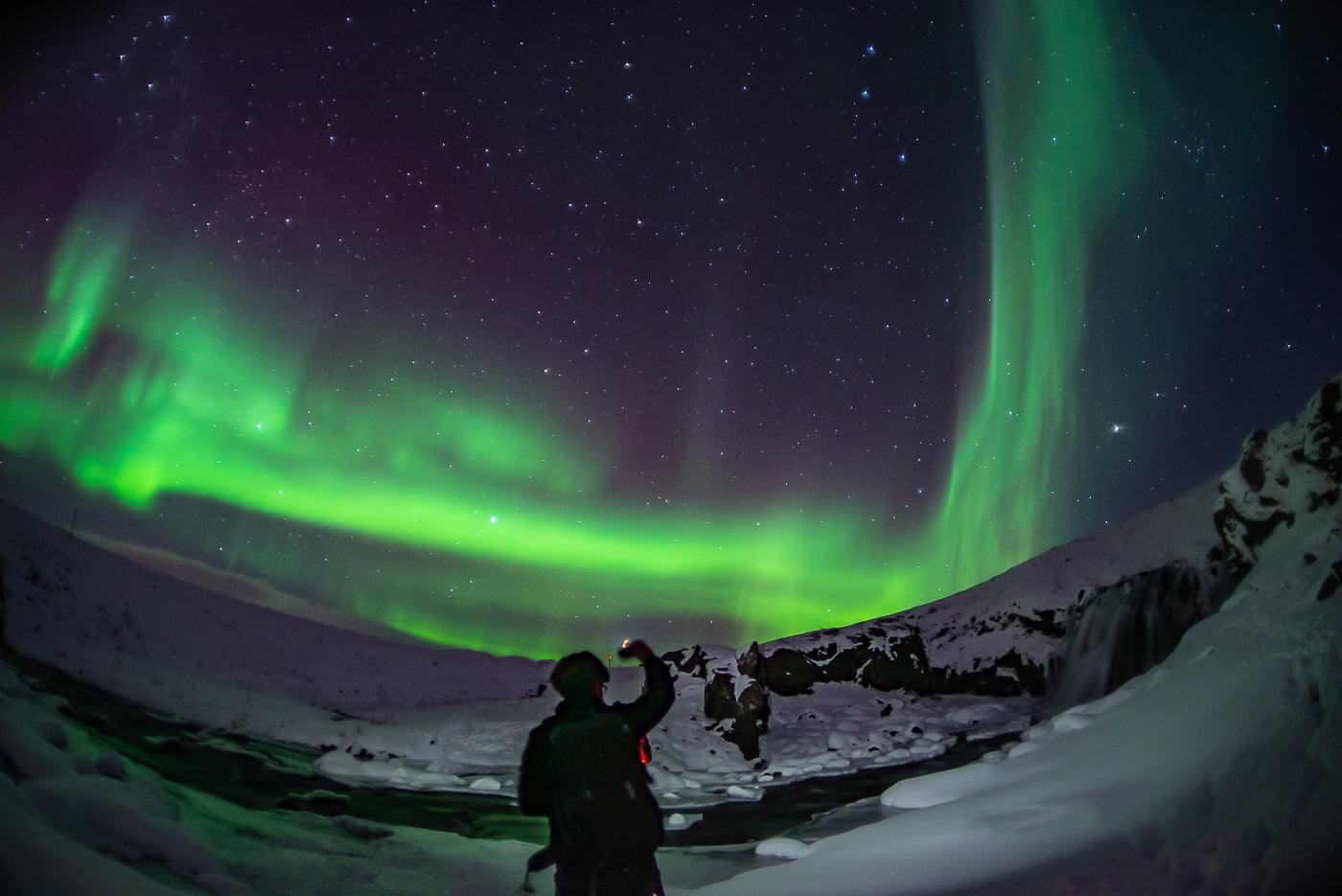
Camera Settings and Post-processing Tricks
Photographing the aurora borealis is a dance between light and time. While composition captures the soul of a moment, camera settings give it structure—and post-processing breathes it into its final form. Here’s how I approach it from shutter to showcase.
- Manual Mode: I set my camera to full manual to control ISO, aperture, and shutter speed. The aurora is dynamic and subtle—automation dulls its nuance.
- ISO: I begin with ISO 1600 and adjust from there. Some nights demand more sensitivity; others allow less.
- Aperture: A wide aperture like f/2.8 or f/1.8 helps gather maximum light without overexposing brighter stars.
- Shutter Speed: Between 5 and 25 seconds depending on the aurora’s movement. Longer exposures capture flowing shapes; shorter ones freeze dramatic spikes.
Once the image is captured, I bring it into post-processing with care—enhancing without exaggerating. The goal is to honor what I witnessed, not invent something new.
- RAW Format: Always. This preserves every subtle gradation in color and light.
- White Balance: I adjust for accuracy. Aurora greens tend toward 3400–3800K, but each night is different.
- Contrast & Clarity: Enhancing edges and midtones can make the aurora’s flow more vivid—without flattening the stars.
- Noise Reduction: I apply it lightly, especially in shadows. Too much, and I risk losing the texture of the sky.
The process becomes part of the ritual. These images are more than photographs—they are reverberations of solar memory captured by a lens, witnessed in wonder.
| Situation | Aperture | Shutter | ISO | Notes |
|---|---|---|---|---|
| KP 4–5, moderate motion | f/2.8 | 8–12 s | 1600–3200 | Include foreground reflection |
| Fast spikes/arcs | f/1.8–2.8 | 2–6 s | 3200–6400 | Avoid star trailing |
| Slow curtains | f/2.8–3.5 | 15–25 s | 800–1600 | Use NR sparingly |
Battling the Elements: How to Stay Warm and Safe
In Iceland, photographing the Northern Lights isn't just a visual experience—it's a physical one. The cold isn’t a backdrop; it’s a companion. I’ve learned over the years that preparation isn’t optional—it’s what makes the difference between awe and agony.
- Layer Strategically: I begin with a moisture-wicking base, add a warm insulating layer (wool or fleece), and finish with a waterproof, windproof outer shell. Iceland’s weather shifts fast—layers adapt.
- Protect Extremities: I wear touchscreen gloves inside insulated mitts and thermal socks inside waterproof boots with deep tread. A fleece-lined hat and neck gaiter are must-haves.
- Keep Gear and Batteries Warm: Batteries die fast in the cold. I keep spares in inner pockets, close to my core. I also use lens hoods to reduce condensation and flare.
- Stay Hydrated and Fueled: Hot drinks in a vacuum flask keep spirits high. I always carry protein-rich snacks that won’t freeze solid. My go-to? Dried fruit and trail mix.
- Know the Forecast: Icelandic winter conditions can be brutal. I rely on Vedur.is for real-time weather and aurora forecasts. Always check before heading out.
- Have a Safety Kit: My kit includes a headlamp (with red light), thermal blanket, first-aid supplies, a fully charged phone with offline maps, and a whistle. If I’m venturing into remote areas, I let someone know where I’ll be.
I’ve come to see the cold not as an obstacle, but as part of the experience. The biting wind, the icy silence, the crunch of snow beneath my boots—they’re the rhythm section to the aurora’s glowing symphony.
Cultural Significance of the Northern Lights in Iceland
As I stand beneath the aurora's shimmer, I’m reminded that these lights are not just a scientific marvel—they are part of Iceland’s soul. Known locally as norðurljós, the Northern Lights are woven into the stories, superstitions, and ceremonies of this ancient landscape.
✨ Historical Perspectives
Norse mythology speaks of Valkyries—warrior maidens guiding fallen heroes to Valhalla—reflected in the glinting lights above. These celestial streams were seen as the flicker of their armor across the heavens. In Icelandic folklore, women were once warned not to look directly at the aurora while pregnant, for fear their child might be born cross-eyed. Superstition or symbolism—perhaps both.
🎶 Modern Interpretations
Today, the lights inspire artists, musicians, and poets alike. From haunting ballads to minimalist paintings, the aurora fuels a modern mythology—one that acknowledges our smallness beneath the infinite sky. It’s a reminder that even in the darkest season, nature offers light.
🏕️ Tourism and Celebration
Iceland celebrates its skies with aurora festivals, storytelling nights, and photography workshops that honor the cultural and ecological significance of this glowing phenomenon. These gatherings remind me that to witness the lights is also to connect—to land, to legend, and to each other.
In the end, every photo I take of the aurora carries with it more than just photons and color curves—it holds memory, myth, and meaning. It’s a bridge between what is seen, what is felt, and what has always been known by those who called these northern latitudes home.
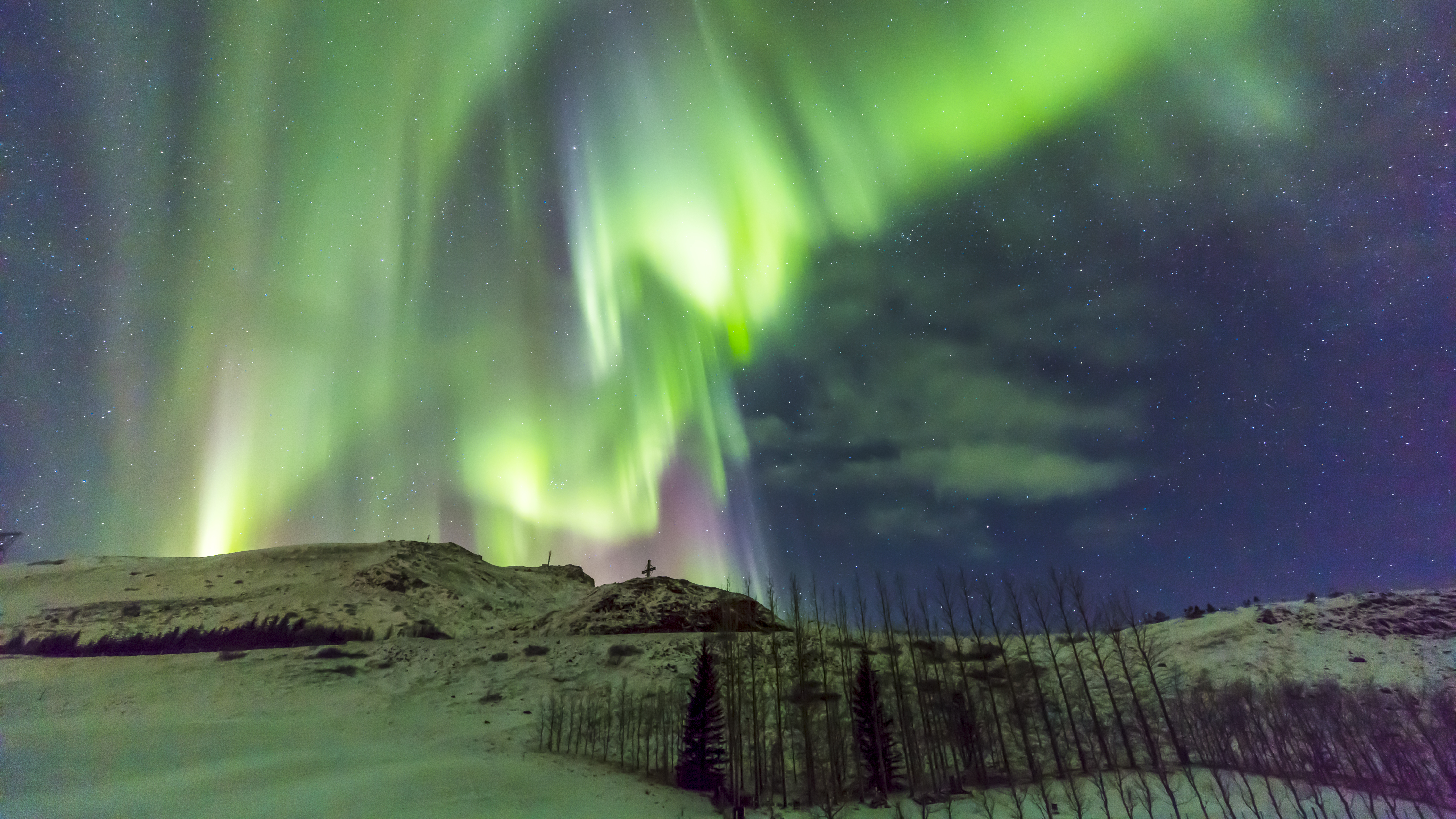
Photography Etiquette and Respecting the Environment
Every time I set out beneath Iceland’s star-pierced sky to capture the aurora, I remind myself: I am not just a photographer—I am a guest. A guest in a fragile, ancient land where nature sings and silence has memory. Reverence is my first tool.
- Leave No Trace: From snack wrappers to lens caps, everything I bring in, I take out. The only thing I aim to leave behind is footprints—and even those, I try to tread lightly.
- Stay on Marked Trails: Iceland’s mosses take decades to recover from one careless step. I stay on paths, knowing that the health of the land is worth more than any photograph.
- Respect Wildlife: I observe from a distance, using long lenses when needed. No shot is worth distressing a creature of the wild. Their peace is part of the scene I’m trying to preserve.
- Dim the Light: I use red lights on my headlamp to preserve night vision—for myself and others—and minimize light pollution in delicate environments.
- Honor the Sacred: Many locations hold cultural or spiritual significance. I research before I go, and approach each scene with humility.
- Share Mindfully: When I post photos online, I sometimes keep location details vague. Some places are better protected by mystery. The wild doesn’t need more likes—it needs more guardians.
Photography, at its heart, is about relationship—between light and land, between the viewer and the viewed. By honoring the places that inspire us, we ensure they continue to inspire long after the shutter has closed.
Workshop and Tour Options for Aspiring Photographers
If you’re ready to take your aurora photography to the next level, Iceland offers more than just awe—it offers guidance. Whether you're a beginner dreaming of your first long exposure or a seasoned shooter seeking to refine your technique, there are curated experiences waiting to support your journey under the lights.
Northern Lights Photography Workshops
Multi-day workshops led by expert photographers provide not just skill, but story. These guided experiences dive deep into camera settings, composition, and editing, while also offering lessons in aurora forecasting and field conditions. It’s part education, part adventure.
Private Tours and Custom Coaching
Prefer a one-on-one experience? Private photo tours offer personalized attention and the freedom to chase the aurora across Iceland’s remote corners. With a local guide, you’ll gain access to hidden gems and flexible itineraries that adapt to weather and light conditions.
Group Expeditions and Learning Circles
There's something powerful about sharing the night with fellow seekers. Group tours foster camaraderie while offering nightly photo sessions, shared critiques, and hands-on learning. You’ll leave with not only stronger images, but new connections, too.
Self-Guided Adventures
For the independent soul, self-drive photo itineraries provide the freedom to explore at your own rhythm. With tools like the Aurora Forecast and offline maps, you can follow the sky’s signals across fjords, lava fields, and glacial lagoons.
No matter the format, the true value of these journeys lies in experience. Every tour is a threshold—an initiation into the mysteries of light, timing, and terrain. And when the sky opens above you in emerald ribbons, you’ll know it was worth every moment of the chase.
Robbie George is a National Geographic–published nature photographer who has led aurora shoots across Iceland’s Stokksnes, Snæfellsnes, and South Coast since 2012.
Conclusion: A Light That Lingers Beyond the Lens
To chase the Northern Lights across Iceland’s wintry landscapes is to chase something greater than color in the sky—it’s to seek the very pulse of the planet. The aurora is more than light; it is story, spirit, and science woven together. With each burst of green and violet, the cosmos writes a message across the heavens.
Whether you're standing by a glacial lagoon or beside a basalt cliff, camera in hand, the aurora reminds you: you are part of something vast and vibrant. You’re not just documenting; you're communing with forces that began 93 million miles away and culminate above you in silence and wonder.
This guide from Robbie George Photography has led you through the science, gear, locations, and soul of Northern Lights photography in Iceland. But the most important lesson? To stay open. Open to unpredictability. Open to beauty. Open to the mysterious dialogue between Earth and sky.
May your lens capture not just photons—but moments. May your journey bring not just images—but meaning.
Let the light guide you. Let the night teach you.
Explore More Light, More Wonder
If the aurora moved something in you, let that motion carry forward. The light doesn't end—it transforms.
- 🌌 View the full Northern Lights Fine Art Gallery – Prints that echo the sky's pulse.
- 📸 Read the blog: Photographing Light in Motion – A meditation on movement and stillness.
- 🐎 Discover the strength and grace of Iceland’s heritage in The Icelandic Horse: Spirit of the North.
- 🌿 Wander deeper into the Nature Code – A series exploring the frequencies of nature.
- 🔭 Discover The Matrix Engine: Unified Field Theory – Where light, hydrogen, and consciousness converge.
- 🐺 Reflect with the blog: The Coyote’s Song – On harmony, survival, and wild intelligence.
- 🌅 Explore the collection: Captivating Landscapes – Where Earth becomes art.
The aurora is not the end of a journey—but the beginning of your alignment with the field.
Keep Exploring
Explore Fine-Art Prints
Bring the season home—browse Wildlife, Landscapes, and Seascapes by National Geographic–published photographer Robbie George. See framing, editions, and care on the Collectors page.
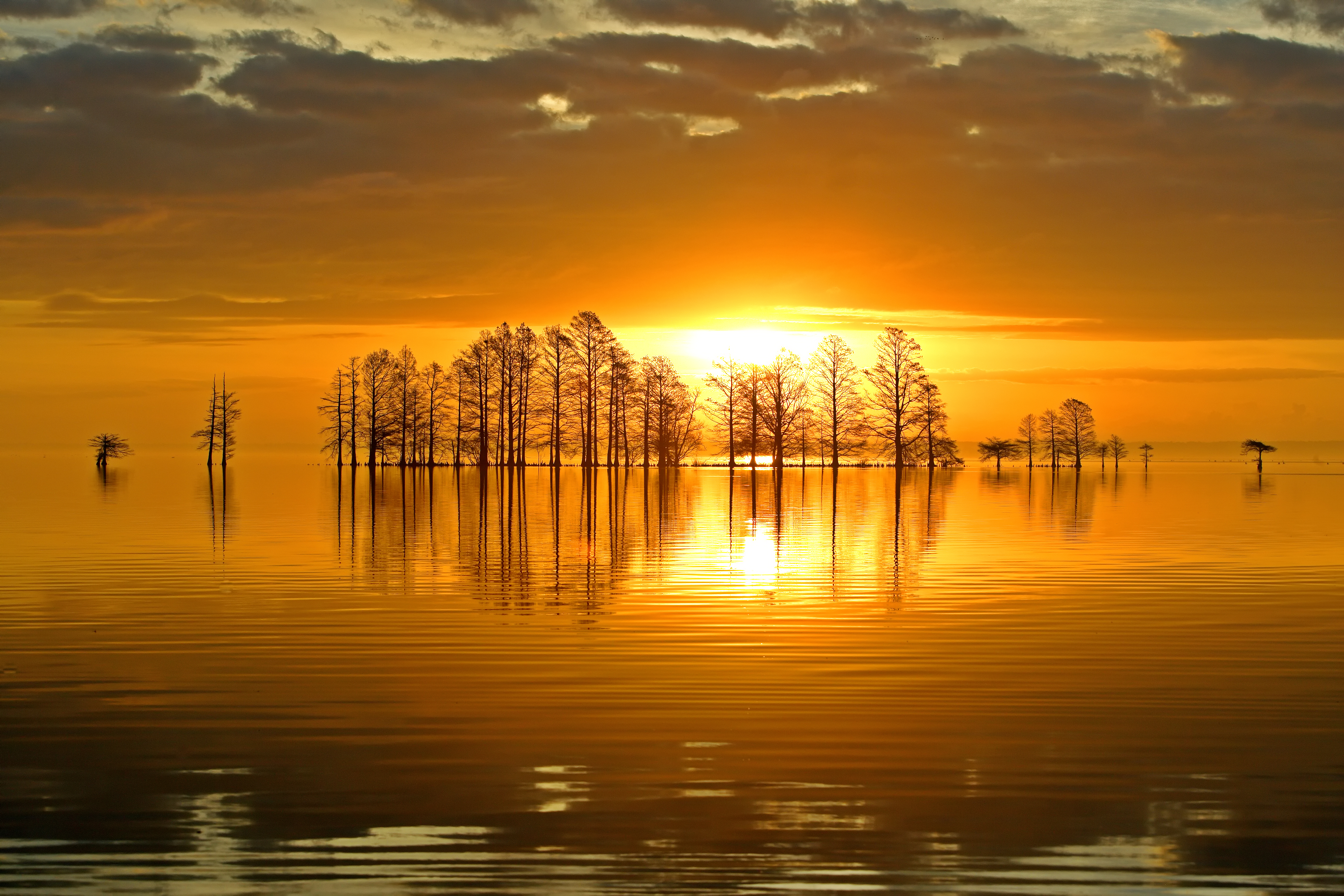 Landscape
 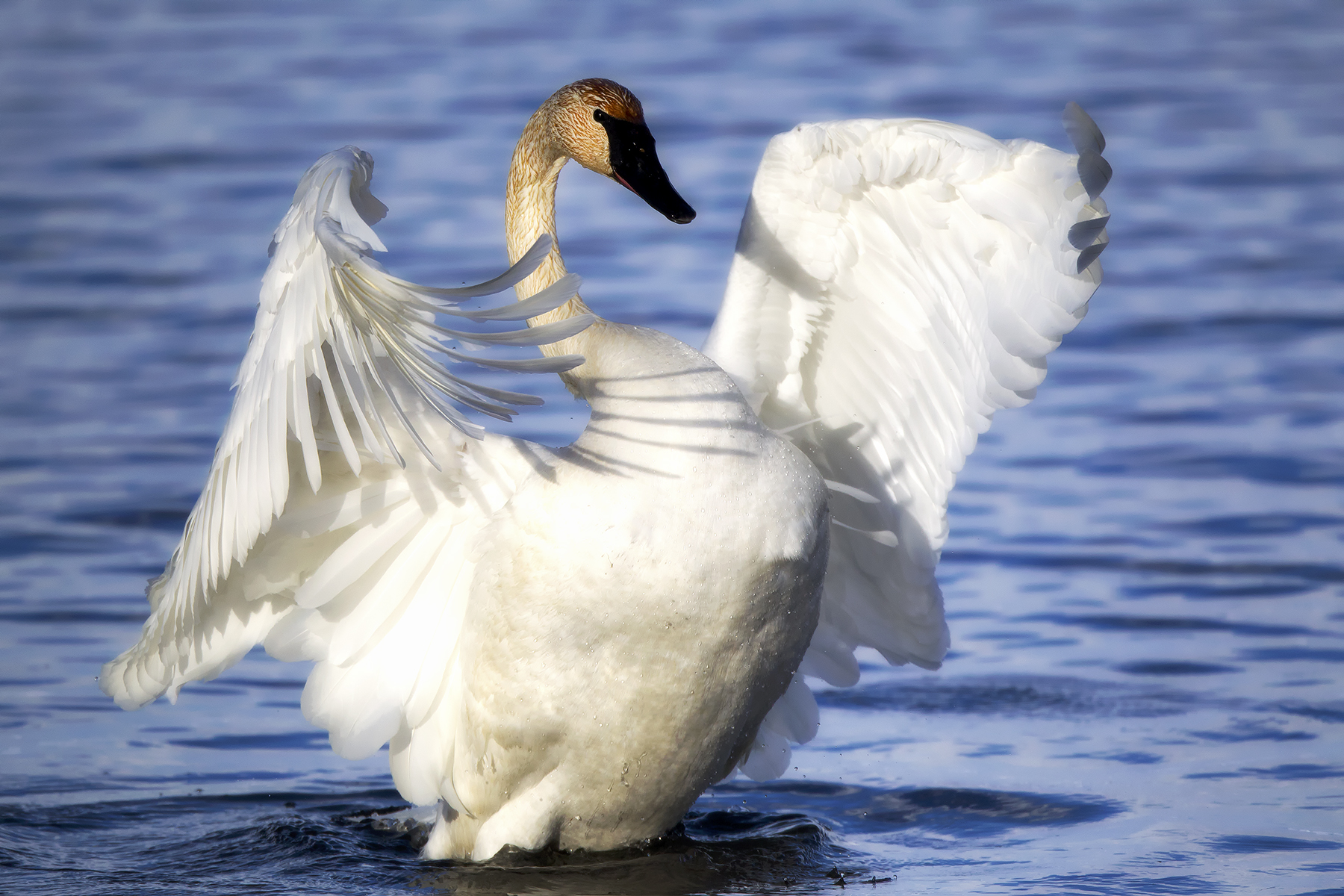 Wildlife
 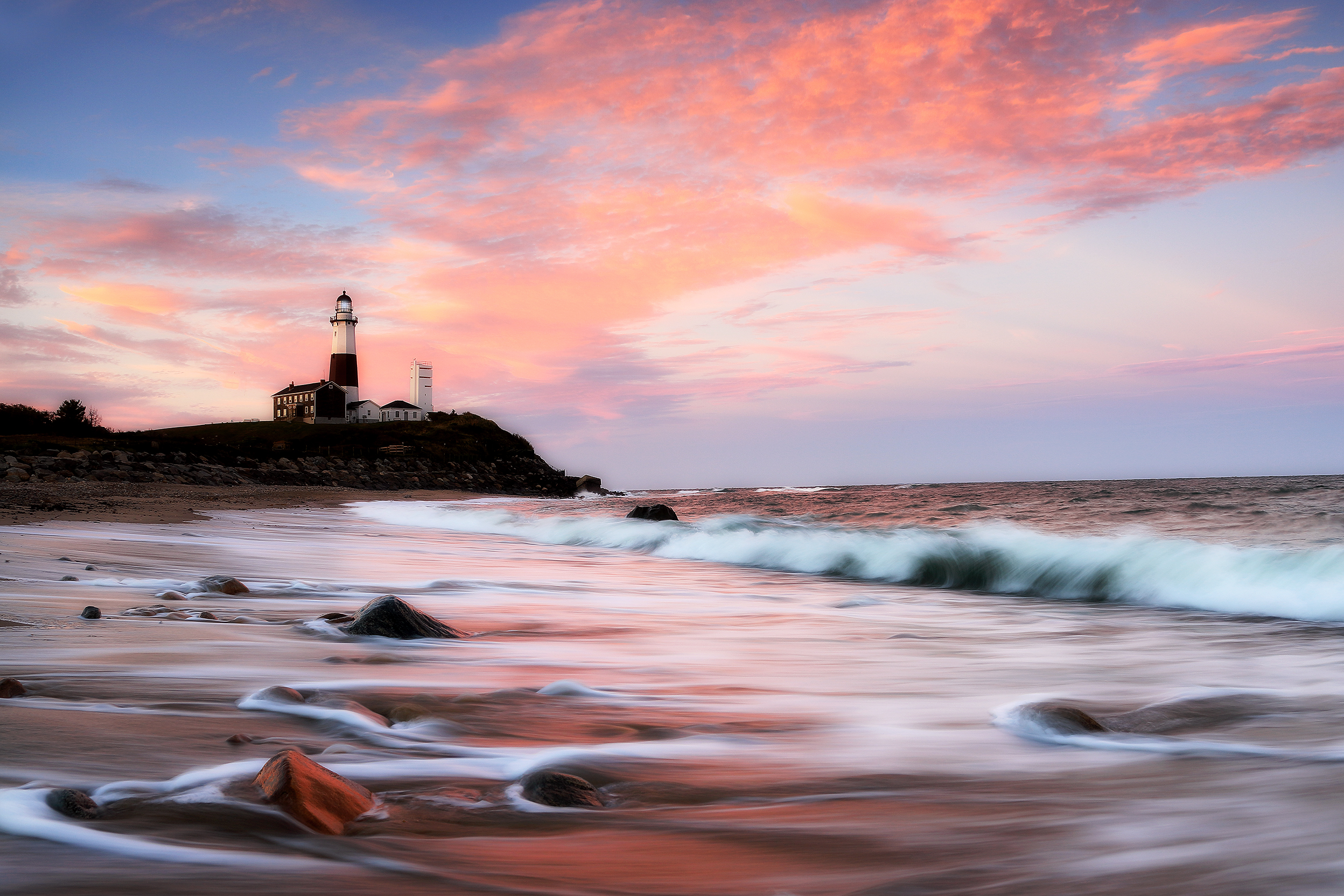 Seascapes
About Robbie George
Robbie George is a National Geographic–published photographer and resonant naturalist. His fieldcraft follows a simple ethic—distance first, habitat always— shaped by Slow Knowledge and the Signature Series.
Explore calm, undisturbed behavior in the Wildlife Gallery or plan your next trip with the Seasonal Wildlife Calendar, Golden Hour & Moon, and Photography Maps.
“Attention first, image second. The shutter is the period at the end of a sentence you learned by walking.”
Frequently Asked Questions: Northern Lights Photography Guide – Iceland Winter
1. What is the best time to photograph the Northern Lights in Iceland?
The best time to capture the Northern Lights in Iceland is from late September through early April. The darkest skies and longest nights offer the best viewing conditions—especially between 10 PM and 2 AM under a new moon.
2. What camera settings should I use for photographing the aurora?
Set your camera to manual mode with a wide aperture (f/2.8 or wider), ISO between 800 and 3200, and a shutter speed of 5–25 seconds. Focus manually on a distant light or star and use a tripod for sharp, stable shots.
3. Where are the best places in Iceland to see the Northern Lights?
Some of the best aurora locations in Iceland include: Jokulsarlon Glacier Lagoon, Thingvellir National Park, Snaefellsnes Peninsula, Vik, and the Grotta Lighthouse near Reykjavik.
4. Can I see the Northern Lights every night during winter?
No, the Northern Lights depend on both solar activity and clear skies. They are most likely to be visible on dark, cloud-free nights with high aurora forecasts. Check sites like AuroraForecast.is for up-to-date predictions.
5. How can I stay safe and warm while photographing the aurora in Iceland?
Dress in insulated layers, wear waterproof boots, pack hand warmers, and keep extra batteries warm in your pockets. Always check local weather and road conditions. A flashlight, emergency kit, and offline maps are essential when heading into remote areas.