
The Buzzing Symphony: How Bees Use Vibrations and Resonance in Pollination and Flight
The Intricate World of Bees
Bees are more than just buzzing insects — they are keystone pollinators, ecological caretakers, and energetic messengers. Their presence in the world is vital not only to biodiversity and agriculture but to the entire vibrational framework of life on Earth.
What fascinates many isn’t just their role in pollination — it’s their resonant buzzing. This sound is not incidental. It is intentional. A byproduct of vibrational intelligence that supports flight, communication, and reproduction. Their buzz is their breath, their signature, their signal — an acoustic bridge between biology and quantum ecology.
In this post, we’ll explore the mechanics of buzzing, the science of buzz pollination, and how bee resonance aligns with the Unified Quantum Blueprint. We’ll also reflect on Robbie George’s personal journey with bees and how their vibrational wisdom speaks to the larger symphony of life.
“Every buzz is a song of alignment — between the flower and the field, between the bee and the breath of Earth.”
The Mechanics of Buzzing
Understanding Bee Buzzing
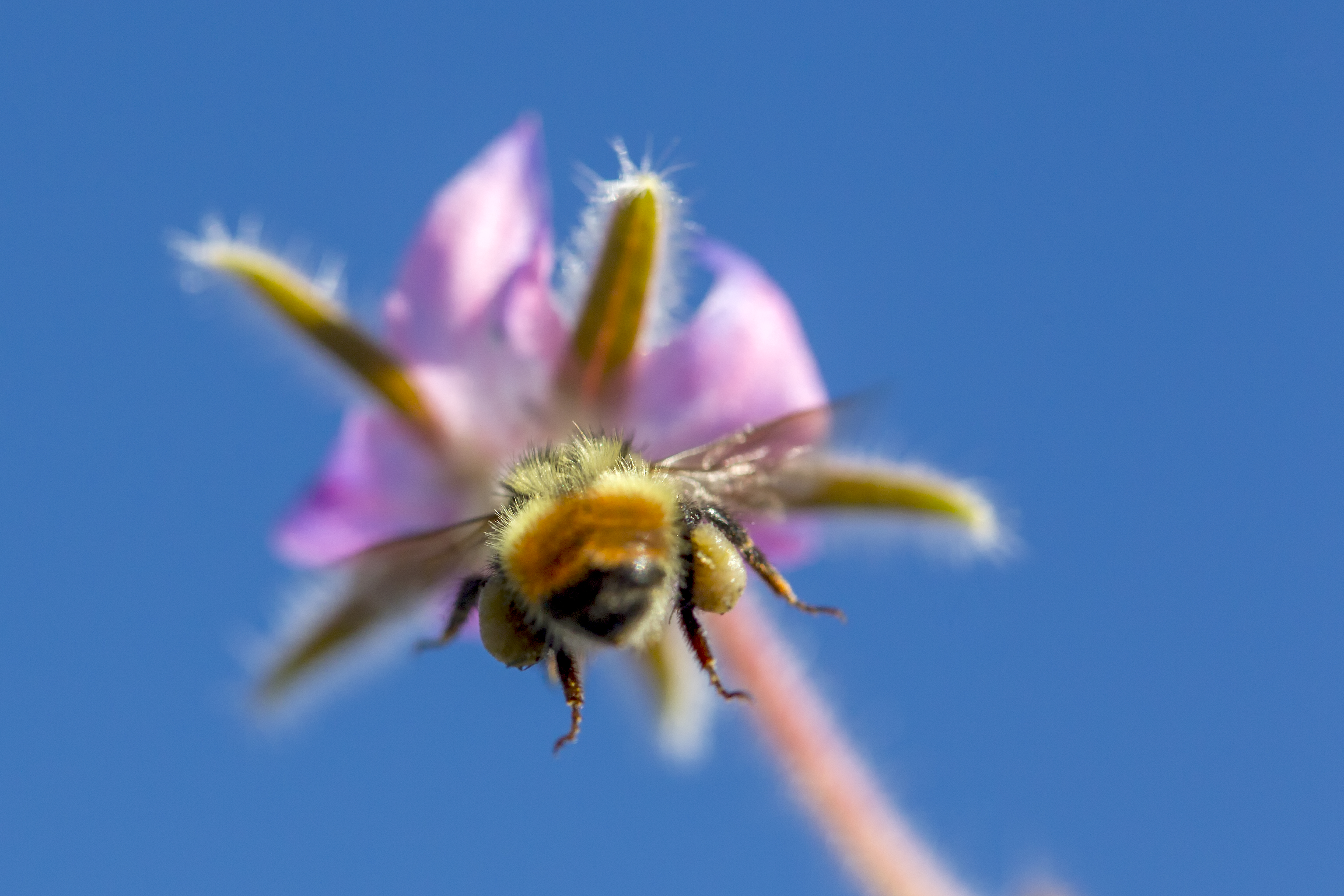
The distinctive buzz of a bee is not just background music in the garden — it’s physics in motion. Generated by the rapid vibration of their wings, bees beat those delicate structures at an incredible rate of approximately 230 beats per second, creating the familiar sound we associate with them.
These vibrations are not just for flight — they serve a greater ecological function. Through pollination, bees use their wingbeats to dislodge pollen, helping plants reproduce and sustaining food webs that depend on flowering plants. This makes the buzz not just a sound — but a signal of life itself.
For a deeper look at how animals, including bees, tap into the Earth’s rhythms to enhance their function and flight, read my blog post, “Harnessing Earth’s Resonance: How Animals Use Nature’s Rhythms to Soar” . It explores the natural resonance that underlies animal navigation, movement, and communication.
The mechanics of buzzing reveal a design that is both intricate and efficient — a biological resonance that serves the flower, the field, and the future.
Buzz Pollination and Its Importance
The Science of Buzz Pollination
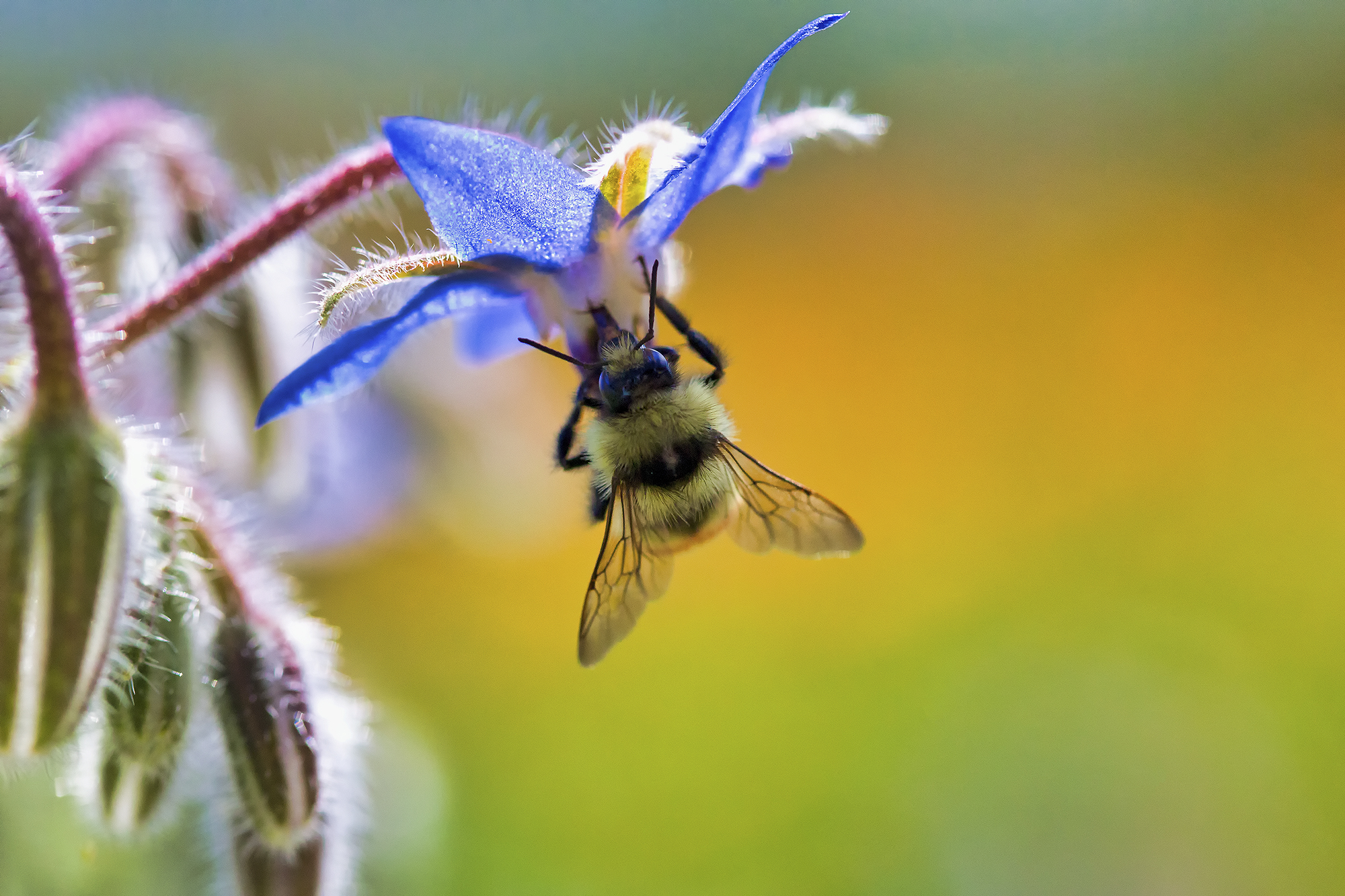
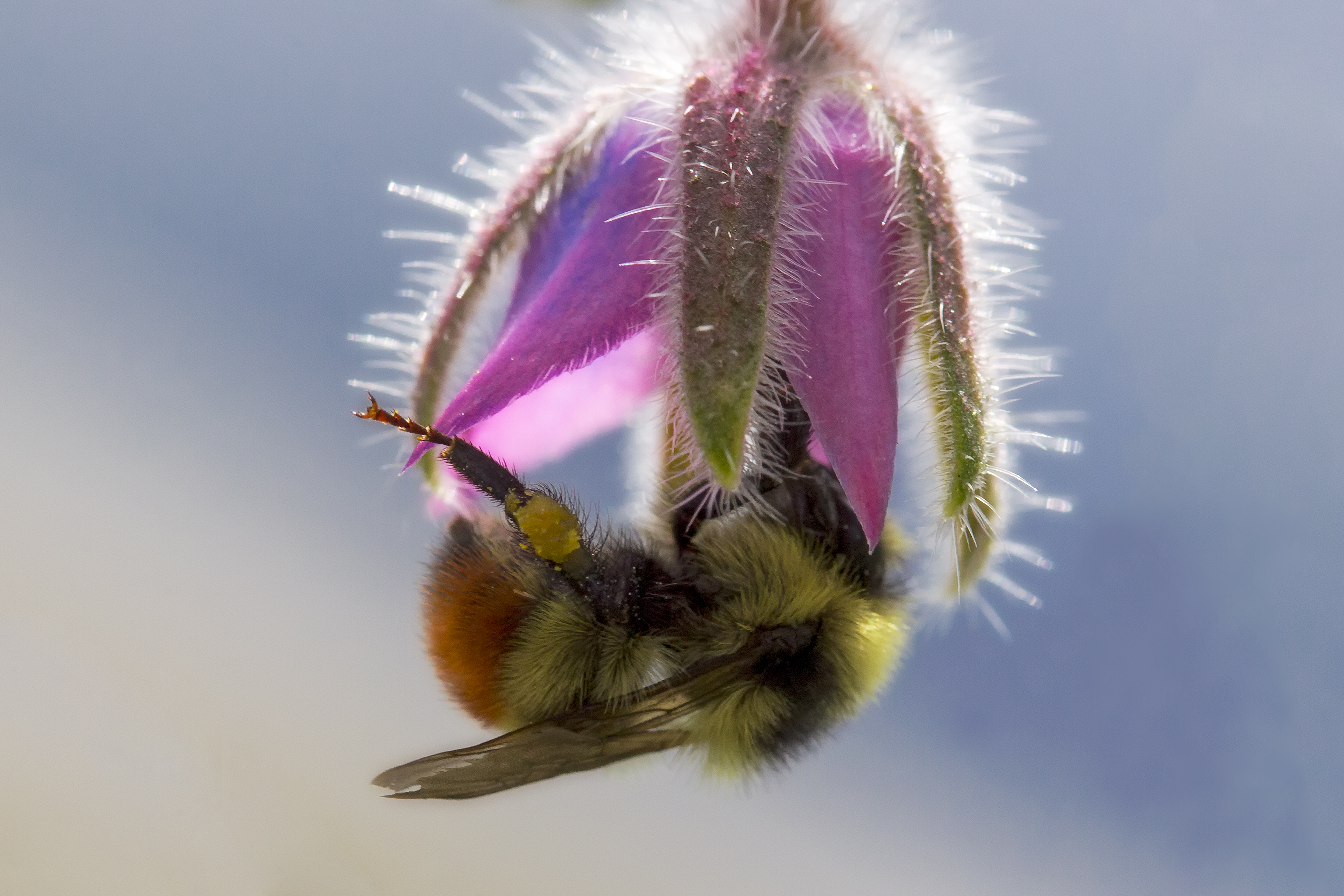
Buzz pollination — or sonication — is one of nature’s most fascinating pollination techniques. Unlike casual pollen transfer, it’s a deliberate vibration: the bee grips the flower and vibrates its flight muscles without flapping its wings. This frequency-specific buzz ejects pollen that’s otherwise locked deep inside the flower’s anthers.
It’s not just a quirky trick — it’s essential. Many plants cannot reproduce without buzz pollination. It’s a targeted, vibrational unlock key used by bees to access life’s codes.
- 🍅 Tomatoes: Require buzz pollination for optimal pollen release and fruit formation.
- 🫐 Blueberries: Benefit from vibrational pollination to increase berry count and size.
- 🍒 Cranberries: Also depend on sonication to shake loose their stubborn pollen.
For a deeper understanding of the multisensory relationships between plants and pollinators, explore “The Unseen World of Pollinators: Ultra Violet Light, the Golden Ratio, and the Essential Role of Bees” .
Buzz pollination isn’t simply a clever adaptation — it’s a symphonic mechanism of the Unified Quantum Blueprint, where vibration becomes vitality, and every beat supports biodiversity.
Wing Movement and Pollination Efficiency
The Role of Wing-Induced Airflow
Bees don’t just fly — they sculpt air. As their wings beat with astonishing precision, they generate powerful micro-airflows that interact with flowers in ways we’re only beginning to understand. These wing-induced currents help dislodge pollen, enhancing transfer even before the bee begins to buzz.
When combined with buzz vibrations, the result is a synergistic process: vibration dislodges the pollen, and airflow helps disperse it more effectively, increasing the chances of cross-pollination and fertilization across ecosystems.
This interaction reveals the harmonic intelligence embedded in bee biology — a dynamic equilibrium of form, frequency, and function. It echoes the themes explored in “The Quantum Blueprint: Integrating Traditional Sciences with a Holistic Approach to Nature” .
From the gentle wave of wings to the quantum pulses of vibration, bees illustrate the resonant pathways all life uses to communicate, replicate, and thrive.
Resonance and Flight Efficiency
Resonance: Enhancing Bee Flight
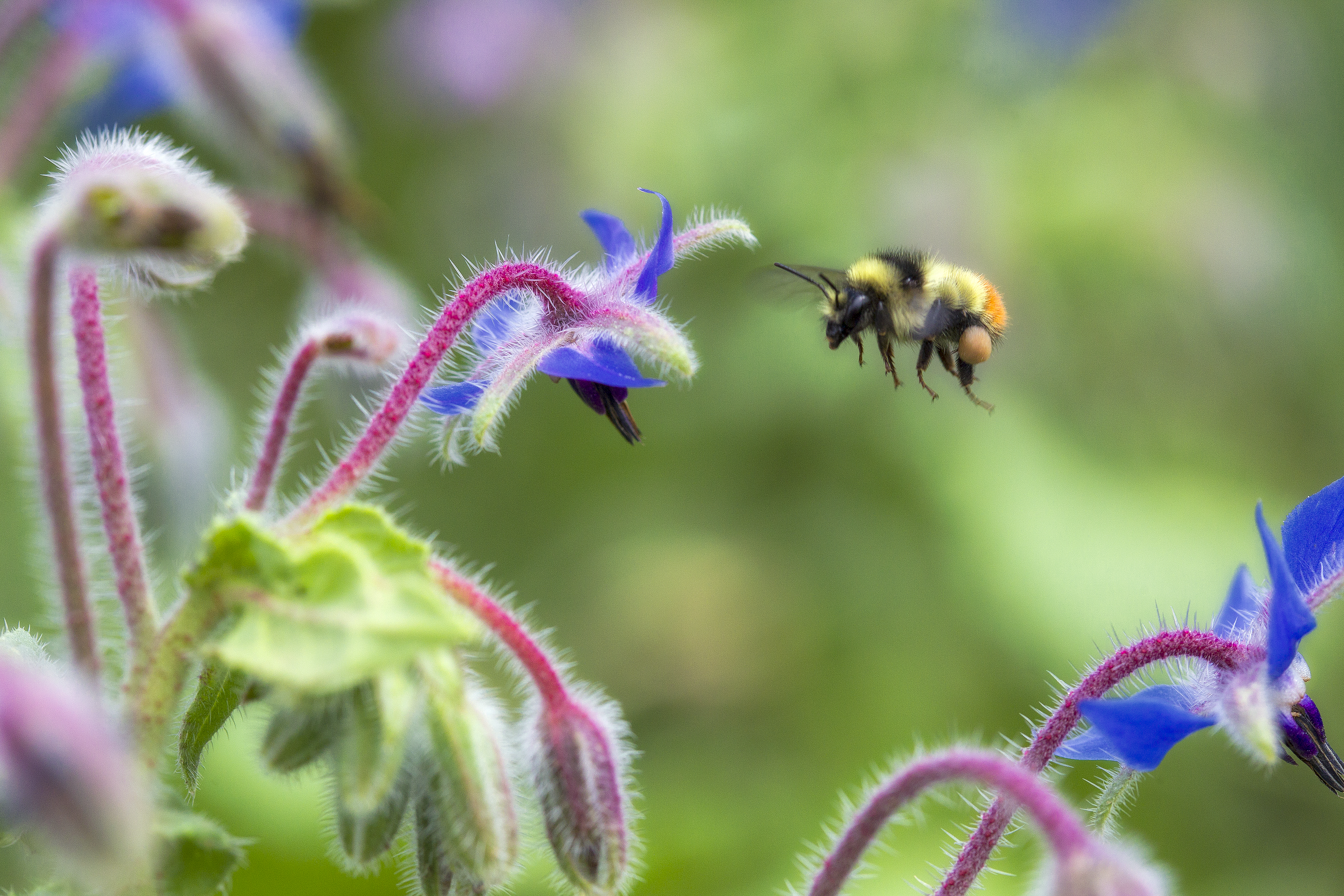
Resonance is nature’s way of maximizing energy with minimal effort. In bee flight, this phenomenon is beautifully expressed. By matching the natural frequency of their thoracic muscles to the wingbeat, bees can maintain flight with remarkable efficiency — conserving energy while navigating long distances in search of nectar and pollen.
This process isn’t random. It’s finely tuned. Like a violin string set into sympathetic vibration, the bee’s body becomes a living oscillator — amplifying motion through resonance. The result is extended flight time, stable hovering, and precise control — all while reducing metabolic demand.
The physics of this energy loop mirrors broader themes in the Unified Quantum Blueprint . Resonance is not only a mechanical function — it’s a universal language. It’s how the bee, the body, and the field stay in sync.
To explore how animals leverage these vibrational forces to move through air, water, and even magnetic landscapes, see “Harnessing Earth’s Resonance: How Animals Use Nature’s Rhythms to Soar” .
Vibrational Communication
Communication Through Vibrations
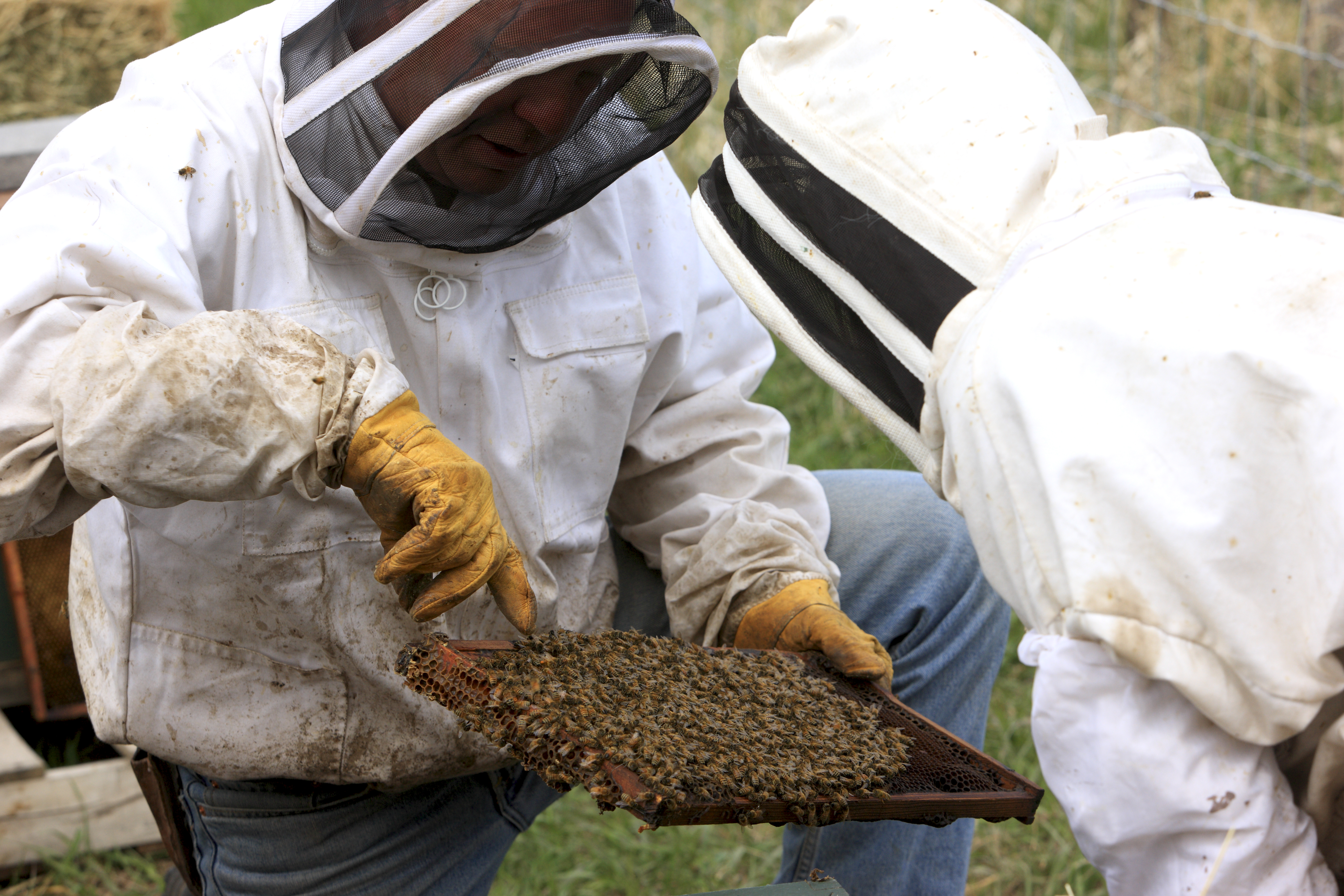
Bees don’t just buzz — they speak through vibration. One of the most remarkable examples is the waggle dance, a sophisticated communication method in which a foraging bee shares the location of nectar sources with her hive mates. The direction of the waggle aligns with the sun, and the duration indicates distance — all conveyed through rhythmic vibration.
But this is only one form of their vibrational communication. Within the hive, bees use a suite of signals: tremble dances, piping signals, and vibration pulses that coordinate swarming, signal queen presence, or even initiate transitions between tasks.
These signals aren’t spoken or seen — they’re felt. Much like elephants who communicate across vast distances using infrasonic vibrations, or spiders who interpret web tremors to track prey, bees use resonant pulses to organize the hive mind.
In the context of the Unified Quantum Blueprint , these behaviors mirror the larger structure of how life communicates through vibration — from atoms to ecosystems. Vibration becomes a carrier of intention, direction, and coherence.
For more on the vibrational intelligence of animals, revisit “Harnessing Earth’s Resonance: How Animals Use Nature’s Rhythms to Soar” . From bees to birds, vibration connects the species — and the spheres.
Ecological Impact of Bees
Bees as Ecosystem Engineers
Bees are not just pollinators — they are architects of ecosystems. Their role in transferring pollen between flowers supports the reproduction of over 80% of flowering plant species. Without bees, much of the botanical world would fall silent.
This single action — pollination — drives an entire web of life. Fruits, seeds, nuts, and flowers provide food and habitat for countless birds, mammals, and insects. As bees go about their work, they are not just sustaining plants — they’re sustaining the animals (and humans) who rely on those plants.
From a conservation perspective, bees are what ecologists call “keystone species.” Remove them, and the ecosystem collapses inward. Their presence maintains biodiversity, food security, and soil regeneration.
For a deeper visual dive into their essential role, explore “The Unseen World of Pollinators: Ultra Violet Light, the Golden Ratio, and the Essential Role of Bees.” That post offers a stunning perspective on the unseen geometry bees bring into bloom.
Threats to Bees and Conservation Efforts
Protecting Our Pollinators
Despite their significance, bee populations are under threat. Habitat loss, pesticides like neonicotinoids, climate change, and diseases such as the Varroa mite are destabilizing hives around the world.
These stressors disrupt foraging behavior, impair reproduction, and weaken immune systems — breaking the vibrational coherence bees once had with their environment. The loss of pollinators isn’t just a loss of species — it’s a fraying of nature’s intricate resonance web.
Fortunately, there is a path to restoration. Regenerative farming, native habitat creation, and soil-first practices support pollinator health from the ground up. Planting native wildflowers, reducing chemical inputs, and protecting green corridors can help bees thrive.
These efforts echo the principles of the Unified Quantum Blueprint — where environmental healing emerges from honoring vibrational relationships between land, life, and light.
Connecting to the Unified Quantum Blueprint
Bees and the Unified Quantum Blueprint
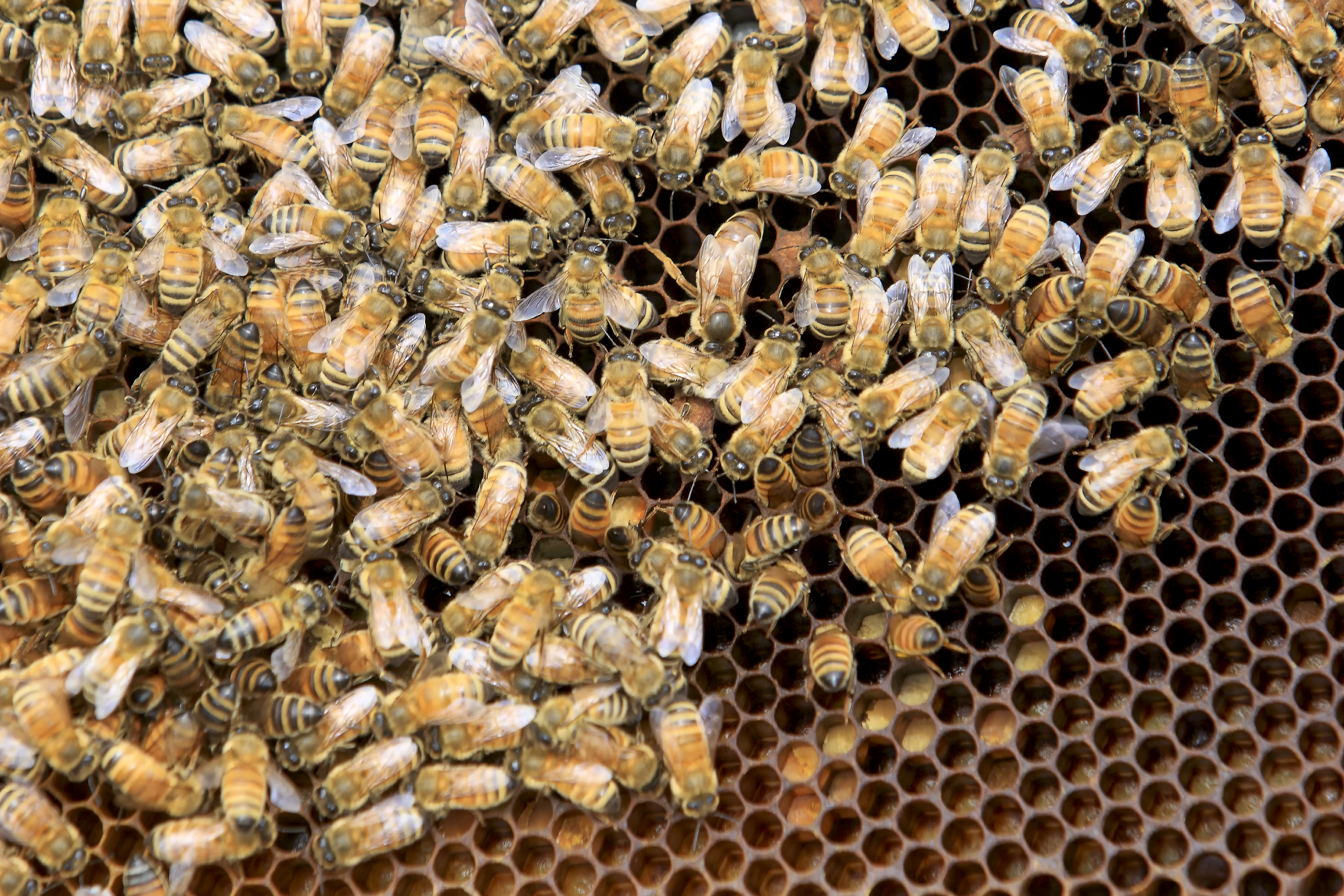
Bees are not just organisms within an ecosystem — they are living fractals of the Unified Quantum Blueprint (UQB). Each beat of their wings, each vibration of their thorax, each buzz of communication reflects the deeper architecture of life where biology, vibration, and information cohere.
The UQB formula — UQB = W(DNA) + H₂O(QE) + V(QS) — reveals how genetic code, quantum water memory, and vibrational fields all unify to sustain life. Bees mirror this triad in action:
- W(DNA): Their genetic design orchestrates foraging, flight, and hive behavior with precision encoded by evolution.
- H₂O(QE): The flowers they pollinate are hydrated resonance systems — and bees are drawn to their subtle quantum signals.
- V(QS): Buzzing, wingbeats, and waggle dances are not noise — they’re vibrational syntax within nature’s field of communication.
To explore how this equation bridges traditional science with a holistic lens, see “The Quantum Blueprint: Integrating Traditional Sciences with a Holistic Approach to Nature” .
Practical Implications and Personal Insights
Learning from Bees: Applications for the Field and Farm
Bees are teachers. Their movements echo sustainable patterns. Their efficiency reveals nature’s engineering. By observing and learning from them, we can apply their lessons across disciplines — from regenerative agriculture to environmental stewardship.
Planting native wildflowers, reducing chemical inputs, and supporting biodiversity through companion planting are all human-level applications of bee logic — vibrationally coherent practices that feed the whole system.
Personal Reflections from Divide Creek Farm
During my time stewarding Divide Creek Farm in Colorado, I became intimately connected with the bees. I watched them daily — tracing their trails through squash blossoms and orchard trees, sometimes following their flight with my lens until the world became still.
What struck me wasn’t just their movement — but their intention. Their alignment. Their resonance. Bees didn’t just pollinate my crops — they pollinated my thinking. They helped me understand how ancient rhythms, like those found in the wisdom of the Egyptians, still breathe in the small wings of today’s pollinators.
These bees deepened my commitment to documenting nature’s rhythm — not just as a photographer, but as a participant in Earth’s ongoing field of communication.
Conclusion: The Buzzing Blueprint of Nature
Bees do not just pollinate flowers — they pollinate systems. They vibrate open gateways between plants, species, and seasons. They are small, but they are foundational. They are many, but they are unified. Their buzz is more than sound — it’s the acoustic signature of coherence in motion.
In exploring the mechanics of their wings, the genius of buzz pollination, the beauty of their communication, and the interwoven threads of their ecological impact, we’ve come to see the bee not as a separate being — but as a vibrational emissary of the Unified Quantum Blueprint.
By honoring the bees, we honor the field. By listening to their resonance, we remember our own. Let this be a call — not just to protect pollinators, but to realign ourselves with the pulse of the planet.
“The bee carries more than pollen — it carries the signature of coherence, the whisper of quantum harmony, and the memory of a planet in balance.” — Robbie George
Keep Listening to the Field
The resonance doesn’t end here. Dive deeper into the vibrational language of life, explore other species aligned with the Unified Quantum Blueprint, and revisit our growing gallery of nature's intelligence. Each image, quote, and post is a fieldnote in the symphony of the living Earth.
🧭 Visit the Blog 🐝 Explore Bee Photography 🌌 Discover the Signature SeriesExplore Fine-Art Prints
Bring the season home—browse Wildlife, Landscapes, and Seascapes by National Geographic–published photographer Robbie George. See framing, editions, and care on the Collectors page.
 Landscape
  Wildlife
  Seascapes
About Robbie George
Robbie George is a National Geographic–published photographer and resonant naturalist. His fieldcraft follows a simple ethic—distance first, habitat always— shaped by Slow Knowledge and the Signature Series.
Explore calm, undisturbed behavior in the Wildlife Gallery or plan your next trip with the Seasonal Wildlife Calendar, Golden Hour & Moon, and Photography Maps.
“Attention first, image second. The shutter is the period at the end of a sentence you learned by walking.”
FAQs: The Intricate World of Bees
1. How do bees use buzzing to pollinate flowers?
Bees use a method called buzz pollination, or sonication, to shake pollen loose from flowers. By vibrating their flight muscles at a specific frequency, they release pollen from deep inside the flower’s anthers — a process essential for crops like tomatoes, blueberries, and cranberries.
2. What role does resonance play in bee flight?
Resonance allows bees to match the frequency of their wing muscles to their body structure, reducing energy use and enabling efficient, sustained flight — even across long foraging distances.
3. What is the waggle dance and how do bees communicate?
The waggle dance is a form of vibrational communication. Foraging bees return to the hive and perform a figure-eight dance that uses direction and duration to convey the location of food sources — all through vibrational resonance.
4. How do bees align with the Unified Quantum Blueprint?
Bees align with the Unified Quantum Blueprint through their vibrational behaviors, genetic precision, and environmental role. Their resonance-based communication, pollination mechanics, and energetic coherence reflect the triad of W(DNA), H₂O(QE), and V(QS).
5. Why are bees considered ecosystem engineers?
Bees sustain biodiversity by pollinating over 80% of flowering plants, which in turn support food webs, wildlife, and soil health. Their absence would unravel entire ecosystems, making them foundational to ecological resilience.
6. What can we do to support bee populations?
Plant native flowers, avoid pesticides, support regenerative farming, and maintain pollinator pathways. These efforts help preserve bee habitats and the vibrational networks they sustain.