
On Steep Slopes: My Imagined Life as a Mountain Goat with Robbie George Photography
On Steep Slopes: My Imagined Life as a Mountain Goat
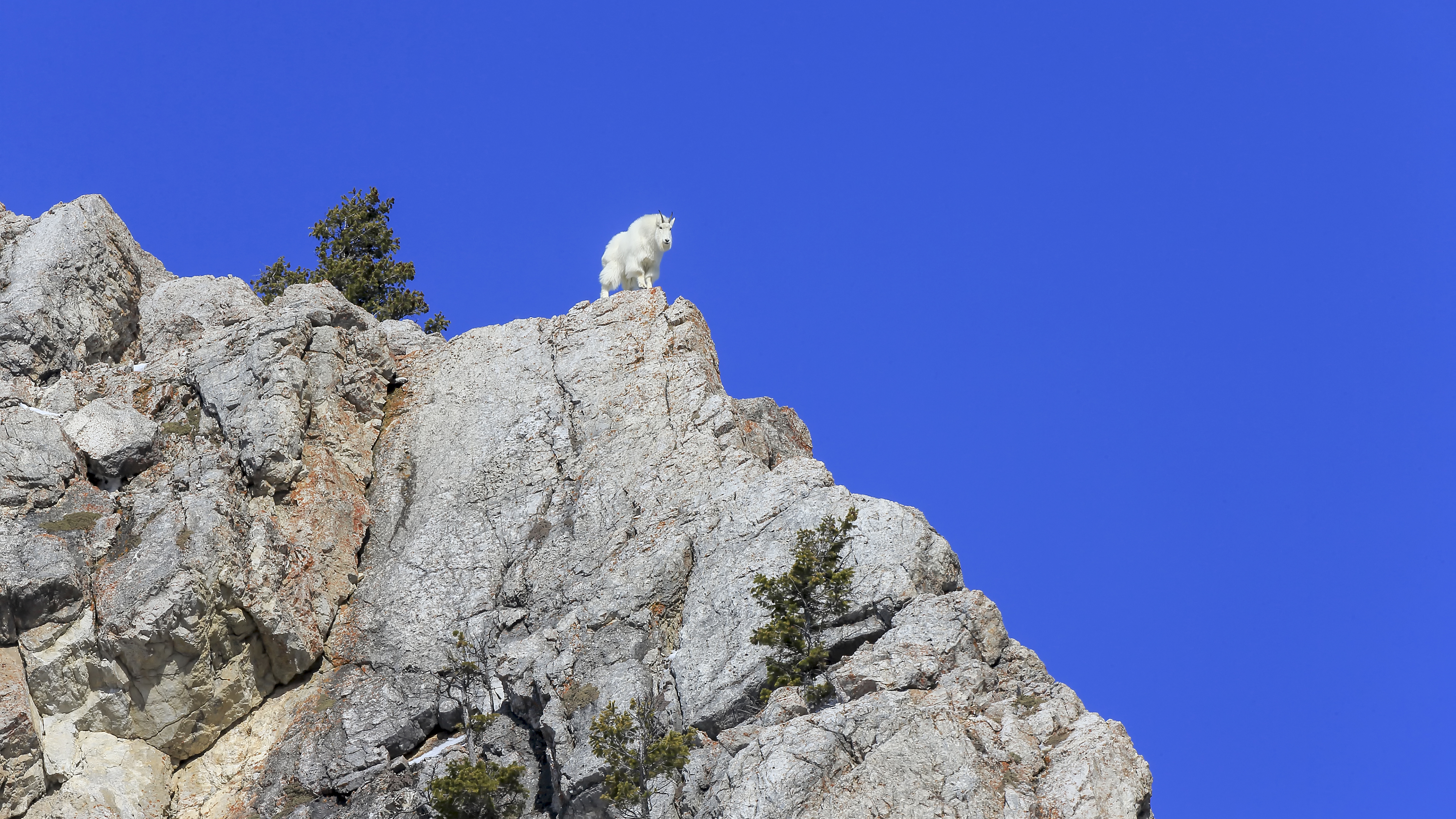
Imagine life without roads or safety rails—just air, rock, and instinct. The mountain goat doesn’t merely survive there—it excels. Its hooves know where to land before the mind even calculates. Each movement is precision, shaped by necessity and nature's design.
From this perspective, I imagined myself not just photographing from a distance, but becoming the goat—navigating the edge as home. Every gust of alpine wind becomes familiar. Every ridge, a map. This is more than agility—it’s embodiment. A living echo of balance, instinct, and awareness in motion.
And perhaps that’s the lesson. Whether hooved or human, we are always searching for higher ground—inside and out. Not to escape life’s edges, but to move with them in grace.
“The higher you climb, the more inner footing you must find.” ~Robbie George
The Rugged Life of a Mountain Goat
In the imagined skin of a mountain goat, I find myself clinging to vertical stone, wind howling past my ears, air thinned by altitude. But there’s no fear—only focus. Every step is measured. Every ledge, a language my hooves understand. I belong here.
Their terrain is not just habitat—it’s identity. Rugged, steep, and unforgiving, it sculpts a life of exactness. This isn’t bravado. It’s necessity. And the beauty lies in how quietly they move through it. As I reflect on these creatures through my lens, I share their story in my Wildlife Photography Gallery—where every image speaks of silent strength.
The mountain goat teaches us something primal: you don’t have to dominate the world to master it. You just need to move in rhythm with it.
Adaptation and Resilience
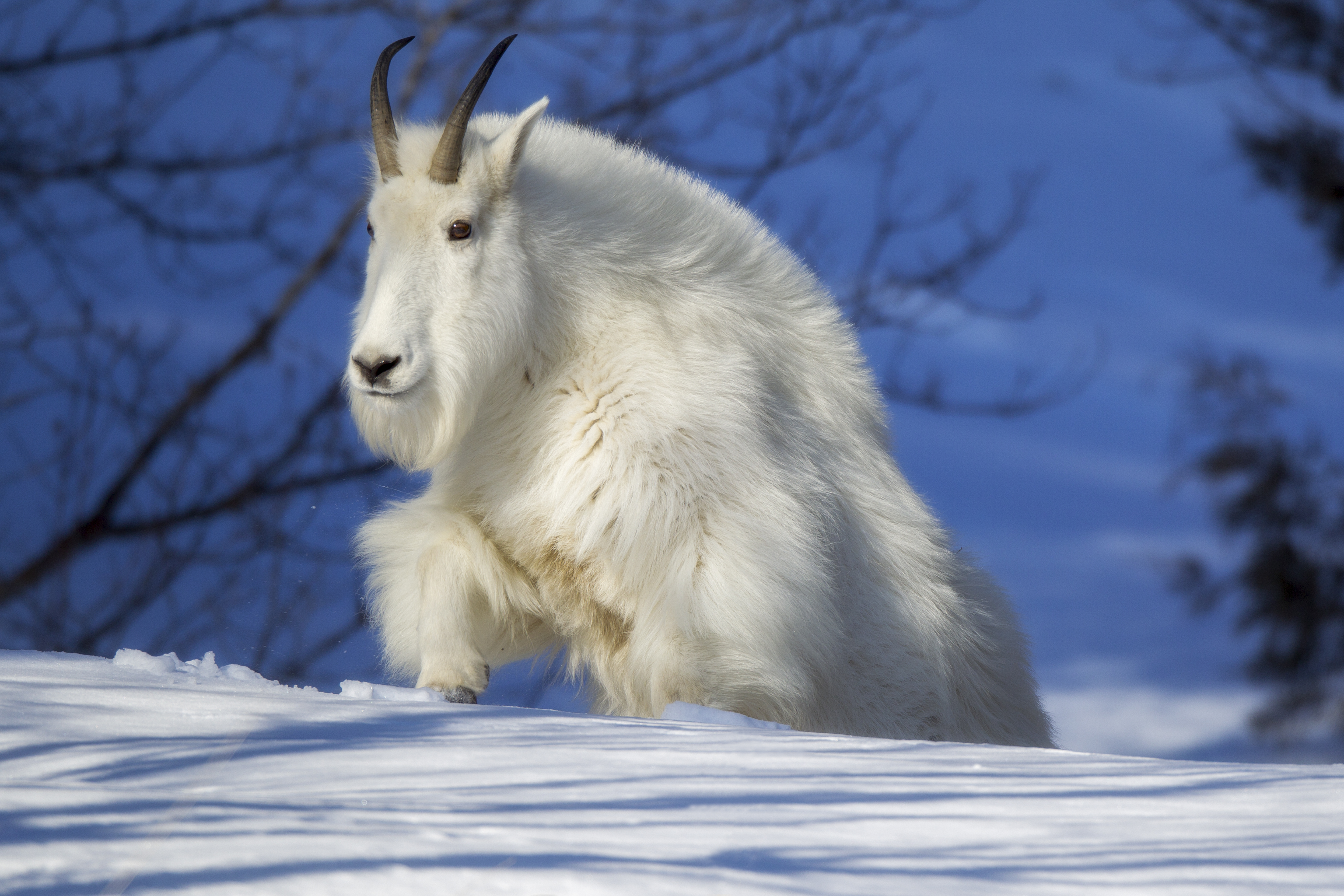
High in the alpine wilds, winter doesn’t knock—it howls. Snow thickens, food thins, and temperatures test the spirit. Yet the mountain goat remains. Its coat thickens. Its mind sharpens. Its instincts shift to match the rhythm of scarcity. This is adaptation not as struggle—but as flow.
As I imagine life through its eyes, I feel that silent grit. The kind of strength not performed but embodied. In Quantum Vitality, I speak of this same intelligence in nature—how life adjusts, refines, and endures through coherence. The mountain goat is a master of that frequency.
Resilience isn’t loud. Sometimes, it’s a quiet breath in a frozen wind. And it says: I am still here.
The Mountain Goat and the Human Journey
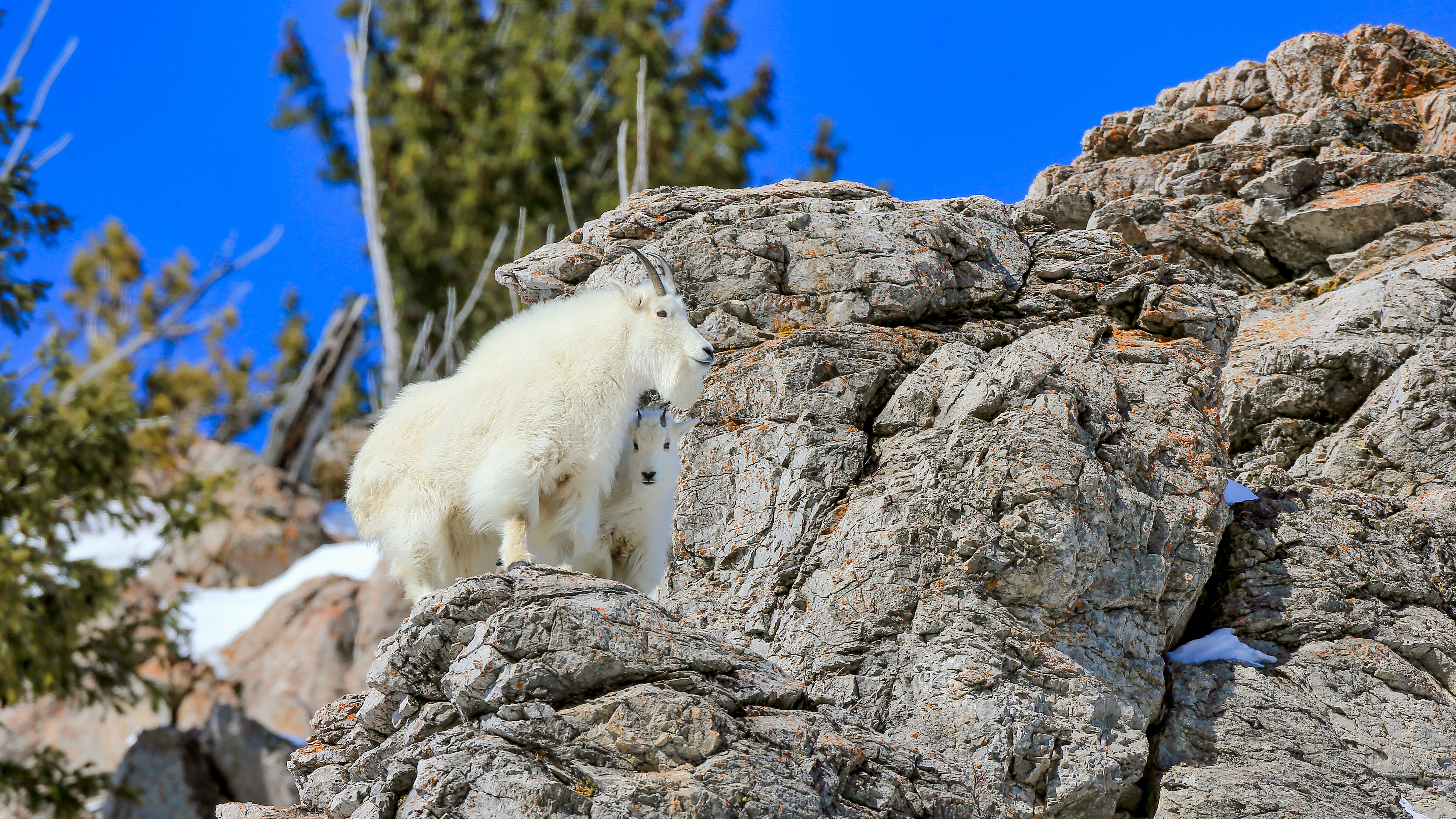
As I observe the mountain goat guiding her young across steep stone ledges, I see something deeply human. Every decision is quiet, deliberate. She doesn’t hesitate—she reads the slope, trusts her body, and moves. This is not recklessness. It is an inherited rhythm. And I believe we share it.
In life, we too walk steep emotional terrain. We climb through grief, decision, growth. Sometimes we balance. Sometimes we fall. But like the mountain goat, we are born to navigate edges. In The Living Code, I explore how all life echoes a larger pattern—one that rewards awareness, stillness, and movement in harmony with the field.
To imagine life as a mountain goat is to remember that balance is not perfection. It’s adaptation in motion. It’s grace under shifting weight. And it’s teaching others how to walk their path by walking yours with integrity.
Lessons from the Heights
Standing in the mountain wind, I imagine what it means to live there—not visit, but truly belong to the edge. Mountain goats do not resist the terrain. They move with it. They don’t conquer altitude—they adapt to it. Their lives are shaped not by dominance, but by relationship.
The lesson here is quiet but powerful: when we learn to partner with our environment, rather than fight it, we evolve. We become more attuned, more aware, more grounded. In my reflections on nature philosophy, I often return to this point—resilience is not brute force. It is grace under shifting conditions.
Mountain goats teach us to trust the process. To place one foot after another. To stop looking for flat ground—and instead, find peace with the slope.
Conclusion: A View from the Edge
My imagined life as a mountain goat has been more than a creative exercise—it’s been a window into the spirit of resilience. These animals live where others would fall. They climb where others hesitate. And they do so not with arrogance, but with grace born of belonging.
At Robbie George Photography, this kind of contemplation fuels my work. Observing wildlife is never just about the animal—it’s about the wisdom they carry. And in the case of the mountain goat, that wisdom is clear: you can move through life’s steepest moments with balance, focus, and quiet strength.
May we each find our own footing—no matter how steep the slope—and learn to walk with the same kind of fierce grace.
“Resilience isn’t the absence of fear—it’s the rhythm of grace on impossible ground.” ~Robbie George
Continue the Ascent
If this journey through imagined hooves and alpine winds inspired something in you, you’re not alone. The wild has a way of teaching us how to climb inward, as much as upward.
• Explore the quiet majesty of life on the edge in my Wildlife Photography Gallery
• Discover the rhythms that guide us in The Living Code
• Or delve into field-based healing and vibrational resilience in Quantum Vitality
Wherever your path climbs next, may you move with awareness, breath, and the quiet confidence of a soul that belongs to the slope.
Naturepedia Connections
This mountain goat reflection connects to the broader Naturepedia system—where alpine habitat, mammal adaptation, steep-terrain movement, and wildlife observation come together as part of a larger ecological knowledge network.
- The Ultimate Guide to Mountain Goats — Species behavior, habitat, diet, and alpine survival patterns
- Mammals of North America — Place mountain goats within the larger mammal knowledge system
- Wildlife Behavior & Ecology — Adaptation, movement, maternal guidance, and survival on rugged terrain
- Ecosystems of North America — Alpine slopes, high-elevation environments, and the landscapes mountain goats depend on
- Wildlife Conservation & Habitat — Why intact mountain habitat matters for alpine species and movement corridors
- Seasonal Wildlife Calendar — Explore how snow, season, and elevation shape wildlife visibility and behavior
- Explore Naturepedia — Enter the full wildlife, ecology, and observation knowledge system
Explore Fine-Art Prints
Bring the season home—browse Wildlife, Landscapes, and Seascapes by National Geographic–published photographer Robbie George. See framing, editions, and care on the Collectors page.
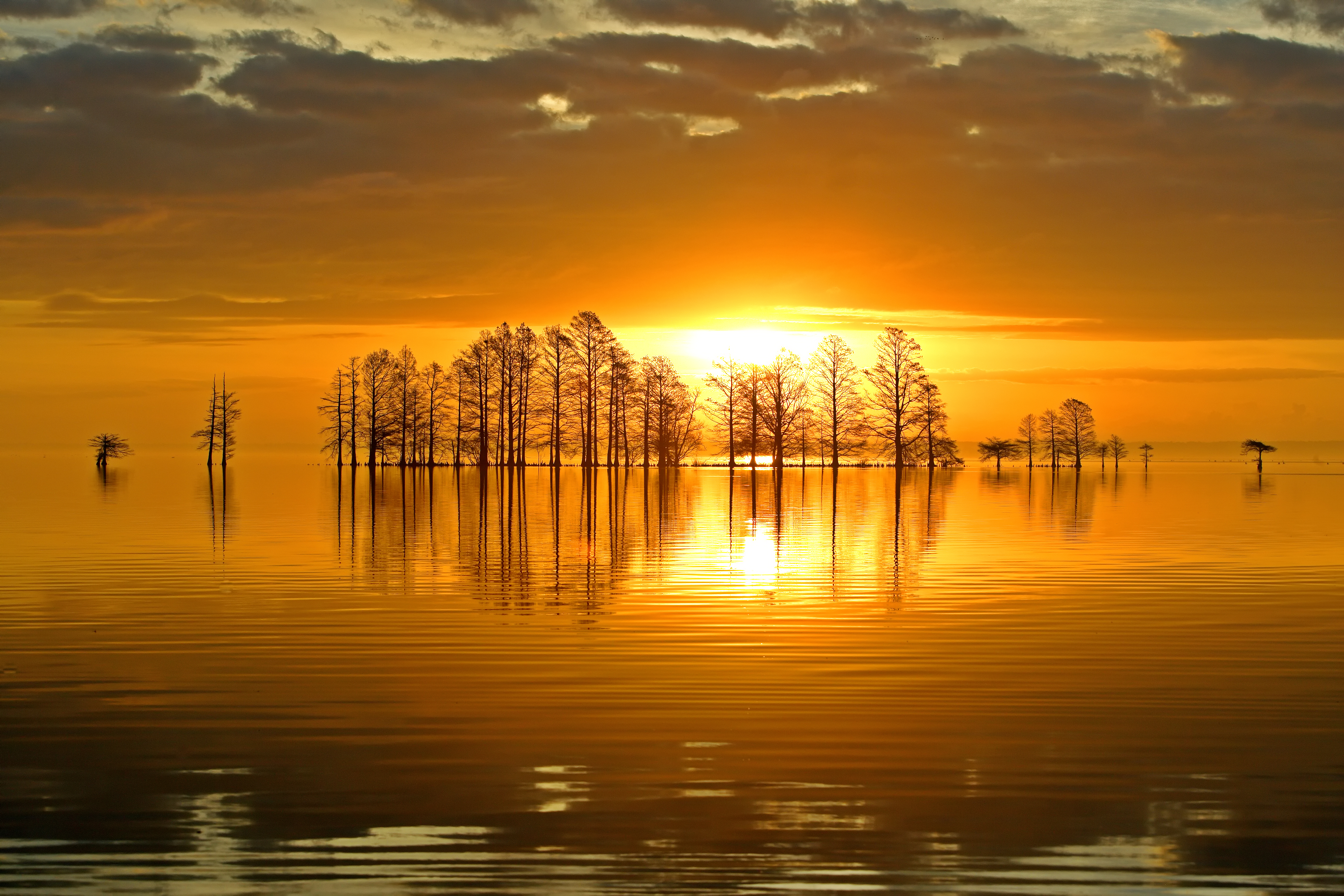 Landscape
 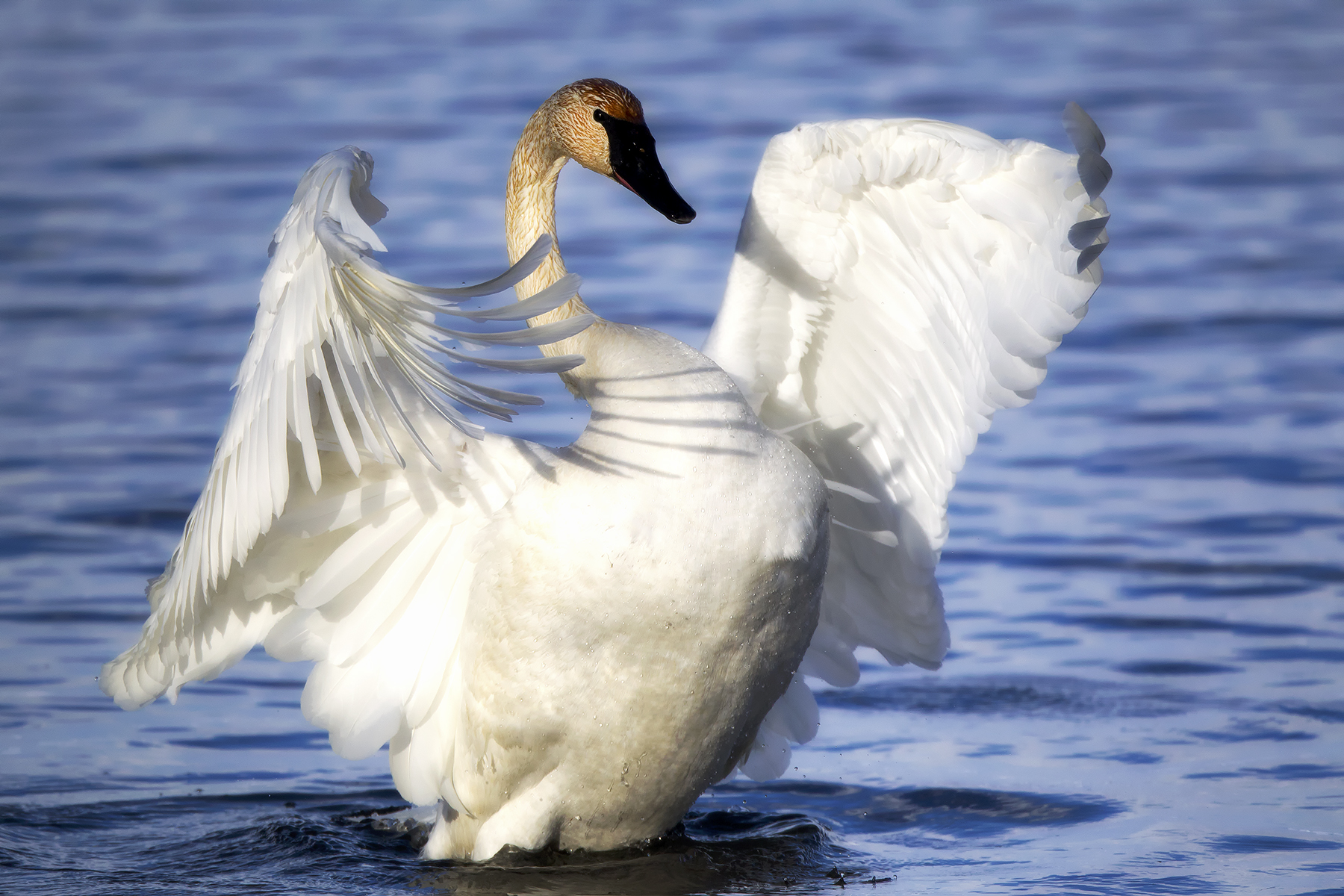 Wildlife
  Seascapes
About Robbie George
Robbie George is a National Geographic–published photographer and resonant naturalist. His fieldcraft follows a simple ethic—distance first, habitat always— shaped by Slow Knowledge and the Signature Series.
Explore calm, undisturbed behavior in the Wildlife Gallery or plan your next trip with the Seasonal Wildlife Calendar, Golden Hour & Moon, and Photography Maps.
“Attention first, image second. The shutter is the period at the end of a sentence you learned by walking.”
Frequently Asked Questions: Life as a Mountain Goat
- Where do mountain goats live?
Mountain goats inhabit high-altitude ranges in North America, especially the Rockies and Cascades. They thrive above the treeline, often in steep, rugged terrain that few animals can navigate.
- How are mountain goats so agile?
Their specialized hooves feature rough pads and sharp edges for grip, enabling them to climb rocky cliffs and narrow ledges with remarkable balance and confidence.
- What adaptations help mountain goats survive in cold climates?
They have dense undercoats, muscular builds, and keen senses to survive in subzero temperatures, fierce winds, and sparse alpine food sources.
- What do mountain goats eat?
They are herbivores that feed on grasses, lichens, mosses, and alpine shrubs. Their diet shifts seasonally based on availability, and they’re skilled at foraging in scarce environments.
- What predators do mountain goats face?
Wolves, cougars, and bears are their main predators. However, their extreme terrain often protects them—few can follow their path.
- How do mountain goats reflect human resilience?
Their ability to adapt, navigate hardship, and move with quiet strength mirrors our own journey through challenge and uncertainty—especially when we learn to walk with awareness.
- How do they communicate with each other?
Mountain goats use vocalizations, body language, and hoof-stomping to assert dominance or signal danger, especially during mating season or when guarding young.
- Why are mountain goats valued in wildlife photography?
Their dramatic cliffside habitats, graceful posture, and rarity make them symbolic of strength and silence—ideal subjects for storytelling through the lens.
- What can we learn from imagining life as a mountain goat?
We learn to balance on life’s steepest slopes. To remain grounded in motion. And to trust our ability to find strength in the places others might avoid.
- How do mountain goats impact their ecosystem?
They help maintain alpine vegetation through grazing and play a role in predator-prey dynamics—supporting the biodiversity and balance of their high-altitude ecosystems.