


Ethical Wildlife Photography: A Fieldcraft Playbook
Field Context — What’s Actually Happening in Front of Me
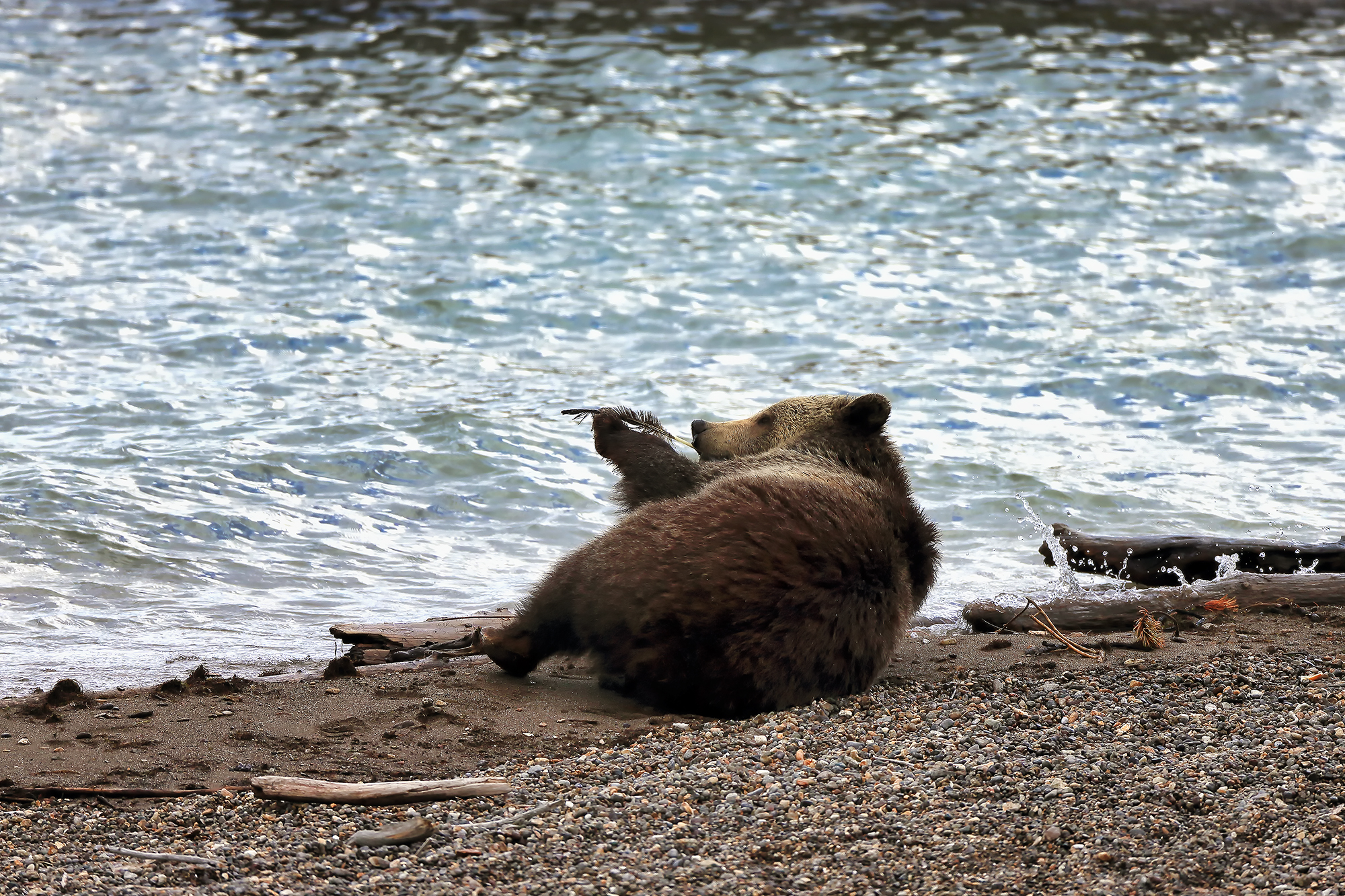
I’m watching a grizzly move along the edge of the water. It’s not moving fast. Not alert. Not tense. Head down, feeding, occasionally lifting to scan—but not scanning for me. That distinction matters. The animal is aware of its environment, not reacting to my presence.
This is where ethical photography actually begins—not with the camera, but with recognizing baseline behavior. If I don’t understand what “normal” looks like for this animal in this moment, I have no reference point for whether I’m affecting it.
The wind is in my favor. The distance is controlled. I’m not moving forward. That’s the key decision. The image is already available—I don’t need to push it. The 800mm lens is doing what it’s supposed to do: allowing proximity in the frame without proximity in the field.
Everything that follows in this playbook comes from moments like this. Not theory. Not rules written afterward. Real-time decisions made while the animal continues doing exactly what it would be doing if I wasn’t there.
On This Page
Field Context • Reading Behavior • Decision Making • Field Technique • Photography Layer • Ethics & Boundaries • Naturepedia Connection • FAQ • About
Reading Behavior — The First Skill, Not the Camera
Before I ever raise the camera, I’m reading the animal. That’s the real starting point. Not exposure. Not composition. Behavior. If I can’t understand what the animal is doing, I can’t understand whether I belong in that moment.
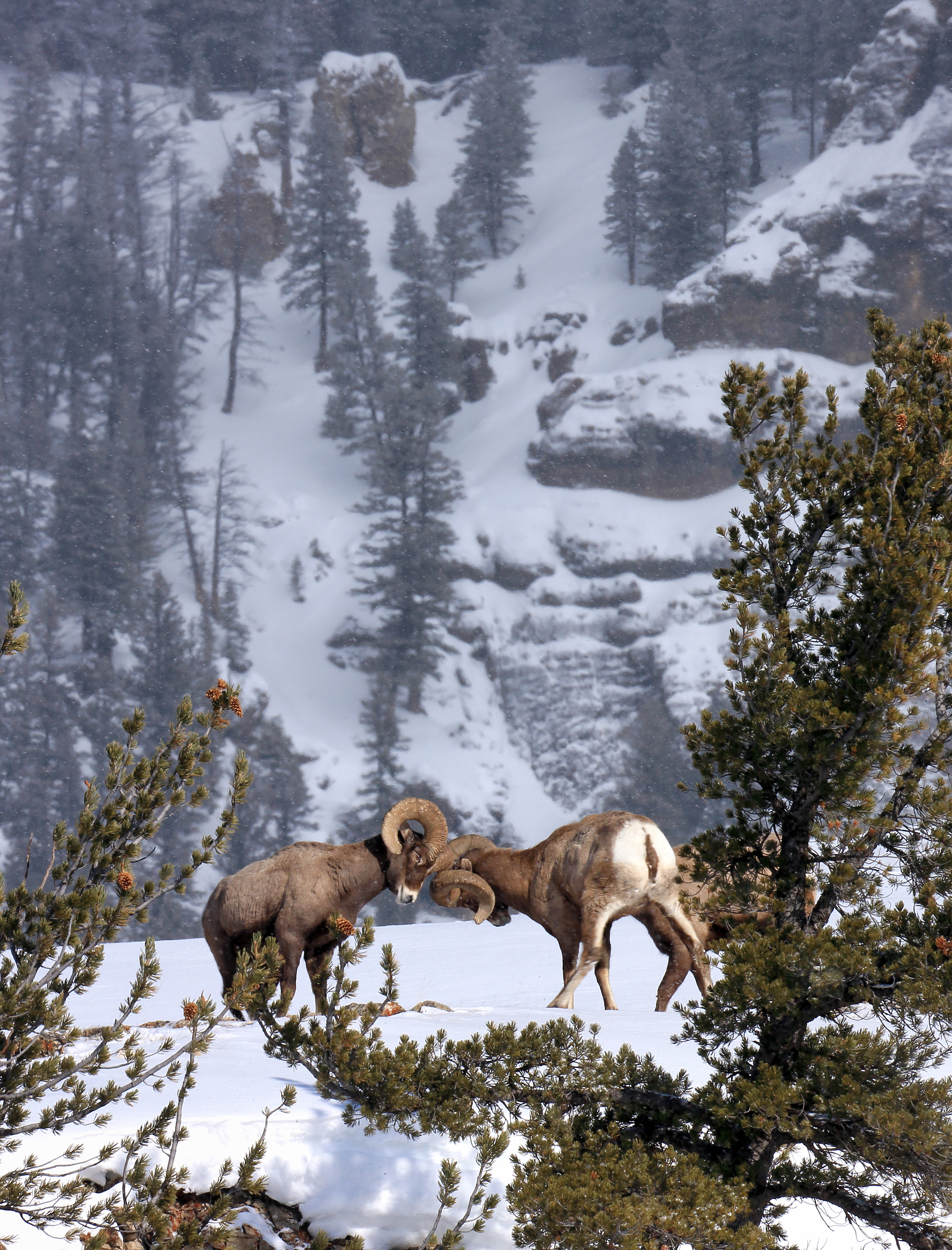
Posture is the first signal. A relaxed animal moves differently than a pressured one. Feeding, preening, grazing, steady walking—those are baseline behaviors. The body stays loose. Movement flows. There’s no fixation on me.
Then I watch for changes. Head lifts that repeat. Eyes locking in. Ears pivoting toward me. A subtle shift in stance. These are early signals—not panic, but awareness. This is where most photographers make a mistake. They keep pushing because the animal hasn’t left yet. But the behavior has already changed.
Spacing tells the next part of the story. If the animal begins adjusting distance—angling away, increasing space, repositioning more than once—that’s feedback. It’s not random. It’s communication. The field is telling me I’m too close, even if nothing dramatic has happened yet.
The goal is simple: stay below the threshold where behavior changes. Once the animal is reacting to me, the moment is no longer natural. The image might still look good—but it’s no longer truthful.
This is why I say ethics aren’t separate from technique. Reading behavior is the technique. Everything else—lens choice, positioning, timing—comes after that.
Decision Making — Stay, Back Off, or Leave
Once I’ve read the behavior, the next step is simple in theory and hard in practice: decide what to do with that information. This is where ethics stops being an idea and becomes a field decision. I’m not asking, “Can I get the shot?” I’m asking, “What keeps this behavior honest?”
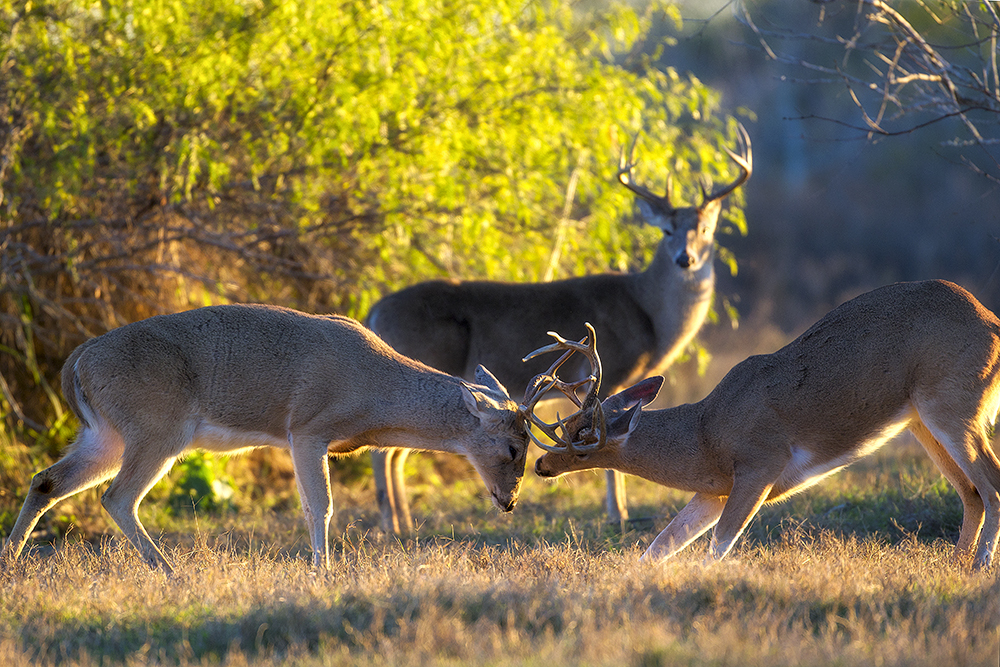
If the animal is feeding, resting, preening, moving steadily, or only giving occasional incidental glances, I can usually stay where I am and let the scene continue. Those are green-light moments. Nothing needs to be improved by moving closer. The best choice is often to hold position and let the rhythm develop.
If posture tightens, scanning increases, ears lock in, spacing changes, or the animal starts adjusting because of me, I treat that as a yellow light. That doesn’t always mean ending the encounter, but it does mean changing my behavior immediately. I stop advancing. I lower my profile. I wait. Sometimes I back out a few yards. Sometimes I stay still long enough for the animal to reset. If it doesn’t reset, that tells me what I need to know.
Red-light moments are clear. A flight start. A broken feeding pattern. Alarm calling. A parent separating from young. A bluff charge. A repeated relocation away from me. At that point the session is over. No photograph improves by crossing that line. Once an animal is spending energy on me instead of on its own life, I’ve already taken too much.
This is also where long glass changes the decision tree. My 800mm doesn’t exist so I can “reach farther” in some abstract technical sense. It exists so the correct ethical choice—staying back—still leaves room for a strong image. The lens supports the decision; it doesn’t replace it.
For me, good fieldcraft means deciding early, not late. If I wait until behavior is obviously broken, I waited too long. The best wildlife decisions usually happen a step before the mistake.
Field Technique — Position, Light, and Letting the Scene Come to You
Once behavior is understood and the decision is made to stay in the encounter, the next step is how I hold position. Field technique isn’t about advancing—it’s about aligning. Where I stand, how I move, and how I use the environment determines whether the animal continues naturally or starts to react.
Wind is always first. If my scent is moving toward the animal, the encounter is already compromised whether it shows immediately or not. I want the wind in my face whenever possible, letting scent drift behind me instead of into the scene. That single factor often decides whether behavior stays intact.
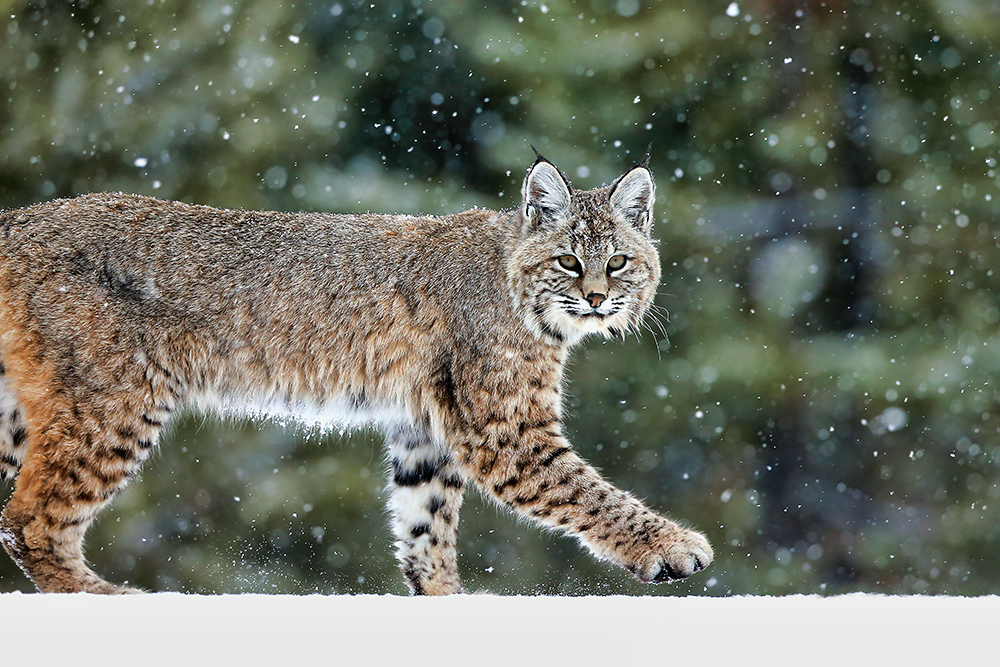
Then comes terrain. I use elevation, vegetation, shoreline edges, snowbanks—anything that softens my outline and reduces my presence. Straight-line movement is usually the worst option. Slowing down, angling, or stopping entirely often keeps the animal in its baseline state longer than continuing forward ever would.
Light becomes part of the technique, not just the image. Instead of moving closer for a better composition, I adjust position relative to the light—backlight for separation, side light for texture, front light for calm. The scene improves without increasing pressure. That’s the goal.
Most importantly, I let the animal close the distance if it chooses to. That’s where real intimacy comes from. Not from pushing forward, but from staying still long enough for the animal to accept the space. When that happens, the behavior doesn’t change—and the image becomes something entirely different.
Field technique is really just controlled restraint. Every adjustment—wind, terrain, light, movement—is there to protect the moment, not take more from it.
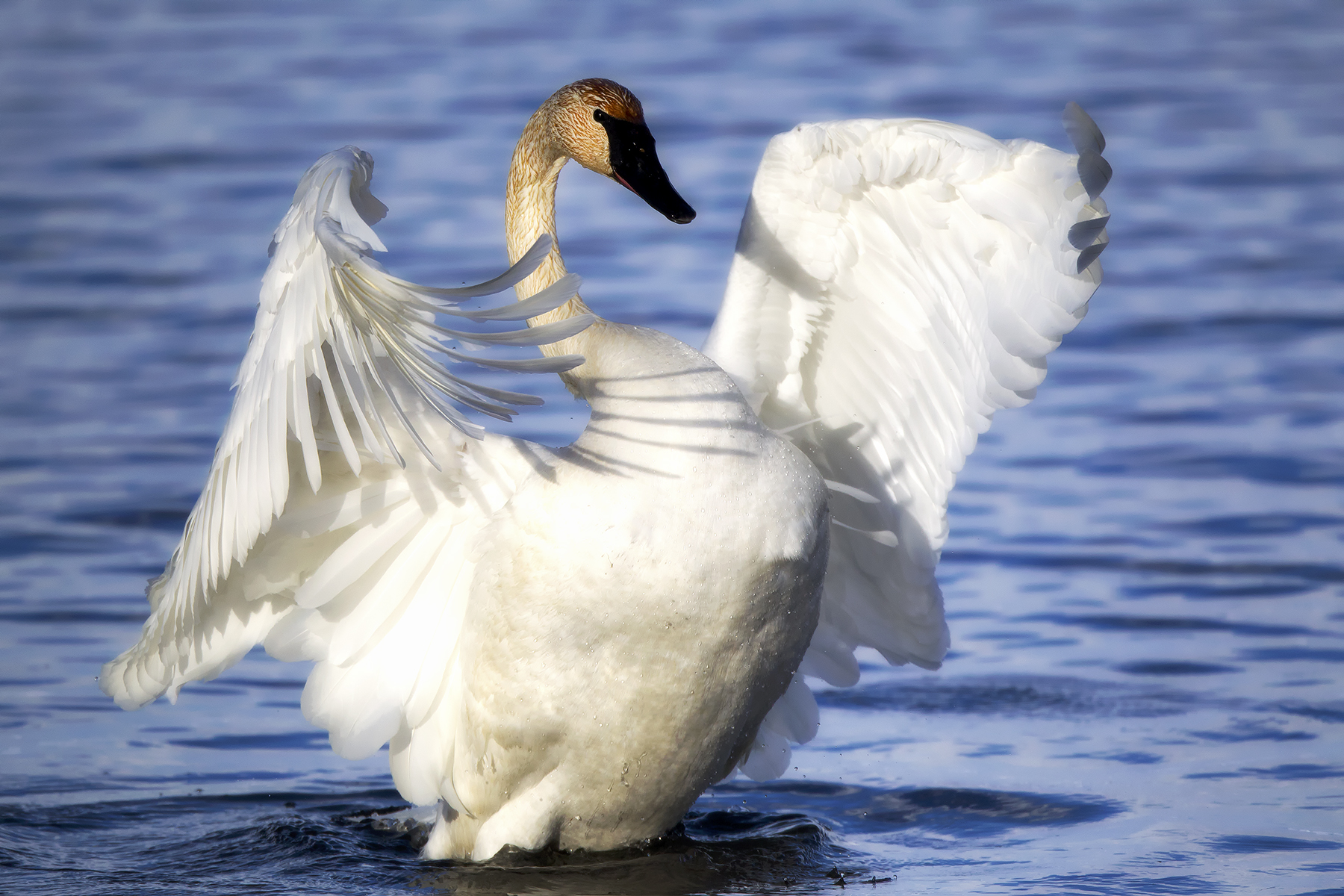
Photography Layer — Letting the Image Emerge from Behavior
By the time I’m actually making the photograph, most of the important decisions have already been made. Behavior is intact. Distance is correct. Position is set. At that point, the image isn’t something I force—it’s something I recognize.
The difference between a good wildlife image and a truthful one is subtle but important. A good image can be made from almost any encounter. A truthful image only exists when the behavior hasn’t been altered. That’s what gives it weight. You can feel when the animal is still inside its own world.
Composition becomes simpler when behavior leads. I’m not chasing poses—I’m watching patterns. Repeated movement. Feeding rhythms. Flight paths. Small moments that return again and again if I stay patient. That’s where the image settles into place.
Light carries the rest. Early and late angles add depth without pressure. Soft light keeps the scene calm. Strong light can work too, but only if the behavior supports it. I don’t try to bend the scene into a photograph—I let the photograph match the conditions that are already there.
The 800mm lens plays a role here, but not in the way most people think. It’s not about magnification—it’s about separation. It allows me to stay far enough away that the animal remains undisturbed, while still isolating the subject cleanly in the frame. The result feels close, even though the encounter was not.
In the end, the photograph is just a record of a correct encounter. If the behavior was right, the image will carry it. If the behavior was broken, no amount of technique will fix it.
Ethics & Boundaries — Knowing Where the Line Is
Every encounter has a boundary, whether it’s visible or not. The animal defines it—I don’t. My responsibility is to recognize where that line is before I cross it. That’s what separates fieldcraft from pursuit.
Distance is the first boundary. If I need to move closer to make the image work, I’m already asking the wrong question. The right question is whether the image exists at the distance the animal allows. If it doesn’t, I let it go.
Pressure is the second boundary. Animals carry different levels of stress depending on season, habitat, and condition. During breeding, migration, or winter survival, the margin is thinner. What might be tolerated in one moment becomes harmful in another. Ethics are not fixed—they move with the season.
Certain situations are non-negotiable. Nests, dens, and young animals are zero-pressure zones unless you are working under permits with conservation oversight. If an animal is already compromised—injured, displaced, or reacting to another disturbance—I don’t add to it. The camera goes down.
Methods matter too. Baiting, playback calls, or pushing for reaction create images that may look dramatic but aren’t honest. They disconnect the photograph from real behavior. I avoid them because they replace observation with manipulation.
Editing and captioning carry the same responsibility. If the moment is altered beyond recognition—or presented without context—it stops being a record and becomes something else. Transparency is part of the ethic.
For me, the line is simple: if the animal pays a cost for the image, the image isn’t worth it. Everything in this playbook—distance, behavior reading, decision-making, technique—exists to make sure that cost never happens.
Naturepedia Connection — Fieldcraft as a Living System
Ethical wildlife photography only makes sense when it’s connected to the larger system the animal lives inside. Behavior doesn’t exist on its own—it’s shaped by habitat, season, pressure, and energy. What I’m reading in the field is part of the same structure mapped across Naturepedia.
At the behavior level, this page connects directly into Wildlife Behavior & Ecology. Posture, spacing, feeding, alertness—these are not random signals. They are adaptive responses shaped by survival, reproduction, and environmental conditions.
At the habitat level, every decision I make in the field is tied to landscape structure. Open meadows, forest edges, wetlands, and alpine zones all influence how animals move and how visible they become. That connection is mapped through Ecosystems of North America and Habitat & Ecosystem Zones.
Timing sits underneath all of it. Seasonal shifts change behavior, movement, and tolerance. Breeding seasons increase sensitivity. Winter compresses energy. Migration reshapes entire landscapes. These patterns connect directly into the Seasonal Wildlife Calendar and Migration & Seasonal Patterns.
Fieldcraft is the bridge between observation and understanding. It connects what I see in a single moment to the larger system of species, place, and time. That’s why these decisions matter—they’re not just about photography, they’re about reading the wild correctly.
Within the Naturepedia framework, this page sits in the “how” layer: Behavior → Decision → Technique → Image → Understanding. It’s the part of the system that turns knowledge into action in the field.
FAQ — Ethical Wildlife Photography & Fieldcraft
-
How do I know if I’m too close to wildlife?
Watch behavior, not distance. If posture changes, scanning increases, or movement adjusts because of you, you are too close—even if the animal hasn’t left. -
What is the most important skill in wildlife photography?
Reading behavior. If you can understand what the animal is doing and why, everything else—position, timing, and the photograph—follows naturally. -
Should I move closer to improve composition?
No. Composition should come from position, light, and patience—not from reducing distance. If the image doesn’t exist at a respectful distance, it’s not the right image. -
When should I end an encounter?
Immediately when behavior breaks—flight starts, repeated avoidance, alarm signals, or disruption of feeding, resting, or parenting. Ending early is part of the craft. -
Is using bait or calls ethical?
No. These methods alter natural behavior and create images that don’t represent reality. Ethical fieldcraft relies on observation, not manipulation. -
What makes a wildlife photograph ethical?
The animal behaves exactly as it would if you weren’t there. The image reflects reality, not influence.
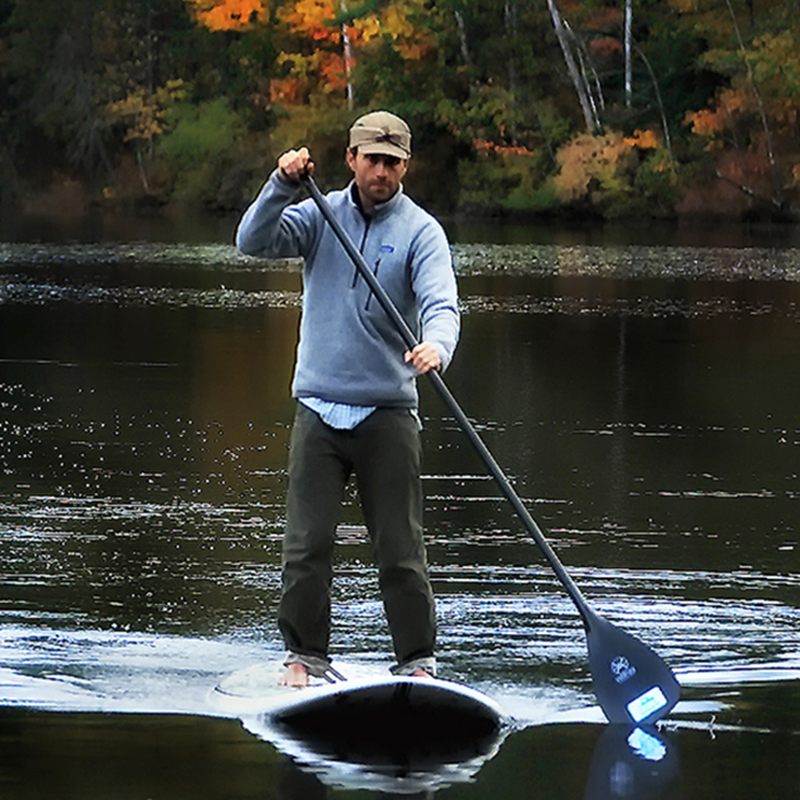
About Robbie George
I’m Robbie George, a National Geographic–published photographer. My work is built on time in the field—watching how animals move, how behavior changes, and how the landscape shapes every encounter.
For me, wildlife photography starts long before the camera. It begins with observation, patience, and understanding behavior well enough to know when to stay, when to step back, and when to leave entirely. The photograph is just the result of getting those decisions right.
This page is part of my broader Naturepedia system—connecting behavior, habitat, timing, and fieldcraft into a complete way of understanding the wild.
Explore more through the Wildlife Gallery, Seasonal Wildlife Calendar, and Field Tools.
“Respect is not part of the process—it is the process.” — Robbie George





