
Reconnecting with Nature: Insights from Louv & Robbie George
Reconnection as a System — Not an Activity
When I think about what Last Child in the Woods is really pointing to, I don’t see it as a call for more outdoor time. I see it as a reminder that childhood itself developed inside functioning ecosystems. Nature wasn’t an activity—it was the environment shaping how children learned, explored, and understood the world.
What Louv describes as Nature-Deficit Disorder isn’t just about kids being indoors more. From my perspective, it’s a breakdown in the system that once connected children to pattern, rhythm, and relationship. The loss isn’t just physical—it’s cognitive, emotional, and ecological.
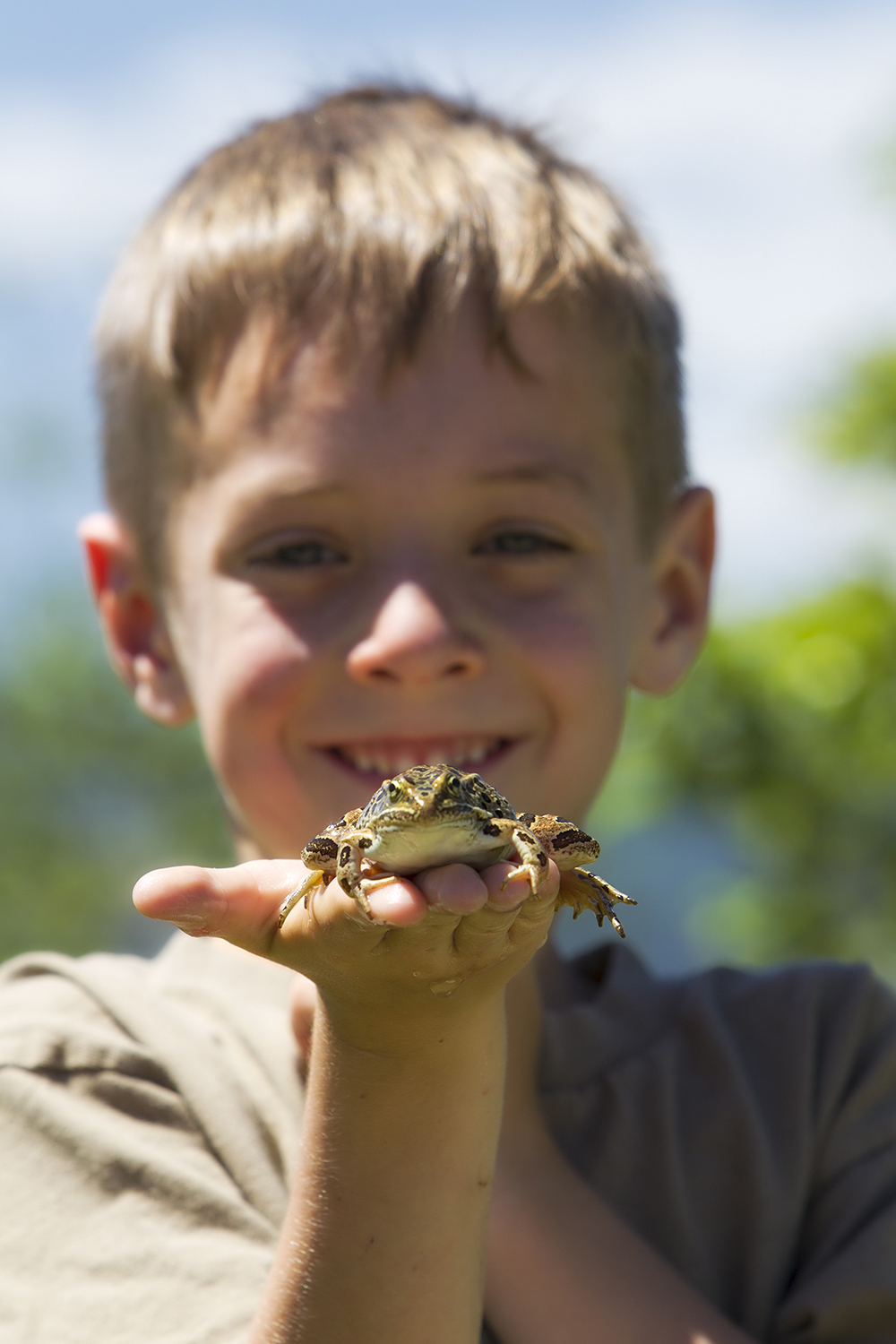
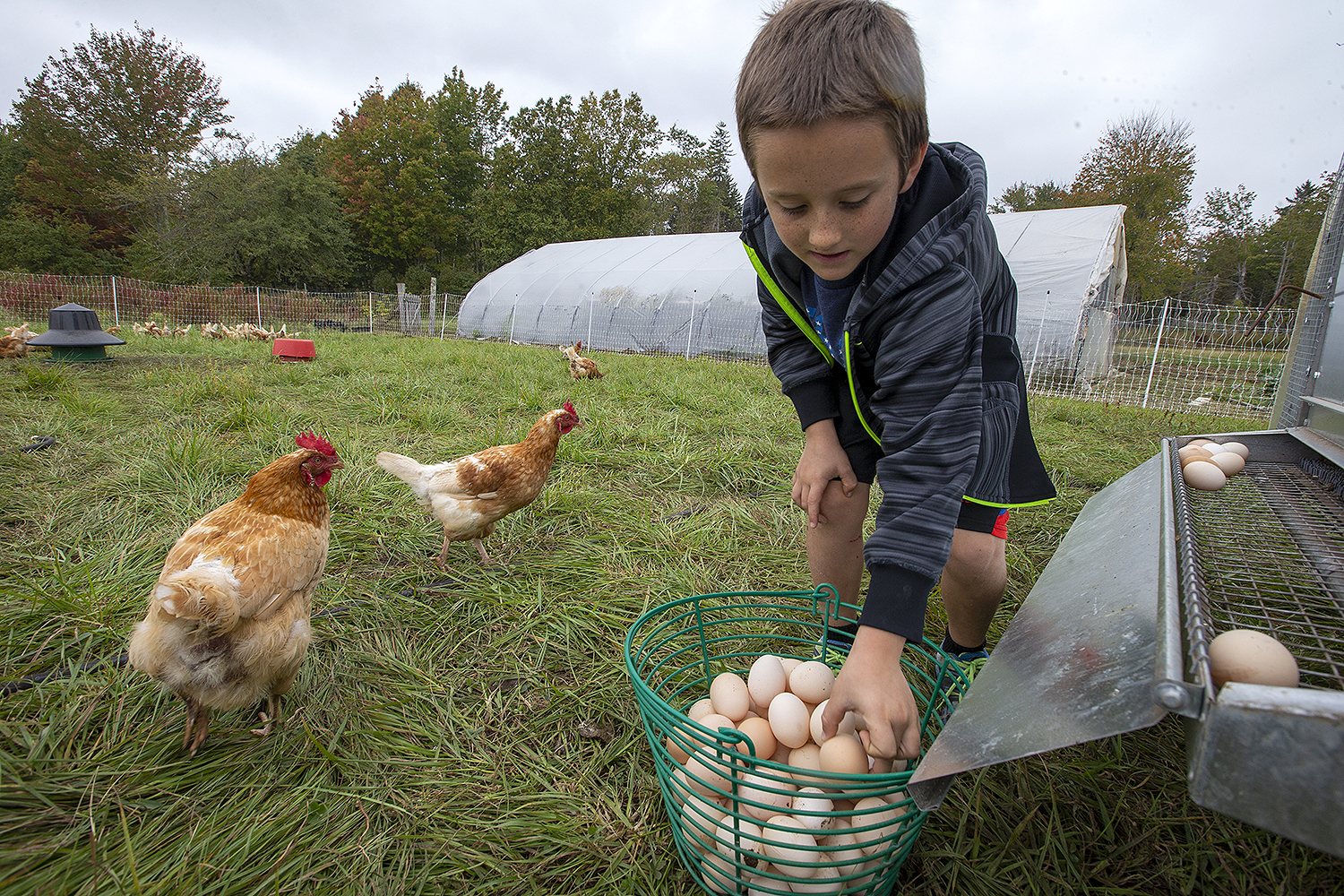
Through my own experience in the field, I’ve seen how simple interactions—watching a frog, following tracks, climbing over logs, harvesting food—create something deeper than entertainment. They build awareness. They teach cause and effect. They connect a child to the reality that they are part of a living system, not separate from it.
This connects directly into how I structure Naturepedia and my broader system:
Environment → Experience → Behavior → Understanding → Relationship
When that chain is intact, children don’t need to be taught connection—they live inside it. When it breaks, we start trying to recreate it artificially. That’s the shift Louv is describing, and it’s one I’ve watched unfold over time both in people and in the environments they move through.
“A child in nature isn’t learning about the world—they’re learning how to be part of it.”
~ Robbie George
Explore Childhood, Nature & Connection Systems
The Ecological Role of Nature in Childhood Development
When I watch a child interact with nature—really interact, not just pass through it—I see something very different than play. I see orientation. I see learning that is happening in real time, without instruction. A child picking up a frog, following a trail, or watching insects move through grass is not just curious—they’re engaging directly with a living system.
From what I’ve observed, nature plays a functional role in development. It provides variability, unpredictability, and feedback—things that don’t exist in controlled environments. Every step outside introduces new information: changing light, uneven ground, movement, sound, weather. These are the inputs that help shape attention, coordination, awareness, and decision-making.
This is why I don’t see nature as optional for children. It’s part of the system that supports how they grow. The same environments that support biodiversity—healthy soil, water systems, vegetation, and wildlife—also create the conditions where children develop resilience, creativity, and presence.
It connects directly to how I think about ecosystems and behavior. When a system is intact, everything inside it functions better—wildlife, landscape, and human experience. Children are no exception.
What Louv describes in Last Child in the Woods, I see reflected in the field: remove the system, and development becomes constrained. restore it, and development expands naturally.
“The environment a child grows inside becomes the framework for how they understand the world.”
~ Robbie George
What Is Changing — The Disconnection of Childhood from Natural Systems
One of the biggest shifts I’ve seen over time isn’t just in landscapes—it’s in childhood itself. Kids are spending less time in environments that change, and more time in environments that stay the same. Indoors, on screens, in controlled spaces where variables are reduced and outcomes are predictable.
What gets lost in that shift is exposure to real systems. In nature, nothing is fixed. Light moves. Weather shifts. Ground changes under your feet. Animals respond to presence. These constant adjustments are what build awareness, adaptability, and focus. Without them, development becomes more narrow.
At the same time, the natural environments themselves are under pressure. Habitat loss, reduced biodiversity, and fragmentation mean fewer places where children can experience intact ecosystems. The result is a double shift—less time in nature, and less access to the kind of nature that fully functions.
I see this reflected when I return to locations over years. Fewer species in certain areas. Different movement patterns. Subtle changes in how the landscape holds together. These shifts don’t just affect wildlife—they change what a child can experience when they step outside.
This connects directly to what I’ve written about in Nature-Deficit Disorder. It’s not just about less outdoor time—it’s about a system being replaced. The environments that once shaped attention, curiosity, and resilience are being substituted with ones that don’t provide the same inputs.
From where I stand, this isn’t a small change. It’s a foundational one: we’re shifting childhood away from the systems that originally shaped it.
Human Impact — How Modern Systems Are Reshaping Childhood Environments
When I look at how childhood has changed, it’s not just about individual choices—it’s about the systems we’ve built around kids. The environments we design now shape where children spend their time, how they move, and what they experience on a daily basis.
Urban and suburban development have reduced access to unstructured natural spaces. Areas that once held woods, fields, wetlands, and edges between ecosystems are replaced with roads, buildings, and managed landscapes. These environments are efficient and controlled, but they don’t provide the same variability that supports exploration and discovery.
Technology adds another layer. Screens offer constant stimulation, but it’s a different kind of input—predictable, fast, and contained. In contrast, nature requires attention to shift, adjust, and respond. When one replaces the other, the way children process information begins to change.
Even structured activities, while valuable, often remove the open-ended problem solving that happens naturally outdoors. In the field, there is no script. A child has to read terrain, respond to conditions, and figure things out as they go. That kind of learning is harder to replicate in controlled settings.
I also see the impact through changes in land use—agriculture, land management, and recreation patterns that simplify environments. When landscapes become more uniform, they support fewer species and offer fewer experiences. That affects both ecological diversity and what children are able to encounter directly.
This is why I connect this conversation back to pages like Wildlife Habitats & Ecosystem Zones and Biodiversity & Ecosystem Balance. When environments lose complexity, everything inside them changes—including the human experience.
From my perspective, the key point is simple: we’ve built systems that prioritize control and efficiency—but in doing so, we’ve reduced the environments that help children develop awareness, resilience, and connection.
Conservation Response — Restoring the Conditions Childhood Depends On
The good news is that this isn’t irreversible. I’ve seen firsthand what happens when environments are protected, restored, or simply left intact. When the system is there, the response is immediate—both in wildlife and in people.
Protected areas like those I cover in my National Parks & Wildlife Refuges Guide aren’t just important for conservation—they’re some of the few places where children can still experience functioning ecosystems. Movement, sound, seasonal change, and wildlife behavior all come together in a way that doesn’t need to be explained—it just needs to be experienced.
Restoration efforts matter just as much. Rebuilding wetlands, protecting forests, restoring native vegetation, and maintaining biodiversity all bring back the complexity that supports both ecological health and human development. When those systems return, so does the depth of experience within them.
But conservation isn’t only large-scale—it also happens in how we reintroduce children to these environments. Unstructured time outdoors, exposure to real landscapes, and opportunities to interact with living systems all help rebuild that connection. It doesn’t require perfection—just access and presence.
I always come back to field awareness as well. How we move through nature matters. Giving wildlife space, respecting habitats, and minimizing disturbance helps maintain the integrity of the system children are stepping into. It’s something I emphasize in field techniques because it directly shapes what can be experienced.
From my perspective, conservation and childhood development are linked: when we protect and restore ecosystems, we’re also restoring the environments that help children grow in a balanced and connected way.
Field Observation — What I See in Children Over Time
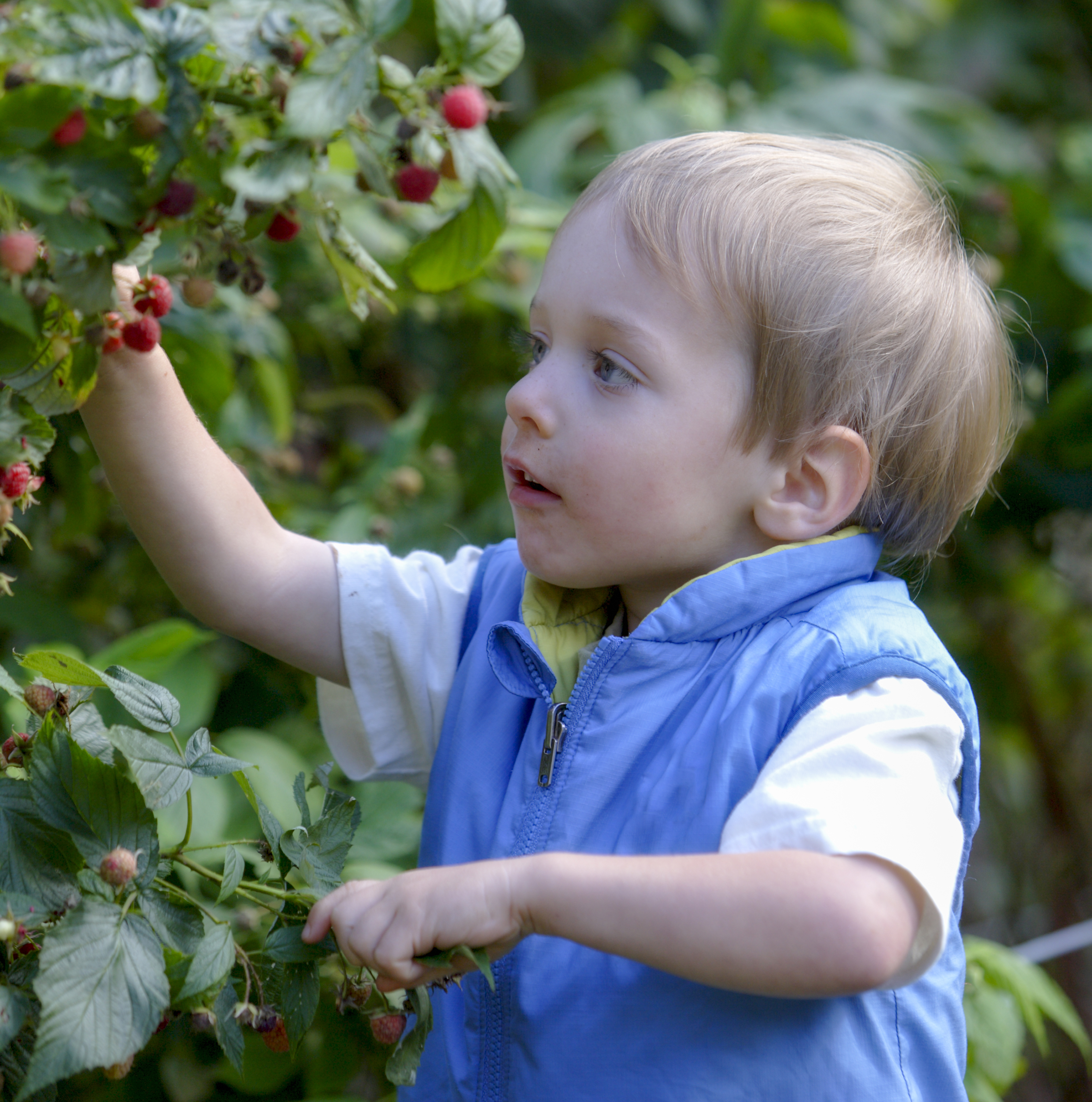
One of the things I’ve paid attention to over the years isn’t just how landscapes change—it’s how children respond to them. When kids spend real time in nature, not guided or structured but free to explore, something shifts quickly. They slow down. They focus longer. They become curious in a way that feels natural, not forced.
I’ve watched kids go from distracted to fully engaged just by stepping into a space that holds complexity—water moving, insects active, birds calling, wind moving through trees. They don’t need instructions. They start observing, testing, interacting. The environment pulls them in.
In more controlled environments, the pattern is different. Attention shifts faster. Engagement tends to be shorter. There’s less patience for uncertainty. It’s not a flaw—it’s a reflection of the environment they’re in. When variables are limited, the range of experience is limited too.
I’ve seen this across different settings—from quiet farm environments to wild landscapes. When a system is intact, children naturally fall into it. They don’t need to be taught connection—they experience it directly.
That’s what stands out to me most: when the environment is right, development doesn’t need to be pushed—it unfolds.
Naturepedia Connection — Childhood Inside the Living System
The more time I spend thinking about this, the more I see that childhood development follows the same structure I use across Naturepedia. It’s not separate from ecology—it’s another layer inside it.
When you map it out, the connection becomes clear:
Species → Behavior → Habitat → Ecosystem → Geography → Time → Conservation
A child observing a frog in a wetland is interacting with more than a single moment. That frog depends on water quality, vegetation, insect life, and seasonal timing. The wetland itself is shaped by geography and climate. All of those layers are present in that one interaction.
The same is true across your system. Whether it’s a black bear, a migratory bird, or a pollinator, each species expresses a chain of relationships. When children experience those relationships directly, they begin to understand how the system holds together.
Geography grounds it. Places like Yellowstone or Mattamuskeet offer very different systems—but both provide environments where these relationships can be observed in real time.
Time completes the picture. Seasonal change—tracked in your Nature’s Seasons and Seasonal Wildlife Calendar—shifts behavior, movement, and availability. It teaches patience, timing, and awareness.
From my perspective, this is where everything connects: children don’t just learn inside this system—they learn because of it.
When that system is intact, understanding happens naturally. When it’s fragmented, we try to explain what can no longer be experienced directly.
Frequently Asked Questions — Children, Nature, and Reconnection
What is Nature-Deficit Disorder?
Nature-Deficit Disorder is a term Richard Louv uses to describe the effects of reduced contact with the natural world, especially in children. From my perspective, it points to a broader systems issue—children being separated from the environments that help shape attention, resilience, and connection.
Why is nature so important for children?
Nature gives children something controlled environments cannot: variability, real-time feedback, sensory richness, and direct relationship with living systems. Those conditions help support curiosity, awareness, emotional balance, and development.
How does time outdoors affect mental health?
I’ve seen that children often settle more quickly in natural environments. Time outside can support focus, reduce stress, and create the kind of open attention that is harder to access indoors or through screens alone.
Why does unstructured play in nature matter?
Unstructured outdoor time lets children test, explore, and adapt without a script. That kind of experience builds problem-solving, confidence, and a deeper sense of relationship with the world around them.
How does reconnecting with nature help future stewardship?
Children tend to care about what they know directly. When they spend real time with landscapes, wildlife, water, and food systems, protection becomes personal rather than abstract.
Can simple everyday experiences in nature still matter?
Yes. Reconnection doesn’t have to start in a national park. Watching birds, finding frogs, harvesting food, or walking a local trail can all help restore relationship and awareness.
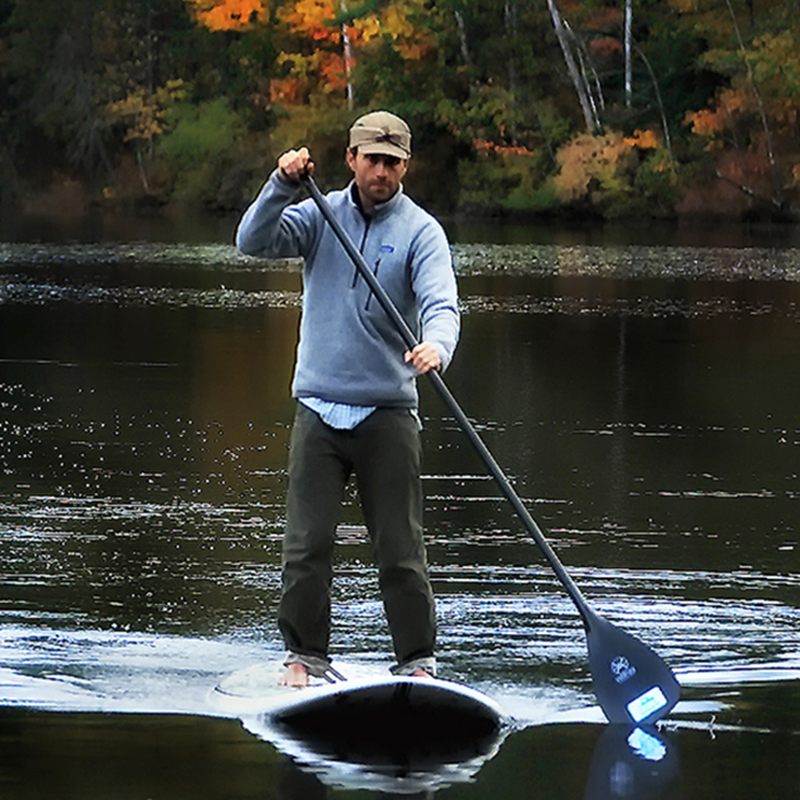
About Robbie George
I’m Robbie George, a National Geographic–published photographer whose understanding of nature has been shaped through time in the field—returning to the same places, observing how wildlife, light, landscape, and season interact over time.
My work goes beyond photography. Through Naturepedia, I’m building a connected system that links species, ecosystems, geography, seasonal timing, and conservation into a clearer picture of how the natural world functions—and where humans fit inside it.
This page reflects that same perspective. I’m interested in what nature does—not just what it looks like. How environments shape attention. How landscapes influence behavior. And how reconnecting children to those systems helps restore something foundational that modern life has moved away from.
Explore more through Wildlife Photography, Ecosystems of North America, Wildlife Conservation & Habitat, and Seasonal Wildlife Calendar.
“The more time I spend watching how children respond to nature, the more I see that connection isn’t taught—it’s restored.”