


Capturing Yellowstone's Majesty: A Photography Guide by Robbie George
What Yellowstone Feels Like in the Field
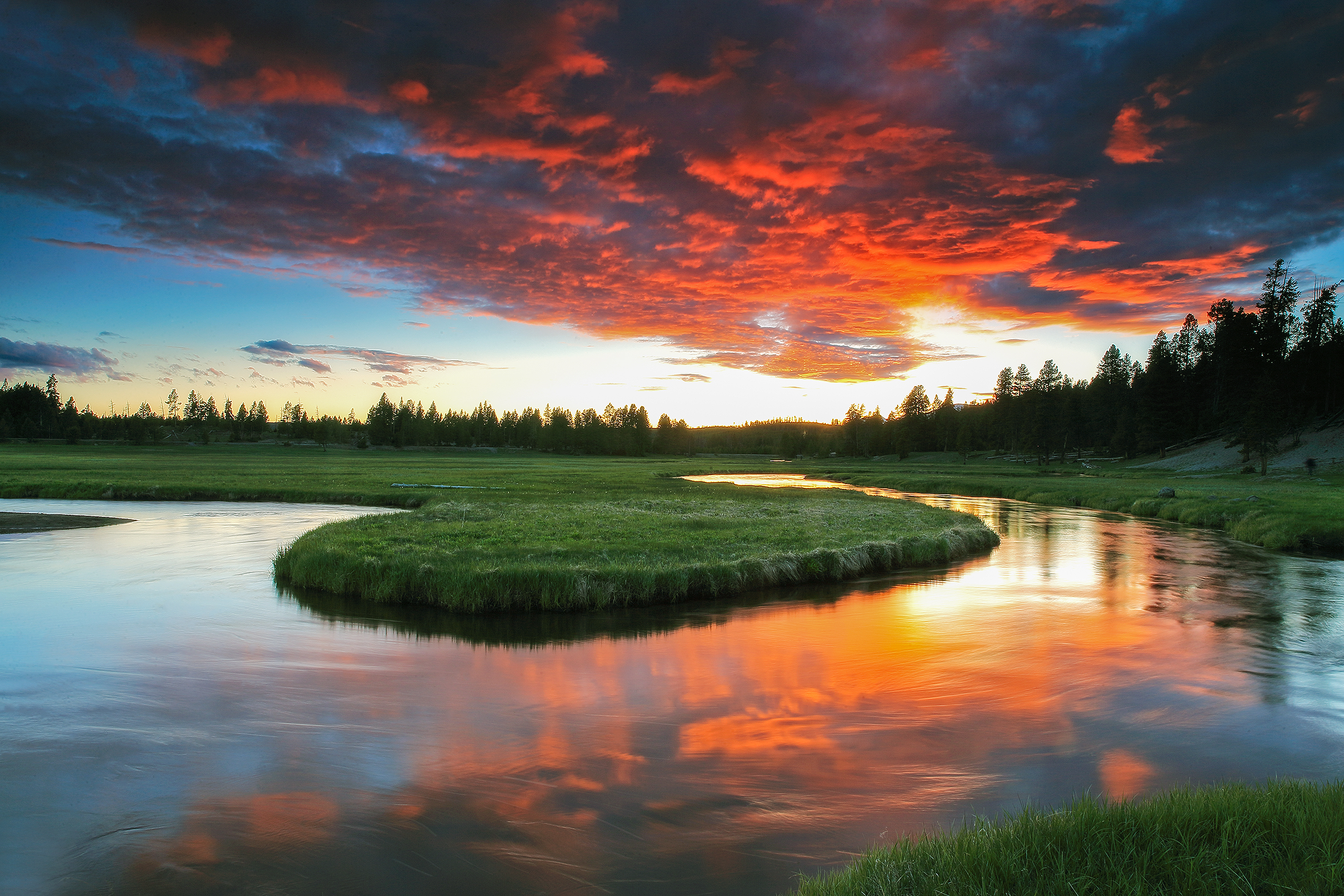
The first thing you notice in Yellowstone isn’t what you see—it’s how everything moves. Steam drifts across basins, rivers carry constant motion, and wildlife appears and disappears across open terrain. Nothing stays still for long, and that’s what makes timing everything.
In places like Lamar Valley, movement happens at a distance—wolves crossing ridgelines, bison shifting through light. In geothermal areas, the landscape itself becomes the subject, with steam and color reshaping composition minute by minute.
Photographing Yellowstone isn’t about covering ground—it’s about positioning and waiting. When light, behavior, and environment align, the scene builds on its own. Your role is to recognize that moment and stay out of its way.
Jump Through Yellowstone
Yellowstone works best when you move through it as a system—landscape first, then wildlife behavior, then seasonal timing, positioning, and field ethics. These sections follow that logic and connect this page to your broader Yellowstone, Naturepedia, and field-planning network.
Yellowstone’s Landscape System: Fire Below, Water Above, Wildlife Between
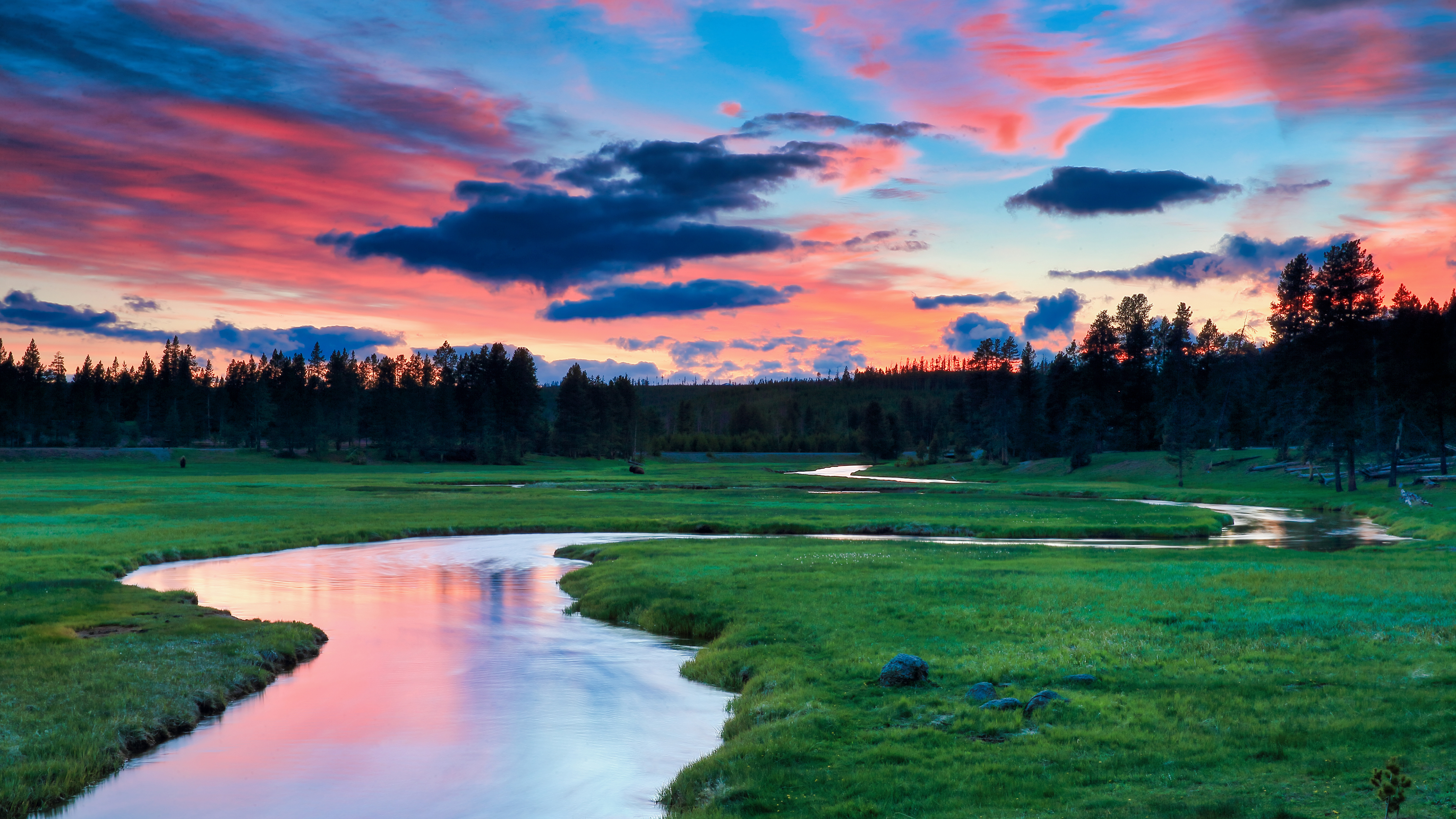
Yellowstone is not one landscape. It is a working system shaped by heat, water, elevation, and open space. Steam fields, river corridors, lodgepole forest, alpine ridges, broad valleys, and thermal basins all interact, and that interaction is what gives Yellowstone its photographic power. Before I think about wildlife, I think about structure—where the land holds movement, where light gathers, and where the environment creates predictable behavior.
The geothermal side of Yellowstone changes the visual language of the park. Steam can soften backgrounds, erase distractions, and turn ordinary light into atmosphere. In other places, the rivers do that work instead. The Yellowstone landscape is always in motion, even when it looks still. That movement matters because it shapes where animals travel, where photographers wait, and how compositions build over time.
Areas like Lamar Valley open the scene and let you read distance clearly. River systems like the Gibbon and Yellowstone Rivers create reflective channels and travel corridors. Thermal zones add mist, mineral color, and shifting air that can change a frame in seconds. This is why Yellowstone rewards patience more than speed. The land itself is constantly rearranging the picture.
Yellowstone makes the most sense when you read it as a living geography node—one that connects directly into Ecosystems of North America, Wildlife Habitats & Ecosystem Zones, and your broader Yellowstone Wildlife Guide. Once you understand the structure of the land, the rest of the page—wildlife, timing, and positioning—starts to fall into place.
Wildlife & Behavior: Reading Movement Instead of Chasing It
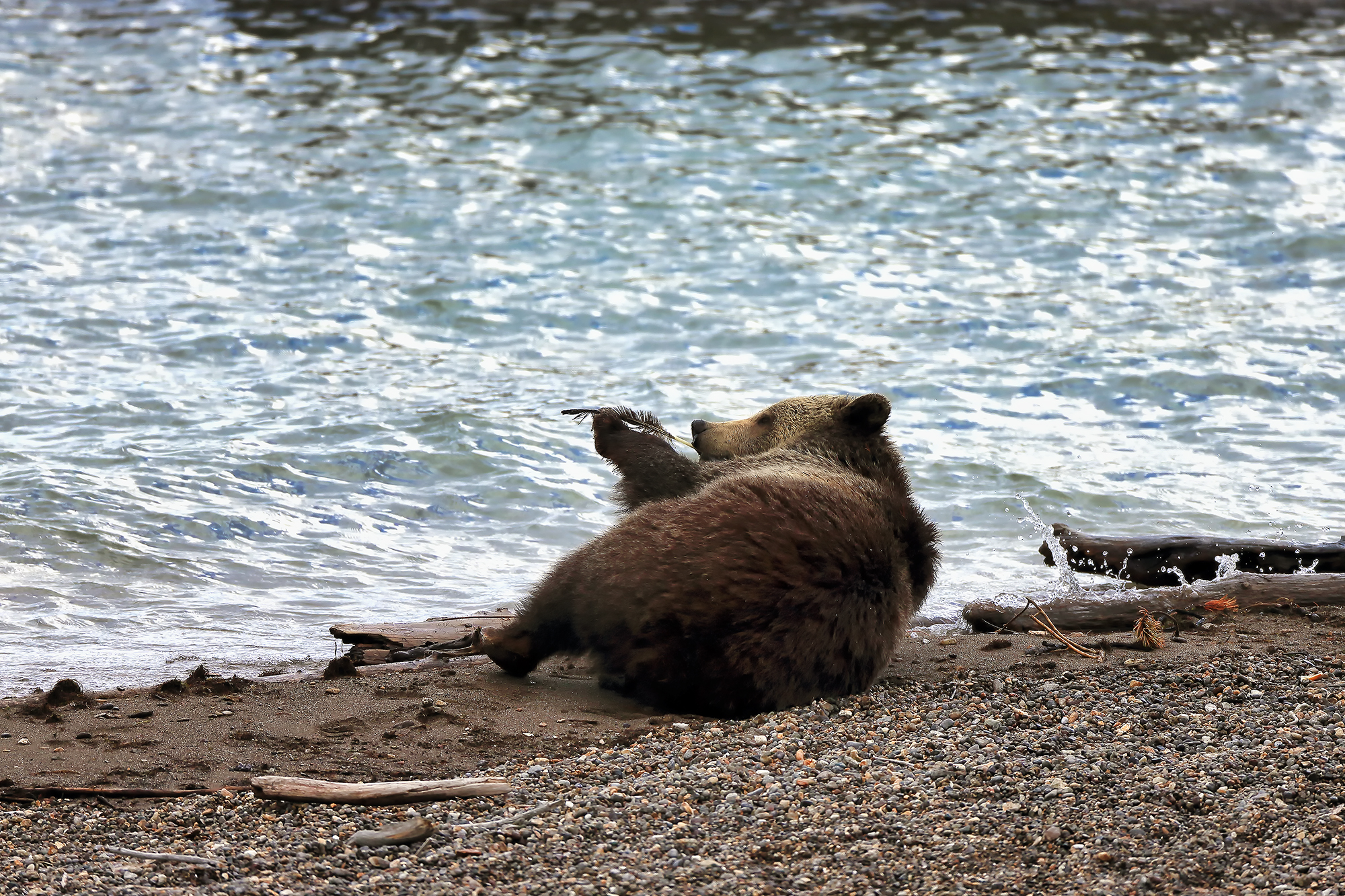
Wildlife in Yellowstone doesn’t appear randomly—it follows structure, season, and energy. Once you understand how animals use the land, you stop searching and start positioning. Movement becomes readable. Patterns repeat. And the photograph builds before the subject even arrives.
In open areas like Lamar Valley, large mammals move across distance—grizzly bears, wolves, and bison using terrain, wind, and visibility to their advantage. Along river corridors, behavior shifts—animals feed, drink, and travel with the flow of water. In forest edges, movement becomes slower, more concealed, and harder to anticipate.
The key is not proximity—it’s awareness. Watch direction of travel, spacing between animals, and how they react to wind and light. When behavior stays relaxed, you’re in the right place. When it changes, you’ve already pushed too far.
Yellowstone is one of the best places in North America to study large-scale wildlife behavior in an intact system. It connects directly into your broader work on Wildlife Behavior & Ecology, Migration & Seasonal Patterns, and predator-prey dynamics across North America.
Field note: Let animals enter the frame. Don’t walk into theirs. The best Yellowstone images come from staying still long enough for behavior to remain unchanged.
Seasonal Timing: When Yellowstone Comes Into Alignment
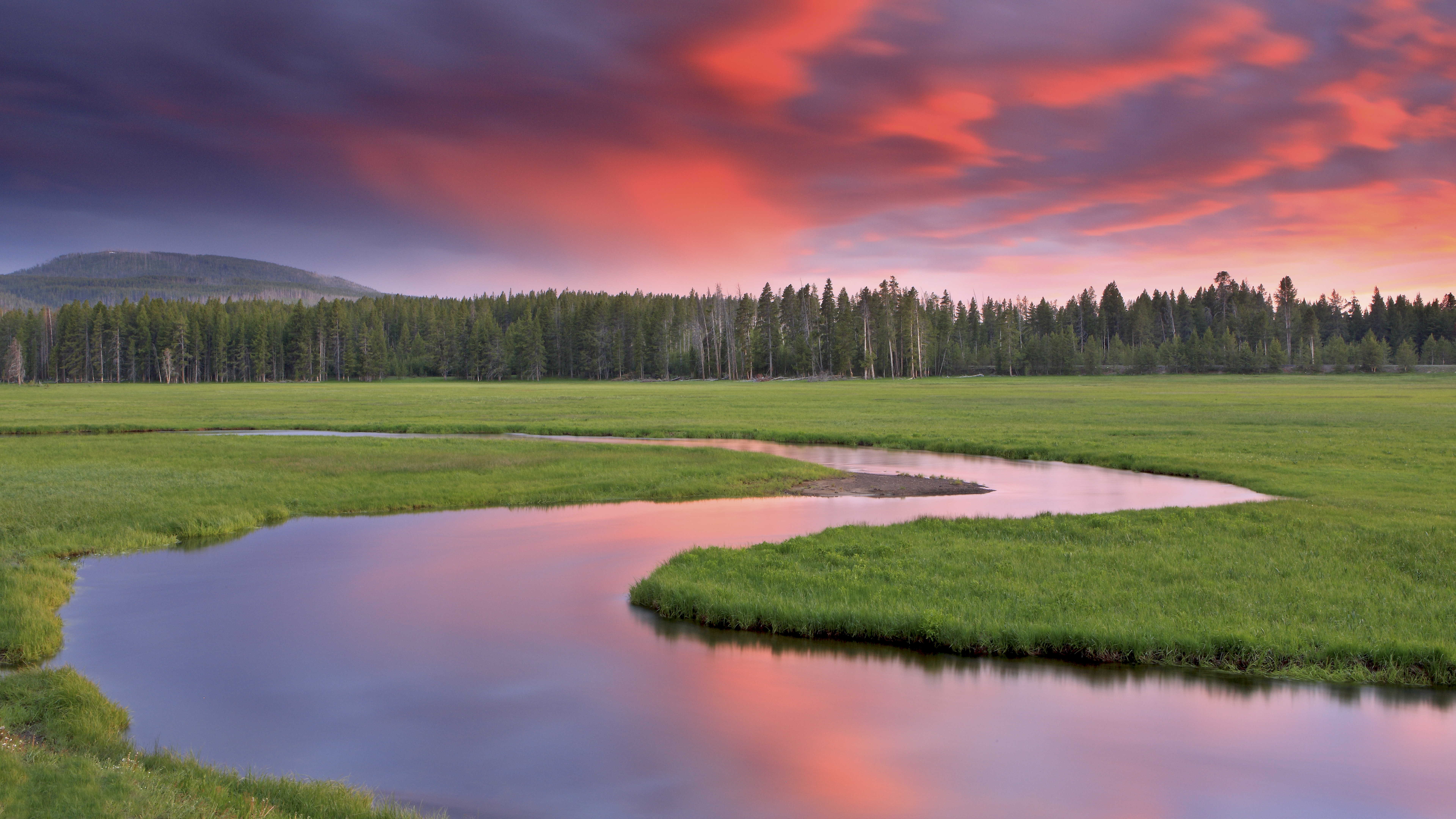
Yellowstone doesn’t have a single “best time”—it has windows. Each season shifts how wildlife moves, how light behaves, and how the landscape presents itself. The key is not picking a date, but recognizing when behavior, conditions, and access all align.
Spring brings renewal—young animals, swelling rivers, and unpredictable weather. Summer stabilizes access and activity but compresses the best light into early and late hours. Autumn sharpens everything—elk rut, golden foliage, and crisp air that improves clarity. Winter simplifies the system entirely, concentrating wildlife into fewer areas while snow and steam reshape the visual field.
These cycles connect directly to your Seasonal Wildlife Calendar and Nature’s Seasons. Use those tools to refine timing beyond general seasons—down to migration peaks, rut windows, and behavior shifts that define each trip.
- Spring (Apr–Jun): Calving season, active predators, dynamic weather and rising water.
- Summer (Jul–Sep): Full access, stable conditions, best photography at sunrise and sunset.
- Autumn (Sep–Oct): Elk rut, golden landscapes, peak behavior and sound.
- Winter (Nov–Mar): Snow, steam, concentrated wildlife, simplified compositions.
Field note: Plan your trip around behavior first, then refine with light. When those two align, Yellowstone does the rest.
Locations & Field Strategy: Where to Stand and Why It Matters
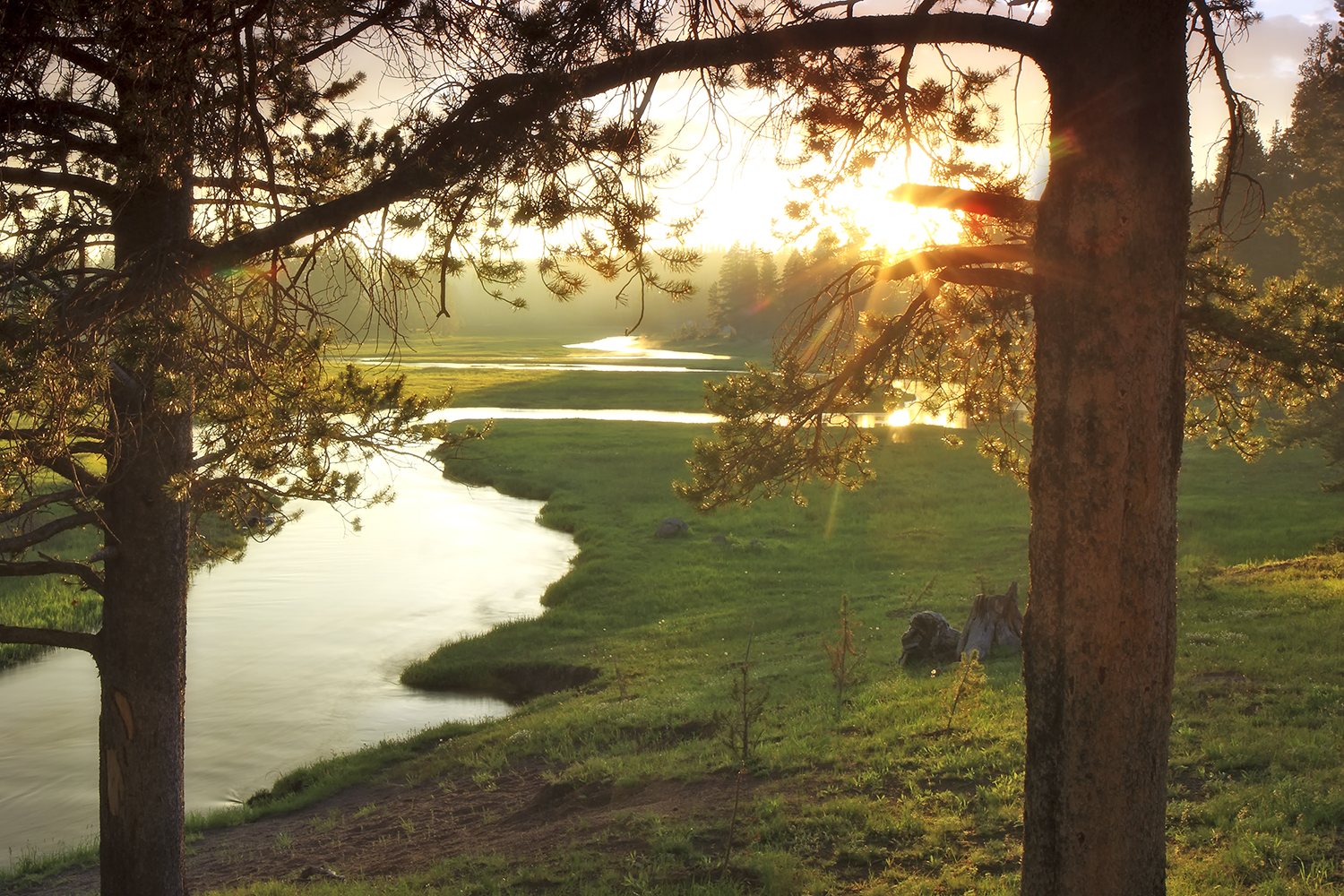
Yellowstone rewards positioning more than movement. The goal is not to cover ground—it’s to understand how specific locations function. Each valley, river corridor, and geothermal zone creates its own behavior patterns. Once you recognize those patterns, you stop chasing subjects and start waiting where they naturally move.
In Lamar Valley, wide open terrain allows you to read wildlife movement across distance. In Hayden Valley, water and grasslands concentrate bison and predators. Along the Gibbon and Yellowstone Rivers, reflection, flow, and wildlife interaction create layered compositions. Geothermal areas like Mammoth and Norris reshape light through steam, constantly changing your frame.
These locations connect directly into your Yellowstone Wildlife Guide, Wildlife Observation Locations, and your Photography Maps.
Field note: Choose your position before the moment begins. Watch wind direction, light angle, and travel routes—then stay still. Yellowstone works best when you let the scene build toward you.
Planning & Field Ethics: Prepare Well, Disturb Little
Yellowstone is one of the easiest places to ruin with impatience. Roads, pullouts, and wildlife jams can make people feel close to the action, but good fieldwork here starts long before the animal appears. Plan your route, know your light, understand the season, and arrive ready to wait instead of react.
I treat every outing in Yellowstone as a combination of logistics and restraint. That means using the Golden Hour & Moon Phase Planner to refine light, checking broader seasonal behavior on the Seasonal Wildlife Calendar, and using Photography Maps to think through positioning before I step into the field.
- Distance first: If an animal changes pace, posture, gaze, or direction because of you, you are too close.
- Stay predictable: Slow movements, quiet positioning, and patience keep the scene natural and reduce pressure.
- Use optics, not feet: Long lenses let you stay outside the animal’s decision space.
- Respect closures and pullouts: Yellowstone’s infrastructure exists for safety, habitat protection, and cleaner observation.
- Let the moment go: Not every encounter should become a photograph. If conditions are wrong, back out and return later.
Ethical wildlife photography is not separate from strong photography—it is what makes strong photography possible. Calm behavior creates cleaner compositions, more truthful moments, and a better relationship between observer and subject. That same ethic runs through your broader Wildlife Observation & Field Techniques and Wildlife Conservation & Habitat pages.
Field note: In Yellowstone, the right move is often to do less. The more invisible you become, the more the landscape and wildlife reveal.
Naturepedia Connection — Yellowstone as a Living System
Yellowstone is not just a place—it’s a complete ecological system operating across multiple layers at once. Geothermal activity shapes the land, water systems distribute life, and wildlife moves through those structures based on energy, season, and survival. What you photograph here is never isolated—it’s part of a larger, connected pattern.
The landscape system you see in Yellowstone connects directly to broader frameworks explored in Ecosystems of North America, Wildlife Habitats & Ecosystem Zones, and Wildlife Systems & Ecology.
Wildlife behavior in the park reflects these connections. Predator-prey dynamics, migration timing, and habitat use all follow patterns that repeat across North America, but Yellowstone is one of the few places where those relationships are still fully intact. This is why it remains one of the most important field environments for understanding wildlife behavior and ecology.
Seen through Naturepedia, Yellowstone becomes more than a destination—it becomes a node in a larger living network, where landscape, behavior, season, and conservation all connect. The more time you spend here, the more those connections become visible.
Yellowstone Photography — Frequently Asked Questions
What are the best locations for wildlife photography in Yellowstone?
Lamar Valley and Hayden Valley are the most consistent for large wildlife like bison, wolves, and grizzly bears. River corridors and geothermal areas add additional opportunities depending on light and season.
What is the best time of year to photograph Yellowstone?
Each season offers different opportunities. Spring brings active wildlife and new life, summer provides access and long days, autumn features elk rut and color, and winter creates simplified scenes with snow and steam.
What camera gear should I bring to Yellowstone?
A telephoto lens (400–800mm equivalent) is essential for wildlife. A wide-angle lens works for landscapes and geothermal scenes. A tripod, extra batteries, and weather protection are also important due to changing conditions.
When is the best time of day to photograph Yellowstone?
Early morning and late evening provide the best light. Wildlife is more active, temperatures are cooler, and low-angle light adds depth and atmosphere to both landscapes and animals.
How do I photograph wildlife safely and ethically in Yellowstone?
Maintain distance, use a long lens, stay on designated roads and trails, and never approach wildlife. If an animal reacts to your presence, you are too close and should back away.
How should I plan a Yellowstone photography trip?
Start with seasonal timing, then refine with light and location. Use tools like the Seasonal Wildlife Calendar, Golden Hour Planner, and Photography Maps to align behavior, light, and positioning before you arrive.
About Robbie George
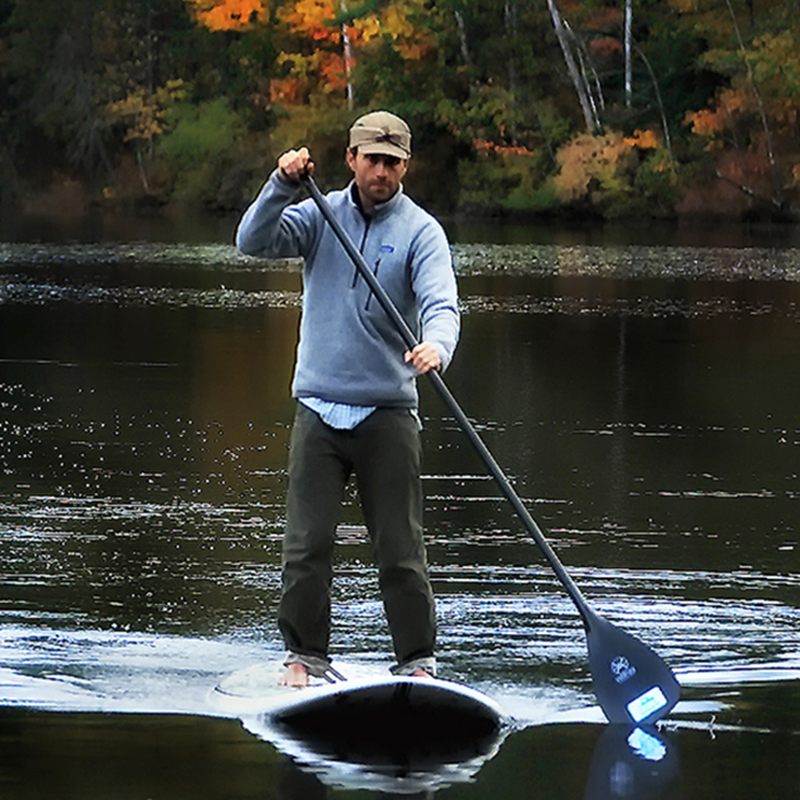
I’m Robbie George, a National Geographic–published nature photographer. My work is built on repeated time in the field—returning to places like Yellowstone across changing light, weather, and season to understand how landscape and wildlife actually behave.
Yellowstone matters to me because it still functions as a living system at scale. Its rivers, valleys, geothermal basins, and wildlife corridors all interact in ways that reward patience, positioning, and respect. That’s what I try to translate into photographs: not just the beauty of the place, but the structure that makes those moments possible.
My field approach is simple: distance first, habitat always. That same ethic runs through my Naturepedia work, my Wildlife Gallery, and the planning tools I use to help others meet nature on its own terms.
“Yellowstone teaches patience by refusing to move on our schedule.”





