
What Type Of Photographic Print Papers Are There?
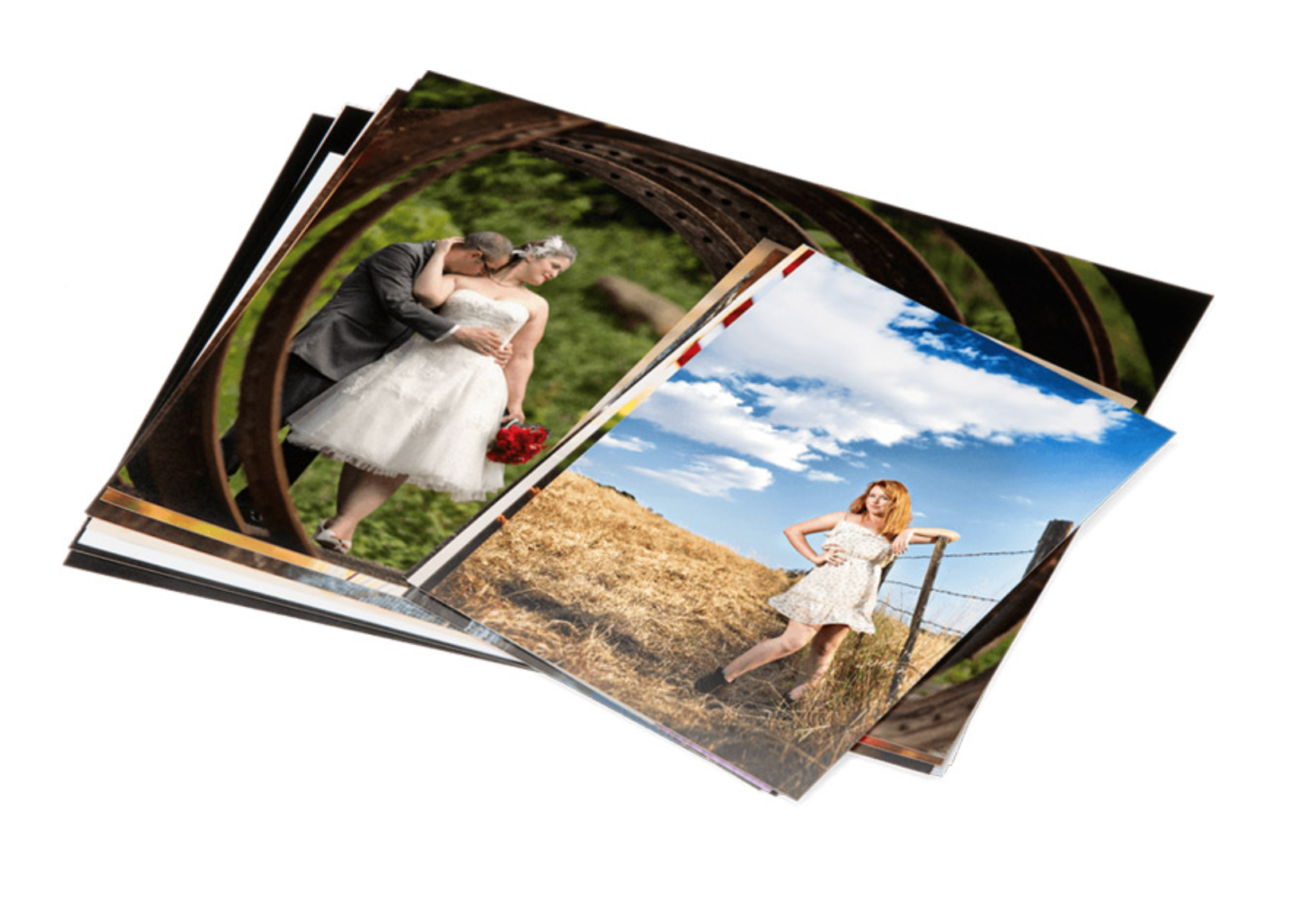
A Print's Voice Begins with Its Paper
The photograph may begin in light, but it’s the paper that gives it form. Every curve of texture, every glint of sheen, every velvet-soft shadow—it all comes to life once the image meets its final surface.
As an artist in nature’s classroom, I’ve learned that the print paper is not a technicality—it’s a companion to the story I’m telling. The paper you choose is the final voice your image speaks with, and it should match the mood, the emotion, and the essence of the moment captured.
In this post, we’ll explore the different photographic paper options available through Robbie George Photography—each selected for its ability to preserve clarity, amplify light, and hold time in its fibers.
“The paper is the echo of the image—the field where light leaves its final trace.” ~ Robbie George
High-Quality Photographic Print Papers
I carefully select each photographic paper for its tonal response, texture, and archival stability. Whether you're displaying a vibrant landscape or a subtle monochrome, these papers preserve detail while amplifying the emotional presence of the image.
1. Kodak ENDURA Lustre “E” Paper:
A balanced finish that merges matte elegance with vibrant clarity. Its fine pebble texture adds depth without glare—my default paper for timeless presentation in both color and black-and-white photography.
2. Kodak ENDURA Glossy “F” Paper:
Designed to dazzle. This high-gloss paper enhances sharpness and brilliance—perfect for color-intense portraits, reflective water scenes, or gallery-grade landscapes. Keep in mind: glossy surfaces reflect light more directly.
3. Kodak ENDURA Metallic Paper:
A luminous finish that creates a three-dimensional shimmer. This paper is ideal for high-contrast compositions and bold, saturated colors. Its unique depth draws the viewer deeper into the scene.
4. Fuji Pearl Paper:
A glossy surface with a luxurious, pearl-like glow. Known for competition-worthy sharpness and saturation, Fuji Pearl gives your image a radiant edge that stands out in any display environment.
5. Fuji Deep Matte Velvet Paper:
Rich, soft, and non-reflective. This deep matte paper evokes a quiet intimacy that’s perfect for fine art and subtle portraits. Its tactile velvet texture adds a sense of timeless grace to any subject.
“Each paper is a whisper from the image to the soul. Choose the one that listens best.” ~ Robbie George
Choosing the Right Paper for Your Images
The choice of paper should reflect the spirit of the photograph. Is the moment bold or soft? Luminous or introspective? Here are a few guiding notes to help match your image with its ideal surface.
📸 Subject Matter:
Vibrant landscapes and high-contrast compositions often thrive on glossy or metallic finishes. For delicate portraits or fine art, deep matte papers invite a quieter presence.
🌞 Display Environment:
If your print will live in a bright room or catch natural light, opt for lustre or matte finishes to reduce glare and maintain visual clarity.
🎨 Personal Aesthetic:
There’s no formula—only feeling. Let your instincts guide you. What tone do you want the image to speak in? What texture does the memory deserve?
“Paper is more than presentation—it’s participation. It finishes the story the light began.” ~ Robbie George
The Final Touch: Why Paper Matters
At Robbie George Photography, every image is a collaboration between moment, material, and memory. Photographic papers are more than technical details—they're the stage your story stands on. By choosing the right surface, you’re not just printing an image—you’re shaping how it will live.
Please note: these photographic print papers differ from those I use for Fine Art Prints, which rely on acid-free, museum-grade papers designed for longevity. If you’re looking to build an archival collection, I encourage you to explore that category as well.
If you’re unsure which paper is right for your image, feel free to reach out. I’m always happy to help you choose the best foundation for your story.
Elevate Your Image. Honor the Moment.
Every print begins with a vision—but it comes to life on paper. Explore the materials that best reflect your story, your space, and your style.
Browse my Nature Photography and Landscape Gallery to find an image that speaks to you—then let the paper you choose echo its energy with clarity, texture, and tone.
Not sure where to start? I’m here to help guide your decision, so your print doesn’t just look beautiful—it feels aligned.
Frequently Asked Questions: Photographic Print Papers
1. What is the difference between photographic and fine art print papers?
Photographic papers prioritize vibrancy and finish, while fine art papers are archival, acid-free, and often offer a more textured, matte appearance. Both serve different visual goals.
2. How long will my photographic prints last?
High-quality papers like Kodak ENDURA and Fuji Pearl can last several decades with proper care. Avoiding direct sunlight and using protective framing enhances longevity.
3. Can I order custom sizes for my prints?
Yes. Robbie George Photography offers custom sizing for both photographic and fine art prints. Simply reach out with your preferred dimensions for a tailored experience.
4. What types of finishes are available for photographic prints?
Available finishes include lustre, glossy, metallic, pearl, and deep matte—each offering distinct texture and visual depth suited to different moods and environments.
5. What paper is best for high-contrast or vibrant images?
Metallic, glossy, or pearl finishes enhance saturation and sharpness, making them excellent for high-contrast scenes like sunsets, wildlife, or seascapes.
6. How should I care for my photographic prints?
Handle prints by the edges. Frame under UV-protective glass or acrylic, dust gently with a soft cloth, and keep them away from direct sunlight and high humidity.
7. Do you offer paper samples or consultations?
While physical samples may not be shipped, I’m happy to walk you through the differences in texture, finish, and tone. Reach out for guidance or visual examples.