


Appreciating the Intricate Beauty of Wildlife
Unveiling Nature's Masterpieces: The Art of Wildlife Appreciation
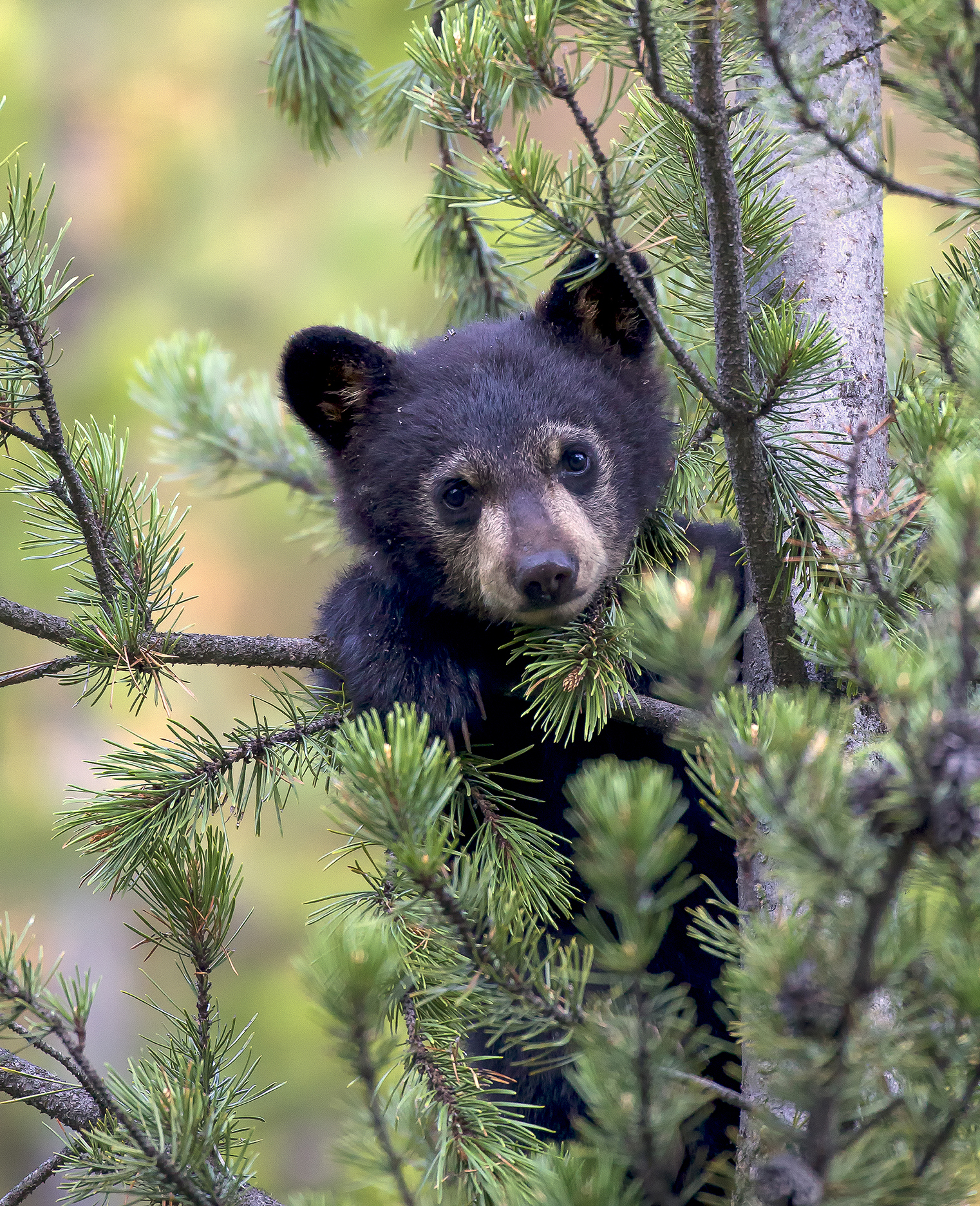
To appreciate wildlife is to step into a sacred conversation—one that does not speak in words, but in glances, gestures, and resonance. A black bear cub nestled in a tree is more than a photo subject; it’s a story unfolding in real time—a spiral of instincts, seasons, and soul encoded in fur and light.
From the lens of my camera, I’ve learned that beauty is not confined to the grand; it lives in the micro-movements of nature—the ripple of water, the breath of a bison, the glint in a raven’s eye. These encounters echo the same truth found in the Living Code: that every life form is a pulse in the universal field, expressing itself in symmetry and surprise.
When we pause to witness the wild, we are reminded of our place in the ecological symphony—both as listeners and participants. Quantum Vitality teaches that appreciation is a form of coherence. When we truly see, we resonate—and that resonance becomes preservation.
“To appreciate is to vibrate in unison with what is real, delicate, and eternal.” ~ Robbie George
Why Appreciate Wildlife?
To appreciate wildlife is to awaken to life's subtle masterpieces. It’s more than observation—it's communion. The more we study nature's intricacies, the more we recognize the encoded brilliance within. From a bear’s cautious steps to a hummingbird’s heartbeat, the wild expresses what I call the Nature Code—a sacred rhythm that reveals the universe’s blueprint in motion.
This reverence is not passive. When we cultivate awe, it transforms us. The quiet moments—watching a fox disappear into the snow, or tracing the spiral of a hawk in the sky—imprint themselves on our cells. They nourish our memory and shape our behavior. This is the living essence of Quantum Vitality: appreciation as an energetic bridge between self and species.
In a time when ecosystems are vanishing and silence replaces song, appreciation becomes action. The more we notice, the more we care. And the more we care, the more we protect. True appreciation is not romanticism—it’s resonance, empathy, and a responsibility to witness the wild before it’s gone.
🌬️ Breath of the Wild – A Field Practice
Next time you see a bird, a deer, or even a tree swaying—pause. Inhale slowly for 5 seconds as you observe. Exhale gently and silently say: "Thank you for being."
Appreciation begins with breath.
The Power of Photography in Conservation
Nature photography is more than aesthetics—it's advocacy. A single image can preserve a vanishing species in the collective memory. Like the photon, which transfers light and story, each photo carries the energy of presence. It freezes a soul in time—a fox pausing mid-step, a crane reflecting in marshlight—and invites others to care.
Throughout my journey, I’ve seen how these images ripple outward—sparking wonder, conversation, and even policy. A well-composed photo becomes a living document, weaving beauty and vulnerability together. This is what defines the Living Code of visual storytelling: it reminds us that life is precious because it is fleeting.
When we photograph wildlife, we don't just capture—we connect. Photography becomes a field of coherence, one that aligns our gaze with the wild’s breath. From the spiritual essence of nature to the practical need for conservation, this medium bridges soul and science with every shutter click.
📸 The Camera as a Field Lens
- Aperture: Opens the gate of light—like awareness opens the heart.
- Shutter: A breath of time, where stillness captures truth.
- Lens: Focus is choice. Where you look becomes what you remember.
What Does Appreciating the Intricate Beauty of Wildlife Mean?
To appreciate the intricate beauty of wildlife is to become fluent in nature's quiet language. Every feathered ritual, every whiskered pause, every patterned scale or spotted fur is a verse in the vibrational blueprint of reality. These micro-moments whisper of biodiversity, evolutionary wisdom, and sacred interdependence.
The word “intricate” invites us to notice the almost invisible—the way a red fox listens to snow, how elk antlers mirror branching trees, or how spider webs refract morning light like a string theory diagram spun in silk. This is the Living Code in action—where patterns of life spiral into deeper meaning the more closely we look.
True appreciation awakens the heart field. When we pause to see beyond the surface, we open to resonance, which becomes reverence, which becomes restoration. This is the silent alchemy of the wild—transforming our gaze into guardianship, our awe into action. And this is where nature photography becomes not just art, but offering.
🌀 Spiral of Appreciation
Appreciation → Awareness → Resonance → Reverence → Responsibility → Regeneration
This is how we spiral back into coherence with the wild.
Conservation Efforts to Protect Wildlife
Conservation is not merely a movement—it's a memory field. It’s a response to the call of the wild, echoing through generations. At Robbie George Photography, we believe conservation begins with appreciation—and spirals outward into restoration, policy, and presence.
Protecting wildlife requires more than admiration—it requires action. Global organizations like the World Wildlife Fund, The Nature Conservancy, and the IUCN are working tirelessly to protect endangered species and restore threatened habitats. Their impact is amplified by citizen awareness and visual storytelling.
Protected areas such as Yellowstone National Park and sanctuaries across North America are vital threads in the web of life. These sanctuaries offer wildlife a chance to thrive without intrusion—letting ecosystems speak their original language. Preserving them is part of what I call the Unified Field Theory of Nature: a theory not of math, but of care.
But it’s not only global groups that matter—it’s you. Community involvement, education, and everyday reverence are powerful forces. Whether you're restoring a local wetland, photographing a fox in your backyard, or simply listening deeply, you're part of the field's defense. Conservation is coherence in motion.
🌱 Conserve the Field
- Observe mindfully: Every encounter is a portal.
- Support reserves: Donate, volunteer, amplify.
- Share stories: Let your lens or words ripple outward.
- Be the field: You are nature remembering itself.
Nature Photography: A Window to Wildlife’s Intricate Beauty
Nature photography invites us to see with sacred eyes. Through the lens, we enter the realm of detail—the tufted fur of a grizzly, the iridescent gleam of a hummingbird’s throat, the silent dance of cranes at sunrise. These are not snapshots. They are echoes in light—what I call captured photons that carry the essence of a living moment.
When we photograph the wild, we’re not just freezing time—we’re decoding the Nature Code. These visual spirals reveal resonance, pattern, and connection. A single image can speak the unspeakable: the urgency of extinction, the serenity of survival, the sacredness of coexistence.
Photography becomes medicine when it awakens our senses. It teaches us presence, patience, and polarity—shadow and light held in balance. And as you’ll see across our Wildlife Gallery, each print is not just an image—it’s a heartbeat, a message, and a field of remembrance.
📓 Field Notes from the Lens
- Light is memory: Each photon is a traveler from star to feather.
- Focus is presence: What we choose to see becomes sacred.
- Timing is breath: Nature’s rhythm is never late—only deep.
The Hidden Beauty of Wildlife in the Wild
Wildlife’s most intricate beauty often resides where few tread. It hums in the hush of alpine ridgelines and echoes through wetlands at dusk. For many, these details remain invisible—not because they are absent, but because they require presence. In the Living Code, this is called the “threshold of witnessing”—the energetic field where silence meets soul.
Why do most never glimpse these miracles? Barriers of accessibility, noise, and disconnection. Remote habitats are sacred not because they are far, but because they remain wild. Our task is to dissolve the inner distance. That’s why I believe photography is more than documentation—it is resonance restoration. When we look into the wild, we look into ourselves.
The rare moments—a snow leopard on a cliff, a crane bowing in reflection, a fox curled against the wind—are not just photos. They are soul contracts. Glimpses of the quantum truth that beauty does not need to be understood to be sacred. It only needs to be seen.
The Life of a Wildlife Photographer
To be a wildlife photographer is to become a listener in nature’s cathedral. It’s a journey of long waits, sudden miracles, and infinite humility. The wild does not perform on cue—it reveals itself through coherence. Every image you’ve seen in my gallery began not with a shutter, but with stillness.
Mornings begin before light. In frozen silence or swampy heat, I become a part of the landscape. Whether trekking through snow in search of bison or watching from behind driftwood for signs of the elusive red fox, I must move with the rhythm of the land. That rhythm, taught by Quantum Vitality, is the true metronome of the wilderness.
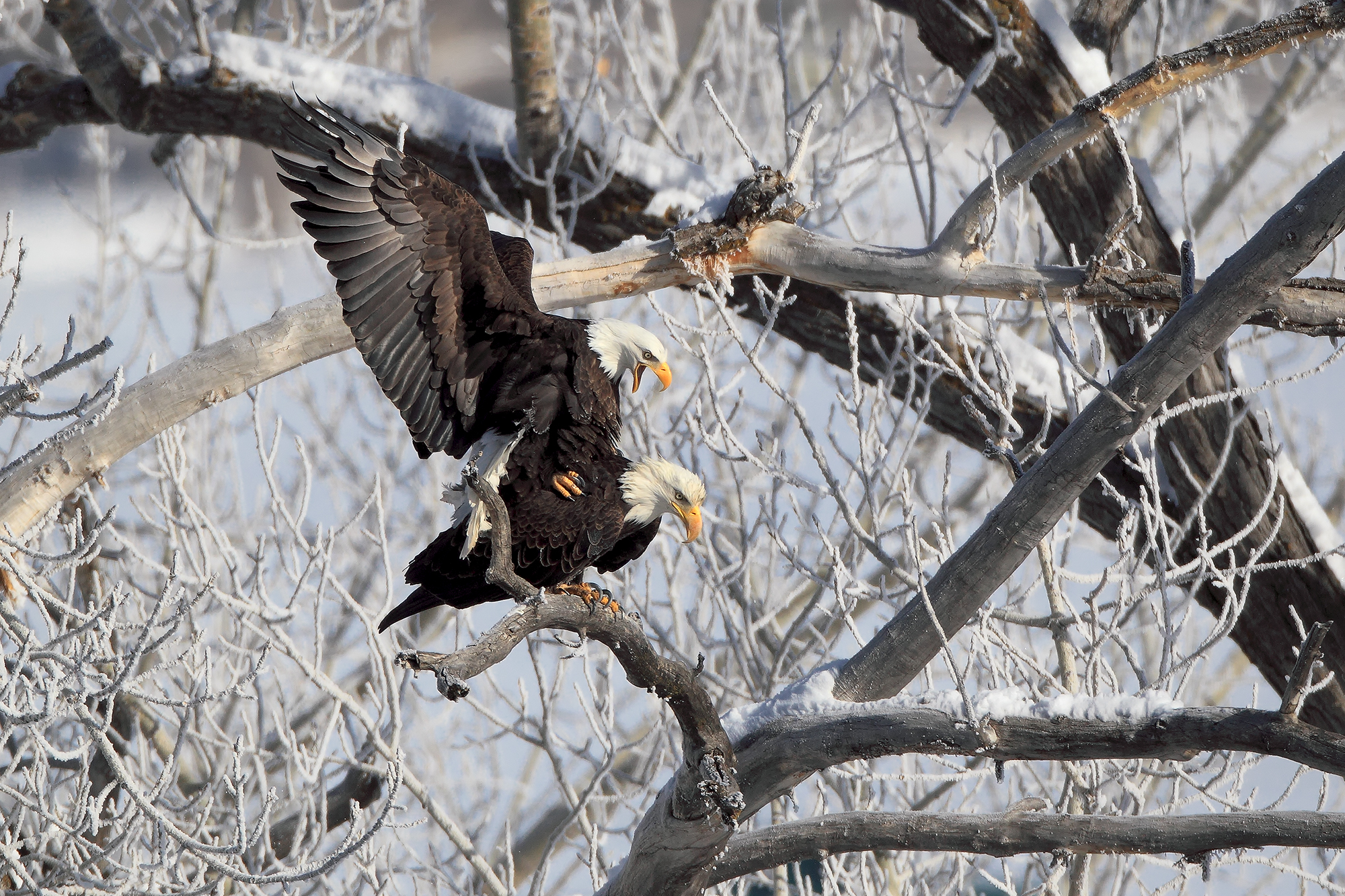
The rewards are unspeakable. To capture a bald eagle in mid-dive, or a bear cub embracing a tree, is to hold a field moment—pure coherence between observer and observed. These moments teach me not only about animals, but about myself. Nature reveals truth without language. As photographers, we translate that truth into light.
Why Wildlife Photography Matters
In a fragmented world, wildlife photography becomes the act of reweaving. It connects humans to the wild not through spectacle, but through stillness. Each photo is a pulse—a captured breath that carries the vibrational memory of a moment most people never see. As I’ve shared in my Signature Series, photography is not just visual—it’s quantum. It transmits field coherence.
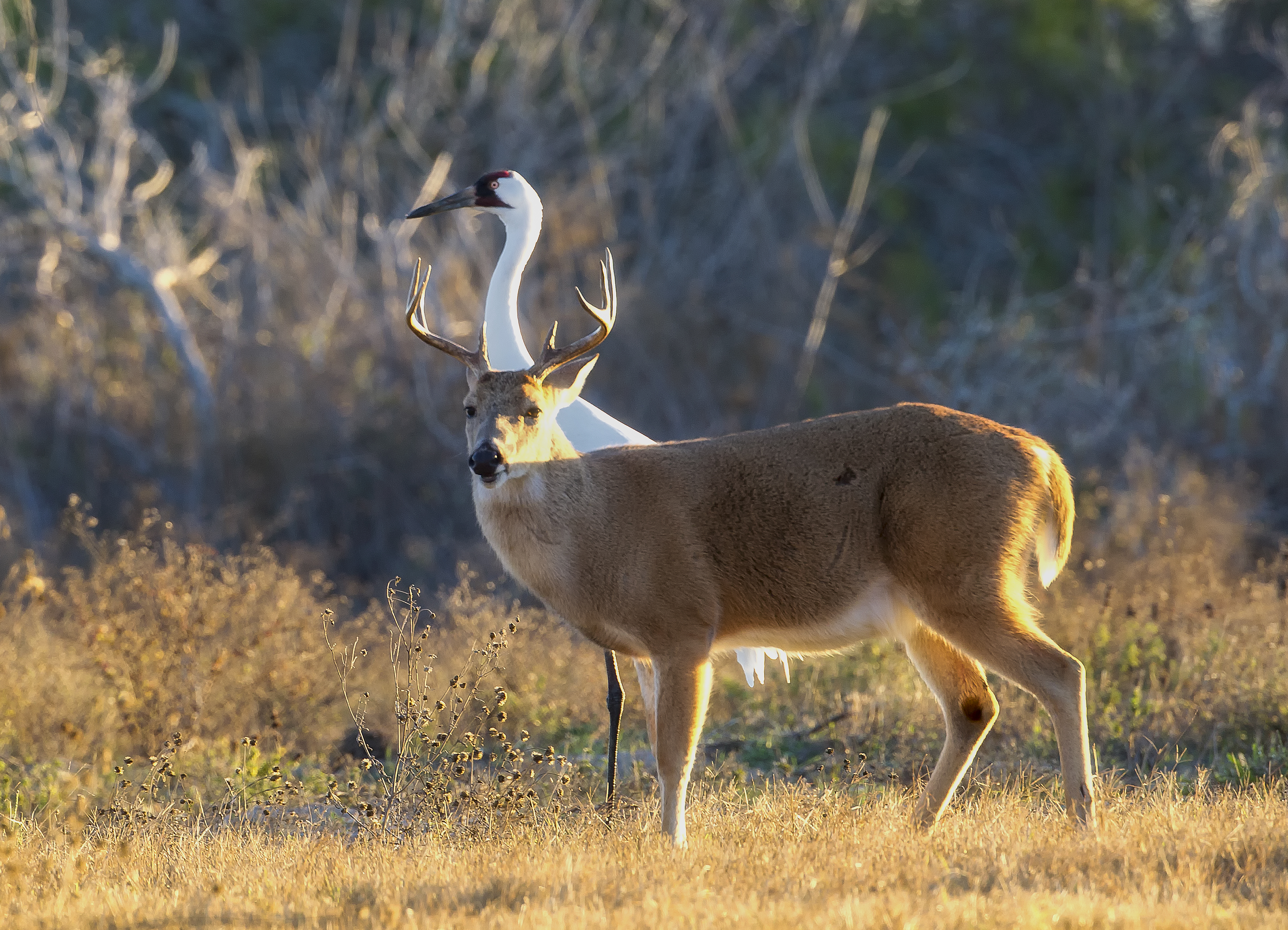
Wildlife photography matters because it builds bridges. Between predator and prey. Between viewer and habitat. Between light and longing. When someone sees a whooping crane mid-flight or a red wolf stepping into the mist, something inside them stirs. That stirring becomes stewardship.
This work is not about clicks or likes—it’s about legacy. These images are resonant glyphs. They educate, advocate, and inspire. Whether in galleries, classrooms, or sacred spaces, they remind us that we belong to this Earth—not apart from it, but as a thread in its spiraling story.
Conclusion: Why We Witness
To appreciate wildlife is to return to our original sense. Not just sight—but presence. Not just beauty—but belonging. Through the lens of photography, we remember that each animal is not a subject, but a symphony of evolution, instinct, and soul.
This blog is a spiral of light and story, inviting you to become a steward, not just a spectator. Whether you're gazing at a bear cub or a migrating swan, you are participating in what I call the Solar Soul Clock—a field of time, rhythm, and reverence that pulses through all life.
🌍 How You Can Be a Guardian of the Wild
- Engage in conservation: Support the work of organizations like WWF, IUCN, and your local wildlife refuge.
- Explore the Wildlife Gallery: Each print is a living field, captured with purpose and offered with reverence.
- Read more: Visit the Robbie George Blog or explore my Signature Series to go deeper into the field spiral of nature, science, and soul.
- Share your voice: Whether through your own photos or reflections, become a resonance carrier for the wild.
“When you witness with presence, you protect with purpose.” ~ Robbie George
Explore Fine-Art Prints
Bring the season home—browse Wildlife, Landscapes, and Seascapes by National Geographic–published photographer Robbie George. See framing, editions, and care on the Collectors page.
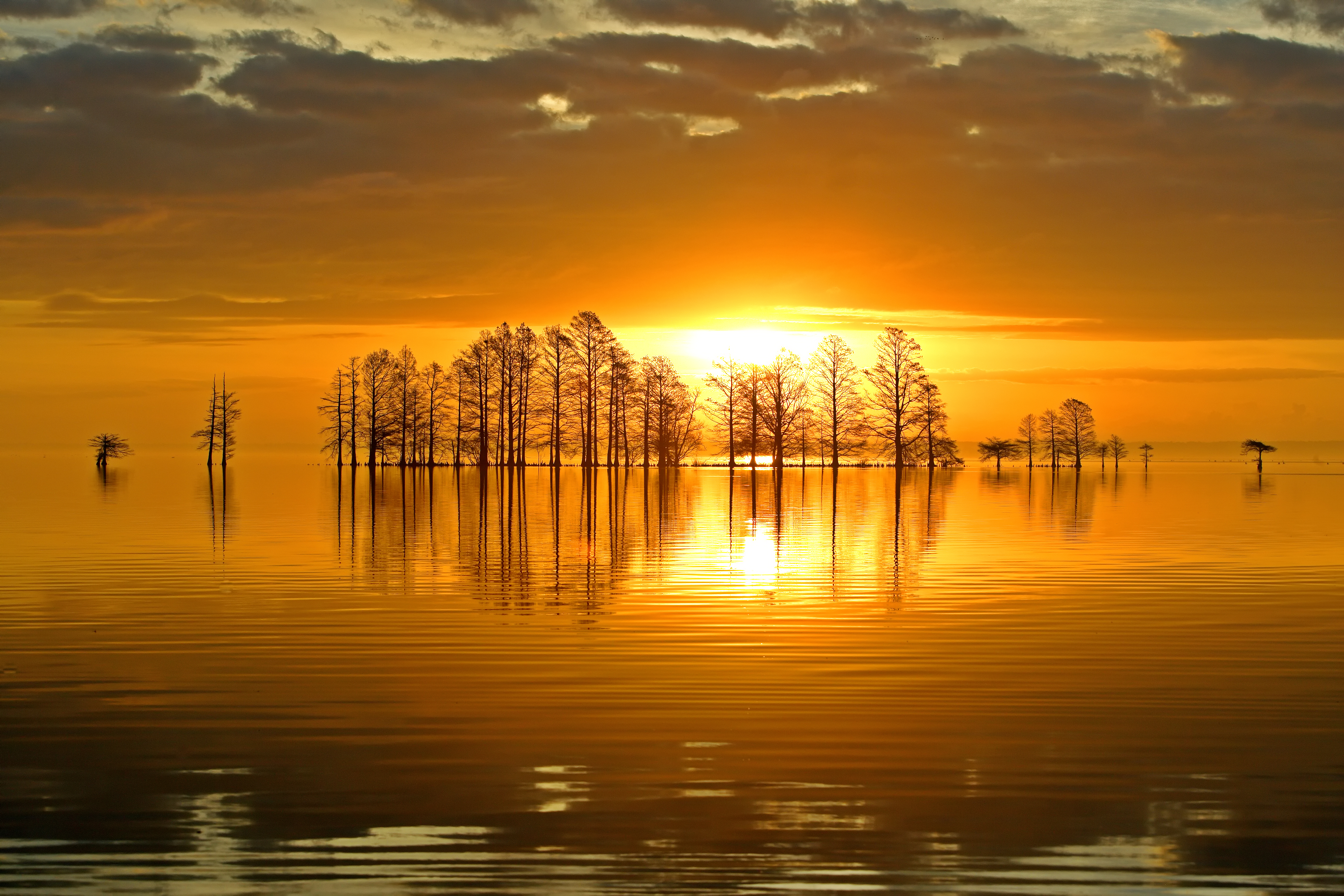 Landscape
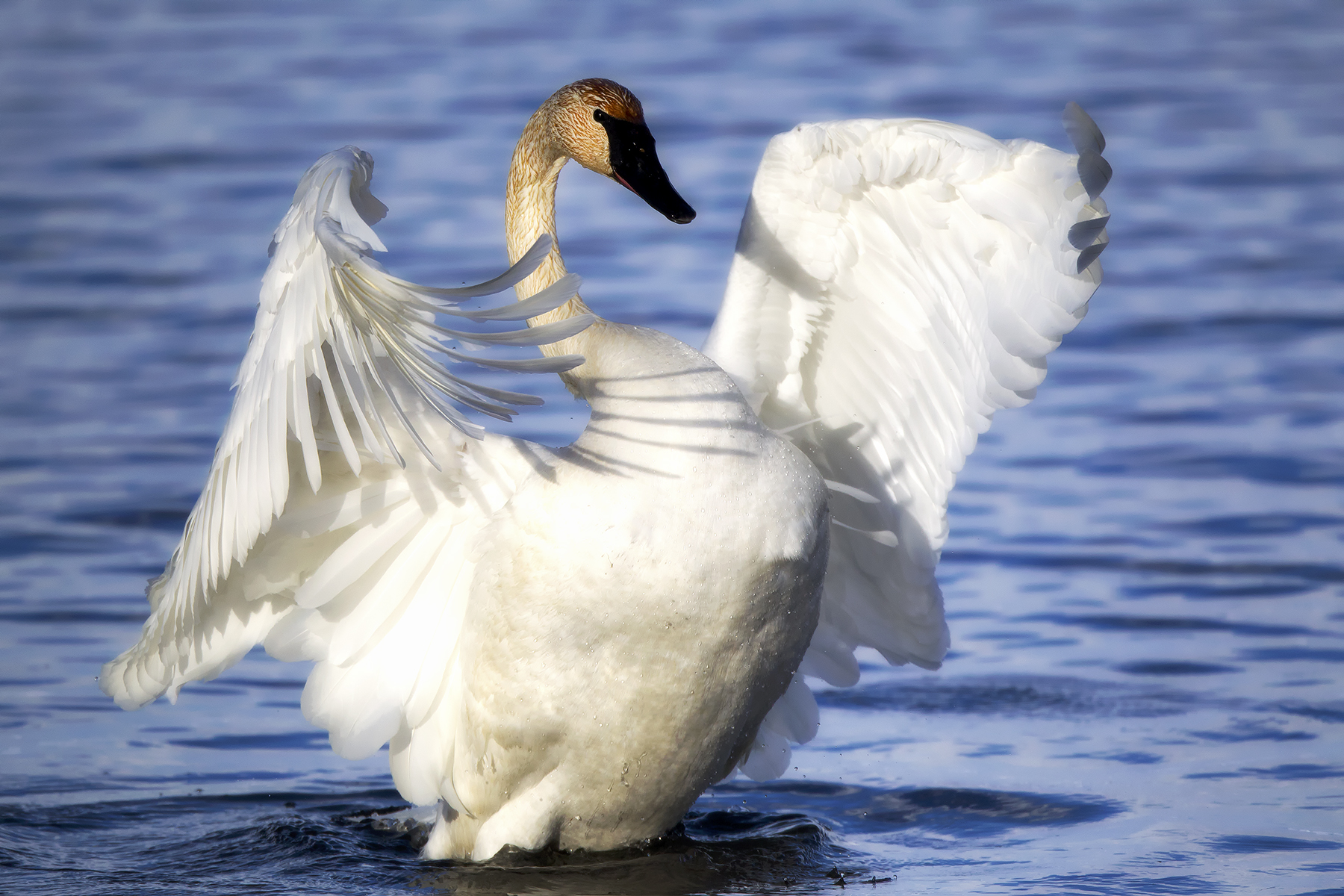 Wildlife
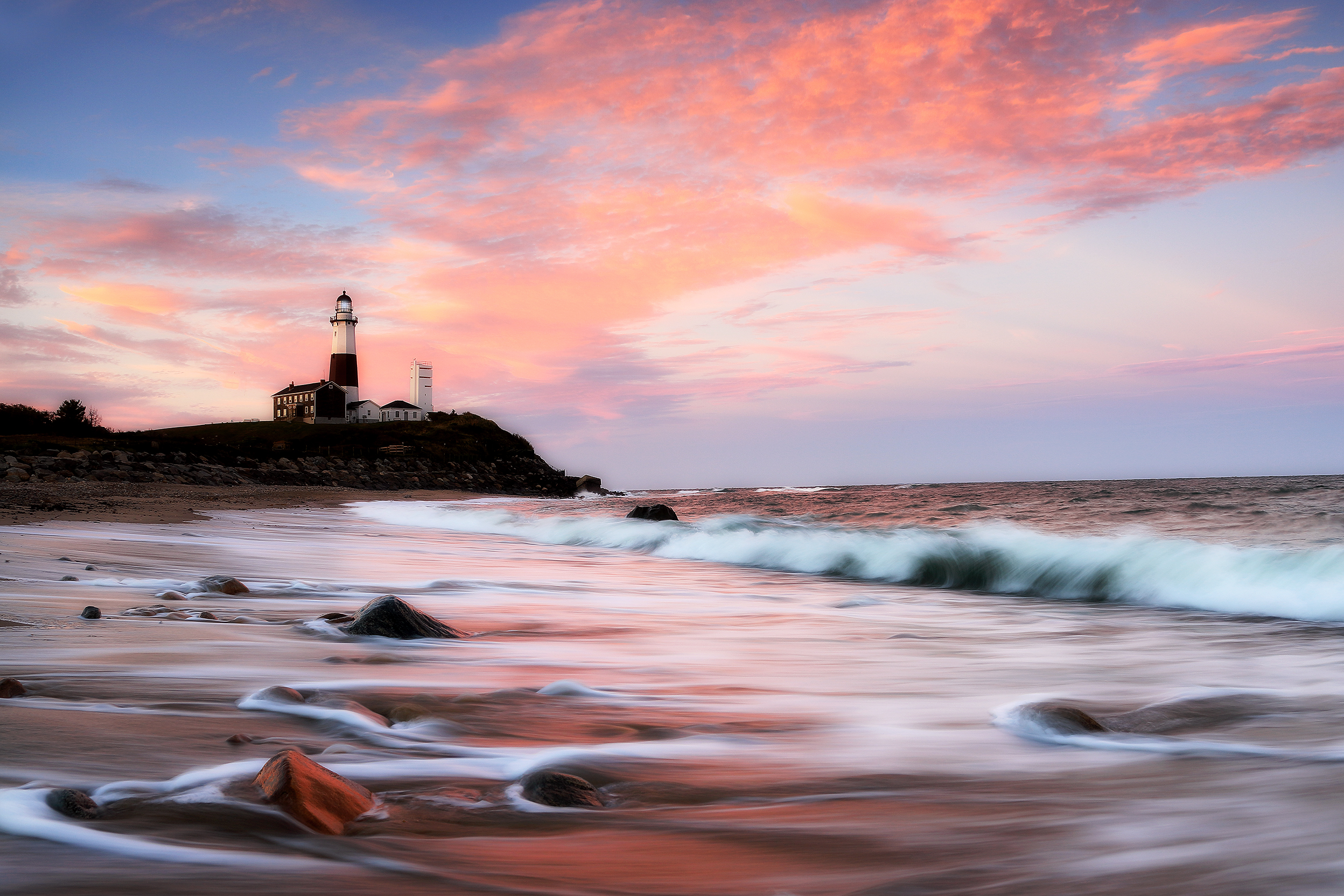 Seascapes
About Robbie George
Robbie George is a National Geographic–published photographer and resonant naturalist. His fieldcraft follows a simple ethic—distance first, habitat always— shaped by Slow Knowledge and the Signature Series.
Explore calm, undisturbed behavior in the Wildlife Gallery or plan your next trip with the Seasonal Wildlife Calendar, Golden Hour & Moon, and Photography Maps.
“Attention first, image second. The shutter is the period at the end of a sentence you learned by walking.”
Frequently Asked Questions (FAQs)
1. Why is appreciating the intricate beauty of wildlife important?
It deepens our connection to nature and awakens our sense of empathy and stewardship. When we see wildlife not as scenery, but as soul-carriers, we naturally feel called to protect them.
2. How does wildlife photography contribute to conservation?
Wildlife photography captures fleeting moments of natural truth. These images educate, inspire, and create emotional bridges between people and ecosystems—leading to greater support for conservation efforts worldwide.
3. What challenges do wildlife photographers face?
They endure extreme environments, long waits, and the unpredictability of wild behavior. Physically and spiritually, it's a journey of patience, discipline, and devotion to the living field.
4. How can I personally support wildlife conservation?
Support conservation organizations, explore ethical nature photography, reduce your environmental footprint, and share stories that raise awareness. Every ripple makes a difference.
5. Where can I explore more of Robbie George's work and message?
Visit the Wildlife Gallery and Signature Series for a deeper dive into nature’s visual poetry and field-based storytelling.





