


Black Bear | Species Overview, Habitat, Diet, Behavior & More
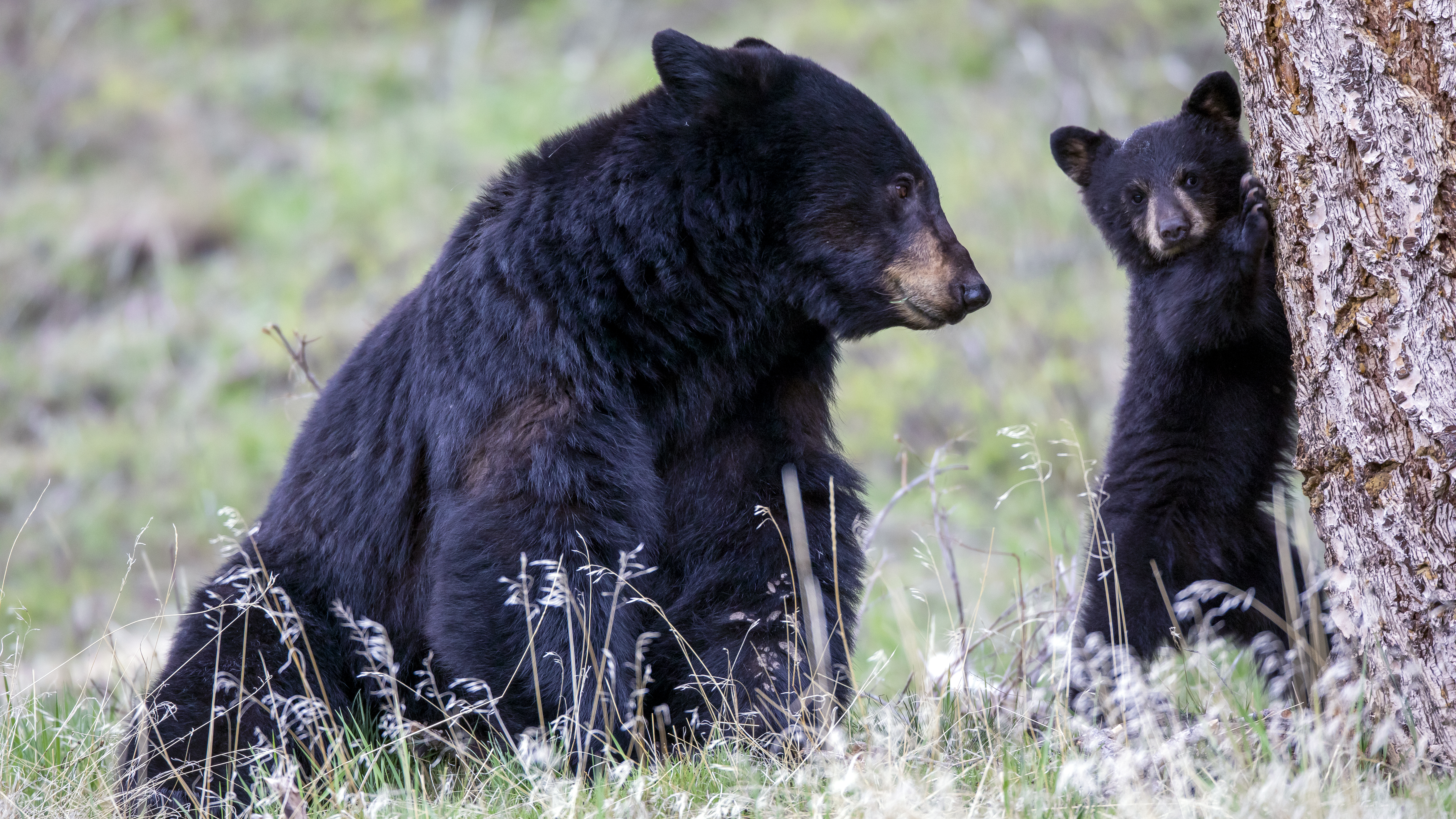
The Black Bear in the Field
When I photograph black bears, I’m not just watching the bear—I’m watching the forest respond to it. The way it moves, what it chooses to feed on, how it reacts to sound or scent—all of it reflects what’s happening in the surrounding ecosystem.
Black bears are highly adaptable, but they are not random. Their behavior is tied directly to food cycles, seasonal timing, and habitat structure. In spring they move differently than in fall. Near human edges they behave differently than in deep forest. Everything about them is context-driven, which is why they connect so strongly to broader systems of behavior and ecology.
This is where the black bear fits into the larger picture—connecting ecosystems, conservation, and seasonal cycles across North America. Their presence tells you something about the land itself—whether it is still functioning, still producing, still alive.
“The black bear doesn’t just live in the forest—it reveals how the forest is working.” — Robbie George
On This Page
Explore the American black bear through field behavior, habitat use, diet, life cycle, conservation, seasonal rhythms, and its larger connection to the Naturepedia system.
Continue exploring the larger system through mammals of North America, behavior & ecology, ecosystems, conservation, and the seasonal wildlife calendar.
Core Behavior: Solitary Movement, Awareness, and Adaptation
Black bears are usually solitary, but solitary does not mean disconnected. In the field, what stands out is how tuned in they are—to scent, sound, food, pressure, and the structure of the land around them. They move with caution, but not with hesitation. Every step feels informed by memory and awareness.
Their behavior changes constantly with context. A bear feeding in a berry patch behaves differently than one moving through thick timber or crossing a meadow edge at dusk. Near human activity, they often become more nocturnal and more cautious. In remote habitat, they may stay active longer during daylight. This is where black bears open naturally into broader patterns of wildlife behavior and ecology.
Communication is subtle but important. Black bears use scent marking, tree rubbing, scratching, and body language to signal presence and avoid direct conflict. Much of their social structure is built not through constant contact, but through reading signs left in the landscape. Even when you only see one bear, you are often seeing part of a larger network of territory, memory, and seasonal movement.
What makes black bears so successful is not aggression or size alone—it is flexibility. They can climb, forage, shift activity patterns, and respond quickly to changing conditions. The more time I spend around them, the more I see a species shaped not by force, but by highly refined adaptation.
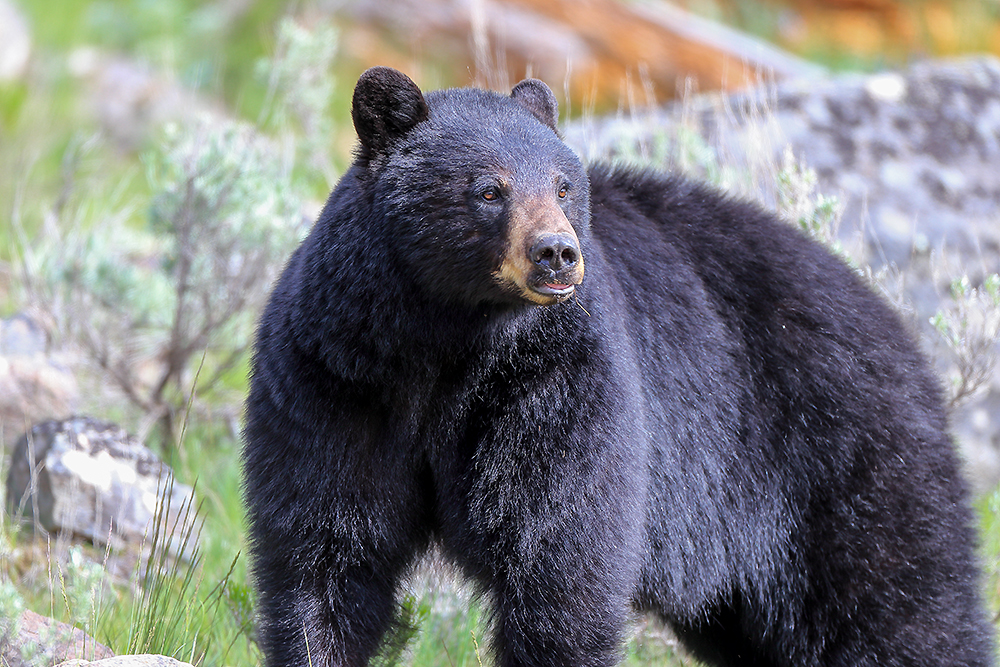
Habitat: Forest Systems, Edges, and Adaptive Range
Black bears are strongly tied to forest systems, but what I see in the field is that they rarely stay deep inside one type of environment. They move between dense woods, riparian corridors, and open feeding areas—using each part of the landscape at different times. Their habitat is not a single place. It is a network of connected spaces.
Dense forest provides cover, denning sites, and safety. Open edges—where forest meets meadow, water, or disturbed ground—provide food. These edge zones are some of the most important parts of black bear habitat, where visibility and food availability come together. This structure aligns directly with broader concepts in habitat zones and ecosystem structure.
One of the defining traits of black bears is their adaptability. They can occupy remote wilderness areas as well as landscapes influenced by human development. But even in those altered environments, the same pattern holds—they rely on a mix of cover and food, moving through the system rather than staying fixed in one place.
When habitat becomes fragmented or simplified, that movement breaks down. When forests, edges, and food sources remain connected, black bears thrive. Their presence is one of the clearest indicators that a landscape still supports layered, functioning ecosystems.
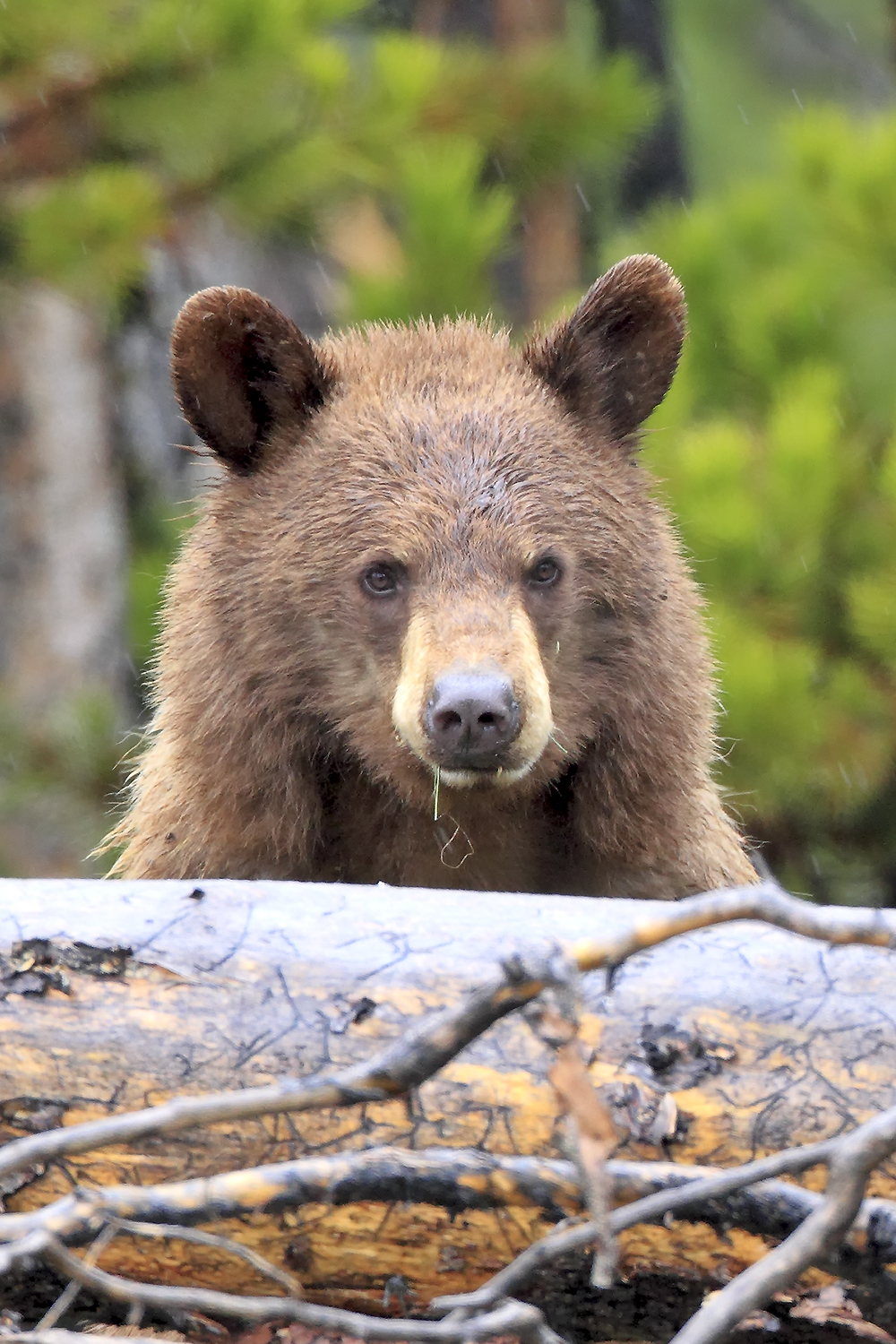
Diet: Omnivorous Feeding and Seasonal Strategy
Black bears are opportunistic omnivores, and their diet shifts constantly with the season. In the field, I’ve watched them move from grasses and shoots in spring to berries and insects in summer, then to acorns and nuts in fall. What they eat is directly tied to what the land is producing at that moment.
Their feeding behavior is deliberate and efficient. They graze, dig, turn over logs, and climb trees—all methods that allow them to access different layers of the ecosystem. This connects directly to broader patterns in food webs and ecological relationships, where energy flows through multiple sources rather than a single food chain.
One of the most important periods is fall, when bears enter hyperphagia—a phase of intense feeding. During this time, they can eat up to 20 hours a day, consuming massive amounts of calories to build fat reserves for winter. This seasonal behavior aligns closely with the rhythms of nature’s seasonal cycles.
Because of this flexible diet, black bears play multiple ecological roles. They disperse seeds, regulate insect populations, and recycle nutrients. Their feeding patterns don’t just support their survival—they actively shape the ecosystems they live in.
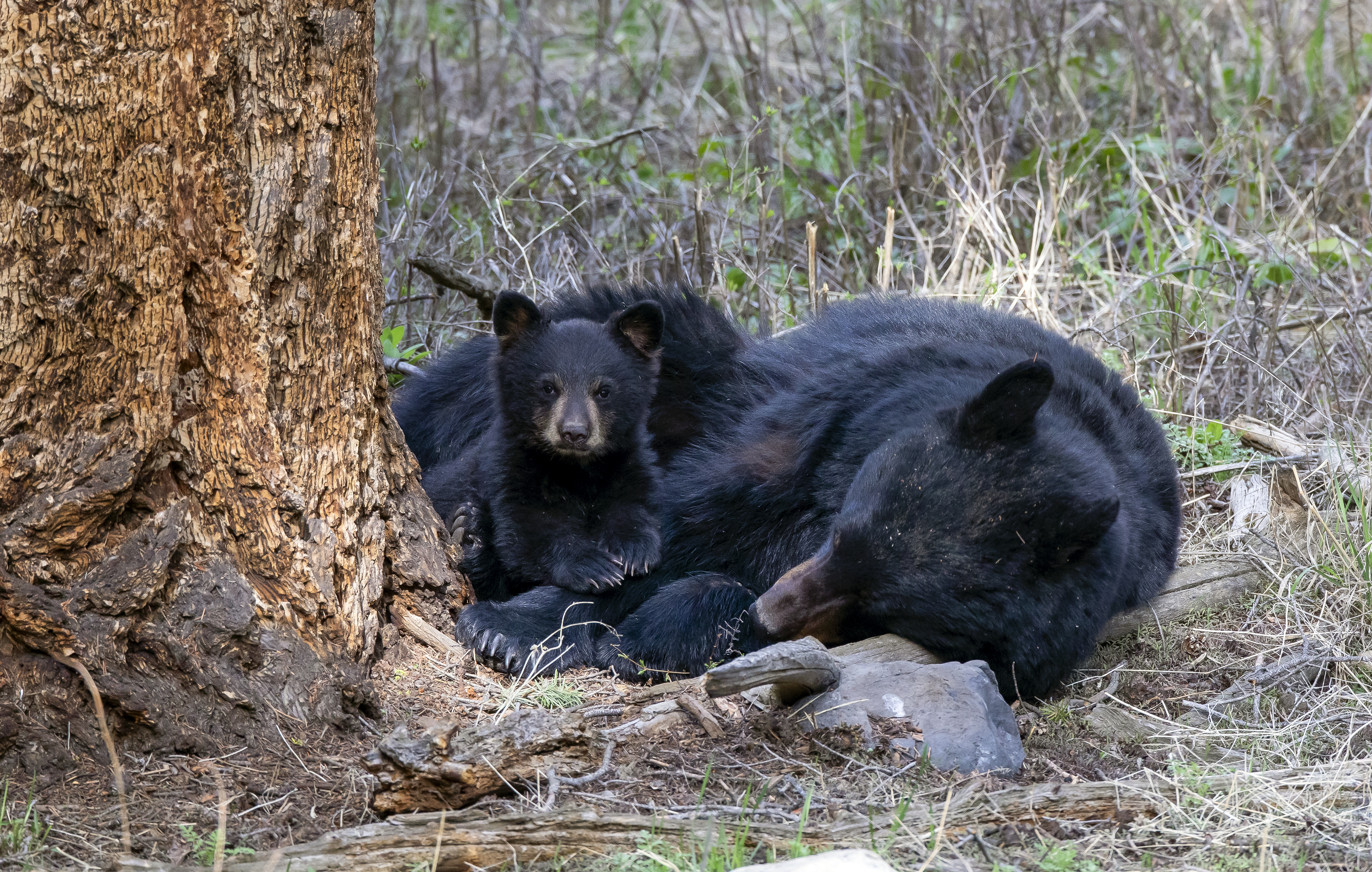
Life Cycle: Cubs, Learning, and Seasonal Timing
The life cycle of a black bear is closely tied to the seasons. One of the most unique aspects is delayed implantation—mating occurs in summer, but development pauses until fall, ensuring cubs are born during winter denning when conditions are stable.
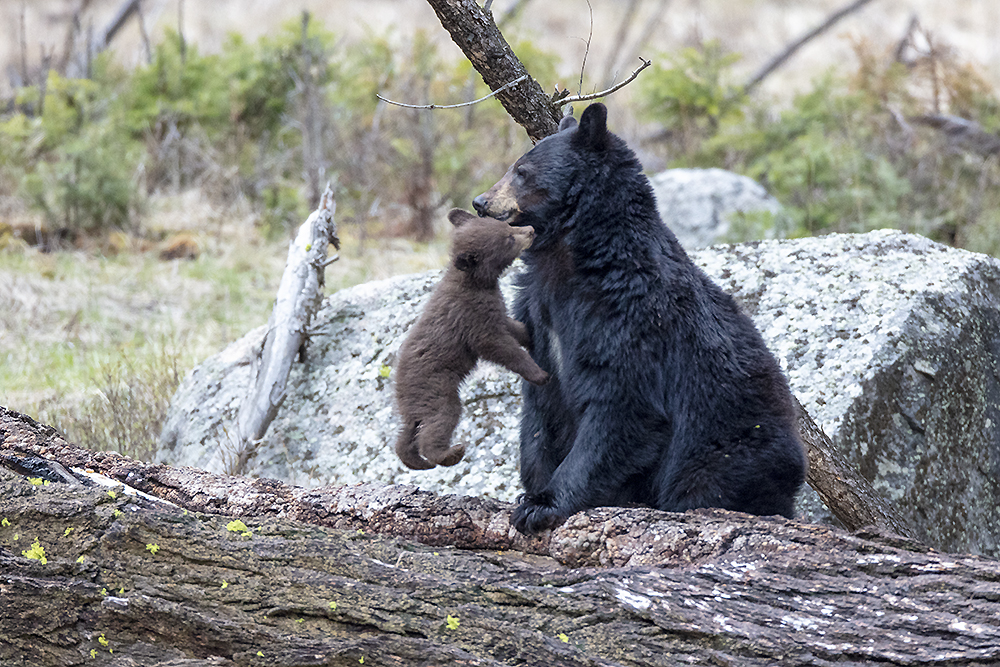
Cubs are born in the den, small and completely dependent. When they emerge in spring, they enter a world that requires constant learning. I’ve watched cubs climb, play, and follow their mother closely—every movement teaching them how to forage, avoid danger, and move through the landscape.
The bond between mother and cub is one of the strongest I see in wildlife. For up to 18 months, cubs stay with their mother, learning not just survival skills, but how to read the forest—what to eat, where to go, and how to respond to changing conditions. This reflects broader principles of adaptation and survival.
By their second year, young bears begin to move independently, entering the same system of seasonal feeding, territory, and adaptation that defines adult life. The entire cycle—from den to independence—is shaped by timing, habitat quality, and the rhythm of the land itself.
Behavior: Communication, Territory, and Hidden Social Structure
Even though black bears are solitary most of the time, they are not isolated from one another. What I see in the field is a form of indirect communication—bears interacting through scent, markings, and memory rather than constant physical contact. Trees scratched or rubbed smooth by repeated use become part of a larger communication system across the landscape.
Territory is fluid rather than fixed. Home ranges often overlap, especially between males and females, but spacing is maintained through awareness and avoidance. This reduces conflict and allows multiple bears to use the same general area at different times. These patterns align with broader principles in behavioral ecology, where movement and timing help regulate interaction.
Body language is also critical. A bear standing upright is often assessing scent, not showing aggression. A huff, jaw pop, or bluff charge can signal discomfort rather than attack. Understanding these cues is key—not just for safety, but for recognizing how bears manage conflict without constant escalation.
What emerges over time is a system built on awareness, spacing, and communication. Black bears may move alone, but they are still connected—through scent trails, seasonal overlap, and shared use of the landscape. Their behavior reflects a balance between independence and interaction that keeps the system stable.
Conservation: Coexistence, Pressure, and Landscape Health
Black bears are one of North America’s most successful large mammals, but that success depends on something deeper than numbers—it depends on landscape health. In the field, where forests remain connected and food sources are stable, bears function naturally within the system. Where those connections break down, behavior changes quickly.
Habitat fragmentation is one of the biggest pressures. As forests are divided by roads, development, and human expansion, bears are forced into smaller, disconnected areas. This increases competition, reduces food access, and raises the likelihood of human-bear encounters. These patterns tie directly into conservation and habitat management.
Human interaction is another major factor. When bears gain access to food sources like garbage or unsecured supplies, their behavior shifts. What starts as opportunity can lead to conflict, and in many cases, the bear pays the cost. This is why education—how we store food, manage waste, and move through bear habitat—is one of the most effective conservation tools.
What I see over and over is this: when ecosystems remain intact, black bears require very little intervention. They regulate themselves through movement, seasonal patterns, and food availability. Conservation, in this case, is not about controlling the species—it’s about protecting the system that allows it to function naturally.
Seasonal Patterns: Movement, Feeding Cycles, and Hibernation
Black bears do not migrate long distances, but their lives are deeply shaped by seasonal change. In the field, what I see is constant adjustment—movement tied to food availability, temperature, and daylight. Their behavior shifts dramatically across the year, even within the same territory.
In spring, bears emerge from their dens and begin feeding on early vegetation, grasses, and insects. This is a recovery phase, where energy is rebuilt after months of dormancy. As summer arrives, their range expands to follow berries and other seasonal food sources, often moving across larger areas.
Fall is the most critical period. During hyperphagia, black bears enter a state of intense feeding, consuming large amounts of food to build fat reserves for winter. Their movement becomes highly focused on calorie-rich sources like acorns and nuts. This aligns directly with patterns in the seasonal wildlife calendar.
Winter brings a complete shift. Bears enter a state of hibernation, reducing metabolic activity while relying on stored fat. This seasonal cycle—from emergence to peak feeding to dormancy—connects black bears directly to the rhythm of the land. They do not leave the system—they move through it in phases.
Naturepedia Connection — Understanding the Black Bear in the Larger System
The black bear is not just a species moving through the forest—it is part of how the forest functions. In the field, it connects plant cycles, insect populations, seed dispersal, soil turnover, and seasonal rhythms into one visible pattern. Its behavior reflects the health of the landscape around it.
That is why I connect the black bear beyond a single page. It belongs within the larger mammal layer, but also opens into behavior and ecology, ecosystem structure, conservation, and seasonal patterns.
Black bears also reveal how energy moves through an ecosystem. What they eat, where they travel, and how they prepare for winter all reflect the availability of resources across the landscape. Their presence often signals that multiple systems—forest, water, food, and seasonal cycles—are still working together.
This is how I’ve built the site: species connected to habitat, habitat connected to behavior, and all of it connected to a larger ecological intelligence. To explore deeper, continue into the Naturepedia Wildlife Knowledge System, where each species becomes part of a connected whole.
Frequently Asked Questions — American Black Bear
Where do black bears live?
American black bears live throughout North America, from Canada and Alaska to parts of Mexico. They primarily inhabit forests, mountains, wetlands, and edge habitats where cover and food are both available.
What do black bears eat?
Black bears are omnivores. Their diet includes berries, nuts, grasses, insects, and occasionally small animals or carrion. Their food sources change seasonally based on what the ecosystem provides.
Are black bears dangerous to humans?
Black bears are generally shy and avoid people. Most conflicts occur when bears are attracted to human food sources or feel threatened. Understanding bear behavior and practicing proper food storage helps reduce risk.
Do black bears hibernate?
Yes. Black bears enter a state of hibernation during winter, reducing their metabolism and surviving on stored fat. They do not eat, drink, or eliminate waste during this period.
How big do black bears get?
Adult males typically weigh between 200–600 pounds, while females range from 100–400 pounds. Size varies depending on region, diet, and habitat conditions.
What role do black bears play in ecosystems?
Black bears help disperse seeds, regulate insect populations, and recycle nutrients. Their foraging behavior supports forest regeneration and overall ecosystem balance.
How can people help black bear conservation?
Protecting habitat, securing food sources, reducing human-bear conflicts, and supporting conservation efforts all help ensure that black bears continue to thrive in North America.
About Robbie George
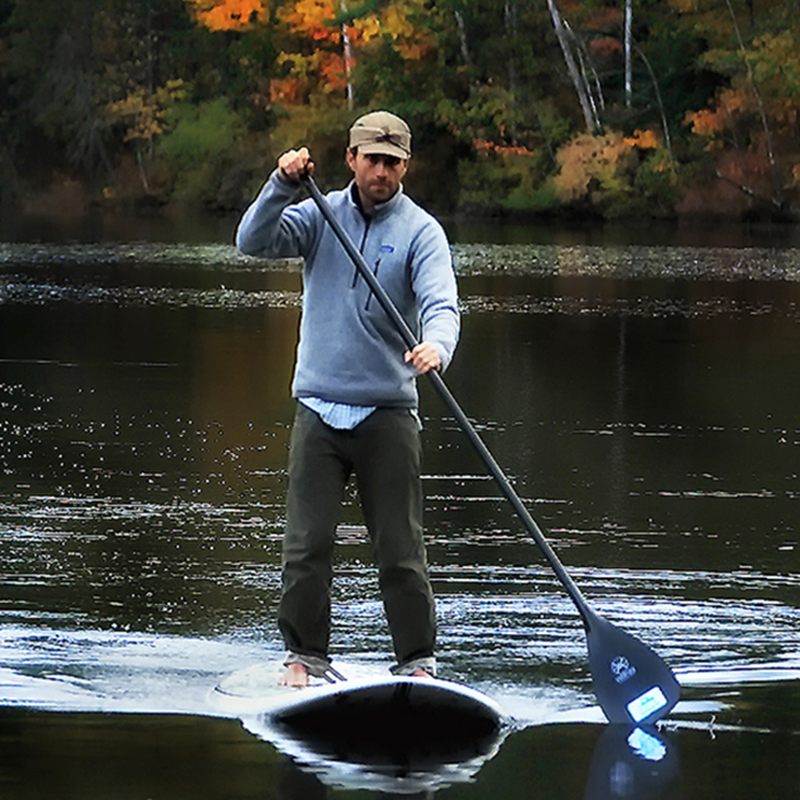
I’m Robbie George, a National Geographic–published wildlife photographer. My work is built through repeated time in the field—returning to landscapes across seasons to understand how animals move, feed, adapt, and belong within the systems around them.
Black bears are one of the species that have taught me the most about rhythm. To photograph them well, you have to understand the landscape they’re reading—food cycles, forest edges, denning cover, and the constant tension between wild habitat and human presence. That same perspective shapes how I build the broader Naturepedia Wildlife Knowledge System.
You can explore more field-based work in the Wildlife Gallery, or plan your own time in the field using tools like the Seasonal Wildlife Calendar and Photography Maps.
“The black bear teaches you that survival is rarely loud. Most of it happens in timing, attention, and knowing when to move.”





