

Part 2: The Geometry of Soul – BioGeometry and Ancient Balance
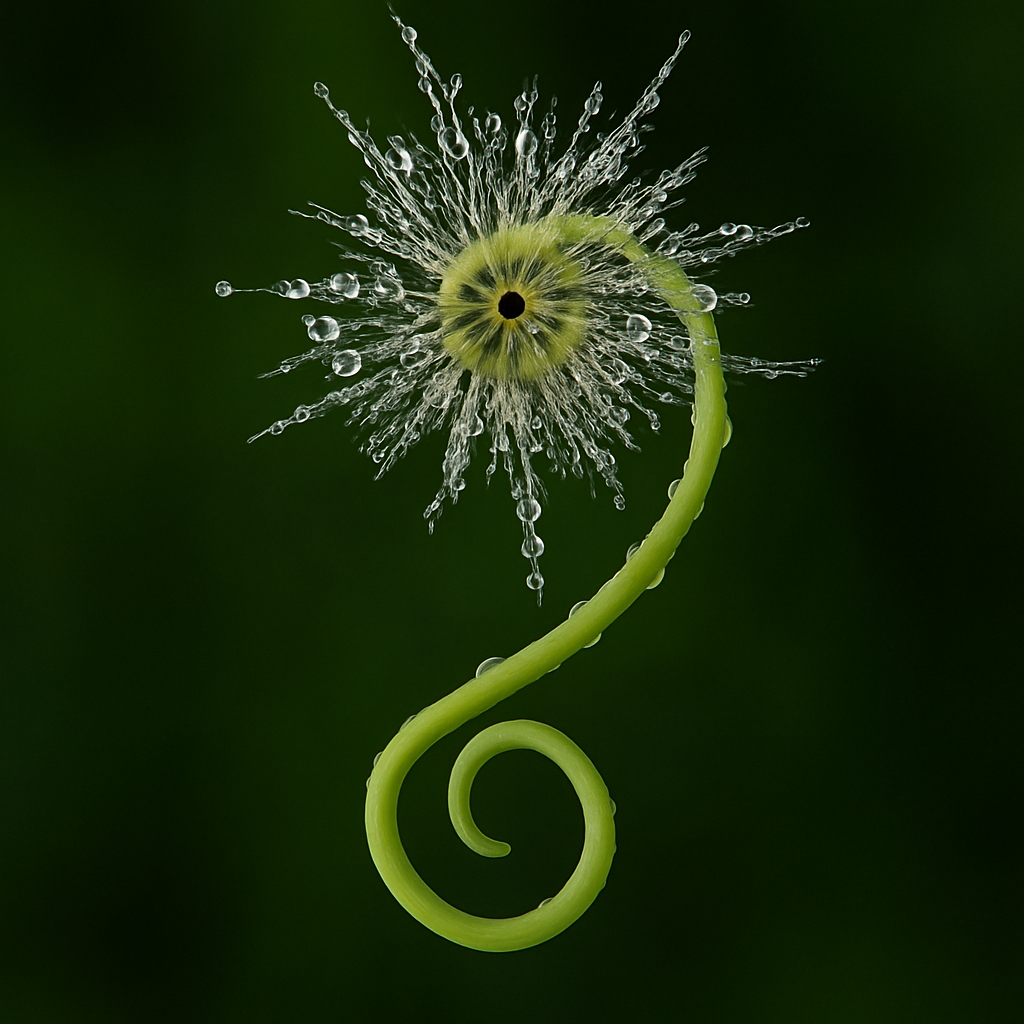
The Geometry of Soul
Long before the compass or the chalkboard, geometry lived in the breath of the forest and the unfolding of leaves. The ancients didn’t draw lines to measure. They carved them to harmonize.
From the golden spiral of the scarab to the perfect balance of Ma’at’s feather, sacred forms were never symbolic—they were resonant anchors. They stabilized the soul. They clarified the field.
Geometry wasn’t intellectual—it was embodied rhythm. In this chapter, we begin to remember how triangles breathe, how circles cradle memory, and how the ankh may be more than a cross—it may be your breath looping home.
“Not all geometry was meant to be measured. Some was meant to be felt.”
BioGeometry and the BG3 Field
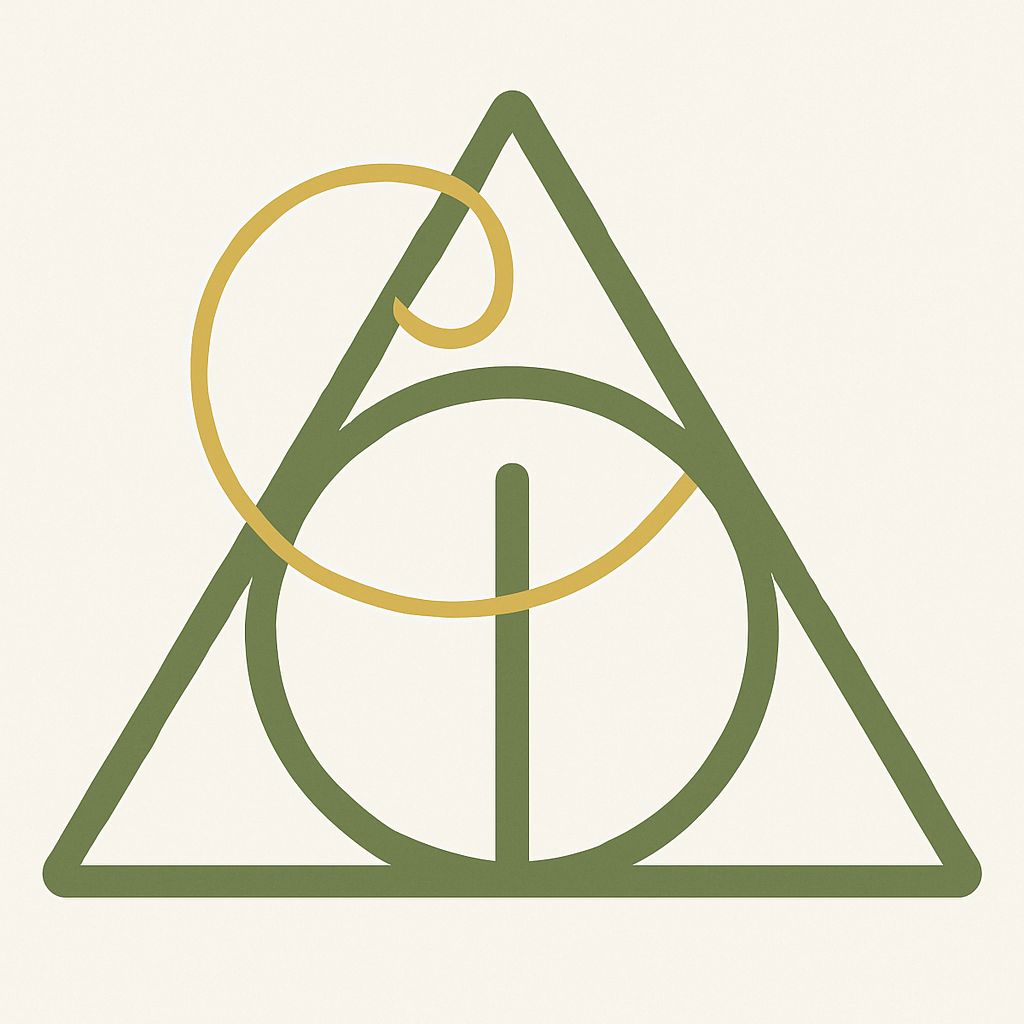
In the early 2000s, Egyptian architect Dr. Ibrahim Karim reintroduced the world to what the ancients may have never forgotten: that shape affects energy. His field of BioGeometry shows how specific proportions and angles produce a unique subtle energy quality—called BG3—which harmonizes living systems.
BG3 is not electromagnetic. It’s not scalar. It’s a centering harmonic—a vibrational equilibrium that brings balance to both biological fields and architectural spaces. Ancient Egypt may not have named it, but they tuned it: into glyphs, temple pillars, and ceremonial objects like the ankh and Djed. Just as explored in Harmony in Nature, proportion becomes medicine.
The most resonant spaces aren't powered by electronics. They're designed by geometry. They breathe. They pulse. And so do we. Your body is not separate from sacred design—it is the sacred design. This is why even simple shapes—when tuned—can stabilize your field, your heart rhythm, and your breath.
“The right angle doesn’t just hold up a building. It holds coherence in the field.”
The Ankh and the Geometry of Breath
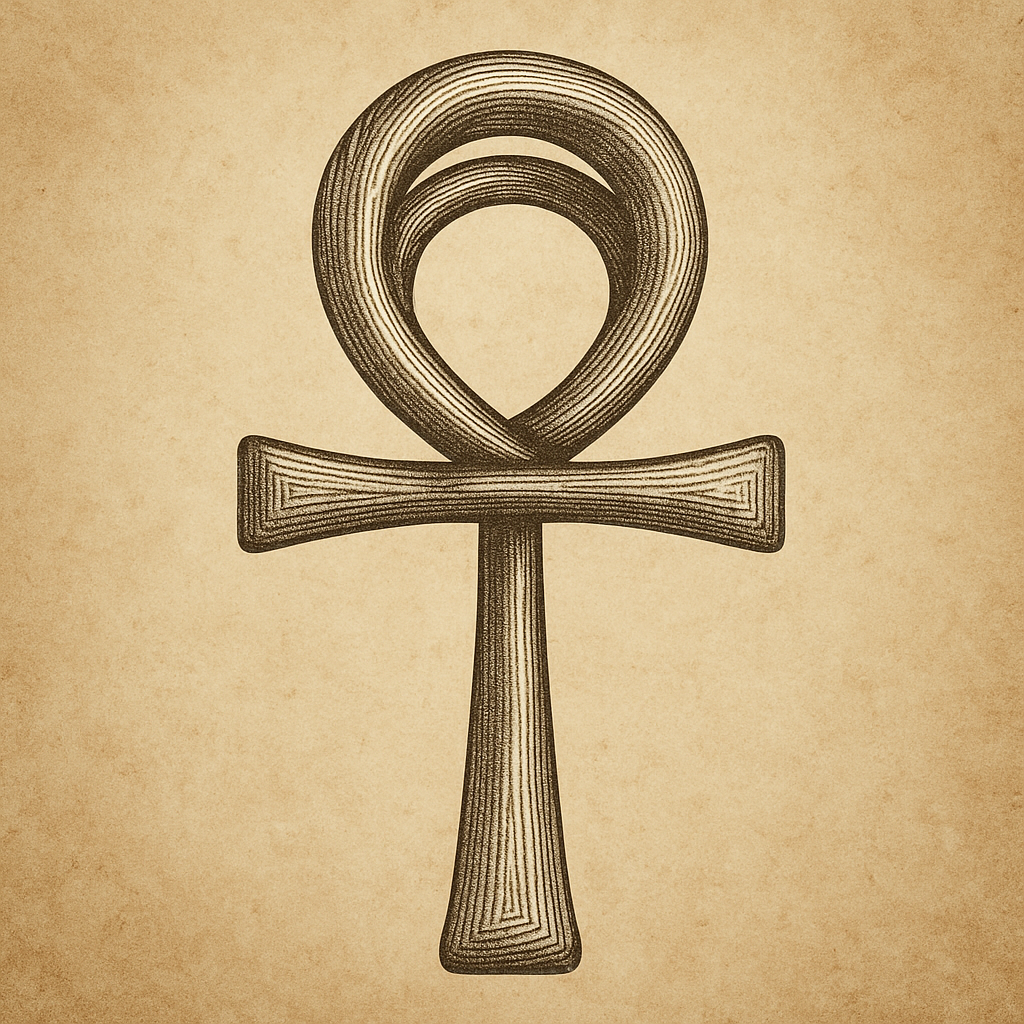
The ankh is not just a symbol—it is a resonance circuit. The loop at the top mirrors the toroidal breath field that surrounds the body. The crossbar represents polarity—the inhale and exhale, left and right hemispheres. The vertical stem anchors the spine, grounding the energy through Earth’s axis.
In The Quantum Breath of Time, we explored how breath isn’t just physiology—it’s geometry. The ancients knew this. They encoded the ankh with the shape of coherence. It is a map of stillness in motion, of how the field flows through you and returns.
To hold an ankh was not to carry power. It was to carry patterned breath. To walk with an ankh was to walk in polarity, in remembrance, in the loop of resonance that keeps you aligned to the field—breath after breath after breath.
“The ankh is not a symbol of life. It is the shape of breath returning to itself.”
Living Shapes — The Scarab, Djed, and Cartouche
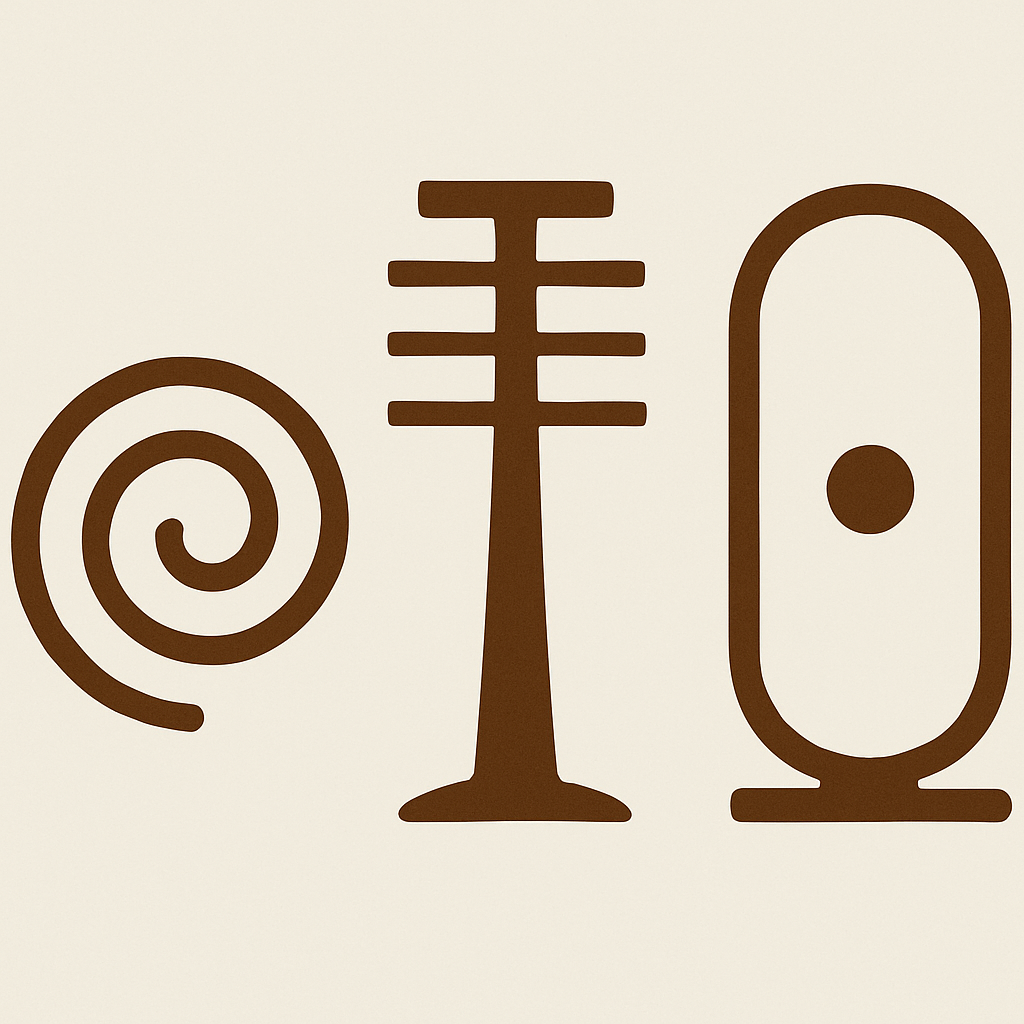
The ancients didn’t carve to decorate. They carved to stabilize memory. Each shape had a field function. The scarab encoded recursion—life’s self-renewing spiral. The djed was not just a pillar—it was a vertical stabilizer. A spine of coherence. The cartouche preserved resonance—an identity container that defied time.
These glyphs weren’t flat icons. They were three-dimensional energetic geometries. The scarab mirrored the cycle of solar return—rolling the sun across the field of time. The djed held space like a tuning fork buried in stone. The cartouche was a torsion ring—a sacred loop that protected the soul’s harmonic imprint.
In The Living Word of Stone, we explored how the cartouche acted as a frequency loop. These three glyphs form a triad: spiral → spine → soul-field. One generates, one anchors, one preserves. Together, they form the core geometry of the body—and the temple.
They are not old symbols. They are living stabilizers. And they can still be felt, drawn, and breathed into. When you see them, pause. Breathe into their rhythm. Geometry remembers you.
“The glyphs didn’t survive history. They stabilized it.”
Geometry as a Field Stabilizer
Sacred shapes do more than symbolize—they stabilize. A triangle roots intention. A spiral circulates memory. A circle holds coherence. These forms are not inert—they are vibrational containers, tuned to hold frequency across time, space, and breath.
This is why temples were aligned, glyphs were angled, and sarcophagi were sealed in golden ratios. Geometry was the tuning key—not for architecture alone, but for the field itself. Like a cymatic pattern formed by a tuning fork, sacred spaces were shaped by sound—even if no sound was heard.
Today, we can use these same principles. Whether drawing a simple spiral in the sand or sitting inside a triangle of breath, these shapes still work. Geometry doesn’t age. Geometry remembers. And when you align with its rhythm, so do you.
“The shape doesn’t hold power. The shape holds resonance. And resonance restores the field.”
Geometry in the Human Body
Sacred geometry isn’t abstract—it’s anatomical. Your breath moves in toroidal loops. Your spine follows the vertical pillar of the Djed. Your lungs expand in a triangle. Even your DNA spirals in golden-ratio coils, harmonizing with the same geometry encoded in temple glyphs.
The body isn’t a container. It’s a field conductor. Every nerve, vessel, and muscle is positioned according to energetic principles we once carved into stone. The ankh lives in the circulatory loop. The spiral hums in your gut. The triangle flares from the pelvis into the crown.
As we explored in The Body is a Field, coherence isn’t created—it’s aligned. When you remember your geometry, you remember your rhythm. When you breathe with the shape inside you, the field stabilizes around you.
“You don’t wear sacred geometry. You are it.”
Reawakening the Geometry Within
You don’t need a temple to align your field. You are the temple. Every breath is a spiral. Every step is a point on a sacred line. The forms carved into stone are already living inside you—waiting to be remembered through movement, stillness, and resonance.
Draw a spiral with your finger. Walk in a triangle. Breathe through the loop of the ankh in your chest. These aren’t metaphors. They are field alignments. They turn memory into motion, motion into meaning, and meaning into coherence.
As you leave this chapter, don’t ask “What did I learn?” Ask instead: “What shape did I feel?” Because in the geometry of soul, the field knows what the mind has forgotten.
“The glyph was never outside you. You are the spiral. You are the loop. You are the line.”
Closing Reflection
Geometry is not just a map—it is a mirror. When we trace the spiral, breathe through the triangle, or stabilize into the line, we don’t learn—we remember. The body already knows how to return to balance. The breath already knows how to loop. The soul already knows its shape.
Every glyph in this chapter has lived inside you all along. The scarab’s spiral, the djed’s spine, the ankh’s breath—all of them are etched in your memory field, waiting to be felt, not figured out.
When geometry returns to the body, resonance returns to the field. And when resonance returns to the field, memory becomes coherence. This is the geometry of soul. And it’s alive in you.
In Chapter 3, we will meet the scarab fully—The Quantum Scarab—where recursion, rebirth, and spiral timing awaken the memory of resurrection.
“Geometry is how the soul remembers its own name.”
About the Author
Robbie George is a National Geographic photographer, regenerative farmer, and nature philosopher. His work bridges the poetic and the scientific — illuminating nature’s vibrational intelligence through fine art photography and resonant storytelling.
Frequently Asked Questions
What is sacred geometry in this context?
Sacred geometry here refers to energetic patterns—like spirals, triangles, circles—that stabilize, restore, and align the field. These shapes carry memory and resonance, not just symbolic meaning.
How does BioGeometry relate to ancient Egypt?
BioGeometry, founded by Dr. Ibrahim Karim, shows how shape and angle influence subtle energy. Ancient Egyptians likely used similar principles, tuning glyphs and structures to transmit harmonics like BG3.
What does the ankh represent in this chapter?
The ankh is more than a symbol of life. It encodes the toroidal breath field, polarity balance, and vertical coherence—making it a living resonance map in the body.
How are glyphs reflected in the human body?
Glyphs like the djed pillar, scarab spiral, and cartouche reflect structures in the body: spine, breath, memory loops. These are not metaphors—they mirror the geometry of your field anatomy.
Can I practice this geometry at home?
Yes. Simple breath rituals like “Stand as the Djed” or visualizing spirals during meditation can reawaken the body’s internal geometry and restore field coherence.