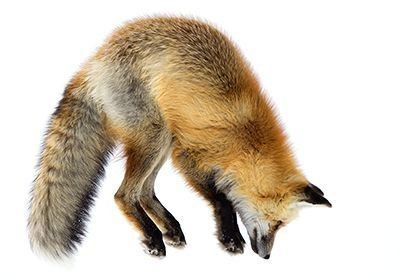

Coyote: Unveiling the American Song Dog
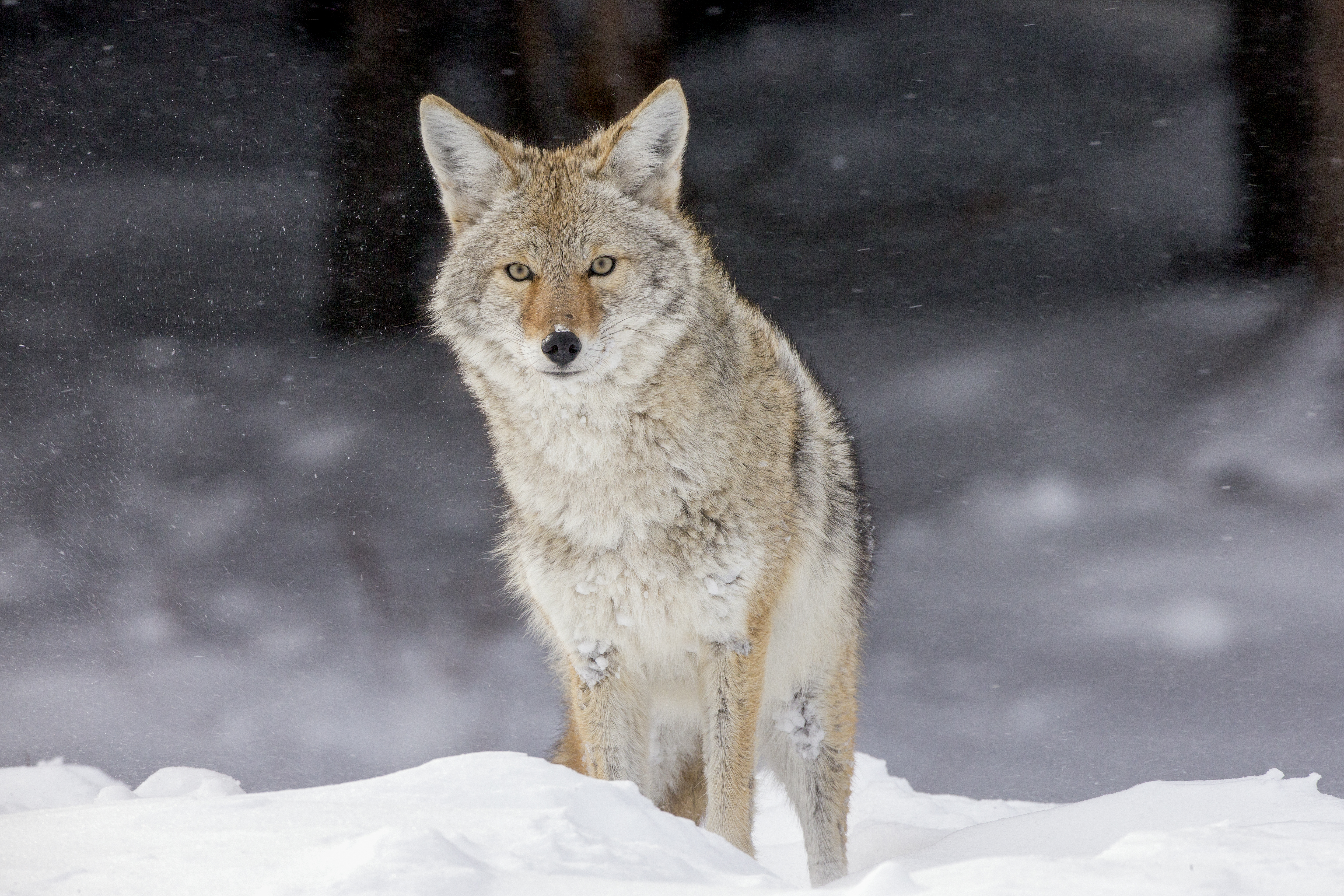
A Predator of Edges — Reading the Landscape Like a Coyote
Most of my encounters with coyotes happen at the edges—where one world meets another. Prairie meets timber. Snow meets exposed ground. Wild land meets human footprint. That’s where coyotes thrive.
They aren’t specialists like wolves or mountain lions. They’re generalists—problem solvers. I’ve watched them adjust their movement with wind direction, use terrain to stay hidden, and pause for long stretches just listening. That patience is what defines them.
In wildlife behavior and ecology, coyotes represent adaptive intelligence in motion. They shift patterns based on pressure, prey availability, and season—something you see clearly when you spend enough time in the field observing rather than chasing.
You’ll find them in open prairie systems, forest edges, agricultural land, and even urban corridors—each connected through larger ecosystems of North America. The coyote doesn’t belong to one place. It belongs to the transitions between them.
Jump to a Section
Explore coyote habitat, diet, behavior, seasonal patterns, conservation, and its place in the larger Naturepedia system.
Core Behavior — Intelligence, Adaptation, and Movement
What stands out most in my field experience with coyotes is not speed or aggression—it’s awareness. They move through the landscape with a constant read on wind, sound, and movement. Every step feels calculated, but not rigid. It’s flexible intelligence.
Coyotes are opportunistic predators, but more importantly, they are adaptive decision-makers. I’ve watched them abandon a hunt mid-stalk when conditions shift, then pivot instantly to a new opportunity. That ability to adjust in real time is what allows them to thrive where other predators struggle.
They hunt alone, in pairs, or as small family units depending on prey and season. Communication is constant—through posture, spacing, and vocalization. Their well-known howls aren’t random—they define territory, locate pack members, and signal environmental awareness.
Within food webs and ecological relationships, coyotes act as mid- to upper-level predators, shaping prey behavior and population dynamics. Their presence changes how other species move, feed, and survive.
Habitat — From Open Prairie to Urban Edge
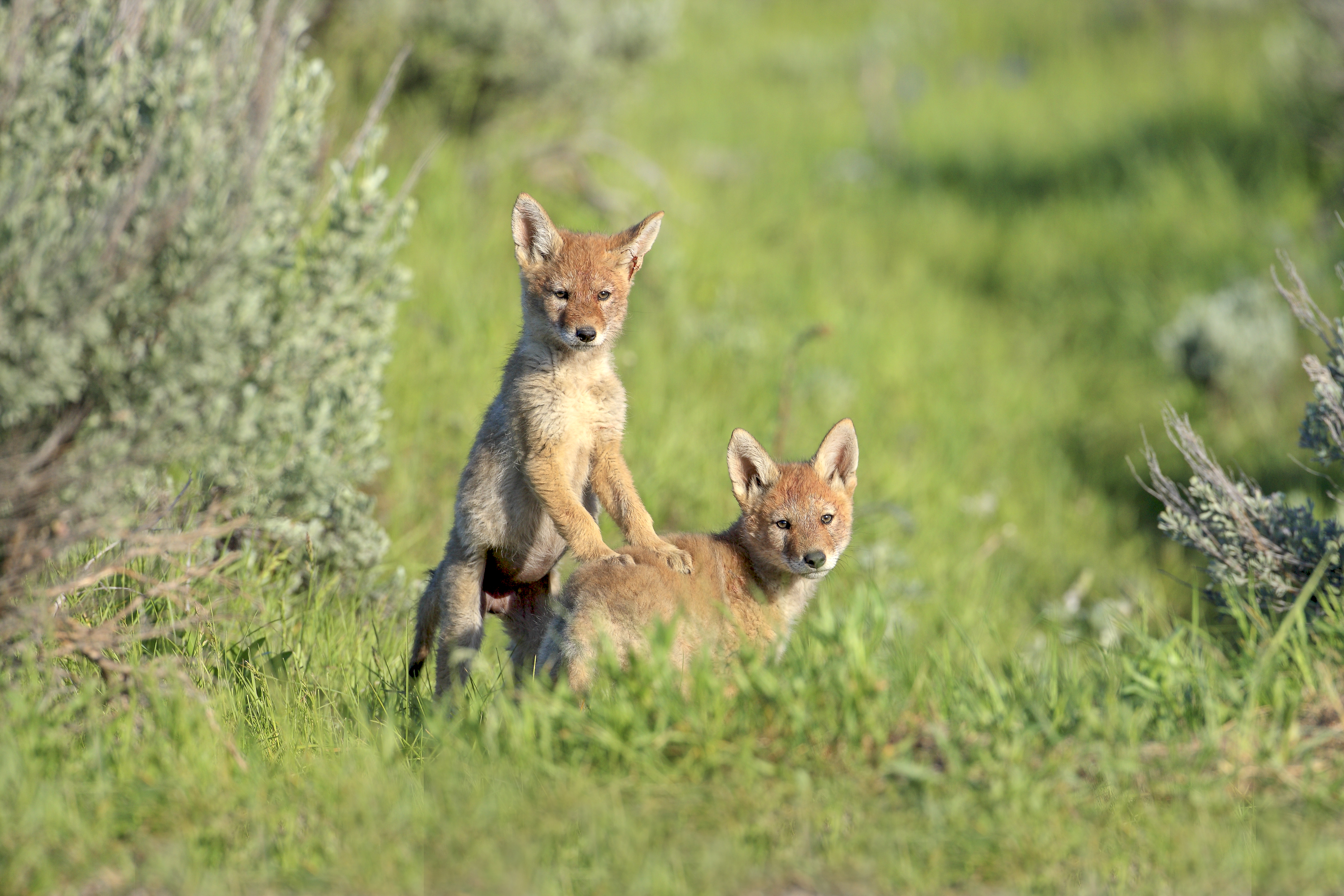
Coyotes are not tied to a single habitat—that’s what makes them so successful. I’ve encountered them in open prairie, high desert, forest edges, agricultural land, and even near suburban neighborhoods. They don’t depend on one ecosystem—they move between them.
What they look for is structure: edges, cover, and access to prey. Grasslands offer visibility and hunting ground. Forest edges provide concealment. Human-modified landscapes create new corridors and food opportunities.
Den sites are usually hidden—dug into slopes, tucked into brush, or repurposed from other animals. These locations are chosen carefully, balancing safety with access to feeding zones.
Across habitats and ecosystem zones, coyotes act as connectors—moving energy and influence between environments that might otherwise remain separate.
Diet — Opportunistic Feeding and Ecological Balance
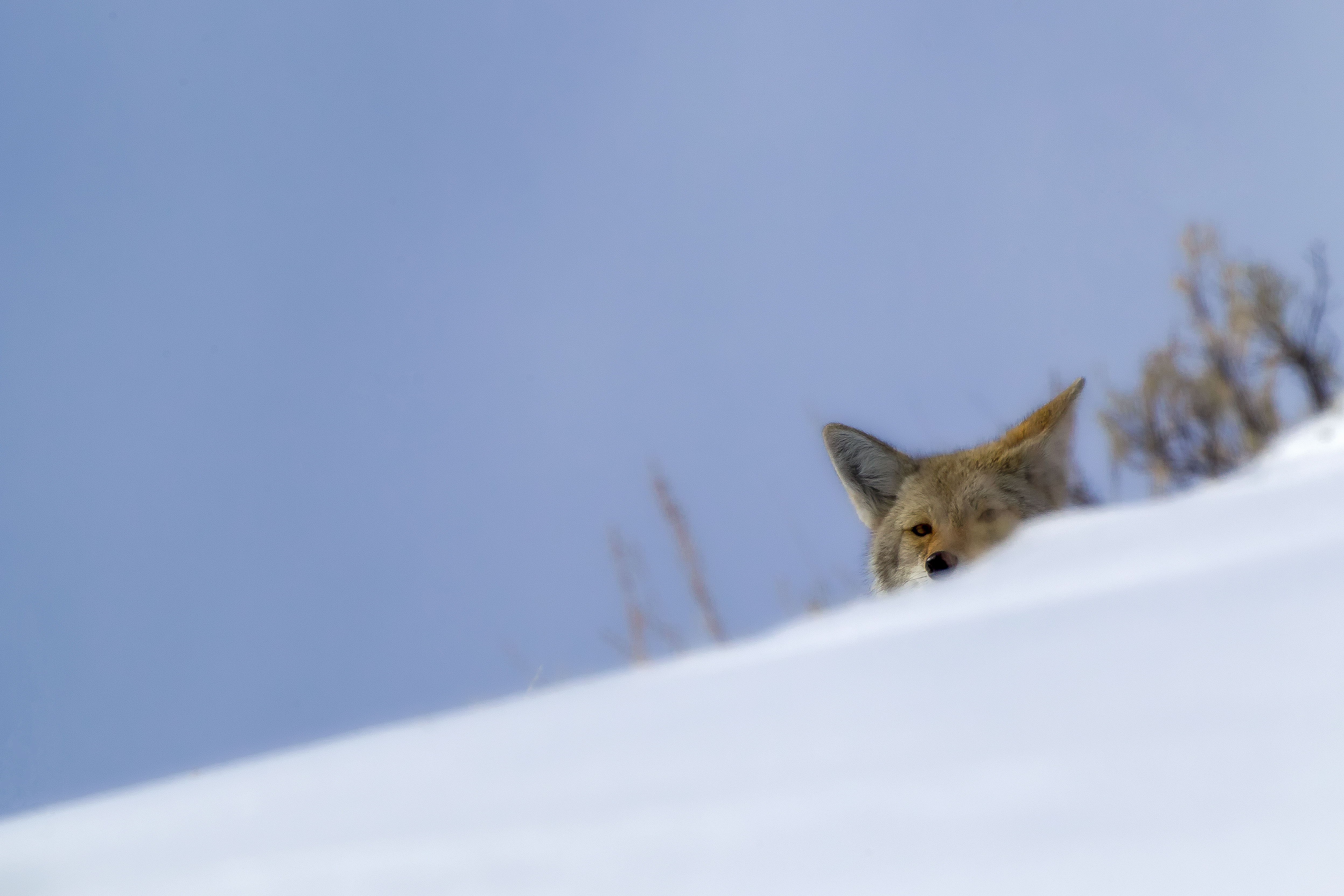
Coyotes are true opportunistic feeders, and that flexibility is one of the main reasons they’ve expanded across nearly every ecosystem in North America. From what I’ve observed in the field, their diet shifts constantly depending on season, location, and opportunity.
Small mammals make up the core of their diet—rodents, voles, mice, and rabbits. I’ve watched coyotes spend long stretches listening and then pouncing with precision through snow or grass. That hunting behavior alone helps regulate prey populations and prevent overgrazing of vegetation.
But they don’t rely on one food source. Coyotes also eat birds, insects, fruit, and carrion. In late summer and fall, berries and plant material can make up a significant portion of their intake. This broad diet allows them to stay resilient even when conditions change.
Within ecological food webs, coyotes serve multiple roles—predator, scavenger, and even seed disperser. That combination makes them one of the most influential species in maintaining balance across landscapes.
Life Cycle — Family Structure and Survival From Birth to Independence
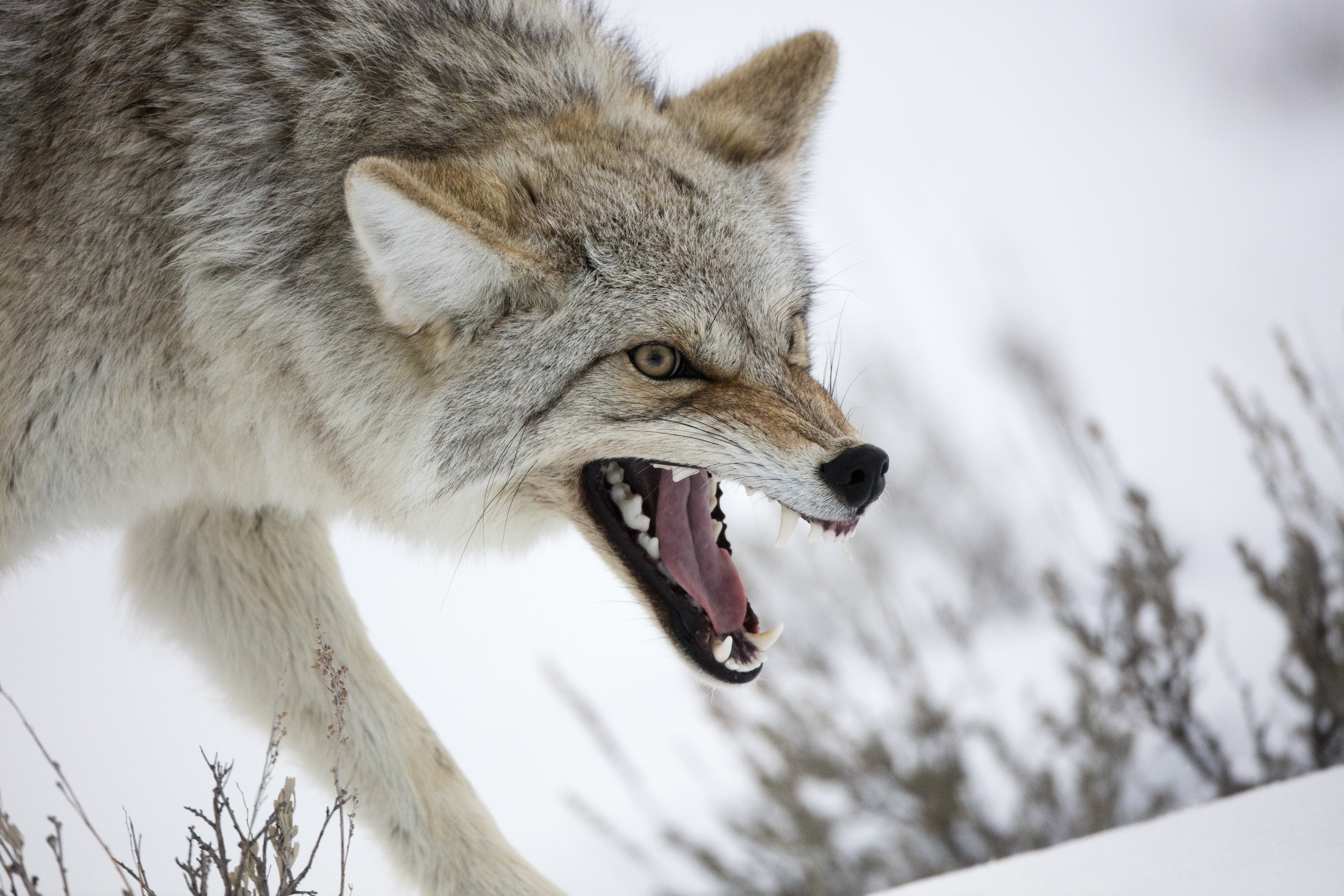
Coyotes form strong family units, and that structure plays a major role in their survival. Breeding typically occurs in late winter, and by spring, pups are born in dens carefully hidden within the landscape.
From what I’ve seen, both parents are involved in raising the young. The male provides food while the female stays close to the den in the early weeks. As the pups grow, they begin to explore, play, and learn the behaviors that will eventually keep them alive.
By late summer, young coyotes start joining hunts and learning territory boundaries. Some will disperse in the fall, traveling long distances to establish their own range. Others may remain temporarily within the family structure.
This life cycle reflects a broader pattern found across adaptation and survival systems—learned behavior, environmental awareness, and timing all working together to sustain the next generation.
Behavior & Ecology — Predator Pressure and Ecosystem Balance
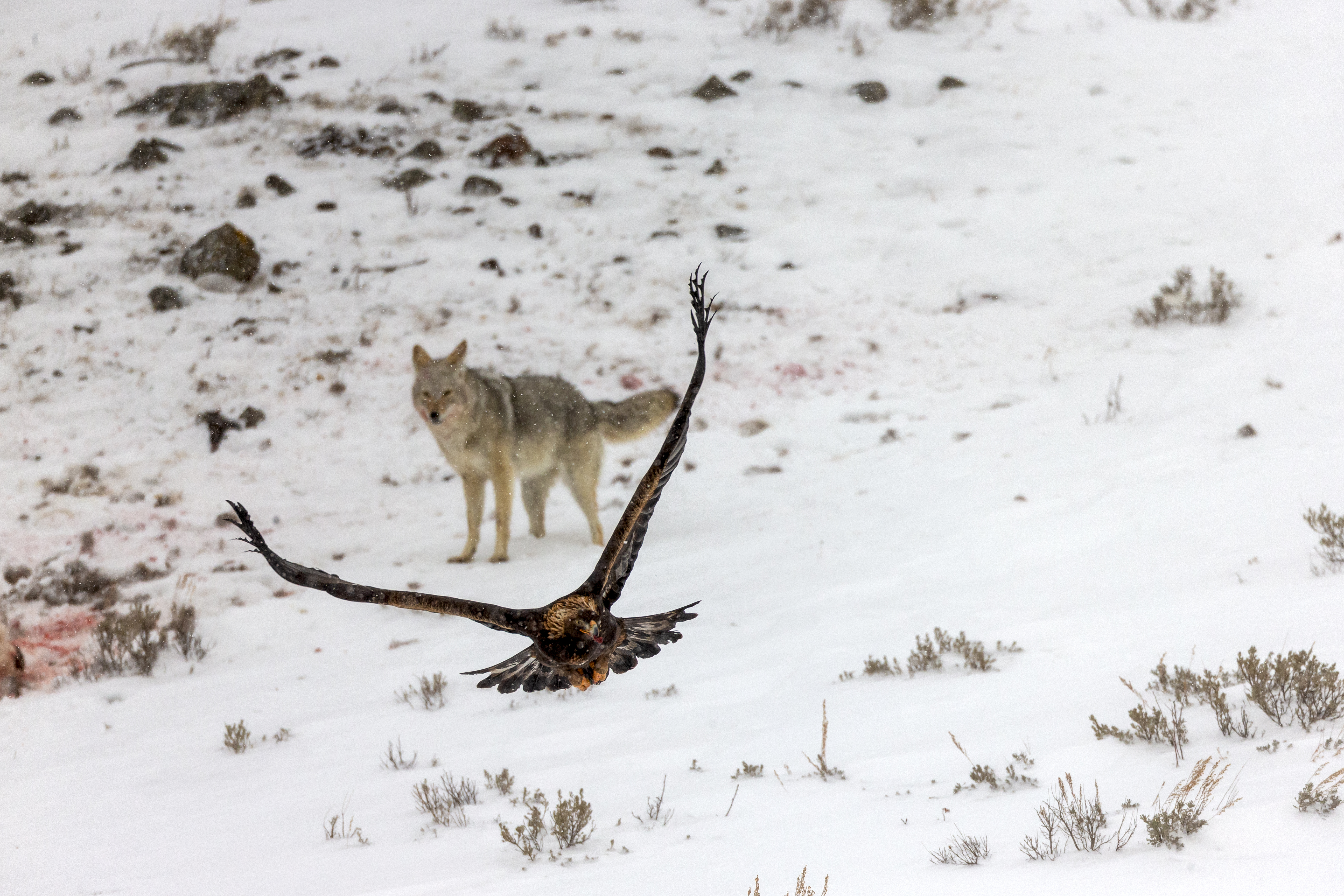
When you spend enough time watching coyotes, you start to realize they’re not just individuals moving through a landscape—they’re forces shaping it. Their presence changes how prey behaves, where animals feed, and even how vegetation grows over time.
As mid-level predators, coyotes apply what’s known as predator pressure. Rodents move more cautiously. Rabbits shift feeding times. Smaller predators like foxes may avoid areas where coyotes are active. These cascading effects ripple outward, influencing entire ecosystems.
I’ve seen this most clearly in open prairie systems, where coyote movement patterns directly affect how prey distributes across the land. Over time, that influences plant recovery, insect populations, and even bird behavior. It’s all connected.
In keystone species and trophic cascades, coyotes often function as regulators—especially in areas where larger predators like wolves are absent. Their role helps prevent ecological imbalance from spreading unchecked.
This is why coyotes matter. Not because of what they are alone—but because of what they influence. They are part of a larger biodiversity and ecosystem balance system that depends on interaction, pressure, and response.
Conservation — Coexistence, Perception, and the Future of Coyotes
Coyotes are one of the most successful wild mammals in North America, but success does not mean safety. Their biggest challenge is not biological weakness—it is human perception. Few animals are judged so quickly while being understood so little.
In my experience, the more time people spend actually learning about coyotes, the more the old story begins to fall apart. They are not random agents of destruction. They are highly adaptive predators responding to habitat fragmentation, changing prey patterns, and expanding human development.
Conservation for coyotes is less about traditional species recovery and more about coexistence. It means protecting connected habitat, reducing unnecessary persecution, securing food attractants in developed areas, and helping communities understand how predator behavior works in real landscapes.
Coyotes also reveal a larger truth inside wildlife conservation and habitat: healthy systems are not built by removing every tension from the land. They are built by preserving relationships—predator and prey, cover and movement, fear and adaptation.
If we want landscapes that still function ecologically, we need room for animals like coyotes. They help regulate imbalance, and they remind us that conservation is not just about saving what is rare. It is also about respecting what remains essential.
Seasonal Patterns — How Coyotes Shift Across the Year
Coyotes change with the year, and you can feel that in the field if you pay attention. Their movement, vocal activity, hunting behavior, and visibility all shift with breeding season, pup-rearing, prey abundance, and weather conditions.
In late winter, breeding season increases territorial behavior and vocalization. This is often one of the most active times to hear coyotes calling across open country. By spring, denning begins, and adults become more focused, localized, and protective as pups arrive.
Summer brings food delivery, pup development, and heavy movement around den areas and hunting zones. By late summer into fall, young coyotes begin dispersing, and the landscape starts to reorganize. Winter then sharpens everything again—tracks become easier to read, prey becomes more exposed, and coyotes often stand out more clearly against open snow and bare ground.
This annual rhythm connects directly into wildlife migration and seasonal patterns and also into your broader seasonal wildlife calendar, where timing is often the difference between a brief sighting and a meaningful field encounter.
Coyotes are not migratory in the way cranes or waterfowl are, but they are deeply seasonal animals. Their lives still move with birth, scarcity, weather, territory, and opportunity—the same living calendar that shapes so much of the natural world.
Naturepedia Connection — Understanding the Coyote in the Larger System
The coyote is not just a species—it’s a connector across systems. From prairie grasslands to forest edges to human-altered landscapes, coyotes move energy, regulate prey, and influence behavior across entire ecosystems. Their adaptability makes them one of the most important living examples of how nature responds to change.
Within the mammals of North America layer, the coyote represents flexibility and survival. In wildlife behavior and ecology, it demonstrates adaptive intelligence—shifting patterns based on pressure, season, and opportunity.
Across ecosystems of North America, coyotes act as regulators, influencing prey populations and shaping trophic relationships. And within wildlife conservation and habitat, they highlight one of the most important lessons in modern ecology: coexistence is not optional—it is foundational.
This is how I’ve built my site—connecting species into systems, systems into landscapes, and landscapes into a larger understanding of how nature actually works. The coyote is one of the clearest examples of that connection in motion.
To explore this deeper, continue into the Naturepedia system.
Frequently Asked Questions About Coyotes
What do coyotes eat?
Coyotes eat a wide range of foods, including rodents, rabbits, birds, insects, fruit, and carrion. Their diet changes with habitat, season, and food availability, which is one reason they are so successful across North America.
Where do coyotes live?
Coyotes live in grasslands, deserts, forests, farmland, wetlands, mountains, and urban edges. They are highly adaptable and can survive in many different environments as long as there is cover, space to move, and access to food.
Are coyotes dangerous to people?
Coyotes usually avoid people and are not typically dangerous to humans. Problems are more likely when coyotes become used to food around homes or lose their natural caution, which is why responsible coexistence matters.
Why are coyotes important to ecosystems?
Coyotes help regulate prey populations, influence the behavior of smaller predators, and contribute to ecological balance. In many places, they play an important role in maintaining healthy food webs and reducing imbalance across the landscape.
Do coyotes live alone or in groups?
Coyotes can live alone, in pairs, or in family groups depending on season and food conditions. During breeding and pup-rearing, family structure becomes especially important.
When are coyotes most active?
Coyotes are often most active at dawn, dusk, and night, though this can shift depending on habitat and human pressure. In more developed areas, they often become more nocturnal.
How do coyotes survive in so many places?
Their success comes from flexibility. Coyotes adjust diet, movement, timing, and behavior quickly, allowing them to thrive in changing landscapes where more specialized predators may struggle.
About the Photographer
I’m Robbie George, a National Geographic–published photographer whose work is rooted in field observation, patience, and time spent learning how animals actually move through the landscape. My wildlife work is built on attention first—watching behavior, habitat, light, and timing before ever pressing the shutter.
Coyotes are one of those animals that reveal more the longer you stay with them. They are alert, adaptable, and deeply tied to edge habitat, seasonal rhythm, and ecological balance. Photographing them has only strengthened my respect for how much intelligence lives in the ordinary spaces between wilderness and human development.
Through wildlife photography, Naturepedia, and my broader system of field-based ecological pages, I aim to connect species not just to images, but to behavior, habitat, conservation, and the larger living systems they belong to.
You can explore more of that work through the Mammals of North America hub, the Wildlife Behavior & Ecology system page, or the Seasonal Wildlife Calendar for planning field time around seasonal movement and animal activity.