


Silence in Nature: Embracing Harmony with Robbie George Photography
Why Silence Matters: Attention First, Images Second
Silence in the field isn’t the absence of sound—it’s the presence of attention. When I slow to the cadence of wind, water, and wings, subjects relax, compositions simplify, and the frame becomes truthful. This is the core of my practice across the Wildlife Gallery and the ethos of Slow Knowledge.
- Pause before you move: let the scene “introduce itself.” Notice breath cadence, leaf-rustle, water skin.
- Match the cycle, not the clock: plan light with the Golden Hour & Moon Phase Planner, then choose season using the Seasonal Wildlife Calendar.
- Let distance do the work: calm posture beats close proximity. (More on ethics in my Fieldcraft Playbook.)
If you’re mapping a quiet morning, pair these ideas with the Photography Maps to find pullouts and gentle approaches. Attention first—the shutter is just the period at the end of a sentence you learned by walking.
The Power of Silence: A Field Method
Silence isn’t passive—it’s a method. When I let landscapes set the tempo, the frame organizes itself: lines simplify, color breathes, and behavior stays natural. This is how I work across both Wildlife and Landscape collections—attention first, approach second.
- Listen before you look: let wind, water, and birdsong map the scene. For language that pairs with field time, browse Nature Quotes.
- Anchor in cycles: plan light with the Golden Hour & Moon Phase Planner, then choose season via the Seasonal Wildlife Calendar.
- Move as a guest: favor distance over proximity and let routes remain natural—my ethic in the Fieldcraft Playbook.
- Stand where the land agrees: preview pullouts and gentle approaches on Photography Maps.
- Stop moving. Count five full breaths. Notice the farthest sound, then the nearest.
- Ask: where is the scene already composed? (Edges, reflections, animal baseline.)
- Set intention—one image, one sentence—then lift the camera once.
Adopting Nature’s Rhythm: Patience & Presence
Nature moves on cycles, not clocks. When I tune my pace to dawn drift, tide turn, or a bird’s baseline, compositions become inevitable rather than forced. It’s the same rhythm that underpins my Nature Code work and the practice I bring to the Wildlife Gallery.
- Scout the cycle: pick the phase before the place. Use the Seasonal Wildlife Calendar to decide when behavior peaks, then match light with the Golden Hour & Moon Phase Planner.
- Arrive one cycle early: if sunrise is the goal, scout the evening prior. Note wind, water level, and traffic. Mark gentle pullouts on Photography Maps.
- Let the subject choose distance: if posture softens and routes stay predictable, you’re in rhythm. If gaze locks or cadence breaks, back off. More in the Fieldcraft Playbook.
- Caption the truth: pair images with honest notes—season, method, light. See examples across the Landscape Gallery.
- Pick one moving element (cloud, tide, grass). Breathe to its tempo for one minute.
- Write a one-line intention (subject + light + verb), e.g., “Egret • sidelight • preen.”
- Make three frames only—then stop. Review what the rhythm gave (not what you forced).
The Signature Series Lens: Silence → Rhythm → Coherence
My Signature Series ties the quiet field practice to a simple arc: silence heightens attention, attention reveals nature’s rhythm, and rhythm stacks into coherence—the organizing principle behind truthful images and a calmer life. This arc runs through the Nature Code (patterns in the wild), The Living Code (how those patterns become behavior), and even Quantum Agriculture (coherence in soil, water, and food).
- Silence (Perception): turn down internal noise so the field can speak. See the bridge with water and sound in The Evolutionary Symphony.
- Rhythm (Cycles): work with the phases—dawn drift, tide turn, molt, migration—aligned using the Seasonal Wildlife Calendar and Golden Hour & Moon Phase Planner.
- Coherence (Light & Life): light carries structure when the medium is ready. Explore water’s role in Water — The Great Informant of Nature and the photon journey perspective in Photon’s Journey.
- Place (Ethic & Method): stand where the land agrees—scout with Photography Maps and keep behavior unchanged per the Fieldcraft Playbook.
- Still: 60 seconds of quiet—notice the far sound, near sound, and your breath.
- Phase: name the cycle (e.g., “post-fledge,” “incoming tide,” “pre-dawn blue hour”).
- Light: choose a single intention (backlight rim, sidelight texture, reflected sky).
- Place: pick one vantage from the map; don’t chase—let the scene earn the frame.
Practically, “coherence” just means the pieces agree—light, subject, season, distance. When they do, the photograph feels inevitable, like the scene made you. That’s the Signature Series promise: organize your attention and the world organizes your image.
From Field to Frame: A Micro-Workflow for Coherent Images
Here’s how I translate silence → rhythm → coherence into a practical flow you can carry into the field. It weaves together my Signature Series concepts with the planning tools and ethics I use on every shoot.
- Set the Phase (Rhythm): Choose the seasonal window first using the Seasonal Wildlife Calendar. Name the cycle: migration, post-fledge, rut, molt, tide turn.
- Shape the Light (Coherence): Lock sunrise/sunset, blue hour, and moon with the Golden Hour & Moon Phase Planner. Pick a single light intention (rim, sidelight texture, reflected sky).
- Choose Place (Ethic): Scout gentle pullouts on Photography Maps. Stand where the land agrees; let routes stay natural per the Fieldcraft Playbook.
- Quiet the System (Silence): One minute of stillness. Notice far sound → near sound → breath. This primes attention (see Slow Knowledge).
- Compose for Agreement: Arrange edges so subject, light, and habitat agree. If posture tightens or gaze locks, increase distance; let the frame relax again.
- Caption the Truth: Record season, light, and method. This transparency lives across the Wildlife Gallery and Landscapes.
- Nature Code: spot repeating patterns (flight paths, tide textures, tree rhythms).
- The Living Code: read behavior baselines; let subjects choose distance.
- Quantum Agriculture: trust water/soil light—coherent environments yield coherent images.
When silence steadies perception and rhythm guides timing, coherence does the heavy lifting. The photograph stops being “taken” and starts being received.
Bring It Home: Daily Practices for Silence, Rhythm & Coherence
Fieldwork trains attention, but the practice continues at home. The Signature Series arc—silence → rhythm → coherence— scales from a misty marsh to a morning routine. These micro-rituals anchor presence and keep your eye honest between trips.
- One quiet minute: before you check a screen, stand by a window. Far sound → near sound → breath. (Foundation of Slow Knowledge.)
- Match a cycle: align errands or a walk with natural phases—sunrise drift, incoming tide, moonrise. Planning tools: Golden Hour & Moon and Seasonal Calendar.
- Coherence cues: choose one light intention for the day (e.g., “notice rim-light”). Photograph once. Caption truthfully (place, light, method) as in my Wildlife Gallery.
- Silence: 60 seconds of no input. Let the room’s soundscape settle.
- Rhythm: pick a natural tempo—kettle boil, rain on glass, leaf-shadow—and breathe with it for 5 cycles.
- Coherence: one organizing intention: texture in sidelight, reflection tone, or negative space. Make 1–3 frames only.
Want to take it outside? Choose one refuge or park from the maps, arrive a cycle early, and let the day compose itself: Photography Maps · Quarterly Refuge Planner. For soil-to-light coherence at home, browse Quantum Agriculture.
From Coherence to Stewardship: Collect With Purpose
When silence → rhythm → coherence aligns, a photograph feels inevitable—the scene organizes the image. The next step is stewardship: choosing prints and practices that keep the field whole. That’s the heart of my Signature Series: images made as a guest, offered to help people live closer to the pace that made them.
- Collect what agrees: choose pieces where subject, season, and light clearly “say the same thing.” Browse the Wildlife Gallery and Landscapes.
- Honor materials: learn formats and care—start with Framed Art, Metal, Canvas, and Acrylic.
- Keep the loop alive: plan your own quiet field days with the Seasonal Wildlife Calendar, Golden Hour & Moon, and Photography Maps.
Collect to remember the pace that produced the picture. Live with the work, then take it back outside—quiet first, rhythm next, coherence always.
Conclusion: Silence, Rhythm & Coherence — Live the Arc
When we practice silence → rhythm → coherence, the field becomes a teacher and the photograph a by-product of attention. That’s the throughline of my Signature Series: Nature Code (pattern), The Living Code (behavior), and Quantum Agriculture (coherent environments). The more gently we move, the more naturally images organize themselves.
If this essay resonated, take it into the field: plan a dawn with the Golden Hour & Moon Phase Planner, choose a seasonal window via the Seasonal Wildlife Calendar, and pick one refuge from the Photography Maps. Arrive one cycle early, breathe with the land, and let coherence do the heavy lifting.
- Silence: 60 seconds—far sound → near sound → breath.
- Rhythm: name the phase (migration, tide, blue hour).
- Coherence: choose one light intention (rim / side / reflection).
- Ethic: if posture tightens, increase distance. Keep routes natural. (See Fieldcraft Playbook.)
For companion reads, try Water — The Great Informant of Nature, Photon’s Journey, and Nature’s Healing Wisdom. Then wander the calm posture across the Wildlife Gallery.
Explore Fine-Art Prints
Bring the season home—browse Wildlife, Landscapes, and Seascapes by National Geographic–published photographer Robbie George. See framing, editions, and care on the Collectors page.
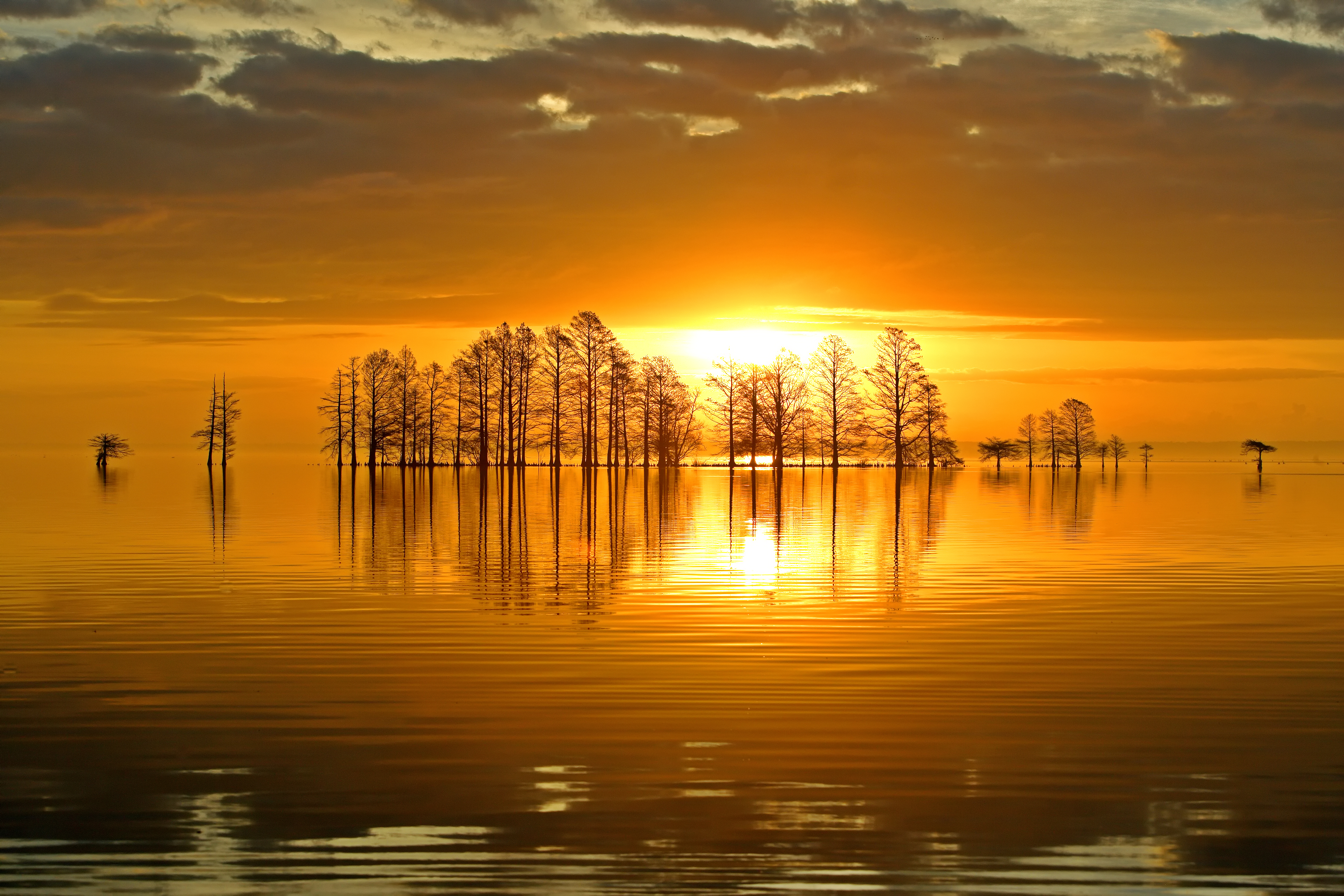 Landscape
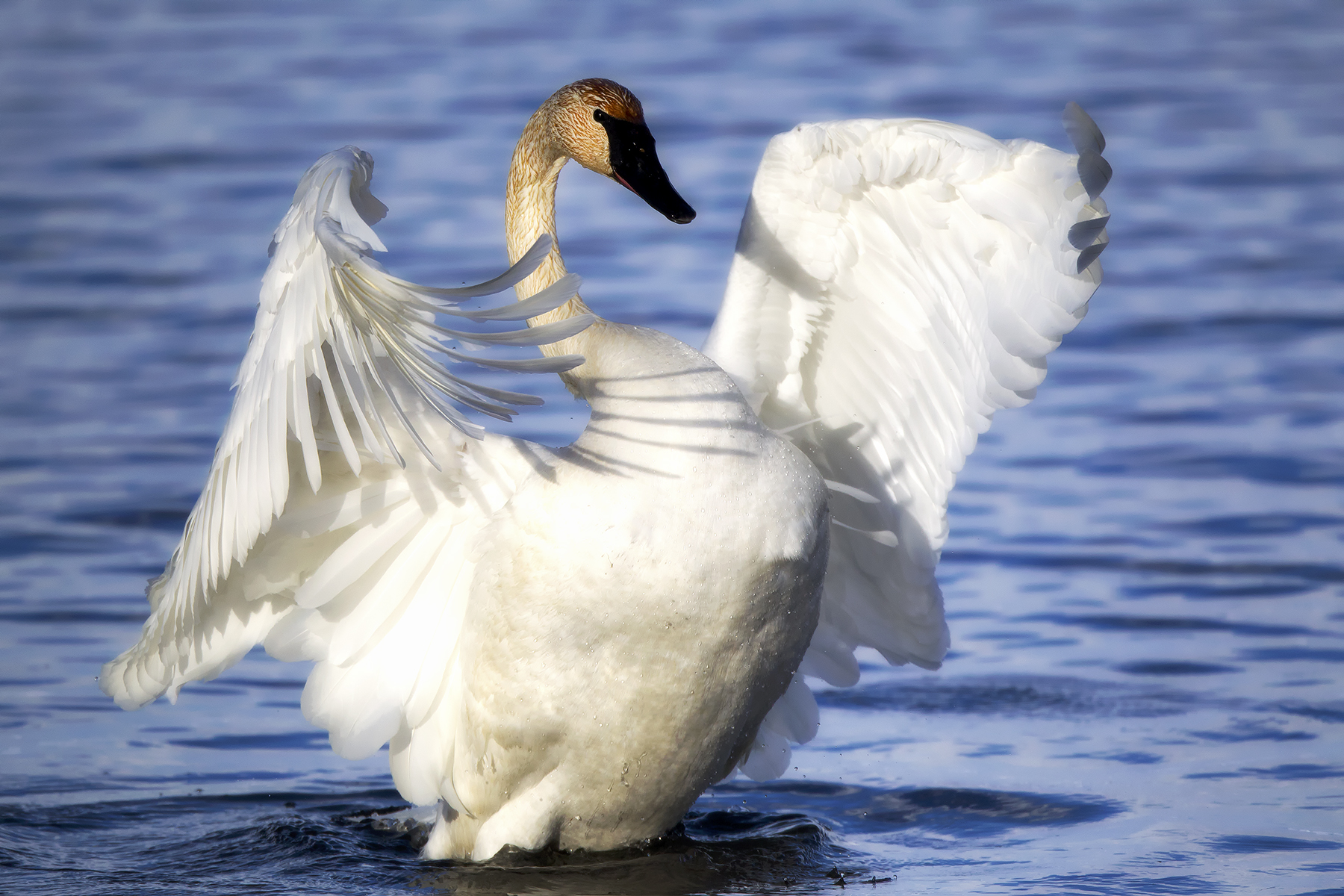 Wildlife
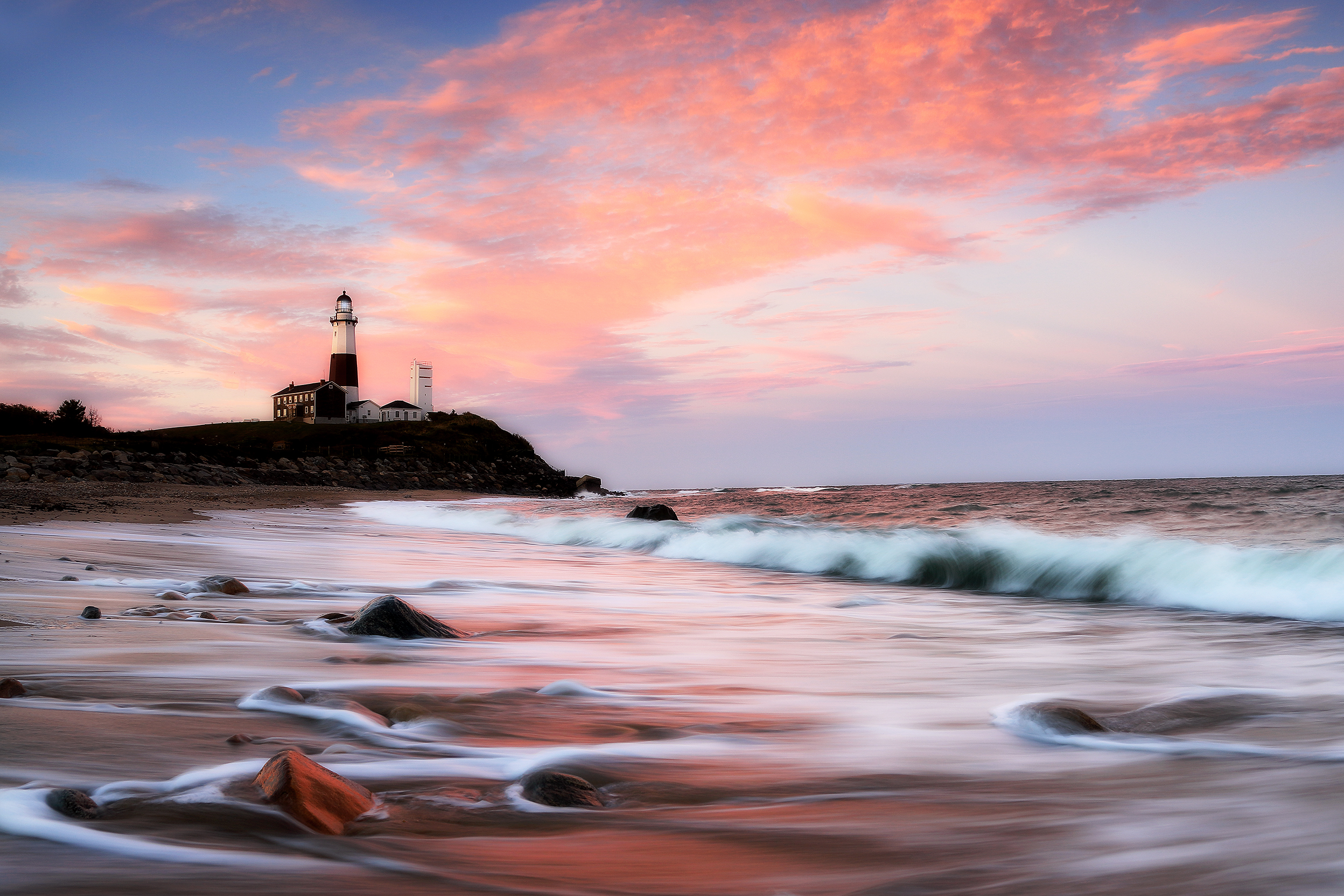 Seascapes
About Robbie George
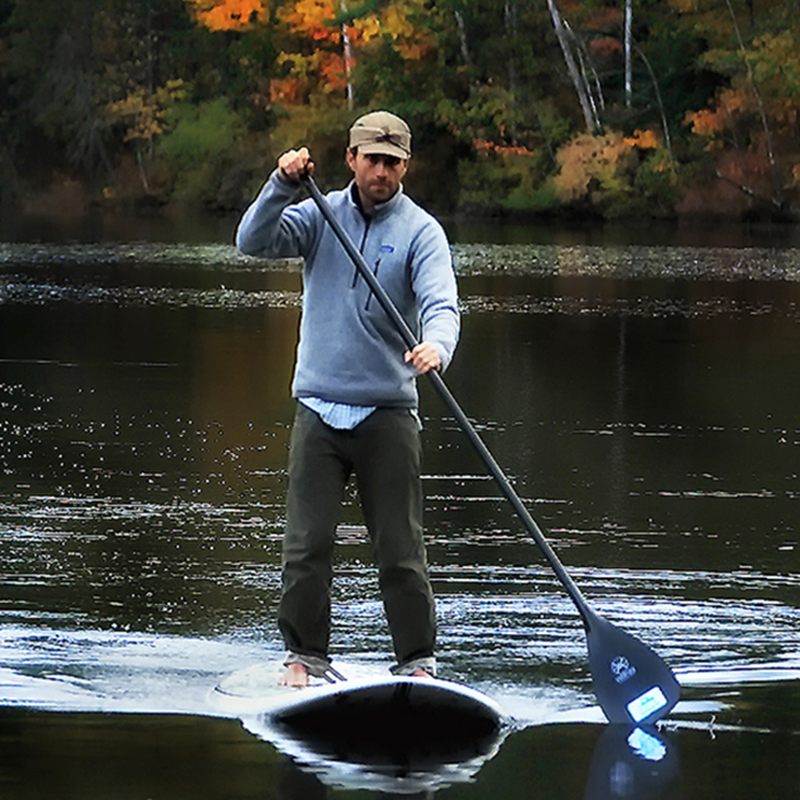
Robbie George is a National Geographic–published photographer and resonant naturalist. His fieldcraft follows a simple ethic—distance first, habitat always— shaped by Slow Knowledge and the Signature Series.
Explore calm, undisturbed behavior in the Wildlife Gallery or plan your next trip with the Seasonal Wildlife Calendar, Golden Hour & Moon, and Photography Maps.
“Attention first, image second. The shutter is the period at the end of a sentence you learned by walking.”
Frequently Asked Questions
How do I start practicing silence in the field?
Try a one-minute “far → near → breath” reset before you lift the camera. Then let subjects set distance. For trip planning, pair quiet practice with the Golden Hour & Moon Planner and Seasonal Calendar.
What do you mean by rhythm—and how do I “match” it?
Rhythm is the cycle doing the organizing: dawn drift, tide turn, migration, molt. Scout with Photography Maps, arrive one cycle early, and let behavior stay baseline. This is the field layer of the Nature Code.
What is “coherence” in your Signature Series?
Coherence is when light, season, subject, and place agree—the image feels inevitable. Read the bridge essays: Water — The Great Informant and Photon’s Journey, then explore The Living Code.
How do you balance ethics with getting the shot?
Distance first, habitat always. If posture tightens or routes change, back off. See my Fieldcraft Playbook. Calm behavior is the signature of an honest image.
Where can I see work that embodies this arc?
Browse the Wildlife Gallery and Landscapes. For seasonal trip ideas, open the Quarterly Refuge Planner.





