

The Cosmic Significance of Water as the Timekeeper of Our Solar System
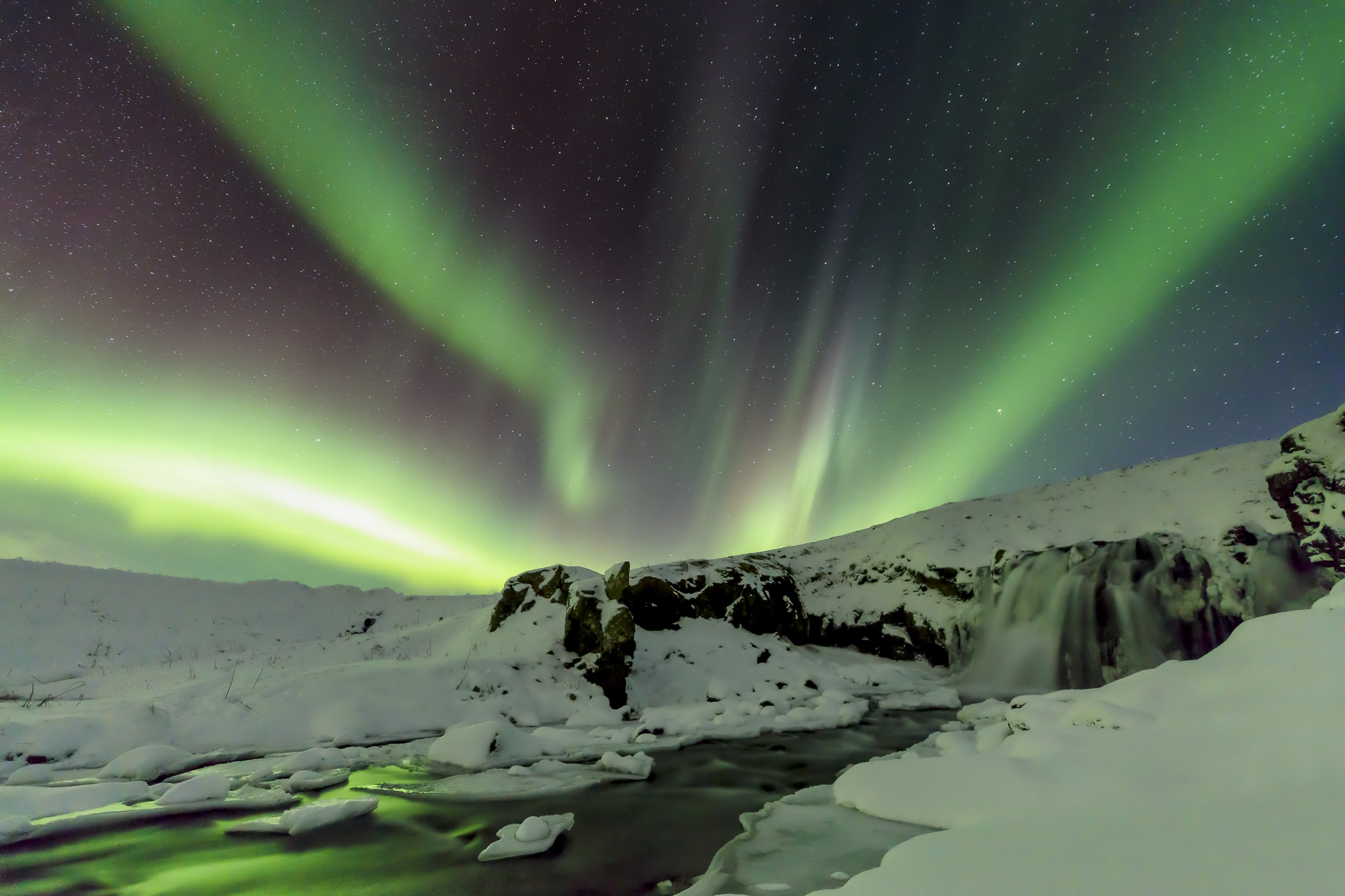
The Uniqueness of Earth and the Cosmic Role of Water
Earth is the only known planet in our solar system where water flows freely across the landscape, shapeshifting through vapor, ice, and stream—an alchemical rhythm we’ve come to know as life. But what if water does more than sustain biology? What if it anchors Earth’s place in the grand cycles of the cosmos?
In this post, I’ll explore how water may be more than elemental—it may be instrumental. As suggested in The Eternal Flow of Time and expanded through Quantum Vitality, water is not just reactive—it is resonant. It stores light, transmits rhythm, and may even synchronize Earth’s inner cycles with cosmic harmonies beyond our perception.
“Water doesn’t just reflect the stars—it may remember their timing.” ~ Robbie George
Earth’s Unique Position with Abundant Liquid Water
In the vastness of space, Earth is a rare miracle—a water world suspended in solar rhythm. We are the only known planet where water flows across valleys, evaporates into sky, and returns as memory through rain. This is not random. It’s resonance. Water gives Earth its breath and its balance, and its presence in all three states—liquid, solid, vapor—makes our biosphere uniquely alive.
As shared in Quantum Vitality, water is not merely a physical element. It is a frequency field that translates sunlight into biology and holds pattern through time. From the mitochondria in our cells to the cloud formations above us, water conducts the symphony of life with exacting grace.
Through the lens of Unified Water Theory and The Living Code, Earth’s waters reveal not just life’s conditions—but life’s intelligence. Water doesn’t just reflect the world—it instructs it. And perhaps that is why Earth alone holds the cycles that mirror the stars.
“Water is the softest force—but the firmest guide. It carries Earth’s memory and whispers it into the turning of the sun.” ~ Robbie George
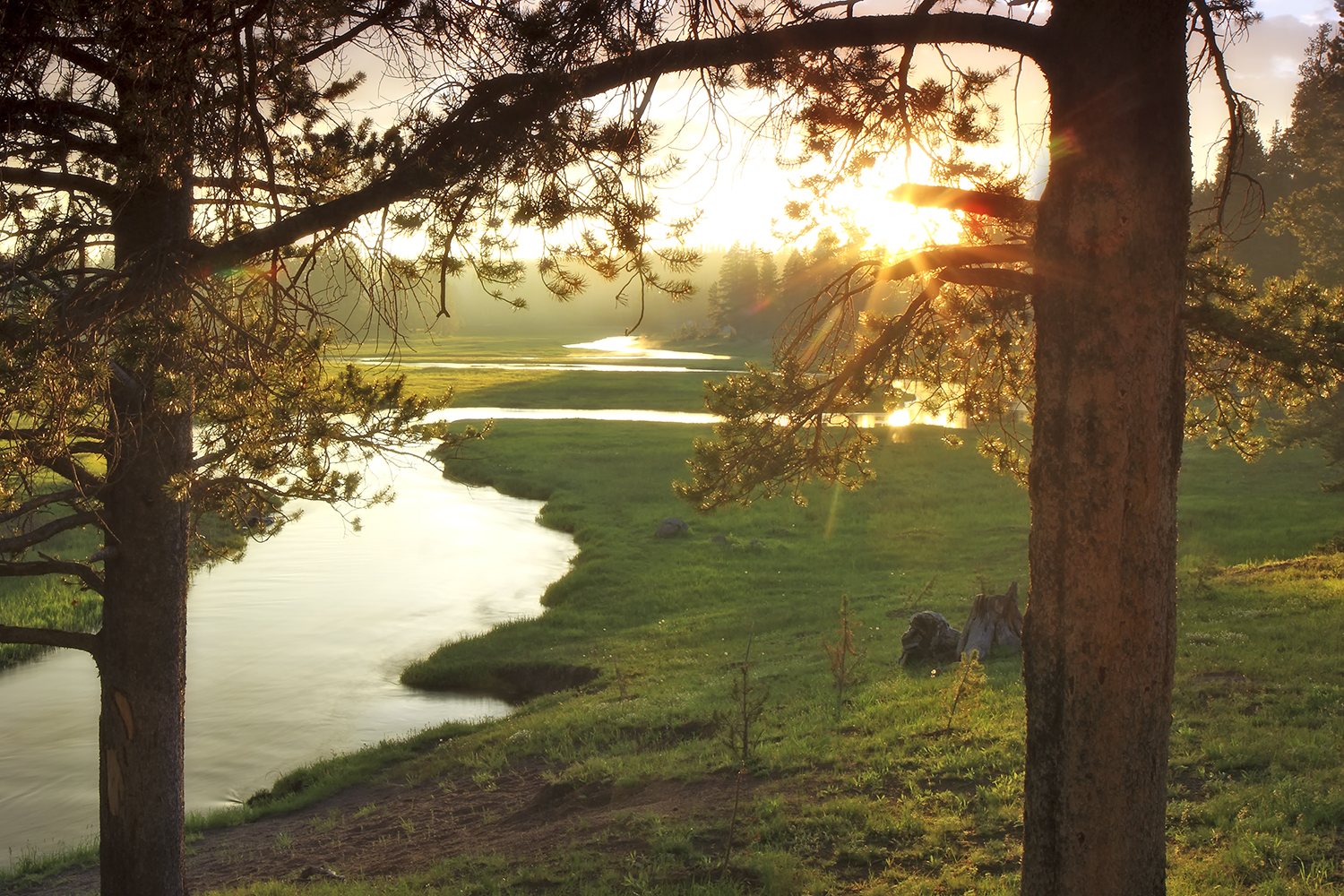
Water as the Timekeeper of the Solar System
What if time is not measured in seconds, but in cycles—and what if water is the keeper of those cycles? As I’ve explored in The Eternal Flow of Time, water may be more than reactive—it may be rhythmic. It moves in spirals, not straight lines. It evaporates, condenses, rains, and rises again. This is not a function. It’s a frequency.
Water’s cyclical behavior aligns with everything from lunar tides to solar magnetism. Its structure allows it to encode light, sound, and motion. In The Mystical Vortexes of Water, we see that water is not passive—it is dynamic. It may be the only element capable of synchronizing internal Earth rhythms with external cosmic events.
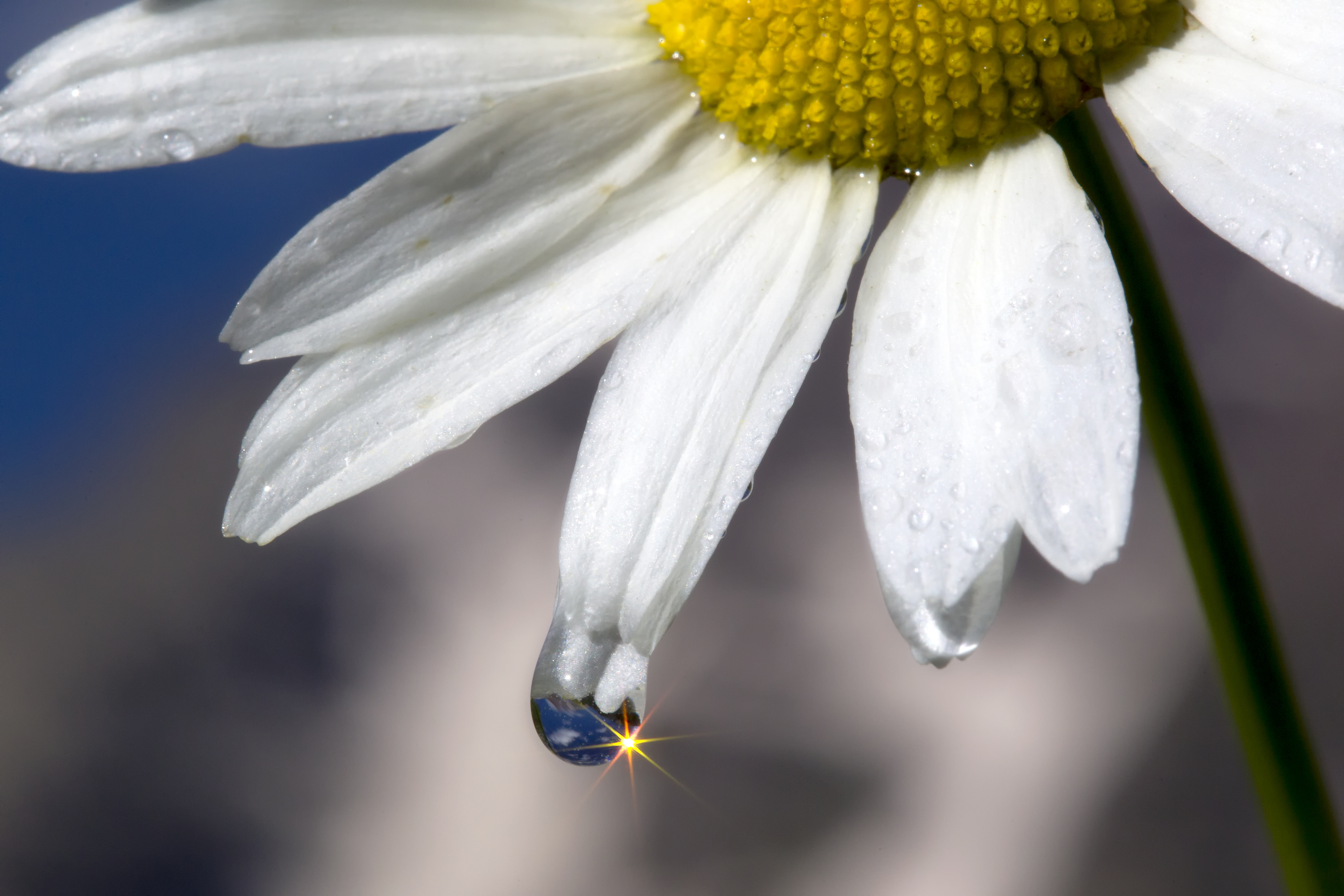
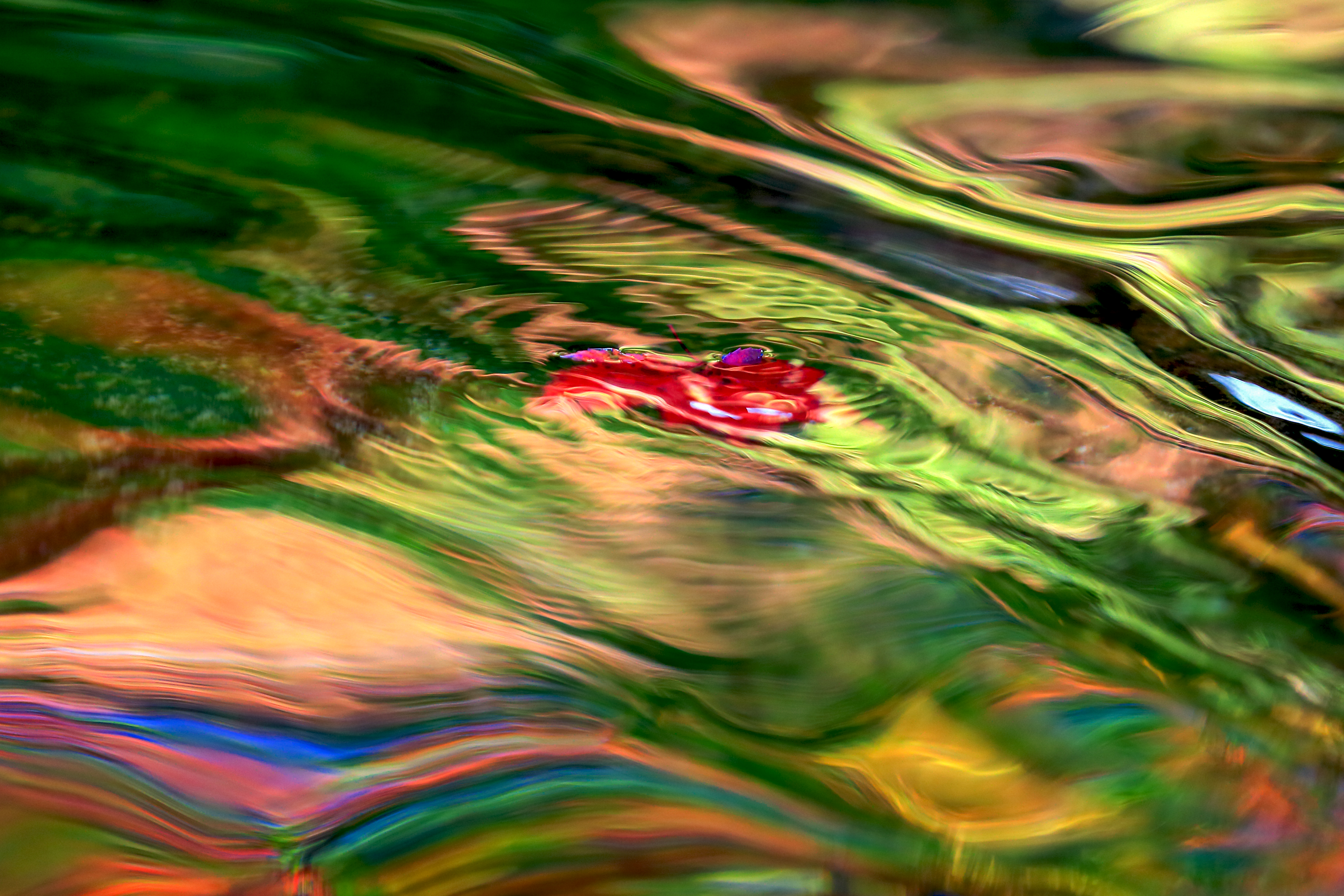
In every drop exists a history of its journey. In every tide, a memory of the moon. In Nature Photos in a Drop of Water, I shared how water holds environmental light like film. Could it also store time? Could it be Earth’s quantum clock—coordinating with a larger galactic field?
“Time is not kept by gears. It is held in tides, whispered in waves, and remembered by water.” ~ Robbie George
Influencing Broader Cosmic Rhythms and Cycles
If time is a field, then water may be the conductor. On Earth, it organizes our seasons and breathes through ecosystems. But what if its resonance reaches farther—beyond forests and rainfall—into the framework of the solar system itself? In Unified Theory of Consciousness, I explore how water may be more than responsive—it may be relational, linking not just life, but rhythm, resonance, and time itself.
In The Nature Code, we see that life is not random—it is geometric, harmonic, and polar. Water’s molecular intelligence may attune it to these frequencies. Just as it stores local memory, it may also synchronize with gravitational tides, solar activity, and even interplanetary cycles—mirroring rhythms beyond what most instruments can detect.
In The Quantum Symphony, I shared how water aligns with vibration at every scale—from ions to intuition. What if this resonance extends through the heliosphere, tuning Earth to a larger vibrational field? In this way, water becomes more than terrestrial—it becomes cosmological. It is not just moved by cycles. It is part of the cycle-making.
“Water doesn’t just flow in time—it flows with it. Each droplet a metronome. Each wave a breath of the stars.” ~ Robbie George
Maintaining Earth’s Cycles and Impacting Cosmic Events
Water is Earth’s metronome—its way of keeping rhythm with the sun, the moon, and the breath of the seasons. Through evaporation, condensation, and precipitation, water not only cycles through the biosphere, it conducts it. As I explored in The Great Informant of Nature, water doesn’t just respond to life—it instructs it.
These hydrological movements may extend far beyond our atmosphere. Water’s oscillations could help regulate not just local ecosystems, but Earth’s placement in a larger solar resonance. Its phase shifts, light interactions, and gravitational responsiveness make it a candidate for subtle planetary alignment—a synchronizing agent not just for weather, but for wider fields of time and charge.
In The Acorn’s Lesson and Seeds & Big Bang, I explore how dormant energy becomes life through harmonic activation. Water is the activator. It carries the whisper that wakes the seed, the light that nourishes growth, and perhaps even the wave that keeps Earth turning in tune with the stars.
“Water is the breath that remembers the seasons—and the breath that holds the sun’s rhythm in silence.” ~ Robbie George

Quantum Theory and the Nature of Time
In the quantum world, time is not linear—it is relational. It doesn't flow like a river; it folds, entangles, and echoes. As I explored in The Quantum Road, photons and hydrogen qubits don't travel through time—they carry it. What if water—so rich in hydrogen—acts the same way?
Water molecules constantly shift states, hold vibrational patterns, and respond to invisible fields. This aligns with how time behaves in Quantum Vitality: not as a ticking clock, but as a frequency field. Water does not merely exist within time—it may help weave it into the matrix of life and light.
This reframes what we explored in The Eternal Flow of Time: water may serve not just as a marker of time, but as its medium. If particles can be entangled across light-years, perhaps droplets of water—linked by memory and resonance—hold time not as a line, but as a spiral.
“Water doesn’t just flow through time—it suspends it, stores it, and sends it spiraling into form.” ~ Robbie George
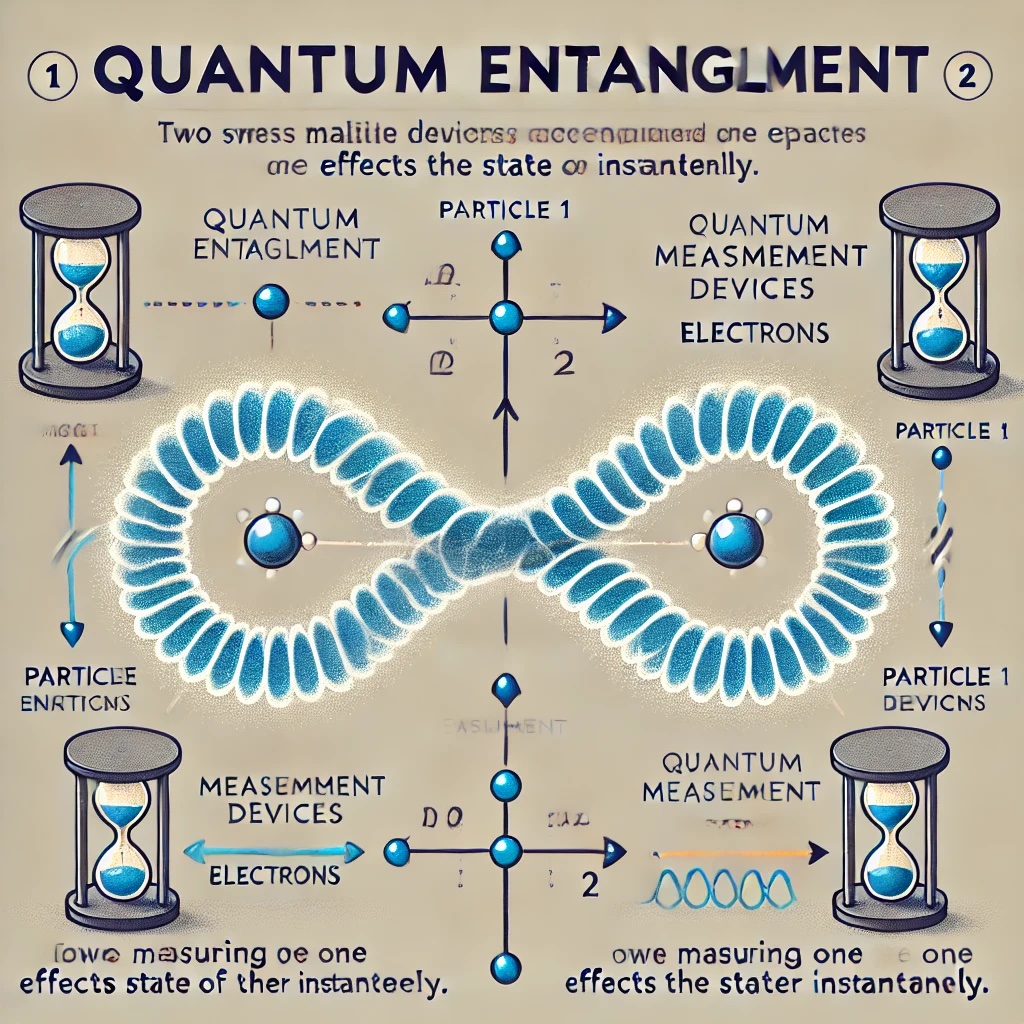
Connecting Quantum Theory to Water’s Cosmic Role
Water is not just responsive—it is relational. Its structure allows it to resonate, remember, and reorganize. As explored in The Quantum Blueprint, water may be the bridge between vibration and matter—storing information from photons, ions, and emotions alike.
In The Photographic Book of Mirrors, I proposed that water is not just a substance—it is a witness. It reflects more than light. It reflects consciousness, gravity, and time. This aligns with the principles of quantum entanglement, where particles remain connected across space and time—just as water connects Earth to the wider field.
In the view of Unified Water Theory, water is a living medium of coherence. It may serve not only biological life but the architecture of time and harmony within the solar system. Water doesn’t just flow—it weaves a bridge between the unseen and the embodied.
“Water is the memory between stars. A quantum breath that speaks in ripples and listens in light.” ~ Robbie George
The Broader Implications of Water’s Cosmic Significance
If water holds the rhythm of time, then Earth is not just a planet—it is an instrument. In Flow Like a River, I shared how movement—like water—is what keeps us well, alive, and aware. But what if that same flow is what also keeps Earth synchronized with its cosmic context?
In The Water Wide Web, we discovered that water is not only a global network—it’s a universal one. If we pollute water, we pollute coherence. If we respect it, we maintain resonance. Water doesn’t just hydrate—it orchestrates. Across tides, tissues, and tectonic plates, it flows as both listener and leader of life.
In Water: The Almighty God, I wrote that water is sacred not because of what it gives us—but because of what it keeps alive in us. That awareness—of rhythm, memory, and connection—could be the true miracle. And the broader implication is this: when we protect water, we preserve the field of harmony that holds not just Earth, but the cosmos, in balance.
“To love water is to love the blueprint. To protect it is to protect the pulse of the stars.” ~ Robbie George

Conclusion: Reflecting on Water’s Cosmic Role
Water is the original resonance. It does not just reflect light—it carries its code. It does not just respond to gravity—it flows in tune with it. As revealed through Quantum Vitality and the Unified Water Theory, water may be the interface between life and light, between time and timelessness.
If time is not linear, but cyclical… if consciousness is not local, but field-based… then water may be the carrier of both. It is not just Earth’s elixir—it is the harmonic thread of the solar system itself. In The Eternal Flow of Time, I proposed that water is not bound by time, but helps shape it. This view invites a shift in how we see not just water, but reality itself.
To protect water is to protect coherence. To study water is to study the rhythm of the stars. To honor water is to honor the field that remembers us all. May we continue to listen. May we continue to flow. And may we continue to ask—what else does water know?
“Water is not a substance—it is the soul of rhythm, held in form.” ~ Robbie George
Continue the Journey into Water’s Memory
If this journey into the cosmic nature of water has stirred your curiosity, follow its current a little further. Explore the Water Wonders Gallery and see how this element weaves through light, land, and stillness to reveal truth in reflection.
Dive deeper into the science, mystery, and consciousness of this fluid intelligence in Unified Water Theory—where the vibrational field of water becomes the blueprint for memory, healing, and planetary harmony.
And if you're drawn to the hidden architecture behind all of nature's systems, explore The Living Code—where water, light, and time converge into a poetic rhythm guiding all life forward.
Naturepedia Connections
This article connects to the broader Naturepedia system—where water, ecosystems, planetary cycles, and wildlife behavior are explored as interconnected expressions of life on Earth.
- Naturepedia — the full knowledge system connecting life, water, and ecosystems
- Ecosystems of North America — how water shapes land, climate, and life
- Wildlife Behavior & Ecology — seasonal and environmental timing in animals
- Wildlife Migration & Seasonal Patterns — how animals track Earth’s cycles
- Wildlife Conservation & Habitat — protecting water-driven ecosystems
- Quantum Vitality — hydrogen, light, and biological systems
- Water Wonders — real-world water observation and photography
Explore Fine-Art Prints
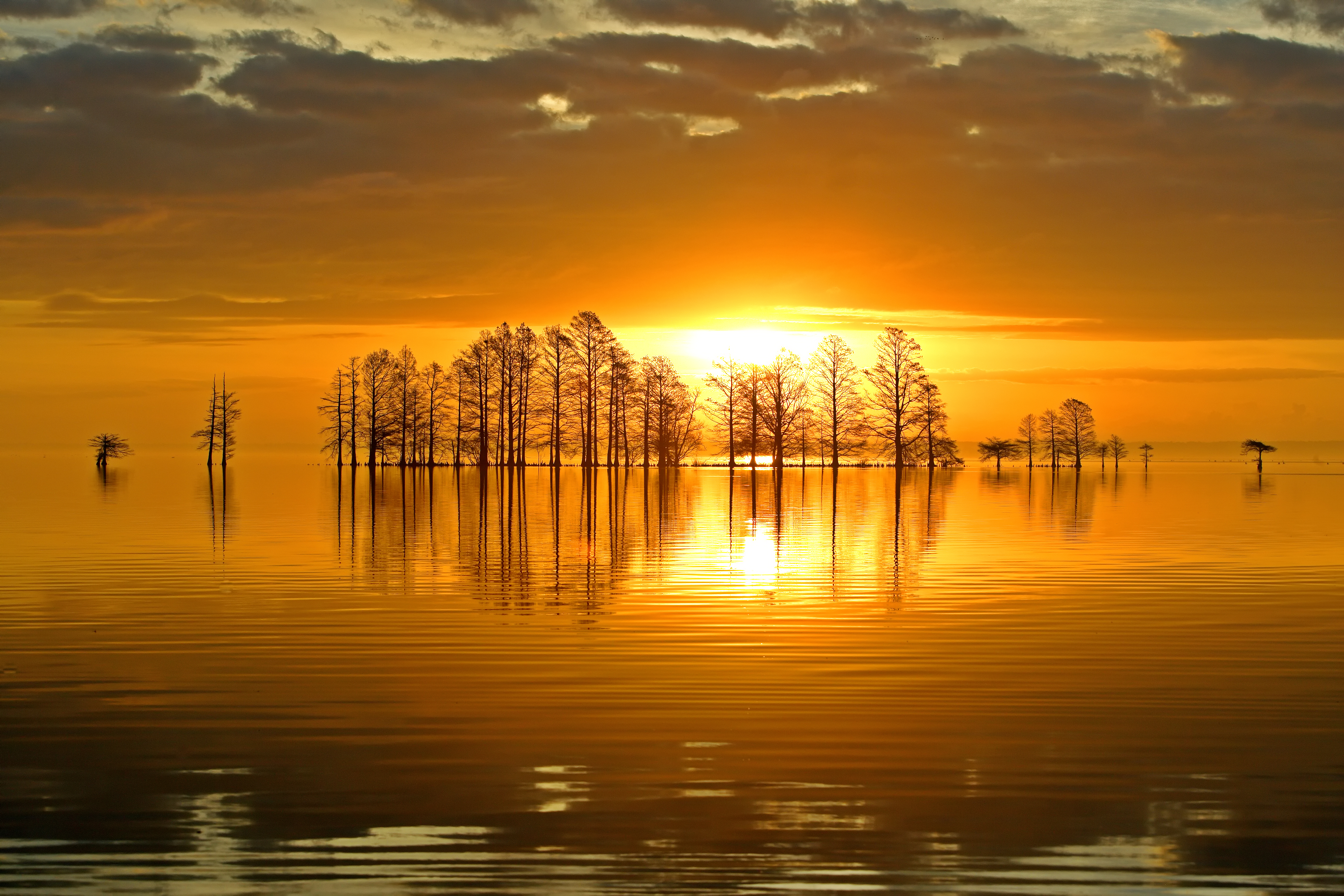
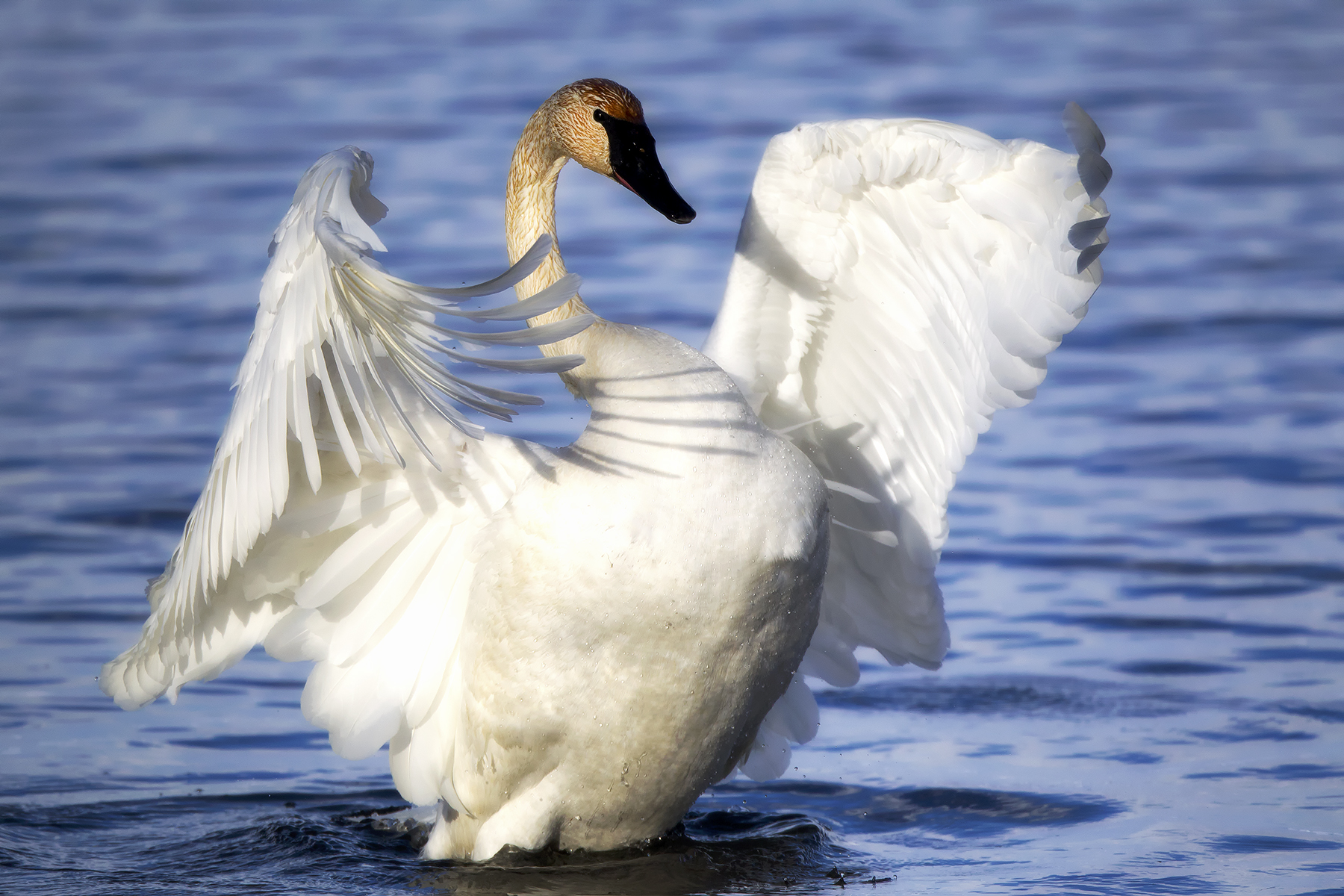
Bring the season home—browse Wildlife, Landscapes, and Seascapes by National Geographic–published photographer Robbie George. See framing, editions, and care on the Collectors page.
 Landscape
  Wildlife
About Robbie George
Robbie George is a National Geographic–published photographer and resonant naturalist. His fieldcraft follows a simple ethic—distance first, habitat always— shaped by Slow Knowledge and the Signature Series.
Explore calm, undisturbed behavior in the Wildlife Gallery or plan your next trip with the Seasonal Wildlife Calendar, Golden Hour & Moon, and Photography Maps.
“Attention first, image second. The shutter is the period at the end of a sentence you learned by walking.”
FAQs: Water, Time, and Natural Cycles
Why is water important for Earth’s natural cycles?
Water drives the hydrological cycle, which includes evaporation, cloud formation, rainfall, and river flow. This cycle supports plant life, wildlife habitats, and climate stability.
How does water influence seasonal change?
Water regulates temperature, stores heat, and distributes moisture across landscapes. It plays a key role in shaping seasons, weather patterns, and ecological balance.
What makes Earth unique compared to other planets?
Earth is the only known planet with abundant liquid water on its surface. This allows ecosystems to develop, sustain life, and maintain long-term environmental stability.
How does water affect ecosystems and wildlife?
Water availability influences where plants grow, where animals live, and how ecosystems function. Rivers, lakes, wetlands, and oceans are all essential habitats.
How does understanding natural cycles help nature photography?
Understanding water flow, seasonal timing, and environmental conditions helps photographers anticipate light, movement, and landscape changes in the field.
What are simple ways to protect water systems?
Reducing pollution, conserving water, supporting healthy soil, and protecting natural habitats all help maintain clean and balanced water systems.
Where can I explore water in nature photography?
You can explore water-based landscapes, reflections, and environmental scenes in the Water Wonders gallery and related photography collections.