
Bald Eagle: Life Cycle, Behavior, Habitat, and Conservation Efforts of America’s Majestic Icon
Bald Eagle Behavior, Habitat & Life Cycle — A Field Guide to America’s Iconic Raptor
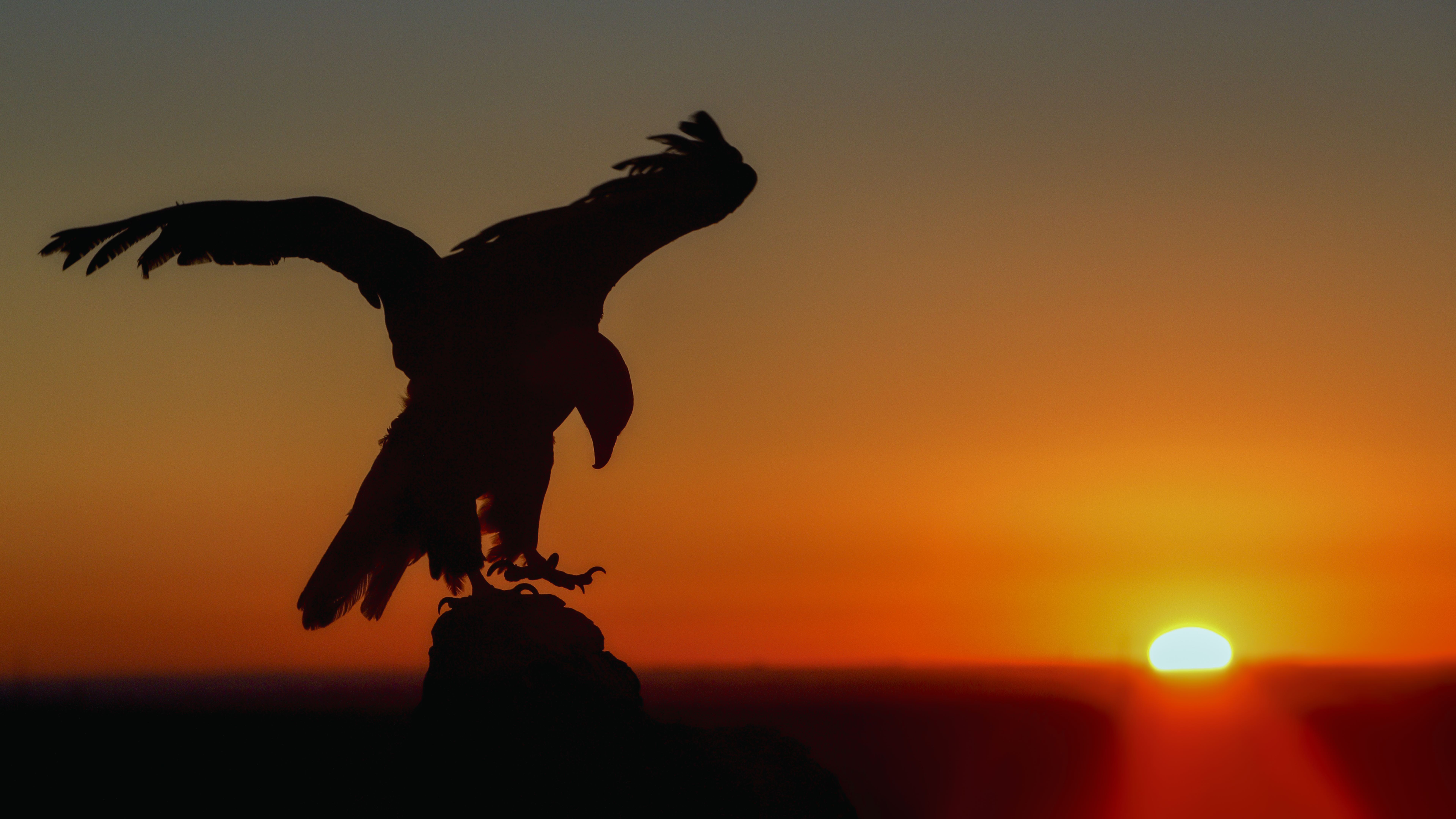
Along rivers, lakes, and coastal shorelines across North America, the bald eagle moves with a kind of quiet authority. It rarely wastes energy—soaring on thermals, scanning the surface below, and striking only when timing aligns. Whether hunting fish, stealing from an osprey, or perched above open water, every movement reflects a deep relationship between predator, habitat, and season.
As one of the most recognized members of the birds of prey, the bald eagle represents more than size or strength. Its behavior connects directly to patterns explored in wildlife behavior and ecology, where hunting strategy, energy conservation, and environmental awareness shape survival.
From the structure of river systems to coastal estuaries and inland lakes, bald eagles are tightly linked to ecosystems of North America. Their presence often signals healthy fish populations, intact habitat, and functioning food webs—making them both apex predators and ecological indicators.
Their behavior also follows seasonal rhythms. Migration, nesting, and hunting intensity shift throughout the year, aligning closely with temperature, water conditions, and prey availability. To understand when and where these patterns unfold, tools like the Seasonal Wildlife Calendar help connect timing with real field observation.
On This Page
Bald Eagle Hunting Behavior
Few hunting sequences in North American wildlife are as recognizable as a bald eagle working over water. The bird typically perches high above a river, lake, or shoreline, scanning below with remarkable precision. It waits—sometimes for long stretches—before committing to movement, conserving energy until the moment aligns.
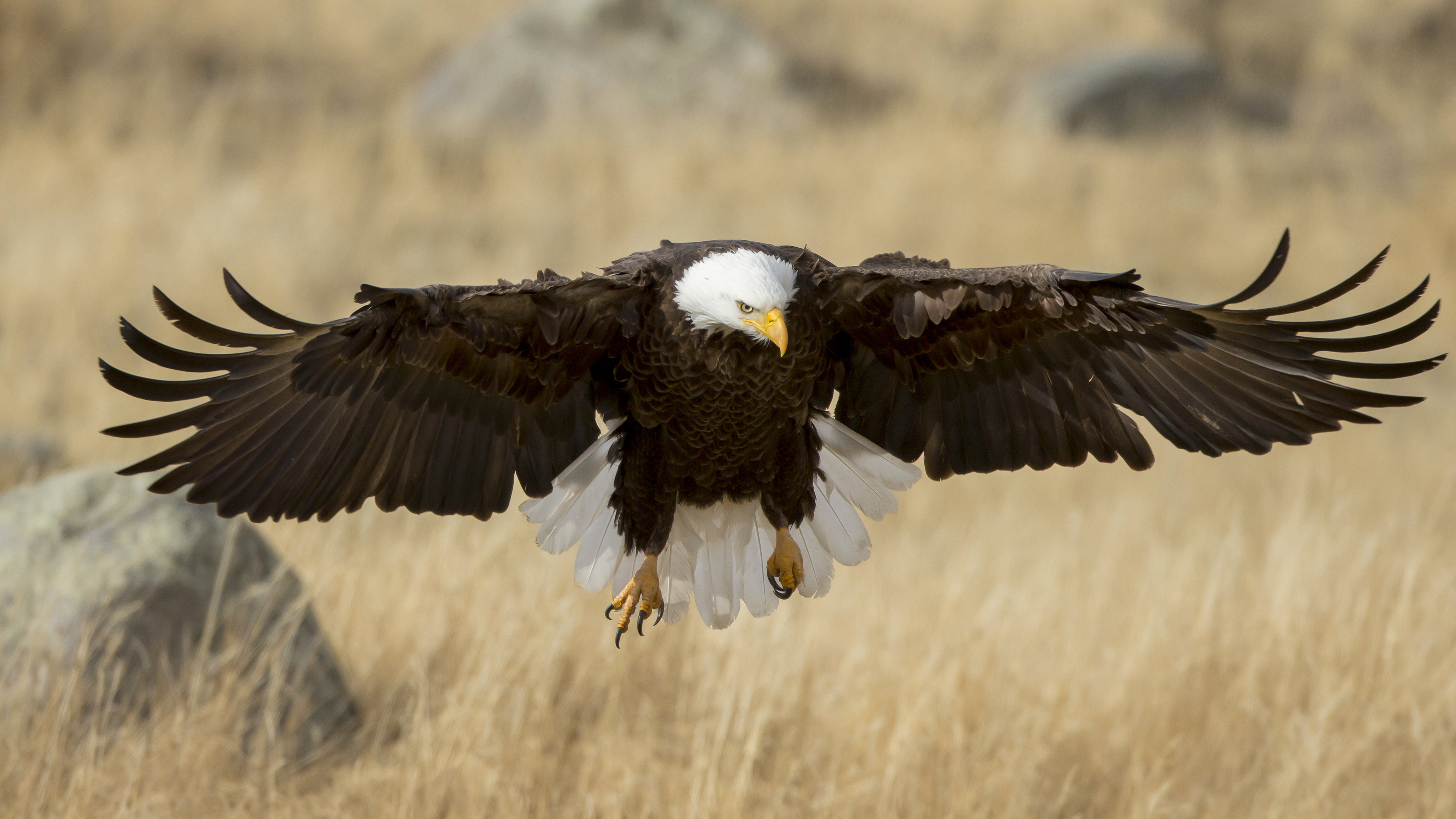
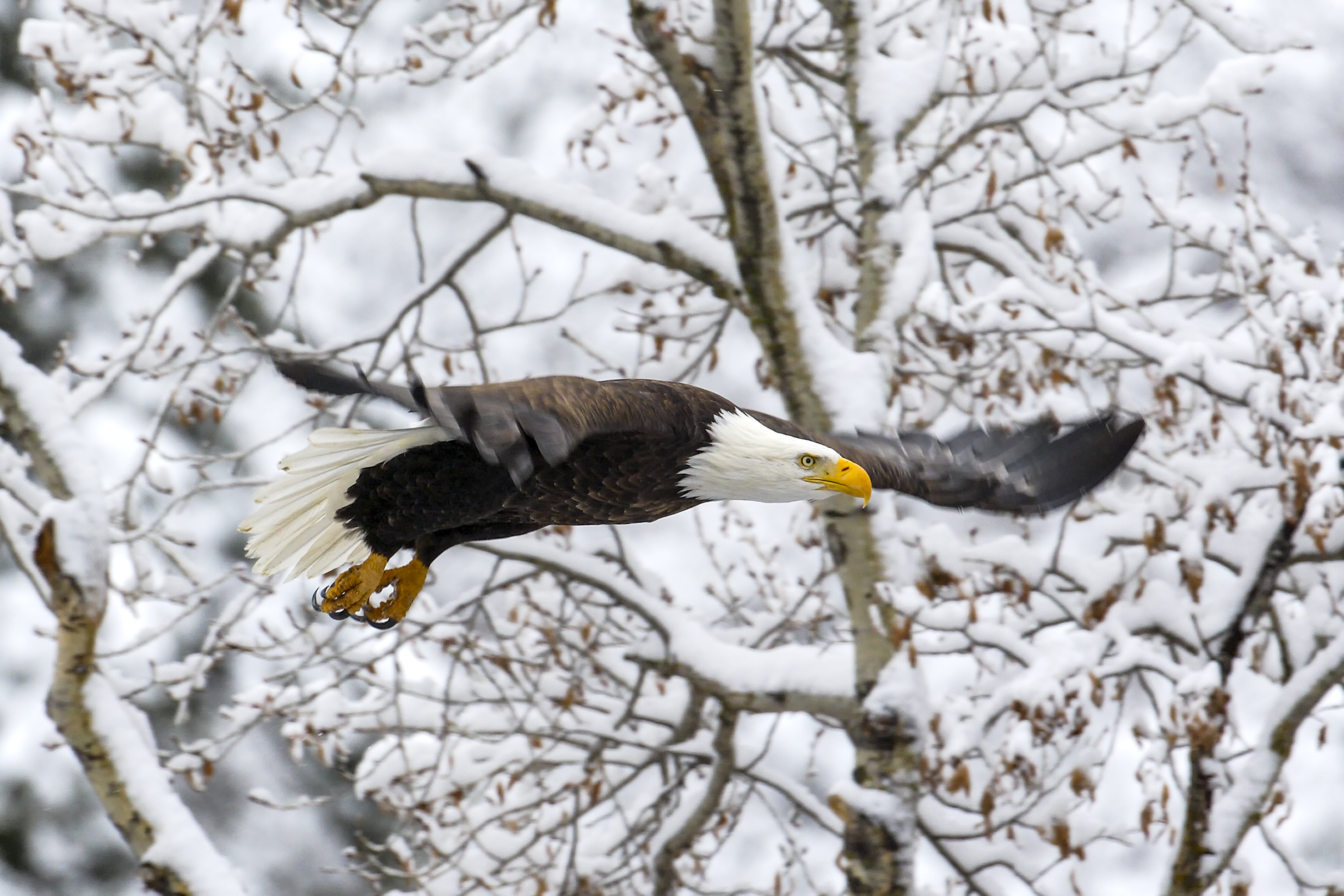
When it does act, the motion is deliberate. The eagle drops from its perch or glides low over the surface, adjusting its wings and angle as it approaches. At the final moment, it extends its talons forward and makes contact with the water—often without fully submerging—gripping fish near the surface before lifting back into flight.
Unlike many birds of prey that rely on speed and surprise over land, the bald eagle’s strategy is built around timing, positioning, and environmental awareness. It reads light on the water, movement below the surface, and wind conditions above—all factors that influence the success of the strike.
Bald eagles are also opportunistic hunters. In addition to catching their own prey, they frequently engage in kleptoparasitism—stealing fish from other birds, especially osprey. This behavior reflects a broader adaptive strategy where energy conservation often outweighs direct pursuit, a pattern explored in wildlife behavior and ecology.
Their hunting behavior is tightly linked to aquatic environments. Fish availability, water clarity, seasonal movement, and temperature all shape when and where eagles hunt. This places them directly within the structure of North American ecosystems, where predator and prey dynamics reflect the overall health of the system.
In many ways, the bald eagle’s hunting pattern represents efficiency at scale—minimal effort, maximum awareness, and precise execution. It is a behavior refined over time, shaped by environment, and repeated across generations in landscapes where water, prey, and open space intersect.
Bald Eagle Habitat
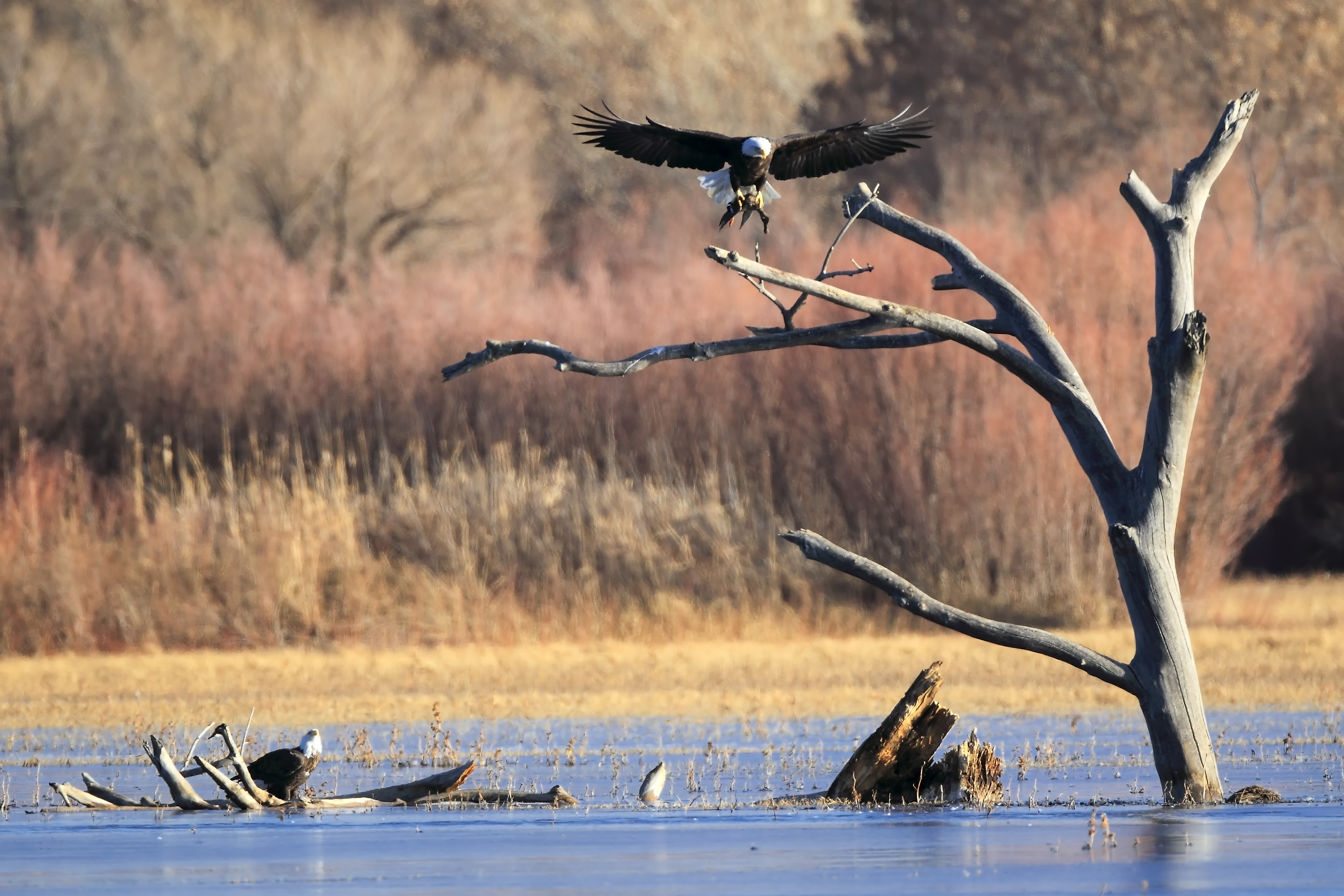
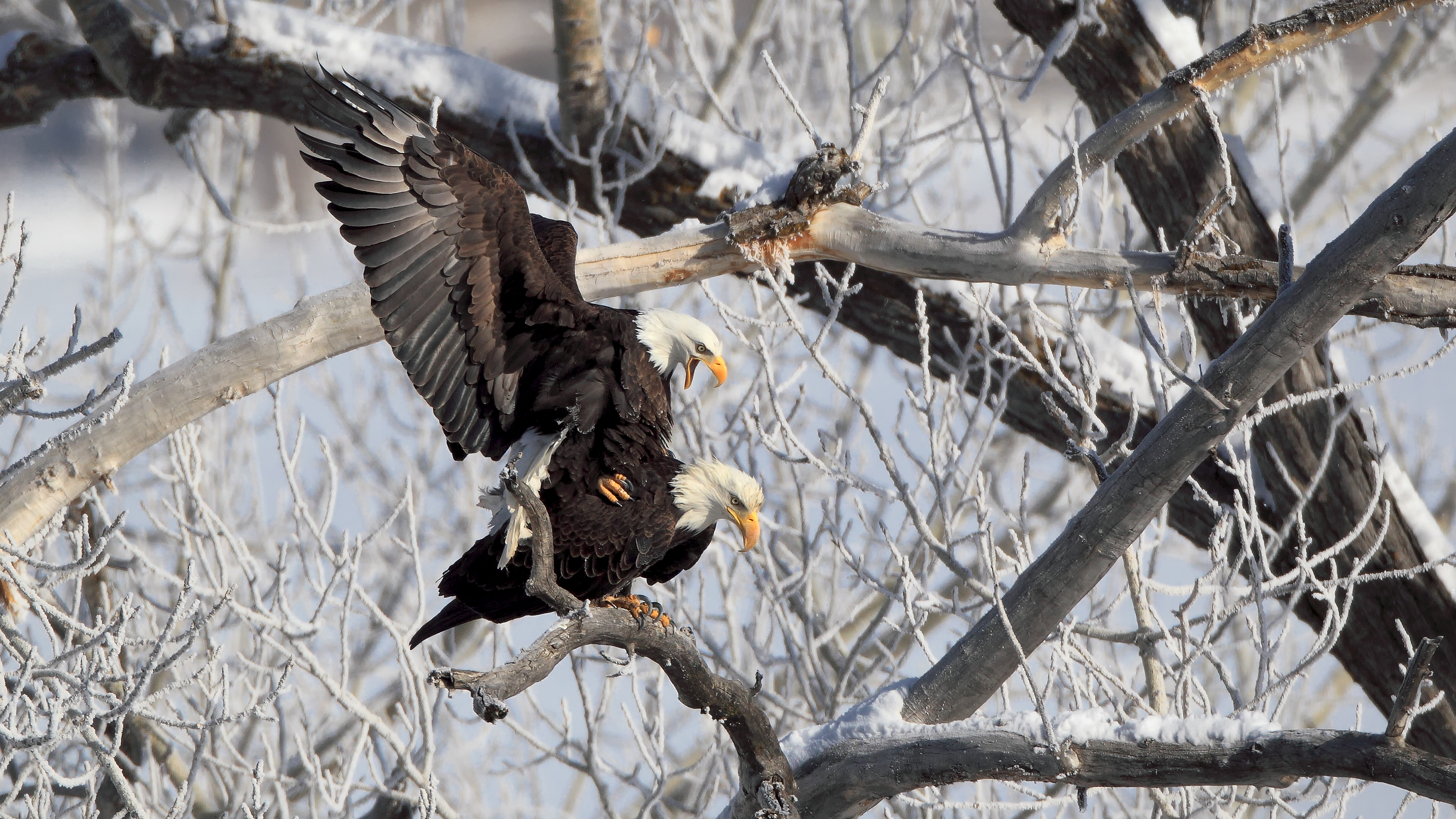
Bald eagles are closely tied to water. Rivers, lakes, reservoirs, estuaries, and coastal shorelines form the core of their habitat because these environments support the fish populations they depend on. Wherever open water remains accessible—especially in winter—eagles tend to concentrate.
But water alone is not enough. Bald eagles require structure within the landscape: tall trees for nesting, strong perches for scanning, and open flight paths for approach and takeoff. The most productive habitats combine all three—water, elevation, and visibility—creating environments where hunting and nesting can occur efficiently.
These patterns place the bald eagle directly within the broader framework of ecosystems of North America, especially river corridors, wetland systems, and coastal zones where energy flows between land and water.
Some of the most reliable places to observe bald eagle activity include landscapes like Yellowstone National Park, Grand Teton National Park, and coastal or wetland-rich areas such as Blackwater National Wildlife Refuge. These locations combine habitat structure with prey availability, making them ideal for both observation and photography.
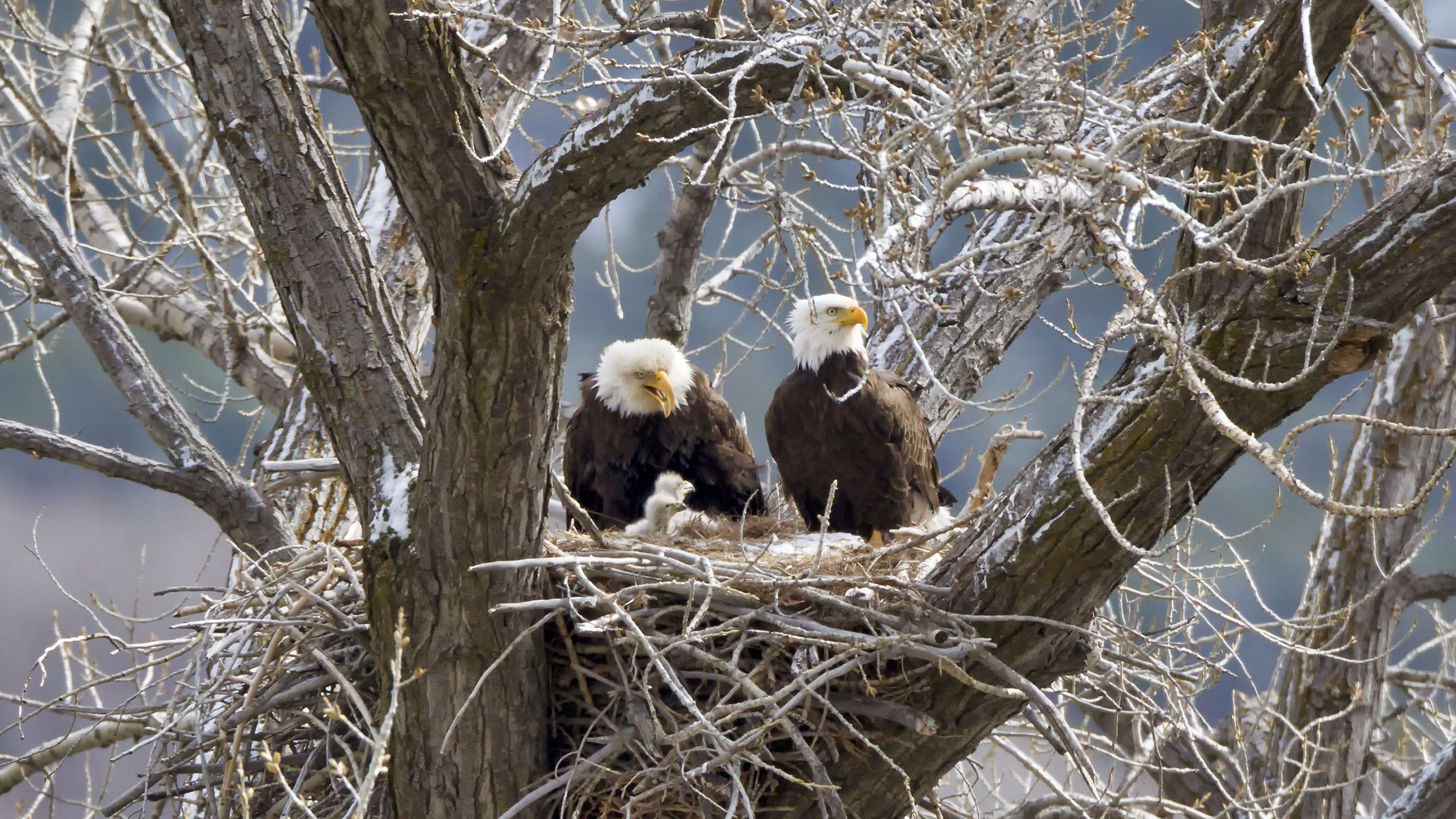
Because bald eagles often return to the same nesting territories year after year, their habitat becomes a long-term anchor within the landscape. Large nests—sometimes weighing over a thousand pounds—are built and rebuilt across generations, reinforcing the connection between species and place.
For wildlife observers, the key is to look for edges: where water meets forest, where shoreline meets open sky, and where elevation provides a clear vantage point. These transition zones concentrate movement and make eagle behavior easier to read in the field. They also connect directly to your broader Wildlife Observation Locations system, where species, habitat, and geography align.
Bald Eagle Diet
Fish make up the core of the bald eagle’s diet, which is one reason the species stays so closely tied to rivers, lakes, reservoirs, estuaries, and coastal shorelines. Salmon, trout, suckers, perch, and other medium-sized fish are common prey, especially where open water allows the eagle to spot movement from above and strike near the surface.
But the bald eagle is not limited to fish alone. It is an opportunistic predator and scavenger, capable of taking waterfowl, small mammals, carrion, and other available food sources when conditions shift. In winter especially, when water freezes or fish become harder to access, this flexibility becomes an important part of survival.
That adaptability helps explain why the bald eagle remains one of North America’s most successful birds of prey. Rather than relying on a single hunting method in every season, it adjusts to prey availability, habitat conditions, and competition. In some areas, eagles even steal fish from other raptors, particularly osprey, choosing efficiency over direct pursuit when the opportunity is there.
The eagle’s diet also places it within larger ecological relationships. As both predator and scavenger, it helps move energy through aquatic and terrestrial systems, linking fish populations, shoreline habitats, and seasonal food cycles. This role fits naturally within your broader food webs and ecological relationships framework, where species are understood through the connections they maintain across the landscape.
Because bald eagles feed at the top of the food chain, their diet also makes them sensitive to environmental change. Contamination, habitat degradation, reduced fish populations, and shifts in prey availability can all affect nesting success and long-term stability. In that sense, diet is not just about what the eagle eats—it is also one of the clearest indicators of the health of the ecosystems it depends on.
Bald Eagle Life Cycle
The bald eagle life cycle begins high above the ground in a large stick nest built near water. These nests, often placed in tall trees or on protected cliffs, give adults a broad view of the surrounding habitat and quick access to hunting areas. Pairs frequently return to the same nest territory year after year, adding new material each season and turning the nest into a long-term center of reproduction and survival.
After mating, the female typically lays one to three eggs. Incubation lasts a little over a month, with both adults taking part in protecting and warming the eggs. Once hatched, eaglets are covered in soft gray down and depend entirely on their parents for food, warmth, and defense. During this stage, adult hunting activity becomes especially intense because the demands of feeding young rise quickly.
As the nestlings grow, they begin to develop stronger feathers, larger frames, and the coordination needed for balance and wing movement. By the time they are several weeks old, young eagles start flapping, stretching, and testing their strength within the nest. This period is critical because it builds the muscular and behavioral foundation needed for first flight.
Fledging usually occurs at around 10 to 12 weeks, but leaving the nest does not mean independence. Juvenile bald eagles remain near their parents for a period of time, continuing to practice flight, improve landings, and learn how to recognize hunting opportunities in the surrounding landscape. The transition from nestling to capable young bird is gradual, shaped by repetition and environmental experience.
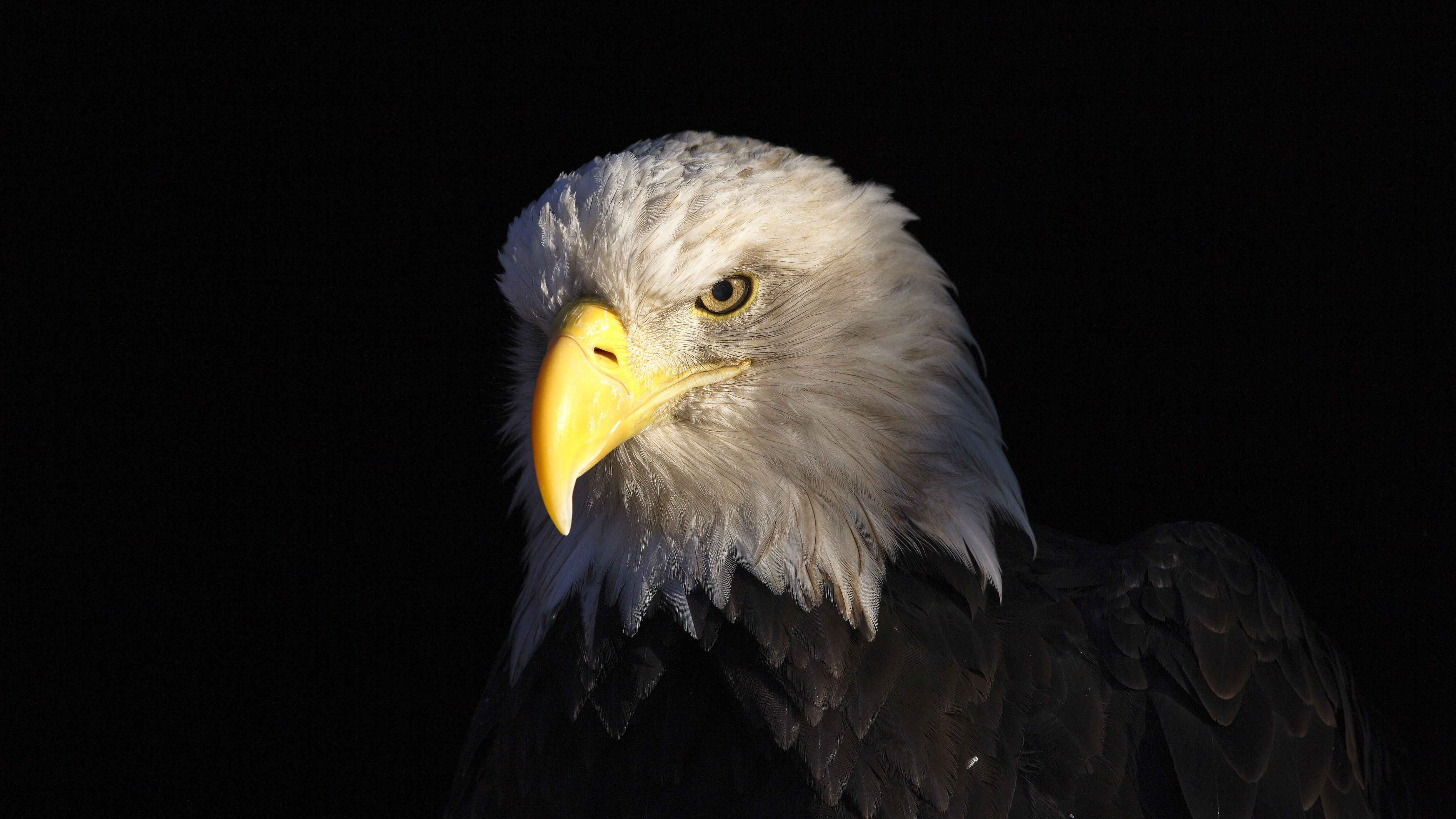
One of the most recognizable parts of the bald eagle life cycle is the long shift from juvenile plumage to adult appearance. Young birds are mottled brown overall and do not yet show the bright white head and tail that define mature adults. That transformation unfolds over roughly four to five years, making age and maturity easy to track in the field.
This long developmental arc connects directly to broader patterns in wildlife behavior and ecology, where learning, territory, pair bonding, and delayed maturity all shape species success. It also reinforces how closely the bald eagle’s life cycle depends on stable habitat, prey access, and seasonal timing across North American ecosystems.
Bald Eagle Behavior
Bald eagle behavior is defined by efficiency. In the field, they often spend long periods perched high above a river, lake, or shoreline, watching rather than moving. When they do take flight, the motion is controlled and economical. Instead of constant flapping, they rely heavily on soaring, gliding, and riding thermals to cover distance while conserving energy.
That calm, deliberate movement is one of the clearest signs of the species. Adult bald eagles often appear composed and highly intentional, reading wind, water, and the behavior of other animals before acting. Whether hunting, defending territory, or moving between perches, their behavior reflects a predator that succeeds through timing and awareness more than constant force.
Juvenile eagles behave differently. In their early years, they range more widely, experiment more in flight, and show less consistency in posture and movement. They are still learning how to read thermals, how to judge distance over water, and how to recognize the right moment to descend on prey. This contrast between adult control and juvenile trial-and-error makes bald eagles especially rewarding to watch over time.
Territorial behavior becomes strongest during breeding season. Pairs defend nest areas, patrol the surrounding habitat, and return repeatedly to familiar perches and approach routes. That long-term attachment to territory connects directly to nesting success, prey access, and the stability of local habitat. It also reflects broader patterns explored in wildlife behavior and ecology, where survival depends not just on instinct, but on repeated interaction with place.
Pair bonding is another important part of bald eagle behavior. Mated adults often return to the same territory year after year, rebuilding the nest, coordinating hunting and nest defense, and reinforcing a long-term partnership tied to landscape and season. In the field, this behavior is often most visible near nest sites, where repeated flights, vocal exchanges, and perch changes reveal a coordinated relationship rather than isolated action.
Taken together, bald eagle behavior shows how movement, energy use, territory, and learning all fit within larger ecological systems. It is not just the behavior of a single bird, but part of a wider pattern linking species, habitat, and time across North American ecosystems and seasonal cycles tracked through the Seasonal Wildlife Calendar.
Bald Eagle Conservation
The bald eagle is one of the most powerful conservation stories in North America. Once driven into steep decline by habitat loss, persecution, and the effects of DDT, the species reached a point where nesting populations in the lower 48 states had dropped dramatically. Because bald eagles sit high in the food chain, contaminants moved upward through the ecosystem and weakened eggshells, reducing reproductive success across large parts of their range.
What followed was not a simple rebound, but a long recovery made possible by legal protection, habitat preservation, and the gradual restoration of healthier ecosystems. The banning of DDT, enforcement of wildlife laws, and protection of nesting territories gave bald eagles the conditions they needed to recover. Their return remains one of the clearest examples of what can happen when conservation is tied to real ecological repair rather than short-term intervention alone.
Even so, conservation is not finished. Bald eagles still depend on intact shorelines, mature nesting trees, clean water, and reliable prey populations. Disturbance near nests, shoreline development, lead poisoning, collisions with infrastructure, and broader habitat fragmentation continue to create pressure in many landscapes. The species may be far stronger than it once was, but its future still depends on how well those habitats are protected.
This is why the bald eagle belongs naturally within your larger Wildlife Conservation & Habitat system. Its story is not just about one bird, but about how predators reflect the health of the environments beneath them—water quality, fish populations, nesting structure, and human land use all show up in the success or failure of the species.
The bald eagle also connects strongly to broader ideas of biodiversity and ecosystem balance. As an apex predator and scavenger, it participates in food webs that stretch across rivers, lakes, wetlands, and coastlines. Protecting the bald eagle therefore means protecting not only the bird itself, but the larger ecological relationships that allow it to exist.
For anyone observing bald eagles in the field, conservation begins with behavior as much as policy: keeping distance from nests, respecting seasonal sensitivity, and recognizing that the best wildlife encounters happen when habitat comes first. In that sense, the bald eagle’s recovery is both a success story and a reminder—wildlife returns most fully when the living structure around it is allowed to hold.
Bald Eagle Migration
In the field, I’ve learned that bald eagle migration isn’t something you always see as a single dramatic movement—it unfolds gradually, shaped by water, temperature, and food availability. As northern lakes begin to freeze and fish move out of reach, eagles start shifting south or toward areas of open water. The movement is not random. It follows the presence of accessible prey.
Some bald eagles travel long distances, moving hundreds or even thousands of miles between breeding and wintering grounds. Others remain in place year-round if conditions allow. Where rivers stay open or coastal systems remain productive, there is often no need to migrate at all. This variation is one of the most important patterns I’ve observed—it shows how closely the species responds to environment rather than fixed routes.
During migration periods, I often see eagles using thermals and wind currents to conserve energy, soaring for long stretches rather than flapping. They move along river systems, coastlines, and mountain corridors—natural pathways that guide both movement and feeding opportunities. These routes connect directly into the broader patterns I explore in Wildlife Migration & Seasonal Patterns, where species movement is tied to landscape and timing.
What stands out most is how flexible their migration really is. Bald eagles are not locked into a rigid schedule. Their timing shifts year to year depending on weather, water conditions, and prey availability. A mild winter can hold birds in place, while early freeze can push movement sooner than expected. This responsiveness makes them one of the clearest examples of how wildlife adapts in real time.
If I’m planning to observe or photograph bald eagles, migration timing becomes critical. Late fall and winter often concentrate birds around open water, especially in river corridors and coastal zones where fish remain accessible. Using tools like my Seasonal Wildlife Calendar, I align location, season, and behavior to increase the chances of consistent observation.
In the end, bald eagle migration isn’t just about movement—it’s about continuity. It connects regions, ecosystems, and seasons into one flowing pattern. Watching that movement over time reinforces something I’ve come to trust in the field: when you understand where water stays open and where prey remains active, you begin to understand where the eagles will be.
From Field Observation to the Larger Bald Eagle System
When I watch a bald eagle in the field—whether it’s hunting over water, soaring on thermals, or returning to a nest site—I’m not just observing a single species. I’m watching how behavior, habitat, energy use, and seasonal timing come together as one connected system. The eagle becomes a visible expression of everything beneath it: fish populations, water conditions, landscape structure, and the cycles that move through them.
That is exactly how I’ve built this site. The bald eagle belongs within my broader Birds of Prey system, but it also connects directly into Wildlife Behavior & Ecology, Ecosystems of North America, and Wildlife Conservation & Habitat. Each of these layers builds on the same foundation: real observation in real environments over time.
Migration patterns connect this species to the time layer of the system, while habitat ties it to geography and ecosystem structure. Behavior links it to energy use and survival strategy. When these pieces are viewed together, the bald eagle is no longer just a subject—it becomes a node inside a much larger ecological network that can be understood, observed, and revisited in the field.
This is also where the blog transitions into Naturepedia. The purpose of this page is to show the eagle in motion—how it lives, hunts, and interacts with its environment. The next step is the structured species entry, where habitat, behavior, diet, ecology, and observation strategy are organized into a permanent reference system.
Bald Eagle FAQ
What do bald eagles eat?
Bald eagles eat mostly fish, but they are also opportunistic predators and scavengers. Depending on season and location, they may take waterfowl, small mammals, or carrion when conditions make those food sources easier to access.
Where do bald eagles live?
Bald eagles live near rivers, lakes, reservoirs, estuaries, and coastal shorelines across North America. The best habitat usually combines open water, strong perches, large nesting trees, and clear visibility for hunting.
Do bald eagles migrate?
Some bald eagles migrate long distances, while others remain in the same region year-round. Their movement depends largely on open water, prey access, and winter conditions rather than a single rigid migration pattern.
How long does it take a bald eagle to get its white head?
Young bald eagles do not develop the full white head and tail of adulthood right away. That mature plumage usually appears gradually over about four to five years.
Do bald eagles mate for life?
Bald eagles often form long-term pair bonds and frequently return to the same nesting territory year after year. When habitat remains stable and breeding is successful, pairs may stay together for many seasons.
Why is the bald eagle an important conservation species?
The bald eagle is one of North America’s clearest wildlife recovery stories. Its return reflects the value of habitat protection, clean water, healthy fish populations, and long-term conservation action across connected ecosystems.
About the Author
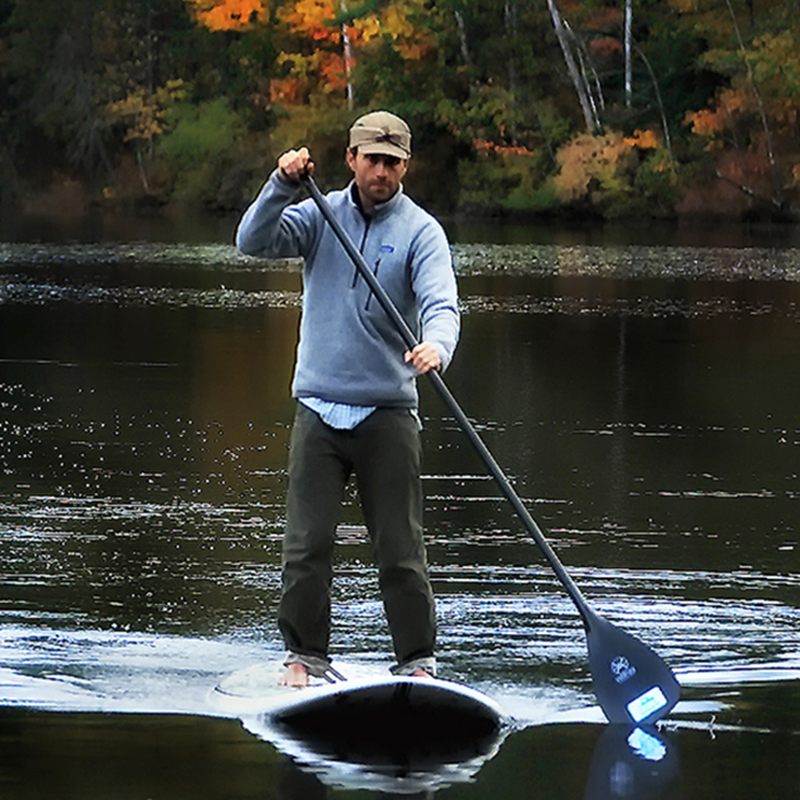
Robbie George is a nature photographer, writer, and field-based observer whose work is rooted in watching how wildlife behaves within real habitats, changing weather, and seasonal time.
My bald eagle work grows out of that same field-first approach. I’m interested not just in the image, but in the larger pattern behind it—how a bird moves through water systems, how it uses wind and elevation, and how behavior reveals the deeper structure of the landscape.
Through that process, photography becomes more than documentation. It becomes a way of connecting species pages, behavior studies, ecosystems, field tools, and Naturepedia into one larger wildlife knowledge system built from direct observation and long-term relationship with place.