


Being Present in Nature: Timeless New Year with Robbie George Photography
Embracing the Present: The Timeless Rhythms of Nature
As each new year begins, we're drawn to reflect—not only on the passage of time, but on the rhythm of our lives. How often do we truly dwell in the present moment, rather than racing through it? The natural world invites us to slow down, to attune ourselves to cycles beyond the clock.
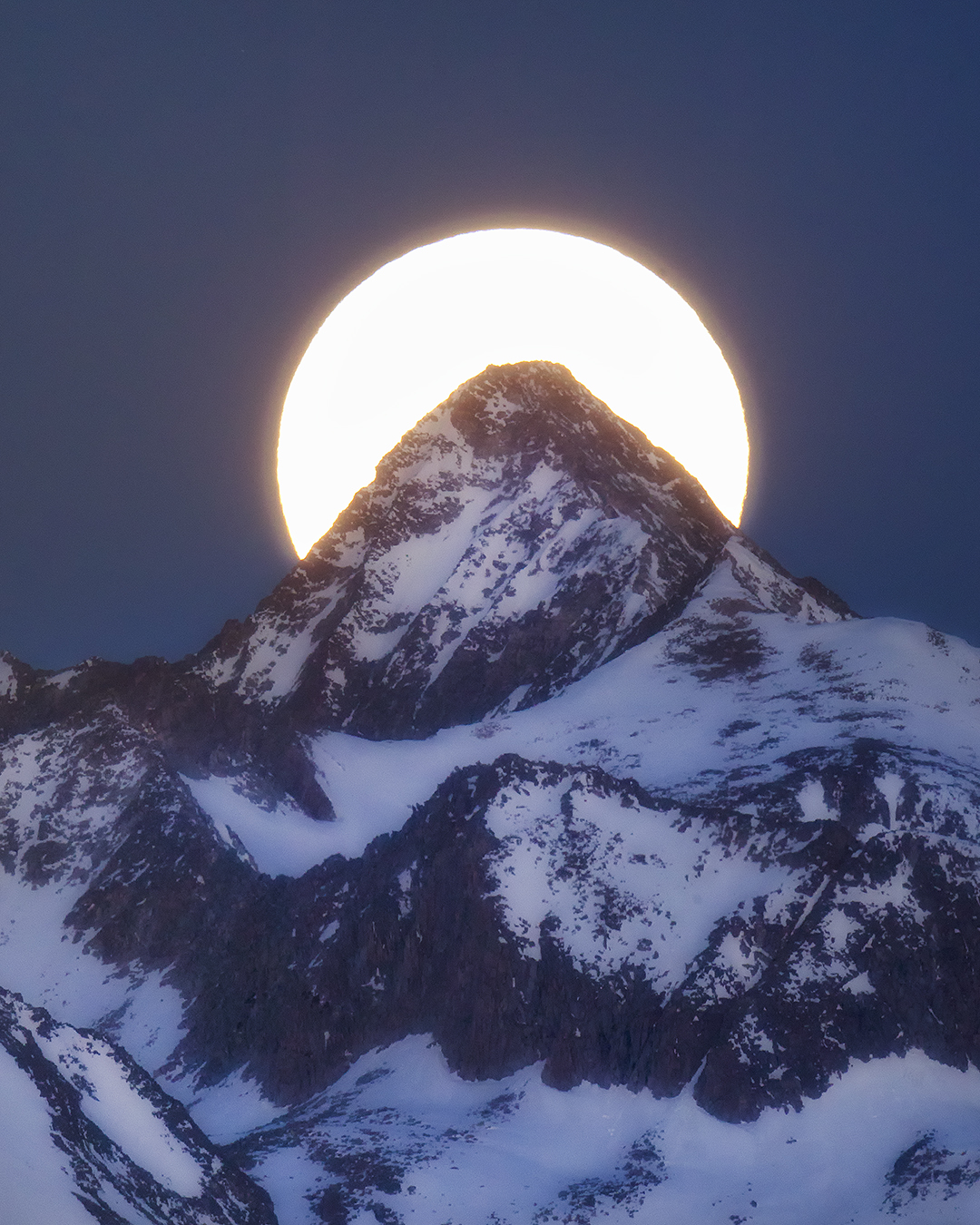
While our calendars reset with fireworks and resolutions, nature resets in silence. A glacier calving, a moon cresting the horizon, the patient bloom of spring—these remind us of a deeper rhythm. I’ve come to see each of these events not just as photographs, but as moments of timelessness captured in the lens. Moments of The Living Code where presence meets eternity.
In the wilderness, I am reminded that time is not just a line—it’s a loop, a breath, a cycle. As you read on, I invite you to pause with me. Feel the stillness behind each word. Let nature’s wisdom whisper something deeper: that being present is not about stopping time, but about stepping into it fully.
“Nature doesn’t keep time—she keeps rhythm. And when we move with her, we remember how to feel the pulse of the eternal.” ~ Robbie George
The Human Perception of Time
For most of us, time flows like a straight river—always forward, never still. We count it in minutes, milestones, and memories. But what if our sense of time is more a psychological overlay than a cosmic truth? Through my lens and in the field, I’ve come to see time not as a ruler, but as a resonance.
In The Living Code, I explore how humans have divorced themselves from the rhythms of nature by measuring time rather than feeling it. Our atomic clocks pulse, yet our spirits rush. Meanwhile, the field—the same one I speak of in my Unified Field Theory—tells a different story: one of vibration, spin, and recursion. Time isn’t linear; it spirals.
In this modern age, we often experience what I’ve come to call “temporal dissonance”—a misalignment between our internal rhythm and the field of nature around us. This disharmony shows up in stress, fatigue, and disconnection. But harmony can be restored. And it begins by tuning our awareness to the natural tempo, not the digital one.
“Time is not something to chase—it's something to feel. In the presence of stillness, we remember who we are.” ~ Robbie George
Nature’s Timeless Cycle
While humans mark time with clocks and calendars, nature flows with cycles—of bloom and decay, of sunrise and snowfall, of breath and silence. Her rhythm isn’t mechanical; it’s magnetic. And beneath it all lies what I describe in the Quantum Agriculture series as the “soil of time”—a field where resonance, renewal, and memory intersect.
A glacier doesn’t hurry. A tree doesn’t race. They are tuned to the deep tempo of the Earth. Their stories are carved not in seconds, but in cycles—etched into the land through weather, water, and breath. What we call erosion, the field calls remembering. What we call waiting, the field calls wisdom.
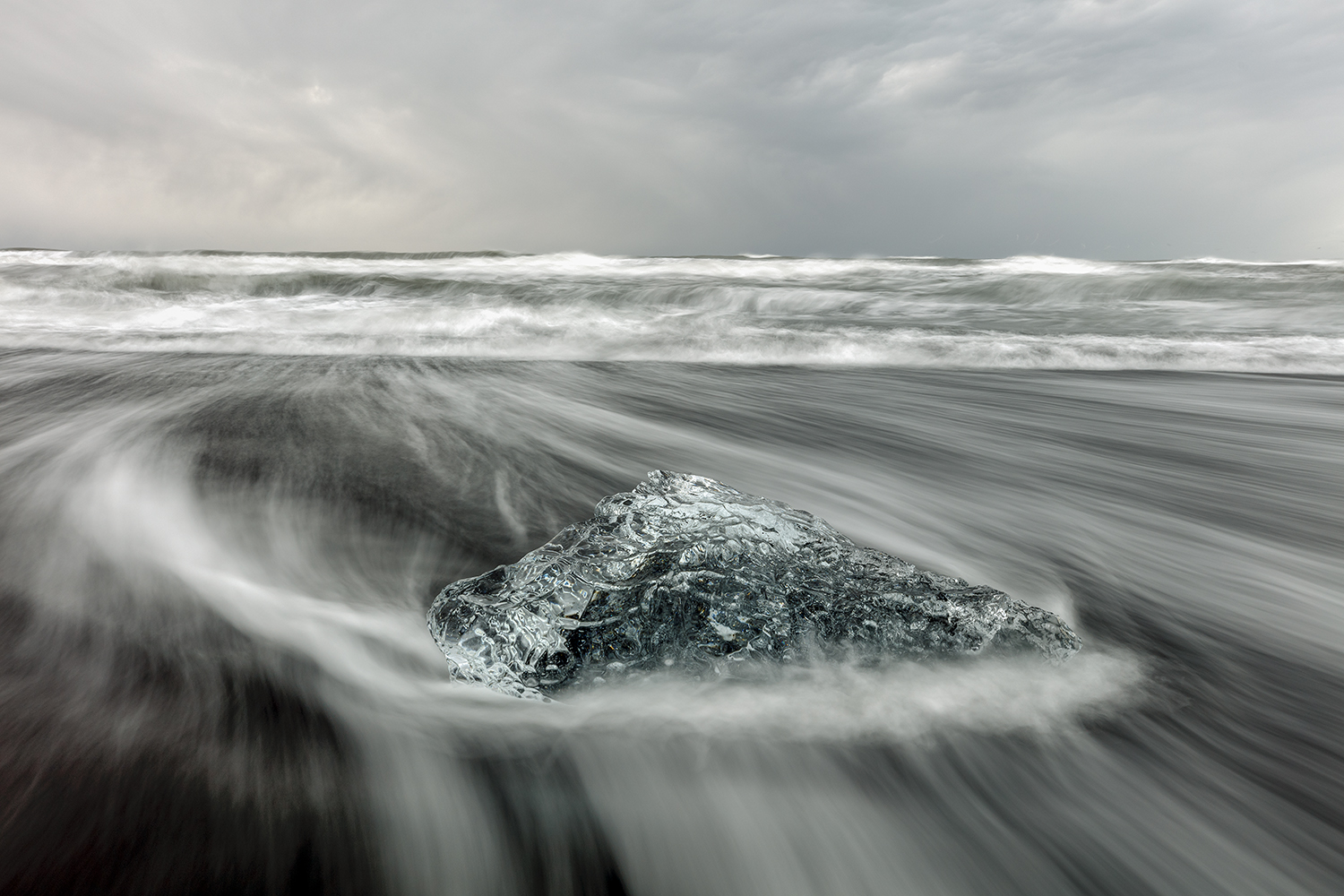
This is the essence of The Nature Code—that embedded in every wave, every root, every rock is a language of patience and pattern. Nature teaches not through urgency, but through repetition and rhythm. She lives in spirals, not in straight lines. And through her, we can learn to slow down—not to stop, but to sync.
“Nature doesn’t forget. She remembers in cycles, teaches through seasons, and speaks in frequencies we’ve only just begun to hear.” ~ Robbie George
Mindfulness in Nature’s Moments
Nature doesn’t rush. She unfolds. A flower doesn’t bloom for the camera; it blooms because light called it. A bird doesn’t sing on schedule; it sings because life moved through it. In these moments, we see the blueprint of mindfulness—present, radiant, unhurried. This is what I explore in Quantum Vitality: the living intelligence encoded in every breath of the wild.
When I photograph nature, I don’t just look for beauty—I listen for presence. I listen for the stillness behind movement, the resonance behind color. And in those rare moments when I capture a deer mid-blink or a petal mid-bloom, I feel as if I’ve touched a frequency just outside of time.
Through the lens of mindfulness, the mundane becomes miraculous. The stillness of a stream, the arc of a leaf falling, the rhythm of rain on pine—these become teachers. They remind us that time isn’t something we race against. It’s something we return to. Each moment, fully lived, becomes eternal.
“Presence isn’t the absence of time—it’s the resonance of now. And nowhere is that more alive than in the field of nature.” ~ Robbie George
The Relativity of Time
In physics, time is elastic. In nature, it is relative. And in the field—as I’ve come to understand through the Unified Field Theory—it is rhythmic. A tree may stand for centuries while a snowflake lasts only minutes. Yet each expresses time in its fullest form. One in stillness. One in surrender.
I often think of time not as a ticking line but as a resonance field—shaped by intention, space, and light. When we attune ourselves to this field, we experience what I describe in the Solar Soul Clock: a harmonic flow where time becomes movement, not measurement. In nature, that flow is everywhere—from the spiral of a galaxy to the heartbeat of a whale.
A single tree may outlive generations of humans, standing witness to birth, war, rebirth, and silence. And yet to the tree, it is simply being—existing fully in each season, rooted in the memory of the land. This is time as memory, as presence, as imprint. It’s not how long we live that defines us, but how deeply we participate in the living field.
“The tree does not know age. It knows light. And in that knowing, it becomes a calendar of truth—measured not in numbers, but in resonance.” ~ Robbie George
Seasonal Shifts and Human Life
In nature, each season is more than a date on the calendar—it is a vibration in the field. Spring speaks in pulses of rebirth. Summer hums with abundance. Autumn teaches release. Winter whispers rest. As I wrote in The Living Code, these aren’t just weather patterns; they’re soul signatures mirrored in the body and spirit.
Our lives echo this cycle. Youth is spring. Adulthood, summer. Middle age, autumn. And elderhood—if we are lucky enough to reach it—is the sacred stillness of winter. In nature, nothing resists its season. It flows. So too must we. When we align our inner life with the seasons outside us, we begin to live rhythmically, not reactively. We find peace in change.
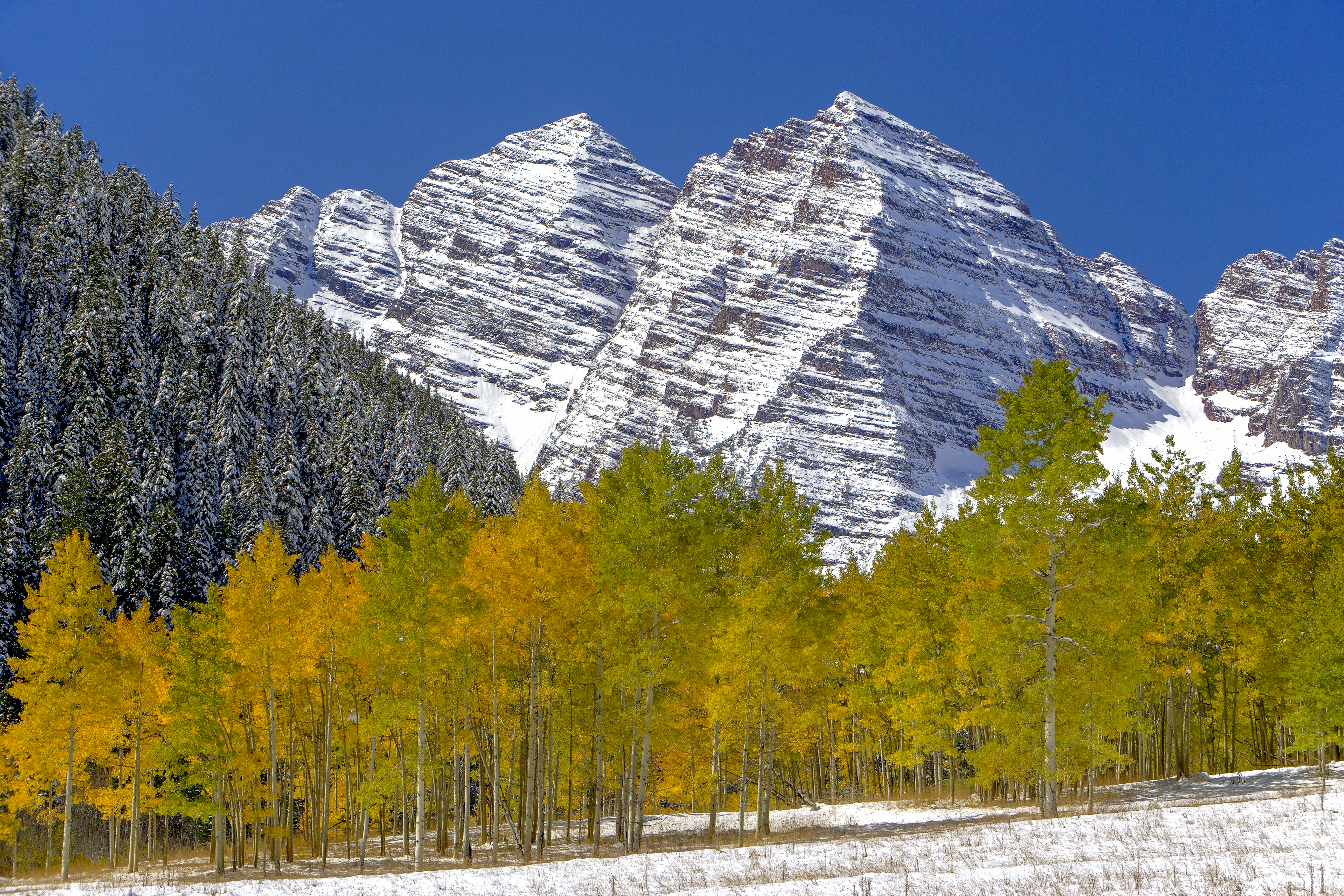
In The Nature Code, I reflect on this as the fractal blueprint of all life. Every heartbeat, tide, and harvest follows a sacred geometry of return. And when we walk outside, barefoot and aware, we remember: the Earth is not moving through time—it is becoming time.
“Each season is a classroom. Each leaf, a teacher. The wild doesn’t fear change—it embodies it.” ~ Robbie George
The New Year in Nature’s Context
For nature, the “new year” is not a party—it’s a pulse. She doesn’t start over on January 1st. She continues. She persists. She blooms, falls, sleeps, and begins again—not because of dates, but because of resonance. When I step into the forest, there’s no countdown, no resolution—just rhythm. Just return.
A glacier does not announce its rebirth; it simply melts and reforms. A river doesn’t set goals; it just flows. A redwood has welcomed thousands of “new years” without ever shifting its roots. This is the sacred continuity I speak of in The Living Code—that time is not something to reset but something to re-enter.
As we move into another calendar year, I invite you to see it as a spiral, not a line. You don’t need to race into a new version of yourself—you need only root deeper into your own rhythm. Breathe with the field. Align with the sun. Let the Earth remind you: the truest new year begins not with noise, but with stillness.
“Nature does not reset—she remembers. Each sunrise is not a restart but a return.” ~ Robbie George
Conclusion: Learning from Nature’s Timeless Wisdom
If we learn anything from the Earth’s rhythm, it’s that presence is not a pause—it’s a practice. Nature doesn’t rush to become anything. She simply is. And in her timeless presence, we find a reminder: that wholeness is not found in speed, but in stillness. That time, when felt in resonance, expands.
In my work—especially within Quantum Vitality and The Nature Code—I’ve come to see nature as a living clock whose hands are roots, rivers, moons, and breath. Every ecosystem is a timepiece. Every photograph I take is a timestamp of timelessness—a paradox, yes, but a holy one.
As we enter this new cycle, may we resist the urge to speed up. Instead, may we root down. May we synchronize with the song beneath the noise. May we, like the mountains and meadows, remember that we are not just moving through time—we are made of it.
“The most sacred clock is not on your wrist or wall. It lives in your breath, your soil, your sun. Learn to read it—and time becomes a friend again.” ~ Robbie George
Explore More Timeless Rhythms
If this reflection resonated with you, let the journey continue. Explore more of nature’s wisdom, rhythm, and field-based insight through my ongoing Signature Series and curated galleries:
- ➤ The Living Code – Discover the language of nature’s rhythm and polarity.
- ➤ The Nature Code – Learn from patterns, seasons, and field memory.
- ➤ Quantum Vitality – Where consciousness, mitochondria, and light converge.
- ➤ Supermoon Fine Art Print – Capture the cosmic timing of Earth and sky.
- ➤ Nature’s Seasons Blog Archive – Reflections on change, cycles, and timelessness.
Thank you for walking this quiet path with me. May the rhythm of nature guide your inner clock home.
Naturepedia Connections
This article is part of the broader Naturepedia system—an interconnected knowledge base exploring how wildlife, ecosystems, seasonal cycles, and natural rhythms shape life on Earth.
Explore Fine-Art Prints
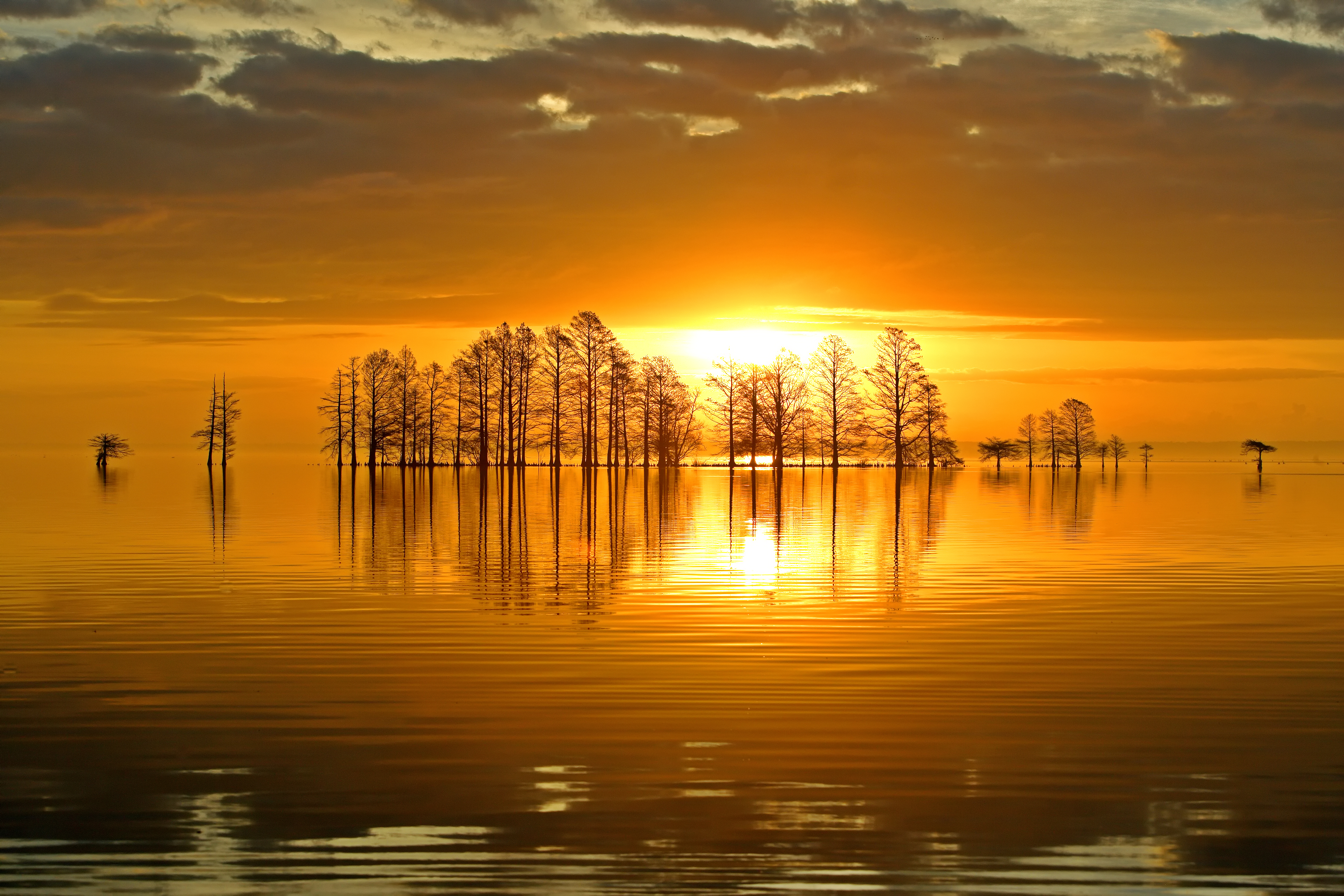
Bring the season home—browse Wildlife, Landscapes, and Seascapes by National Geographic–published photographer Robbie George. See framing, editions, and care on the Collectors page.
 Landscape
 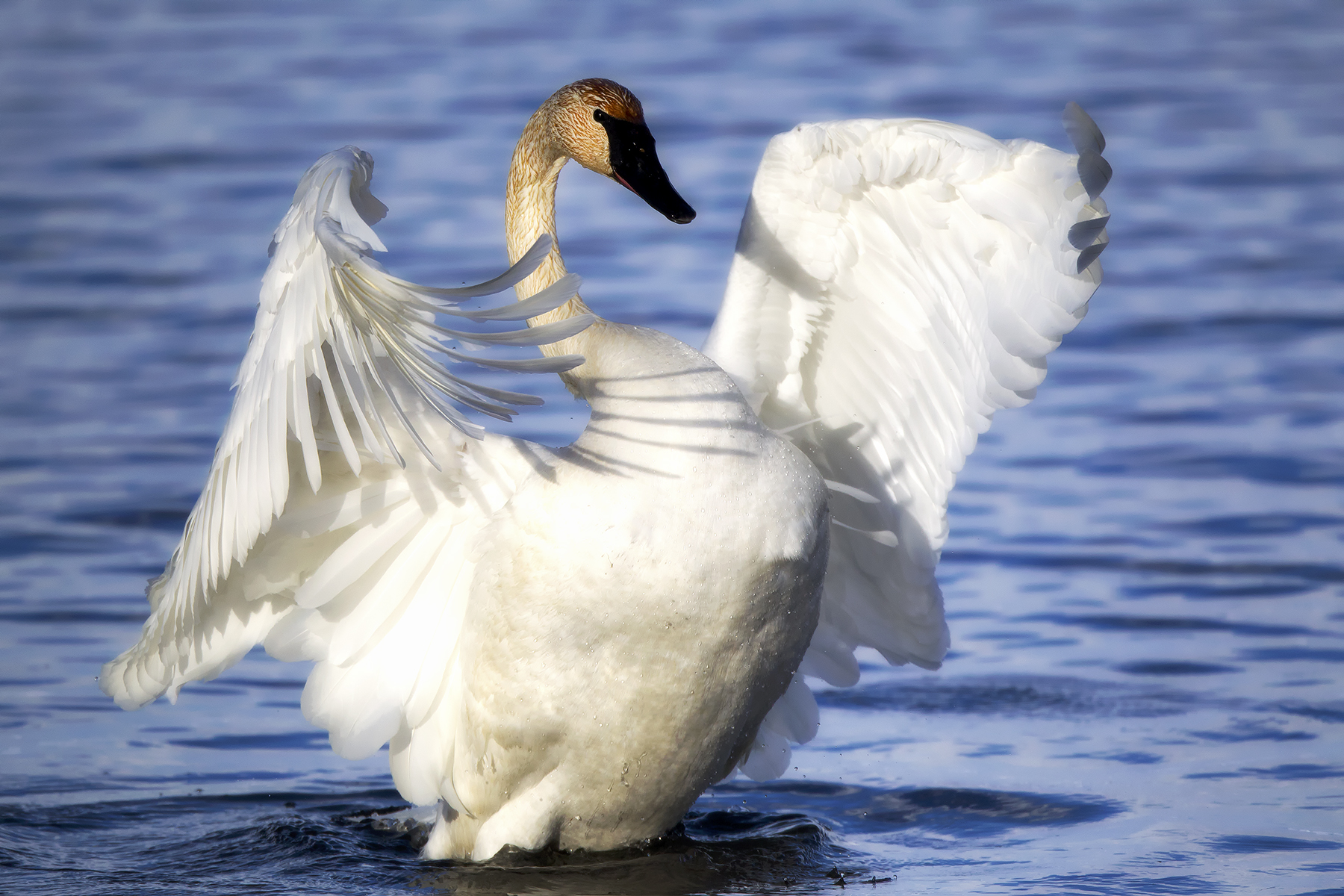 Wildlife
 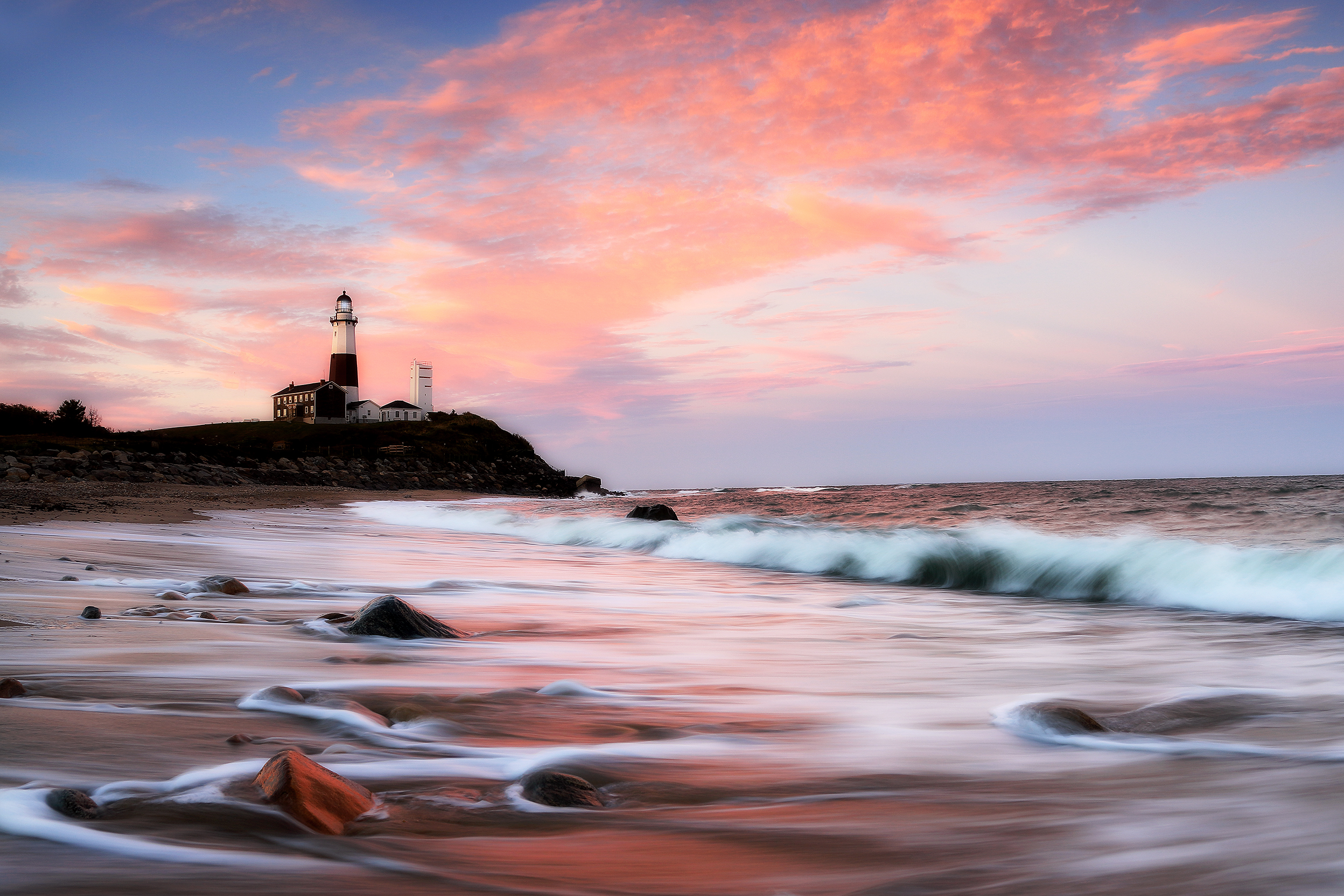 Seascapes
About Robbie George
Robbie George is a National Geographic–published photographer and resonant naturalist. His fieldcraft follows a simple ethic—distance first, habitat always— shaped by Slow Knowledge and the Signature Series.
Explore calm, undisturbed behavior in the Wildlife Gallery or plan your next trip with the Seasonal Wildlife Calendar, Golden Hour & Moon, and Photography Maps.
“Attention first, image second. The shutter is the period at the end of a sentence you learned by walking.”
Frequently Asked Questions: Being Present in Nature
Why does time feel different when you’re in nature?
In natural environments, there are fewer artificial time cues like clocks, notifications, and schedules. Instead, your awareness shifts to light, weather, sound, and movement, which slows perception and makes time feel more expansive.
How can I be more present when spending time outdoors?
Start by slowing down. Walk without a goal, observe details like wind in trees or animal movement, and avoid distractions like your phone. Presence comes from attention, not effort.
What are examples of natural rhythms I can observe?
Seasonal changes, sunrise and sunset, tides, bird migration, and plant growth cycles all reflect natural timing systems that operate without human schedules.
How do seasonal changes affect human behavior?
Seasonal light, temperature, and food availability influence energy levels, mood, and activity. Many people feel more active in summer and more reflective in winter.
Can spending time in nature reduce stress?
Yes. Studies show that time outdoors can lower cortisol levels, improve mood, and increase mental clarity by reducing sensory overload and restoring attention.





