
The Intersection of Inner Life and Nature: The Birthplace of Art with Robbie George Photography
The Inner Field of Creation
Before the shutter clicks, before the image exists, there is a conversation—a subtle communion between the soul and the scene. Art, at its truest, is not a product but a process: the slow, quiet unfolding of inner life responding to the rhythm of the outer world. The Living Code reminds us that what we create is inseparable from the fields we inhabit.
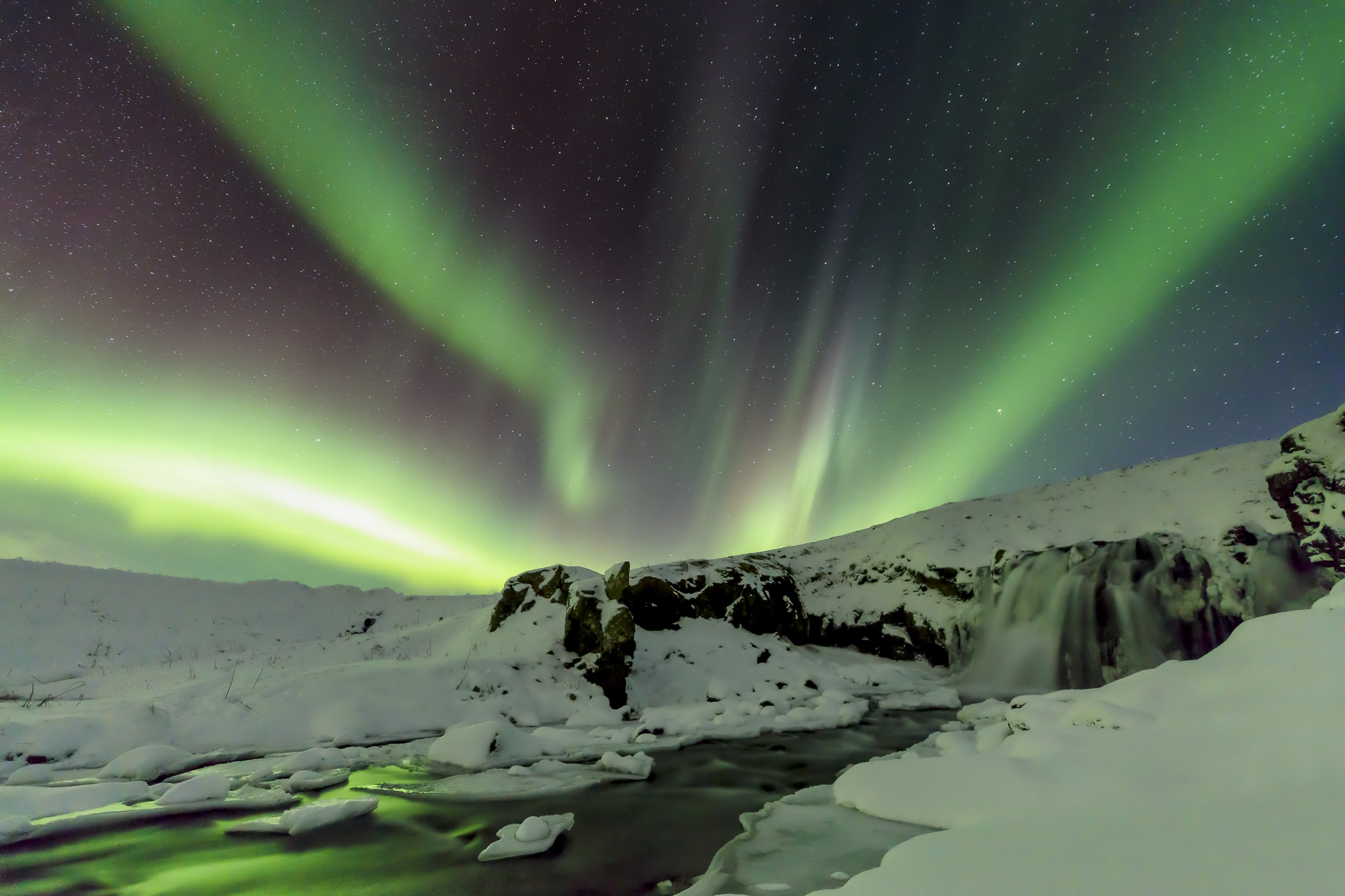
I’ve often felt that my camera doesn’t just capture nature—it communes with it. It listens. It remembers. Whether I’m photographing the aurora in Iceland or a single blade of grass on my farm, the light that arrives in the lens carries a kind of quantum vitality—the vibrational message that life speaks when it’s truly seen.
This blog explores the origin of that vision—where the human inner world meets nature’s outer design. It’s the field I’ve been photographing for decades. It’s where my work lives. And it’s the same field that shaped the Nature Code—the unseen pattern behind beauty, balance, and the birth of art itself.
“When your inner world finds rhythm with the natural world, creation becomes inevitable.” — Robbie George
The Essence of Art: A Reflection of the Self and Nature
Art is the echo of perception. Not just what we see—but how we feel what we see. When we witness nature through the lens of our inner life, something timeless emerges. In the holographic patterns of a leaf, the pulse of tide against stone, or the angle of morning light, we often find our emotions mirrored back to us.
This convergence of inner and outer is what makes art sacred. In nature, we see ourselves—not in a literal sense, but in symbols. Cycles. Silence. Growth. Decay. This is what I explore in every image—what I call the Nature Code. Art is born when the observer becomes aware of their own resonance with the wild.
Whether it's the way water reflects the sky or how a trail disappears into the trees, these natural metaphors invite us inward. Art, then, is not just about capturing what is beautiful. It’s about revealing what has always been true inside us.
“The outer world doesn’t just inspire us—it reminds us of the inner world we forgot.” — Robbie George
Nature as an Artistic Muse
For millennia, nature has served as the ultimate muse—an eternal wellspring of pattern, motion, and stillness. Artists from cave dwellers to modern creatives have sought to reflect what they saw and felt in the wild. But true inspiration comes not from copying nature—it comes from sensing her rhythm and letting it echo through the soul.
A curving river at twilight, for instance, isn’t just a compositional element—it’s a metaphor for the emotional journey. The way the river bends and reflects the sky shows how nature bends to light—and how we bend to experience. Nature teaches not through lecture, but through form.
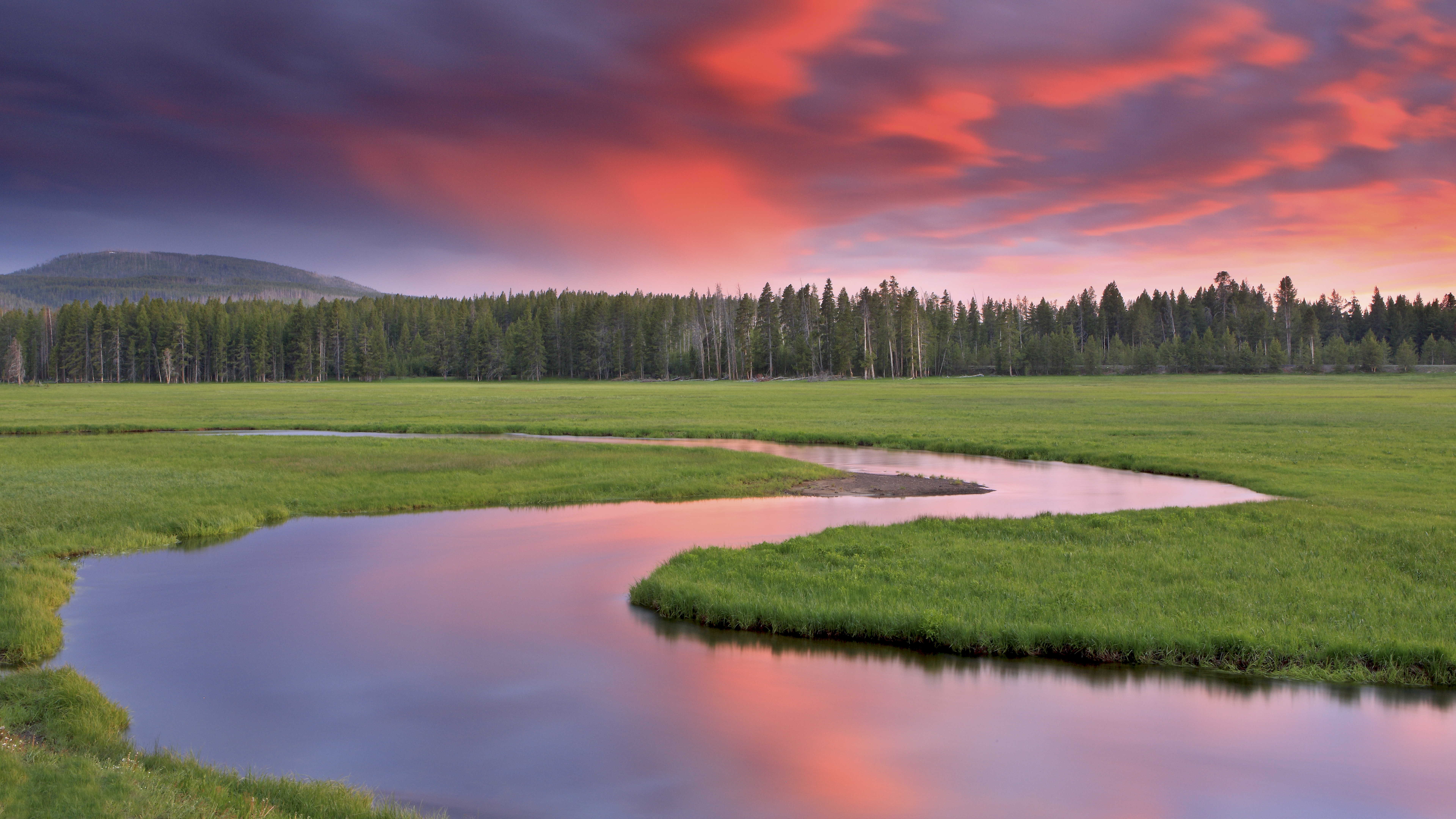
Gibbon River in Yellowstone National Park – A mirror of emotion and flow. © Robbie George
My approach to photography isn’t to capture nature as she is—but as she feels. That’s why I often wait for the twilight, the mirrored light, the subtle pulse that aligns outer pattern with inner emotion. In that still moment of convergence, the Living Code is activated: nature speaks, and the image becomes its voice.
Photography: Capturing the Convergence of Inner Life and Nature
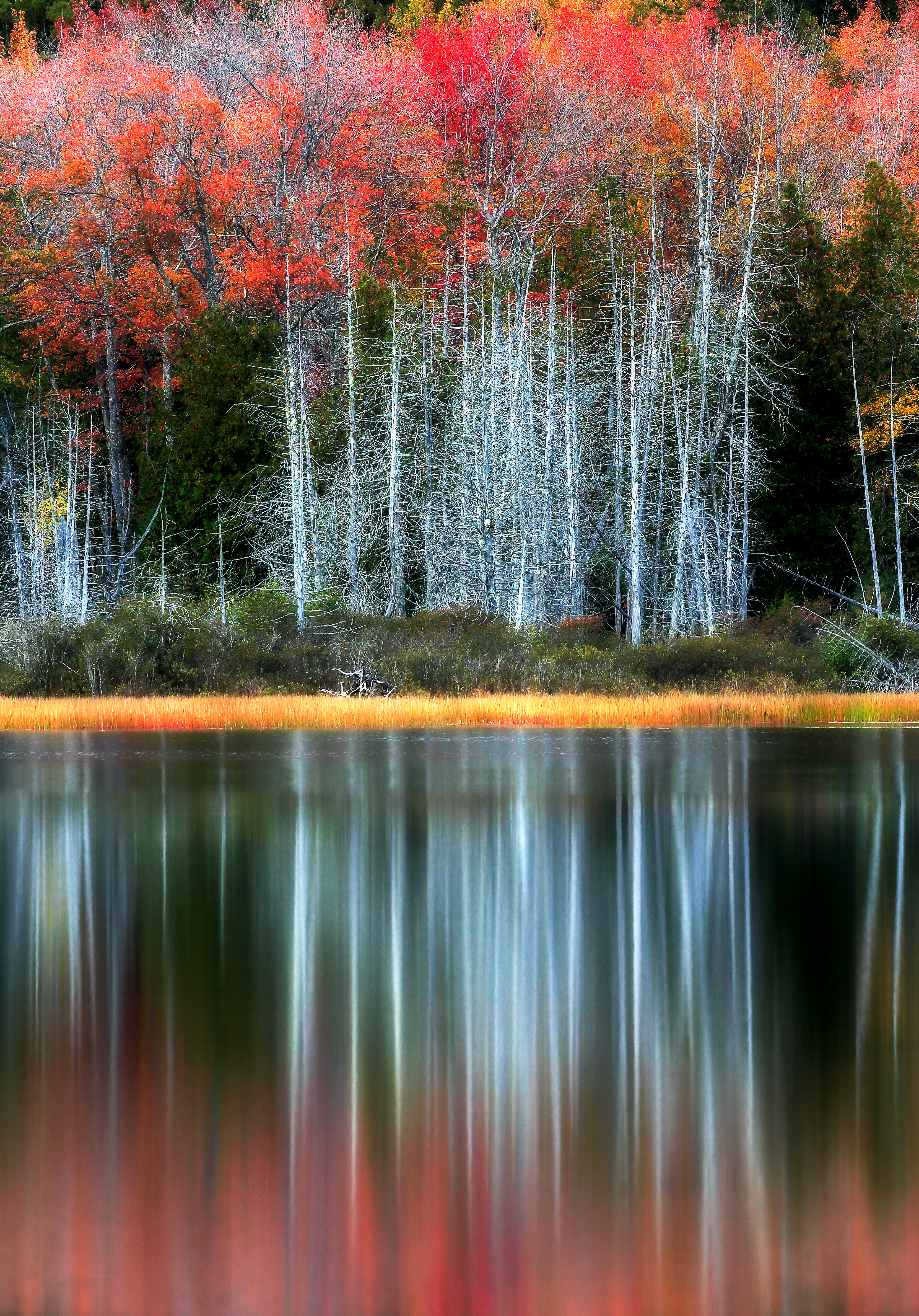
Acadia National Park, Maine – A reflection of nature’s harmony and the internal stillness it awakens.
Photography, for me, is a form of resonance. When I press the shutter, I’m not just documenting a scene—I’m responding to a field. The interplay of light and shadow, color and silence, breath and reflection, becomes a translation of emotion. This is where the soul meets landscape. This is where the image becomes alive.
Acadia in autumn is a teacher of this convergence. As the forest surrenders its green to crimson and gold, the still waters below echo every limb in perfect symmetry. I often feel that nature is not just something I photograph—it’s something I remember. Each composition is part of the Living Code, a language of light and shape we’ve always known.
I invite you to explore that resonance through my collections of landscape, wildlife, and seascape prints. Each frame is a moment of alignment between inner stillness and natural beauty.
Art as a Medium of Understanding and Connection
Art has always been a portal—not just to aesthetic beauty, but to understanding. When shaped by nature, it transcends representation and becomes revelation. The act of creating from nature allows us to see the world as mirror and metaphor. In capturing the texture of bark, the curve of a wave, or the migration of a bird, we touch something eternal.
In that process of seeing and expressing, we connect more deeply with both the external world and our internal terrain. Nature doesn’t just inspire—it initiates. It initiates presence, emotion, memory, and wonder. This is why I believe photography, painting, writing, or music born in nature has the power to reconnect us with what is sacred and whole.
Through the Nature Code, we come to understand that nothing is separate. All things are in relationship, in rhythm. Art gives us a language to express this web of connection. And in doing so, it nurtures empathy—not only for the Earth, but for the story unfolding within us.
The Healing Power of Creating and Experiencing Art
Creating art in response to nature isn’t merely expressive—it’s regenerative. In my experience, the act of slowing down to witness light on water, frost on pine, or the flight of a heron begins a healing dialogue within. We are no longer observers—we are participants in the sacred ceremony of presence.
When we shape beauty from the wild—whether through photography, sketching, writing, or movement—we attune to our nervous system’s natural cadence. We shift out of dissonance and into coherence. This is not just poetic—it’s physiological. Studies in ecopsychology confirm that time in nature supports mental well-being. Art amplifies this by giving our experience form.
As I’ve explored in The Living Code, nature’s spirals, cycles, and breath patterns are mirrored in our biology. When we create from this rhythm, we remember. We realign. And in doing so, we heal—sometimes quietly, sometimes profoundly.
Conclusion — Where Inner Life and Nature Converge
Art is not created in a vacuum—it breathes in sync with the landscape of our lives. When that breath harmonizes with the pulse of the Earth, something ancient awakens. At Robbie George Photography, I’ve found that my camera doesn’t simply capture nature—it listens to it. And in listening, it reveals the dialogue between stillness and soul.
The aurora’s dance, a quiet forest pool, or the echo of antlers in autumn mist—each moment reminds us that creation isn’t something we do to nature. It’s what happens when we return to it. Let your art be your way home. Let your connection to nature be the compass. Let the wild beauty within and around you move through lens, brush, pen, or breath.
Because in the end, art is not the product. It is the process of remembering who we are in the language the Earth has always spoken.
Explore More from Robbie George Photography
If this journey through the creative pulse of nature resonated with you, I invite you to continue exploring. My collections celebrate the wild as muse, the mirror, and the memory keeper.
- 🌌 View Fine Art Print: Aurora Borealis in Iceland
- 🍂 View Fine Art Print: Acadia Autumn Reflection
- 🌿 Explore More in the Holistic Nature Blog Series
- 🔁 Discover the Living Code: Where Nature and Spirit Meet
Your connection to nature matters. Let these images and reflections be a doorway back to wonder.
Naturepedia Connections
This article connects inner experience with the observable systems of nature—linking creativity, ecology, wildlife behavior, and seasonal rhythms through the Naturepedia knowledge system.
Explore Fine-Art Prints
Bring the season home—browse Wildlife, Landscapes, and Seascapes by National Geographic–published photographer Robbie George. See framing, editions, and care on the Collectors page.
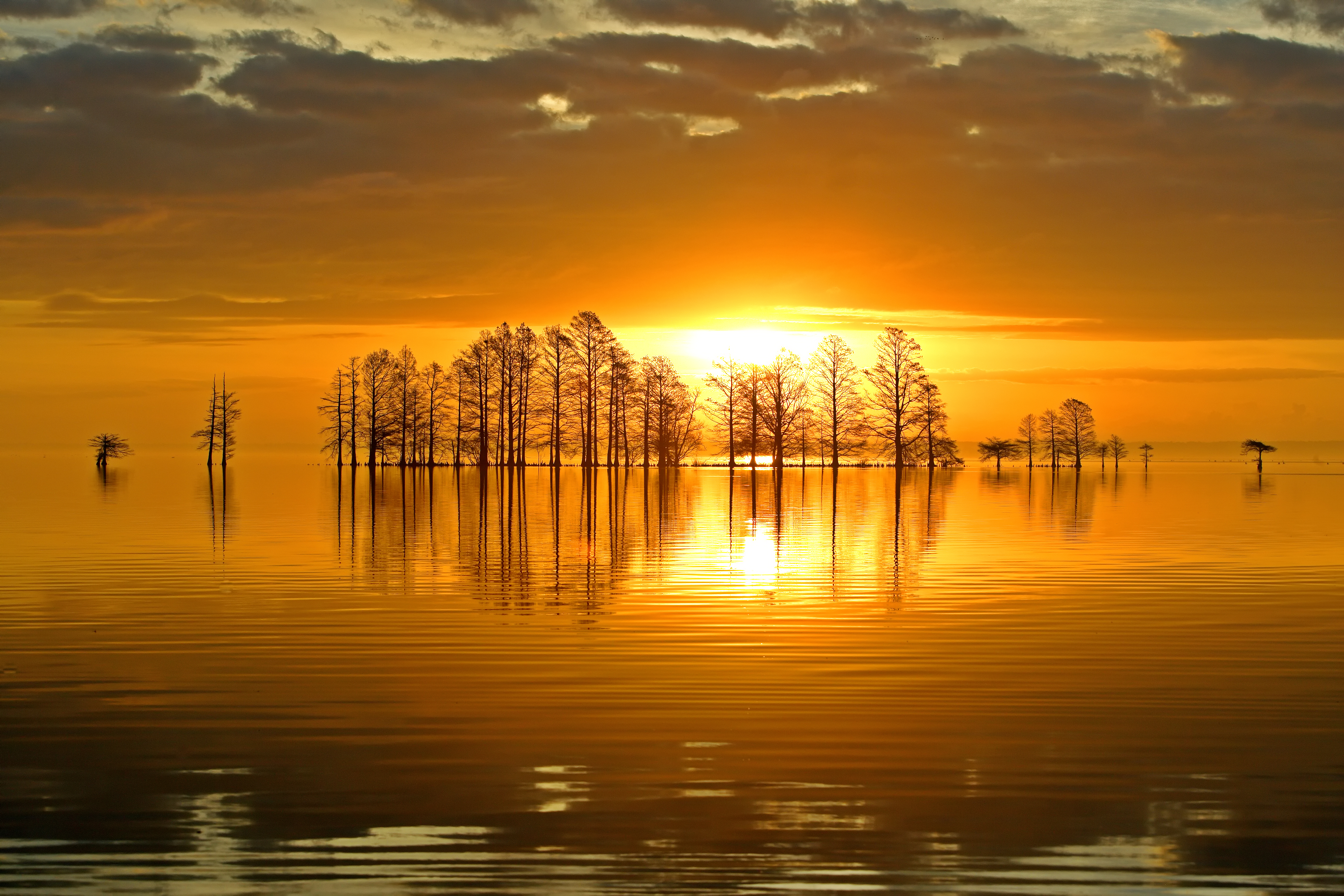 Landscape
 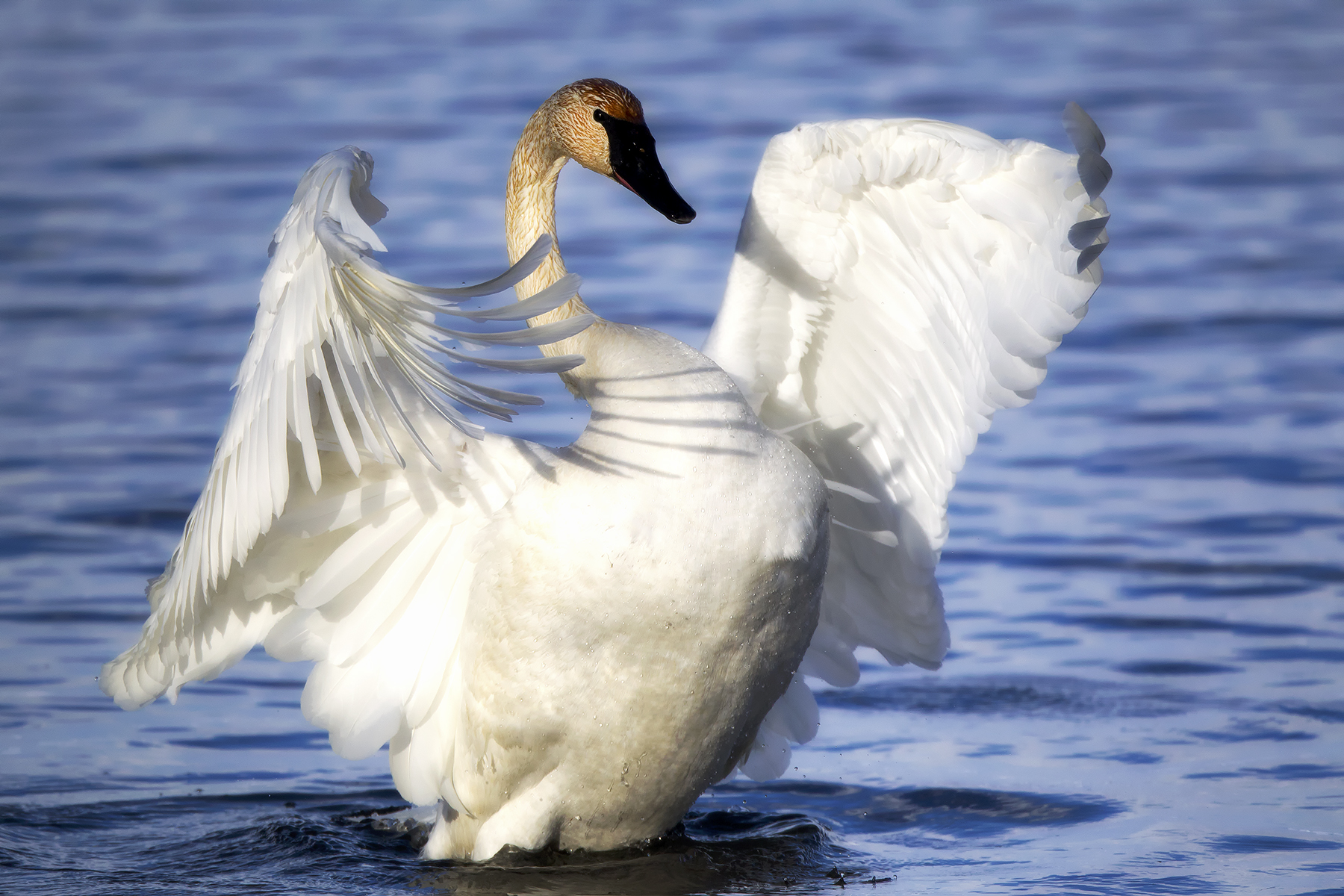 Wildlife
 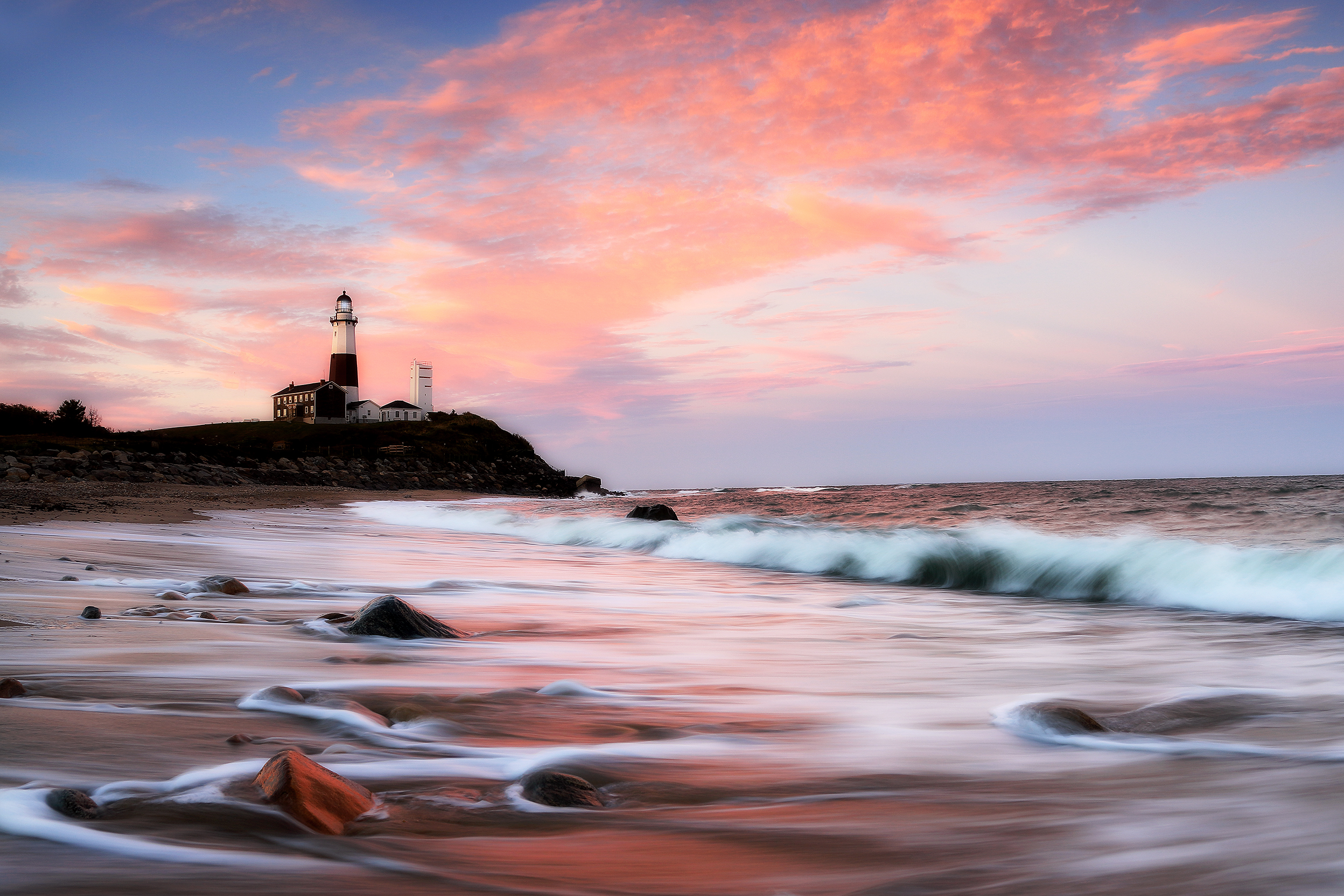 Seascapes
About Robbie George
Robbie George is a National Geographic–published photographer and resonant naturalist. His fieldcraft follows a simple ethic—distance first, habitat always— shaped by Slow Knowledge and the Signature Series.
Explore calm, undisturbed behavior in the Wildlife Gallery or plan your next trip with the Seasonal Wildlife Calendar, Golden Hour & Moon, and Photography Maps.
“Attention first, image second. The shutter is the period at the end of a sentence you learned by walking.”
Frequently Asked Questions About Art and Nature
How does nature influence creativity?
Nature provides patterns, light, movement, and environments that stimulate observation and emotional response, which are key drivers of creative work.
Why do artists use nature as inspiration?
Natural environments offer endless variation, structure, and unpredictability, making them a powerful source of ideas and visual composition.
How does spending time outdoors improve artistic thinking?
Being outside reduces distractions and increases sensory awareness, which helps artists notice detail, light, and form more clearly.
What is the connection between ecosystems and art?
Ecosystems provide the real-world context—plants, animals, seasons, and weather—that shape what artists observe and capture.
Can nature photography improve mental well-being?
Yes. Observing and capturing nature can reduce stress, improve focus, and create a stronger sense of connection to the environment.