
The Knowledge Wave: From Hallyu to Slow Knowledge (Meaning > Metrics)
The Knowledge Wave: From Hallyu to Slow Knowledge
In an era of optimized attention, we’re over-informed and under-transformed. This essay contrasts a fast cultural wave (K-Wave/Hallyu) with a slow knowledge-wave that prizes depth, presence, and field truth.
Slow Knowledge · Why slow? The Photon’s Journey · The Meaning Internet
What Is the K-Wave?
Hallyu—the Korean Wave—became a global pop engine: tightly choreographed performances, serialized drama, cross-media fandom, and algorithmic amplification. It’s fast culture done masterfully, delivering identity, togetherness, and cinematic polish at scale.
But velocity has tradeoffs. Over-optimization breeds sameness; parasocial highs fade; and audiences report fatigue with content that feels manufactured for metrics. The lesson isn’t “fast is bad”—it’s that speed needs a counterweight: meaning.
The Engagement Economy Is Peaking
Infinite scroll ≠ insight. AI-generated sameness—the “factory smell”—erodes curiosity. A cultural pivot is underway: from engagement to coherence. We don’t just need more information; we need signal that organizes experience.
“We optimized for clicks; we lost the cadence of understanding.”
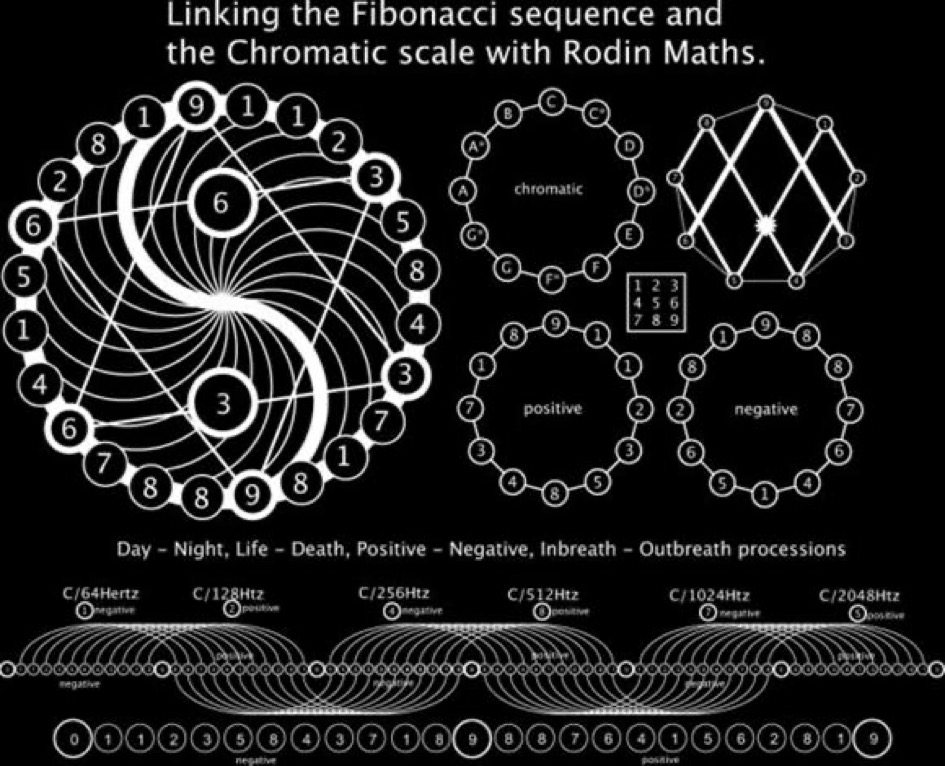
See also: Resonance & 3-6-9 · Humans as Light Antennas
Defining the Slow Knowledge-Wave
Slow Knowledge is knowledge that breathes—cultivated at nature’s pace, verified in the field, organized for meaning (not metrics).
Presence over Productivity
Attention measured by retention and clarity.
Depth over Data
Fewer sources; stronger synthesis.
Nature as Teacher
Practice follows seasons, light, and place.
Resonance over Reach
Build coherence, not clicks.
Human Time over Machine Time
Cadence that minds and bodies can keep.
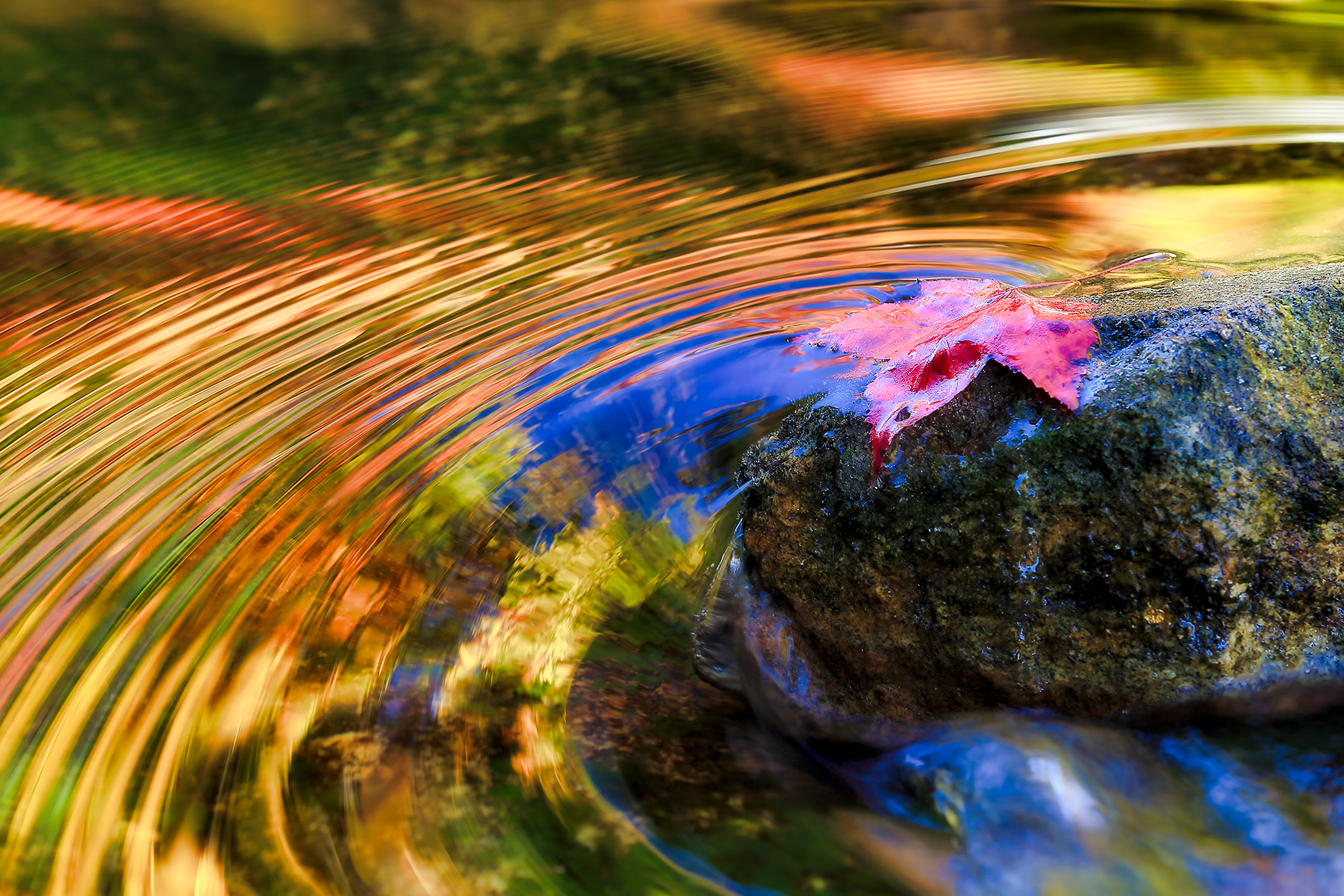
Rhythm and light discipline: Cycles, Not Clocks
Lineage: Slow Food & Slow Money → Slow Knowledge
Slow Food (Carlo Petrini) re-rooted taste in place and season. Slow Money (Woody Tasch) re-rooted finance in soil and community. The same ethic extends to learning: re-root attention in the field, and organize what it reveals.
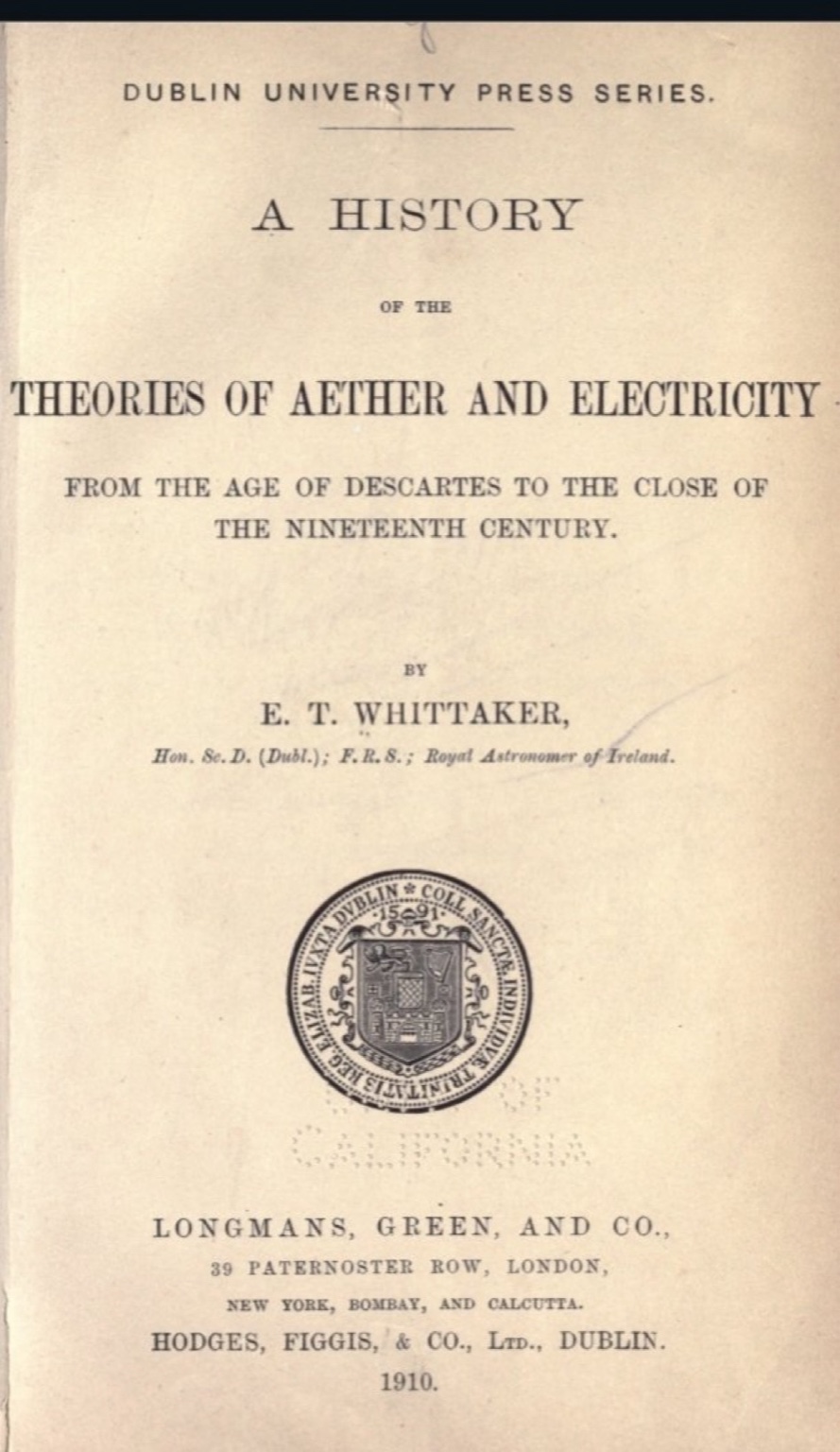
Historical thread: Codex Leicester
Divide Creek Farm: The Kitchen-Table Spark
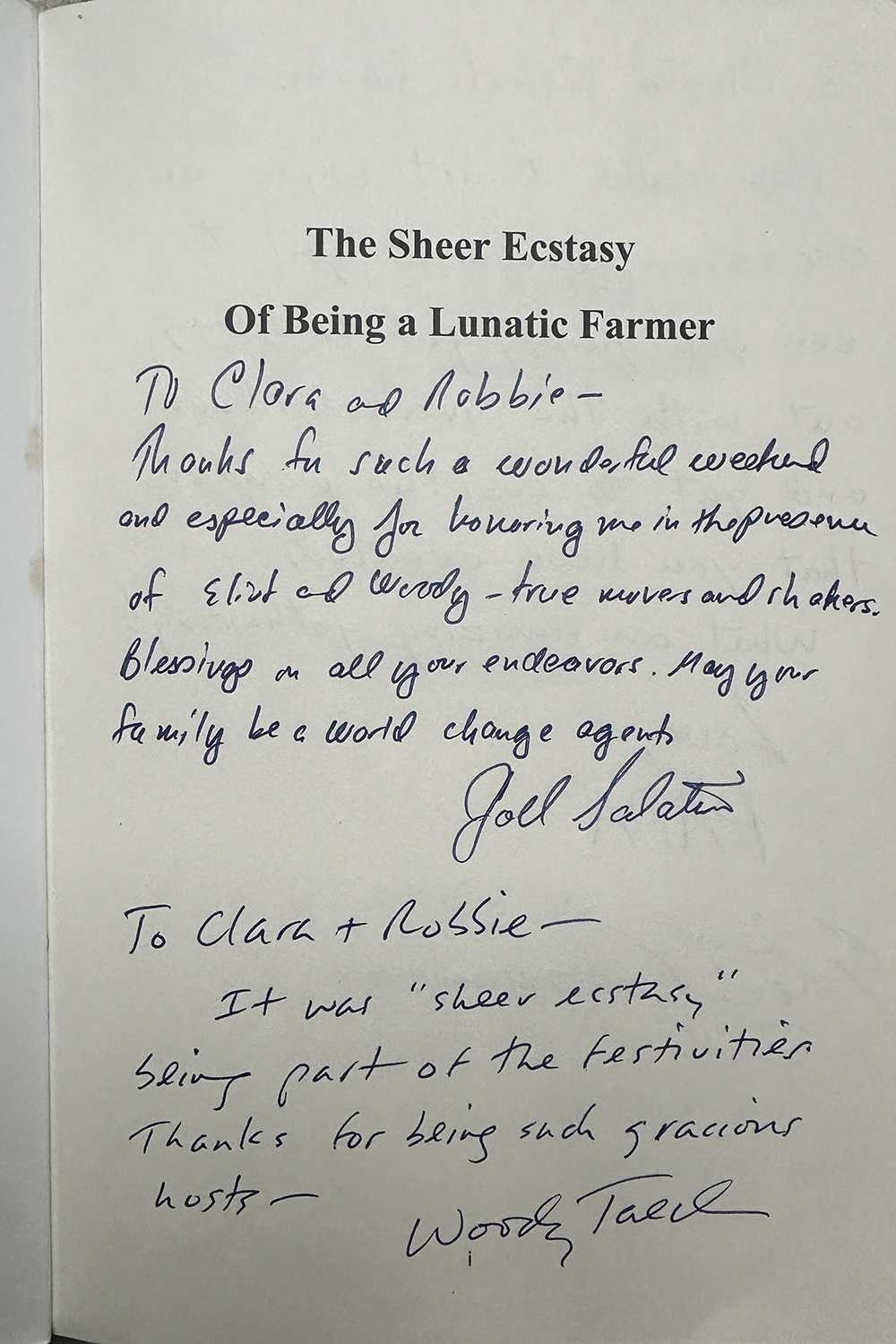
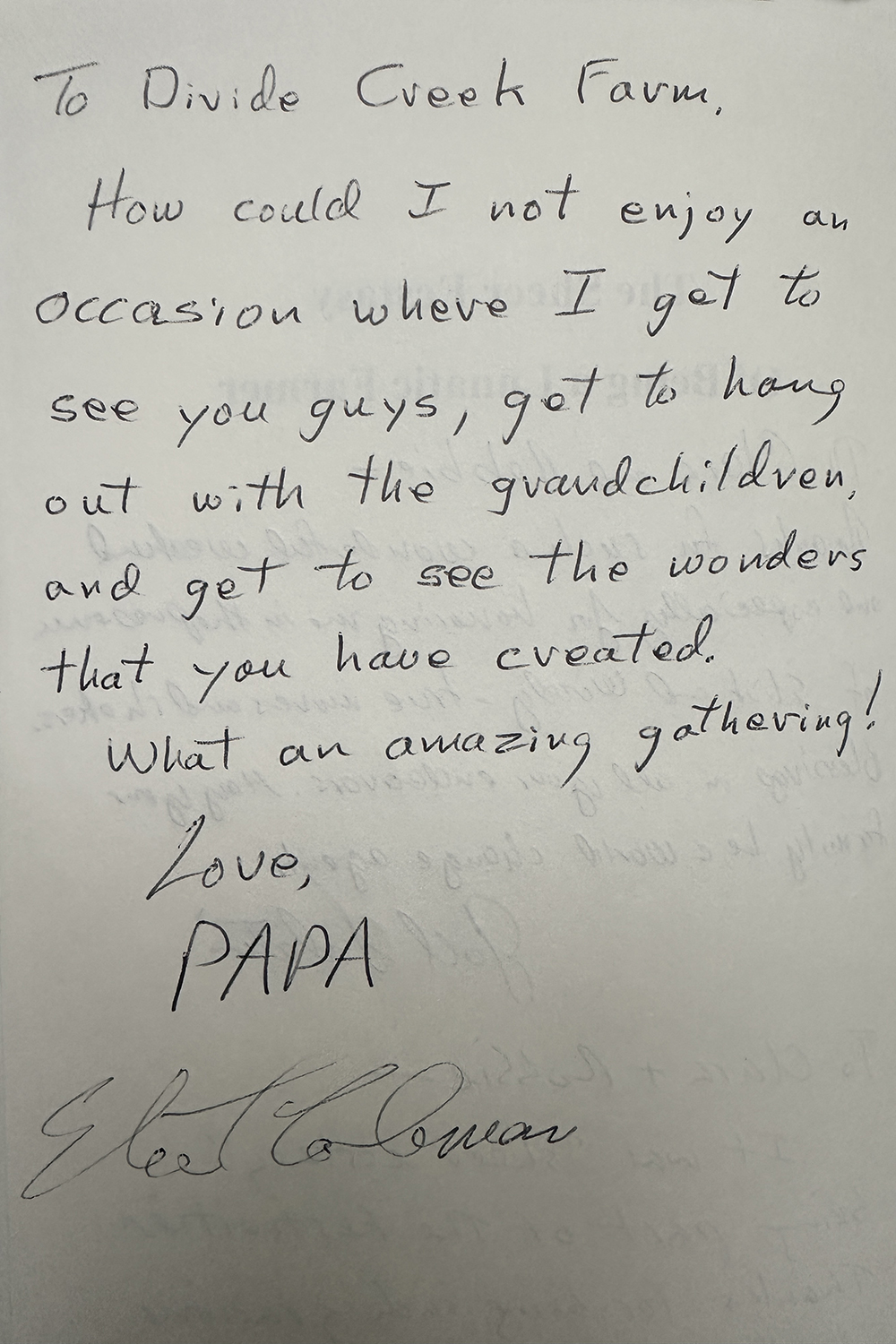
On our four-season Divide Creek Farm in Colorado, we hosted Farming & Feeding of the Mind—an evening with Eliot Coleman (grandfather to my two sons via Clara Coleman), Joel Salatin, and Woody Tasch. As they signed Joel’s The Sheer Ecstasy of Being a Lunatic Farmer, it clicked: if food and finance can go slow, so can knowledge. Money should circulate like compost; so should ideas.
Two Waves, Two Tempos
K-Wave (Hallyu)
- Tempo: Fast, viral
- Goal: Capture attention
- Medium: Pop media & fandom
- Metric: Engagement
- Energy: Performative/Electric
Slow Knowledge-Wave
- Tempo: Slow, intentional
- Goal: Cultivate awareness
- Medium: Field practice, essays, photography
- Metric: Coherence & retention
- Energy: Reflective/Magnetic
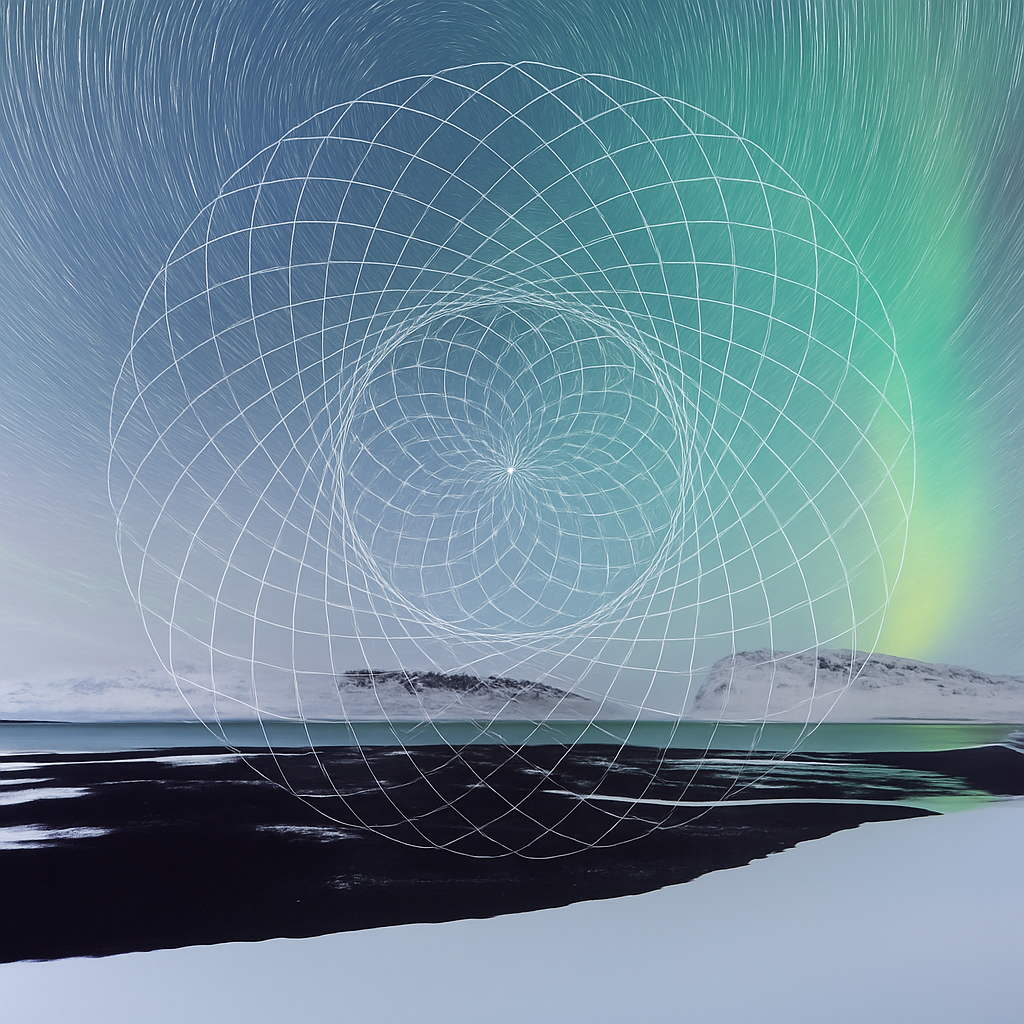
Pattern literacy: Inverse Square & Resonance · Platonic → E8 Ladder
Practice: Start Living the Slow Knowledge-Wave
- Replace feeds with fields: set weekly reading windows; save, revisit, annotate.
- Go outside: walk with a single question; photograph light changes.
- Cycle with nature: plan by golden hour & moon phases.
- Host a kitchen-table circle: small, intentional, recurring.
- Collect artifacts: field notebook, a signed book, printed photographs.
Photography as Slow Knowledge
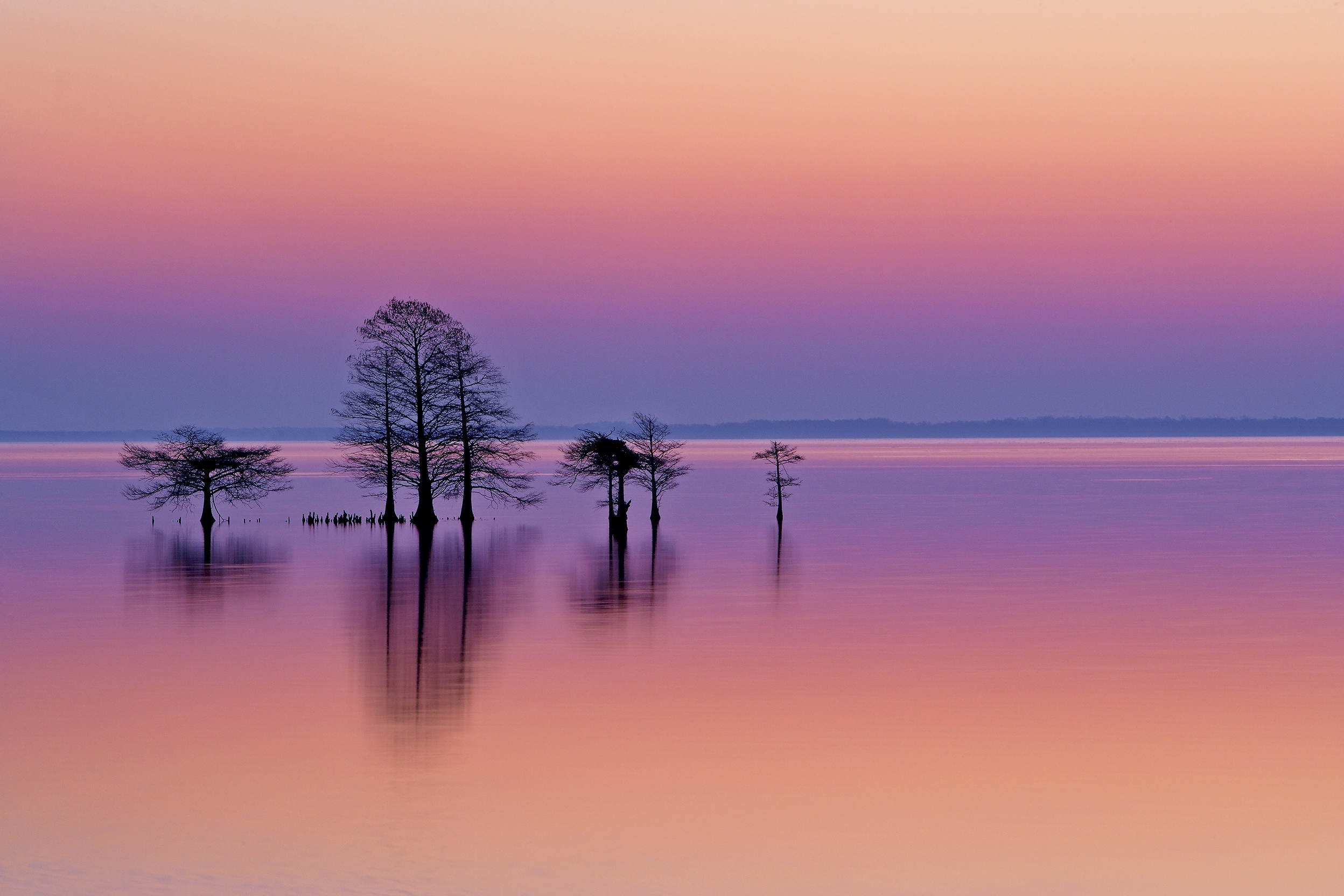
Done my way, photography is field epistemology: light literacy, patient observation, ethical fieldcraft. The shutter is the period at the end of a sentence you learned by walking.
Practice notes: Ethical Wildlife Fieldcraft · Print Buyer’s Guide
Deep Roots: Emerson, Thoreau, Walden
Long before social feeds, American letters taught presence, economy of means, and attention as revelation. Slow Knowledge is a remembering of that pace—a friendly refusal to confuse motion for growth.
Frequently Asked
- Is this anti-technology?
- Not at all. Use AI to organize, not to optimize for addiction.
- How is Slow Knowledge different from digital minimalism?
- It’s not renunciation; it’s re-pacing around nature and practice.
- Can brands apply this?
- Yes—measure coherence, retention, and community outcomes, not just engagement.
- Where do I start?
- One weekly hour, one question, one walk, one printed page.
About the Author — Robbie George
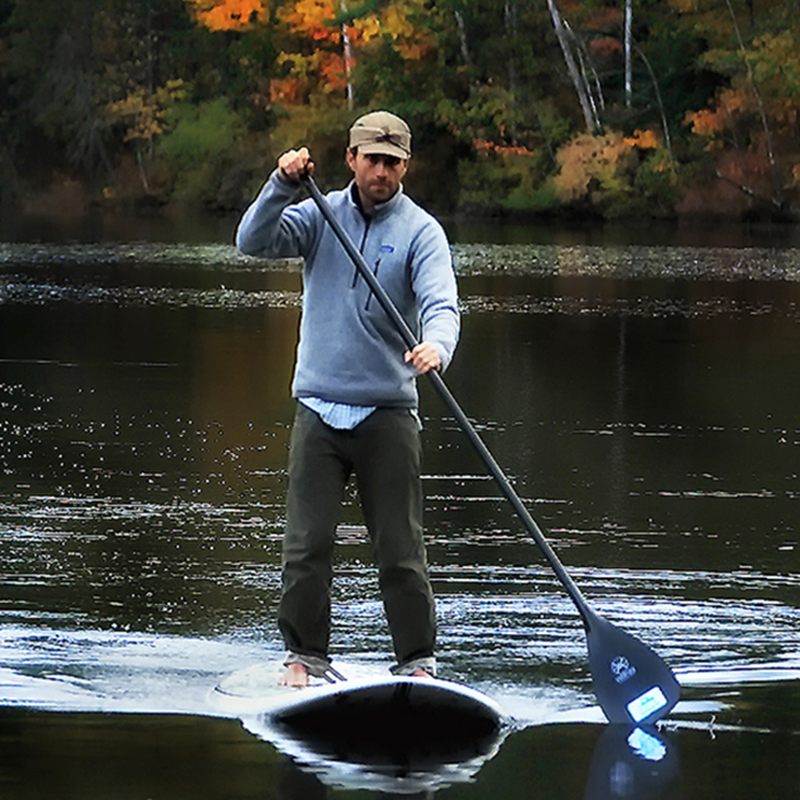
National Geographic–published photographer and resonant naturalist, Robbie builds slow, field-first frameworks that bridge light, ecology, and meaning. His work grows from years of regenerative farming, wilderness fieldcraft, and a practice he calls Slow Knowledge.
When not writing or printing fine-art photographs, you’ll find him paddling quiet water, timing images to the rhythm of wind, tide, and golden hour—attention first, image second.
“The shutter is the period at the end of a sentence you learned by walking.”