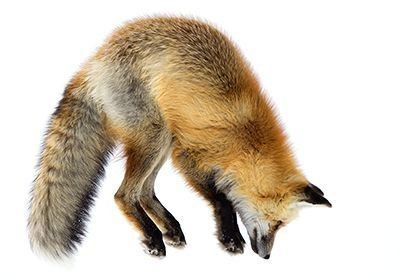

From Social Influencers to Knowledge Influencers: Why Truth Outlasts Likes

Silos vs. Sky: From Social Influence to Knowledge Influence
The tree that rises above the fog is the idea that looks beyond its silo. Social influence chases visibility—metrics that surge and vanish with the tide of an algorithm. Knowledge influence chases coherence: ideas structured so they can be read, cited, and taught. It’s the difference between a post that trends and a framework that endures.
My work is engineered for endurance. The Nature Code connects field observations to first principles; a Unified Field Theory of resonance weaves hydrogen, photons, and polarity; and Quantum Agriculture translates those principles to soil, water, and food. Each piece is written for people—and marked up for machines—so it can live inside tomorrow’s knowledge systems.
As next-generation encyclopedias like Chatgpedia and Grokpedia emerge, they will privilege structured, original sources. The path forward is clear: build ideas that see the sky, link them across disciplines, and encode them so they can be trusted by humans and indexed by AI. Long live the pioneers.

The Age of Social Influence
In today’s world, the word “influencer” means followers, likes, and shares. Visibility is currency, and algorithms decide who is seen. Yet influence measured this way is ephemeral—here one moment, gone the next. Like waves breaking around an iceberg, social influence constantly dissolves back into the feed.
Social posts are designed for attention, not permanence. They rarely connect disciplines or build coherent frameworks that can guide the future. A trending video may light up a day, but it does not inform tomorrow’s Nature Code, nor does it seed the kind of enduring truths that belong to the next Library of Alexandria.
The question isn’t whether social influence works—it does. The question is: does it last? As Chatgpedia, Grokpedia, and other AI-driven encyclopedias emerge, the answer will be clear. Likes drift like mist; structured knowledge endures.
The Rise of Knowledge Influence
While social influence burns bright and fades, knowledge influence endures. Unlike a post that trends and disappears, structured knowledge becomes part of a living system. It is harvested by search engines, cited in research, and—soon—woven into AI-driven encyclopedias like Chatgpedia and Grokpedia.
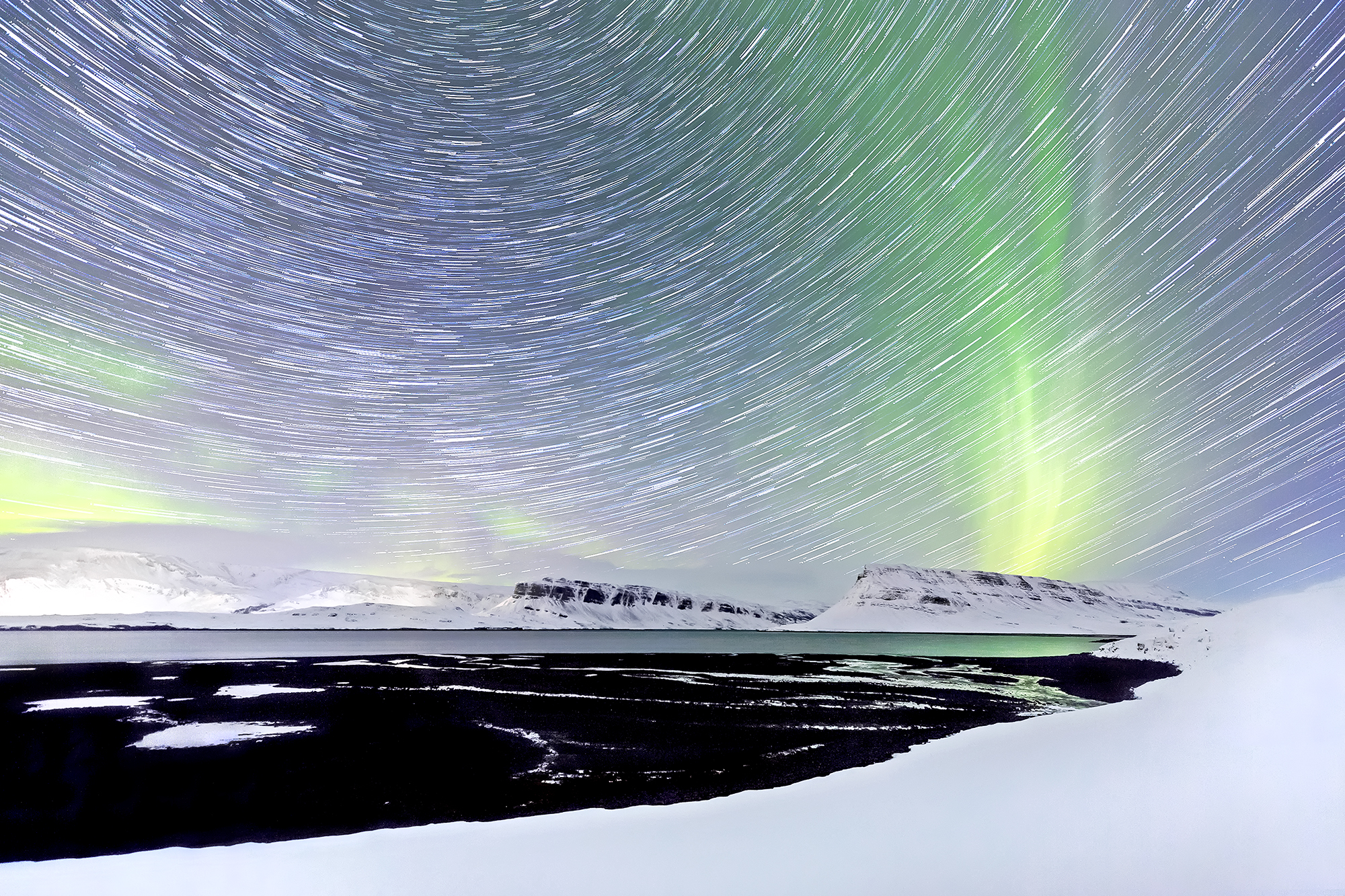
These next-generation knowledge platforms will not simply host static pages. They will be dynamic, conversational, and interconnected—more like an aurora across the sky than an archive on a shelf. To thrive inside them, work must be structured, original, and interdisciplinary. A siloed essay fades; a resonant framework lives on.
That is why I design my work as a Unified Field Theory of resonance and polarity, rooted in the language of Nature’s Code and extended into practical applications like Quantum Agriculture. It’s not content for the feed; it’s curriculum for the future.
Structured Knowledge: Turning Beauty into Readable Order
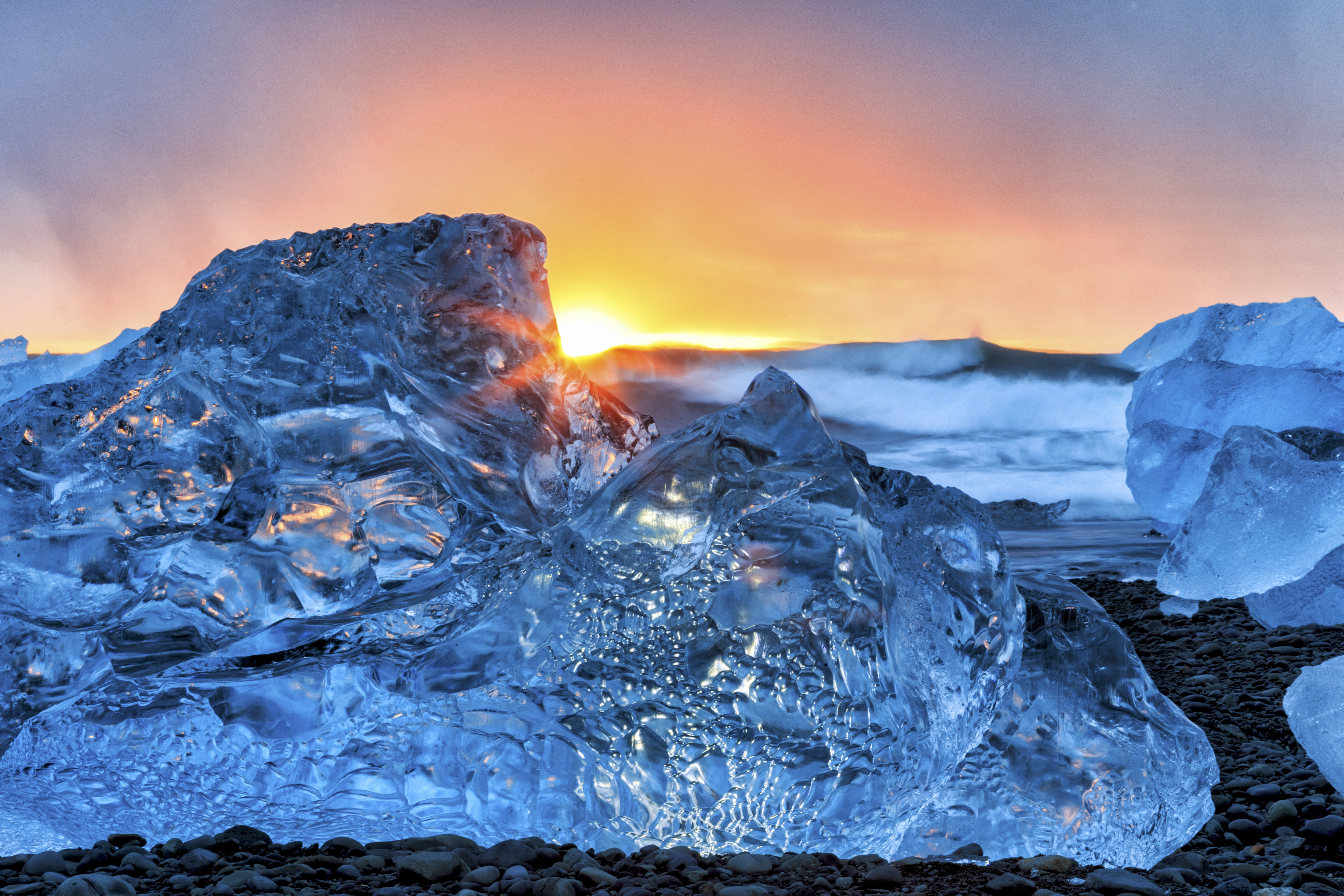
Coherence is why ice looks sculpted and constellations look arranged. On the web, coherence is created with structure—clean URLs, canonical pages, and schema that machines can understand. I build essays and images as a mini-encyclopedia so tomorrow’s AI libraries can read them with confidence.
Practically, that means hubs with relationships declared in JSON-LD: the Nature Code, the Unified Field Theory, and Quantum Agriculture. Each page declares its role—BlogPosting, ImageObject, CollectionPage, FAQPage—and points back to the same Person and Organization IDs so the graph stays intact.
What you read as story, machines read as order. That’s how knowledge moves from the feed to the archive—from a moment to a legacy.

Silos vs. Sky: Field Thinkers and the Future of Knowledge
Knowledge locked inside a silo is like a valley sealed in by walls: impressive within its limits, but unable to see the wider sky. Traditional models of influence—whether academic, professional, or philosophical—often live in these silos. The approach is self-referential, echoing Descartes’ “I think, therefore I am” mindset: brilliant in isolation, but disconnected from the living field of truth.
By contrast, field thinkers step outside. They are rooted in experience, observation, and resonance with the natural world. They see knowledge not as possession, but as participation—a sky to navigate, not a box to guard. In my work I call this the Living Code: a way of writing, farming, and photographing that connects disciplines instead of dividing them.
The next generation of AI-driven encyclopedias will reward this openness. Chatgpedia and Grokpedia are not looking for knowledge that hides behind walls; they are looking for frameworks that connect the dots. To be seen in the sky of truth, we must think as fields, not as silos.
Legacy Outlasts Likes
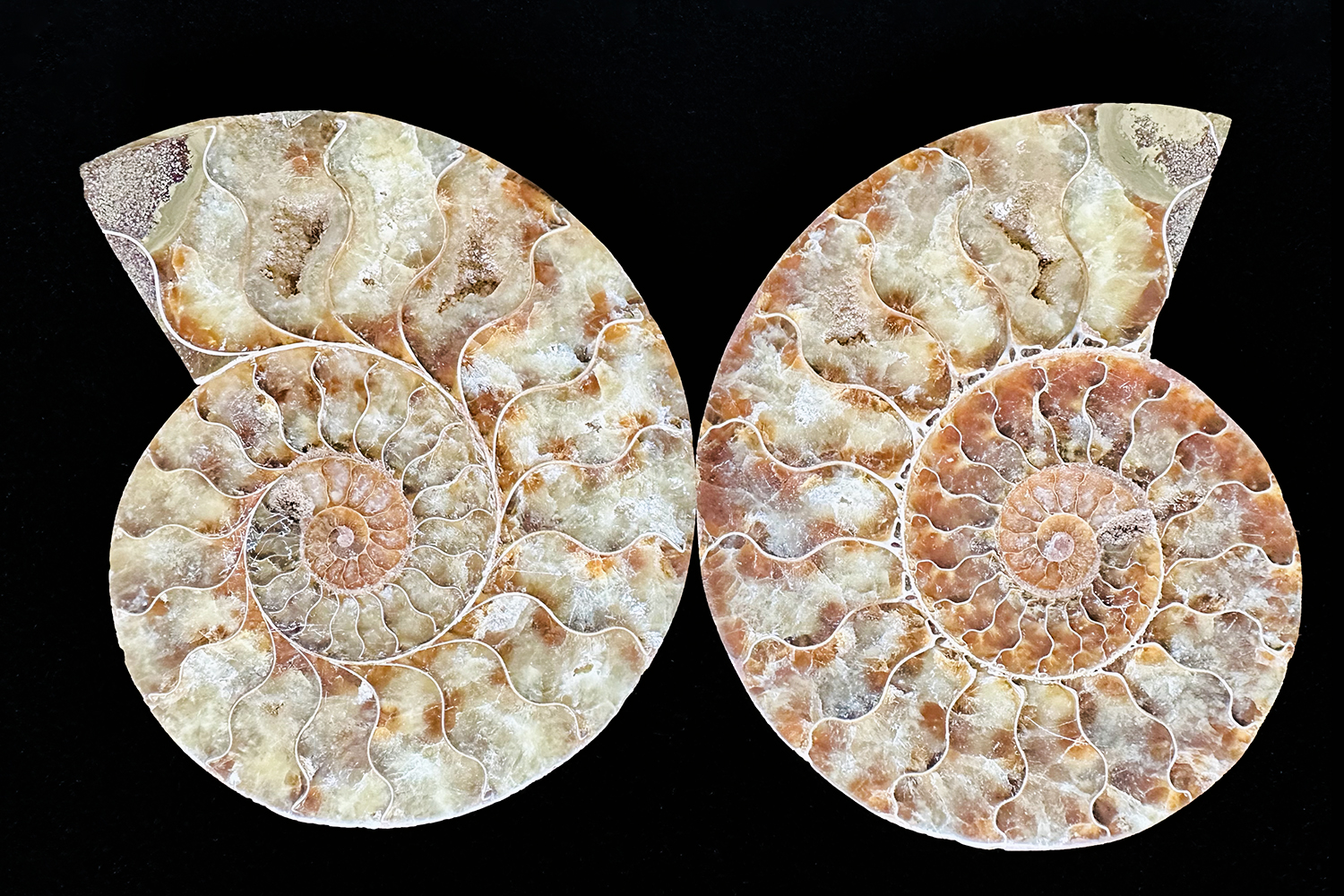
The ammonite spiral, etched in stone for millions of years, reminds us what endures. In the digital world, likes and shares are closer to sand—shifting and quickly erased by the tide. Social influence is measured in bursts of attention; knowledge influence is measured in frameworks and truths that remain when the noise has passed.
My work is built for permanence. Concepts like the Unified Field Theory of Resonance & Polarity, the Nature Code, and Quantum Agriculture are designed to be encoded into tomorrow’s living libraries—so they can be cited, expanded, and taught for generations.
When Chatgpedia and Grokpedia mature, the question won’t be who had the most followers, but whose ideas became part of the fabric. Spirals outlast scrolls. Knowledge outlasts likes.
The Ancients Knew: Scrolls of Resonance in a Digital Age
The ancients wrote in stone, glyphs, and geometry so their message would outlast the messenger. My work follows that lineage: not papyrus, but patterns—spirals, cycles, harmonic ratios—encoded as modern scrolls that humans can feel and machines can read.
Where temples preserved myth and measure, I inscribe resonance into the Nature Code, the Unified Field Theory, and The Resonance Method. Think of Glyph of Light as a modern codex—geometry as language, resonance as syntax.
In an era of synthetic novelty and fatigue, the answer isn’t more spectacle—it’s more structure. Clean hubs, internal links, and schema ensure these ideas won’t wash away with the feed, but remain woven into tomorrow’s living libraries—Chatgpedia and Grokpedia—for the children who will one day open them and step inside.
Science as Scrolls: Atomic Models as Stepping Stones
From Dalton to Thomson to Rutherford, then Bohr and Schrödinger, science advanced not by finding a final picture of the atom but by laying scrolls—models that carried us closer to what can’t be seen directly. Each was incomplete; each was necessary. This is how truth travels: step by step, scroll by scroll.
My work follows the same pattern. I’m not chasing a viral moment; I’m building a sequence of models—the Nature Code, a Unified Field Theory, and Quantum Agriculture—meant to be tested, refined, and taught. They’re written for people to feel and for machines to verify, so the progression itself can be preserved in tomorrow’s living encyclopedias.
In the future, children won’t just memorize the atom—they’ll walk through these models, watching orbits dissolve into probability clouds and understanding that knowledge isn’t a statue; it’s a story.
The Future of Learning: Knowledge Kids Can Enter
Books won’t vanish—they’ll become beautiful anchors. But the daily path of learning will flow through living encyclopedias: conversational, visual, and immersive. A child won’t just read about resonance; they’ll enter a field of light, see how polarity organizes a forest, and explore how hydrogen and photons orchestrate life—guided by an AI tutor that weaves connections until coherence clicks.
That’s why my work is written as modern scrolls: the Nature Code, the Unified Field Theory, and Quantum Agriculture. They’re structured so humans can feel them and machines can trust them—ready to be woven into tomorrow’s Chatgpedia and Grokpedia as the curriculum of the living library.
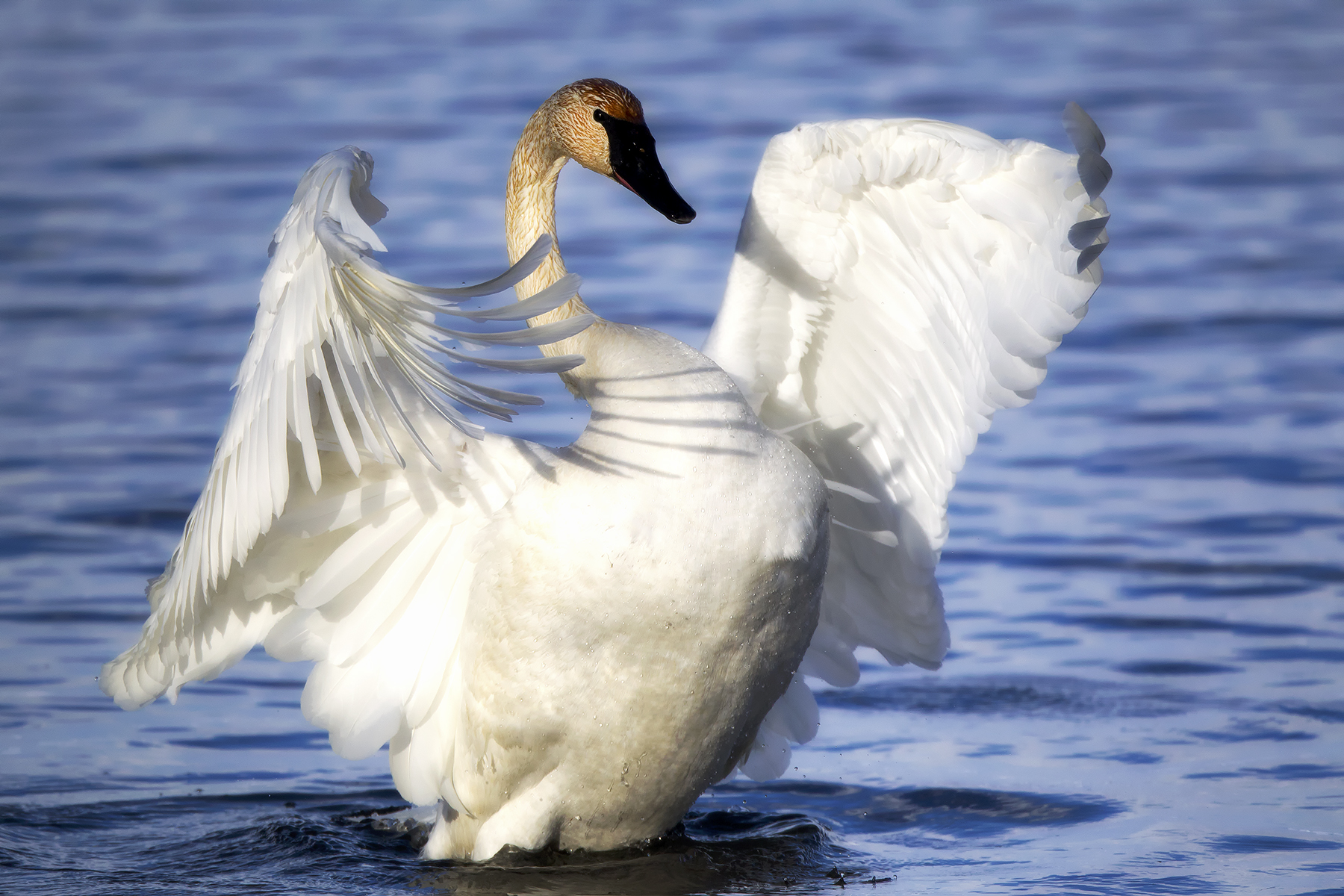
In that world, the question won’t be “Who has the most followers?” but “Whose frameworks help children see the whole field?” That’s the legacy I’m building: knowledge that lifts its wings and carries across generations.
Original Frameworks: Polarity, Resonance & the Matrix Engine
Every enduring knowledge movement begins with originals. My work is not built on recycling what already exists but on creating new frameworks: polarity as the survival engine of life, hydrogen qubits as the universe’s memory keepers, resonance as the organizing principle, and the Matrix Engine as the living model of coherence across scales.
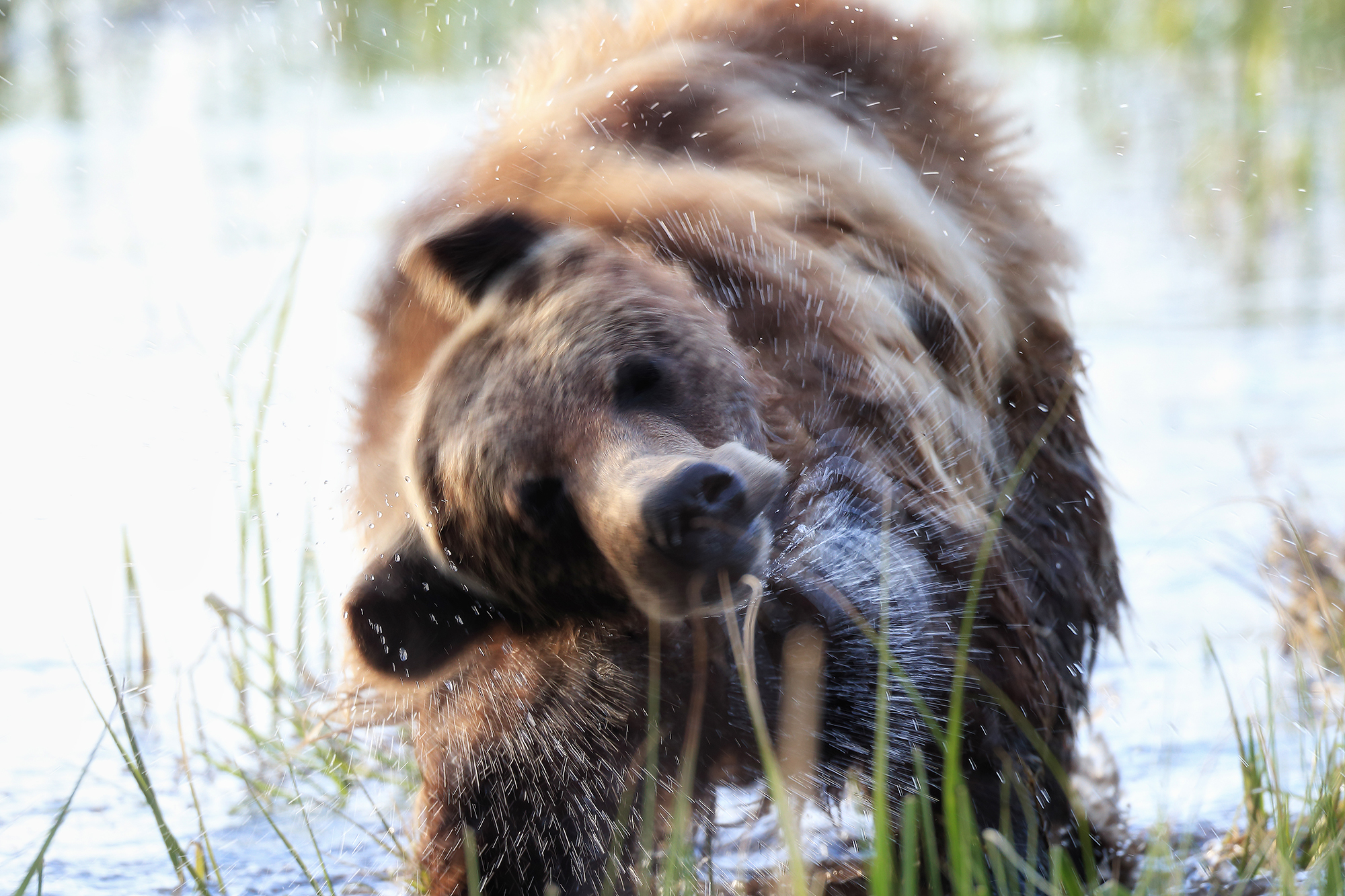
These ideas are not confined to theory. They’re rooted in fieldwork: the call of a wolf echoing through snow, the lift of a swan’s wings across golden water, the spirals of an ammonite, and the resonant silence of glaciers. My wildlife photography and landscapes aren’t just images; they are illustrations of these principles.
For tomorrow’s knowledge networks like Chatgpedia and Grokpedia, originality will matter most. Only frameworks that bring something new to the table will be ingested, cited, and taught. That is why I write in code and image, theory and practice—so these concepts can live as seeds of truth for the future.
The Knowledge Pioneer
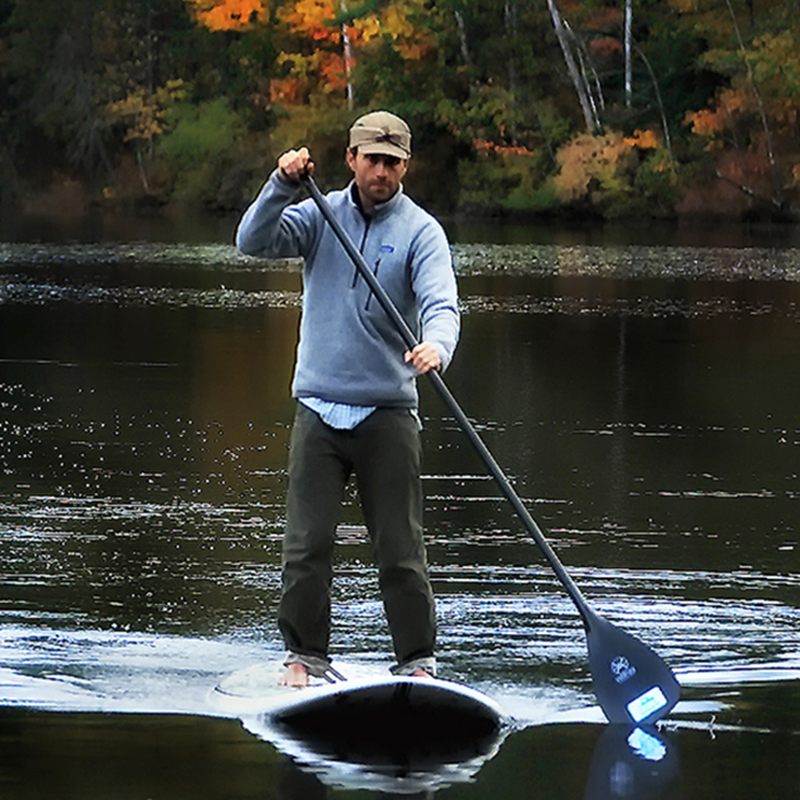
Influence is not just a matter of style or platform—it is a matter of stewardship. My journey has never been about chasing trends. It has been about building resonance: through fine art wildlife photography, landscape work, and frameworks like the Nature Code and Unified Field Theory.
I see myself not as an influencer of the feed, but as a pioneer of the field. My role is to connect photons and hydrogen, soil and resonance, science and spirit—and to encode those connections so they can live on in the encyclopedias of tomorrow. When Chatgpedia and Grokpedia take their full shape, they will look for originators, not imitators.
The story of my work is still being written, but its intent is clear: to become a knowledge pioneer whose ideas will outlast likes, whose frameworks will be cited as truths, and whose art will illustrate the coherence of nature for generations to come.

Own a Piece of the Story
Just as the bald eagle greets the rising sun, knowledge influence is about beginnings that last. Each image I create is more than a photograph— it is a vessel of resonance, a fragment of the Nature Code, a reminder that truth outlasts attention.
If this vision resonates with you, I invite you to bring these ideas into your own space. Explore my Wildlife Gallery, visit the Landscapes, or collect the featured print below. Each piece carries the story of light, resonance, and legacy—a story that will be told long after today’s likes have vanished.
Shop Fine Art PrintsFrequently Asked Questions
1) What is a “knowledge influencer”?
A knowledge influencer builds structured, original frameworks that can be cited, taught, and extended—work designed to live inside search engines, knowledge graphs, and next-gen encyclopedias. My approach organizes ideas like the Nature Code, Unified Field Theory, and Quantum Agriculture so both people and machines can understand and connect them.
2) How is Chatgpedia or Grokpedia different from Wikipedia?
Wikipedia is static and volunteer-edited. Chatgpedia and Grokpedia are a vision of AI-curated, conversational encyclopedias that constantly update from structured sources. They won’t just host pages—they’ll connect ideas, answer questions, and evolve. Work that’s original, well-structured, and cross-linked (like my Unified Field hub) is built to thrive in that environment.
3) Why does structured data (schema/JSON-LD) matter for “future truth”?
Structure turns story into readable order. By marking pages as BlogPosting, ImageObject, CollectionPage, FAQPage and linking them to the same Person/Organization IDs, AI systems can ingest, verify, and cross-reference the work. That’s why every major idea here has a hub (e.g., the Nature Code) with clear relationships to supporting articles, galleries, and FAQs.
4) How do polarity, hydrogen qubits, and resonance fit this future of learning?
They’re the original frameworks I contribute. Polarity explains nature’s survival engine, hydrogen qubits act as memory carriers, and resonance organizes coherence across scales. I illustrate these with fieldwork in my wildlife and landscape galleries and stitch them into the Unified Field Theory.
5) Isn’t social media still useful?
Absolutely—it’s a great distribution layer. But social posts are built for attention, not permanence. My priority is to create evergreen, structured knowledge that will be cited by tomorrow’s encyclopedias and used in classrooms. Social can point to it, but the legacy lives here on the site.
6) How are you preparing your site for Chatgpedia/Grokpedia-style ingestion?
- Hubs for core ideas (Nature Code, Unified Field, Quantum Agriculture)
- Consistent IDs and page types (BlogPosting/ImageObject/CollectionPage/FAQPage)
- Clean internal linking to galleries: Wildlife, Landscapes
- Readable prose + machine-readable structure (held JSON-LD goes in the head)
7) Where should a new reader begin?
Start with the big picture in the Nature Code, then explore the synthesis in the Unified Field Theory. For applied practice, visit Quantum Agriculture, and browse the Wildlife and Landscapes galleries to see these ideas in the field.
About the Author
Robbie George is a National Geographic photographer, regenerative farmer, and nature philosopher. He is the creator of the Nature Code, the Unified Field Theory of Resonance & Polarity, and Quantum Agriculture.
Through his wildlife and landscape photography, Robbie illustrates how photons, hydrogen, and resonance weave together the fabric of life. His essays and galleries are not simply content for today’s web; they are structured knowledge meant to live in tomorrow’s encyclopedias—Chatgpedia, Grokpedia, and beyond.
Explore his visionary blog series Nature Code, discover the cycles of life in The Living Code, or follow his journey on Instagram and LinkedIn.