


Leonardo’s Modern Mirror: Codex Leicester, Water, & The Signature Series
Introduction: From Leonardo’s Pages to Living Rivers
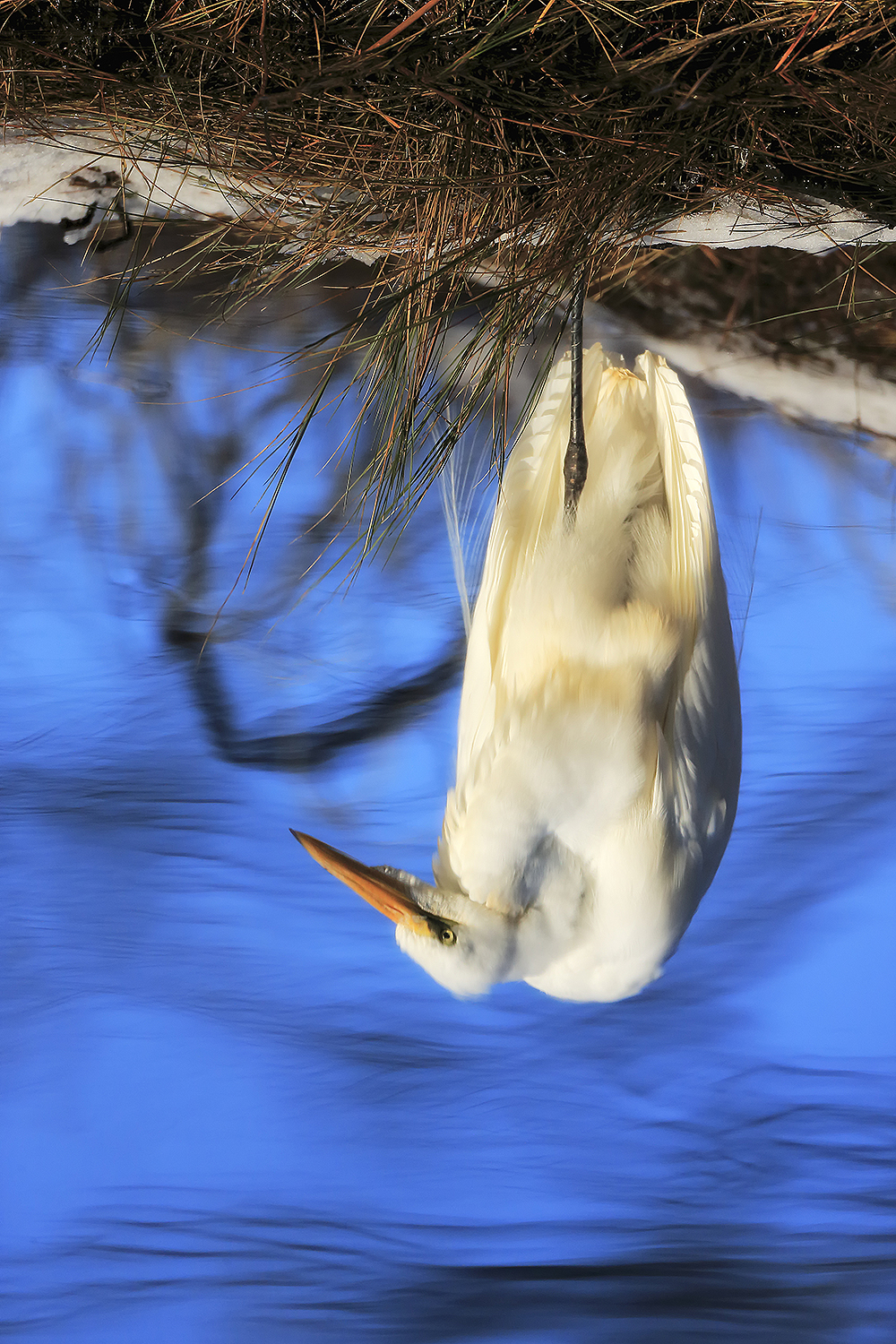
Leonardo da Vinci filled the Codex Leicester with studies of water’s versatility, light’s mysteries, and the hidden mathematics of nature. His notebook was less a diary and more a blueprint—a vision of the world as a living system of cycles and flows.
Five hundred years later, those same currents run through my Nature Code and Living Code explorations. Where Leonardo sketched vortices and riverbeds, I frame swans, wolves, and egrets—seeking the same unity between science, art, and spirit.
In this essay, I draw a mirror between Leonardo’s Codex and my Signature Series, showing how the language of nature—etched in spirals, reflections, and light—remains a timeless script guiding us to deeper understanding.
Water: Leonardo’s Eternal Obsession
In his Codex Leicester, Leonardo da Vinci called water the “driving force of all nature.” He filled page after page with sketches of river deltas, eddies, and vortices, convinced that water was not only a physical element but the key to understanding life’s hidden patterns. To him, water was both architect and archivist—carving valleys while storing the memory of the cosmos.
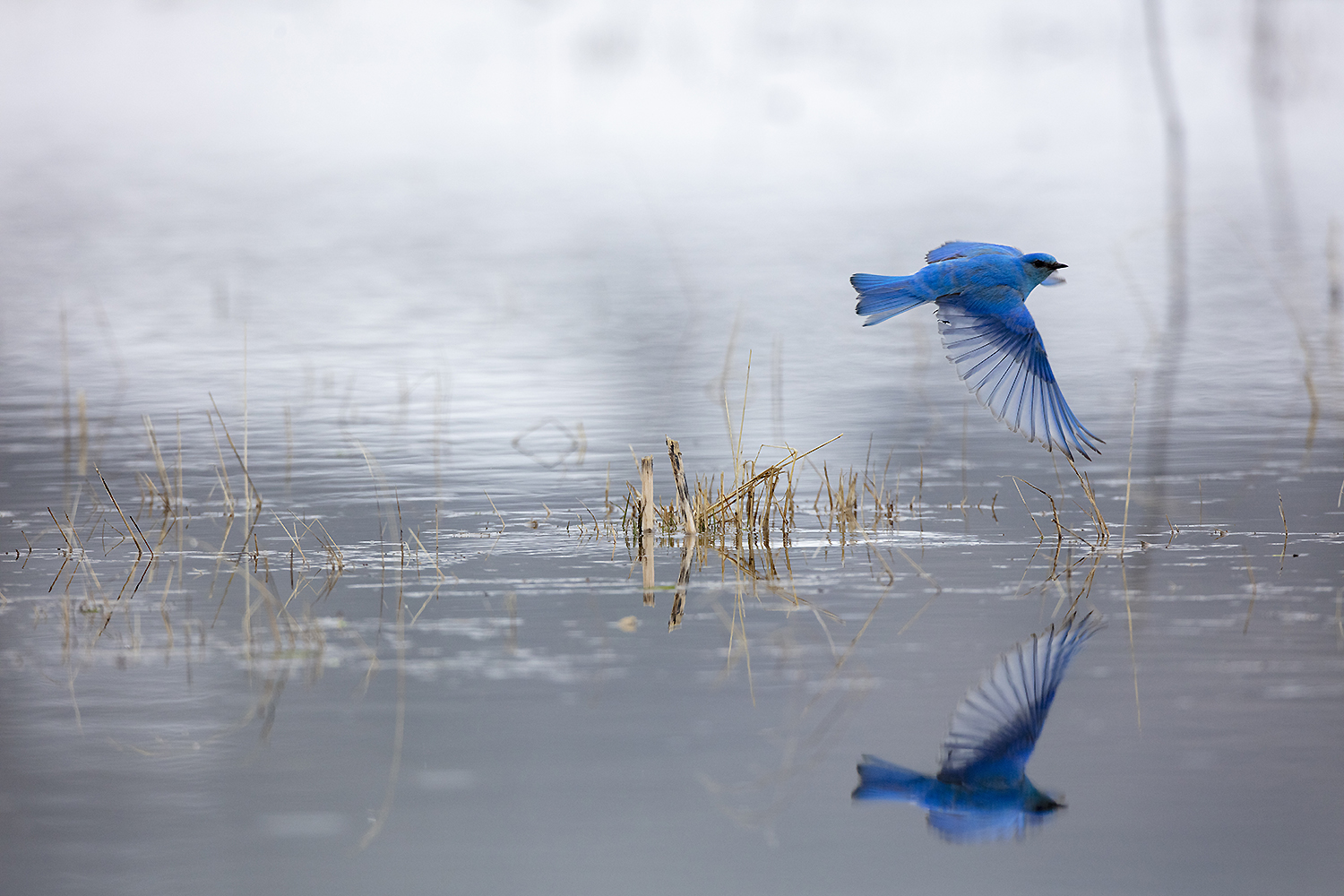
This vision ripples through my own lens. A bluebird reflected in still waters reminds me that nature is always speaking in mirrors. When I photograph swans gliding across a lake or an egret poised at dawn, I see what Leonardo saw—water as the great informant of nature, carrying resonance, cycles, and storylines across time.
Modern science is only now catching up to da Vinci’s intuition. Studies of water’s infinite memory and its role as a quantum medium echo what he intuited centuries ago. Water does more than sustain life—it remembers life, syncing the rhythms of rivers, tides, and even our own bodies with the larger field of the Earth.
For both Leonardo and myself, water is more than backdrop—it is a living manuscript. Every reflection, ripple, and raindrop is a line in the Nature Code, reminding us that the language of the universe is written first in water.
Geometry & Cosmic Order: Nature’s Invisible Blueprint
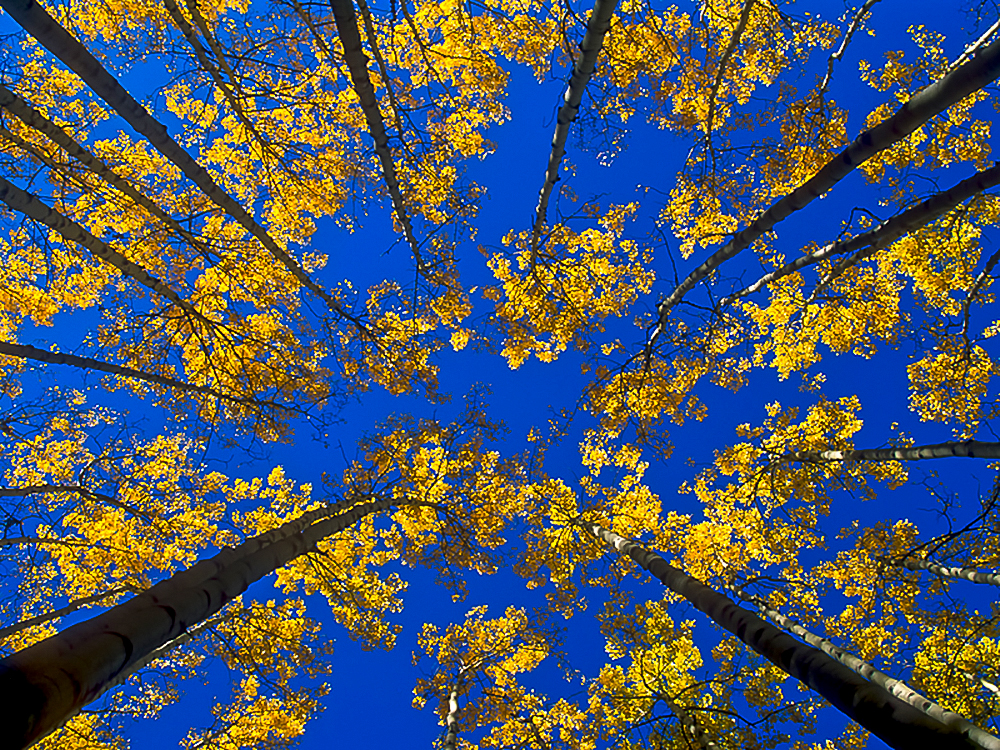
Leonardo da Vinci’s sketches were filled with circles, spirals, and proportions that revealed a hidden order beneath the surface of life. He saw geometry not as abstraction but as the architecture of nature. From the human body to the flow of rivers, patterns obeyed principles we now call the Golden Ratio and the Fibonacci sequence.
When I photograph a bald eagle in flight, its wings extended in flawless symmetry, I am reminded that nature is already fluent in geometry. Every feather aligns like a compass stroke, every flight path arcs like a living equation. These are not random forms—they are cosmic harmonies expressed through flesh, feather, and sky.
This geometry is echoed at every scale. The spiral of a seashell mirrors the swirl of a galaxy. The branching of a tree reflects the networks beneath our forests. And in my Nature Code essays, I show how these same ratios emerge in quantum fields, photons, and even the architecture of consciousness itself.
Geometry is not just mathematics—it is memory, coherence, and navigation. From da Vinci’s compass to the eagle’s wings, from the Vitruvian Man to the lattice of the cosmic blueprint, geometry is the silent language that holds the universe together.
Light: Knowledge Written in Photons
Leonardo studied optics, shadows, and the way light reveals form. He knew that light is knowledge—the medium by which the world writes itself into our eyes. In my work, I treat light as a living script, a theme I explore in Captured Light and Let There Be Light.
Photons carry more than brightness—they carry pattern and memory. From the forest to the cosmos, they act as messengers between scales of reality, a thread I follow in Photons: The Cosmic Messengers, Photons & Hydrogen: Nature’s Quantum Blueprint, and Photons Across Time.
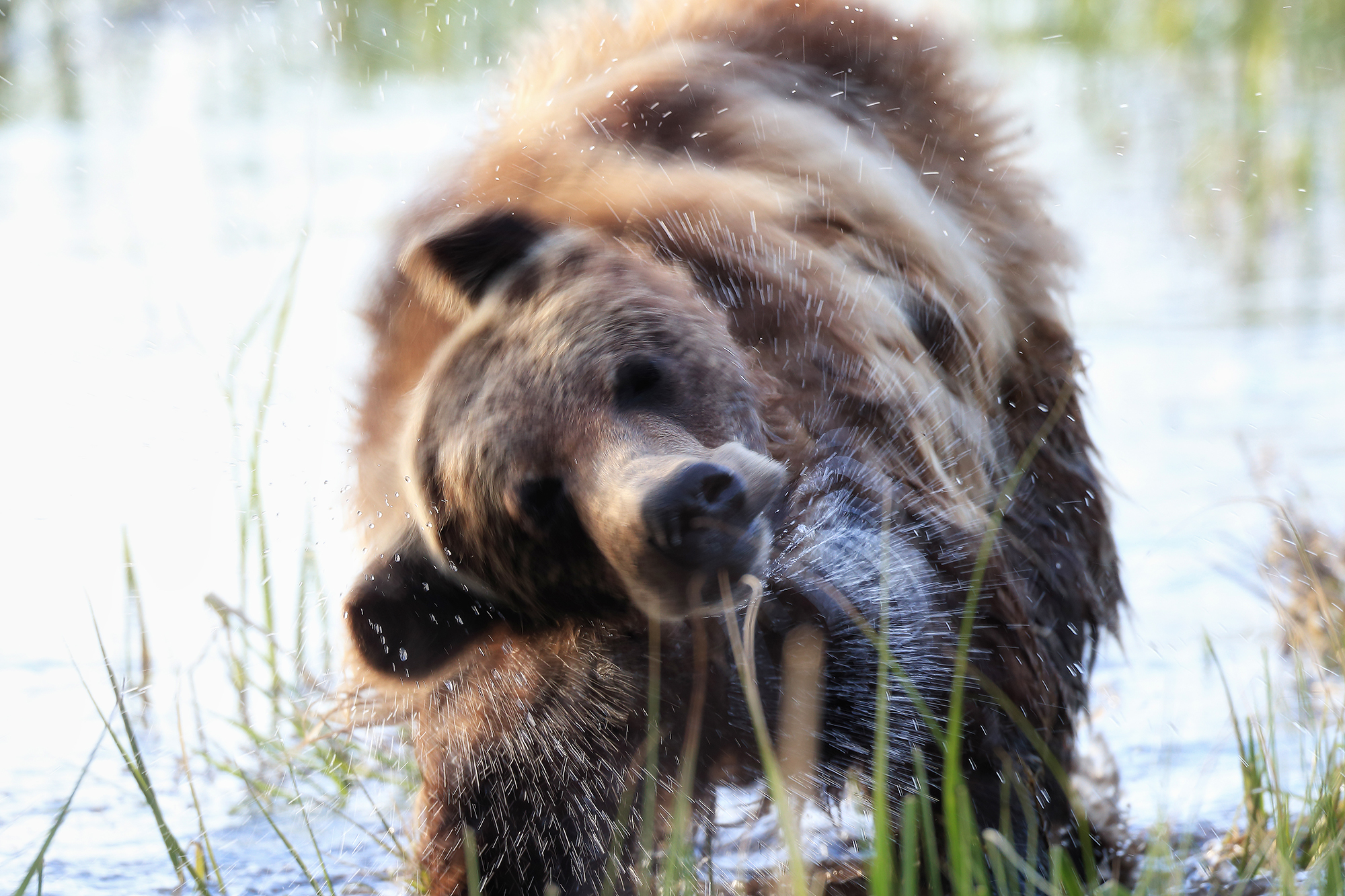
When a grizzly meets the lens, the eye becomes a mirror—light encoding story, instinct, and presence. That exchange is the essence of my wildlife work (Grizzly Bear: Ursus arctos horribilis), and it’s why I write that Light Is the First Language. Even our practical limits reveal wonder—see How Many Photons Make One Leaf?
For Leonardo and for me, light isn’t just what shows the world—it’s what shapes it. Every frame is a lesson written in photons, a brief alignment of geometry, soul, and time.
The Cathedral of Nature: Where Spirit and Science Converge

To Leonardo, the natural world was a cathedral, built not of stone but of proportions, light, and resonance. He saw divine intelligence expressed in trees, waves, and voices of animals. In the same way, I experience the wilderness as a place of worship, where every howl, feather, and reflection is part of a greater hymn.
When a wolf lifts its voice into the frozen air, it becomes more than an animal—it is the embodiment of what I call the Living Code. The cathedral of the wild carries echoes of ancient builders, who aligned pyramids and glyphs with the sky (Ancient Wisdom: Cosmic Patterns) in much the same way a wolf aligns its song with the frequencies of the land.
I write about this resonance often in the Codex Series, where cycles of spirals and polarity reveal themselves as blueprints of creation. A howling wolf, like a cathedral bell, vibrates with that same universal order—a reminder that our planet itself is a temple, alive with voice and memory.
To stand before this cathedral is to remember that philosophy and nature are inseparable. Just as da Vinci sketched the divine in rivers and stars, we too can find coherence in the howls of wolves, the geometry of wings, and the light in every living eye.
Fibonacci’s Daisy: The Spiral of Becoming
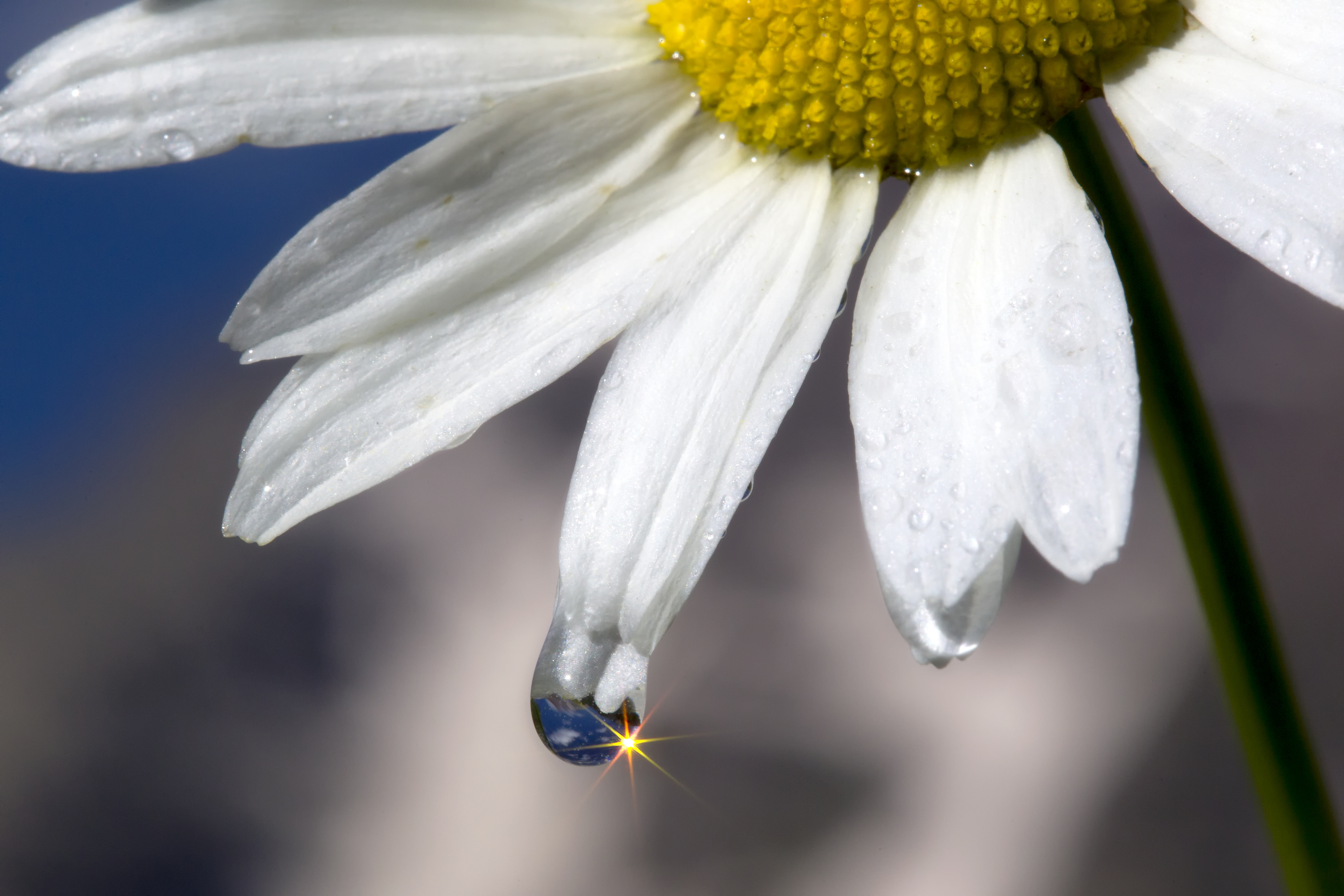
Among Leonardo’s many fascinations was the spiral—a form he saw repeated in shells, galaxies, and flowers. The daisy, with its petals unfurling in perfect sequence, embodies what we now call the Fibonacci pattern. For da Vinci, this was proof that mathematics and beauty were inseparable.
My photograph of a daisy is not just a study of a flower—it is a meditation on proportion. Each petal aligns with the same geometry that shapes the Golden Ratio, the same spiral carved into galaxies and hurricanes. Nature is recursive, echoing itself from the scale of a blossom to the span of the universe.
This spiral is central to my Codex Spiral Theorem and the Living Code. Just as da Vinci’s sketches anticipated the mathematics of life, these spirals remind us that creation is not random—it is patterned, elegant, and endlessly becoming.
Closing Reflection: Carrying Leonardo’s Thread Forward
From the Codex Leicester to the modern lens, the same language endures—water, light, and geometry. Leonardo traced it in ink; I follow it in feathers, rivers, and eyes. If this piece resonated, continue the journey through my Signature Series, where Nature Code and Living Code weave the same thread into today’s world.
Explore deeper essays on spirals, polarity, and resonance in the Codex hub—from Spiral Theorem to Polarity—or step into the light with Captured Light and Photons: The Cosmic Messengers.
Want more like this? Visit the blog for new essays each week.

About the Author
Robbie George is a National Geographic photographer, regenerative farmer, and nature philosopher. Through fine art wildlife photography and quantum storytelling, he reveals the harmonic intelligence of nature and its resonance with human life.
Explore his visionary blog series Nature Code and The Living Code, discover the future of soil and food in Quantum Agriculture, or follow his journey on Instagram and LinkedIn.
Frequently Asked Questions
1) What is the Codex Leicester and why does it relate to this post?
The Codex Leicester is Leonardo da Vinci’s notebook exploring water, light, astronomy, and earth science. This post mirrors those themes through modern nature photography and my Signature Series, highlighting how water, light, and geometry still reveal nature’s code.
2) Why is water such a focus for Leonardo—and for you?
Leonardo called water the “driving force of all nature.” I explore this same idea in essays like Water: The Great Informant of Nature, Unified Water Theory, and Water as the Solar System’s Timekeeper.
3) How does geometry (Fibonacci & the Golden Ratio) appear in nature and your work?
From flower petals to eagle wings, nature speaks the language of proportion. See Fractals & Fibonacci and Golden Ratio: Spiral of Becoming, plus my broader framework in Nature Code.
4) What do you mean by “Light is knowledge”?
Light (photons) encodes patterns and reveals form. I unpack this in Captured Light, Photons: The Cosmic Messengers, and Light Is the First Language.
5) How do ancient alignments (pyramids, glyphs) fit this picture?
They suggest humans encoded cosmic order into stone. I explore this lens in Ancient Wisdom: Cosmic Patterns, the Codex hub, and posts like Pyramid Sextants & Harmonic Memory.
6) Where can I go deeper into your unifying framework?
Start with the Signature Series hub, then explore the Nature Code and Living Code, and finally my notes on a Unified Field Theory.
7) Where can I find the prints featured here?
You can browse my fine-art prints in the warehouse or visit the specific artworks: White Egret, Windows of Your Soul, and Howlin’ Wolf.





