


The Inverse-Square Law Across Nature — Bridging Physics and Resonance
What Is the Inverse-Square Law?
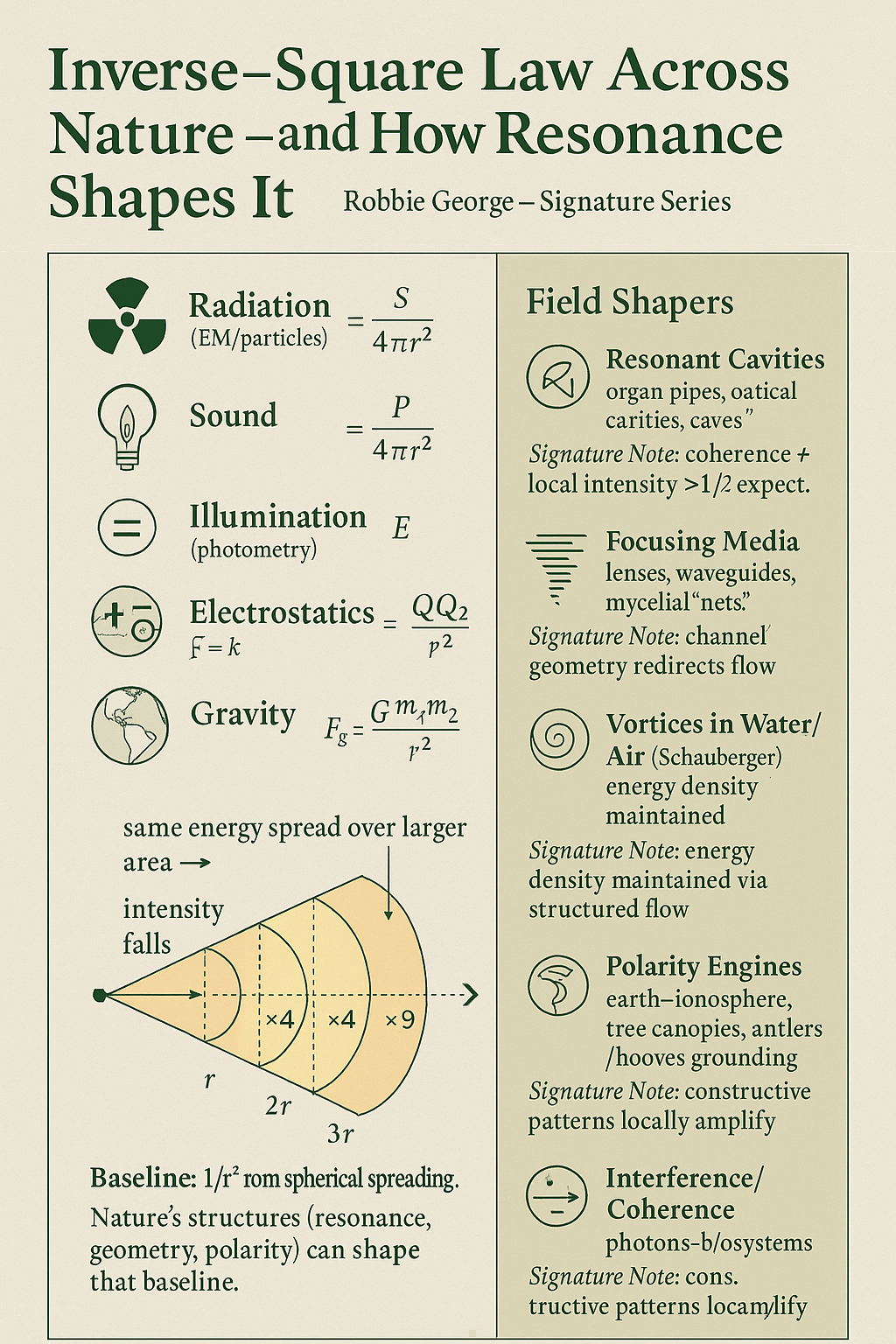
In simple terms, the inverse-square law says that intensity falls as distance increases: as you move away from a point source, the same amount of energy spreads over a larger spherical surface area that grows as 4πr². Double the distance and the intensity drops to a quarter. Triple it and the intensity is one-ninth. This geometric rule explains why a lighthouse beam, a speaker’s voice, or starlight appears weaker the farther you stand from it.
The law’s power is its universality. It appears in illumination (photometry), sound (acoustic intensity), radiation (energy flux), electrostatics (Coulomb’s law), and gravity (Newton’s law). Different phenomena, same geometry. This is the baseline I build on in my Unified Field work: geometry sets the spread, while nature’s structures decide what happens next.
In the wild, energy rarely disperses freely. Canyons resonate like natural organs, forests guide charge between earth and sky, water forms vortices that conserve structure, and coherent patterns of light can amplify locally. These are the field-shapers—resonance, polarity, and coherence—that will follow in the next sections.
Why the Inverse-Square Law Shows Up Everywhere
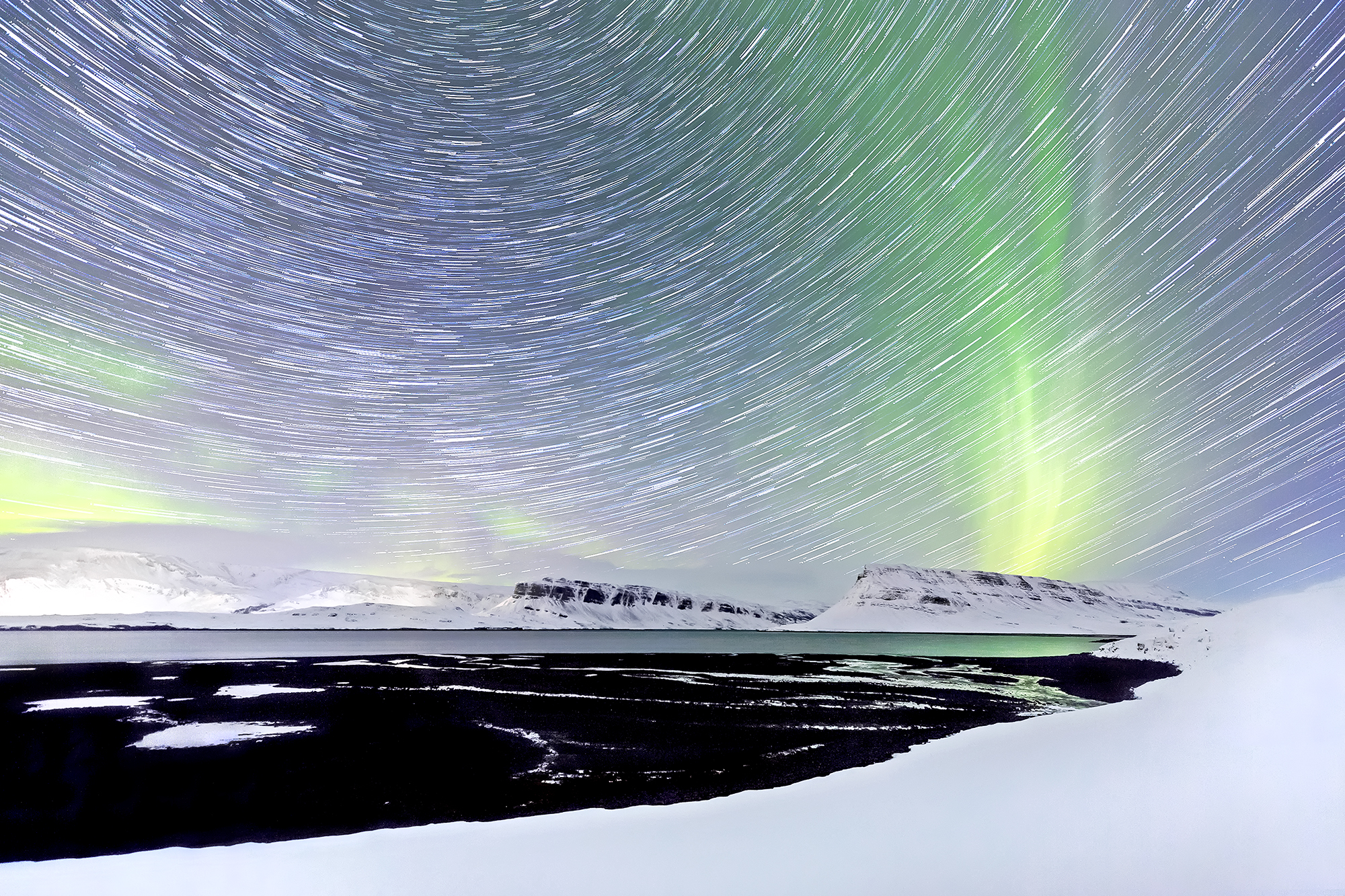
From auroras to a lighthouse beam, intensity fades with distance because energy spreads over ever larger spheres— a simple geometry that governs radiation, sound, illumination, electrostatics, and gravity. The sky above is a living diagram: solar particles excite our atmosphere into light, and that light thins as it travels. This universality is the doorway to my Unified Field—physics provides the baseline, while nature’s structures decide the shape.
For deeper context on light as a messenger, see Photons: The Cosmic Messengers, then explore how resonance and polarity re-shape flow in Resonance & Polarity and The Vortex Field. If you’d like to photograph auroras yourself, I share practical settings and fieldcraft in Northern Lights Photography Guide, and the broader philosophy lives inside Nature Code.
Where Nature Bends the Rule — From Physics to Resonance
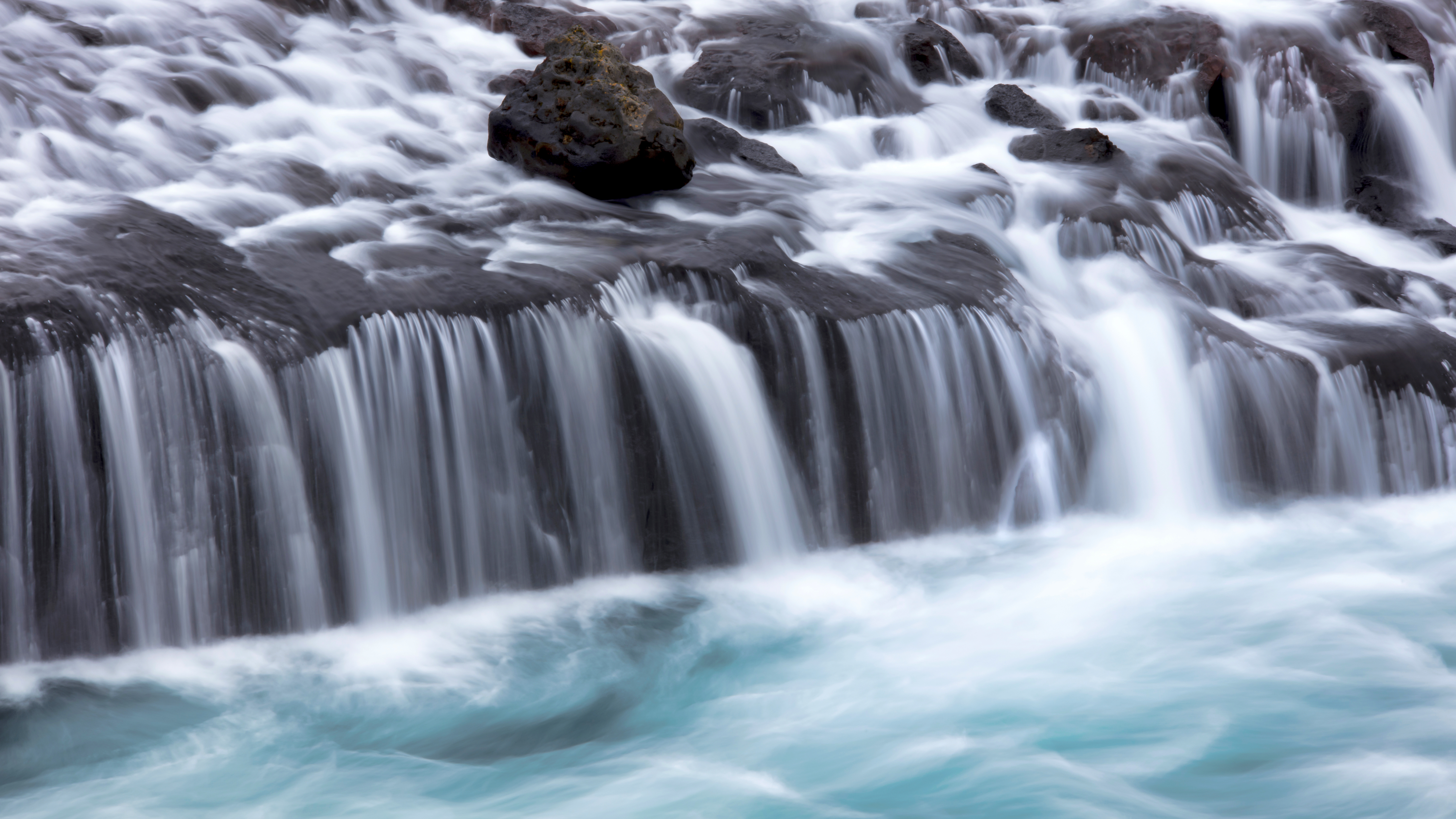
The inverse-square law is a baseline of spread, but living landscapes often shape that spread. In cascading water, vortices form—spiraled, coherent structures that conserve momentum and maintain local energy density. Instead of thinning uniformly into space, flow is gathered and guided by geometry. These are the “field shapers” I explore in my Unified Field: resonance, polarity, and coherence.
Water is a perfect teacher. As explored in the vortex work of Viktor Schauberger, spirals can concentrate and organize energy—like natural lenses for flow. Canyons and caves act as resonant cavities that amplify sound; forest canopies and the Earth–ionosphere act as polarity engines steering charge; mycelial networks and river channels behave as focusing media, routing energy along preferred paths. Together they demonstrate how resonance can locally exceed what a simple 1/r² prediction would suggest.
For the deeper water story—memory, structure, and subtle ordering—see Water’s Quantum Connection and the broader framework in Nature Code. Geometry sets the canvas; resonance paints the picture.
Why This Matters
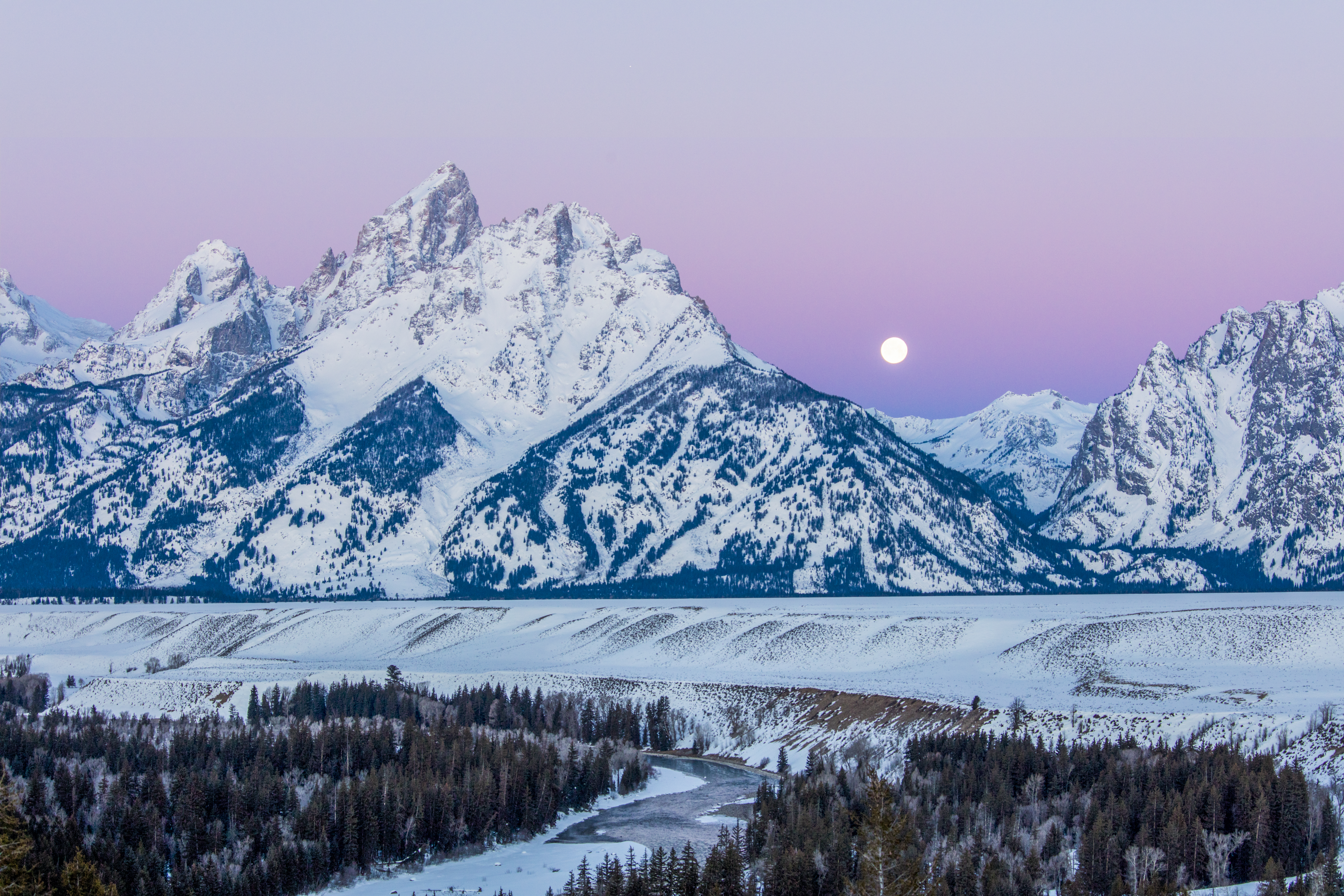
The inverse-square law gives us a clean map of how energy spreads—our baseline geometry. But out here, beneath big sky, nature adds architecture: resonance, polarity, and coherence. Canyons amplify, forests balance, rivers focus, clouds and mountains sculpt light. This is the bridge I’m building in the Unified Field: physics sets the spread; resonance sets the shape.
If this vista resonates, continue into the Signature Series; see the vortex perspective via Viktor Schauberger, the organizational patterns in Resonance & Polarity, and the wider framework of Nature Code. Step outside, look up, and test it for yourself.
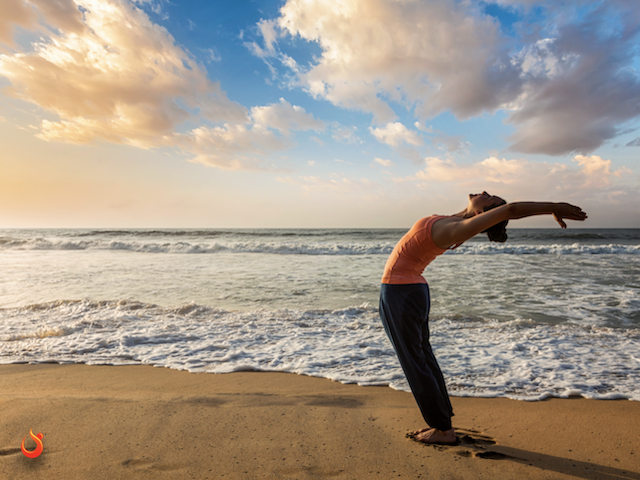
Step Outside, Look Up, and Test It
The map is simple: intensity thins as 1/r². The field is rich: resonance, polarity, and coherence shape the flow. Leave the ivory tower, stand under the sky, and notice how canyons amplify, forests balance, and water gathers into spirals. This is the living bridge between physics and resonance I explore in my Unified Field.
Continue the journey with the vortex tradition of Viktor Schauberger, deepen into Resonance & Polarity, and explore the broader pattern language in Nature Code. For more fieldwork and imagery, visit the Wildlife Gallery and Landscape Gallery.
About the Author
Robbie George is a National Geographic–affiliated photographer, regenerative farmer, and nature philosopher. Through fine-art wildlife and landscape photography, he explores how resonance, polarity, and coherence shape the living field.
Dive deeper into his signature series: Nature Code, Living Code, and Quantum Agriculture. Connect on Instagram and LinkedIn.
Frequently Asked Questions
1) What is the inverse-square law in simple terms?
It says intensity or force decreases with the square of distance because energy spreads over a larger spherical area (4πr²). This is why light, sound, and radiation appear weaker as you move away.
2) Where does it show up in nature?
In illumination, sound, radiation, electrostatics (Coulomb’s law), and gravity (Newton’s law). For the light story, see Photons: The Cosmic Messengers.
3) How can resonance “bend” the inverse-square baseline?
Resonant cavities, focusing media, vortices, and coherent interference can channel or concentrate energy, creating local intensities higher than a simple 1/r² spread would predict. Explore the details in Resonance & Polarity and The Vortex Field.
4) Does light always follow the inverse-square law?
In free space from a point source—yes. But lenses, waveguides, reflective surfaces, media absorption, and interference patterns can alter the distribution, focusing or attenuating energy differently. See fieldcraft in the Northern Lights Photography Guide.
5) How does this connect to your Unified Field?
The inverse-square law is the geometric baseline. Resonance, polarity, and coherence are nature’s architecture on top of that baseline. That bridge is the heart of my Unified Field work.





