

Photons: The Cosmic Messengers Shaping Life and the Universe
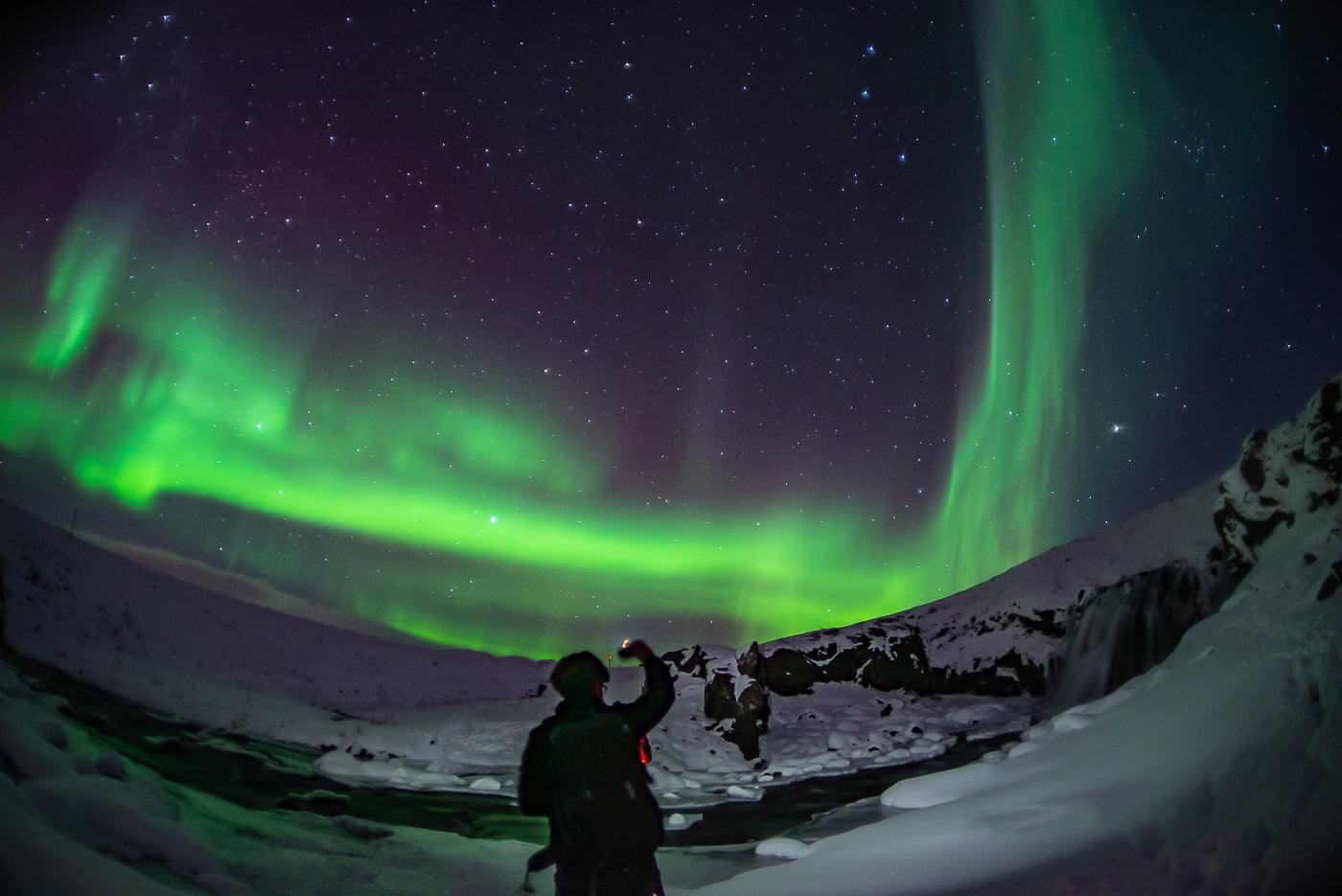
Photons: Weaving the Fabric of Life and the Universe
To stand under the aurora is to stand beneath an open portal of time. The light cascading through Earth's magnetic field is not simply atmospheric art — it is information, arriving across billions of years. As explored in Captured Light, photons reveal the invisible architecture of life, and every exposure becomes a moment of communion between cosmos and consciousness.
These particles are not merely tools for sight — they are sculptors of form. In Photons: The Quantum Threads, I explore how these ancient waves encode the fractal geometry of leaves, the double helix of DNA, and even the golden spirals of galaxies. Light is not secondary to life. It is its original architect — a thread connecting the stars to our cells.
Photography, then, is more than visual storytelling. It is a resonance practice. To photograph is to tune in — to receive the frequency of a photon’s message, to interpret the quantum poetry embedded in light. When I lift the camera, I’m not just framing a scene — I’m translating the oldest story in the universe into a single, soul-aligned image.
“Every photograph is a photon’s autobiography — a story of light’s journey through space, form, and memory.” ~ Robbie George
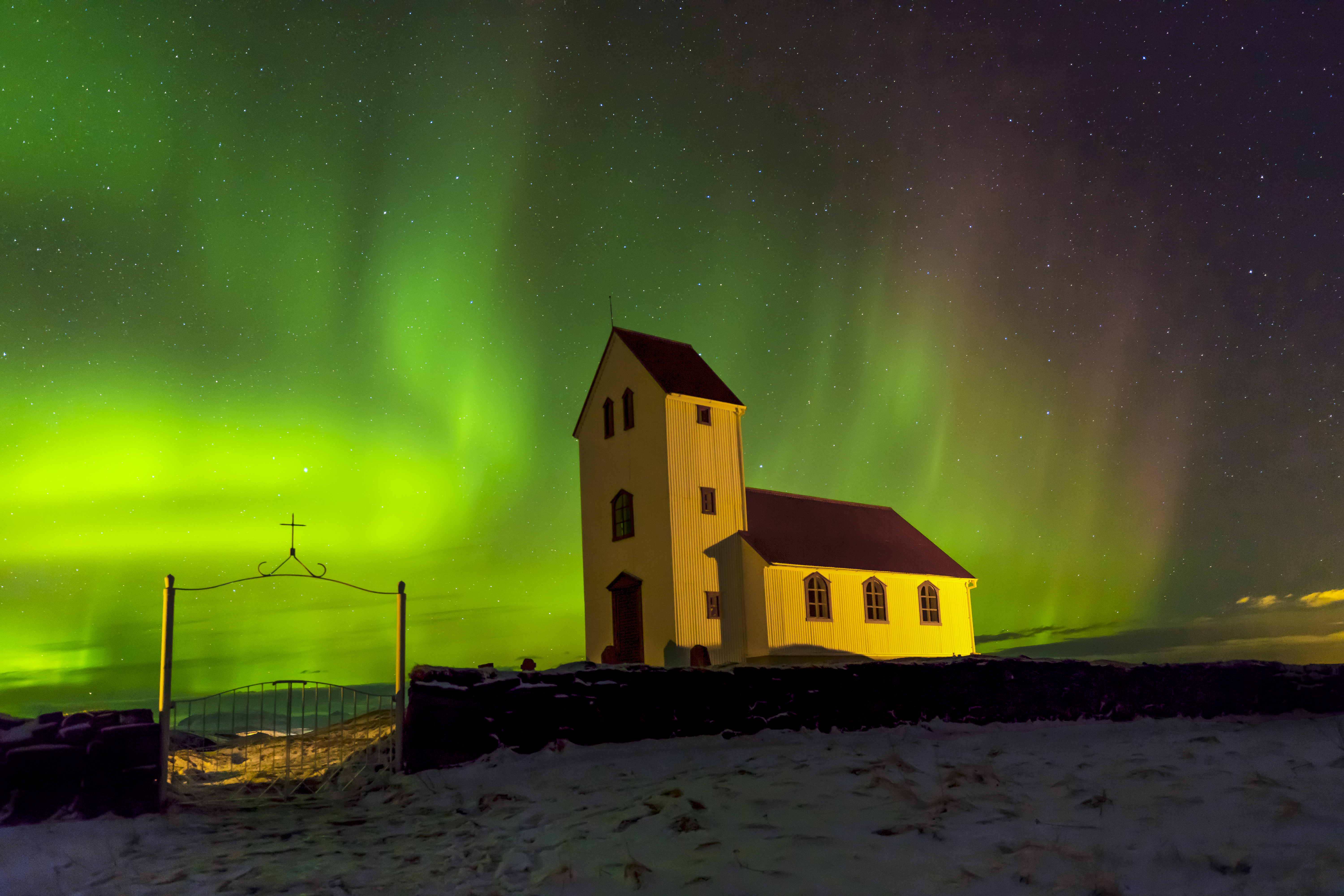
The Nature of Photons and Their Cosmic Journey
Photons are the most primal notes in nature’s vibrational symphony — quantum packets of light that carry not just energy, but encoded structure and timing. As explored in The Quantum Blueprint, they serve as the link between quantum mechanics and the unfolding geometry of nature. Though they have no mass, photons are the architects of form, the catalysts of life, and the vehicles of memory across time.
Their journey begins in stellar cores — born in the fusion reactions that also give rise to hydrogen's quantum dance. From there, photons travel outward through space, often for millions or billions of years, until they kiss the atmosphere of Earth. Along the way, they absorb and encode the characteristics of their cosmic origins — a concept I expand on in Photons Across Time.
When these photons reach Earth, they are more than sunshine. They are signals — igniting photosynthesis, initiating circadian rhythms, and interacting with water to awaken memory in the biosphere. As described in Hydrogen, Water, and the Memory of Life, photons may even guide cellular behavior through resonance — not unlike how music guides dance. Their role is not passive. They inform the structure of leaves, the spirals of shells, and even the golden geometries encoded within The Living Code.
“Photons do not just arrive — they remember. And in that remembrance, they sculpt the world anew.” ~ Robbie George
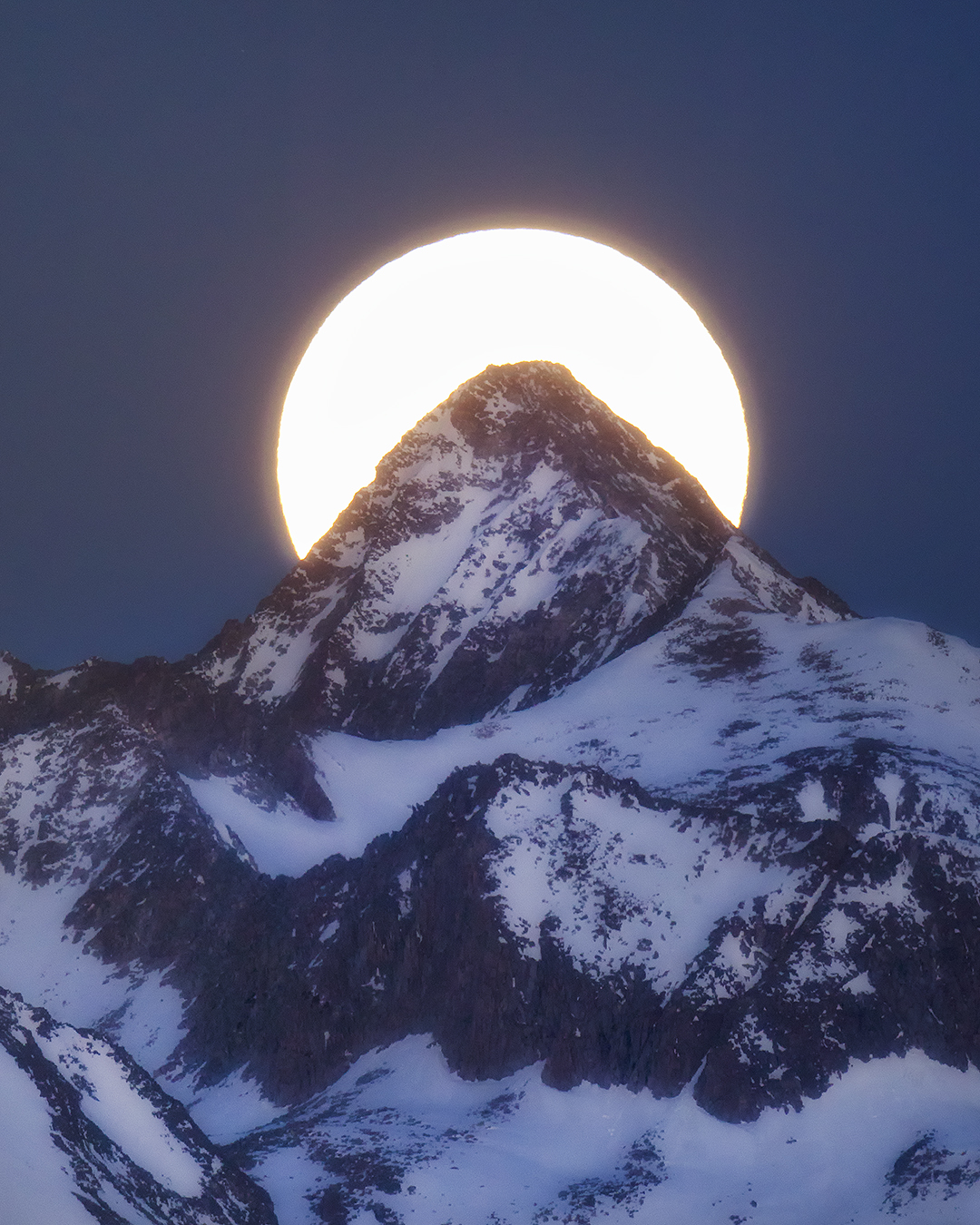
Photons as Architects of DNA and Life
Life on Earth is built on strands of light — twisted into the spiral we call DNA. But that spiral did not arise from chance. In The Quantum Threads, I describe how photons influence the folding, structure, and replication of nucleic acids. These interactions may have catalyzed the very formation of nucleic acids — turning the universe’s light into life’s blueprint.
Ultraviolet photons, in particular, have the energetic precision to initiate change at the molecular level. They can break, modify, or activate strands of DNA — suggesting light isn’t just a passive element but an active genetic editor. This concept parallels discoveries in Quantum Vitality, where the immune system itself may respond to vibrational cues, light fields, and energetic memory encoded in photons.
Patterns like the golden ratio and Fibonacci spirals aren’t just mathematical curiosities — they may be instructions, woven into the field by the language of photons. These geometries emerge in nature not by accident, but by resonance. As I explore in Harmony in Nature, life may be the visible residue of an invisible language — one where photons serve as scribes across the quantum scrolls of biology.
“Photons write the story of life — not with ink or sound, but with frequency, form, and fractal memory.” ~ Robbie George
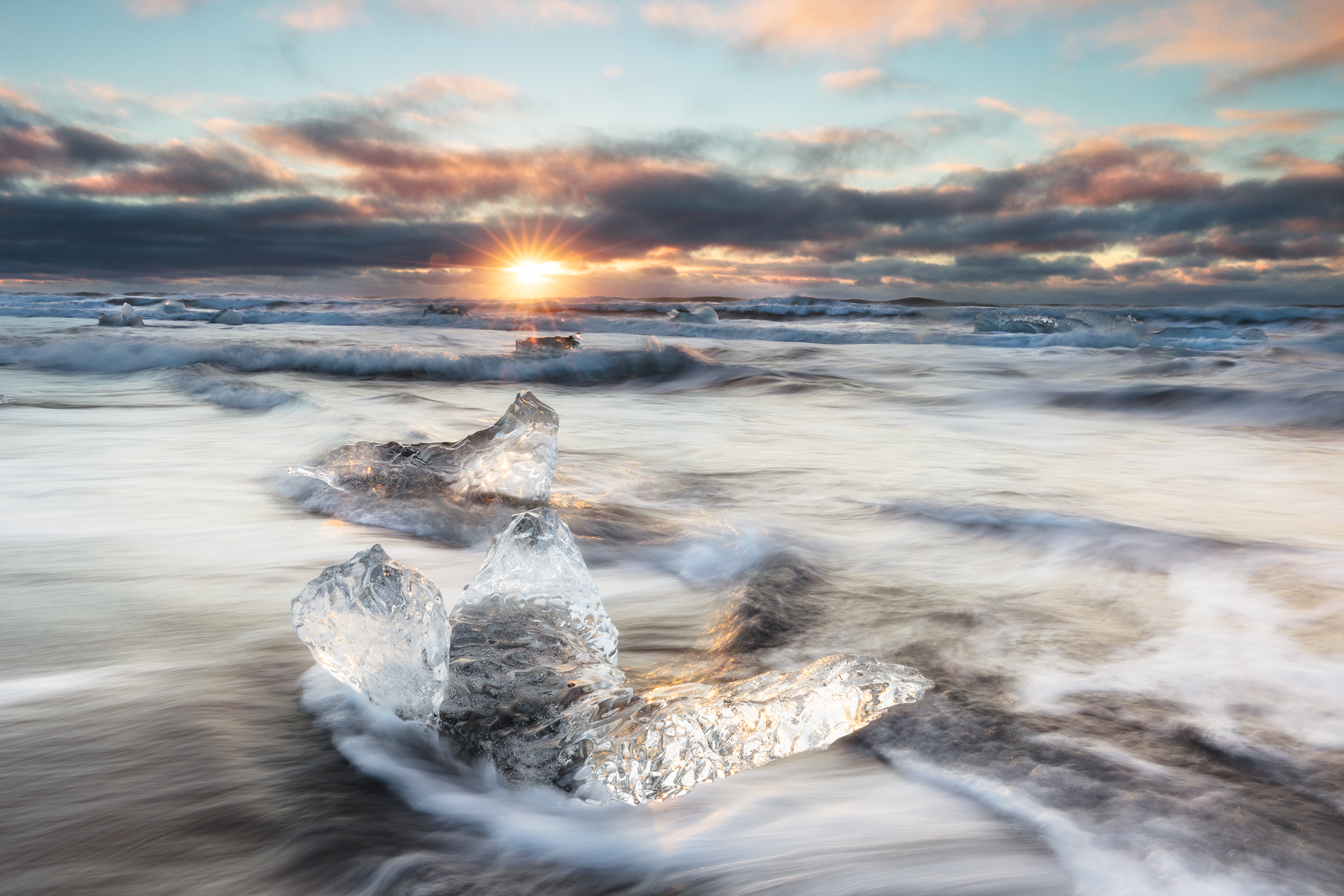
The Role of Cosmic Light in Shaping Nature
Photons are more than sunlight. They are architects of ecosystems, catalysts of life cycles, and activators of pattern. In Quantum Vitality, I describe how light functions as nature’s first language. From the chlorophyll-rich leaves of a forest to the crystalline edges of polar ice, photons initiate transformation. They shape biology through photosynthesis, yes — but also through resonance.
Circadian rhythms, migrations, bloom cycles — all are choreographed by the frequency and angle of light. As explored in The Solar Soul Clock, Earth itself is synchronized to the breathing rhythm of the sun. From polar dawns to tropical solstices, this movement of light shapes more than days — it shapes awareness, vitality, and coherence.
Water is the great translator of light. It receives, stores, and redistributes photonic energy. At Diamond Beach, where glaciers meet sunrise, light etches memory into crystalline form. This is where biology, geology, and quantum physics converge — proving that photons do not just illuminate nature. They inform it. They sculpt it. They remember it.
“Photons don’t just shape what we see — they shape when we bloom, how we breathe, and what we become.” ~ Robbie George
The Cosmos Shaping the Cosmos: A Continuous Cycle
The universe is not a static object — it is a living process. In The Nature Code, I explore how the cosmos constantly shapes and reshapes itself through light. Photons aren’t only sent outward; they return, reflect, and reconfigure. Every star that dies seeds future galaxies. Every beam of light leaves behind a trace — a blueprint, a vibration, a signature of intent.
Earth is not separate from this cosmic feedback loop — she is part of the cycle. In The Soil Microbiome, we uncover how light influences microbial networks, root symbiosis, and even the vibrational health of soil. Cosmic light doesn’t just shape weather and seasons — it nourishes the very intelligence of ecosystems.
This is a universe of recursion — of spirals within spirals. As described in The Living Code, the golden ratio shows up not because it's decorative, but because it's structural. It reflects how light unfolds into matter. It reveals how galaxies curve, how trees branch, how DNA coils. The same light that carved stars has etched itself into the spirals of our biology.
“The universe is a mirror of its own light — sculpting stars, roots, and soul through the spiral breath of photons.” ~ Robbie George
Implications for Our Understanding of the Universe
When we realize that light is more than visual — that it encodes memory, resonance, and design — our entire perspective shifts. As explored in The Spark, photons may be the first way the universe became aware of itself. Every beam of light, no matter how faint or ancient, carries the essence of its origin — a vibration, a spin, a fingerprint of purpose.
This awareness reveals that we are not passive observers but active participants in the cosmic field. As I proposed in Photons Across Time, light forms a bridge — linking atoms to galaxies, the past to the present, and consciousness to creation. Earth receives this light, responds to it, and reflects it back into the field. In this way, we shape the cosmos just as it shapes us.
Through the lens of The Quantum Blueprint, the universe becomes a living field of coherence — not static or cold, but relational and evolving. Light is not the aftermath of a Big Bang. It is the code of becoming. It speaks through spirals, reveals through beauty, and communicates through resonance. To understand photons is to understand that everything is connected — and that we are light remembering itself.
“To understand the universe, follow the light — not for what it shows, but for what it knows.” ~ Robbie George
Conclusion: Light as the Living Thread of the Cosmos
Through the spiraling journey of photons — from the heart of stars to the cells of our bodies — we discover a universe bound together by light. These aren't just particles or waves. They are messengers, architects, and archivists. They shape DNA, orchestrate evolution, and reflect the geometry of life back into the field. They remind us that light is not what we see, but what we are.
As we begin to perceive photons not merely as sources of brightness but as weavers of structure, pattern, and purpose, we enter a new relationship with the cosmos. We are not standing outside the universe looking in — we are radiant participants in its story, encoded with the same vibrational truth as starlight.
Call to Action
Spend time with the light. Rise with the sun. Gaze at the stars. Step into the aurora if you’re called. Let the light not only touch your skin but awaken your memory. Every photon that reaches you is an invitation — to feel, to wonder, to remember. Through photography, through stillness, and through nature, become a vessel for light’s return.
Parting Thought
One day, the photons you emit — through kindness, through creativity, through curiosity — may find their way across the vastness, into a new biosphere, a new mind, a new possibility. In the light we send and the light we receive, we write the universe’s next verse. Let it be luminous.
Follow the Light Further
If photons speak to something deeper in you — if you feel their pulse not just as light, but as message — you’ll want to explore the full Photon Stories series. There, I unravel the threads of memory, coherence, and cosmic design through the lens of nature photography and quantum resonance.
You may also enjoy my reflections in The Spark and Photons Across Time, where I explore how ancient light weaves the very nature of consciousness, and how photography becomes a practice of resonance with the unified field.
Ready to bring this cosmic elegance into your sacred space? Visit the Whisper of the Sea gallery — where auroras, supermoons, and night skies speak not just to your walls, but to your soul.
Explore Fine-Art Prints
Bring the season home—browse Wildlife, Landscapes, and Seascapes by National Geographic–published photographer Robbie George. See framing, editions, and care on the Collectors page.
 Landscape
  Wildlife
  Seascapes
About Robbie George
Robbie George is a National Geographic–published photographer and resonant naturalist. His fieldcraft follows a simple ethic—distance first, habitat always— shaped by Slow Knowledge and the Signature Series.
Explore calm, undisturbed behavior in the Wildlife Gallery or plan your next trip with the Seasonal Wildlife Calendar, Golden Hour & Moon, and Photography Maps.
“Attention first, image second. The shutter is the period at the end of a sentence you learned by walking.”
Frequently Asked Questions
1. What are photons and why are they important to life?
Photons are quantum particles of light that carry energy, frequency, and information across space and time. They play a vital role in everything from photosynthesis to circadian rhythm, from DNA activation to the growth patterns of ecosystems. In essence, photons act as the vibrational bridge between the cosmos and life on Earth.
2. How do photons influence DNA and evolution?
Photons, particularly in the ultraviolet range, can initiate chemical reactions that affect the structure and behavior of DNA. Their resonance may guide the folding of nucleic acids, the activation of genes, and even evolutionary adaptations. This concept is explored deeply in The Quantum Threads.
3. What does it mean that photons carry information?
Photons encode data about their source — such as a star’s composition, age, and motion. But on a subtler level, they may also carry vibrational blueprints that influence matter, biology, and consciousness. In this way, photons function like messages from the field, illuminating not just the world, but how it unfolds.
4. Can photography capture the memory of photons?
Yes. Photography becomes an act of resonance — a way to receive and translate light’s memory. As explored in Captured Light, each image is a moment of communion with the field — a snapshot of coherence, structure, and encoded meaning within the light.
5. How can we become more attuned to the light around us?
Begin by observing natural light — sunrise, sunset, moonlight, starlight. Notice how it affects your mood, energy, and perception. Spend time outside. Photograph with intention. And explore practices like grounding, meditation, and breathing under the open sky to harmonize your field with the light that sustains life.