


Giclee Printing
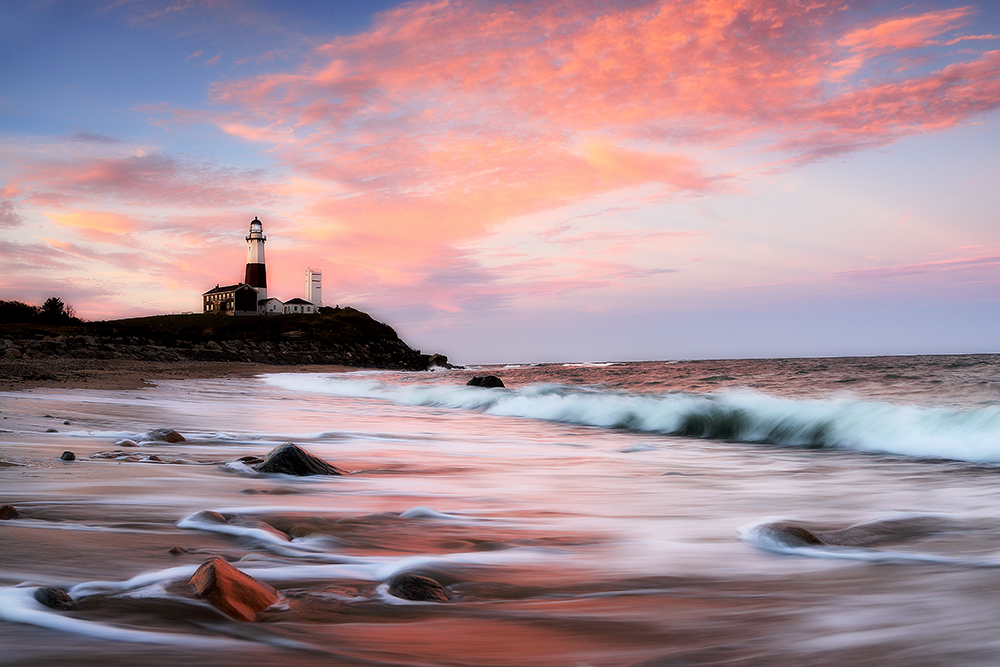
Giclée Printing: The Art of High-Quality Reproduction
There’s a moment when light touches paper and becomes something more than memory—it becomes art. Giclée printing is the bridge between the captured world and the printed soul, allowing images to live with stunning precision and timeless elegance.
Whether you’re an artist, a collector, or a nature lover, understanding giclée is essential to appreciating what it means to hold permanence in your hands. In this post, I’ll guide you through the details of giclée reproduction and why I trust this method for bringing my nature photography into physical form.
What Is Giclée Printing?
Giclée printing—pronounced “zhee-clay”—originates from the French gicler, “to spray.” More than a technique, it’s a high-resolution process that uses pigment-based inks and archival substrates to bring photographs and paintings to life with museum-grade quality.
First developed by printmaker Jack Duganne to distinguish gallery-quality reproductions from mass-market printing, giclée is now the trusted choice for artists, photographers, and collectors who value precision, color fidelity, and permanence. It’s the heartbeat of what I offer through my fine-art print offerings.
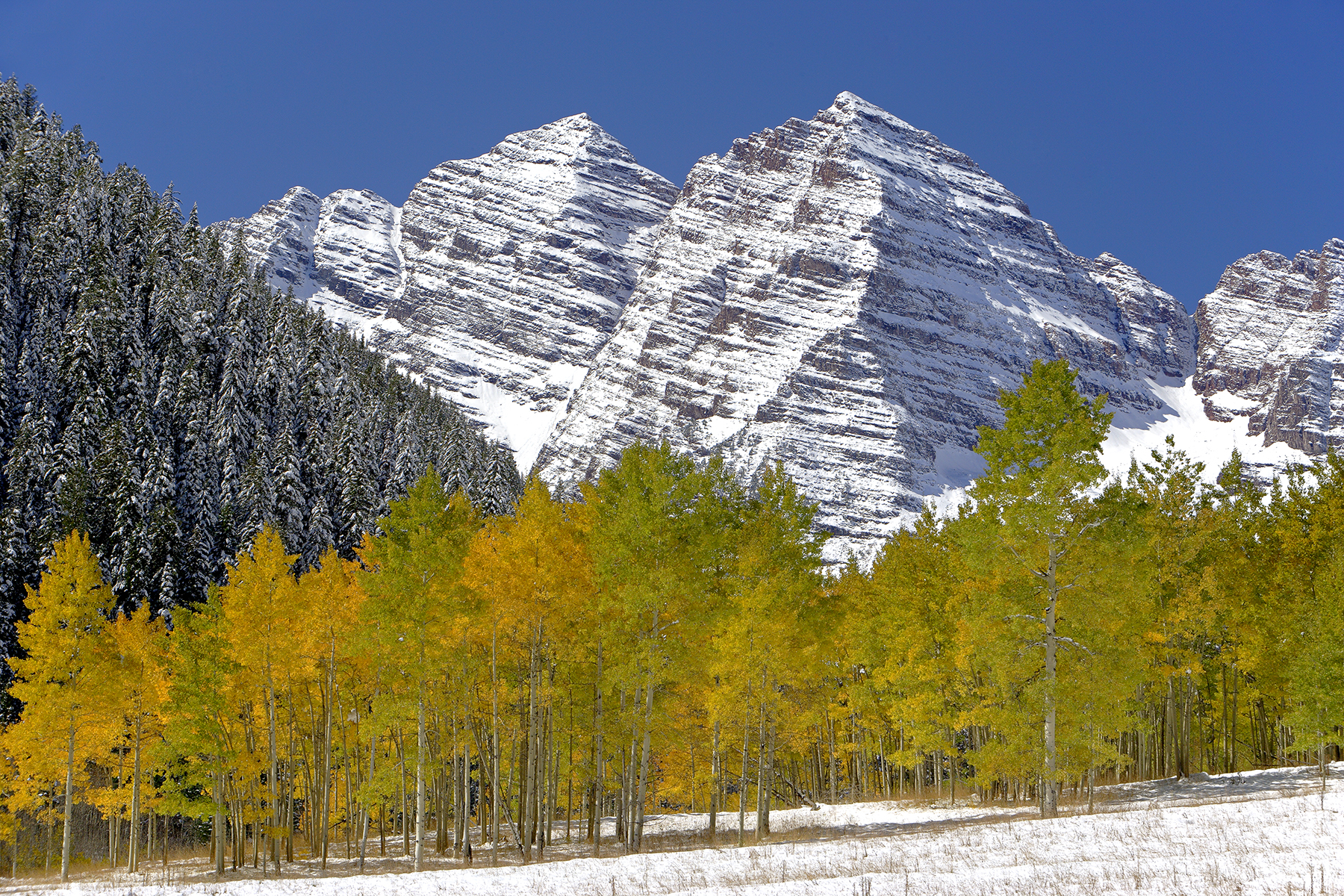
Why Giclée?
- Precision: High-resolution output for photographic detail.
- Longevity: Pigment inks + archival papers resist fading for 100+ years.
- Faithfulness: Smooth tonal transitions, texture, and vibrancy with integrity.
The Giclée Printing Process
Using advanced inkjet technology, millions of microscopic droplets are placed with intention on fine-art paper or canvas—capturing gradients, shadows, and subtle transitions that lesser methods flatten or blur.
The result echoes the original: the painter’s stroke, the softness of golden-hour light, or the wild breath of a moment in the field. Every detail is respected. Every hue, honored.
Key Characteristics of a True Giclée
- High Resolution: Source files prepared at print-ready DPI.
- Pigment-Based Inks: Archival permanence and depth.
- Archival Paper: Acid-free, lignin-free stocks for longevity and tone.
Ink & Archival Paper: Ensuring Longevity
Giclée relies on pigment inks that bond with paper fibers, resisting time, light, and environment. I pair them with archival-quality papers—acid-free and lignin-free—for century-scale durability and natural tone.
These materials protect the art and enhance it—preserving shadows, honoring highlights, and holding the emotion of the image.
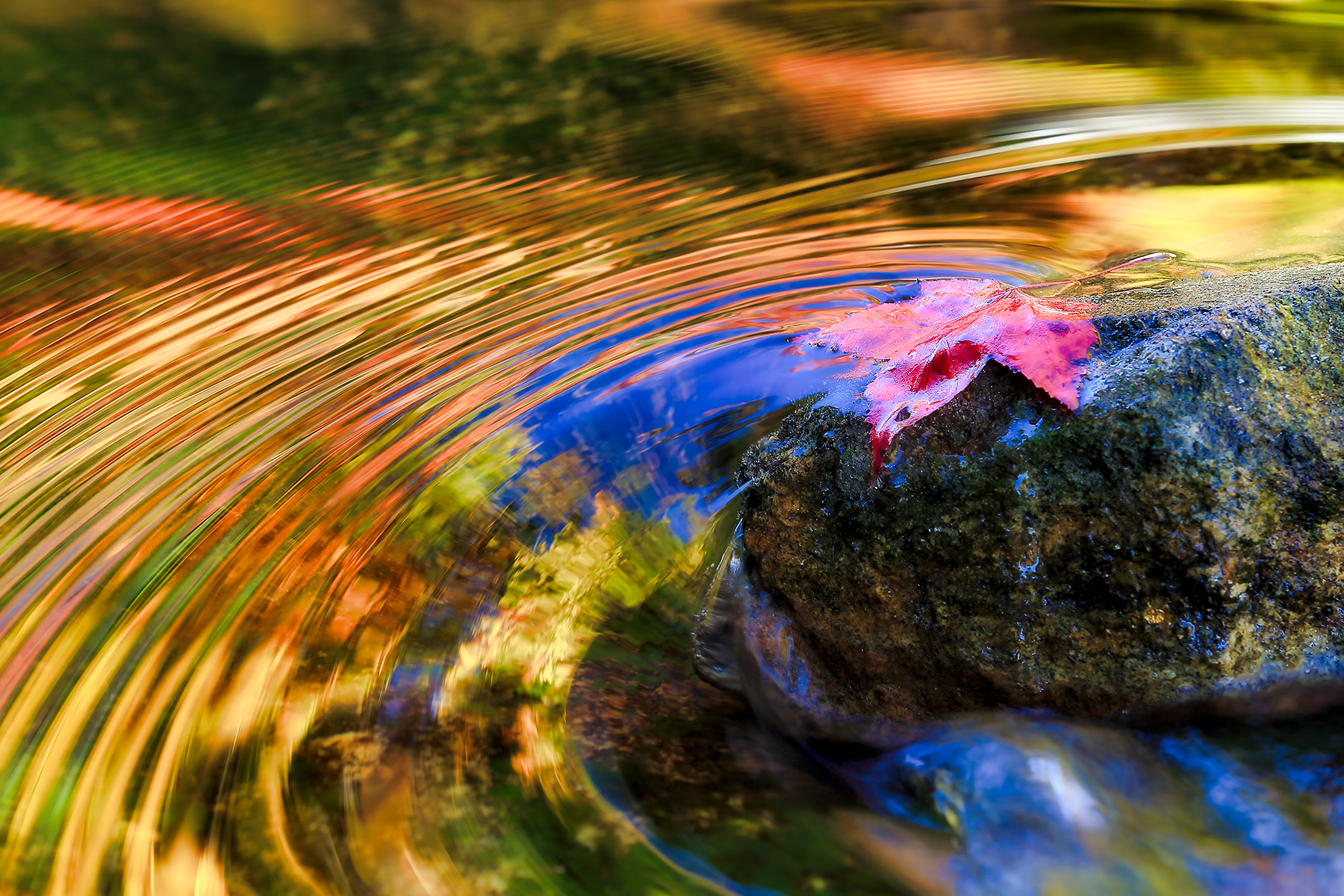
Common Giclée Surfaces
- Canvas — durable, textured, timeless.
- Watercolor paper — soft texture, beautiful absorption.
- Cotton rag — smooth base with archival strength and subtle tonal accuracy.
Why Artists & Photographers Prefer Giclée
Giclée has become the trusted medium for artists and photographers because it elevates the work. From paintings rich in brushstroke to photographs pulsing with light, giclée translates essence into ink.
As a National Geographic photographer, I use giclée to share what the world feels like—not just what it looks like. Each limited-edition Signature Series print becomes a lasting bridge between image and soul.
Whether you’re building a collection, curating your space, or honoring a moment in time, giclée offers more than archival quality—it offers fidelity to vision.
Ready to Explore the Art of Permanence?
Explore the Signature Series or visit Fine-Art Print Knowledge to learn about the archival materials I use.
Compare print types here: Fine art vs. photographic prints.
Explore Fine-Art Prints
Bring the season home—browse Wildlife, Landscapes, and Seascapes by National Geographic–published photographer Robbie George. See framing, editions, and care on the Collectors page.
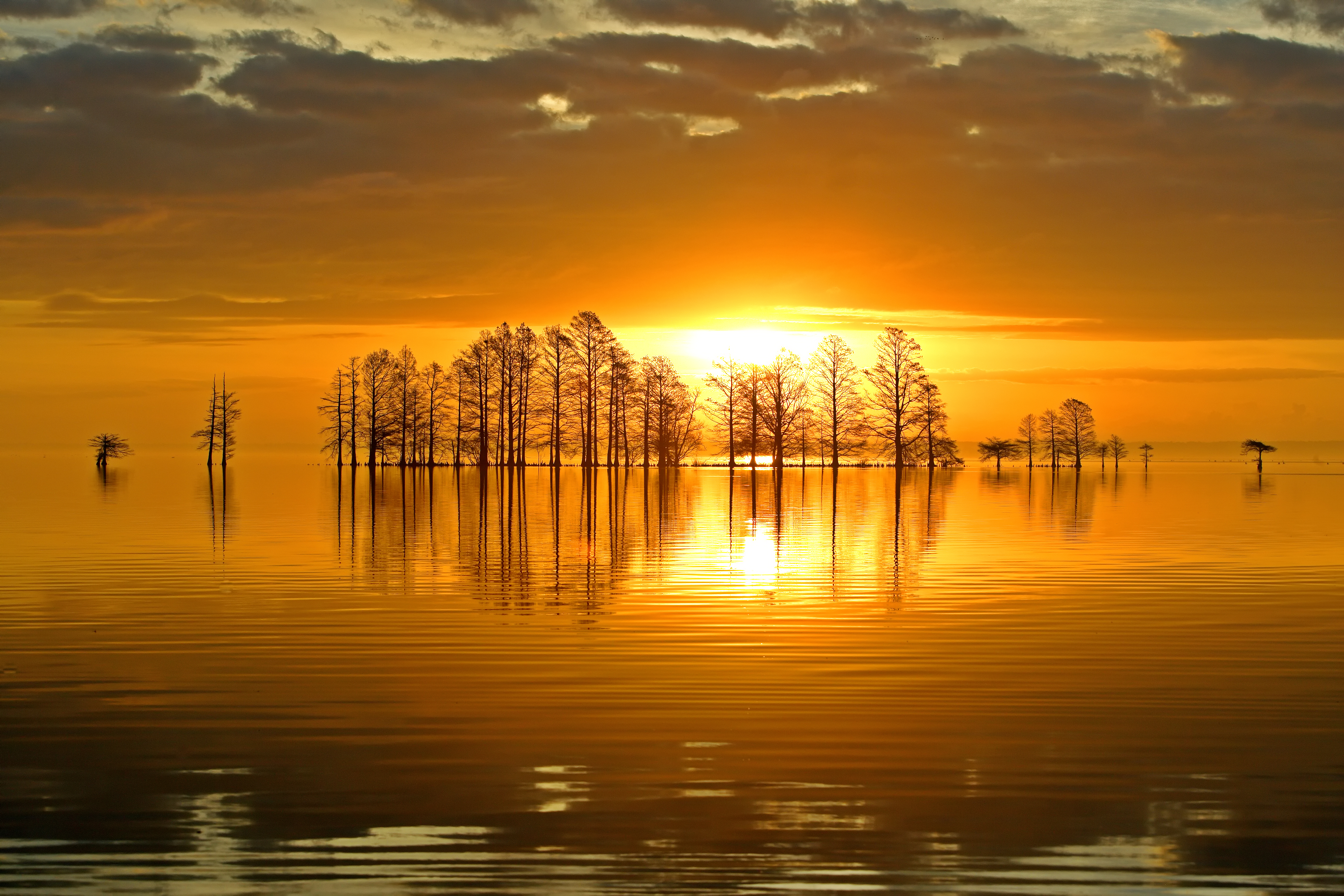 Landscape
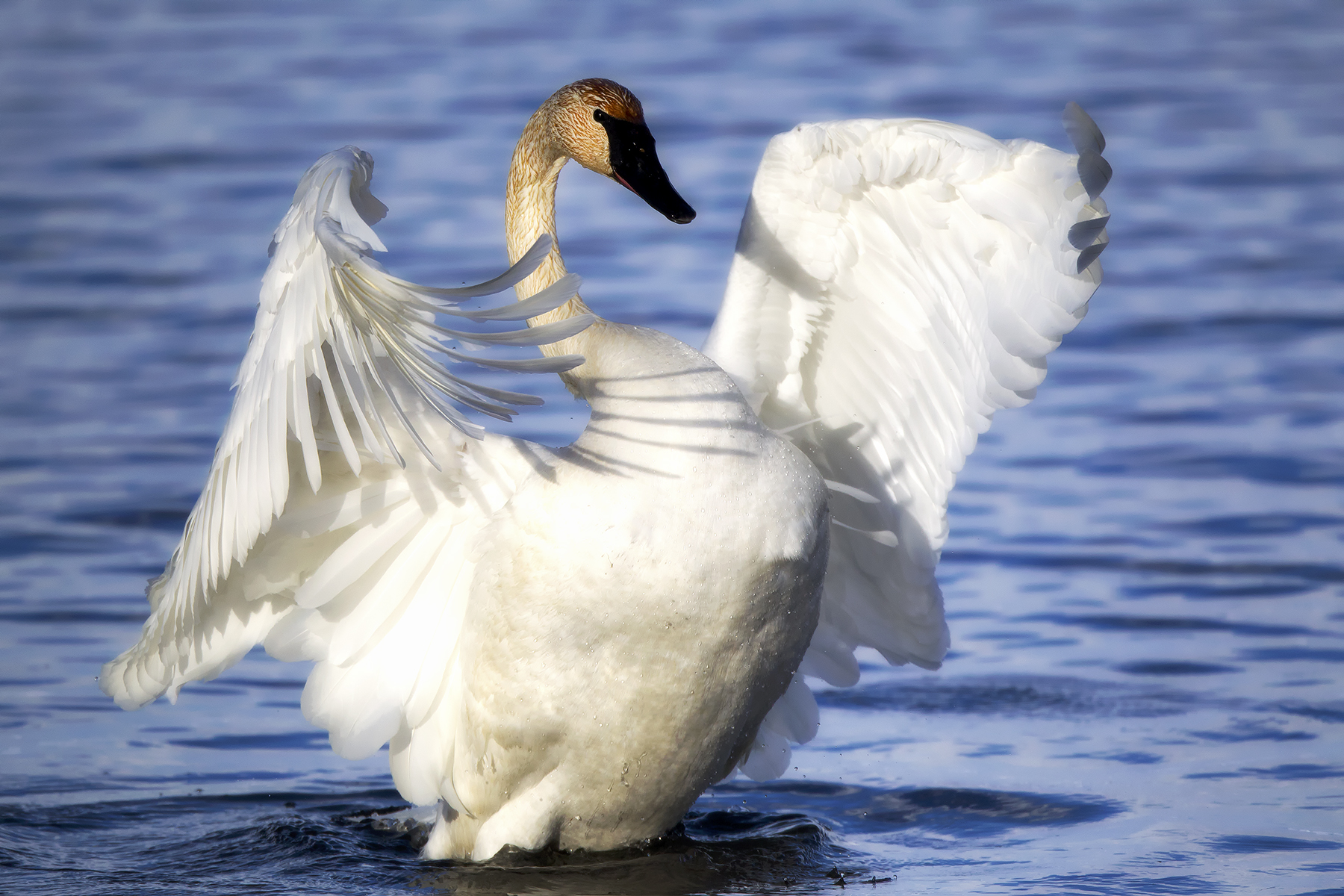 Wildlife
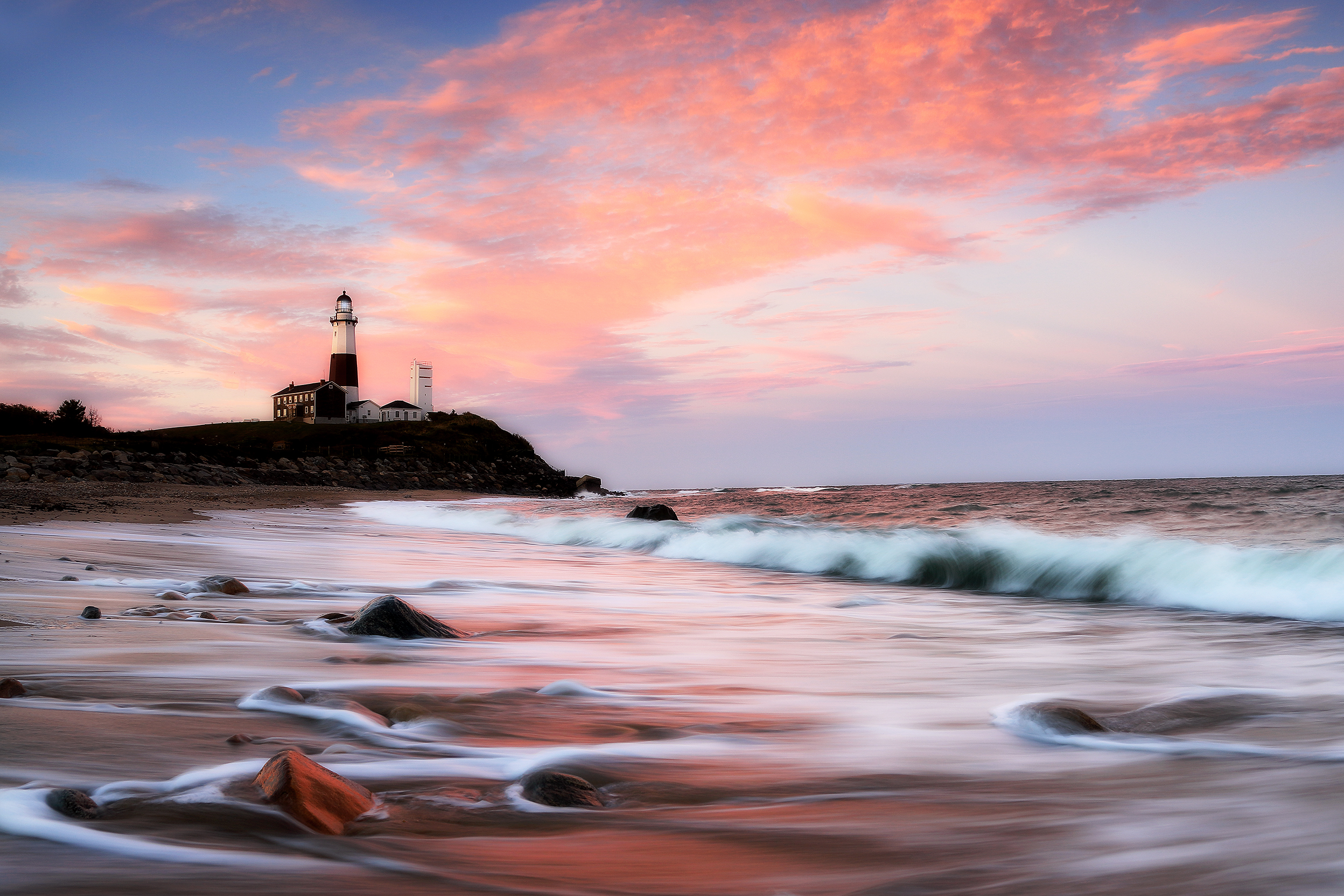 Seascapes
About Robbie George
Robbie George is a National Geographic–published photographer and resonant naturalist. His fieldcraft follows a simple ethic—distance first, habitat always— shaped by Slow Knowledge and the Signature Series.
Explore calm, undisturbed behavior in the Wildlife Gallery or plan your next trip with the Seasonal Wildlife Calendar, Golden Hour & Moon, and Photography Maps.
“Attention first, image second. The shutter is the period at the end of a sentence you learned by walking.”





