
From Pioneers to Modern Masters: The Evolution of Nature Photography

Field Context — Where Nature Photography Became More Than a Picture
Nature photography did not begin as a content stream or a technical exercise. At its strongest, it began as witness. Photographers like Ansel Adams and Eliot Porter showed that an image could do more than describe a place—it could shape how people value land, wildlife, light, and the conditions that allow the natural world to remain whole.
Adams often worked at the scale of landscape, turning mountains, weather, and stone into visual arguments for preservation. Porter brought the viewer closer, showing that color, seasonal change, birds, leaves, and intimate ecological detail also belonged at the center of serious nature work. One showed grandeur. The other showed intricacy. Both helped people look more carefully.
That legacy still matters now. In my own work, I see nature photography as part of a larger field relationship—one connected to conservation and habitat, field observation, and the deeper ecological patterns explored through Naturepedia. The camera can still help people see what matters, but only when the image remains connected to truth, place, and the living systems behind it.
This page begins there: not with nostalgia, but with continuity. The pioneers helped define the ethical and visual foundation. The modern challenge is to carry that foundation forward with the same seriousness of attention—while connecting it more clearly to behavior, habitat, seasonality, and the long work of stewardship.
“The deepest legacy of nature photography is not style alone, but the way an image teaches people to care for what they might otherwise overlook.” — Robbie George
On This Page
Ansel Adams — Structure, Light, and the Case for Protection
When I look at Ansel Adams’ work, I don’t just see landscapes—I see decisions. Where to stand. When to wait. How to use light to reveal structure instead of flattening it. His images feel powerful because they are built on observation, timing, and a deep understanding of place.
Adams worked at a scale that made people pay attention. Mountains, valleys, storms, and light were not just subjects—they were evidence. His photographs helped people recognize the value of wild places like Yosemite, not as scenery, but as something that needed to remain intact. That connection between image and protection is still one of the most important roles photography can play.
What stands out most to me is restraint. Adams didn’t chase moments—he anticipated them. He studied light, returned to locations, and worked within the limits of his tools. That discipline is something I still carry into the field today. Whether I’m working in mountain ecosystems or coastal environments, the principle is the same: be in the right place before the moment happens.
Adams helped establish something foundational—photography as a form of environmental awareness. His images didn’t just show what existed. They helped people understand why it mattered. That link between visual clarity and conservation is still the backbone of meaningful nature photography.
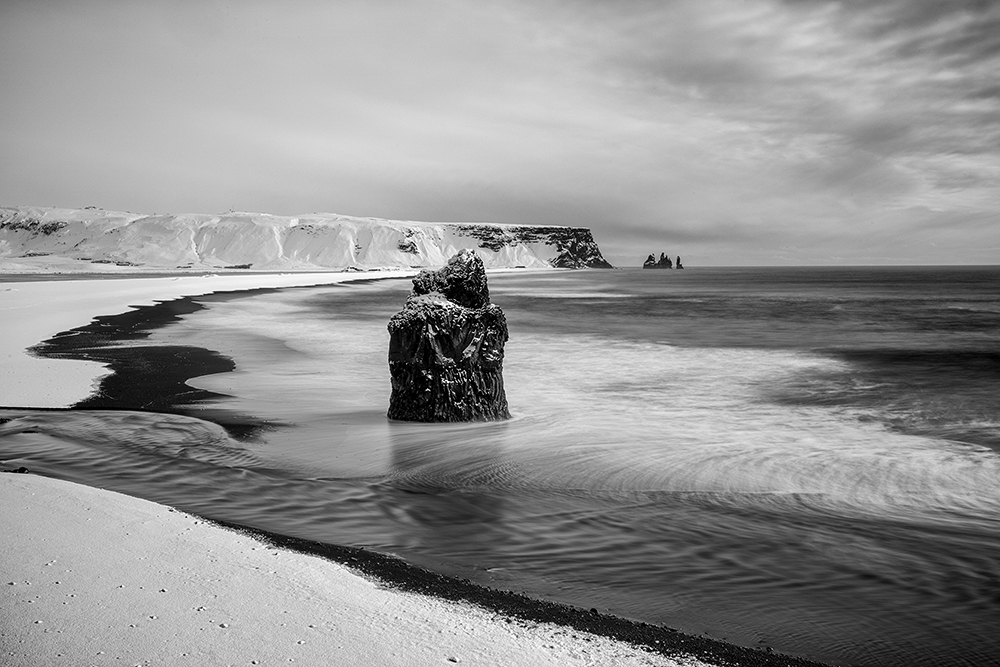
A landscape shaped by light and structure—echoing the discipline and visual clarity that defined Ansel Adams’ approach.
Eliot Porter — Color, Detail, and the Importance of the Small
Where Ansel Adams worked at the scale of landscape, Eliot Porter moved closer. His work shifts the way I think about attention. Instead of relying on dramatic scenes, he focused on what was already there—birds in branches, leaves in soft light, quiet moments that most people would walk past without noticing.
Porter helped establish color photography as something serious, not secondary. But more importantly, he showed that detail matters. Habitat is not just a backdrop—it is the subject. The structure of a tree, the layering of foliage, the position of a bird within its environment all carry meaning. When those details are intact, the image becomes more than visual—it becomes ecological.
In my own work, this is where observation deepens. I’m not just looking for animals—I’m looking at how they exist within their environment. That connection between subject and habitat is central to understanding wildlife behavior and how ecosystems function as a whole.
Porter’s legacy is a reminder that conservation is not only about protecting large landscapes—it’s also about protecting the smaller systems within them. The quiet edges, the subtle interactions, the overlooked spaces. When those are understood, the larger picture begins to make sense.
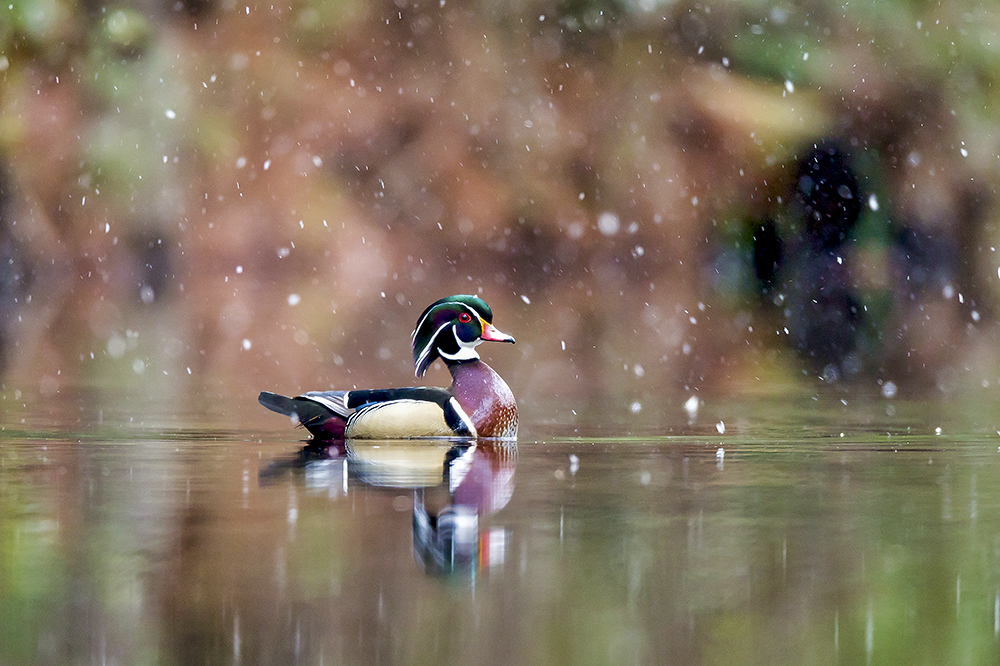
A wood duck in layered habitat—color and detail working together to show how species and environment are inseparable.
Evolution of Technique — From Darkroom Discipline to Digital Awareness
The tools have changed, but the responsibility has not. Adams worked with tonal control in the darkroom. Porter worked with color through complex printing processes. Every step required intention. Every adjustment had a limit. That limitation shaped how they saw before they ever pressed the shutter.
Today, digital photography removes many of those limits. We can review instantly, adjust endlessly, and refine an image long after the moment has passed. But that freedom can disconnect the photograph from the field if it replaces observation instead of supporting it.
In my own process, I try to carry forward the same discipline—just applied earlier. The decision is not made in editing. It is made in the field. Where I stand, how I approach, whether the animal is settled, whether the light supports the scene—those are the choices that define the image.
Digital tools should clarify what was already true, not create something that wasn’t there. When used with restraint, they extend the original moment. When overused, they replace it. The goal remains the same across every era: let the photograph reflect reality, not override it.
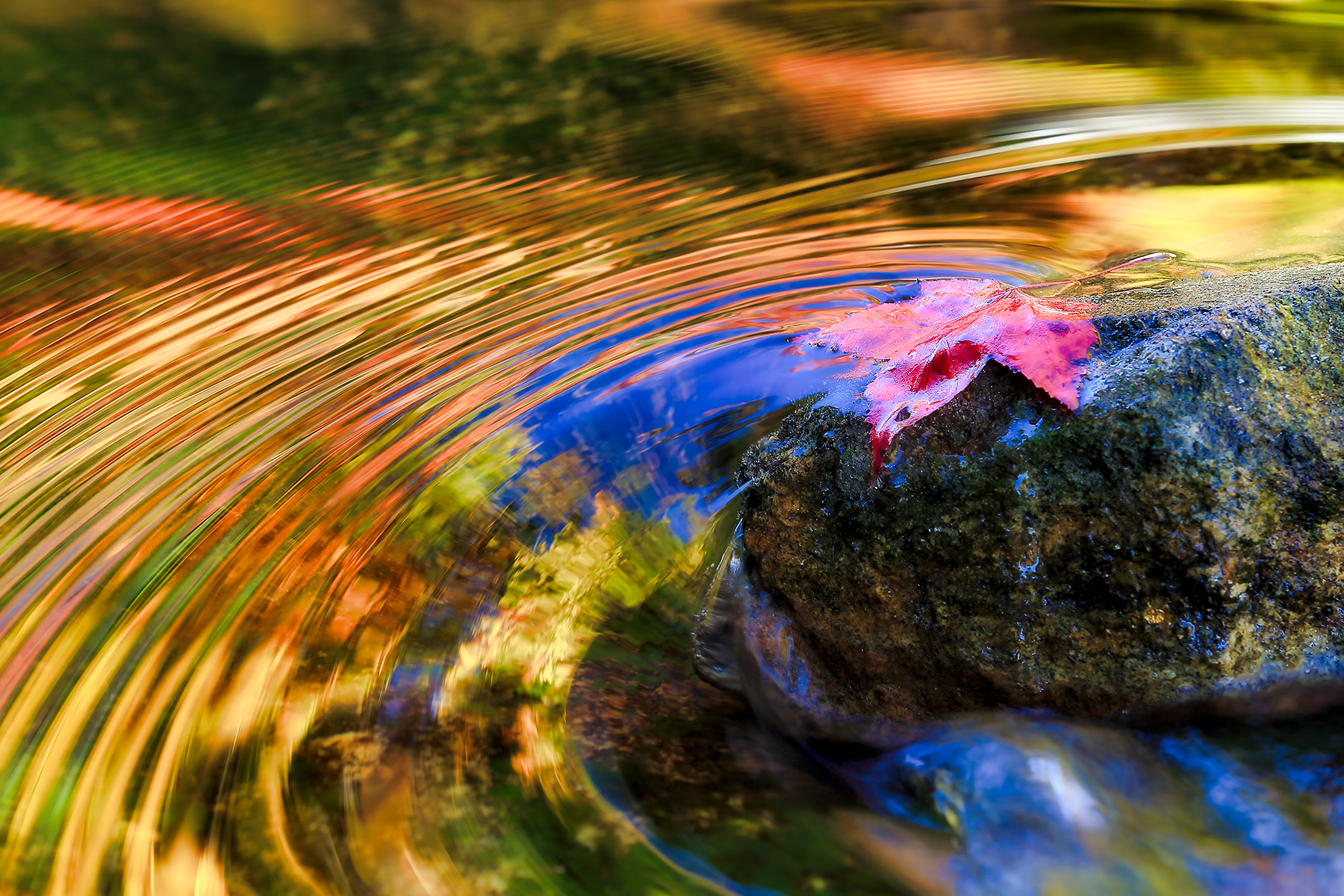
Falling leaves in autumn—timing and observation shaping the image more than any tool.
Modern Field Practice — Where Observation Becomes the Image
What I carry forward from Adams and Porter isn’t style—it’s attention. In the field, everything begins with observation. Before I ever raise the camera, I am reading what is happening: how an animal is moving, how the light is interacting with the environment, and whether the moment is stable or starting to change.
Modern photography makes it easy to react quickly. But strong images rarely come from reaction—they come from position. Being in the right place, at the right distance, before the moment develops. That is where fieldcraft replaces chance.
I am constantly asking the same questions: What is the animal doing? Is the behavior natural? Is my presence changing anything? If the answer shifts, my decision changes. Sometimes that means holding still. Sometimes it means adjusting. And sometimes it means leaving entirely.
This is where modern nature photography separates itself. Not through sharper lenses or faster cameras, but through awareness. The image becomes a result of correct observation—connected to field techniques, behavior, and the ability to move through the environment without disrupting it.
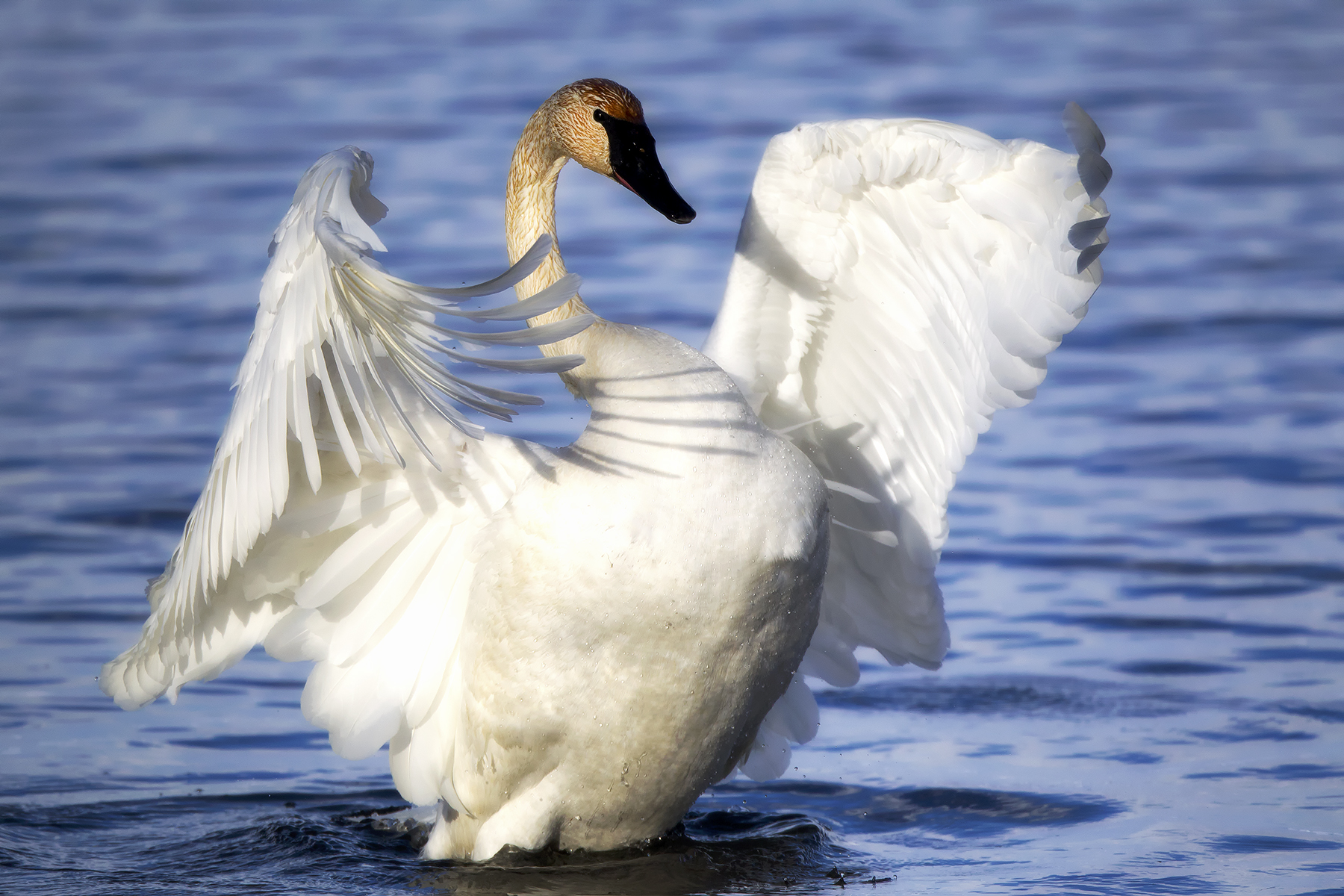
A moment that exists because the field remained undisturbed—position, timing, and restraint working together.
Conservation Legacy — From Image to Protection
The lasting impact of photographers like Ansel Adams and Eliot Porter is not measured in prints—it’s measured in what still exists. Their work helped people see landscapes, wildlife, and ecosystems as something worth protecting. That shift in perception is where conservation begins.
Photography has the ability to make ecological reality visible. A single image can show habitat, behavior, and vulnerability at the same time. When those elements are held together honestly, the photograph becomes more than visual—it becomes evidence of a living system that depends on balance.
In my work, that connection remains central. Every image ties back to habitat, ecosystems, and the conditions that allow wildlife to remain undisturbed. Without those systems, the moments we photograph disappear.
The responsibility now is continuity. To carry forward the same awareness, but with deeper understanding—connecting behavior, place, and timing into a clearer picture of how the natural world functions. When photography stays grounded in that reality, it continues to do what it has always done at its best: help people care.
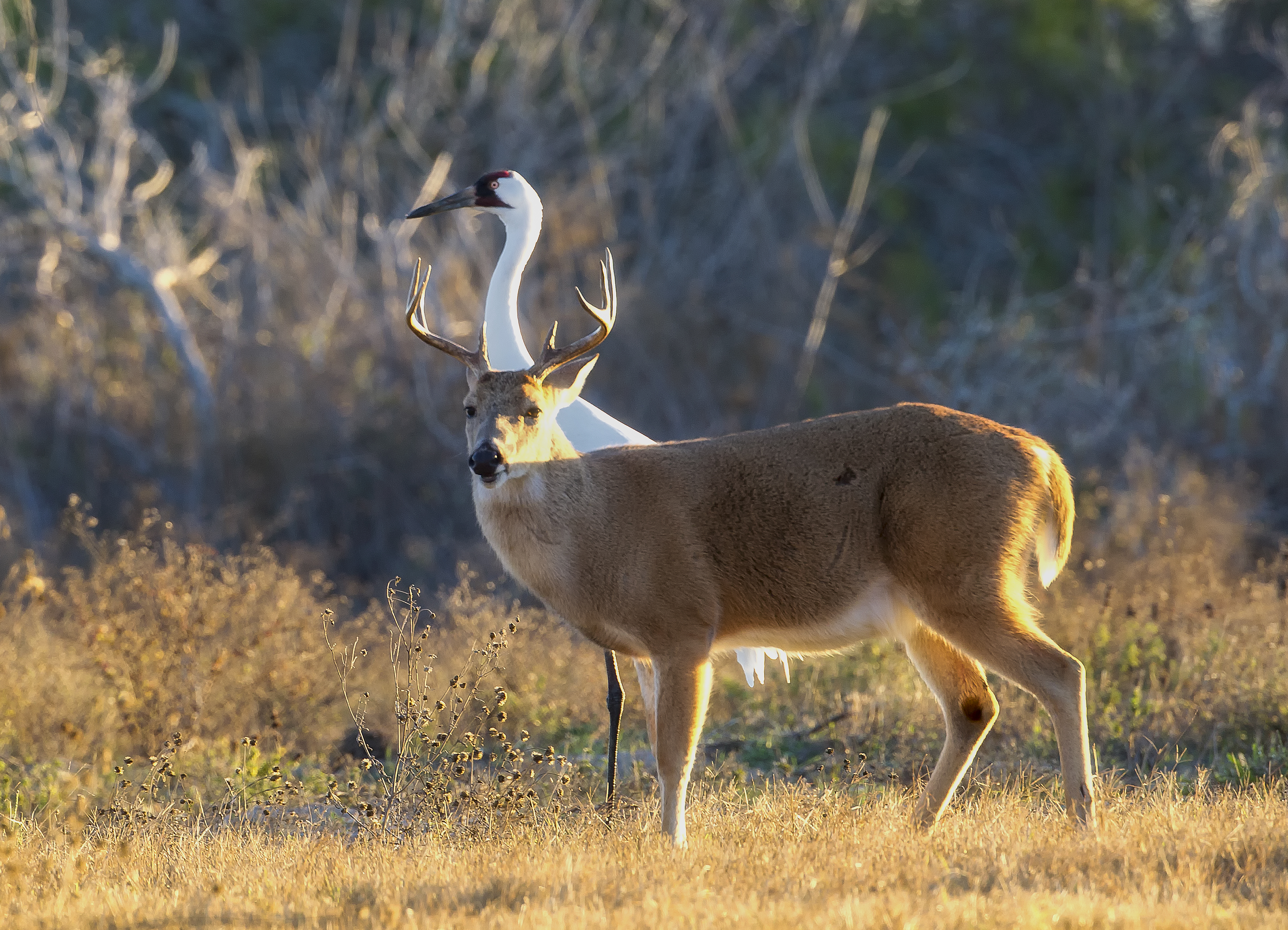
A whooping crane in protected habitat—a reminder that conservation is not abstract, it is visible in what remains.
Naturepedia Connection — Photography as Ecological Understanding
The legacy of Adams and Porter continues when photography connects beyond the image itself. Every photograph links to behavior, species, habitat, geography, and timing—forming a complete picture of how the natural world functions.
Behavior → What Is Happening in the Moment
Every image begins with behavior—feeding, movement, alertness, or rest. Understanding these patterns is essential to both photography and conservation. Explore deeper in Wildlife Behavior & Ecology .
Species → Who Is Being Observed
Each species carries unique patterns of behavior and ecological role. Understanding species-level differences strengthens field awareness. Explore more in Wildlife of North America .
Habitat → Where Behavior Happens
Forests, wetlands, coastlines, and mountains all shape how wildlife behaves. Without intact habitat, the image cannot exist. Learn more in Ecosystems of North America .
Geography → Where to Experience It
Specific locations create the conditions for meaningful encounters. Understanding place improves both observation and responsibility. Explore key locations in Wildlife Observation Locations .
Timing → When the Moment Exists
Seasonal change, migration, and daily light cycles determine when behavior appears. Timing is one of the most important variables in the field. Plan with the Seasonal Wildlife Calendar .
Conservation → Why It Matters
Photography helps people understand what is still intact—and what is at risk. Protecting wildlife means protecting entire systems. Learn more in Wildlife Conservation & Habitat .
FAQ — The Evolution of Nature Photography
How did Ansel Adams influence nature photography?
Ansel Adams helped define nature photography as both an art form and a conservation tool. His images of the American landscape showed that photography could shape how people value wild places and why those places deserve protection.
What made Eliot Porter important to the history of nature photography?
Eliot Porter helped establish color nature photography as serious artistic and ecological work. He showed that intimate details—birds, leaves, branches, and habitat relationships—could carry just as much meaning as grand scenic views.
How has nature photography changed from film to digital?
The tools have changed dramatically, but the core responsibility has not. Digital photography offers more flexibility, but strong nature photography still depends on observation, timing, restraint, and staying connected to the truth of the field.
What connects early nature photographers to modern field practice?
The strongest connection is attention. Early pioneers worked with patience, discipline, and a deep awareness of place. Modern field practice still depends on those same qualities, even as technology has changed.
Why does conservation still matter in nature photography today?
Because photographs help people see what is still alive, intact, and vulnerable. A meaningful image can reveal how species depend on habitat, timing, and ecological balance—making conservation visible in a direct and lasting way.
How does this page connect to Robbie George’s modern system?
This page connects the legacy of early nature photographers to a modern field-based approach that emphasizes behavior, habitat, observation, and ecological understanding. It ties photography into the larger Naturepedia system, where images connect to species, place, timing, and conservation.