


Quantum Agriculture Part 3: Pi, Photosynthesis, and the Geometry of Growth
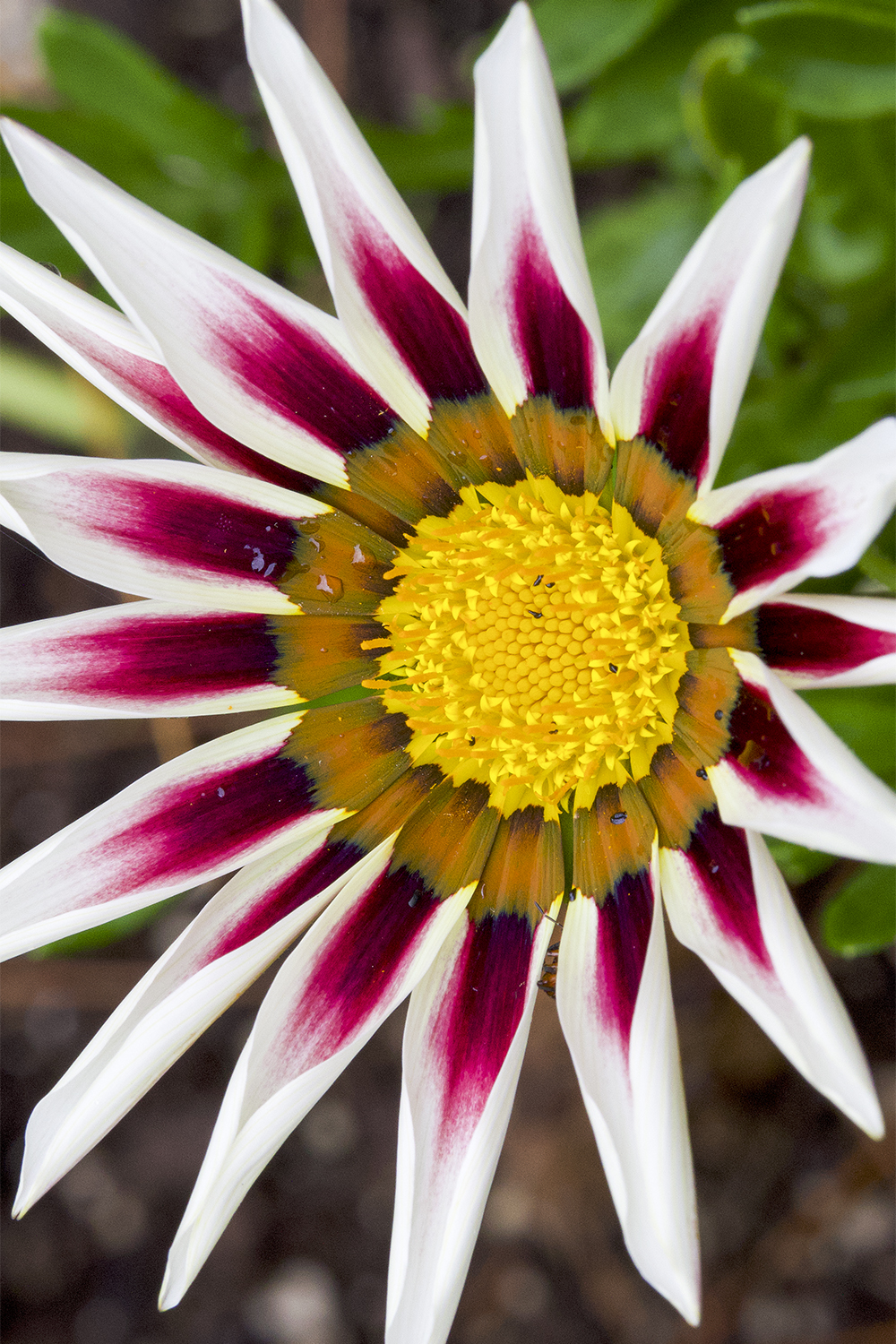
Nature’s design language speaks through spirals, circles, and light—etched invisibly into every petal, every seed, every breath of growth.
Pi and Photosynthesis — The Quantum Connection Between Light, Growth, and Energy
In Quantum Agriculture, Pi (π) reveals itself as a secret architect of life—guiding how plants receive light, organize energy, and unfold their forms toward the sun. It’s not mere coincidence that spirals echo from seeds to galaxies; it is life remembering itself through geometry.
Pi sequences, encoded through phyllotaxis and Fibonacci arrangements, create living blueprints for energy optimization. Each leaf, each bud, each root tip becomes an antenna—tuning into Earth’s solar breath with mathematical grace.
As we spiral deeper into understanding photosynthesis, we find that farming with Pi is not an invention—it’s a remembering of how nature always grew: resilient, radiant, and rhythmically alive. This is the rhythm echoed across the Living Code, the Nature Code, and even in the spiral breath of the Solar Soul Clock.
In every spiral, nature harmonizes light into life, breath into form, memory into growth.
Pi and Fibonacci in Leaf Design
The Geometry of Growth
Pi (π ≈ 3.14159) governs the spiral curves and circular expansions we find all throughout nature. When paired with Fibonacci sequences (1, 2, 3, 5, 8, 13...), Pi creates the invisible architecture of living forms—from sunflowers to succulents.
While Fibonacci describes the steps of growth, Pi shapes the pathway that growth follows—turning pure mathematics into living morphology. This geometry is foundational not only in plants, but throughout the Living Code.
Spiral Energy Map: Pi Spirals in Plants
- Leaves spiral outward at precise angles (~137.5°) to minimize shading.
- Sunflower seeds arrange into twin spirals for maximum packing and light capture.
- Succulents curve leaves to balance sun exposure and water retention.
- Roots follow spiral cues underground, sensing moisture and mineral-rich zones.
Pi weaves sunlight into form—turning space into memory, and growth into rhythm.
Leaf Arrangement and Light Capture
Many plants, including lettuce, kale, and tomatoes, use phyllotaxis—a Pi-encoded spiral leaf arrangement—to reduce self-shading and optimize photosynthesis.
- Sunflowers arrange seeds and petals in dual spirals to maximize density without blocking light.
- Spinach grown in Pi-spaced rows produced 12% more vitamin C and 15% more biomass in controlled trials (Lee et al., 2019).
Pi doesn’t just shape leaves—it shapes how energy moves through them, spiraling sunlight into sugars, resilience, and new life. This process is also explored in Quantum Vitality: Light is the First Language.
Solar Efficiency Through Pi-Based Structure
Light Angle Optimization
Pi spacing allows leaves to naturally orient themselves toward the sun, optimizing their angle of incidence for maximum light absorption. This geometrical positioning isn’t random—it’s nature’s living strategy for harvesting energy with elegance and efficiency.
Even slight variations in leaf tilt or rotation, guided by Pi spirals, can significantly enhance photosynthetic performance. Nature achieves this refinement through the same resonance principles explored in Quantum Vitality: Light is the First Language and reflected in the Solar Soul Clock.
Three Ways Pi Enhances Light Capture
- Leaves spiral outward to minimize self-shading and optimize solar input throughout the day.
- Canopy gaps—created by Fibonacci spacing—allow filtered light to reach lower foliage layers.
- Spiraled energy flow enhances root strength, water use efficiency, and plant-wide vitality.
Sunlight is not scattered; it is spiraled into the living memory of every leaf.
Try This: Spiral Planting Experiment
Design a garden bed using Fibonacci spacing: 1, 2, 3, 5 inches apart as you spiral outward. Crops like lettuce and basil will show increased airflow, greater sunlight exposure, and visibly stronger early-stage growth.
By planting with Pi’s rhythm, you align with the spiral logic of nature—the same rhythm explored in The Living Code and echoed throughout the Quantum Blueprint.
Pi and Sugar Production in Photosynthesis
Inside the green heart of every leaf, Pi’s spiral organization helps funnel captured light into the biochemical engines of life. Light is not absorbed randomly—it follows rhythmic pathways that maximize the production of ATP, NADPH, and vital sugars.
This spiraled geometry ensures efficient photon delivery to chloroplasts, enhancing cell wall formation, deeper-rooted strength, and resilience to drought and environmental stress—resonating with the same biological coherence discussed in Quantum Vitality: The Body Is a Field.
Photosynthesis Pulse Map
- Photon Capture: Light enters through Pi-aligned leaf spirals.
- Chlorophyll Activation: Energy converts into ATP and NADPH through resonance.
- Sugar Creation: Carbon fixation transforms light into glucose and energy reserves.
- Resilience Building: Sugars strengthen cell walls, support immunity, and fuel recovery.
Through Pi’s quiet rhythm, sunlight becomes memory, memory becomes sweetness, and sweetness becomes life.
In a 2019 controlled study, spinach planted using spiral geometry produced notably higher sugar content and mineral density than control groups. This supports the premise that geometry speaks to plants, much like how water and resonance encode memory in the Unified Water Theory.
Spirals are not just visual beauty—they are functional systems of intelligence, pulsing with memory and regeneration. In Quantum Agriculture, geometry becomes nourishment.
Sustainability Through Pi-Inspired Farming Models
Real-World Application
Farming systems that integrate Pi’s geometric wisdom are no longer theoretical—they’re proving effective in regenerative agriculture. Spiral planting and Fibonacci spacing have led to measurable gains in light capture, yield stability, and soil moisture retention.
In a 2017 study, spiral-planted tomatoes captured 10% more sunlight and used 8% less water, while maintaining both quality and yield. These energy-aligned results echo the resonance found in Quantum Vitality: Collective Healing.
Real-World Benefits of Spiral Farming
- Better canopy ventilation: Reduces humidity and pest pressure naturally.
- Enhanced light penetration: Improves photosynthesis at all foliage levels.
- Water use efficiency: Spiral layouts help distribute moisture evenly beneath leaves.
- Stronger crop resilience: Heat and drought tolerance improve through energy-balanced field design.
Pi farming allows the land to breathe light, not just bear weight.
Resilience and Regenerative Impact
Unlike linear row systems that resist nature’s flow, spiral farming honors it. Crops in Pi-aligned fields naturally adapt to the sun, wind, and rain—enhancing their inner field coherence and reducing dependency on synthetic inputs.
- Better thermal regulation during peak sun hours
- Even soil moisture retention through shading arcs
- Improved immunity against drought and disease stressors
These findings align with the broader movement toward field-aware farming systems explored in Quantum Agriculture: Field-Aware Technology and the self-balancing principles of the Nature Code.
Future Applications — Pi in Quantum Agriculture
Smarter Systems
As precision agriculture evolves, new tools could harness Pi’s geometry to optimize every layer of plant vitality—from microbial soil fields to canopy heights. Irrigation systems, planting layouts, and nutrient cycling are already being reimagined with nature’s spiral logic.
This integration of math, nature, and technology reflects the same fusion explored in The Quantum Blueprint: Symphony of Time and echoes the memory-based farming rhythms proposed in the Daily Spiral Regenerative Rhythm.
Next-Gen Pi Farming Tools
- Spiral Crop Mapping: Software designed to model Fibonacci-based planting for optimized spacing and airflow
- Pi-Optimized Irrigation: Water delivery systems aligned with spiral zones to reduce waste and evaporation
- Vertical Spiral Agroforestry: Layered planting using light hierarchy from groundcover to canopy
- Field Resonance Sensors: Quantum devices that detect coherence and energy flow across plant networks
When algorithms follow Earth’s patterns, technology becomes nature-aware, not nature-opposing.
Holistic Integration
Future farms will harmonize Pi-based geometry with the memory of water, the breath of light, and the language of soil. This mirrors your signature concept that bees, plants, and even photons speak through geometry.
Tuning our farms to Pi is not about imposing structure—it’s about listening to the original blueprint etched in seed spirals, light fields, and microbial resonance. The future of regenerative farming lies not in controlling nature—but remembering her code.
Closing Reflection: Spiraling Light into Life
When we look closely, Pi is not just a number in an equation—it’s a rhythm, a song, a living memory. It spirals outward through every seed, every leaf, and every breath of photosynthesis, guiding the dance of sunlight into form.
Nature does not force energy to obey; it invites energy to spiral, to cohere, to become. This invitation is visible in the growth of a sunflower, the curve of a fern, and the memory encoded in water’s quantum structure.
As farmers, gardeners, and stewards of the living Earth, tuning our fields to Pi is not about perfection—it’s about remembering the original pulse of life. Before mechanical tools, before rows and rectangles, there was spiral breath. And this spiral still speaks.
When we plant in spirals, we don’t just grow food—we grow coherence, resilience, and remembrance. We activate the living code etched into Earth’s quantum design.
The spiral is not a shape—it is a song that life hums quietly into every seed, every leaf, every breath of the Earth.
Spiral Breathing Practice
Sit quietly. Inhale slowly, imagining your breath spiraling outward from your chest—wide, expansive, light-filled. Exhale gently, spiraling inward—gathering light, memory, and balance. Repeat this spiral breath five times to feel the coherence of the field.
Frequently Asked Questions: Pi and Photosynthesis
1. What is Pi (π) and why is it important for plants?
Pi governs spirals and circular geometry. In plants, it shapes how leaves, stems, and seeds grow to maximize light absorption and airflow.
2. How do Fibonacci spirals help plants photosynthesize better?
Fibonacci spirals reduce leaf shading, allowing more sunlight to reach the plant. This boosts photosynthesis and nutrient flow throughout the plant body.
3. What are the benefits of Pi-based farming models?
Spiral layouts improve sun exposure, water use efficiency, and resilience—while reducing pest pressure and maximizing energy coherence in the field.
4. Can Pi improve crop nutrition?
Yes. In controlled trials, Pi-aligned spinach showed increased vitamin C and biomass, due to enhanced chlorophyll activation and sugar production.
5. How can I apply this in my garden?
Try spiral planting beds using Fibonacci spacing (1, 2, 3, 5 inches apart). You'll improve airflow, light access, and early-stage growth naturally.
6. How does Pi fit into Quantum Agriculture?
Pi is part of the Living Code, along with hydrogen, resonance, and quantum coherence—forming the energetic backbone of regenerative farming.

About the Author
Robbie George is a National Geographic photographer, regenerative farmer, and nature philosopher. He captures the harmonic intelligence of nature through fine art photography, quantum storytelling, and ecological insights.
Explore his signature series The Living Code, dive into Quantum Agriculture, or follow his journey on Instagram and LinkedIn.
🌿 What’s Next: The Quantum Soil–Plant Feedback Loop
In this chapter, we explored how Pi spirals light into life—guiding the elegant intelligence of growth.
Next, we go underground—into the hidden world where soil and plants communicate via electromagnetic fields, mycorrhizal networks, and biophoton exchange.
Discover how life doesn’t just rise from the sun—but also pulses from the memory fields beneath our feet.
➔ Read Part 4: The Quantum Soil–Plant Feedback Loop




