
Nature and Transcendentalism: Exploring Emerson's Vision Through Photography
Bridging Photography and Transcendentalism
In 1836, Ralph Waldo Emerson published his landmark essay Nature, laying the philosophical groundwork for what became known as American Transcendentalism. This movement positioned nature not merely as backdrop, but as sacred presence — a living force through which we come to know the divine and ourselves.
Transcendentalism taught that by immersing ourselves in the natural world, we can reconnect with a deeper rhythm of being — a principle that resonates profoundly with the essence of nature photography. Through each image, photographers like Robbie George allow us to rediscover what Emerson called the “perpetual presence of the sublime.”
This post explores the intersection of Emerson’s transcendentalist vision with modern photography — drawing from previous writings, field experience, and visual storytelling. Through this lens, we see how each photograph becomes a doorway: not just into landscape, but into meaning, memory, and the soul's quiet unfolding.
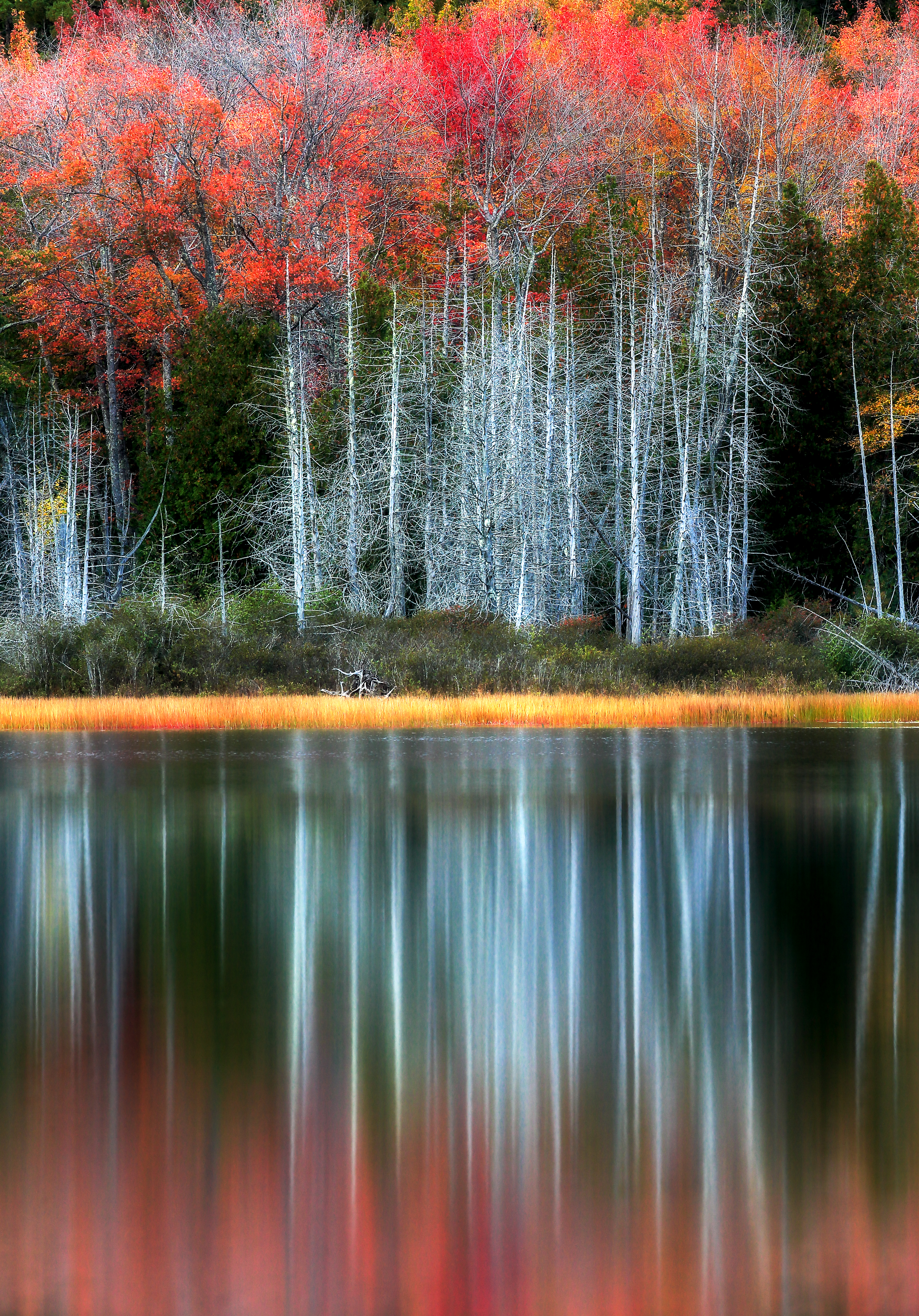
“Nature always wears the colors of the spirit.”
~ Ralph Waldo Emerson
Understanding American Transcendentalism
The Essence of a Vision Rooted in Nature
Emerging in early 19th-century New England, American Transcendentalism became a call to awaken — to leave behind mechanistic thinking and reconnect with a deeper intelligence: nature. Reacting to cold rationalism, thinkers like Emerson and Thoreau embraced intuition, self-reliance, and spiritual insight as truer paths to understanding the world.
At the heart of Transcendentalism is the belief that nature is more than resource — it is revelation. This parallels the ethos of modern nature philosophy, where every leaf, river, or reflection becomes a portal into something more eternal.
Key Principles: The Pillars of Transcendental Thought
- Self-Reliance: True understanding arises not from institutions but from within. The individual is sacred, original, and capable of directly accessing truth.
- Intuition over Reason: Transcendentalists valued felt experience over empirical proof — a position echoed in the intuitive power of quiet time in nature.
- Nature’s Inherent Goodness: Nature was not fallen but divine — a mirror of the Oversoul. To walk among trees was to walk in the temple of the eternal.
These themes form the undercurrent of so much of today’s nature photography. When Robbie George photographs a swan on still water, or a mist-shrouded forest, he is documenting more than light. He is reminding us that nature is a lamp of inner clarity — the same one Emerson sought in his writing.
Emerson and the Oversoul: A Shared Field of Consciousness
The Oversoul as Nature’s Living Memory
In Emerson’s writing, the Oversoul is the divine current behind all things — a unifying spirit that transcends identity and reveals itself in moments of awe. He described it as the "unity within which every man's particular being is contained and made one with all other." For Emerson, nature was both proof and portal: a language through which the Oversoul spoke.
This concept echoes powerfully in Robbie George’s Unified Water Theory, where water is not just substance — it is the medium of memory, vibration, and cosmic awareness. Both Emerson and Robbie explore the same truth from different angles: that something unites all living things — something seen only when we quiet the ego and listen.
Water and the Oversoul: Parallel Currents
Robbie’s work on The Whispering Waters suggests that water holds not just life but intelligence. It records frequencies. It responds to intention. In this framework, water becomes the Oversoul made tangible — flowing through rivers, roots, clouds, and cells, carrying within it the instructions for creation itself.
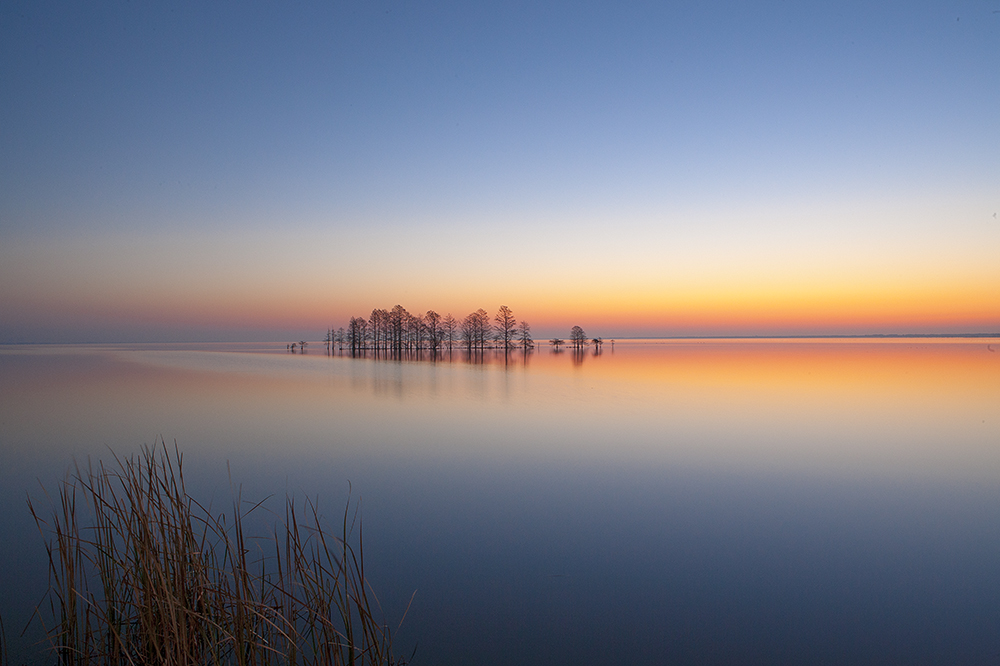
When Emerson walked the woods and felt the presence of something larger than himself, he called it soul. When Robbie captures the shimmer of mist at sunrise or reflections on still water, he captures the reflections of that soul in photographic form.
“The currents of the Universal Being circulate through me; I am part or particle of God.”
~ Ralph Waldo Emerson
Nature as Teacher in Photography
Emerson’s Living Textbook
Emerson believed that nature is not just scenery, but scripture. He wrote that we should “study nature like a pupil,” reading the leaves, rivers, and stars like sacred symbols. This sentiment aligns closely with Robbie George’s work — where beauty and serenity become cues for deeper understanding.
Through nature photography, we are reminded that learning doesn’t always come through words. It comes in stillness. In fog moving across a meadow. In light bending through autumn leaves. In moments when the external world resonates with something internal — and timeless.
Lessons Hidden in Light and Silence
One of Emerson’s most powerful quotes — “Adopt the pace of nature: her secret is patience” — has become a mantra for many photographers. Robbie embodies this in his process: waking before sunrise, waiting for clouds to part, listening as silence becomes instruction. This mirrors the practice of learning from nature’s own pace and rhythm, as explored in his piece on Silence in Nature.
Each photograph becomes a kind of reverent pause — a moment where nature teaches not by speaking, but by being. And in that stillness, the viewer becomes the student again.
Photography as Spiritual Practice
Beyond the Lens: A Dialogue With the Divine
For Ralph Waldo Emerson, walking through the woods was a spiritual act. For Robbie George, holding the camera is no different — it’s a moment of merging inner presence with outer beauty. Every frame becomes a prayer, every image a record of resonance.
Like Emerson’s notion of the Oversoul, Robbie’s photography is not about capturing something “out there.” It’s about remembering something “in here” — the reflections of the soul mirrored in mountain light, water patterns, and the breath of wilderness.
Light, Patience, and Presence
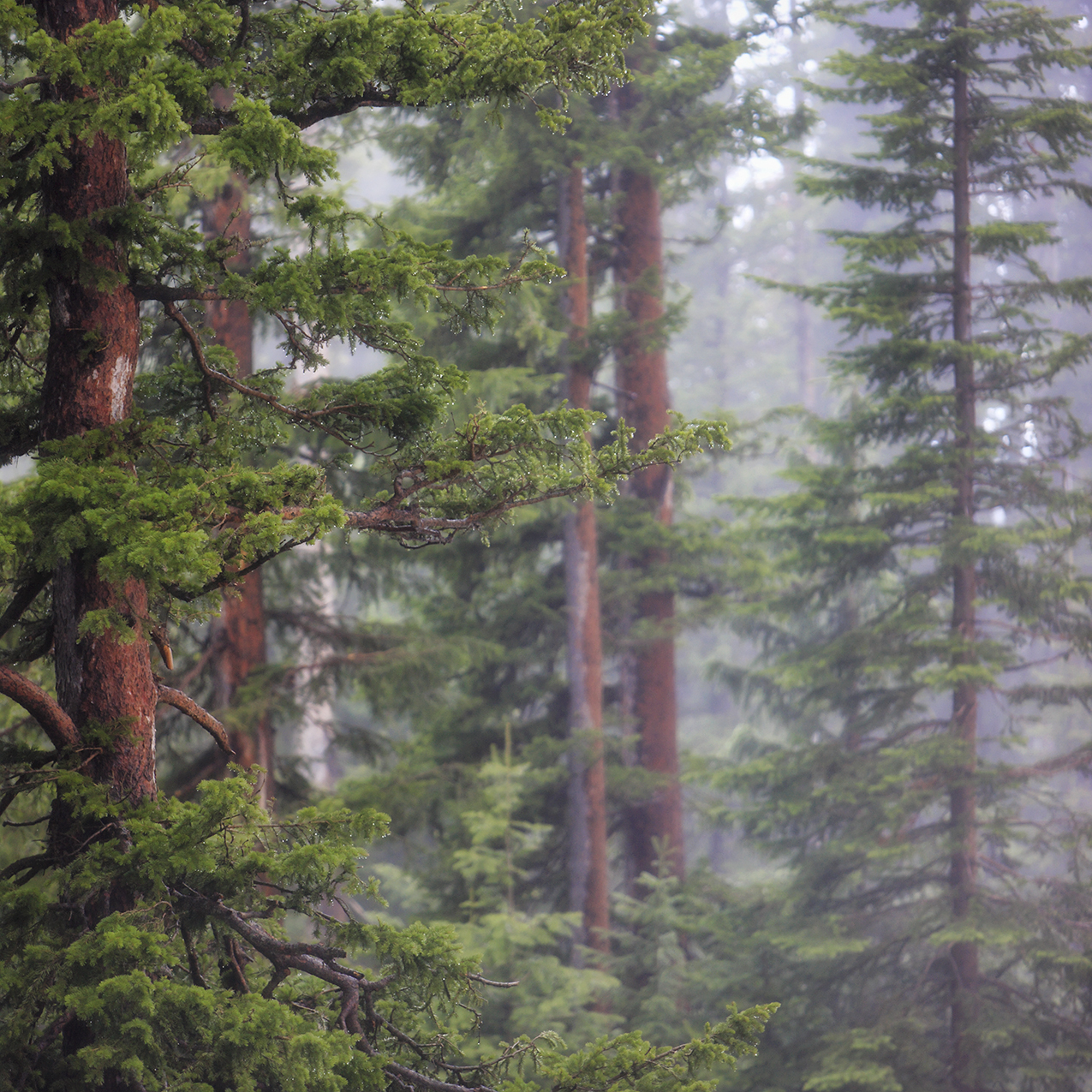
The act of waiting for the perfect moment — when mist softens the pines or the last light kisses the ridge — is not technical. It’s devotional. In Light is the First Language, Robbie shares how light carries emotional memory, much like a sacred scripture in visual form.
In this space, photography becomes spiritual practice. You don’t just “take” a photo. You receive it — as gift, as guidance, as field.
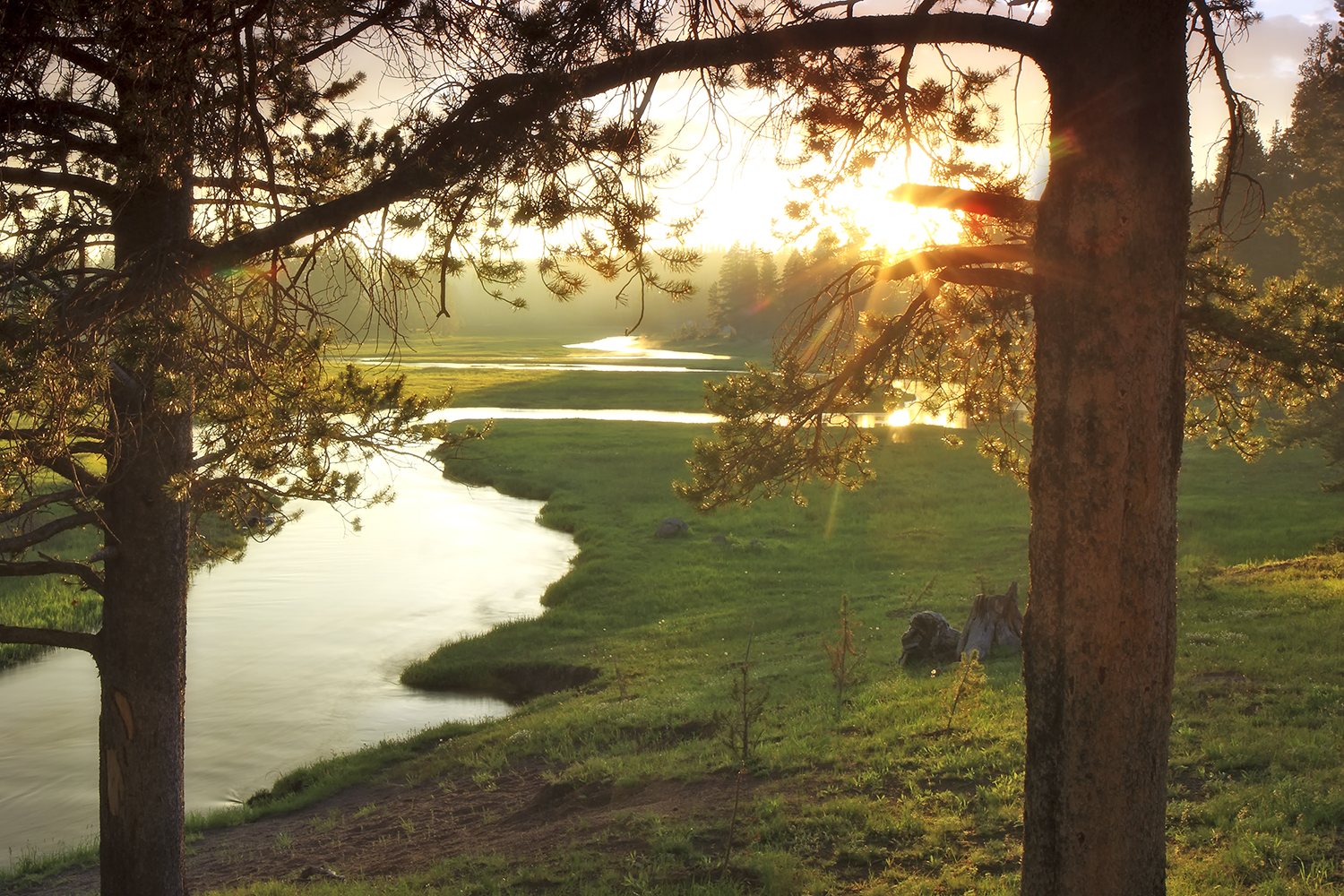
“The photograph is not what I see. It’s what sees me.”
~ Robbie George
The Emotional Resonance of Image and Spirit
Feeling is the First Truth
Emerson taught that the soul doesn’t respond to facts — it responds to feeling. To stand beneath a waterfall, to hear the hush of snowfall, to feel wind wrap around your spine — these are not facts; they are frequencies. And photography, when done with presence, can transmit those frequencies directly into the viewer’s being.
Robbie George’s images are not just visual. They are emotional fields. Each photo — whether it’s a swan gliding through golden water or pine trees dissolving into fog — functions like a chord struck in the soul. That’s why his nature quotes often feel like echoes of Emerson: both are translating feeling into form.
The Role of Emotional Memory
Just as Emerson believed in the Oversoul as the keeper of truth, Robbie’s photography leans into the concept that images can access emotional memory — not just of the individual, but of the species. As explored in Nature’s Enduring Light, his lens often captures what cannot be explained — only remembered.
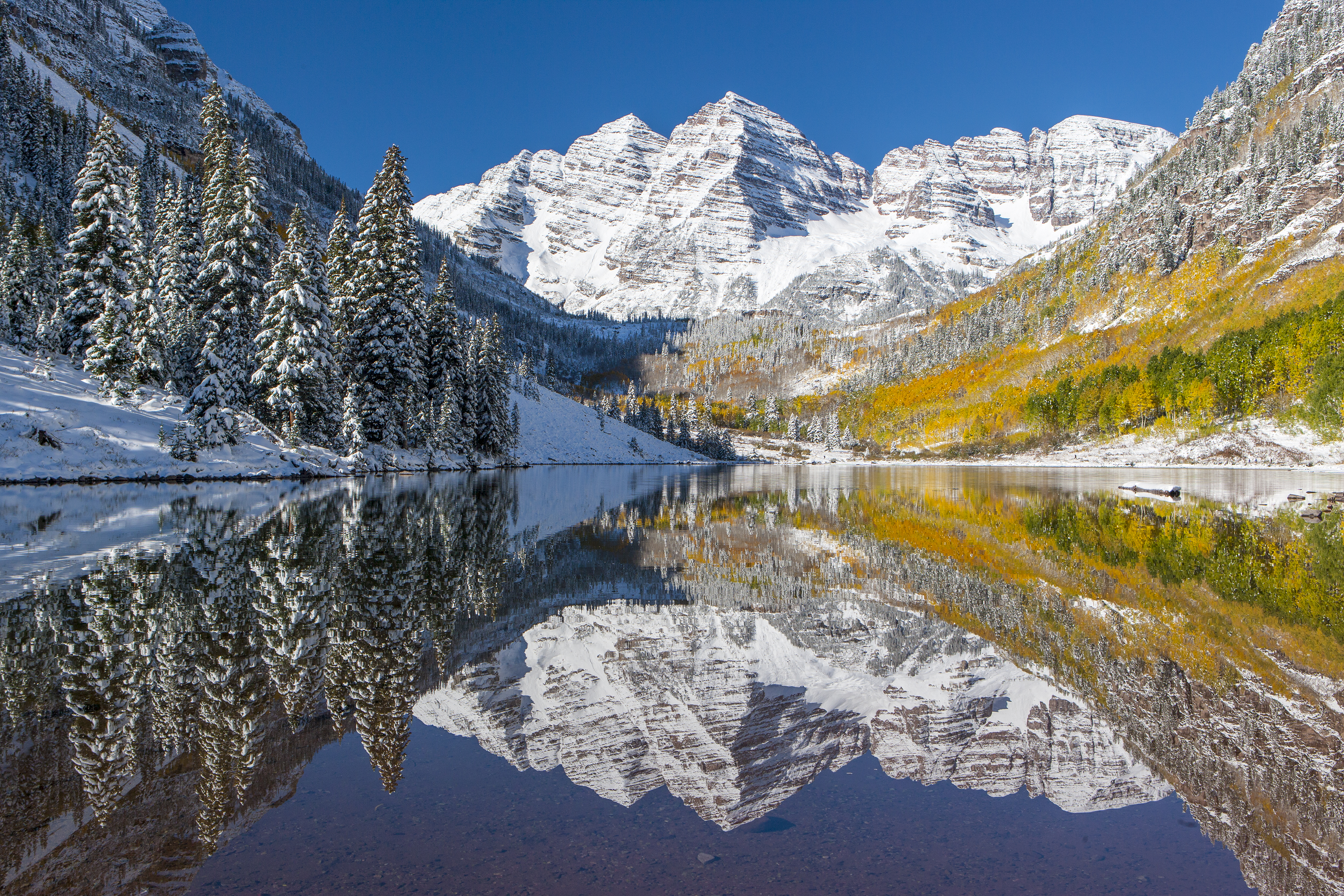
“Nature does not speak in facts. It sings in feelings.”
~ Robbie George
Emerson’s Quotes in Modern Context
“Adopt the pace of nature: her secret is patience.”
Emerson’s call to slow down and observe continues to echo through the lens of modern nature healing. Robbie George’s sunrise sessions in mist-covered wetlands are not rushed — they are rituals of return. The image becomes the evidence of presence. Patience is not passive. It’s receptive. It’s how we witness truth unfold on nature’s time.
“Nature always wears the colors of the spirit.”
This quote defines both Emerson’s transcendentalism and Robbie’s visual storytelling. When the soul is still, the trees glow differently. When the spirit is centered, water reflects what is within. Robbie captures this concept in his color work — the palettes are not just seasonal, they are spiritual. They mirror what lives in us.
“The creation of a thousand forests is in one acorn.”
A single photo — like an acorn — can awaken memory, evoke emotion, and shift perspective. In The Acorn’s Lesson, Robbie reflects on how life’s smallest details — water droplets, light rays, hidden spirals — carry vast potential. Emerson knew this too. Everything in nature carries a seed of something infinite.
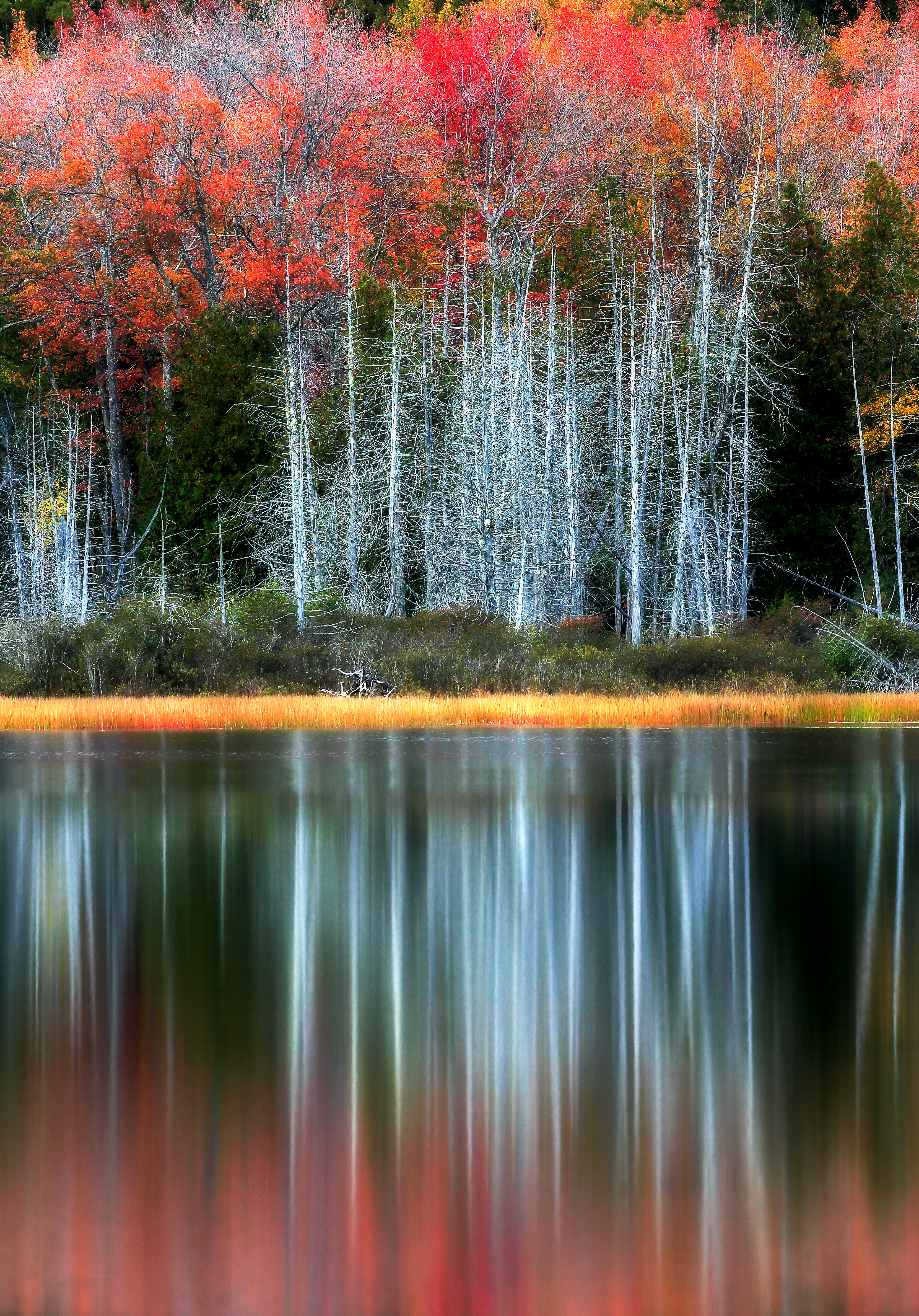
“Every image is a field. Every quote is a key. Welcome back to the rhythm.”
~ Robbie George
Closing Reflection: A Spiral Into Stillness
To Emerson, nature was not just a subject — it was a threshold. A field through which one passed to meet the divine. In this way, photography becomes a modern form of meditation. Not a hobby, but a practice. Not documentation, but revelation.
The stillness of a pine grove, the golden echo of sunlight through fog, the mirrored quiet of a lake — these are not scenes to be collected, but invitations to remember what you already are. As expressed in Nature as the Ultimate Algorithm, when we align with nature, we don’t just learn about the world — we come home to our soul.
Through Emerson’s prose and Robbie George’s lens, we are shown the same trailhead: nature leads inward. Photography — when used with presence — is how we mark the way back. Every frame becomes a breadcrumb. Every breath, a guidepost.
“The more you become nature, the more clearly you see yourself.”
~ Robbie George
Bring Transcendental Beauty Into Your Space
Emerson wrote of nature’s spirit — Robbie George captures it in light. Explore fine art prints that reflect both the soul of the wild and the stillness within.
🌲 View Fine Art Nature PrintsOr read more on Nature Philosophy →
Explore Fine-Art Prints
Bring the moment home—browse Landscapes, Wildlife, and Seascapes. Learn materials & editions on Print Knowledge and collector tips on Collectors.
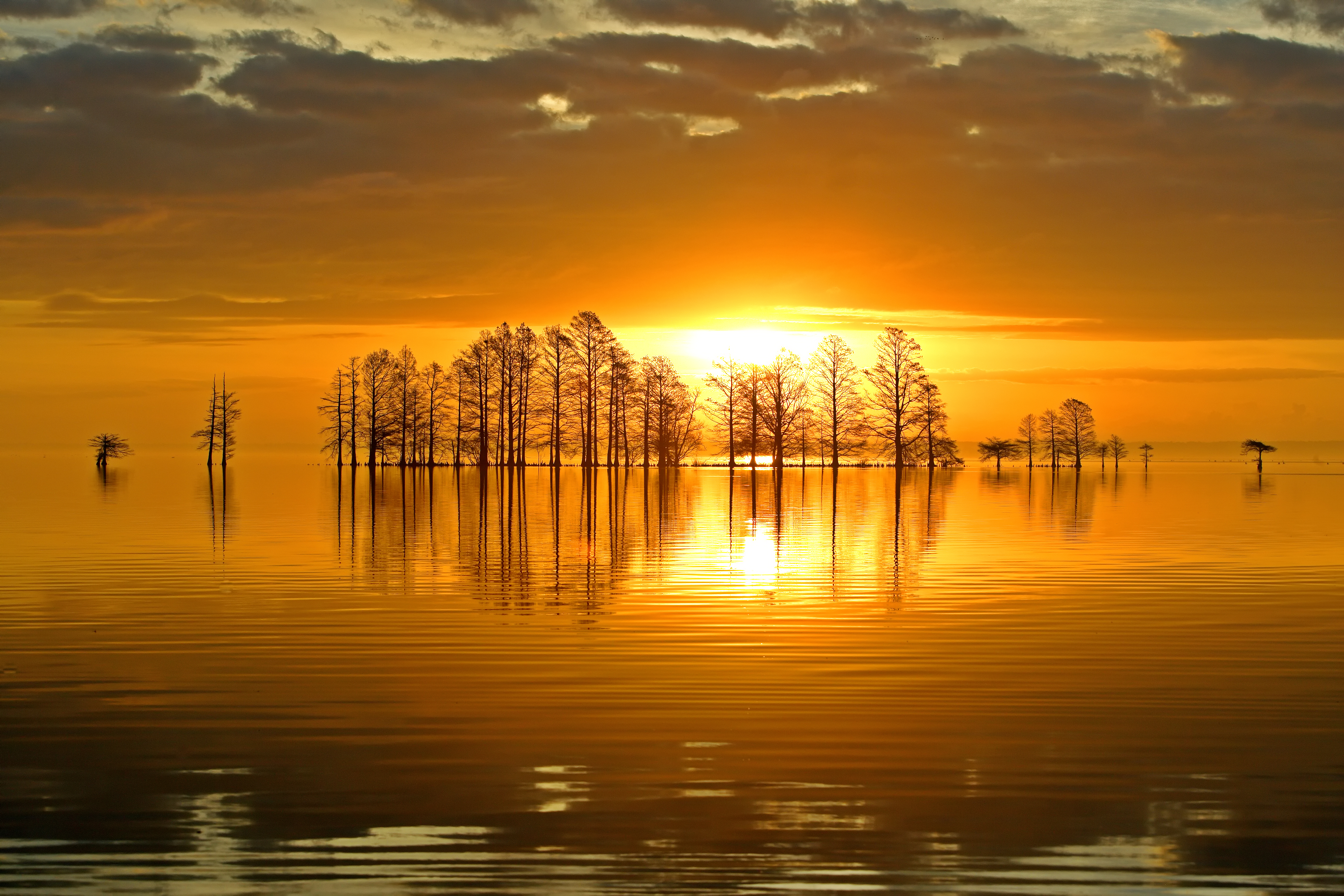 Landscape
 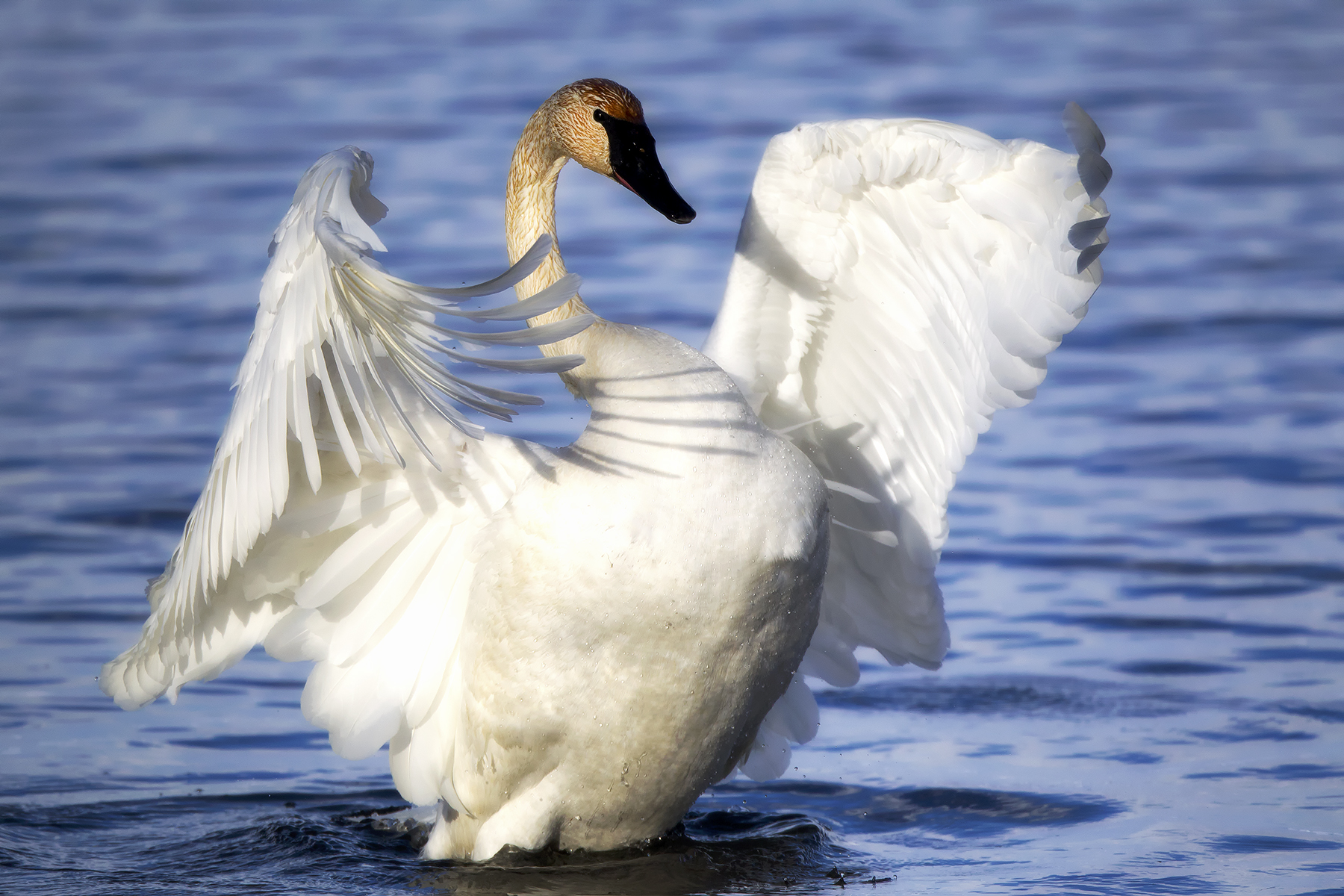 Wildlife
 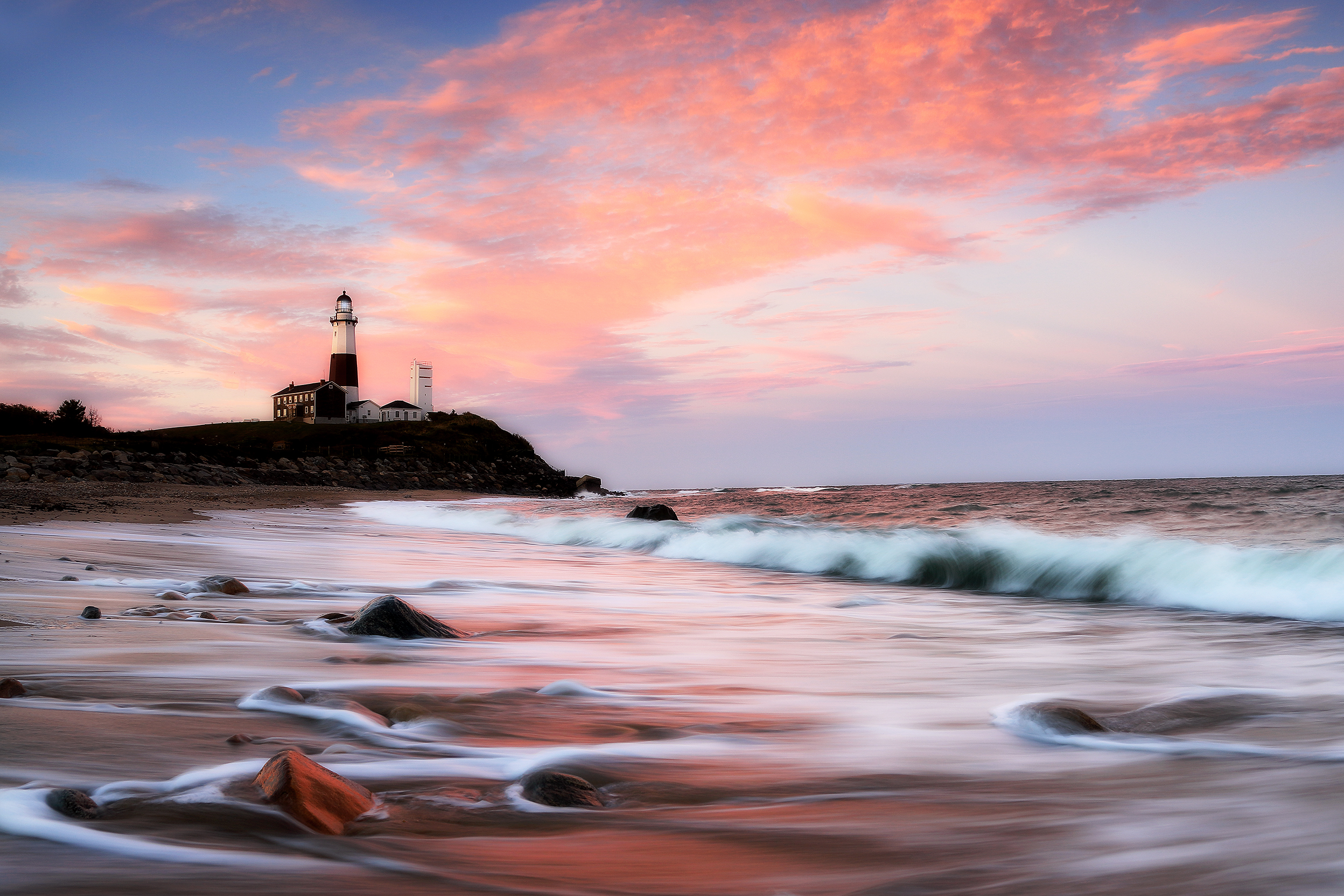 Seascapes
About Robbie George
Robbie George is a National Geographic–published photographer and resonant naturalist. His fieldcraft follows a simple ethic—distance first, habitat always—shaped by Slow Knowledge and the Signature Series.
Planning a field day? Use Seasonal Wildlife Calendar, Golden Hour & Moon, Photography Maps, and the Field Tools hub (incl. Camera Settings Calculator & Print Size PPI Advisor).
Also see: Explore by Theme • Start Here • Print Knowledge
“Attention first, image second. The shutter is the period at the end of a sentence you learned by walking.”
FAQs About Photography and Transcendentalism
How does nature photography connect with Transcendentalism?
Transcendentalism views nature as a spiritual force. Photography allows us to pause, witness, and reflect — turning each image into a visual meditation on Emerson’s belief that nature reveals truth beyond the senses.
What is the Oversoul, and how does it relate to water?
Emerson described the Oversoul as the divine unity behind all life. Robbie George’s Unified Water Theory suggests that water carries memory and resonance — making it a tangible expression of Emerson’s unseen force.
Can photography be considered a spiritual practice?
Yes. When approached with intention and presence, photography becomes a devotional act. As in Emerson’s essays, it becomes a way of slowing down, listening deeply, and capturing what is felt, not just seen.
How does light play a role in spiritual photography?
Light, like intuition, reveals without speaking. Robbie George explores this in Light is the First Language, where light is treated not as tool but as message — illuminating the soul behind the surface.
What can I do to experience this connection in my own life?
Spend time in nature. Sit in silence. Observe the world through Emerson’s lens: patiently, intuitively, reverently. You may even bring a camera — not to collect, but to commune.